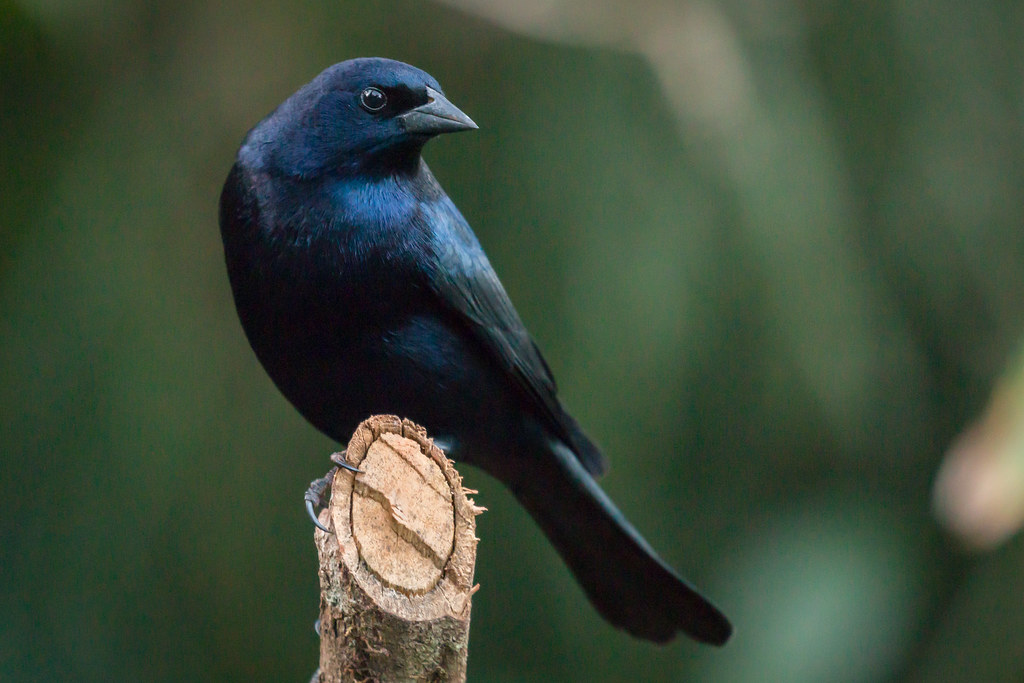
Notable Losses That Shaped the Year (Image Credits: Imgs.mongabay.com)
As 2025 drew to a close, conservationists tallied a year marked by remarkable recoveries in some ecosystems alongside persistent declines that underscored the urgency of global action.
Notable Losses That Shaped the Year
The year highlighted stark reminders of biodiversity’s fragility, with several species edging closer to the brink. Reports from organizations like the World Wildlife Fund documented continued population drops, building on a decades-long trend where average wildlife numbers had fallen by 73 percent since 1970. In particular, habitat destruction driven by urban expansion and agriculture accelerated losses in tropical regions.
Experts noted that these declines often unfolded gradually, through diminished sightings and strained ecosystems, rather than sudden events. For instance, certain mammal populations in Africa and Asia suffered from poaching and climate pressures, contributing to broader ecological imbalances. Such patterns emphasized how interconnected losses rippled through food chains, affecting everything from pollinators to predators.
Breakthrough Discoveries and Recoveries
Amid the challenges, 2025 brought exhilarating scientific advancements that reignited hope for endangered species. Researchers unveiled astonishing findings, such as orcas employing tools in novel ways off the Pacific coast, revealing adaptive behaviors previously unobserved. Deep-sea explorations also yielded new shark species, expanding our understanding of ocean biodiversity.
Conservation efforts yielded tangible wins, including the restoration of key habitats that supported rebounding populations of turtles and other marine life. In Africa, initiatives under the IUCN’s African Wildlife Initiative fostered community-led protections, leading to updated strategies in countries like Kenya and Uganda. These successes demonstrated how targeted interventions could reverse some trajectories, even in resource-limited areas.
Regional Spotlights on Progress
In the United States, state-level advocates secured environmental victories despite federal hurdles, such as enhanced protections for wetlands and wildlife corridors. The National Wildlife Federation reported affiliate-driven achievements, including better funding for refuges and opposition to risky deep-sea mining. These local efforts buffered against broader policy shifts, preserving habitats for migratory birds and mammals.
Globally, workshops and partnerships amplified gains; for example, Southern Africa’s collaborations strengthened governance around species recovery. Meanwhile, plant and animal science breakthroughs, like insights into ancient mammoth DNA, informed modern preservation techniques. Such developments highlighted the value of international cooperation in addressing transboundary threats.
Policy and Community Roles in Conservation
Policymakers grappled with balancing development and protection, approving resolutions that urged pauses on exploitative practices like deep-sea extraction. Community involvement proved pivotal, with Indigenous groups advocating for consent-based frameworks in conservation planning. These steps aimed to mitigate risks to vulnerable ecosystems while promoting sustainable livelihoods.
Despite budget constraints, grassroots organizations like WildlifeACT celebrated milestones in anti-poaching and habitat stewardship. Their work underscored that effective conservation often relied on local knowledge and persistent advocacy, fostering resilience against larger systemic pressures.
- Orcas using tools: A first documented instance of cultural innovation in marine mammals.
- New deep-sea sharks: Discoveries that doubled known species in remote ocean zones.
- Turtle mega-nests: Evidence of recovering populations in protected coastal areas.
- African habitat briefs: Updated plans for Cameroon, Niger, and beyond emphasizing community roles.
- US refuge funding: Wins that countered federal cuts and supported biodiversity hotspots.
Key Takeaways
- Wildlife populations continued a 73 percent average decline since 1970, but 2025 interventions slowed some losses.
- Discoveries like tool-using orcas and ancient DNA studies offered new tools for protection.
- Local and regional efforts, from Africa to the US, proved essential in driving measurable gains.
Looking back, 2025 illustrated conservation’s dual reality: profound losses that demand immediate reform, yet inspiring gains that affirm the power of collective resolve. As threats like climate change persist, sustaining momentum will require innovative policies and unwavering support. What steps do you believe are crucial for wildlife in the year ahead? Share your thoughts in the comments.