Everyday life runs on clocks and calendars, yet our inner world refuses to follow the same rules. A single minute can feel like an eternity in a dentist’s chair, while an entire afternoon with a close friend vanishes in what feels like seconds. This mismatch between what the clock says and what our mind feels is where really begins.
Philosophers, neuroscientists, and psychologists have all tried to pin down what exactly is going on when we say that time “flies” or “drags.” But the more we look at it, the stranger it gets. Our brains don’t simply “read” time the way a watch does; they actively construct it, bend it, and sometimes scramble it. Once you start noticing that, it becomes hard not to wonder: is time something that exists out there, or is it mostly something happening in here?
The Strange Elasticity of Lived Time
Think about the last time you were terrified on a roller coaster or in near-accident traffic: everything seemed to slow down, as if the world was moving in slow motion while your awareness sped up. Now contrast that with doomscrolling on your phone “for five minutes,” only to look up and see that an entire hour has quietly evaporated. These aren’t minor glitches; they are huge distortions in how our conscious mind experiences the flow of time.
Scientists studying this have found that our sense of time is tightly linked to attention and emotional intensity. When we’re fully alert, focused, and flooded with emotion – especially fear or excitement – our brain seems to pack more information into each moment, so it feels longer and more vivid. When we’re bored, distracted, or running on autopilot, the opposite happens: fewer memorable “frames” get stored, and large stretches of the day blur together. In other words, time in consciousness behaves less like a ticking metronome and more like an accordion that expands and contracts depending on how deeply we’re actually living our moments.
The Specious Present: Why “Now” Is Thicker Than You Think

It feels like we live in a razor-thin instant called “now,” but neuroscience suggests that our present moment is actually a short window, a kind of mental time bubble. Our brain quietly collects sensory information over a tiny slice of time – fractions of a second – then stitches it together into a single, unified experience. This constructed “now” is sometimes called the specious present, and it’s why we don’t experience the world as a noisy, fragmented mess of micro-events.
You can see this in simple illusions: for example, when you hear a sound just after seeing something, your brain can retroactively adjust the timing so they feel simultaneous. The conscious present is not a direct, real-time feed; it’s more like a delayed broadcast that has been edited for coherence. That editing process happens below awareness, but it shapes everything we feel as immediate and real. Once you realize your “now” already contains a bit of “just before,” the idea of a sharply defined moment in time starts to feel less like a physical fact and more like a clever psychological trick.
Memory, Anticipation, and the Arrow of Psychological Time
Physicists talk about the arrow of time in terms of entropy and increasing disorder, but for consciousness there’s a different arrow: we remember the past and anticipate the future. Our inner life is built on that asymmetry. You have vivid memories (some clear, some distorted) of things that already happened, and you can imagine things that might happen, but you can’t flip that around. You don’t remember tomorrow or truly imagine yesterday as if it’s still open.
What’s wild is that much of our conscious day is spent not in the present, but in mental time travel – reliving old conversations in the shower, rehearsing tomorrow’s meeting, daydreaming about next summer. Psychologists studying this find that our sense of self is deeply tied to this back-and-forth movement across personal time. When memory is damaged, people often lose not just the past, but also the ability to richly imagine their future. The arrow of psychological time is not just a feature of how we think; it’s a pillar of who we feel we are.
Time Perception in Extreme States of Consciousness

Under extreme conditions, the relationship between consciousness and time can become almost unrecognizable. People who have been in life-threatening situations often report that time seemed to slow down dramatically, as if their awareness suddenly switched to a higher frame rate. Others, in deep meditation or flow states – like a musician lost in a performance – say they stop noticing time entirely, emerging to find that hours have slipped away as if they never existed.
Altered states from certain substances, sleep deprivation, or neurological conditions can stretch, compress, or break time into disjointed fragments. Some people with epilepsy or migraines, for example, report brief episodes where minutes feel like hours or vice versa. These experiences can be terrifying or profoundly meaningful, but in both cases they highlight that our inner clock is not a fixed mechanism. It’s more like a fragile agreement between different brain systems, one that can be disrupted in ways that reveal just how constructed our experience of time really is.
Does the Brain Actually “Keep Time” or Just Fake It?
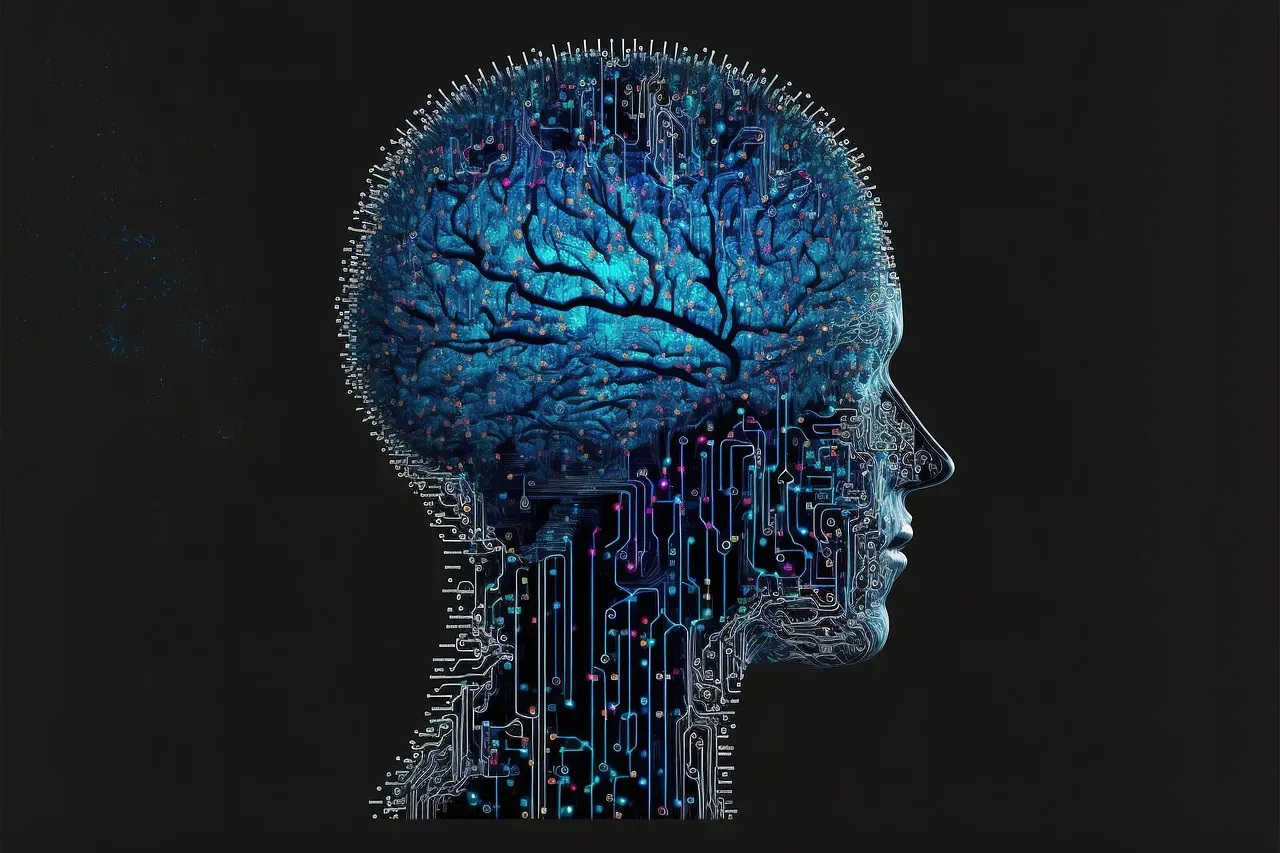
We like to imagine there’s a neat little “clock” module in the brain, but actual research paints a messier picture. Different timescales – milliseconds for sound, seconds for movements, hours for sleep cycles, years for autobiographical memory – are handled by different networks and processes. Instead of one master clock, the brain seems to rely on a patchwork of timing mechanisms, from rhythmic neural firing patterns to chemical cycles to the body’s broader circadian system.
When people take drugs that tweak brain chemistry or develop diseases like Parkinson’s, their ability to judge time intervals can shift noticeably. This suggests that timing is woven deeply into how neurons communicate and how brain circuits coordinate actions. But what we experience as time isn’t just that raw timing information; it’s a story that consciousness builds on top of it. In a way, the brain might not be measuring time so much as constantly improvising a convincing illusion of temporal order, one that usually lines up with the outside world closely enough to keep us functioning.
Philosophical Puzzles: Is Time Real or a Mental Construct?
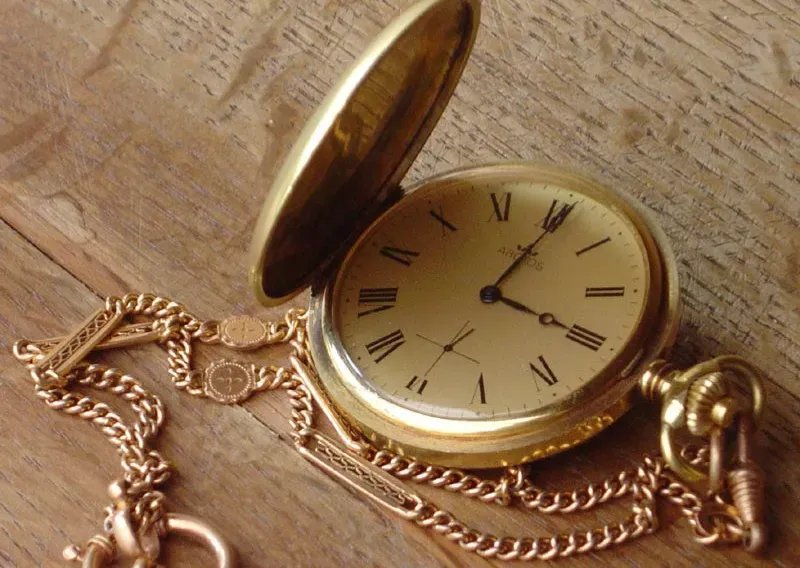
Once you notice how flexible lived time is, it’s hard not to step straight into philosophy. Some views in modern physics suggest that past, present, and future might all exist in a kind of four-dimensional block, with the flow of time being something like the way we, as conscious observers, move through that structure. At the same time, everyday experience screams that time really does flow, that there is an objective “before” and “after” we’re being carried through.
This tension has led some philosophers to argue that the flow of time could be primarily a feature of consciousness, not of the external world. Our minds may impose a narrative order – earlier, now, later – on events that in a deeper sense just coexist. Others push back and insist that this goes too far, that our experience of temporal passage must latch onto something real in the universe. The uneasy truth might be that time as physics describes it and time as consciousness lives it are not the same thing, and we’re still far from understanding how to bridge that gap.
When Time Breaks: Disorders That Distort Temporal Experience
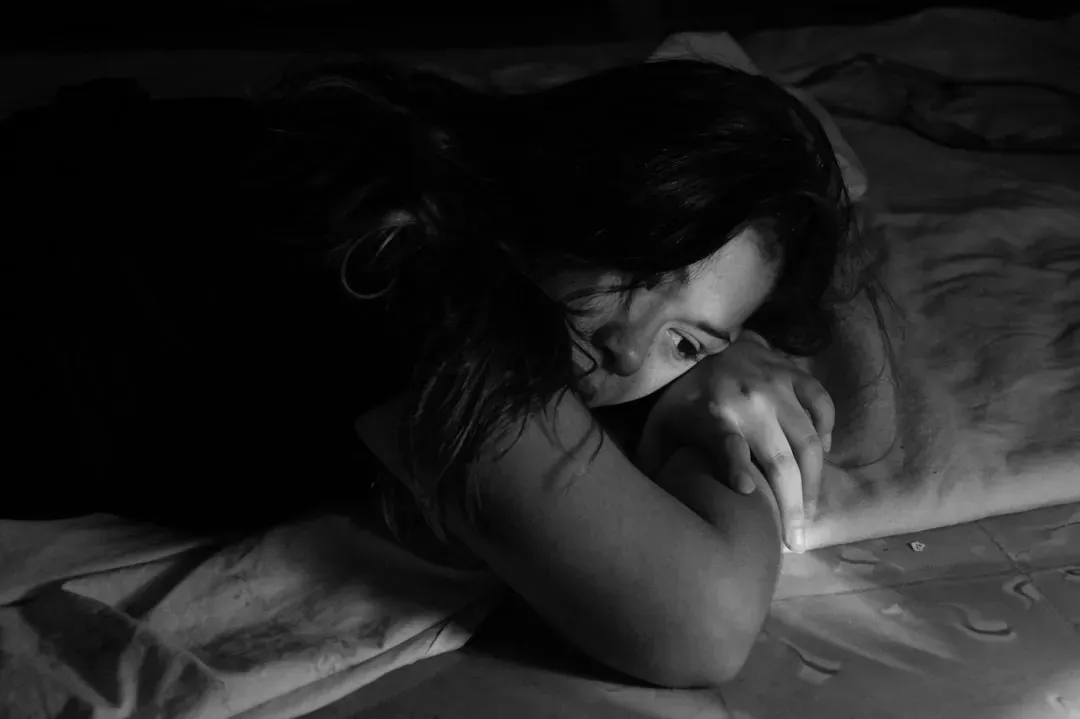
Certain mental and neurological conditions expose just how much our sense of time can wobble or even fracture. People with severe depression often say that time feels heavy and painfully slow, with days dragging on and the future feeling distant or unreachable. In contrast, people in manic states may experience time as racing, with thoughts and events stacked so densely that the world can feel breathless and out of control.
Some disorders tied to trauma can disrupt the sense of continuity over time, so that the past feels dangerously present or the self feels disconnected from previous versions of itself. In dissociative experiences, individuals sometimes describe a kind of temporal dislocation, where events feel unreal, misplaced, or detached from any clear timeline. These conditions are not just quirks in mental storytelling; they reveal that a stable sense of temporal flow is central to mental health. When that flow shatters or deforms, our ability to feel like a continuous, grounded self can start slipping away too.
Why Our Uneasy Dance With Time Matters
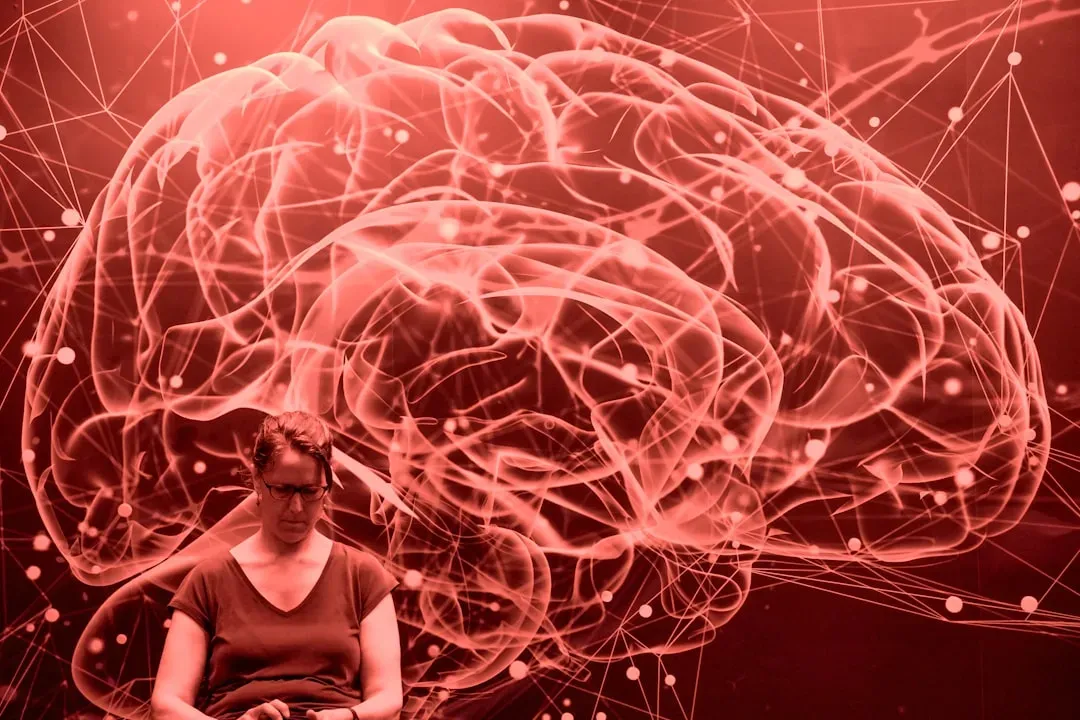
Understanding isn’t just an academic hobby; it changes how we view our own lives. If our experience of time is elastic and constructed, then how we direct our attention, manage our emotional states, and structure our days really does shape how long and rich life feels from the inside. The same number of hours can either dissolve into forgettable routine or expand into something that feels deep and meaningful.
This perspective can gently challenge how we chase productivity and efficiency at all costs, as if the only thing that matters is what’s on the calendar or timesheet. It suggests that the quality of our moments, not just their quantity, defines our lived time. Paying closer attention, lingering in conversations, creating vivid memories – these aren’t just sentimental ideas, they are ways of thickening our presence in the only place we can ever actually live: our moving, fragile, and strangely negotiable now.