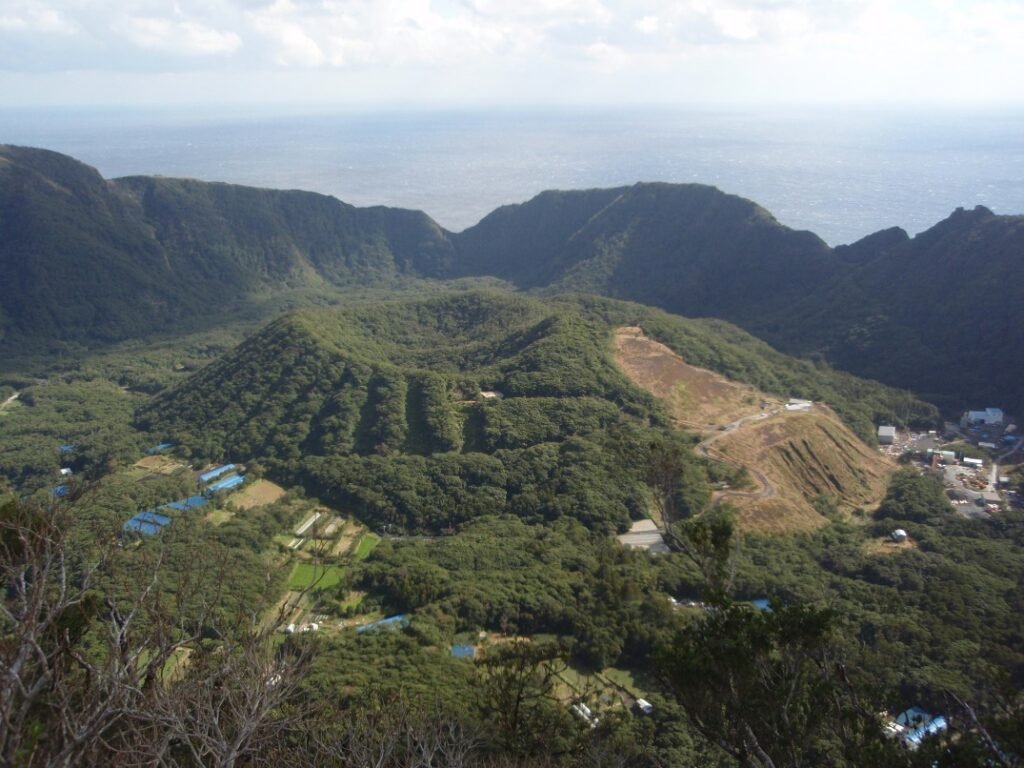
Volcanic hazards aren’t just the dramatic eruptions we see at famous peaks—many of the world’s least-known volcanoes pose the greatest threat of all, scientists warn. Despite their lack of recent eruptions or historical records, these hidden volcanoes are capable of unleashing major explosive events with far-reaching consequences. Experts say relying on visibility and familiarity biases leaves millions of people near remote volcanic regions vulnerable and underprepared for catastrophes that might emerge without warning.
Such volcanoes are often undermonitored and poorly understood, especially in regions of Latin America, Southeast Asia, Africa, and the Pacific, where dense populations live near potentially dangerous volcanic systems. Unlike well-studied giants like Mount Etna, these hidden volcanoes can erupt after centuries of dormancy, with little or no historical precedent to alert scientists to their true risk.
The Most Dangerous Volcanoes Are Often the Least Known
Volcanic risk perception tends to focus on famous mountains with recent activity, but data show that three-quarters of large eruptions (as big as or bigger than the catastrophic 1982 El Chichón event) have occurred at volcanoes that had been quiet for at least 100 years—and these volcanoes often lack robust monitoring systems.
This normalcy bias—believing what has been calm will remain calm—leads to a dangerous underestimation of hazards posed by remote volcanoes with no recent eruptions. Without historical eruptions to put them on global radars, they receive far less scientific attention and funding for monitoring, increasing the risk that the next major eruption could take authorities and communities by surprise.
Case Studies: Surprise Eruptions and Their Impacts
One stark example emerged in November 2025, when the Hayli Gubbi volcano in Ethiopia erupted for the first time in recorded history—over 12,000 years—sending an ash plume miles into the sky and disrupting airspace far beyond Africa. Its sudden activity underscored how little-known volcanoes can produce unexpected, high-impact events with far-flung effects.
Another lesson came from Mexico’s El Chichón, which exploded violently in 1982 after a long dormant period, killing thousands and affecting regional climate patterns. That eruption also triggered droughts and famine beyond its immediate vicinity, demonstrating how volcanic events can ripple through human and environmental systems when overlooked.
Human Bias and Monitoring Shortfalls
Scientists point to cognitive biases that favor dramatic, recent examples over remote, dormant hazards. The availability heuristic—judging risk by how easily dramatic examples come to mind—gives outsize prominence to iconic volcanoes while letting hidden ones fall through the cracks.
Consequently, volcano preparedness often remains reactive rather than proactive, with heavy investment in monitoring only after disasters have struck. Better early warning systems, broad-based monitoring networks, and global coordination could dramatically decrease casualties and economic losses when the next unexpected eruption strikes.
Why Hidden Volcanoes Matter to Everyone
Volcanic eruptions are not just local disasters—they can have global consequences. Large explosive events can inject sulfur dioxide into the atmosphere, cooling the climate temporarily, disrupting monsoons, reducing crop yields, and even exacerbating famines.
Despite these far-reaching impacts, scientists point out that fewer than half of active volcanoes worldwide are monitored, and research still disproportionately targets a few well-known systems like Etna, leaving whole continents of volcanic threat underinvestigated.
Closing the Preparedness Gap
To confront these hidden risks, the Global Volcano Risk Alliance and other scientific bodies argue for anticipatory preparedness—strengthening monitoring capacity in regions with dense populations near dormant volcanoes and improving communication between scientists, authorities, and at-risk communities.
This means deploying more seismic, gas, and satellite sensors, developing early warning protocols, and educating the public about signs of volcanic unrest. These steps could turn reactive disaster response into proactive risk reduction—saving lives and protecting economies before the next hidden giant awakens.
The idea that only famous volcanoes matter is a comforting myth—but it’s dangerously deceptive. As recent events from Ethiopia to Mexico show, quiet does not mean safe, and centuries of dormancy can hide enormous risk beneath deceptively calm surfaces. Hidden volcanoes in understudied regions pose some of the greatest threats not just to local populations but to global food systems, climate stability, and economic networks. Investing in comprehensive monitoring and early warning is not just a scientific priority—it’s a moral imperative. Governments, international organizations, and scientific institutions must break out of reactionary patterns and invest in anticipatory preparedness now, before the next surprise eruption triggers a crisis we could have foreseen but failed to prevent.