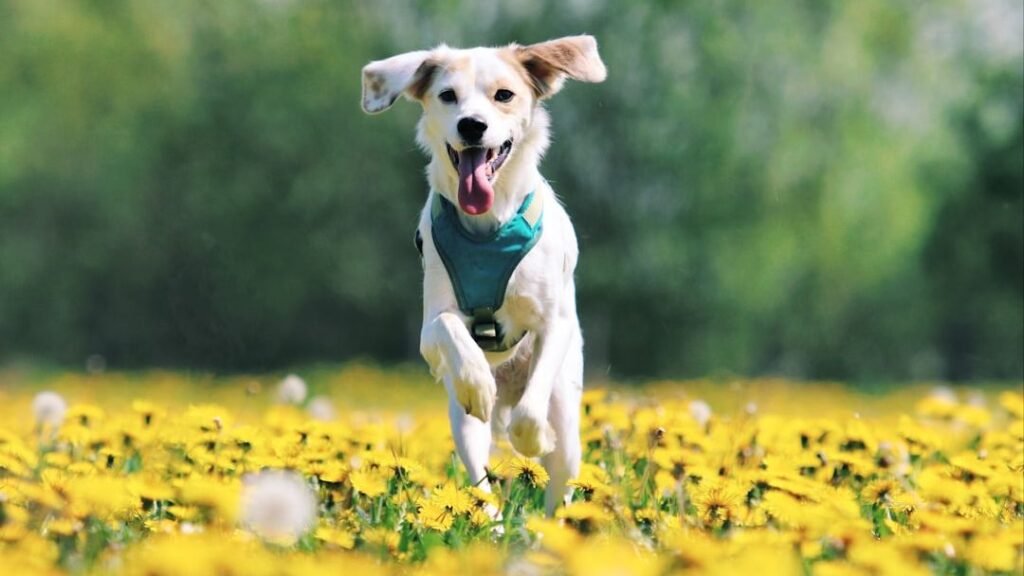

If you’ve ever looked at your dog curled up on the couch and thought, “Please stay forever,” you’re not alone. The good news is that there are simple, everyday choices that really can stretch out the time you have together. You don’t need fancy supplements or expensive gadgets; most of what protects your dog’s health happens in the quiet routines you repeat day after day.
Over the years, I’ve watched friends lose dogs too early to things that were partly preventable: obesity, dental disease, stress, and silent illnesses that were caught too late. It hurts, and it also teaches you. The small things you do today – how you feed, walk, play, and even speak to your dog – are like deposits in a “long life” savings account. Let’s walk through twelve everyday habits that genuinely stack the odds in your dog’s favor.
1. Feeding the Right Amount (Not What the Bag Says)
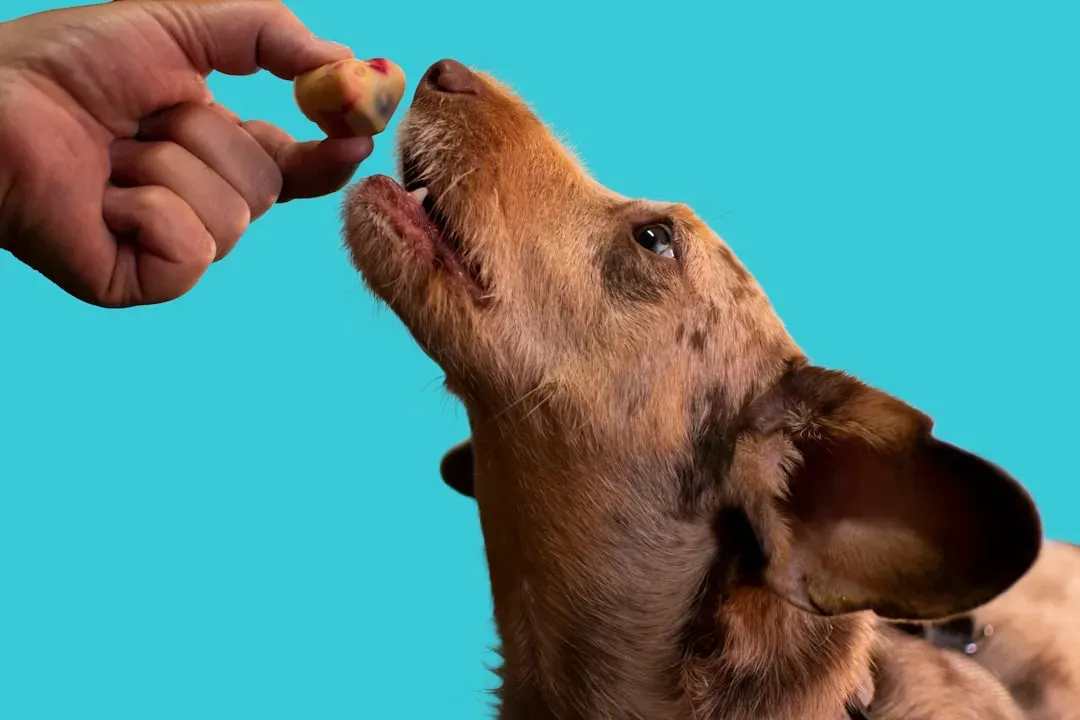
One of the most loving things you can do for your dog is also one of the least glamorous: keep them lean. Being even moderately overweight can quietly strain your dog’s heart, joints, and organs every single day, and many vets consider excess weight one of the biggest avoidable health risks. A lot of people don’t realize that the feeding charts on dog food bags are often generous estimates, not tailored prescriptions.
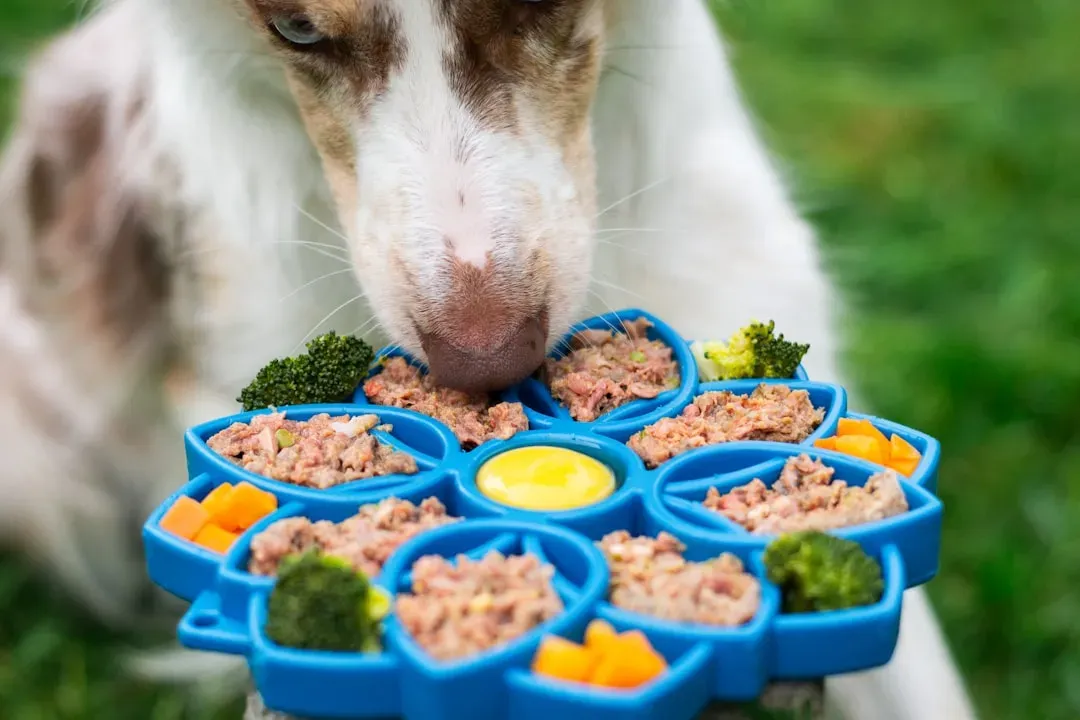
Instead of trusting the bag blindly, work with your vet to find your dog’s ideal weight and daily calorie range based on age, breed, and activity level. Learn to feel for ribs under a thin layer of fat and watch for a defined waist from above; it’s a simple body check you can do in seconds. If your dog acts “starving” after meals, split the same total daily food into three portions instead of two or use puzzle feeders so they eat more slowly. Over time, that slight adjustment in calories and routine can literally buy your dog extra healthy years.
2. Choosing Quality Food Over Trendy Marketing
Dog food aisles can feel like the cereal aisle: bright bags, big promises, and lots of confusing claims. It’s tempting to grab whatever label sounds the most “premium” or human-like, but a good diet for your dog is less about buzzwords and more about sound nutrition. You want complete and balanced food, appropriate for your dog’s life stage, made by a company with solid research and quality control behind it.
Instead of chasing every new trend – grain-free, exotic meats, or raw mixes you’re not fully sure how to handle – start with your vet or a veterinary nutritionist. They can help you pick a food that supports joint health, digestion, and weight control, especially if your dog has special needs. A diet that’s a little boring but scientifically solid beats a flashy formula that might not meet your dog’s real requirements. Think of it like choosing a dependable, well-built car over a flashy sports model that secretly breaks down all the time.
3. Daily Walks That Actually Challenge Your Dog
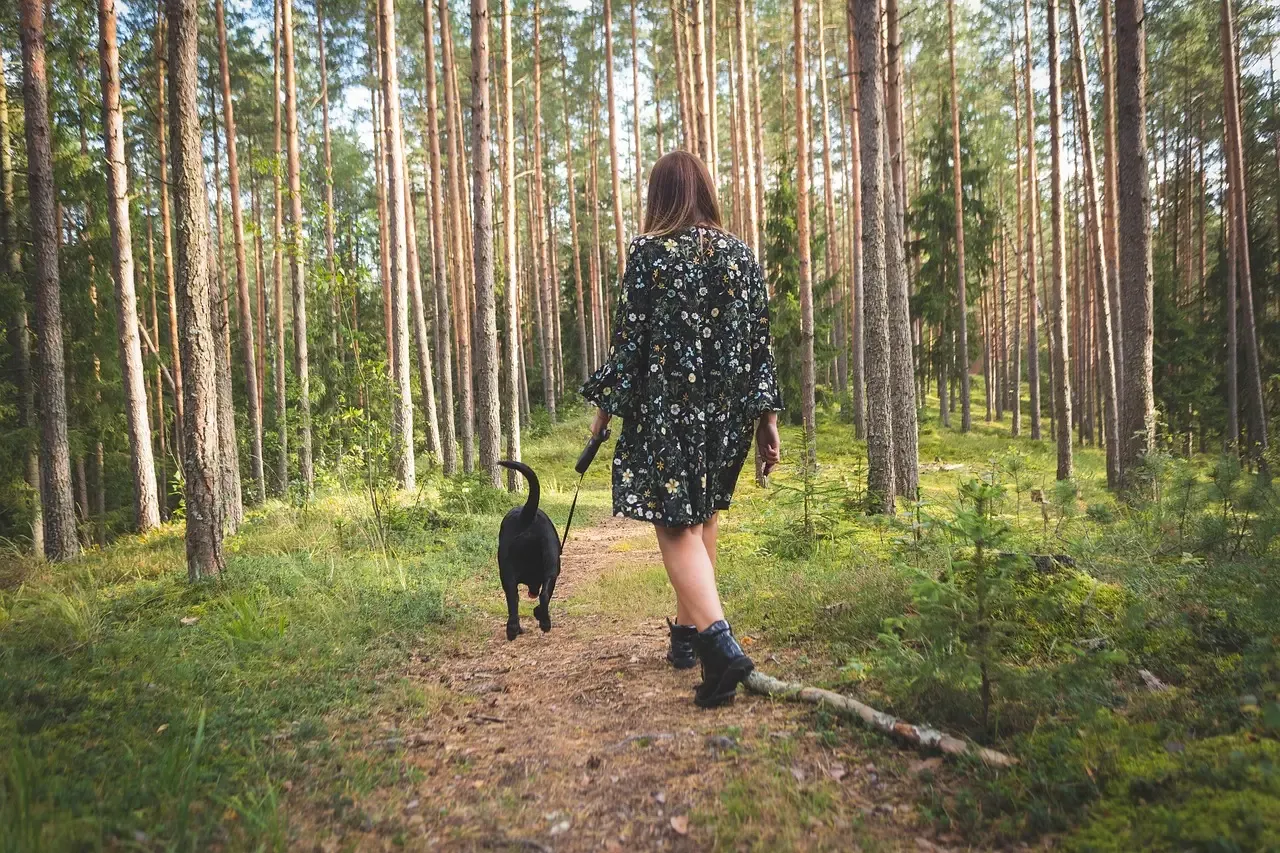
Many dogs go on what I’d call “sniff strolls” only: shuffling to the nearest bush, standing around, back home. While sniffing is fantastic mental exercise, their bodies also need real movement to keep hearts strong, joints flexible, and weight under control. Consistent, moderate exercise can lower the risk of chronic disease and help your dog age more gracefully.
You don’t have to turn your dog into an athlete. Instead, aim for rhythm and variety: a brisk walk most days, with some longer or slightly faster outings mixed in, adjusted to your dog’s age and health. For seniors, shorter but more frequent walks can keep blood flowing and muscles working without overdoing it. Even on busy days, ten minutes of purposeful walking is better than nothing, and it’s often good for your own stress levels too.
4. Keeping Their Teeth Clean Before Pain Starts
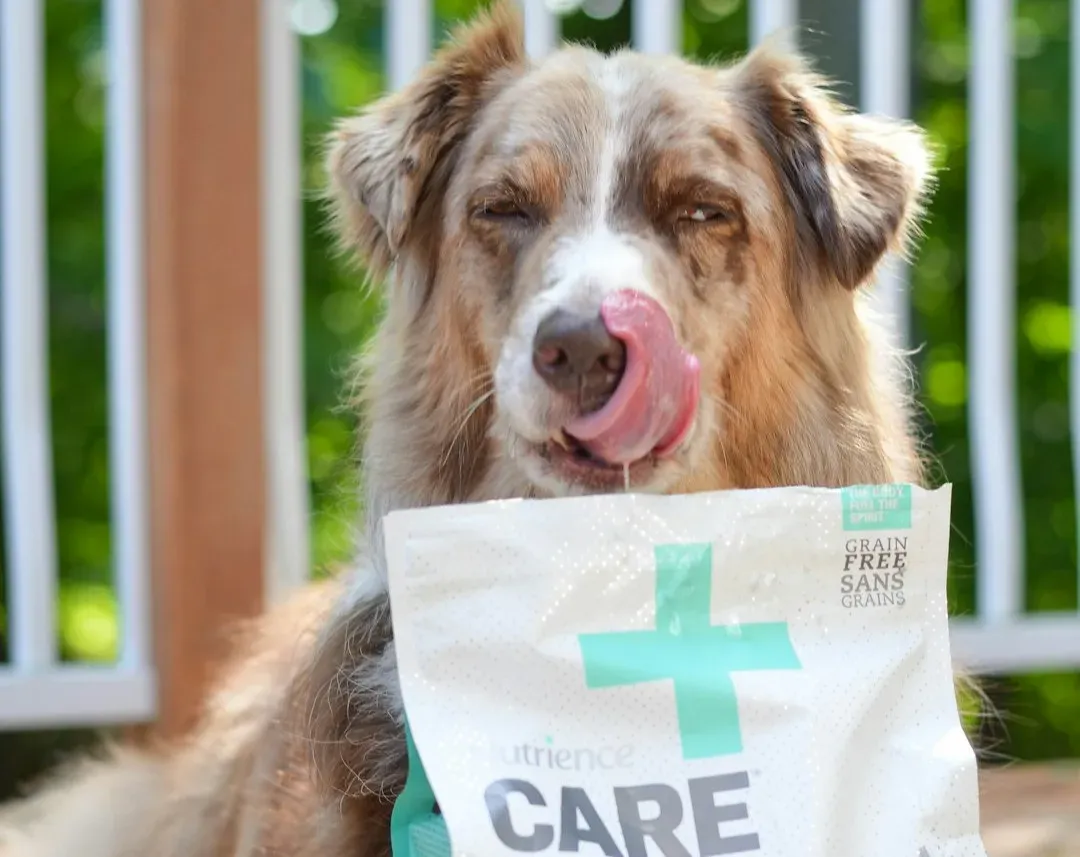
Dental care might be the most underestimated life extender for dogs. Gum disease doesn’t just cause bad breath; the chronic inflammation and bacteria can affect the heart, kidneys, and other organs over time. I’ve known people who thought their dog was just “slowing down with age,” only to discover a mouth full of painful, infected teeth that had been quietly making life miserable.
You don’t have to be perfect, but aim for progress. Brushing your dog’s teeth a few times a week with pet-safe toothpaste, plus using approved dental chews or rinses, can make a huge difference. Regular vet checkups will catch tartar build-up early, and professional cleanings under anesthesia – though a bit scary to schedule – can dramatically improve comfort and long-term health. A clean, pain-free mouth often makes older dogs suddenly act years younger.
5. Regular Vet Checkups Even When They “Look Fine”
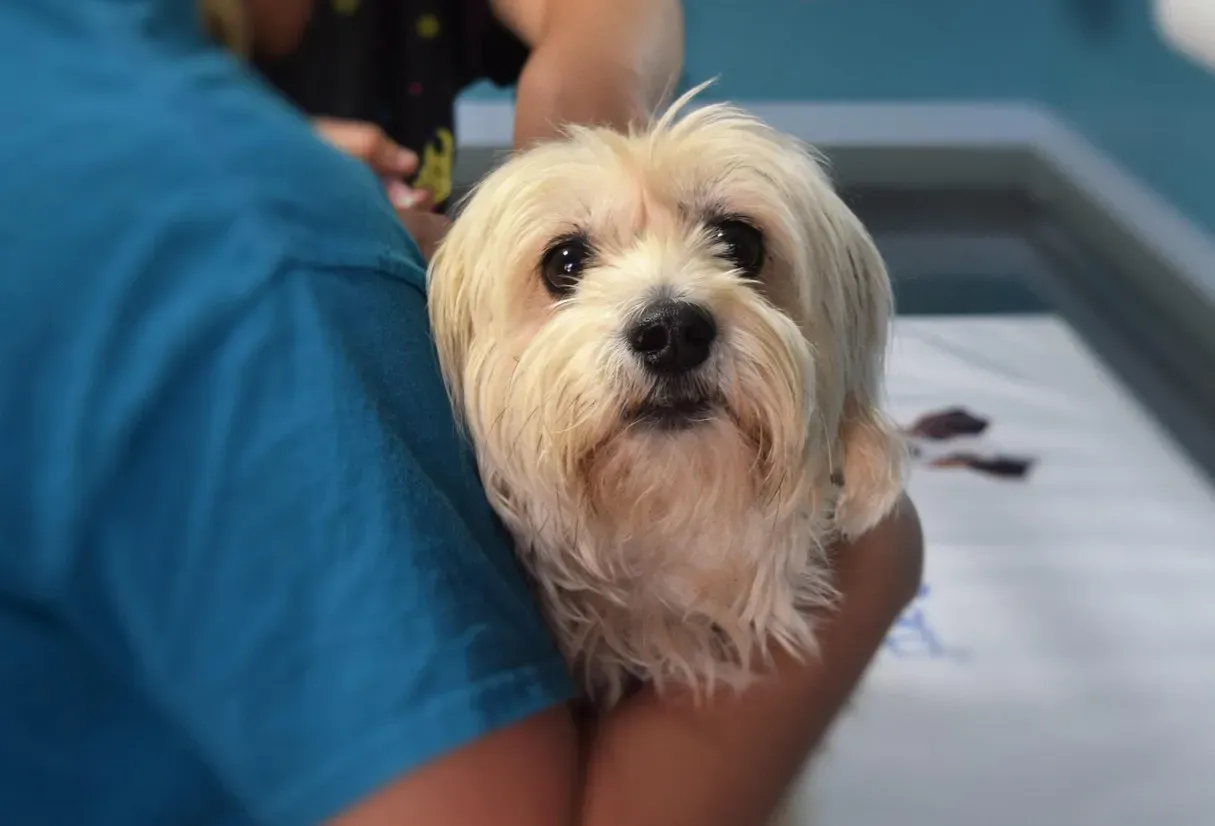
Dogs are experts at hiding discomfort; it’s part instinct and part just wanting to keep up with the family. By the time you notice obvious signs – weight loss, constant drinking, severe limping – the problem may have been brewing quietly for months or even longer. Yearly exams for younger dogs and more frequent visits for seniors give your vet a chance to catch subtle changes early, when they’re usually easier and cheaper to treat.
Think of checkups like routine maintenance on a car you love. Bloodwork can reveal kidney or liver changes long before your dog acts sick, and listening to the heart can catch murmurs or rhythm issues early. Talk honestly with your vet about your budget and what screening makes the most sense for your dog’s age and risk factors. Preventing a crisis or slowing down a disease often means you get more good days, not just more days.
6. Protecting Against Parasites and Preventable Diseases
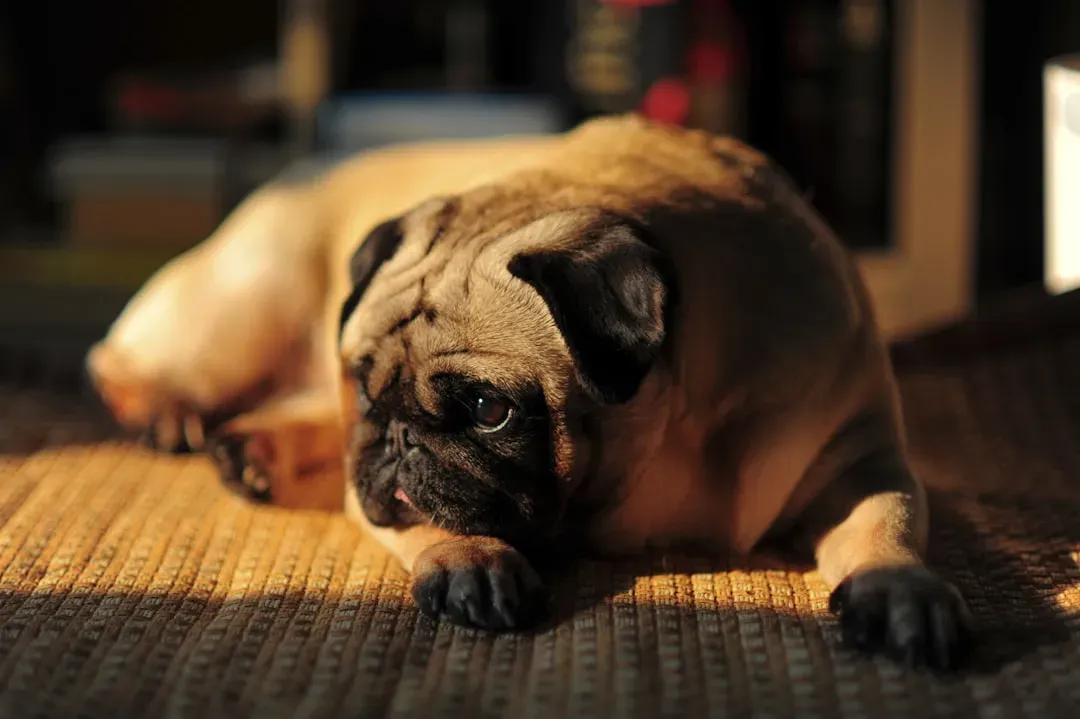
It’s easy to roll your eyes at yet another reminder about vaccines or monthly preventives, but they matter more than most people like to think about. Heartworm, for example, is spread by mosquitoes and can cause serious lung and heart damage; it’s much harder, riskier, and more expensive to treat than to prevent. Fleas and ticks don’t just itch – they can transmit harmful infections that chip away at your dog’s health over time.
Keeping your dog up to date on core vaccines protects them from some truly brutal diseases that still show up in unprotected animals. Meanwhile, regular parasite prevention, tailored to your region and lifestyle, reduces constant low-level stress on their immune system. If you’re worried about chemicals, ask your vet about the safest options and dosing; the goal is smart protection, not blindly stacking meds. A dog that isn’t battling invisible invaders has more reserve to fight off the wear and tear of aging.
7. Mental Enrichment Instead of All-Day Boredom
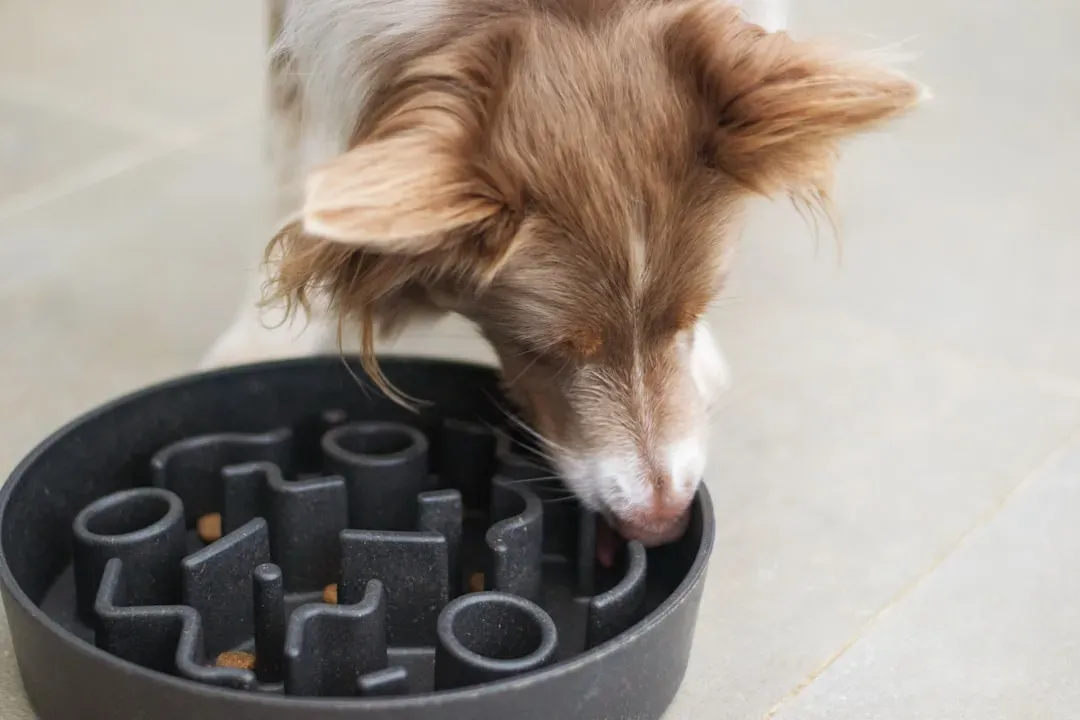
A dog’s brain needs exercise just like its body. Long stretches of boredom can lead to stress, anxiety, and destructive habits that people often mislabel as “bad behavior.” Chronic stress has real physical effects, raising certain hormones and contributing to inflammation that might shorten a dog’s healthy years.
You don’t have to build an obstacle course in your living room. Simple things like food puzzle toys, short training sessions, scent games with hidden treats, or rotating a few different toys can make your dog’s day feel fuller. Teaching new tricks, even to older dogs, keeps their mind sharp and strengthens your bond. A mentally satisfied dog often sleeps more deeply, handles changes better, and ages with more confidence and less anxiety.
8. Letting Them Sleep Undisturbed and Deeply
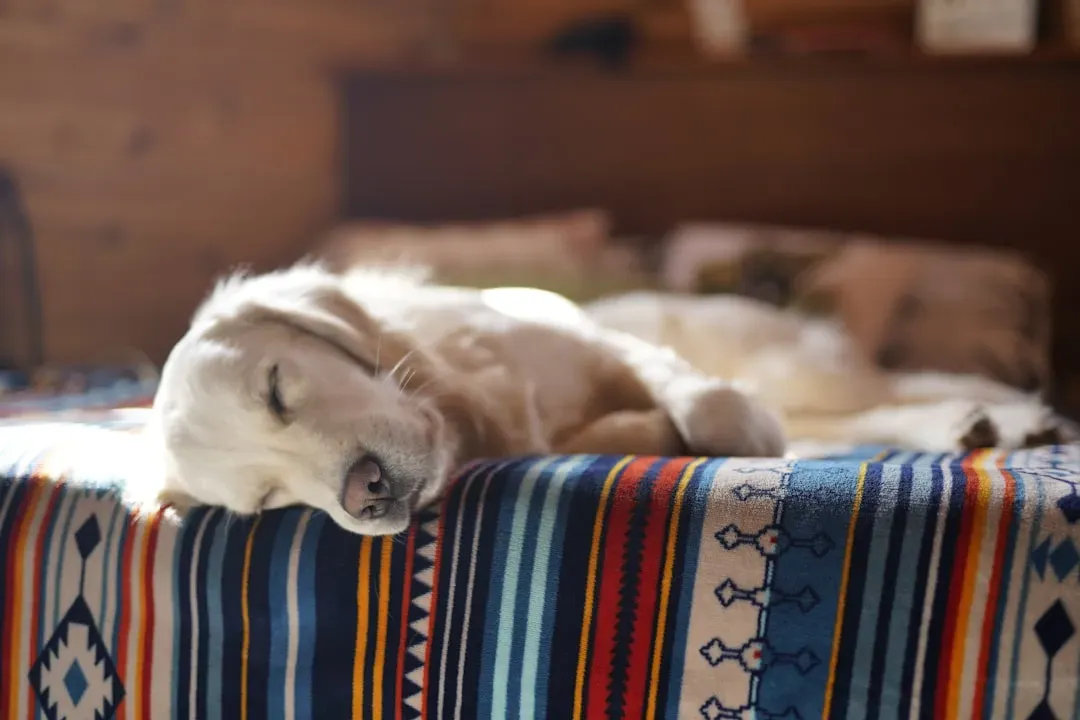
Dogs spend a big chunk of their lives sleeping or resting, and that’s not laziness – it’s biology. Good-quality sleep helps regulate hormones, repair tissues, and maintain a balanced immune system, just like in humans. Constant disruptions, loud environments, or kids and adults repeatedly poking and prodding the dog during rest can slowly raise stress levels and reduce recovery time.
Create a safe, comfortable sleep space where your dog knows they can truly relax. For older dogs, orthopedic beds that support joints and keep them off cold floors can ease stiffness and pain. Try to respect their naps and teach children that the dog’s bed is a no-interruption zone. A dog who sleeps well often copes better with the demands of the day and may hold onto energy and mobility much longer.
9. Maintaining a Healthy, Stable Weight Through Life Changes
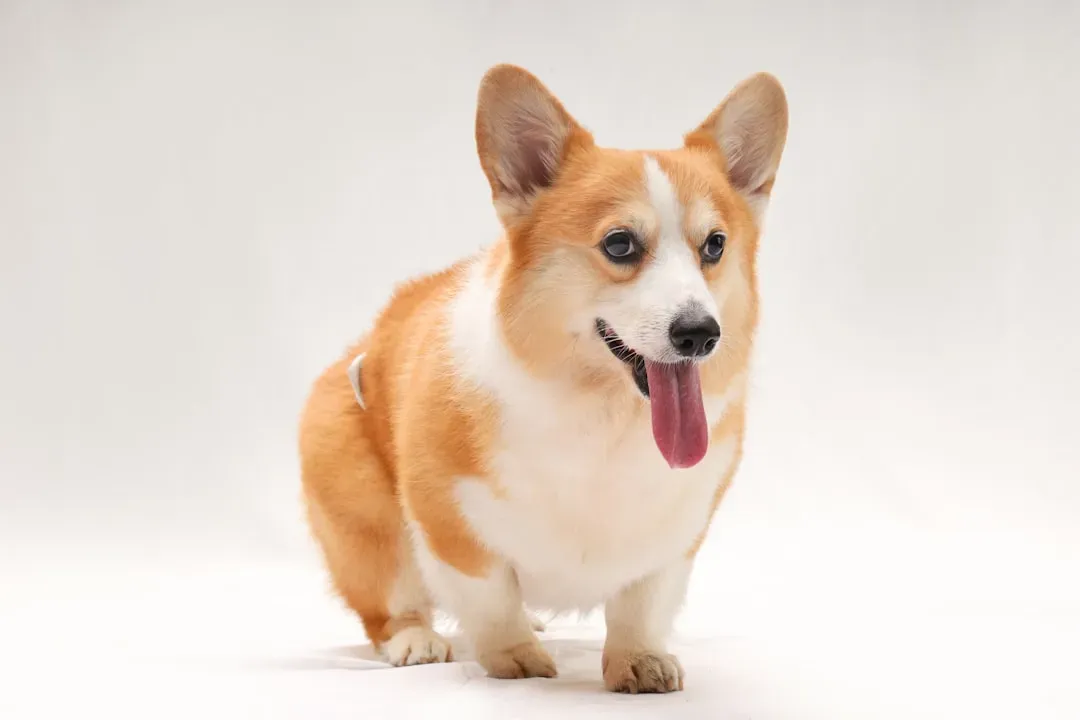
Make weighing your dog a normal, non-dramatic routine: at vet visits, pet stores with scales, or by lifting them on a home scale if they’re small enough. When life circumstances change – new job, injury, or aging – adjust food portions and exercise instead of waiting for a visible problem. If your dog does need to lose weight, slow and steady is safest, guided by your vet. Protecting a slim, strong body might be one of the biggest single contributors to a longer, more comfortable life.
10. Gentle Handling and Early Joint Support
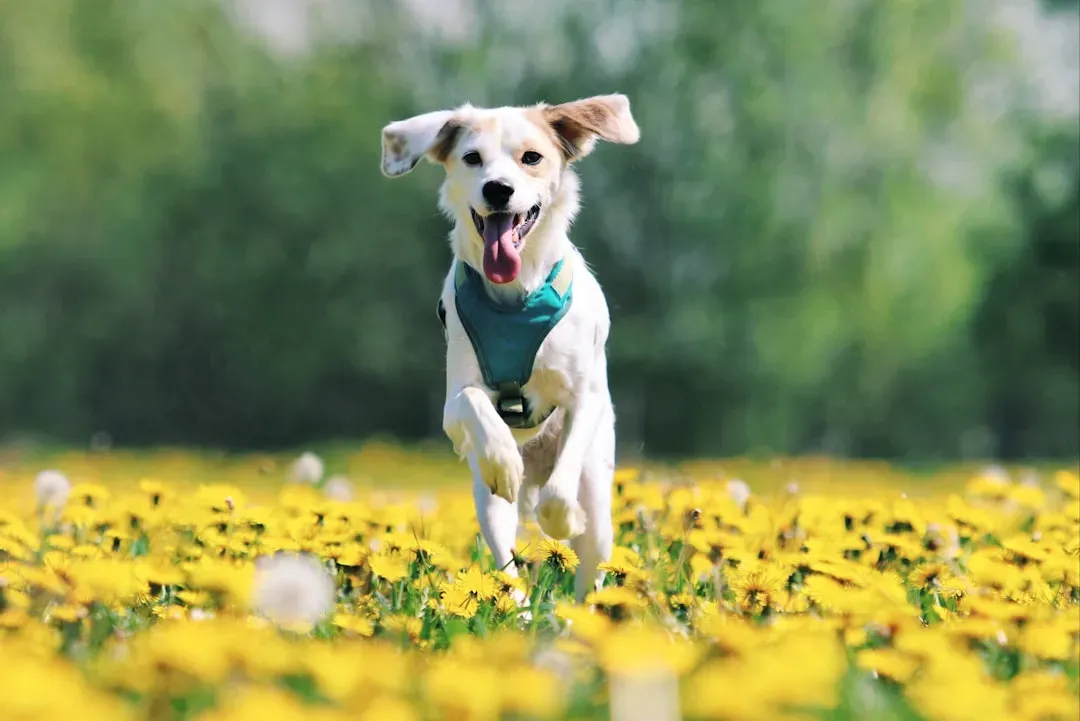
Jumping off high couches, racing up and down slippery stairs, or leaping after balls on hard surfaces looks fun until the joints start protesting. Over years, repeated impact can wear down cartilage and strain ligaments, especially in breeds already prone to hip or elbow issues. Once arthritis sets in, you can manage it, but it’s much kinder to delay or reduce how severe it becomes.
You can help by using ramps for cars or high furniture, adding rugs to slick floors, and discouraging wild jumping games on concrete. Talk to your vet about joint-supportive diets, supplements with evidence behind them, and when to start them for at-risk breeds. Keep an eye out for subtle signs: hesitating on stairs, lagging behind on walks, or avoiding certain movements. The more gently your dog moves through daily life, the longer those joints can carry them comfortably.
11. Reducing Stress and Creating Predictable Routines
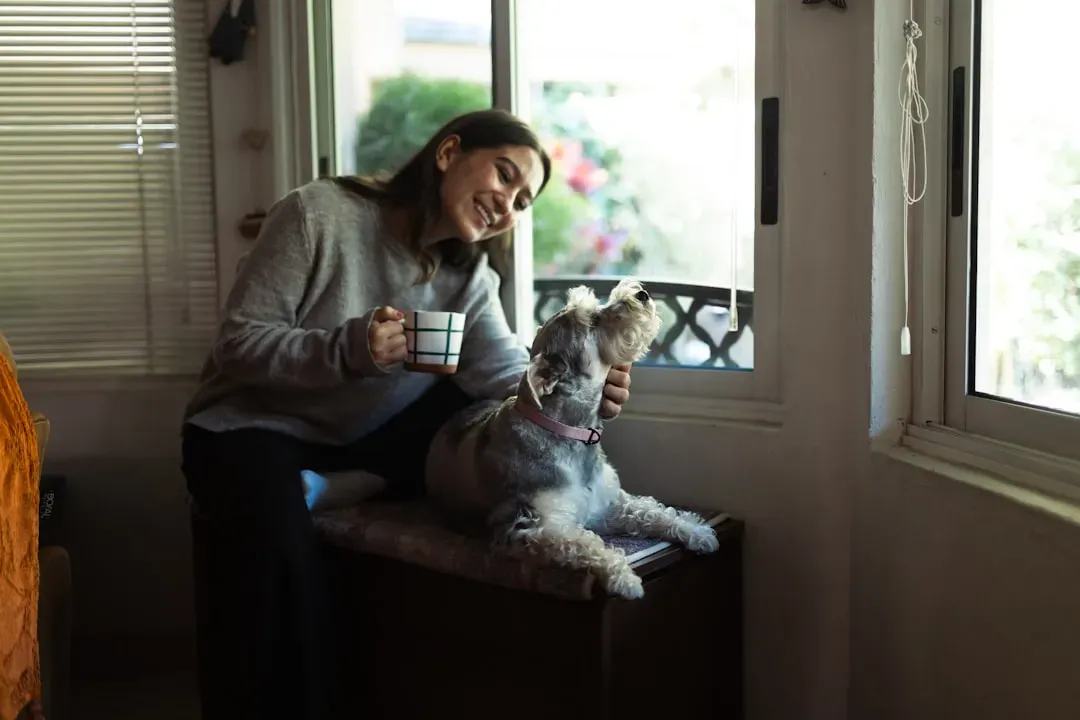
Dogs don’t need a rigid, military schedule, but they do benefit from a basic rhythm to the day. Knowing roughly when food, walks, and quiet time happen helps them feel safe and settled. Constant chaos – loud arguments, frequent moves, unpredictable rough handling – can keep a dog on edge, which can slowly chip away at both emotional and physical health.
You can’t control everything, but you can control the tone you set around your dog. Speak calmly, give them a safe place to retreat when guests come over, and avoid punishing fear-based behavior with more fear. Even small rituals, like a consistent bedtime routine or a short training game before dinner, build trust. When your dog feels secure, their body is not constantly braced for the next bad surprise, and that calmer baseline supports a longer, healthier life.
12. Daily Connection: Touch, Eye Contact, and Real Attention
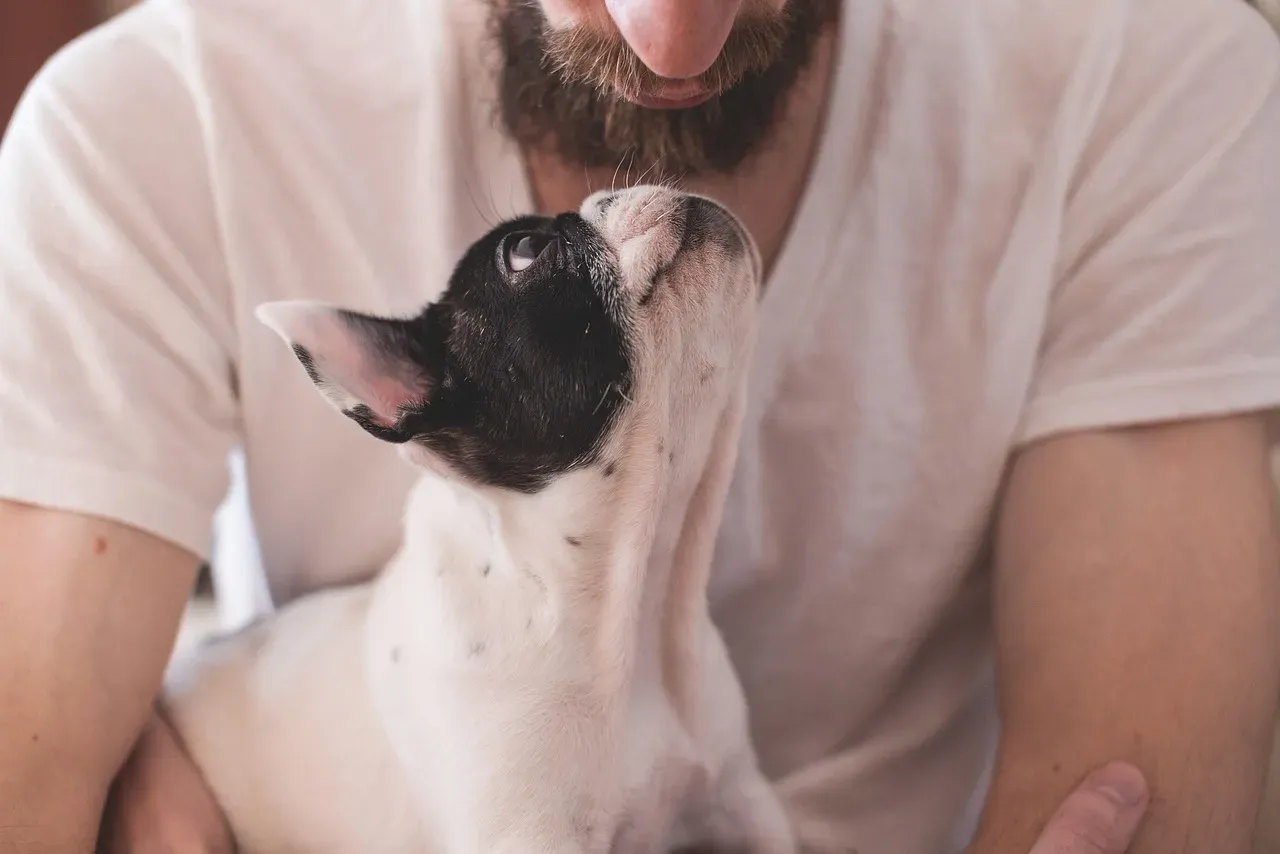
One of the most powerful “medicines” you can give your dog is also the simplest: your genuine attention. A few minutes of slow petting, soft talking, or just sitting together can lower stress for both of you. That physical closeness is also when you’re most likely to notice small changes – new lumps, tender spots, weight shifts, or differences in breathing – that might need a vet’s attention.
Make it a habit to do a quick “once over” while you cuddle: feel along the spine, ribs, belly, legs, and paws. Note any new bumps, skin changes, or unusual reactions. Over time, these quiet check-ins help you catch problems earlier and remind your dog that you’re their safe place. A life filled with steady affection and calm connection is not just longer in years; it’s richer in every way that actually matters.
Adding More Good Days, One Small Habit at a Time
When you look over these twelve habits, none of them are flashy or dramatic, and that’s exactly the point. Longer, healthier lives for dogs are built out of everyday choices: the food scoop you level off, the walk you still take even when you’re tired, the vet visit you schedule before there’s a crisis. Together, these small, mostly ordinary actions create a quiet shield around your dog that grows stronger year after year.
You don’t have to start perfectly or do everything at once; even changing one or two things this week can shift your dog’s future a little in the right direction. Think about which habits feel most doable for your life right now and start there, then build slowly. One day, when you’re watching your gray-muzzled friend still trotting happily at your side, you might realize how much those small decisions added up. Which one are you going to start with today?