Have you ever wondered what happens when we die? It’s a question that haunts us in quiet moments, especially when we lose someone we love. For centuries, we’ve imagined death as a clear line between existence and nothingness, but recent scientific discoveries are challenging everything we thought we knew. Emerging research suggests that consciousness might not simply vanish the moment our hearts stop beating. Instead, the brain might launch one final, extraordinary surge of activity, something scientists are calling a hidden form of awareness that persists beyond clinical death. What if our final moments are far more vivid and complex than anyone imagined?
The Brain’s Final Surge of Activity
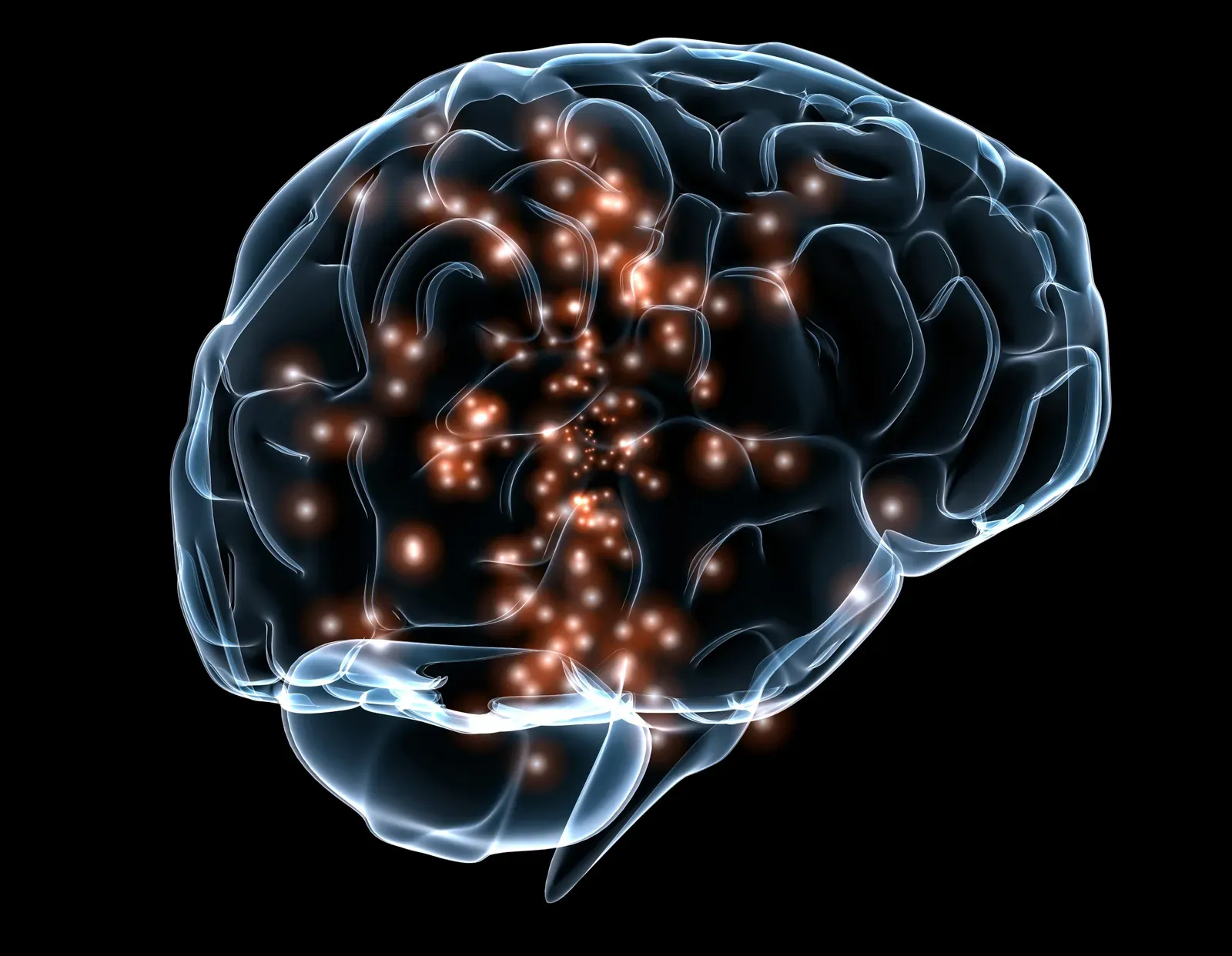
When researchers studied dying patients, they discovered something stunning: a massive spike in gamma brainwaves after people were declared clinically dead. These aren’t just random electrical signals. Gamma waves are the same ones linked with memory, awareness, and sensory experience.
Think about that for a moment. The brain, supposedly shutting down, instead kicks into overdrive. Scientists now believe that right as the body shuts down, the brain might be firing off one last burst of consciousness in a final push to stay alive. It’s as if the mind refuses to go quietly, fighting desperately to hold onto awareness even as everything else fails.
Twilight Consciousness in Dying Patients
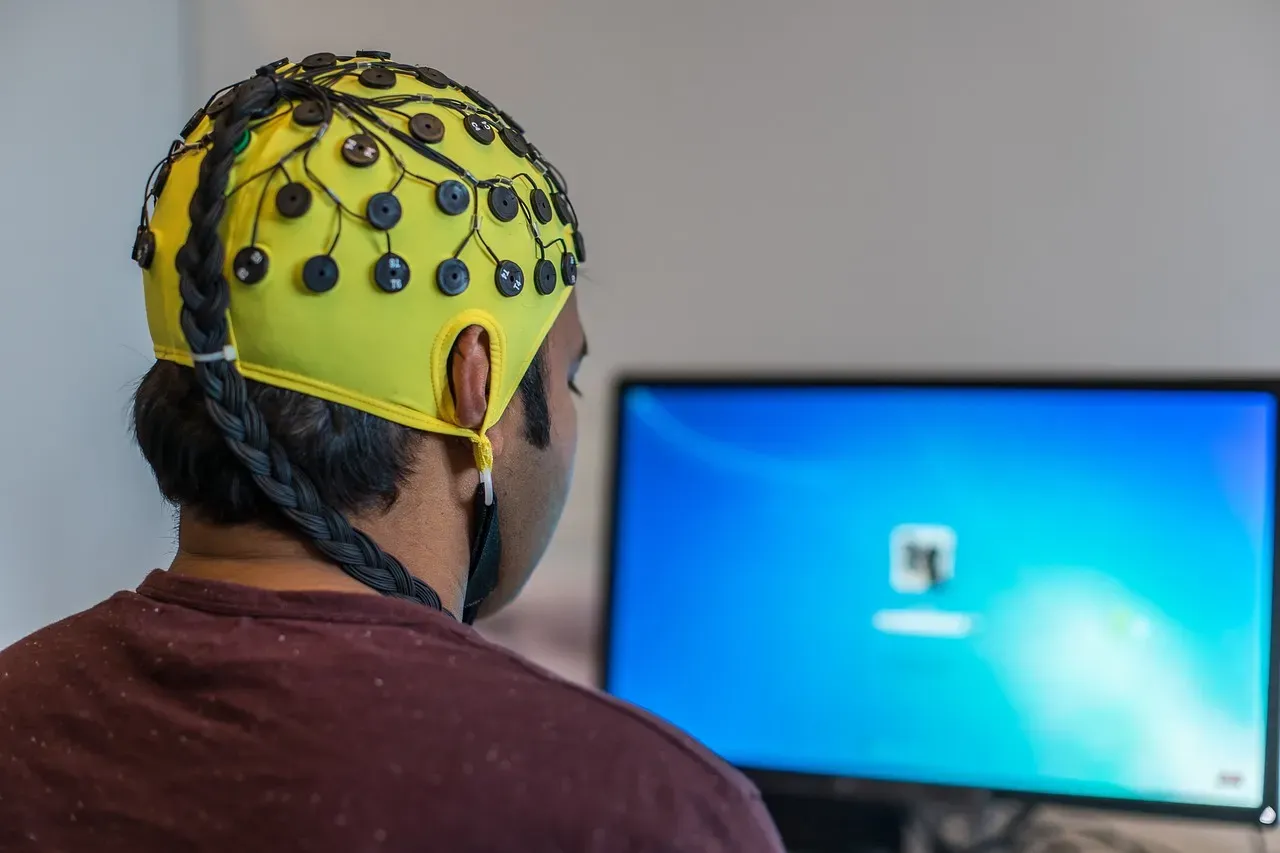
Researchers describe a phenomenon they call “twilight consciousness,” suggesting that even comatose patients might experience organized gamma activity in regions tied to visual awareness. This isn’t science fiction. It’s happening in intensive care units right now.
Doctors studied four comatose patients who were deemed beyond hope, yet massive brain activity was still happening after ventilators were removed. One case particularly shook the medical community. In 2021, a man named Anthony Hoover was declared brain dead after a drug overdose, but during organ donation preparations, he began thrashing on the operating table. Against all odds, he regained consciousness and survived, though with lasting impairments.
Stories like these force us to confront an uncomfortable truth. Maybe death isn’t the neat, instantaneous event we’ve always believed it to be.
Near Death Experiences and Heightened Awareness
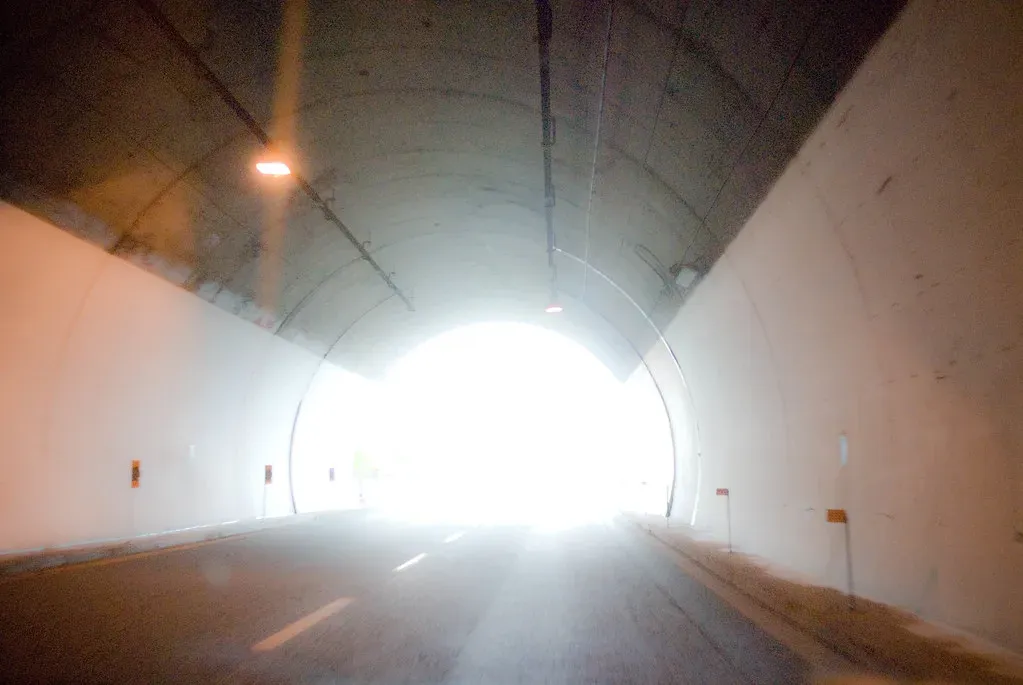
You’ve probably heard the stories: the bright tunnel, the feeling of peace, encounters with deceased loved ones. Near-death experiences occur when people are unconscious, comatose, or clinically dead, yet they often report supernormal consciousness at the time.
Studies found that following cardiac arrest, electroencephalogram measurements generally find no significant brain activity after just ten to twenty seconds. Yet somehow, people report prolonged, detailed, lucid experiences. Many NDErs commonly reported that consciousness during their experiences was clear, more aware, and often associated with heightened awareness.
How is that even possible? Logically, it should not be possible for unconscious people to often report highly lucid experiences that are clear and logically structured. The medical world has no good explanation for this paradox, which makes it all the more fascinating.
Gamma Waves and the Hot Zone of Consciousness
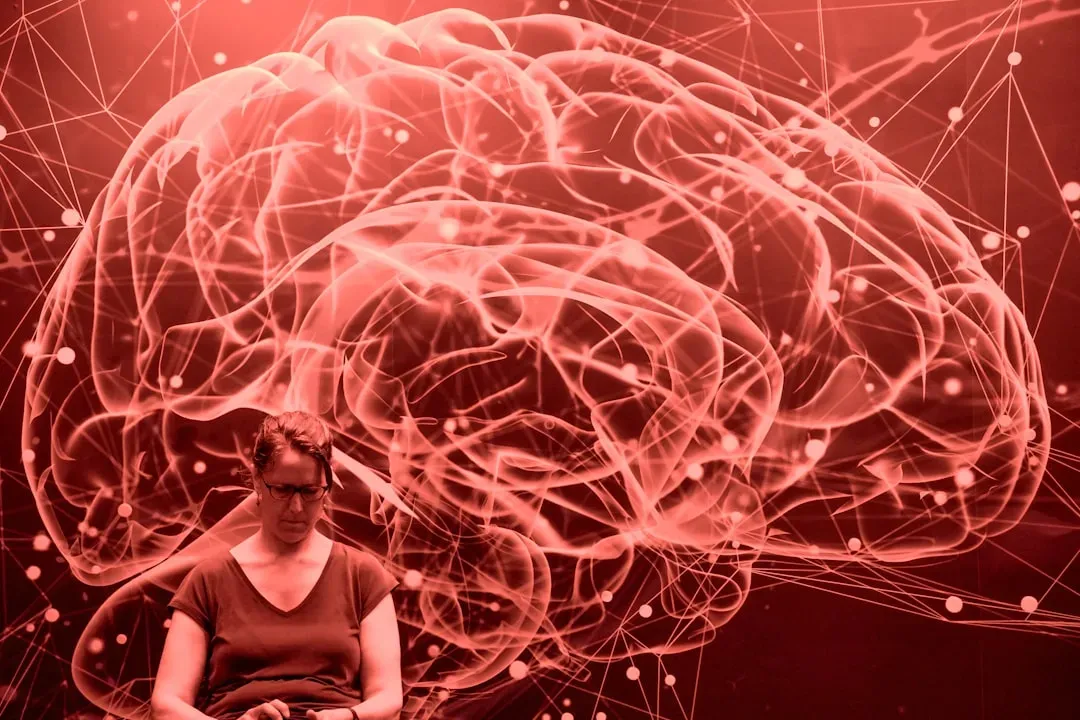
In human patients, brain activity surges were confined primarily to the junction of the temporal, parietal and occipital lobes, a region involved in visual, auditory and motion processing, and associated with out-of-body sensations, altruism and empathy. Scientists call this the hot zone.
This area has been correlated with dreaming, visual hallucinations in epilepsy, and altered states of consciousness in other brain studies. Researchers saw that these areas became five to eight times more strongly connected after cardiac arrest than during either anesthesia or their waking moments. Eight times stronger. Let that sink in.
This helps explain why people experiencing NDEs can see during clinical death, and why they claim they can hear conversations during that period. The brain isn’t shutting down at all. It’s lighting up like never before.
When Consciousness Defies Medical Explanation
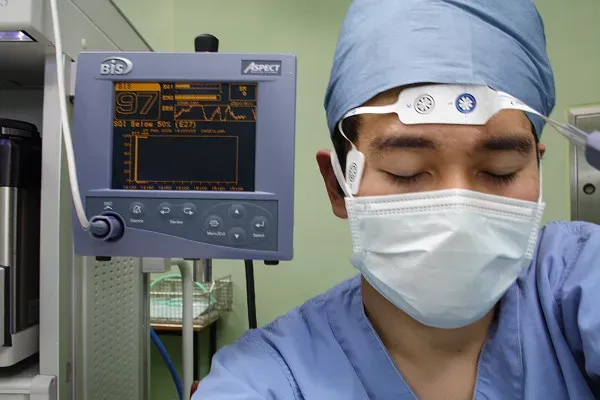
Near-death experiences occurring while under general anesthesia are doubly medically inexplicable, because either general anesthesia alone or cardiac arrest alone results in unconsciousness without any possibility of lucid memory. Yet they happen regularly.
The level of consciousness and alertness in NDEs is not modified by general anesthesia, and researchers have documented NDEs that included out-of-body experiences where people watched medical personnel working on their bodies. Some patients accurately described specific instruments on trays they couldn’t possibly have seen.
Studies found that nearly forty percent of cardiac arrest patients had brain activity that returned to normal at points even an hour into CPR, with spikes in gamma, delta, theta, alpha, and beta waves associated with higher mental function. An hour. The implications are staggering for how we define death itself.
Cultural Consistency Across Near Death Experiences
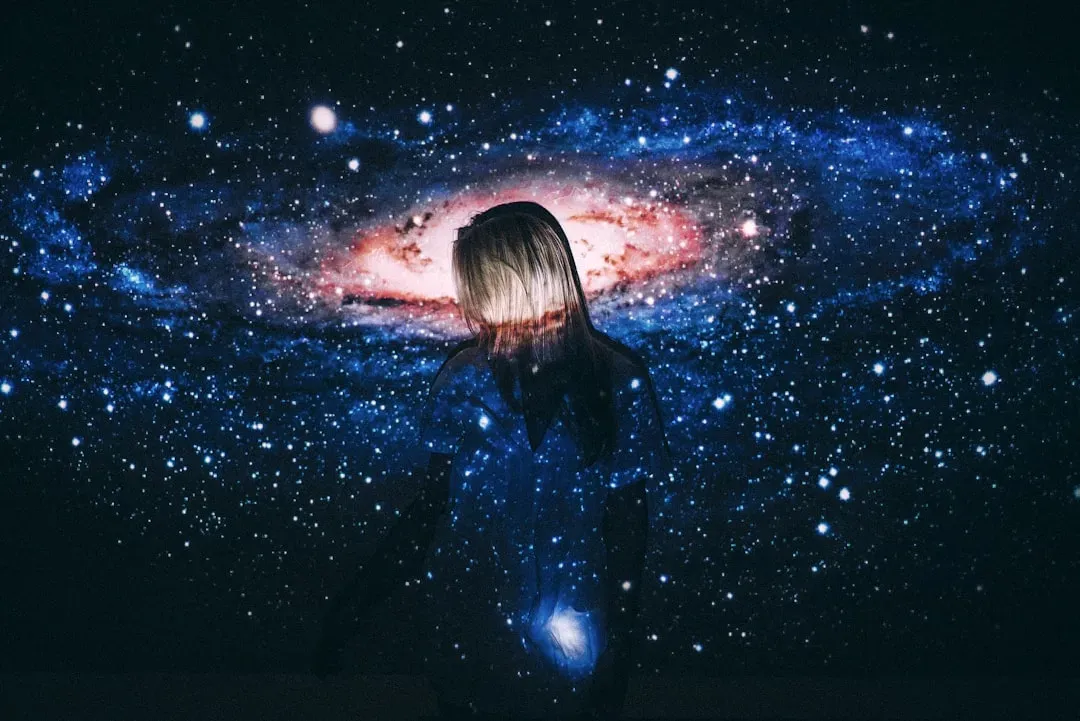
Here’s something skeptics struggle to explain. The lack of significant differences in the content of near-death experiences around the world, including NDEs from non-Western countries, suggests that NDE content is not substantially modified by preexisting cultural influences and occurs independently from physical brain function as currently understood.
Children age five and under, who have received far less cultural influence than adults, have NDEs with content essentially the same as older children and adults, while other forms of altered consciousness like dreams or hallucinations are much more likely to be significantly influenced by prior cultural beliefs. If these experiences were just brain hallucinations or wishful thinking, you’d expect massive cultural variation. Instead, the core elements remain eerily similar across all populations.
The Mystery of Memory Recall at Death

The dying brain might be reaching deep into memory, searching for unresolved purpose or a compelling reason to continue living. Changes in gamma oscillations and other brain waves are involved in high-cognitive functions such as concentrating, dreaming, meditation, memory retrieval, information processing and conscious perception, just like those associated with memory flashbacks.
Research showed there might really be something to reports of people seeing their lives flash before their eyes during near-death experiences, with recordings indicating potential truth to that statement. The brain appears to be conducting some kind of life review, a final accounting of everything that mattered.
Scientists hypothesize that the flatlined, dying brain removes natural inhibitory systems, opening access to new dimensions of reality including lucid recall of all stored memories from early childhood to death, evaluated from the perspective of morality. It’s as if the brain saves its most profound moment for last.
What This Means for Our Understanding of Death
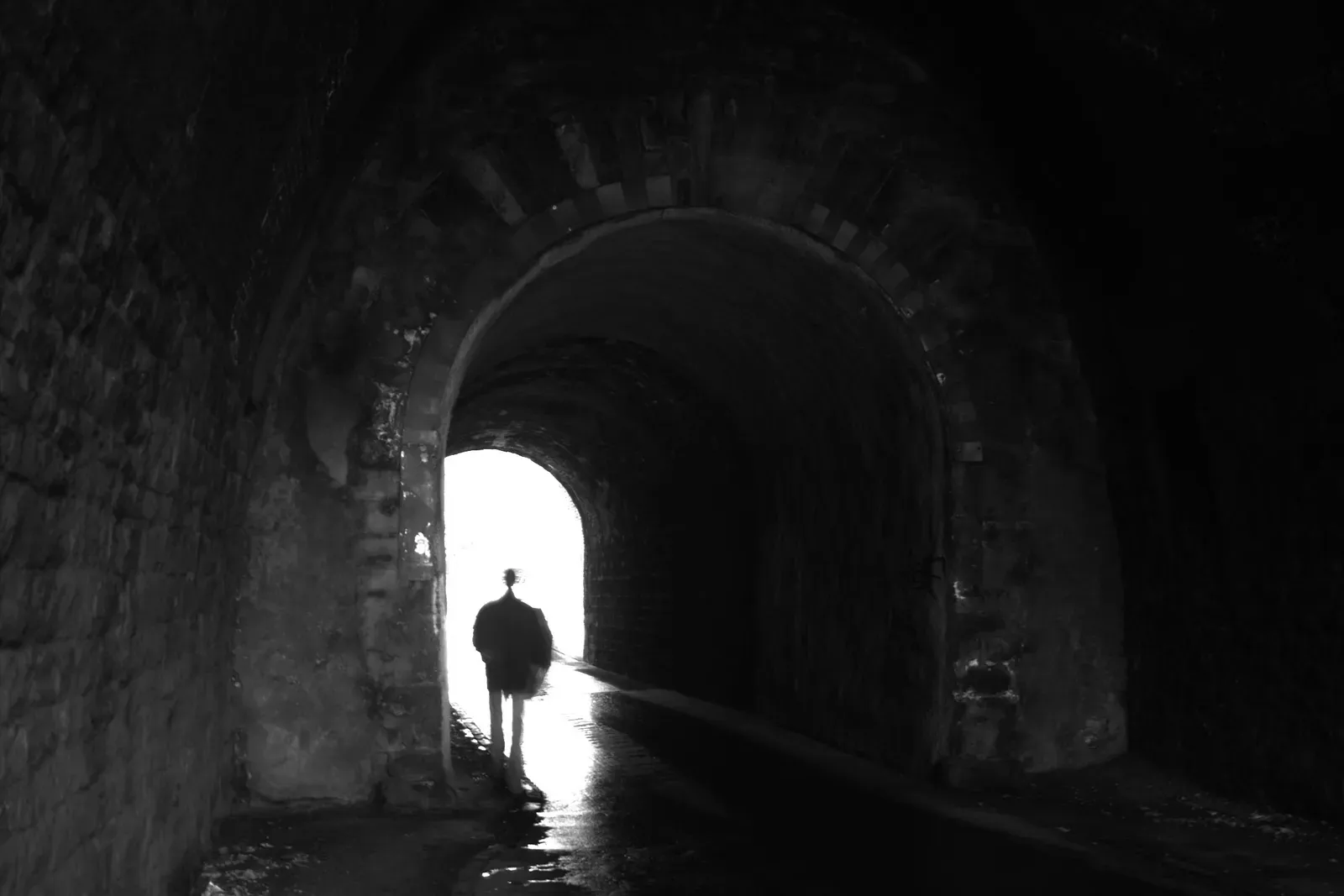
Cases from Kenya to Poland, Ecuador to China, where people have woken in morgues, coffins, or during last rites, force us to confront the possibility that death isn’t the neat, cataclysmic, all-at-once event our medical protocols make it out to be. The line between life and death is far blurrier than we ever imagined.
Some researchers who once believed the mind is nothing more than the physical brain have moved away from such certainty, noting there are too many inexplicable stories and experiences that suggest something more, though it may take another hundred years or more to find out what’s really going on. We’re just beginning to scratch the surface.
While doctors have long thought that the brain suffers permanent damage about ten minutes after the heart stops supplying oxygen, work has found that the brain can show signs of electrical recovery long into ongoing CPR. Everything we thought we knew about the timeline of death needs to be reconsidered. The boundaries aren’t as fixed as medical textbooks once claimed, and consciousness may be far more resilient than anyone suspected.
What do you think happens in those final moments? Could consciousness be something more than just electrical signals in our brains? These discoveries raise as many questions as they answer, leaving us to wonder whether death truly is the end, or perhaps just a transition we’re only beginning to understand.