If you suddenly lost every modern gadget you own, how would you find your way, track the seasons, or predict a solar eclipse? For most of us, that sounds impossible. Yet ancient civilizations did exactly that, using nothing more than naked eyes, patience, memory, and stone. They turned the night sky into a massive clock, calendar, and storybook that guided their crops, their rituals, and sometimes even their survival.
What’s genuinely humbling is that many of their observations still hold up today when checked against modern astronomy software. I remember the first time I stood under a truly dark sky in the countryside and realized just how crowded the stars really are; in that moment, it became obvious how ancient people could spend entire lifetimes reading that glittering map. Let’s dive into ten civilizations that became master sky-watchers long before the first telescope was ever imagined.
The Ancient Egyptians: Aligning Pyramids With the Stars

Imagine building monuments so precisely aligned that they still line up with celestial targets thousands of years later. That’s what the ancient Egyptians did with their pyramids and temples. Many of the pyramids on the Giza plateau are oriented almost perfectly to true north, a feat that would have required careful watching of circumpolar stars that never set, sometimes called the “imperishable” stars in Egyptian belief. Scholars have shown that the layout of certain pyramid complexes mirrors patterns in the night sky, such as the three stars of Orion’s belt.
For daily life, they relied heavily on the star we now call Sirius. Its first appearance just before sunrise each year coincided closely with the annual Nile flood, so noticing that bright bluish star on the horizon became a practical warning that water – and with it, fertile silt and the new agricultural year – was coming. The Egyptians also developed a civil calendar of twelve months of thirty days plus extra festival days, closely linked to the solar year and to the heliacal rising of Sirius. Without lenses or telescopes, they built a cosmic schedule that kept their entire society in rhythm with the river and the sky.
The Babylonians: Masters of Celestial Calendars and Predictions
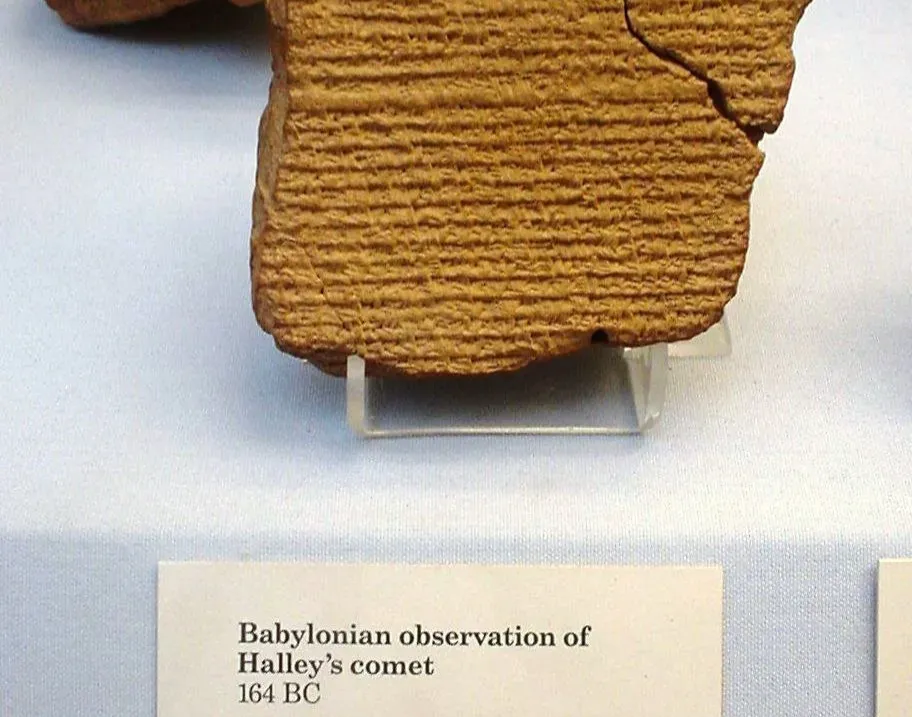
The Babylonians didn’t just stare at the sky; they wrote it down, over and over, for centuries. On clay tablets, they recorded planetary positions, lunar phases, eclipses, and unusual celestial events, turning raw observation into one of the earliest big datasets in human history. By comparing generations of records, they noticed repeating patterns in the movements of the Moon and planets, especially the regularity of lunar eclipses over long cycles.
From this mountain of data, they worked out surprisingly accurate methods to predict celestial phenomena, including eclipses and planetary positions. They associated these heavenly events with omens for kings and kingdoms, blending astronomy tightly with astrology and statecraft. What makes their work so impressive is that they did it all by eye, tracking tiny points of light that wander slowly against the fixed background of constellations. In some ways, they behaved like patient statisticians, long before anyone invented that word.
The Maya: Building Stone Observatories in the Jungle
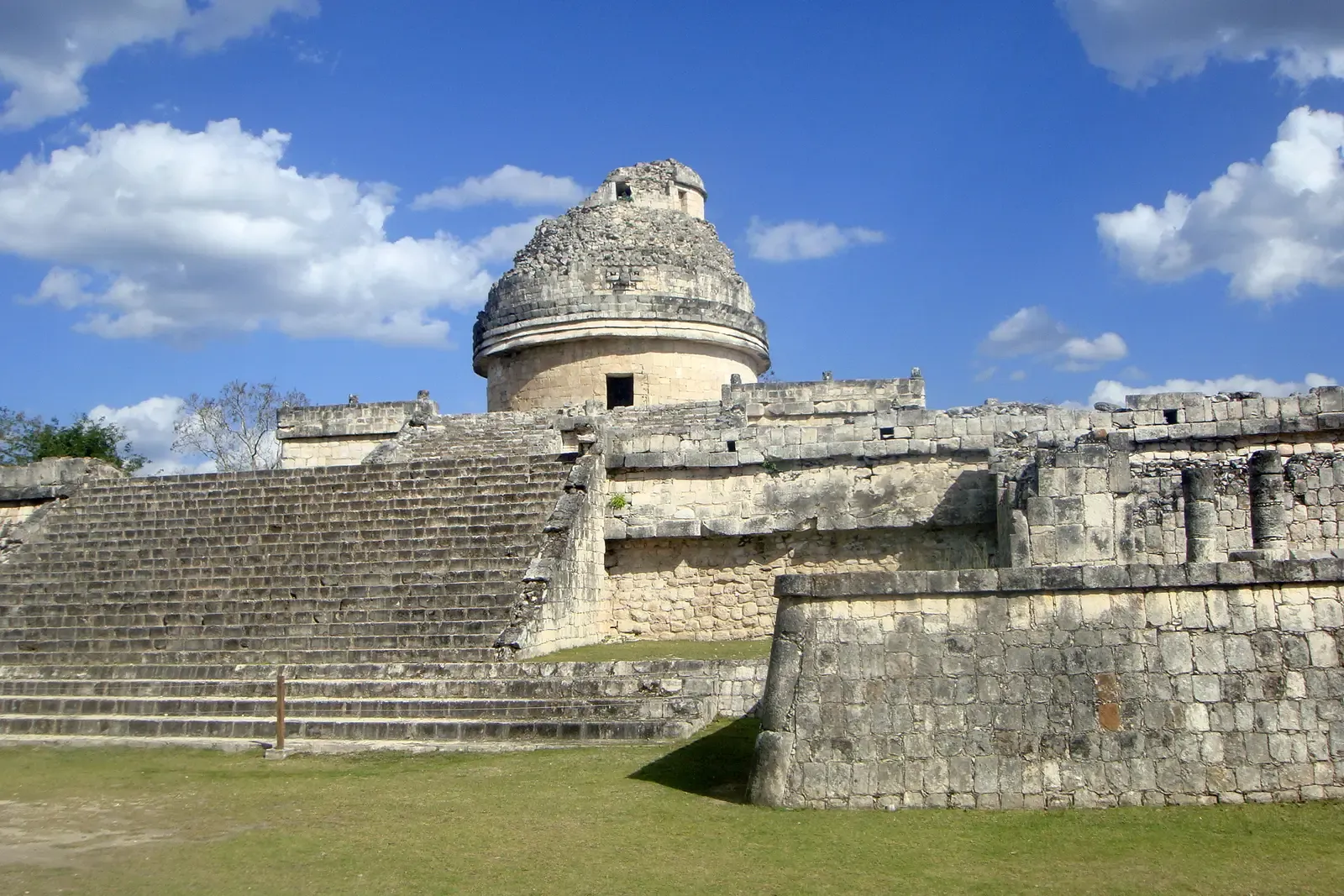
In the rainforests of Mesoamerica, the Maya built cities that doubled as astronomical instruments. Structures like El Caracol at Chichén Itzá include windows and sightlines that align with significant positions of Venus and the Sun at solstices and equinoxes. Many temple stairways and plazas are oriented so that on certain days, the rising or setting Sun creates dramatic light-and-shadow effects, turning architecture into a visual calendar.
They also crafted complex calendars, including the famous Long Count, and tracked cycles of the Moon and Venus with remarkable precision. One surviving codex records the motion of Venus over years, used to time rituals and perhaps even political decisions. I remember reading about how the descent of the “serpent” shadow on the Kukulkán pyramid happens exactly at the equinoxes; it’s like a giant, stone-built reminder that the sky and the city are in constant conversation. Their achievements show just how far geometry, careful observation, and patience can go without a single piece of glass.
The Ancient Greeks: From Star Stories to Scientific Models
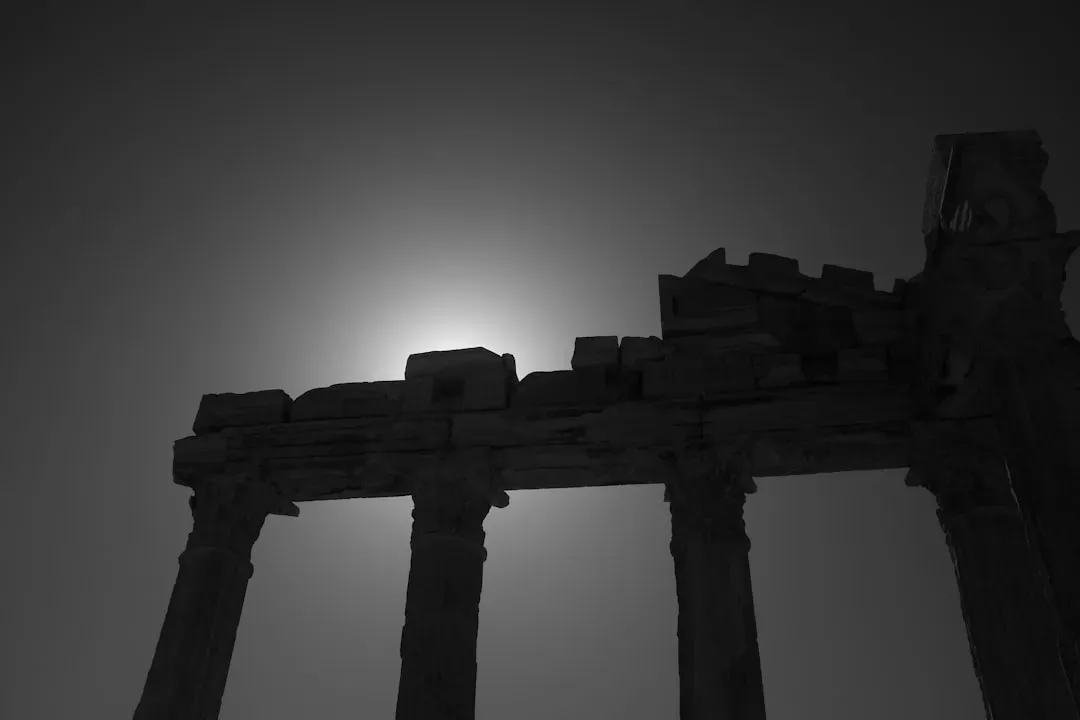
The Greeks didn’t just watch the sky; they tried to explain it with logic and geometry. They adopted many star names and observations from older cultures, then layered their own questions on top: Why do some stars wander while others stay fixed? Why does the Sun’s path change with the seasons? Philosophers and mathematicians developed models with spheres and circles to describe celestial motions, even proposing that Earth might be spherical based on how stars shift with latitude.
Some Greek thinkers estimated the size of Earth and the distance to the Moon using nothing more than shadows and angles. Others compiled star catalogs, carefully noting positions and brightness to aid navigation and timekeeping. Their constellations became a kind of sky map that sailors could recognize anywhere in the Mediterranean. Even though many of their models were imperfect, the habit of asking “how does this work, exactly?” marked a turning point. They helped shift astronomy from mythic storytelling into something we’d recognize as an early science, all without magnification.
The Chinese: Imperial Astronomy and Century-Spanning Records
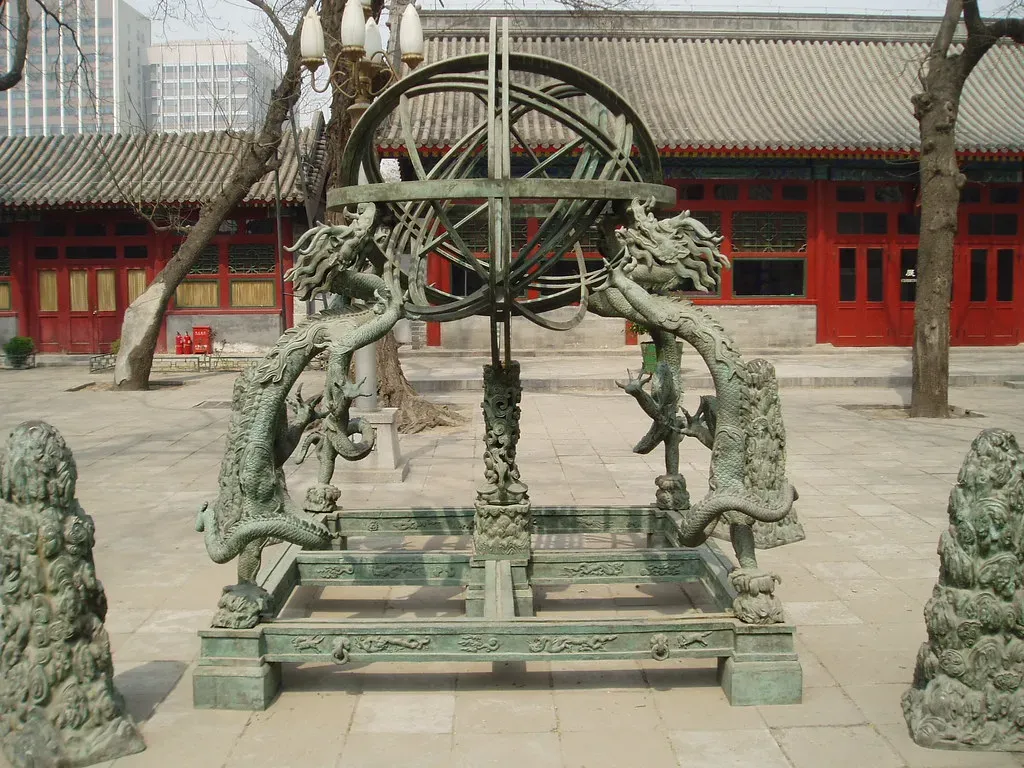
In ancient China, astronomy was a serious affair tied directly to the legitimacy of the emperor. Court astronomers were expected to keep precise calendars, predict eclipses, and interpret unusual events in the heavens as signs about the ruler’s virtue or fate. Dynasties sponsored observatories equipped with sighting tubes, measuring rods, and intricate armillary spheres to track the shifting positions of stars and planets. These tools didn’t magnify, but they did provide stable, repeatable ways to mark where things appeared in the sky.
Chinese records stretch over many centuries and include descriptions of comets, meteor showers, and what we now call supernovae. One famous entry from the eleventh century describes a “guest star” so bright it was visible in daylight for weeks, which modern astronomers link to a known supernova remnant. Their star catalogs detailed the sky in distinct regions, useful for navigation and ritual planning. That disciplined record-keeping, guided by naked-eye observation and a strong bureaucratic system, preserved data that scientists today still compare with modern findings.
The Inca: Weaving the Cosmos Into the Andes
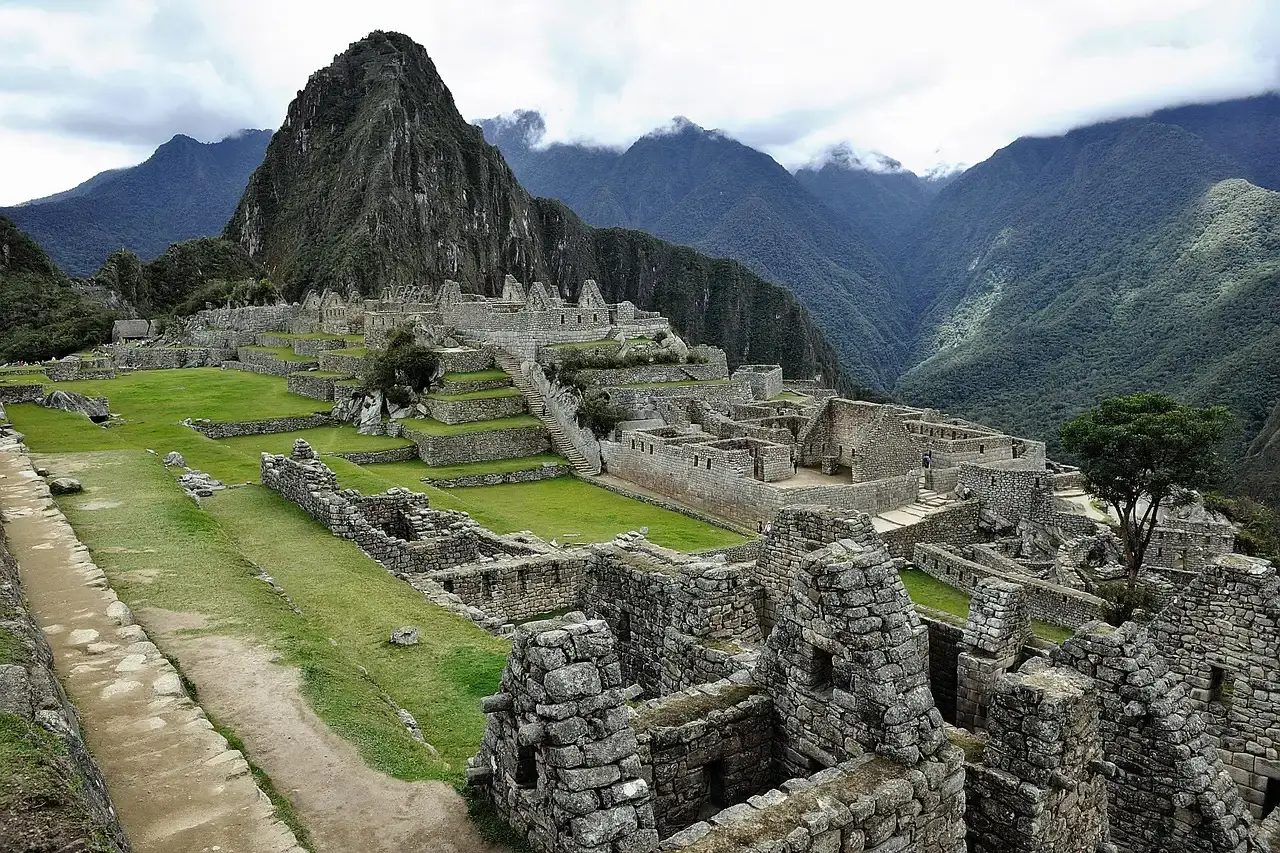
High in the Andes, the Inca Empire wove astronomy into almost every aspect of life, from farming to religion. In the capital, Cusco, key buildings and sighting lines, known as ceques, radiated outward toward sacred places and horizon points where the Sun rose or set on important dates. Stone pillars and towers around the city acted as markers for solstices and other solar events, helping them know when to plant, harvest, and hold major ceremonies. Living so close to intense variation in climate and altitude, timing mattered deeply.
The Inca also paid close attention to the dark patches in the Milky Way, seeing animal shapes in the dark clouds between the stars rather than connecting the bright points. The flowing band of the Milky Way itself was closely associated with water and rivers, echoing their landscape. Simple instruments like horizon markers and alignments carved in stone served as their “devices,” enabling precise readings without glass optics. When you realize they managed all this in thin mountain air and difficult terrain, their sky-reading feels even more impressive.
The Native Hawaiians and Polynesians: Navigating Oceans by the Stars

Polynesian voyagers crossed thousands of kilometers of open ocean without maps or compasses, guided largely by the night sky. Native Hawaiian navigators and their cousins across the Pacific memorized star paths: specific rising and setting points of key stars along the horizon that indicated direction. A navigator lying on a canoe at night could tell where they were headed by which star was directly over the bow, like following invisible highway signs made of light. They also tracked how the height of familiar stars changed with latitude, hinting at their north-south position.
Star knowledge wasn’t the only tool they used – they read swells, birds, clouds, and even the color of water – but the sky was their framework. On long voyages, they mentally carried a map of constellations and star lines, adjusted each night as different stars became visible. In recent decades, traditional voyaging canoes have successfully crossed oceans again using these revived techniques, proving that the old methods really worked. No telescope could have made their navigation more reliable than this deep, embodied understanding of the heavens and the sea.
The Mesopotamians of Sumer and Assyria: From Omens to Order
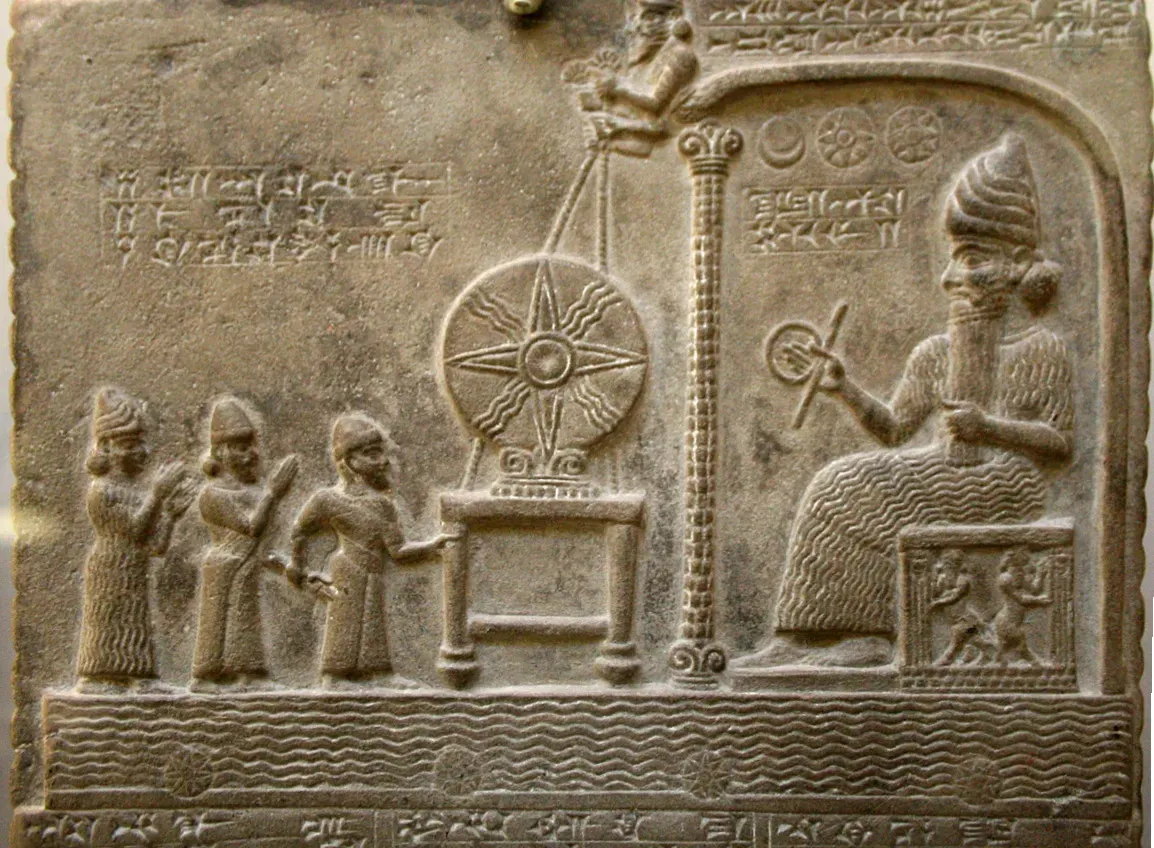
Before the rise of later Babylonian astronomy, earlier Mesopotamian cultures like the Sumerians and Assyrians already treated the sky as a message board from the gods. Priests and scribes carefully listed what it meant when certain planets were in particular constellations, or when eclipses happened in specific months. These omen lists might sound superstitious today, but they forced observers to record events in detail and compare them with outcomes, laying a groundwork for later pattern recognition. The night sky became a kind of ledger where political fortunes and celestial events were paired.
Over time, this habit led to more structured tracking of the Moon’s phases and the Sun’s yearly path, which shaped early calendars. Temples and ziggurats often included viewing platforms ideal for watching the horizon, especially during sunrise and sunset on special days. They didn’t separate astronomy and astrology the way we do, but their constant watching of the heavens made the cycles of the sky more predictable. That mix of fear, curiosity, and devotion drove them to stare upward, night after night, until order began to emerge from the glittering chaos.
The Ancient Indians: Mapping the Sky for Ritual and Mathematics
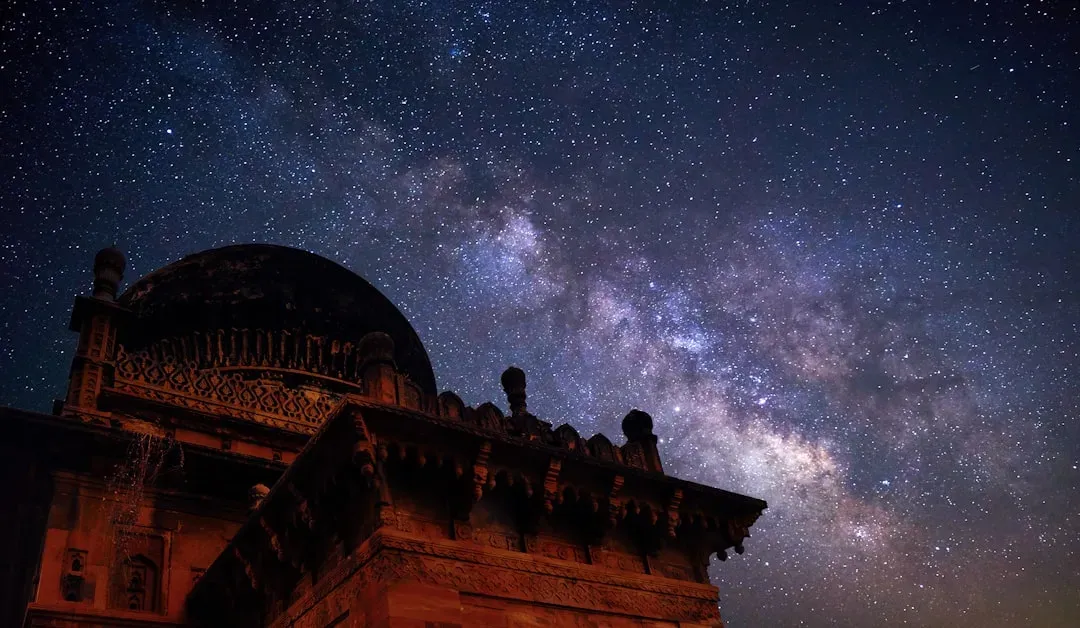
In ancient India, astronomy developed in close relationship with ritual timing, mathematics, and early ideas about planetary motion. Texts dating back many centuries describe constellations, the ecliptic path of the Sun, and the division of the sky into segments used to mark the Moon’s position through the month. These divisions helped set auspicious times for ceremonies and daily activities, embedding the rhythm of the cosmos into social life. Observers tracked eclipses and planetary conjunctions, refining their understanding of cycles over generations.
Later traditions built on this foundation with more advanced calculations of planetary periods and the length of the year, often surprisingly close to modern values. They used simple devices like gnomons – vertical sticks that cast shadows – and sighting along fixed alignments to mark solstices and equinoxes. Astronomy and mathematics grew together, with geometric reasoning used to understand celestial motion. All of this happened with naked eyes and careful note-taking, proving that precision does not always require complex machines.
The Aboriginal Australians: Star Knowledge Written on the Land
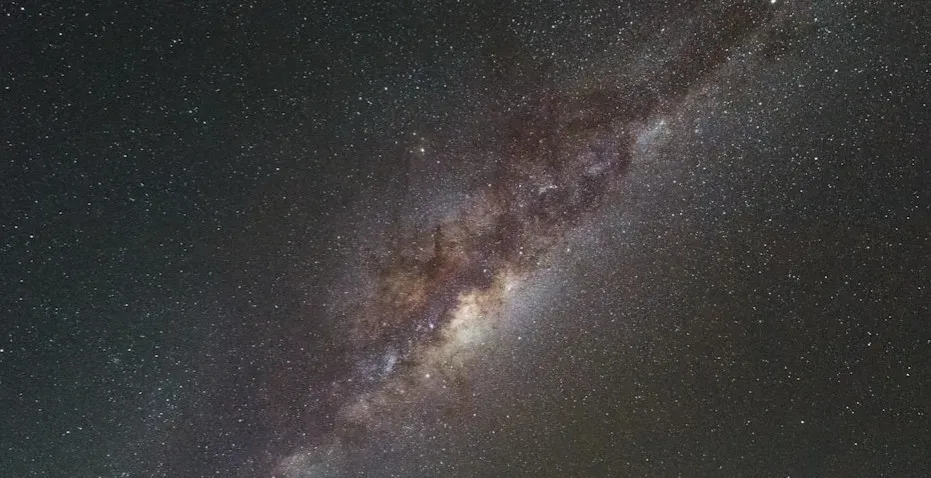
Across the Australian continent, Aboriginal cultures developed rich astronomical traditions woven into stories, songs, and the landscape itself. Rather than building massive stone monuments, many groups encoded sky knowledge into oral narratives that described the behavior of stars, the Milky Way, and the changing seasons. Some stories line up closely with real astronomical events, such as variable stars that change brightness over time or the shifting position of the Southern Cross as the year progresses. For these communities, the sky wasn’t a separate scientific subject; it was part of country and identity.
In some regions, arrangements of stones and alignments appear to track solstices or important star risings, acting as subtle observatories built right into the terrain. Knowledge of when certain stars returned to the dawn or evening sky helped guide seasonal movements, hunting, and gathering. What stands out is the depth of observation sustained over tens of thousands of years, carried through songs rather than written tables. Their astronomy shows that rigorous watching and accurate memory can rival physical instruments when people live in close relationship with the sky.
A Sky Full of Teachers
Across deserts, jungles, mountains, islands, and plains, these ten civilizations turned the night sky into their teacher, clock, and compass, all without a single telescope lens. They aligned pyramids and temples to solstices, steered canoes by star paths, predicted eclipses from clay-tablet records, and wove cosmic cycles into songs, myths, and state calendars. Even when their explanations mixed gods and omens with geometry and counting, their observations of rising stars, wandering planets, and shifting shadows were often astonishingly precise.
Standing under a dark sky today, it’s easy to feel small, but it’s also a direct connection to every human who ever tilted their head back and tried to make sense of those same lights. The biggest lesson from these ancient sky-watchers may be that patient attention can turn mystery into understanding, even when tools are simple and resources are limited. It makes you wonder: if they saw this much with only their eyes and a clear horizon, what patterns in your own life are waiting to be noticed if you just start really looking up?