Deep beneath your feet, something extraordinary is happening. Miles below the surface, in a realm where pressures crush with the force of millions of atmospheres and heat rivals the surface of the sun, scientists have finally confirmed what they long suspected. The heart of our planet isn’t quite solid, and it’s definitely not liquid either. It exists in a state so bizarre, so fundamentally weird, that it challenges everything we thought we knew about how matter behaves.
Think about that for a moment. We’ve mapped distant galaxies and photographed black holes, yet the center of our own planet has remained one of the greatest mysteries right under our noses. Until now, that is.
A Paradox Hidden in Seismic Waves
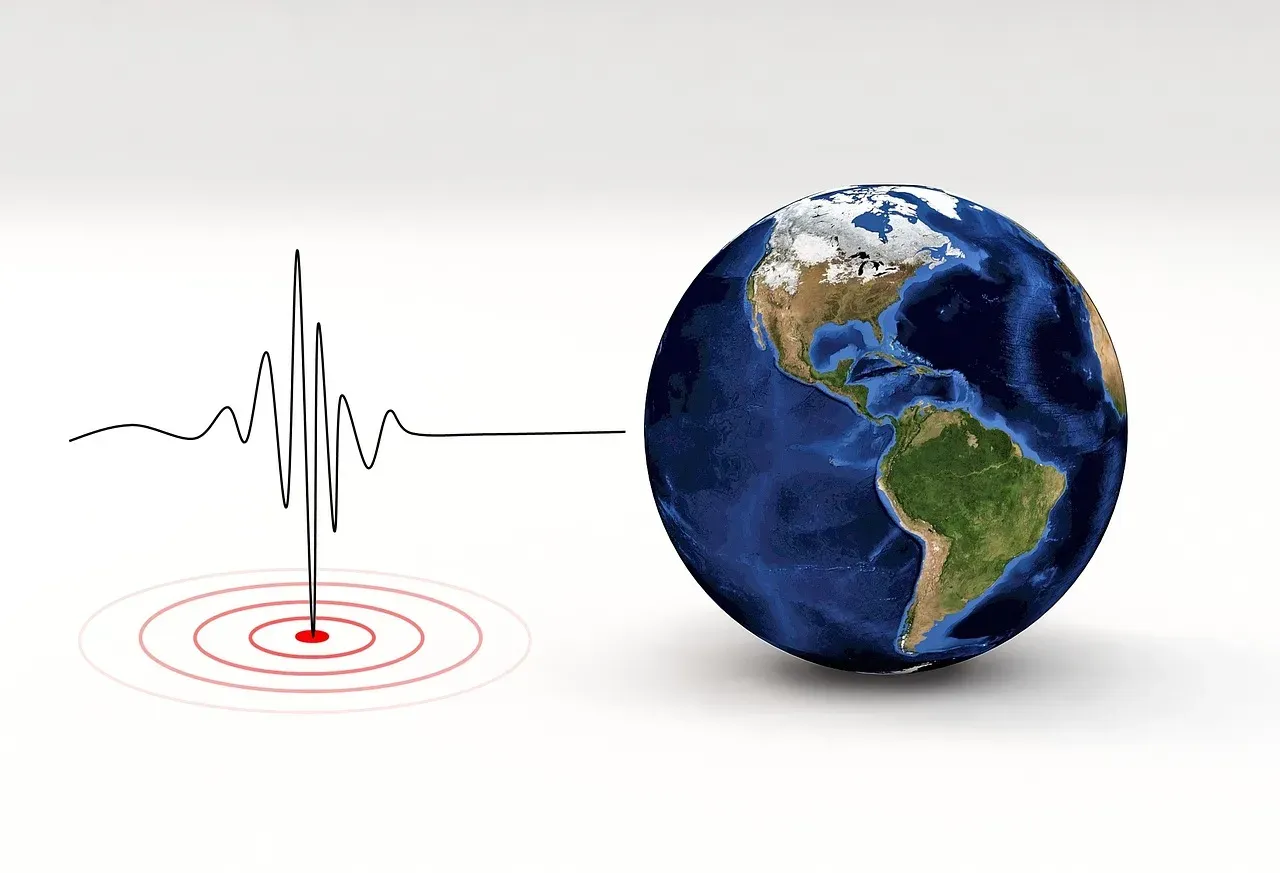
For decades, researchers struggled to explain the inner core’s unusual behavior: even though it’s solid, it behaves like a softened metal with a Poisson’s ratio more similar to butter than to steel, raising the fundamental question of how the planet’s solid center could appear firm yet strangely pliable. Seismic waves traveling through earthquake zones kept sending back contradictory signals.
The way these waves slow down and measurements suggesting the core is squishy like butter rather than rigid like cold steel puzzled scientists. It’s hard to say for sure, but imagine trying to understand a material that acts tough on the outside yet squishes under pressure like something far softer. The data simply didn’t add up to a conventional solid core model.
The Superionic Breakthrough Confirmed
By firing tiny projectiles of iron-carbon alloy from a high-speed cannon, scientists finally demonstrated that a weird part-solid, part-liquid-like state thought to exist inside Earth’s inner core is indeed possible, neatly explaining unusual behavior in the core. This wasn’t just theoretical anymore.
Using a dynamic shock compression platform, researchers propelled iron-carbon samples to 7 kilometers per second, achieving pressures up to 140 gigapascals and temperatures near 2600 kelvin, closely reproducing the environment found in the inner core, and detected a dramatic loss of shear wave speed. Let’s be real, that’s an insanely violent experiment. These scientists essentially created Earth’s core conditions in a laboratory, something that would have been unimaginable just years ago.
Carbon Atoms Dancing Through Iron
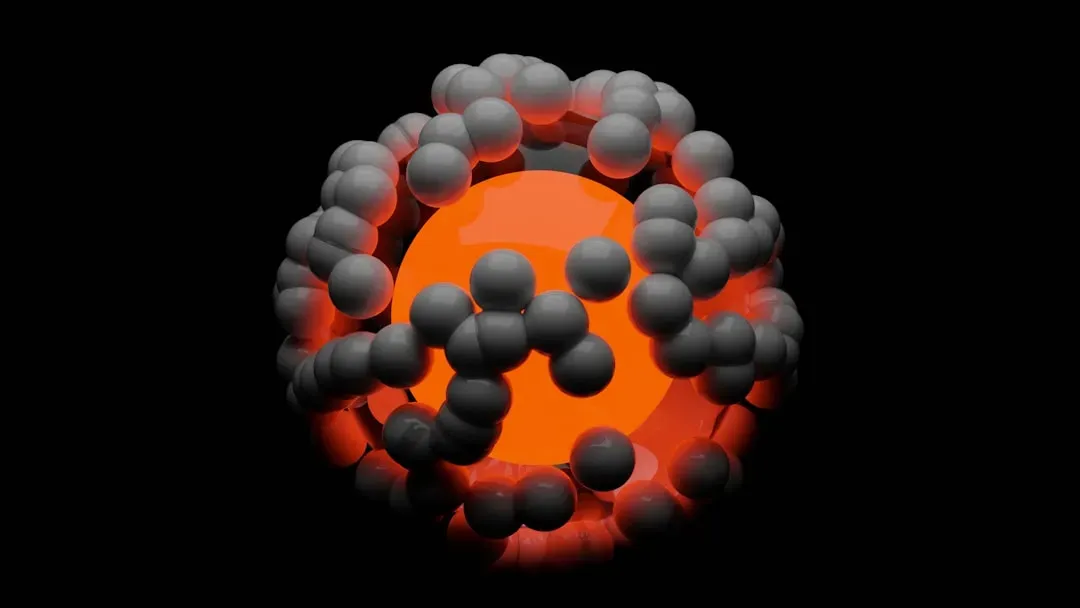
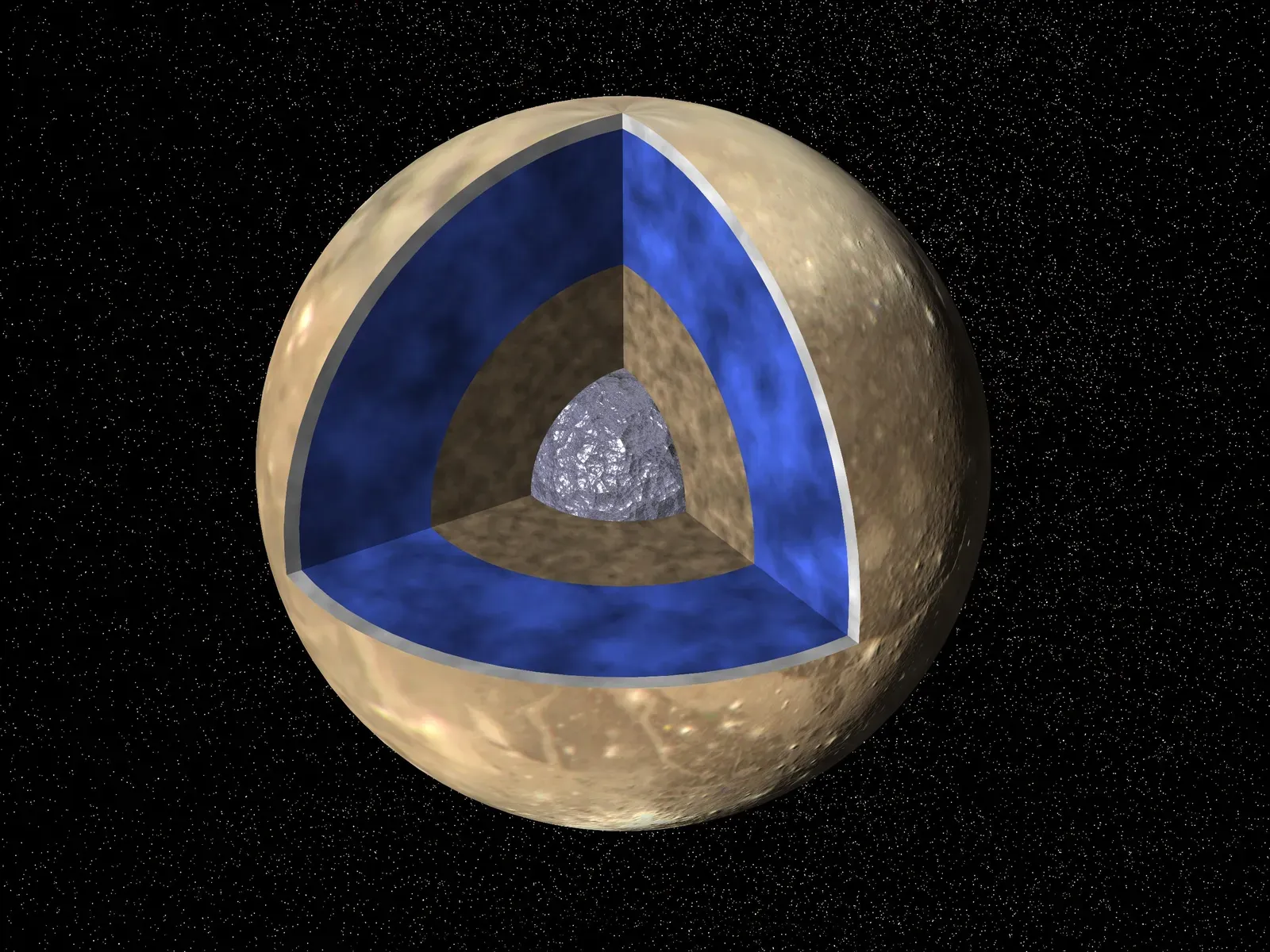
Here’s the thing that makes this discovery absolutely fascinating. Earth’s inner core exists in a superionic state in which light elements move through a stable iron framework as if they were liquid. Picture a crowded dance floor where the iron atoms stand still, locked in position, while carbon atoms weave between them like dancers gliding through a choreographed routine.
In this environment, carbon atoms zip through the iron lattice at high speeds, becoming highly mobile and diffusing through the crystalline iron framework like children weaving through a square dance, while the iron itself remains solid and ordered, with this superionic phase dramatically reducing the alloy’s rigidity. It’s so elegant, honestly. The carbon moves freely while maintaining the overall structure.
Why This Changes Everything About Planetary Science
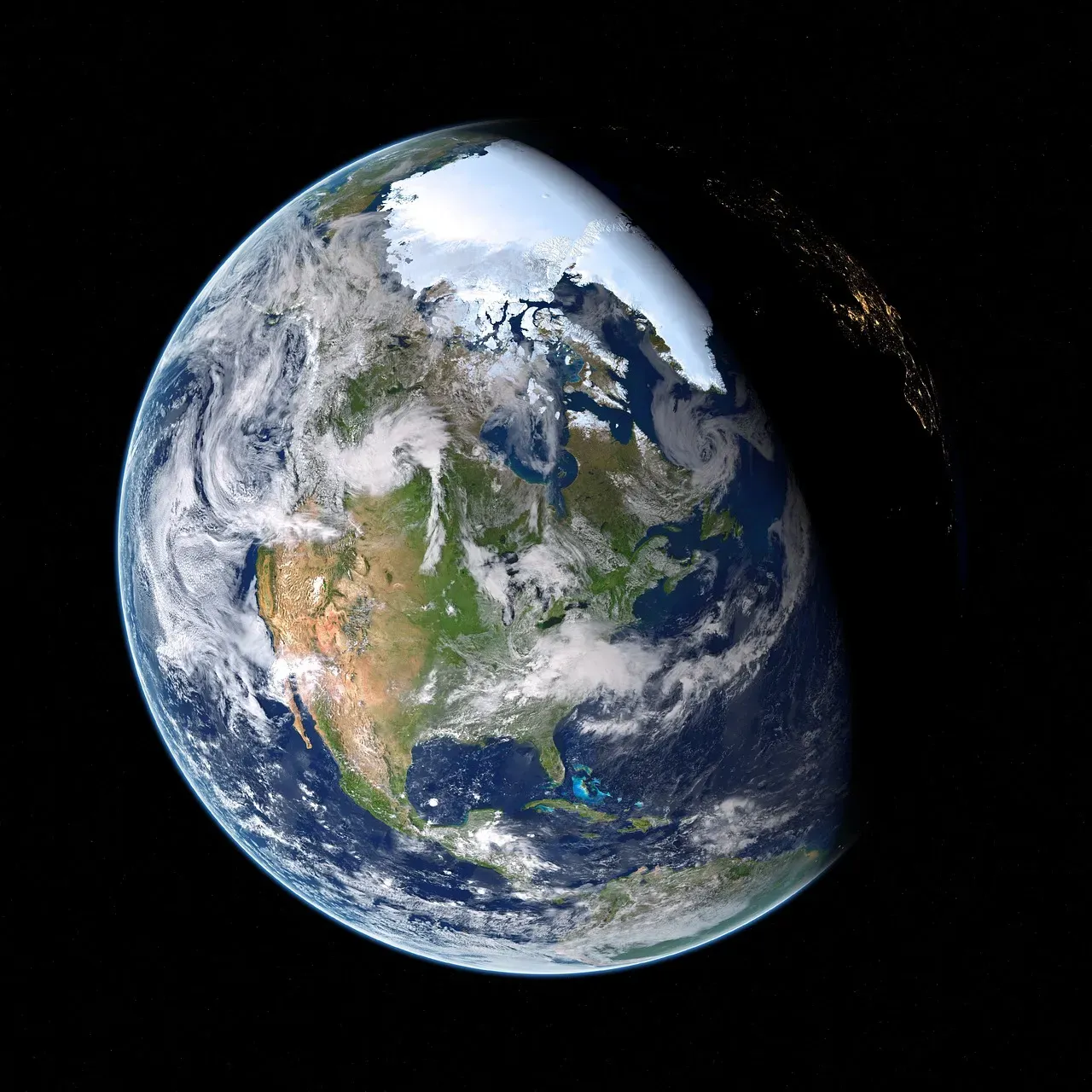
The motion of light elements may explain seismic anisotropy, which involves directional variations in seismic wave speeds, and could also play a role in sustaining Earth’s magnetic field. That magnetic field, by the way, is what protects us from deadly solar radiation every single day.
The motion of light elements may explain seismic anisotropy and could play a role in sustaining Earth’s magnetic field, as atomic diffusion within the inner core represents a previously overlooked energy source for the geodynamo, where fluid-like motion of light elements may help power Earth’s magnetic engine. This discovery doesn’t just solve one mystery but opens doors to understanding the very mechanisms that make life on Earth possible.
From Theory to Experimental Reality

In 2022, a team led by geophysicist Yu He of the Chinese Academy of Sciences theoretically demonstrated that superionicity might resolve the puzzle, where immense pressure keeps iron in a solid matrix while extreme heat allows lighter atoms to flow like a fluid. Theory is one thing, though. Proving it is another beast entirely.
Zhang, He, and their colleagues used dynamic shock compression to compress iron-carbon alloy so it behaved exactly as it should in Earth’s inner core, using two-stage light gas guns that rely on smokeless gunpowder and compressed gas to send tiny particles flying at extreme speeds. The experimental confirmation transforms this from educated speculation into verified fact. We’re moving away from guesswork toward genuine understanding.
Implications Beyond Our World
The findings reshape models of Earth’s interior and could apply to other rocky planets. Think about it. If Earth’s core works this way, what about Mars, Venus, or the countless rocky exoplanets astronomers discover every year?
Beyond Earth, the discovery of a superionic phase could shed light on the magnetic and thermal evolution of other rocky planets and exoplanets. Understanding planetary cores helps us predict which worlds might harbor magnetic fields, which in turn tells us where life might have a fighting chance. The superionic state might be far more common in the universe than we ever imagined.
The Dynamic Core We Never Knew We Had
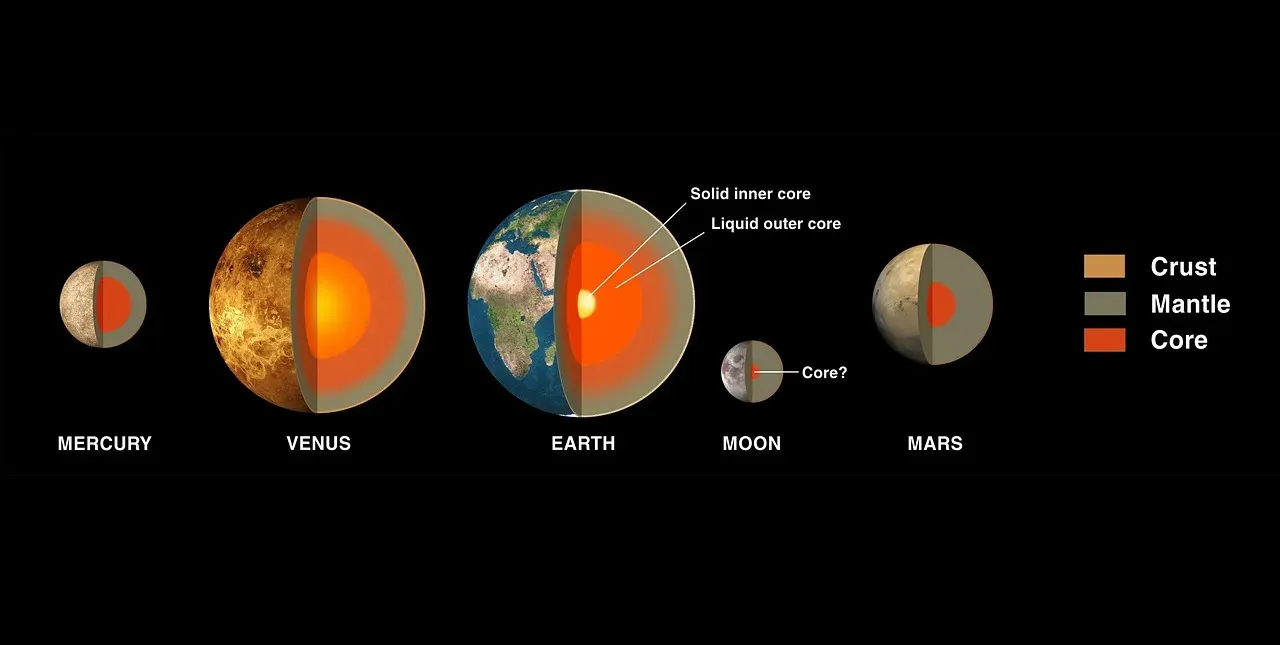
Experimental data settles longstanding debates about how light elements behave under extreme pressures and may yield new insights into Earth’s magnetic field, a vast structure spun out into space from the dance of conduction and convection deep inside the planet, as researchers move away from a static, rigid model toward a dynamic one.
The old picture of a frozen, unchanging inner core is dead. What we have instead is something far more fascinating: a dynamic, flowing structure where atoms dance through solid frameworks under conditions we can barely imagine. The superionic model expands our understanding of how the inner core contributes to Earth’s internal processes. Every revision to our models brings us closer to understanding the planet we call home.
What do you think about this hidden state of matter swirling beneath us? Does it change how you picture what’s under your feet? Share your thoughts in the comments.