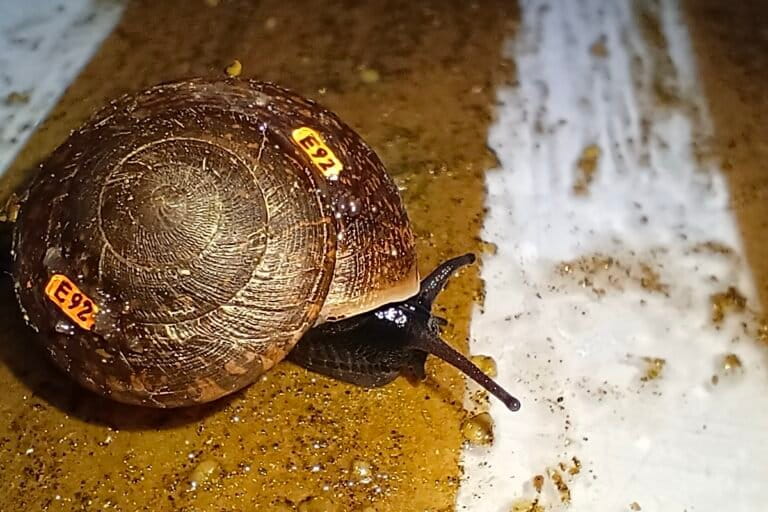
A Discovery That Defied the Odds (Image Credits: Imgs.mongabay.com)
Norfolk Island – Scientists have turned the tide for a minuscule mollusk long feared lost to extinction, marking a quiet victory in the fight to preserve Australia’s fragile biodiversity.
A Discovery That Defied the Odds
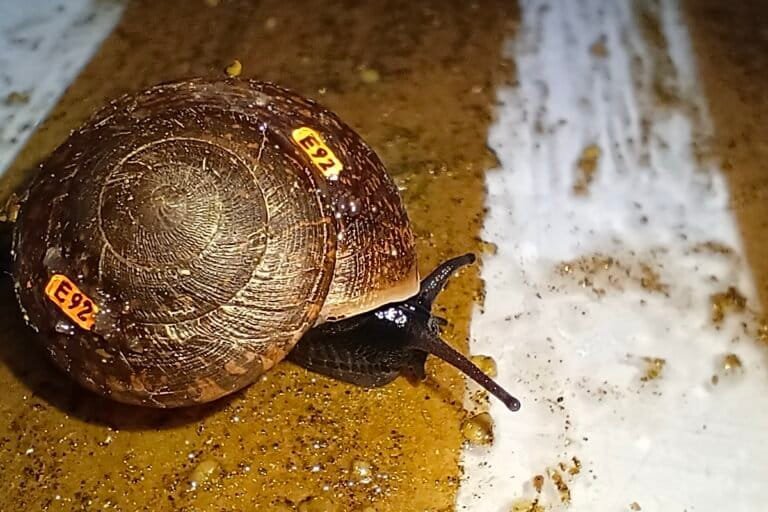
The Campbell’s keeled glass-snail, a delicate creature no larger than a thumbnail, had vanished from records for decades. In 2020, researchers stumbled upon a small wild population clinging to life amid the island’s remnant forests. This unexpected find sparked immediate action, as the species faced threats from habitat destruction and invasive predators. Experts quickly established a captive breeding program to safeguard the survivors.
Initial efforts proved challenging, with low reproduction rates testing the team’s resolve. However, adjustments to enclosure conditions and diet led to a breakthrough. By mid-2024, the snails began thriving in captivity, producing offspring at an encouraging pace. This success story highlighted the potential for invertebrate conservation, often overlooked in favor of larger animals.
Breeding Breakthroughs and Careful Cultivation
At facilities run by organizations like the Australian Museum and Taronga Conservation Society, the snails received meticulous care. Staff replicated the humid, leaf-littered environments of their native habitat to mimic Norfolk Island’s subtropical conditions. Over time, the population grew from a handful to hundreds, demonstrating the snails’ resilience once threats were removed.
The program incorporated genetic monitoring to ensure diversity, preventing inbreeding in the limited gene pool. Researchers noted that the species’ translucent shells and keeled ridges made them both beautiful and vulnerable. By 2025, the captive group had expanded sufficiently to support reintroduction plans. This phase underscored the importance of long-term commitment in species recovery.
The Journey Back to the Wild
In a landmark operation this year, more than 300 bred snails embarked on a carefully orchestrated translocation. Flown from mainland Australia to Norfolk Island, they were released into protected forest areas free of predators. Teams selected sites with suitable vegetation, ensuring the newcomers could forage on fungi and decaying matter without interference.
Early monitoring showed promising signs, with released individuals establishing themselves and even laying eggs. This reintroduction stands as Australia’s first large-scale effort for snails, setting a precedent for similar initiatives across the Pacific. The process involved collaboration between federal agencies and local authorities, emphasizing community involvement in habitat restoration.
Challenges and Lessons for Future Conservation
Despite the progress, hurdles remain. Invasive species like rats and weeds continue to pressure Norfolk Island’s ecosystems, requiring ongoing eradication efforts. Climate change adds another layer, potentially altering the snails’ moist microhabitats. Scientists stressed that sustained funding and public awareness are crucial to prevent backsliding.
Key aspects of the project included:
- Habitat assessment to identify predator-free zones.
- Genetic analysis for healthy breeding pairs.
- Public education campaigns to reduce accidental introductions of invasives.
- Regular population surveys post-release.
- Partnerships with indigenous knowledge holders for site selection.
| Phase | Timeline | Key Outcome |
|---|---|---|
| Discovery | 2020 | Rediscovery of wild population |
| Breeding | 2020-2024 | Captive population growth to hundreds |
| Reintroduction | 2025 | Release of 300+ individuals |
Key Takeaways
- The Campbell’s keeled glass-snail’s revival shows invertebrates deserve equal conservation focus.
- Captive breeding can succeed with adaptive management, even for tiny species.
- International collaboration, like the translocation flight, amplifies recovery efforts.
As this tiny snail inches toward stability, its story reminds us that even the smallest creatures play vital roles in ecosystems. With continued vigilance, Norfolk Island could become a model for saving other overlooked species. What steps can we take to support such initiatives in our own regions? Share your thoughts in the comments.