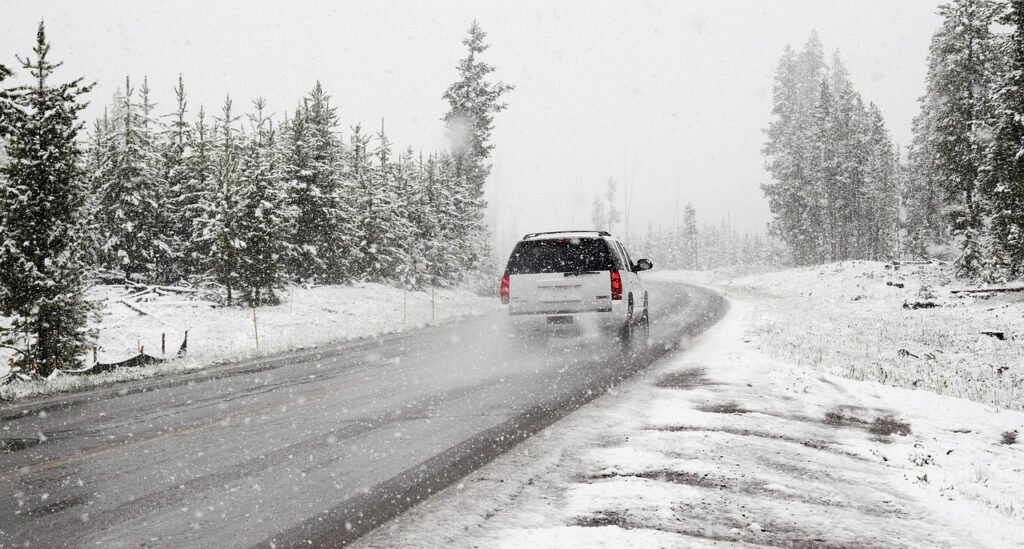

Storm’s Rapid Escalation Catches Many Off Guard (Image Credits: Pixabay)
Minnesota – A powerful winter storm descended on the state Sunday, unleashing heavy snow and fierce winds that transformed familiar routes into perilous obstacles for holiday travelers.
Storm’s Rapid Escalation Catches Many Off Guard
The blizzard arrived with unexpected force late Sunday afternoon, blanketing central and southern Minnesota in accumulating snow that quickly reached 4 to 8 inches in many areas. Winds gusting up to 55 miles per hour whipped the fresh powder into blinding drifts, creating whiteout conditions that reduced visibility to near zero on major highways. Forecasters from the National Weather Service had issued warnings earlier in the day, but the storm’s intensity exceeded initial predictions in some spots, leading to rapid deterioration of road conditions. Snowplows struggled to keep pace, with crews temporarily halting operations in parts of the state due to the low visibility. This escalation caught drivers by surprise during one of the busiest travel periods of the year.
By evening, the storm had already caused multiple incidents, including vehicles sliding off interstates and jackknifed semis blocking lanes. Officials reported that the combination of heavy snowfall and high winds posed immediate risks, particularly in rural areas where response times stretched longer. The event unfolded against a backdrop of holiday gatherings, forcing many to rethink plans and hunker down indoors.
Travel Disruptions Ripple Across the Region
Highways like Interstate 94 and U.S. Route 52 became scenes of gridlock as snow accumulation mounted and blowing drifts closed sections entirely. In the Twin Cities metro area, authorities declared snow emergencies to facilitate plowing and clear parking restrictions, affecting thousands of residents. Airports saw thousands of flights delayed or canceled, stranding passengers eager to return home after the holidays. The storm’s reach extended beyond Minnesota’s borders, impacting Wisconsin with similar hazardous conditions and prompting widespread advisories.
Emergency services handled a surge in calls related to weather-related accidents, underscoring the storm’s severity. Travel advisories urged motorists to stay off the roads unless absolutely necessary, with some counties implementing full closures. The timing amplified the chaos, as families navigated the post-Christmas rush amid the unfolding crisis. Reports indicated that more than 51 million people across the Upper Midwest and Great Lakes region fell under winter storm alerts, highlighting the event’s broad scope.
Safety Measures and Community Response
Local and state officials emphasized preparation as key to mitigating risks during the blizzard. Residents received repeated calls to assemble winter survival kits, including blankets, food, water, and flashlights for potential stranding. Power outages emerged in isolated pockets due to wind-damaged lines, prompting warnings about hypothermia dangers in unheated vehicles. Community centers opened as warming stations in affected cities, providing refuge for those without adequate home heating.
The National Weather Service outlined specific precautions in their alerts. Travel restrictions focused on non-emergency situations, with advice to monitor road conditions via official apps and radio updates. Plow operators worked extended shifts where possible, battling the elements to restore access. These efforts reflected a coordinated push to safeguard lives amid the storm’s peak fury, which persisted into early Monday.
Looking Ahead: Lingering Effects and Recovery
As the storm began to wane Monday morning, cleanup crews mobilized to clear roadways and assess damage. Forecasters predicted additional flurries but nothing on the scale of the initial onslaught, allowing gradual normalization of travel. However, icy patches and residual drifts promised to linger, requiring caution for days to come. The event served as a stark reminder of winter’s unpredictability in the Midwest, where such systems can shift from routine to extreme in hours.
Schools and businesses planned for potential closures, while insurance claims for vehicle mishaps started to pile up. The broader economic toll included disrupted supply chains and delayed shipments, felt keenly in a state reliant on timely logistics.
- Check road conditions before departing via state DOT websites.
- Keep a full tank of gas and emergency supplies in your vehicle.
- Avoid travel during peak wind hours to minimize whiteout risks.
- Layer clothing and stay informed through local weather alerts.
- Report downed lines or hazards immediately to authorities.
Key Takeaways
- Blizzard conditions led to whiteouts and life-threatening travel across Minnesota.
- Snow accumulations of 4-8 inches combined with 55 mph winds for severe impacts.
- Officials recommend emergency-only travel and survival kits for safety.
This winter storm not only tested Minnesota’s resilience but also highlighted the need for proactive winter readiness in an era of intensifying weather patterns. As roads reopen, drivers should proceed with extra vigilance to avoid further incidents. What experiences did you have during this blizzard? Share your stories in the comments below.
For more details, see coverage from The New York Times.