

Every so often, an object surfaces from the ground or the back of a museum drawer that seems to whisper a dangerous question: what if our timelines are wrong? These artifacts are not proof of lost super-civilizations or time travelers, but they do strain the neat story we like to tell about human progress. From Roman-era batteries to precision-cut stones in places that should not have had such technology, each mystery forces archaeologists and historians to look again, dig deeper, and sometimes admit that the evidence is messier than the textbooks. In an era of lidar scans, DNA sequencing, and hyper-detailed radiocarbon dating, you might think there’s little room left for surprise. Yet these ten finds, scattered across deserts, seabeds, and high plateaus, prove that the past is still full of unsolved puzzles waiting to be decoded.
The Baghdad Battery: An Ancient Spark That Shouldn’t Exist
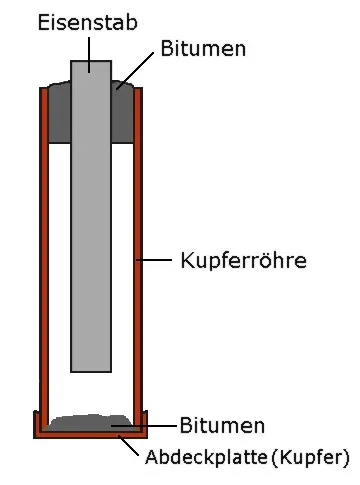
When workers near modern-day Baghdad uncovered a small clay jar containing an iron rod and copper cylinder in the 1930s, nobody expected it to ignite a decades-long debate about ancient electricity. The so-called Baghdad Battery, dated roughly to around two thousand years ago, looks uncannily like a simple galvanic cell when filled with an acidic liquid. Experimental archaeologists have shown that replicas can produce a low voltage, enough to tingle the skin or potentially plate thin layers of metal. That is startling, because the formal discovery of electricity sits comfortably in the eighteenth and nineteenth centuries in most history books.
Researchers are divided about whether it was truly used as a battery or whether the resemblance is coincidental and the vessel had a ritual or storage purpose. There are no ancient texts from the region describing electrical experiments, no clear depictions of wires or lamps, just this frustratingly ambiguous object and a handful of similar jars. Still, the existence of a device that could function as a battery nudges us to reconsider how curious and experimental ancient artisans might have been. It also underscores a humbling reality: technology can emerge, be used in limited ways, and then disappear from the record without leaving the clear trail modern science expects.
The Antikythera Mechanism: A Bronze Computer Lost at Sea
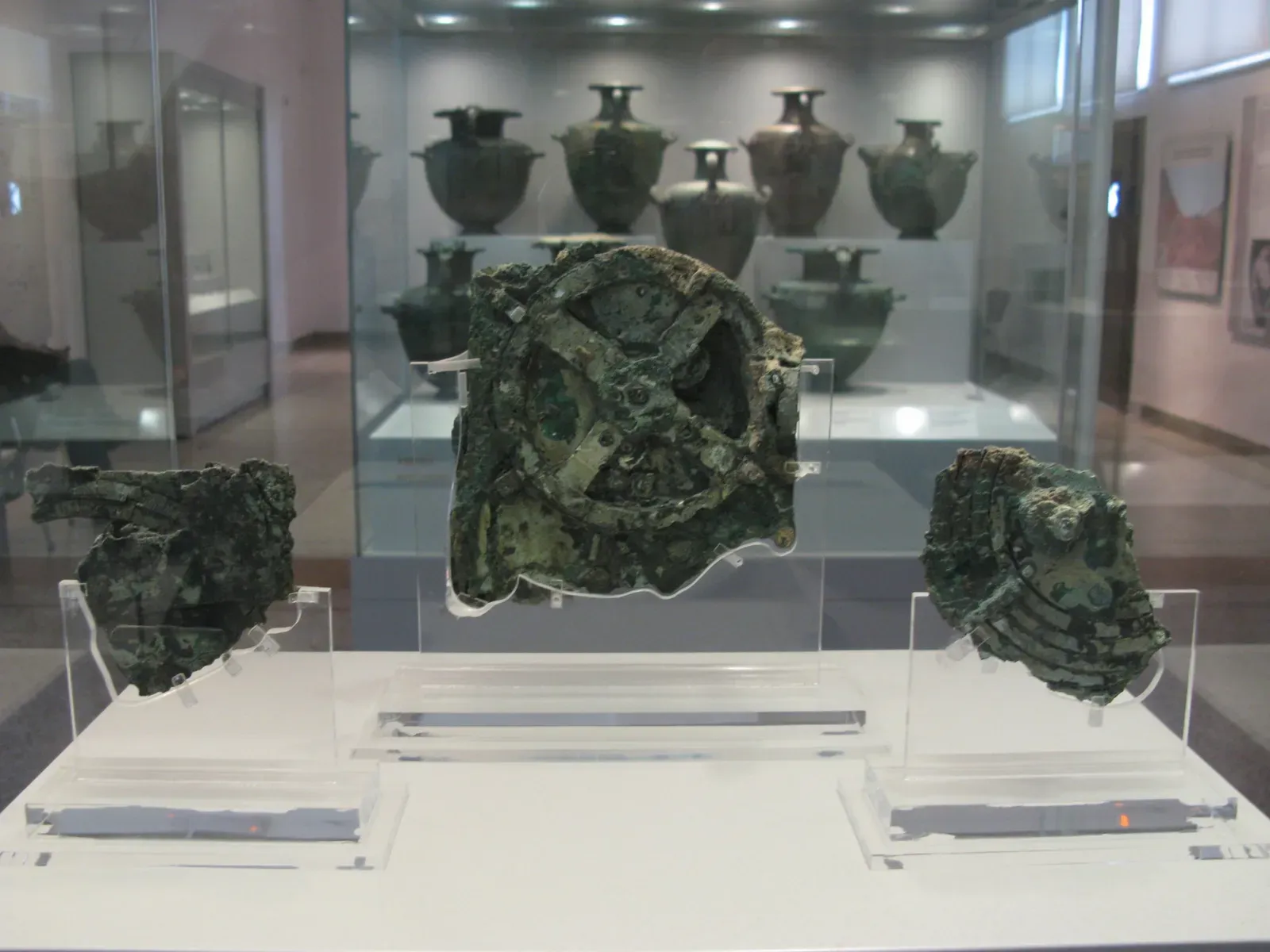
In 1900, sponge divers off the Greek island of Antikythera stumbled on a Roman-era shipwreck and dragged up what looked like a corroded lump of bronze and wood. Hidden inside that lump was one of the most sophisticated mechanical devices ever found from antiquity, now known as the Antikythera mechanism. Detailed X-ray and CT scans have revealed over thirty interlocking bronze gears capable of modeling the motions of the sun, moon, and possibly planets, as well as predicting eclipses. It is, in effect, an analog computer built more than two thousand years ago, centuries before such precision engineering is supposed to appear.
What makes the mechanism so disruptive is not just its existence, but its isolation. No complete device of similar complexity has been recovered from the classical world, only tantalizing textual hints that Greek engineers could build intricate automata and astronomical instruments. The level of craftsmanship suggests a long tradition of gear-making and mathematical modeling that we have barely glimpsed. When you see the mechanism reconstructed, with its gears spinning in a tight, purposeful dance, it feels less like an outlier and more like a missing chapter from a technological lineage we still do not fully understand.
Roman Dodecahedrons: Geometric Ghosts Across Europe
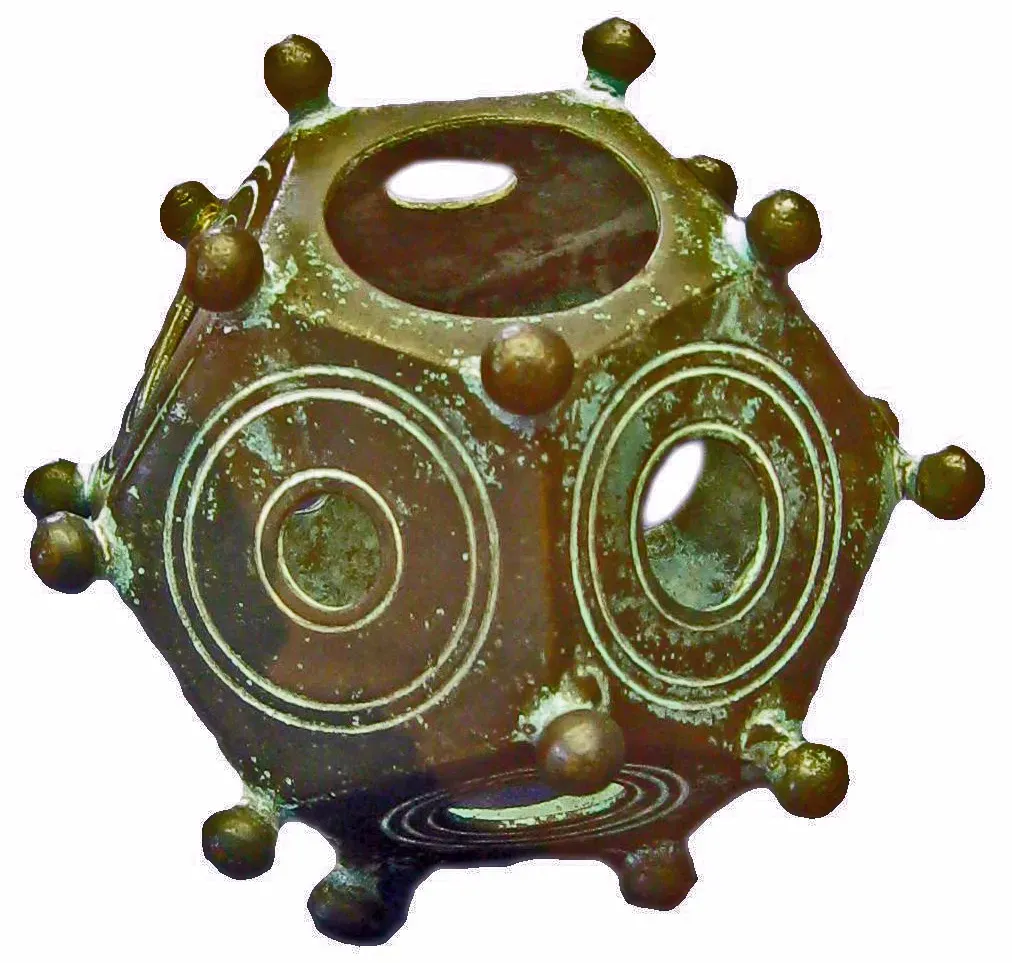
Scattered across parts of Europe once under Roman control, archaeologists have uncovered dozens of small, hollow bronze objects shaped like twelve-sided dice, each face with a circular hole and knobs at the corners. Called Roman dodecahedrons, they date broadly from the second to fourth centuries CE, yet no surviving text explains what they were for. Theories range from candlestick holders and measuring tools for textiles to range-finding devices for the military, children’s toys, or ritual objects. The problem is that none of these explanations fits all the evidence convincingly, and wear patterns are inconsistent from one find to another.
What is especially strange is how widespread and consistent the design appears, from Britain to Central Europe, while remaining utterly absent from written records. You would expect at least an offhand reference in a manual or letter, given how carefully the Romans documented everyday life. Instead, we have a class of object that looks deliberate and standardized, but sits in complete interpretive silence. These dodecahedrons remind scientists that even in an empire famed for administration and engineering, everyday tools and practices could still vanish without explanation, leaving us to reverse engineer meaning from mute geometry.
The Saqqara Bird: Toy, Symbol, or Ancient Aerodynamics?
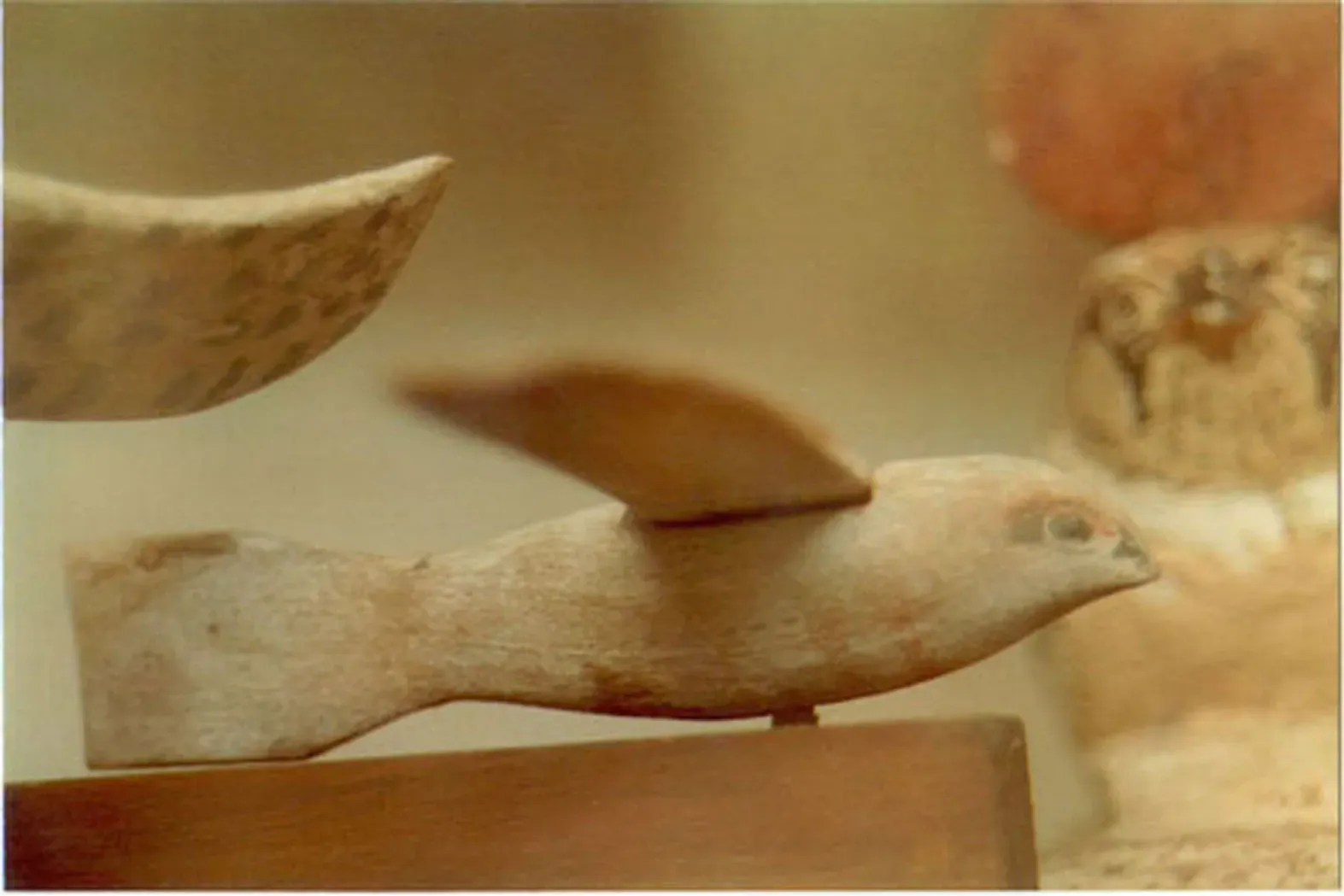
In a tomb at Saqqara, Egypt, archaeologists found a small wooden object shaped like a bird, dating to around two hundred years before the common era. Unlike typical bird figurines, this one has a straight, almost airplane-like wing structure and no carved feet, giving it a strangely aerodynamic profile. Some researchers see it as a simple toy or ceremonial object, maybe mounted on a staff or hung in a shrine. Others point out that its shape and weight distribution allow it to glide a short distance when thrown, suggesting at least an intuitive grasp of basic aerodynamic principles.
To be clear, the Saqqara Bird is not proof of forgotten ancient aircraft or any of the more extravagant claims that sometimes circulate online. But it does highlight the blurred line between play, ritual, and experimentation in ancient cultures. A child tossing the bird through the air, or a priest spinning it as a symbol of the soul, might have noticed how certain shapes moved more gracefully than others. That kind of unrecorded, hands-on tinkering is the seed of later scientific thought, yet it rarely leaves obvious traces in the archaeological record. In that sense, the bird feels like a rare fossil of curiosity itself.
Pumapunku’s Precision Stones: Engineering From a Lost Blueprint
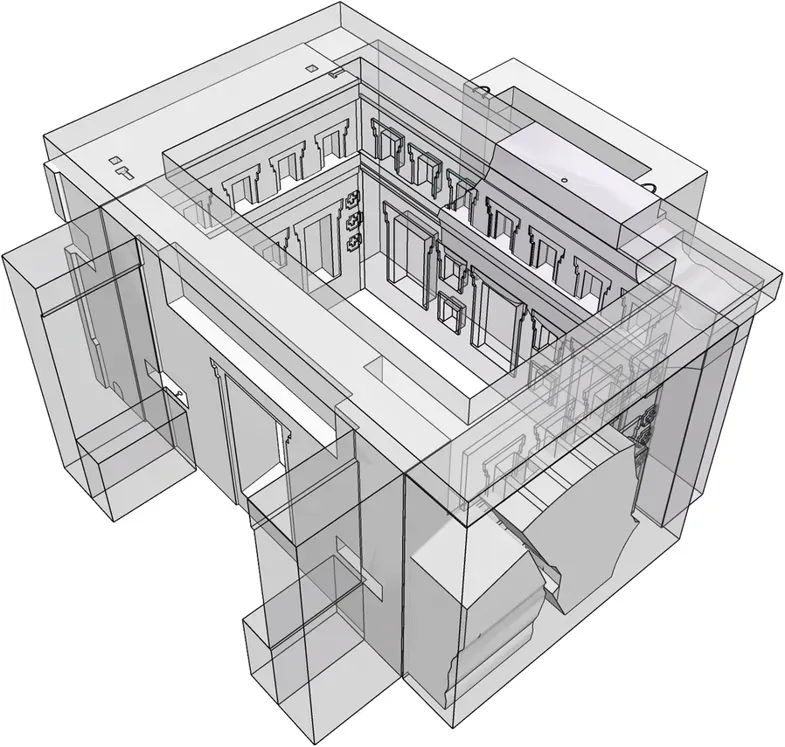
High on the Andean plateau in Bolivia lies Pumapunku, a complex of ruined stone platforms and blocks affiliated with the ancient Tiwanaku culture. What pulls visitors up short is not the scale of the site but the unsettling precision of some of its carved andesite and sandstone blocks. There are interlocking H-shaped stones with crisp right angles, shallow grooves, and perfectly drilled holes that look eerily machine-made to modern eyes. This is all the more surprising considering the site is at a high altitude, with no evidence of metal tools capable of steel-level hardness, and the Tiwanaku flourished well before the Inca.
Modern archaeologists have reasonably shown that careful stoneworking with hammerstones, abrasives, and patient craftsmanship can produce extremely fine finishes, so the blocks do not require advanced lost machinery to exist. Still, the level of standardization and modular design suggests a sophisticated architectural plan and a deep understanding of load-bearing geometry. It challenges the common assumption that pre-industrial stonework in the Americas was mostly rough and purely functional. When you walk among those partly quarried, partly abandoned blocks, the impression is of a construction project interrupted mid-sentence, leaving us to guess the full grammar of techniques that once shaped them.
The Longyou Caves: Underground Chambers Without a Story
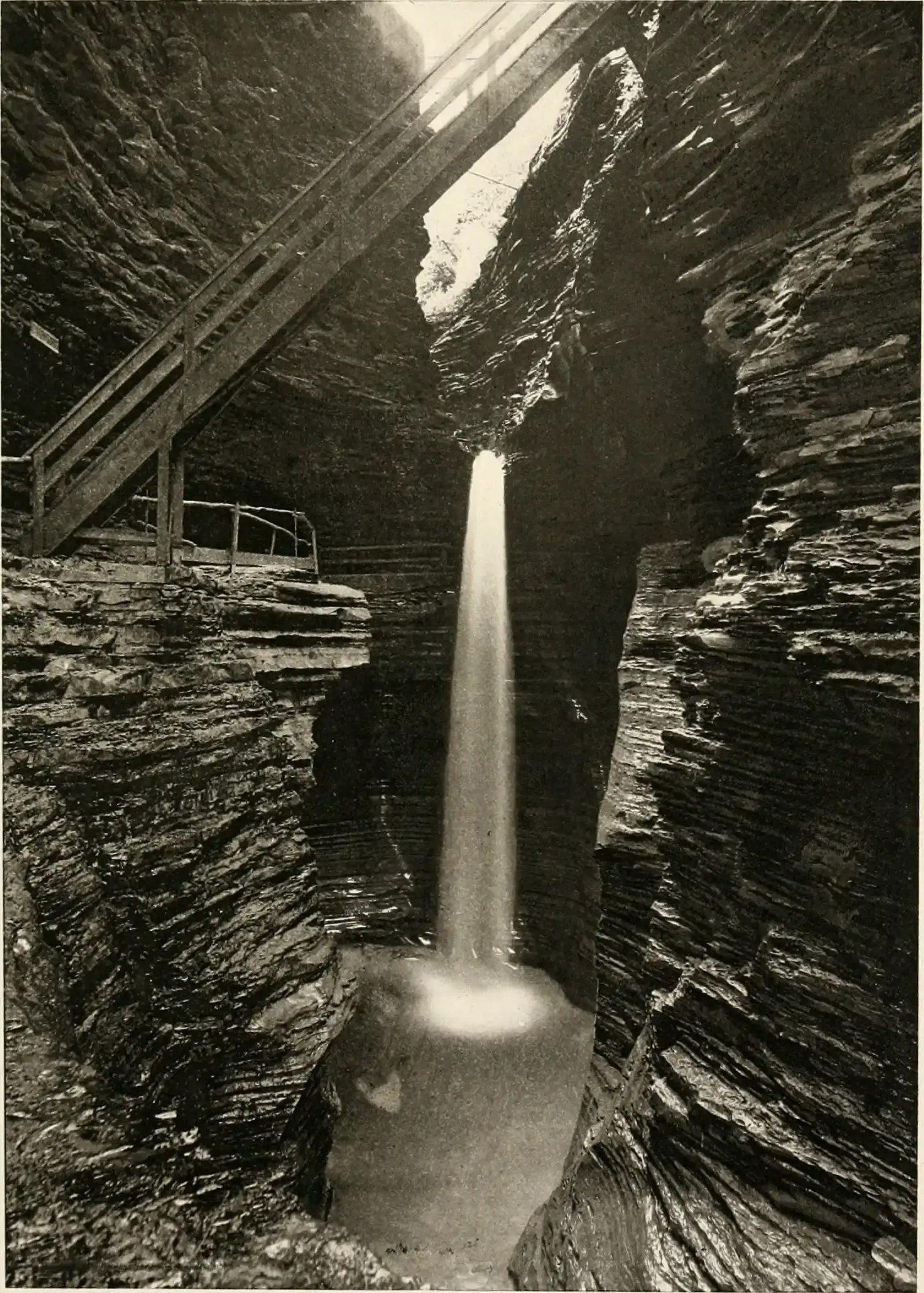
In eastern China’s Zhejiang province, farmers draining ponds in the 1990s discovered something no local legends had prepared them for: vast hand-carved underground chambers now known as the Longyou Caves. Dozens of caves have been identified, each with soaring ceilings, carefully chiseled parallel grooves on the walls, and pillars left in place to support the rock above. Preliminary studies suggest they were carved more than two thousand years ago, a staggering amount of labor for a pre-industrial society. No tools, construction debris, or clear signs of habitation have been found inside.
Perhaps even more puzzling is the absence of historical records. Chinese dynastic histories are famously detailed, yet there is no explicit mention of such an enormous undertaking in this region. That leaves scientists and historians to speculate: were they quarries later modified, secret storage spaces, ritual sites, or projects that never reached their intended purpose? The caves stand as a kind of negative-space monument, defined as much by what is missing as what remains. They force researchers to confront how even large-scale engineering feats can be swallowed by time if they fall outside official narratives.
The London Hammer: An Ordinary Tool in an Impossible Place?
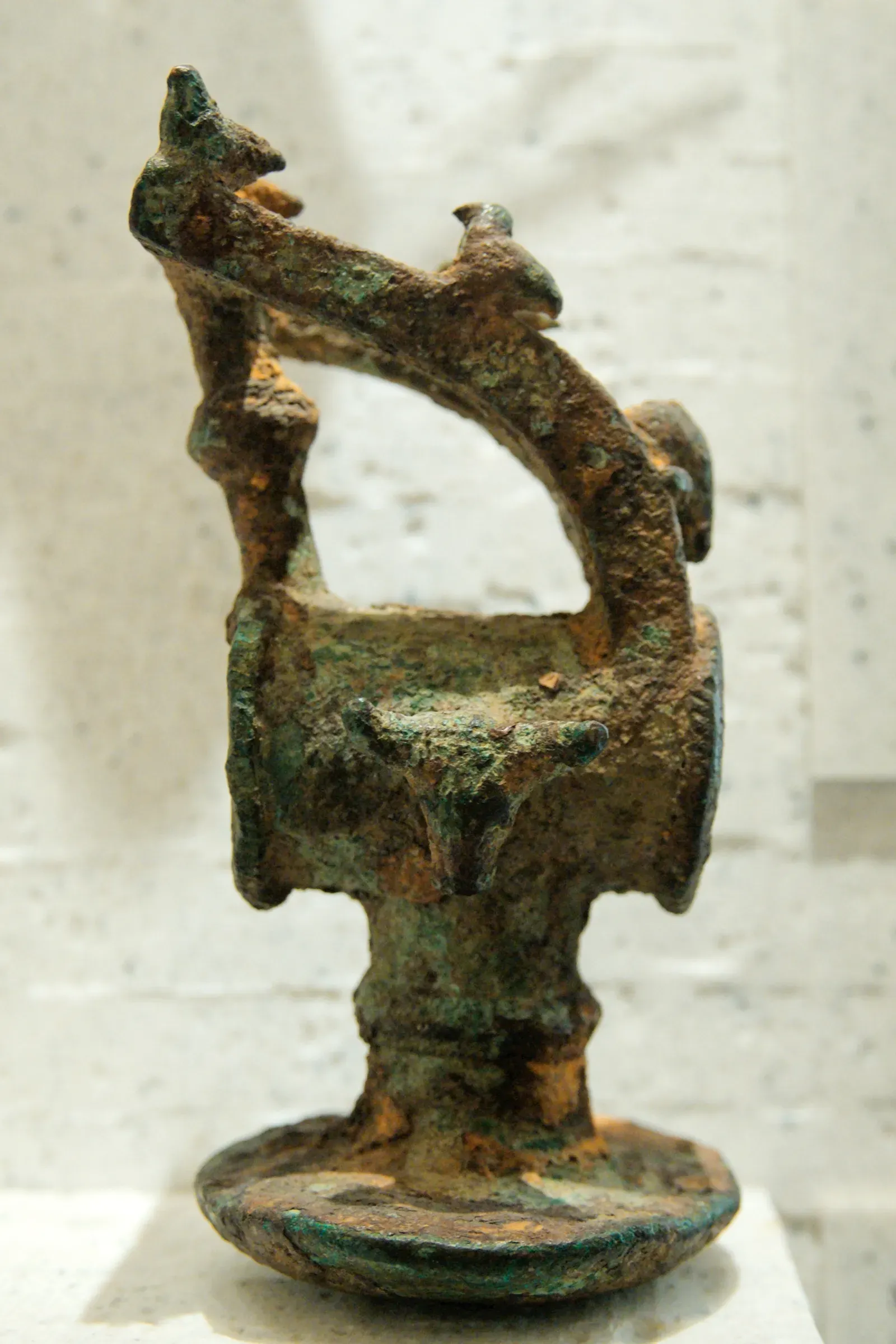
In the 1930s, a hammer embedded in a concretion of stone-like material was reportedly found near London, Texas, and has since been promoted in some circles as a classic out-of-place artifact. The wooden handle and iron head appear to be of nineteenth-century design, but the surrounding matrix resembles much older rock. At first glance, it tempts a dramatic reading: a modern tool frozen inside stone that supposedly formed long before humans walked the Earth. That kind of story spreads fast because it taps directly into the desire to overturn everything we thought we knew.
Geologists, however, have pointed out that mineral-rich water can cement sediments around an object in a relatively short time, creating a concretion that mimics ancient stone. The hammer itself fits comfortably into the timeline of recent human activity in the area, likely representing a lost tool that became encased as minerals precipitated around it. Yet even debunked or overstated artifacts like this play a role in the public’s relationship with science. They highlight how context is as crucial as the object, and how critical methods can deflate sensational claims without erasing the fascination that drew people in. The London Hammer is a reminder that not every puzzling find is a genuine anomaly, but each one is an opportunity to explain how scientific scrutiny actually works.
Why These Artifacts Matter: Rethinking How We Build History
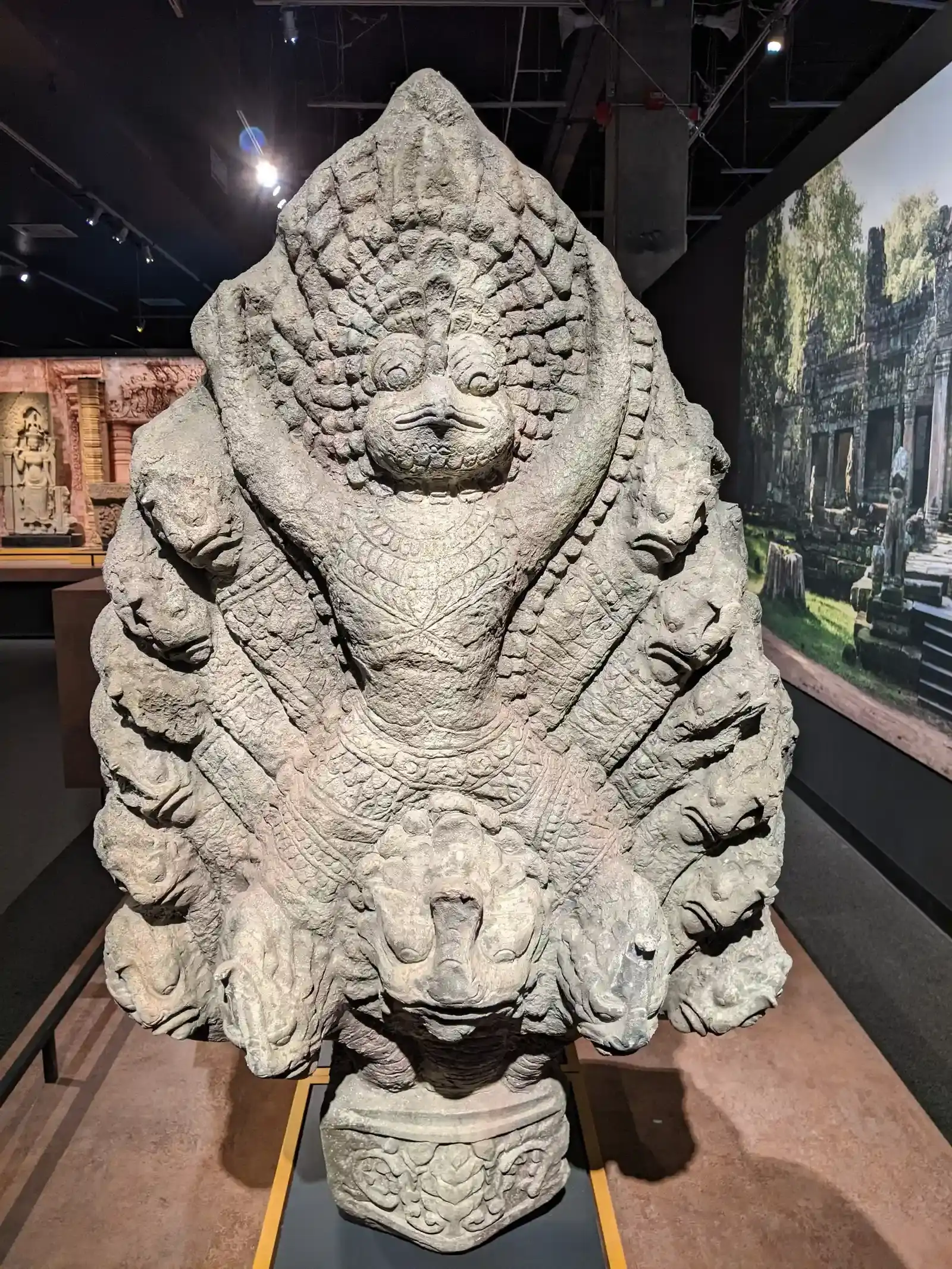
It might be tempting to dismiss these artifacts as mere curiosities, amusing footnotes on the fringes of solid historical knowledge. But they matter because they expose how much of our timeline is built from fragments, probabilities, and best-fit interpretations rather than a continuous, complete record. Traditional history often follows written sources and monumental architecture, creating a narrative dominated by literate elites and major empires. Objects like the Baghdad Battery or the Roman dodecahedrons pull our attention sideways, toward craftspeople, experimental tinkerers, and local traditions that were rarely written down.
From a scientific perspective, these artifacts function like anomalies in a dataset: they do not invalidate the broader pattern, but they demand explanation and sometimes refine the model. When radiocarbon dates, tool marks, and geological contexts clash with expectations, researchers are forced to upgrade their methods or concede uncertainty. That tension is healthy, even if it occasionally fuels speculative theories outside mainstream scholarship. In a way, the enduring mystery around these objects keeps historical science honest, preventing it from hardening into dogma and reminding us that the past is not a solved puzzle, but a live investigation.
The Future Landscape: New Tools for Old Mysteries
What makes these artifacts especially exciting today is how fast the toolkit for studying them is evolving. Non-destructive imaging like high-resolution CT scanning and neutron tomography lets researchers peer inside corroded mechanisms or stone without cutting them open. Portable X-ray fluorescence analyzers can reveal the elemental composition of metals and pigments in the field, offering clues about trade routes and manufacturing techniques. At the same time, improved radiocarbon calibration curves and luminescence dating are tightening age estimates for organic materials and sediments surrounding mysterious objects.
Looking ahead, artificial intelligence and machine learning are beginning to play a surprising role. Algorithms can scan thousands of excavation photos, 3D models, and site reports, spotting patterns in tool marks or architectural layouts that human eyes might miss. Global lidar surveys are revealing hidden structures under forest canopies, potentially unearthing new contexts for artifacts that currently seem isolated. Of course, these technologies also bring challenges: more data means more room for misinterpretation, and digital reconstructions can give a misleading sense of certainty. The real promise lies in careful collaboration between field archaeologists, materials scientists, and data specialists, each grounding the others’ insights in reality.
How Readers Can Engage With the Mysteries of the Past
You do not need a lab coat or excavation permit to be part of this unfolding story. One of the simplest steps is to approach viral claims about “impossible artifacts” with curiosity and skepticism in equal measure, taking a moment to look for what working archaeologists and geologists actually say. Many museums now publish detailed online catalogs and behind-the-scenes blogs, where you can follow how experts debate and test competing interpretations. Supporting local museums, archaeological parks, and conservation projects – whether through membership, donations, or just showing up – helps ensure that fragile objects are preserved and properly studied rather than lost to private collections.
If you are more hands-on, community archaeology projects and citizen science platforms increasingly invite volunteers to help classify pottery shards, tag satellite images, or transcribe old field notes. These small contributions add up, giving researchers a broader base of data to interpret strange finds within their true context. Even choosing responsible tourism at ancient sites – staying on marked paths, not pocketing “souvenirs,” and respecting local guidelines – plays a role in keeping artifacts intact for future study. The mysteries will not vanish any time soon, but with a bit of informed engagement, we can help ensure that when the next baffling object emerges from the soil, the world is ready to listen to what it has to say.
Suhail Ahmed is a passionate digital professional and nature enthusiast with over 8 years of experience in content strategy, SEO, web development, and digital operations. Alongside his freelance journey, Suhail actively contributes to nature and wildlife platforms like Discover Wildlife, where he channels his curiosity for the planet into engaging, educational storytelling.
With a strong background in managing digital ecosystems — from ecommerce stores and WordPress websites to social media and automation — Suhail merges technical precision with creative insight. His content reflects a rare balance: SEO-friendly yet deeply human, data-informed yet emotionally resonant.
Driven by a love for discovery and storytelling, Suhail believes in using digital platforms to amplify causes that matter — especially those protecting Earth’s biodiversity and inspiring sustainable living. Whether he’s managing online projects or crafting wildlife content, his goal remains the same: to inform, inspire, and leave a positive digital footprint.