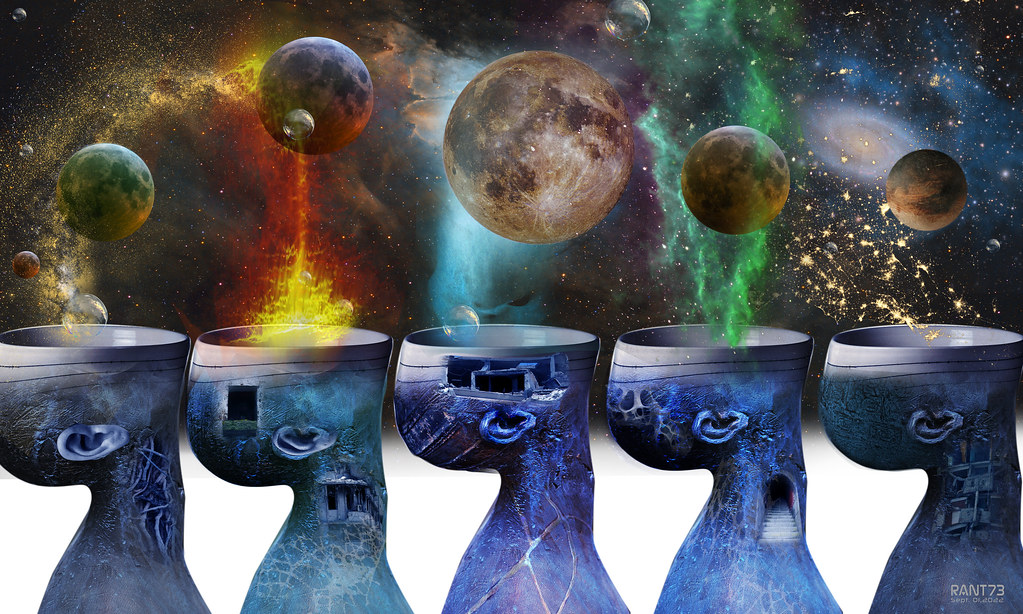

We like to think of memory as a mental video archive, faithfully storing everything we experience, ready to be replayed on demand. But the last few decades of neuroscience have demolished that comforting idea and replaced it with something far stranger, and far more unsettling. Our memories are not passive files; they are living constructions, rebuilt every time we recall them, shaped by emotions, expectations, and even other people’s words. Courtrooms, social media, and our own family stories all quietly depend on the illusion that remembering is reliable. Scientists are now revealing just how fragile that illusion is – and why understanding the flaws in our memory may be one of the most important mental health and justice issues of our time.
The Hidden Fragility of Everyday Memories

It is shocking how easily a confident memory can be wrong. Ask several people to recall a minor fender bender and you will often get wildly different versions, each delivered with absolute certainty. Psychologists have shown that even simple questions such as asking how fast a car was going when it “smashed” versus “bumped” can change what people later remember, from the speed they report to whether they recall broken glass that never existed. The mind does not store an objective scene; it stores a rough sketch and fills in detail later using context and language. That internal filling-in feels seamless, which is exactly why it is so convincing.
This fragility is not a rare glitch in some unlucky brains – it is a built-in feature of how human memory works. Our attention is limited, so the brain grabs fragments, highlights what seems important, and compresses the rest, a bit like a photo app that aggressively shrinks files to save space. Later, when we “remember,” those compressed fragments are expanded back into a full narrative using our beliefs, mood, and current goals. The result is a story that feels coherent and vivid, but may drift quite far from the original event, especially as years pass and retellings pile up.
From Ancient Stories to Modern Labs

Humans have always sensed that memory is slippery. Ancient storytellers retelling myths around fires were effectively running large, messy experiments in how stories morph with each repetition. Details changed with every generation, heroes gained new motives, and minor characters vanished entirely, yet listeners accepted each version as the “real” tale. That same mix of continuity and drift shows up today in family anecdotes that somehow always cast a particular uncle as the clown or a sibling as the responsible one, regardless of what actually happened.
Modern experimental psychology put numbers on this intuition. In classic studies, participants were asked to memorize lists of words, short stories, or pictures, and then tested days, weeks, or even months later. The pattern was clear: people forgot large portions surprisingly quickly, and the pieces they did recall were often subtly reshaped to fit their expectations or cultural background. Researchers found that people tend to remember the general gist of events better than the exact details, and over time the gist becomes dominant. Our brains are tuned not for archival accuracy, but for building flexible narratives that help us navigate the present.
How the Brain Builds – and Rebuilds – Memories
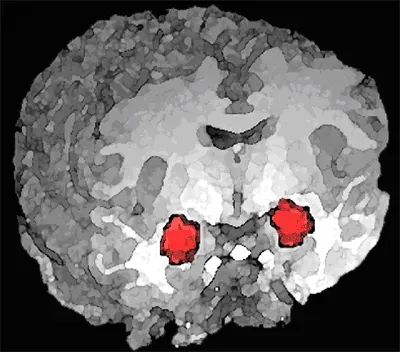
Inside the brain, remembering looks less like opening a file and more like orchestrating a complex performance. The hippocampus, a seahorse-shaped structure deep in the temporal lobe, acts as a kind of index, binding together bits of information about what happened, where, and when. When an event occurs, patterns of activity spread across networks involved in vision, hearing, emotion, and movement; the hippocampus stitches those patterns into a loosely linked ensemble. This initial encoding is fragile, easily disrupted by stress, lack of sleep, or distractions, which is one reason chaotic events often leave patchy memories.
Even after an experience is encoded, it does not simply sit there untouched. As we sleep, especially during deep and rapid eye movement sleep, the brain repeatedly replays and reorganizes those patterns, gradually weaving them into long-term networks in the cortex. This process, called consolidation, favors certain memories over others: things that are emotional, surprising, or personally relevant are more likely to be strengthened. When we later recall a memory, the neural pattern is reactivated and temporarily becomes flexible again in a process known as reconsolidation. That flexibility allows memories to be updated – but it also opens the door to distortion, as new information or emotions can be woven into the old trace.
The Strange Power of False Memories

One of the most unsettling discoveries in memory science is how easy it is to create entirely false memories that feel real. In carefully controlled experiments, researchers have persuaded volunteers that they once got lost in a shopping mall as a child, took a hot air balloon ride, or committed a minor prank they never actually did. At first, most participants deny the event, but after repeated interviews and subtle suggestion, many begin to “remember” vivid details, from the color of a shirt to the expression on a parent’s face. These memories are not deliberate lies; brain scans show that they activate many of the same networks as genuine autobiographical memories.
False memories grow especially well in environments where people feel pressure to remember something, such as intense interrogations or charged therapy sessions. Suggestive questions, leading language, and repeated prompts to “let the memory come” can nudge the brain into stitching together fragments of other experiences into one compelling but fictional story. Over time, that story becomes anchored by emotion and social validation, making it hard to dislodge. The unsettling lesson is that sincerity and vividness are not reliable markers of truth in human memory, even when lives and reputations are on the line.
Why It Matters: Memory, Justice, and Identity

The imperfections of memory are not just philosophical curiosities; they have concrete consequences in courtrooms and clinics. Eyewitness testimony has long been treated as powerful evidence, yet decades of research and many exoneration cases have shown how often witnesses are simply wrong, even when they are absolutely convinced they are right. Misidentifications fueled by stress, suggestive police lineups, and cross-race biases have contributed to wrongful convictions that were later overturned by DNA evidence. The justice system has slowly begun to adapt, revising lineup procedures and questioning strategies, but reliance on human memory remains deeply embedded.
On a more intimate level, memory shapes who we think we are. We build our identities out of stories about our past: the time we stood up to a bully, the day we failed a critical exam, the moment we fell in love. When those stories shift – even slightly – our sense of self can tilt. People with conditions like post-traumatic stress disorder may be haunted by memories that feel frozen in time, while others with neurodegenerative diseases watch their autobiographies unravel. Understanding that memory is dynamic and reconstructive can be both frightening and liberating, allowing us to treat our personal narratives as works in progress rather than rigid verdicts on who we are.
The Hidden Clues in Everyday Forgetting
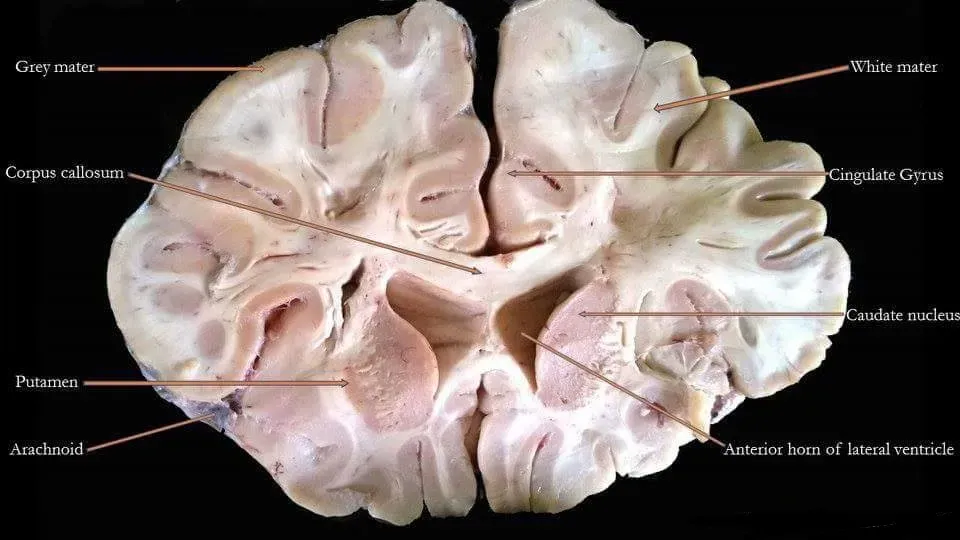
Forgetting often feels like failure, but scientists are increasingly seeing it as a feature, not a bug. The brain is constantly bombarded with information, most of which will never be useful again; clinging to all of it would be paralyzing. Studies suggest that the brain deliberately weakens or prunes certain memory traces to prevent overload and make room for new learning. Everyday lapses, like misplacing keys or blanking on an acquaintance’s name, can be signs of this ongoing housekeeping rather than early cognitive decline. The challenge is learning to distinguish normal forgetting from genuine warning signs.
Some of the clues come from patterns. Forgetting isolated facts while still remembering routes, relationships, and long-term skills is typically less concerning than repeatedly losing track of conversations, getting lost in familiar places, or confusing the timeline of important events. Lifestyle factors such as chronic stress, poor sleep, and constant multitasking also leave distinct fingerprints on memory performance. By paying attention to these patterns, clinicians and individuals can move beyond the simple question of “Did I forget?” and toward a more nuanced view: “What am I forgetting, and what does that say about how my brain is managing information?”
The Future Landscape of Memory Science
The next frontier in memory research is not just about understanding how remembering works, but about deliberately changing it. Neuroscientists are probing ways to dampen the emotional punch of traumatic memories using targeted therapies that tap into reconsolidation, such as pairing memory reactivation with specific medications or brain stimulation. Early trials suggest it may be possible to reduce the distress attached to certain memories without erasing the factual content, effectively turning up or down the emotional volume. At the same time, consumer-grade devices and apps promise to “boost” memory through brain-training games, although evidence for broad, lasting benefits remains mixed.
More invasive technologies, including implanted electrodes and precision neuromodulation, are being explored to help people with severe memory impairments from conditions like epilepsy or Alzheimer’s disease. These approaches raise difficult ethical questions: if we can selectively strengthen or weaken memories, who decides which ones are worth keeping? There are also broader societal concerns about privacy, as digital lifelogging and wearable cameras blur the line between external records and internal recall. The future of memory science sits at a crossroads where hope for relief from suffering intersects with the risk of manipulation, demanding thoughtful public debate as the tools become more powerful.
Living Wisely with an Imperfect Memory

Knowing that memory is unreliable can feel unsettling, but it can also make us wiser in how we move through the world. Practically, it means treating our recollections as hypotheses rather than hard evidence, especially in conflicts with friends, partners, or coworkers. Instead of assuming “I remember it, so I must be right,” we can lean into curiosity and ask what each person’s mind might have edited or emphasized. Simple habits, such as writing down key details soon after important events, double-checking major decisions, and being cautious with eyewitness claims, can dramatically reduce the risk of being misled by our own certainty.
There are also ways to support healthier, more resilient memory without chasing miracle cures. Regular physical activity, consistent sleep, social engagement, and mentally stimulating activities have all been linked with better cognitive health over the long term. Readers can support organizations advancing unbiased memory research, push for evidence-based reforms in legal and clinical settings, and share what they learn with their communities. Most of all, we can cultivate a bit of humility about the stories we tell ourselves about the past. In a world where every mind is editing as it goes, the real act of wisdom is not remembering perfectly, but remembering that our memories are never the final word.
Suhail Ahmed is a passionate digital professional and nature enthusiast with over 8 years of experience in content strategy, SEO, web development, and digital operations. Alongside his freelance journey, Suhail actively contributes to nature and wildlife platforms like Discover Wildlife, where he channels his curiosity for the planet into engaging, educational storytelling.
With a strong background in managing digital ecosystems — from ecommerce stores and WordPress websites to social media and automation — Suhail merges technical precision with creative insight. His content reflects a rare balance: SEO-friendly yet deeply human, data-informed yet emotionally resonant.
Driven by a love for discovery and storytelling, Suhail believes in using digital platforms to amplify causes that matter — especially those protecting Earth’s biodiversity and inspiring sustainable living. Whether he’s managing online projects or crafting wildlife content, his goal remains the same: to inform, inspire, and leave a positive digital footprint.