
Science has mapped your genes, scanned your brain in glowing colors, and tracked your heartbeat down to the millisecond – yet it still cannot answer a deceptively simple question: what does it actually feel like to be you, from the inside. For more than a century, researchers have tried to translate the first‑person world of sensations and emotions into third‑person measurements and equations, and every time, something important seems to slip through their fingers. The mystery is not that we lack data; it is that data alone cannot capture the shimmering texture of lived experience. Now, a new wave of research on hidden senses and bodily signals is reshaping the debate, suggesting that what you feel as “you” is stitched together by far more than the five classic senses you learned in school. And the deeper scientists look into these quiet systems, the more it becomes clear why no model – no matter how elegant – can quite keep up with the strangeness of being alive from the inside.
The Hidden Clues: Senses You Never Knew You Had
Ask someone how many senses humans have, and most will confidently answer five, as if repeating a lesson from childhood. But inside you, a whole backstage crew of “secret” senses is constantly monitoring your world: blood pressure, oxygen levels, muscle stretch, joint angle, gut fullness, and more. Neuroscientists bundle many of these into what they call interoception – the brain’s ongoing readout of the body’s internal state – and proprioception, the subtle awareness of where your limbs are in space. These systems rarely break into consciousness, yet they shape every moment of how it feels to inhabit your body, from a vague sense of unease to a grounded feeling of being present. What you experience as a mood, a hunch, or a “vibe” in a room often starts as a whisper from these shadow senses.
The strange part is how personal these signals are. Two people can have nearly identical outward conditions – same room, same temperature, same noise level – yet one feels calm while the other feels on edge, all because their hidden sensory channels are tuned differently. Your heart might spike in response to a tiny change in carbon dioxide that another person barely registers, and your brain then weaves that surge into a story: anxiety, excitement, dread, anticipation. In a sense, your interior sensors are like a private weather system, generating microclimates of feeling that only you ever inhabit. No external model, however detailed, can quite duplicate that climate, because it is literally built from the inside out.
From Ancient Intuitions to Modern Body Maps
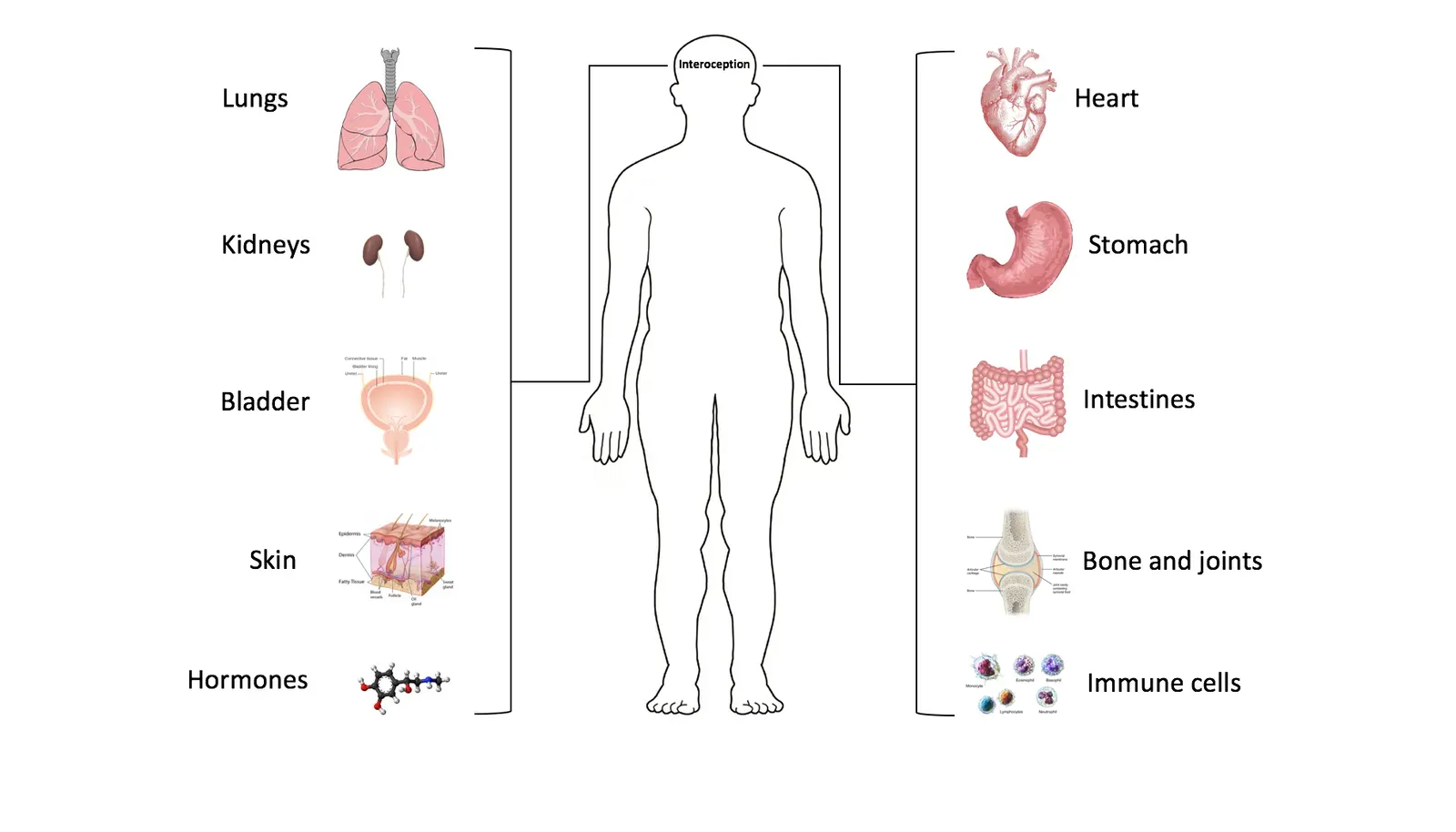
Humans have long had a sense that the body hides secret ways of knowing, even if the language was more poetic than scientific. Ancient medical traditions around the world described vital forces, inner winds, or energy channels, all grappling with the intuition that our insides were doing more than just pumping blood and digesting food. Today, instead of talking about life force, researchers talk about neural pathways, nerve endings, and sensory receptors that send a constant stream of data from body to brain. High‑resolution imaging and clever experiments have revealed rich networks of sensors in the heart, lungs, gut, skin, and muscles, feeding information into areas of the brain that help shape emotions and conscious feelings. The metaphors have changed, but the core insight remains: your sense of self is anchored in a dense, hidden dialogue between brain and body.
What is new in the twenty‑first century is just how detailed these internal maps are becoming. Scientists can now trace how particular types of nerve fibers respond to gentle touch on the skin and trigger a feeling of social warmth, or how slowly conducting fibers from the gut help shape a sense of comfort or nausea. Some labs are even trying to build mathematical models linking these signals to patterns of brain activity and, in turn, to reported feelings. Yet even with these advances, there is always a leap from neuron firing to the raw flavor of experience – what philosophers call the “what it is like” of a sensation. You can chart the circuitry of a heartbeat, but that still does not tell you what your own racing heart feels like in the quiet minutes before delivering a speech.
Inside-Out Perception: How the Brain Builds “You”
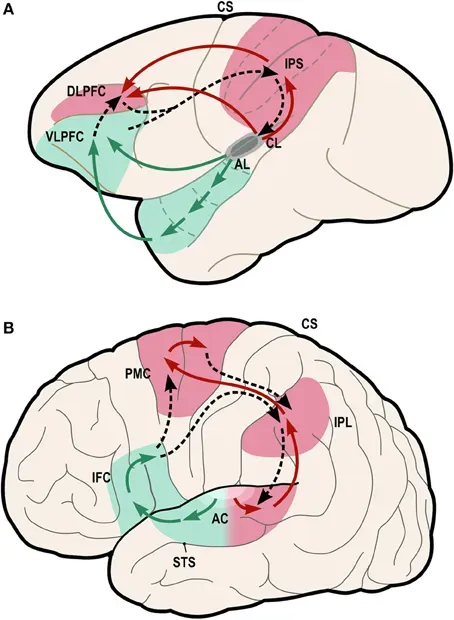
One of the most intriguing ideas to emerge in neuroscience is that the brain is less a passive receiver of sensory information and more an active predictor. According to this view, often called predictive processing, the brain is constantly generating guesses about what the body and world are doing, then updating those guesses based on incoming signals. The same framework has been applied to interoception, suggesting that your experience of your own body is not just a readout but a rolling forecast, full of tiny corrections and adjustments. In this picture, you are living inside a kind of ever‑updated simulation, stitched from both what is actually happening and what your brain expects to happen. The result feels seamless and real, but under the hood it is messy, probabilistic, and deeply personal.
Here’s where the limits of scientific modeling become unavoidable. Researchers can write equations to describe prediction errors and update rules, even simulate how a generic brain should respond to certain bodily signals. They can list common patterns, like how many people interpret a racing heart as fear in one context and excitement in another. But they cannot step into your particular stream of predictions and corrections, informed by years of memories, habits, and bodily history. The model captures the scaffolding; your life fills in the walls, colors, and textures. That final, lived construction – the way a room, a song, or a sudden silence feels to you – is something only you ever fully see.
Beyond the Five Senses: Quiet Signals That Shape Emotion
When we talk about feelings, we tend to reach for mental words: thoughts, beliefs, interpretations. Yet a growing body of research suggests that many emotions are rooted first in bodily signals, only later wrapped in stories. The flutter in your stomach when you get bad news, the heaviness in your chest on a gray morning, the buoyant lightness after a run – these are not just poetic metaphors, but real sensory data from the organs and tissues of your body. Specialized pressure sensors in your blood vessels respond to changing blood flow, stretch receptors in your lungs track each breath, and chemosensors monitor everything from blood sugar levels to inflammation. The brain continuously integrates this information and often tags it with emotional meaning long before you consciously notice what is happening.
Some experiments have shown, for example, that people who are better at detecting their own heartbeat tend to report more intense emotional experiences. Others suggest that subtle shifts in gut bacteria and immune activity correlate with changes in mood, hinting at a gut‑brain dialogue that influences how you feel on any given day. None of this means that emotions are just “in your body” or just “in your head”; it means the boundary between the two is blurrier than we once thought. The senses that feed your emotional life are whisper‑quiet, buried in tissue and fluid, hard to measure without intrusive tools. That makes them perfect candidates for slipping past our best models, while still powerfully sculpting the everyday feeling of being you.
Why No Model Can Fully Capture Your First-Person World
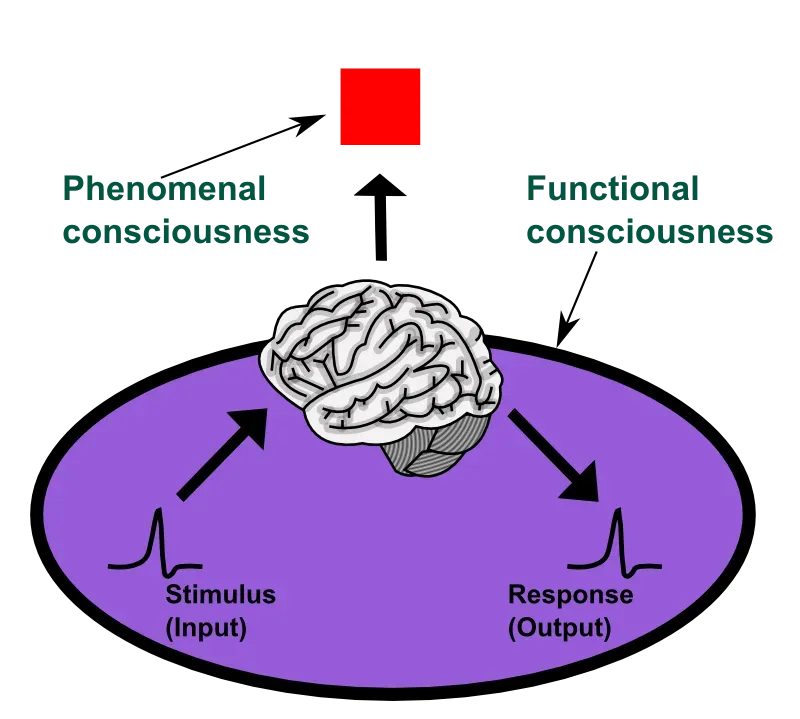
Science thrives on building models – compact descriptions that explain many observations with a few key principles. In areas like planetary motion or electrical circuits, this strategy works brilliantly, letting us predict eclipses or design microchips with stunning accuracy. But consciousness, and especially the subjective feel of experience, poses a different kind of challenge. The very thing we want to explain – what it is like from the inside – is available only to the person having the experience. Every scientific tool we have, from brain scanners to behavioral tests, looks at the outside of that process, never its inner glow.
This creates a gap that is not just technological but conceptual. You can imagine, in principle, measuring every neuron in your brain and every signal in your body at a given moment, storing a mountain of data far beyond anything we can handle today. Still, those numbers would be descriptions from a third‑person perspective, like a perfect script of a movie without the actual moving images and sound. The first‑person feel of your world – colors, textures, aches, joys – does not show up as a data column, even if the data corresponds to it in a lawful way. Models can mirror patterns, predict outcomes, and suggest interventions, but they cannot literally become the experience they describe. That is why, no matter how advanced future models become, there will always be a sense in which they circle around you without ever fully stepping into your skin.
Why It Matters: Rethinking Mental Health, Pain, and Identity
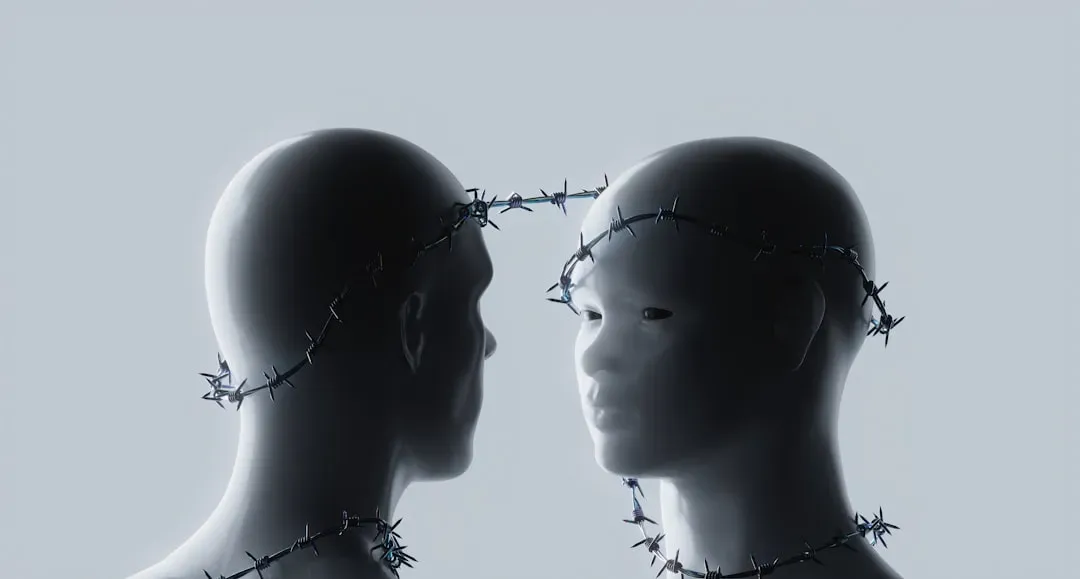
This might sound like a purely philosophical puzzle, but it has concrete consequences for medicine and everyday life. Consider chronic pain: two patients can show similar injuries on a scan, yet report dramatically different levels of suffering. If clinicians treat the scan as the full truth and discount the lived report, they risk under‑treating one person and over‑treating another. Mental health raises similar issues, where conditions like anxiety, depression, or panic attacks are deeply entangled with how someone experiences their own body signals. A model of average symptoms can guide diagnosis, but it cannot replace the messy richness of a person’s own account of what life feels like.
Recognizing the limits of models pushes us toward a more humble, collaborative style of care. Instead of assuming that numbers always trump narratives, a growing number of clinicians and researchers are trying to integrate objective measures with first‑person reports. That might mean using wearable devices to track heart rate alongside asking detailed questions about how a person experiences stress at work, in relationships, or at rest. In fields from pain medicine to psychiatry, there is a quiet shift toward treating patients as experts on their own experiences, not just sources of data to be modeled. The science is still vital, but it sits alongside – and not above – the private, irreducible feeling of being a particular person in a particular body.
The Future Landscape: Reading the Body’s Secret Signals
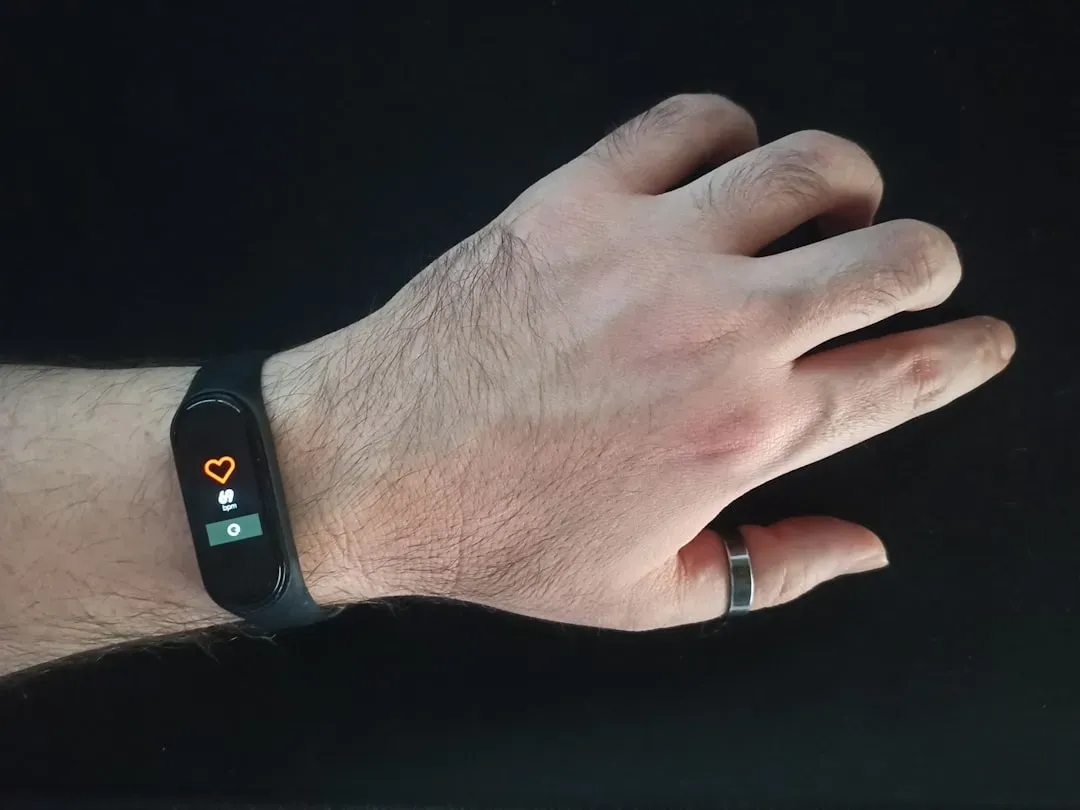
Even as we admit that no model can fully capture subjective experience, researchers are racing to decode more of its building blocks. New technologies are beginning to read the body’s hidden channels in real time: wearable patches that track subtle changes in sweat chemistry, smart textiles that sense muscle tension, earbuds that monitor blood oxygen and heart variability. Brain–computer interfaces are moving from science fiction to early clinical use, helping some people with paralysis move robotic limbs or spell out words using only neural signals. Each of these advances offers a sharper window into how brain and body coordinate to generate our sense of self and world. The hope is that by understanding these hidden systems, we can better treat conditions ranging from chronic pain to mood disorders.
But the future also brings tricky questions. If an algorithm can predict your emotional state from your heart rhythm and breathing pattern, who controls that information, and how is it used. If companies begin to market devices promising to “optimize” your interior signals, what counts as a healthy baseline, and who decides. At a global level, access to these technologies will likely be uneven, with wealthier regions benefiting first from advanced sensors and personalized therapies. That makes it even more important to remember what these tools cannot do: they can illuminate patterns, support care, and expand options, but they cannot define what it ultimately feels like to live your life. That part will always be yours alone.
Everyday Actions: How to Tune In to Your Hidden Senses

While researchers push the boundaries of what can be measured, there is a quieter revolution available to each of us: learning to notice our own hidden senses. Simple practices like slowing your breathing, paying attention to your heartbeat after climbing stairs, or tracking how your body feels after different meals can reveal patterns you might otherwise miss. You do not need specialized devices to start; a notebook and a bit of curiosity can go a long way. Over time, this kind of gentle self‑observation can strengthen your interoceptive awareness, giving you a clearer sense of how your body and moods intertwine. It is less about control and more about building a respectful partnership with the organism you live inside.
You can also support the science that is trying to understand these processes more deeply. Participating in local research studies, donating to organizations that fund brain and body research, or simply staying informed through trustworthy science journalism all help push the field forward. In conversations about health – your own or others’ – you can advocate for approaches that value both data and lived experience, resisting the idea that a model or scan alone tells the whole story. Most of all, you can treat your own inner life as something worth taking seriously, even when it does not fit neatly into charts or categories. The next time you feel a strange tightness in your chest or a sudden lightness for no clear reason, you might pause and think: this is one of the hidden wonders that no model can fully explain, but I can still listen to it.
Suhail Ahmed is a passionate digital professional and nature enthusiast with over 8 years of experience in content strategy, SEO, web development, and digital operations. Alongside his freelance journey, Suhail actively contributes to nature and wildlife platforms like Discover Wildlife, where he channels his curiosity for the planet into engaging, educational storytelling.
With a strong background in managing digital ecosystems — from ecommerce stores and WordPress websites to social media and automation — Suhail merges technical precision with creative insight. His content reflects a rare balance: SEO-friendly yet deeply human, data-informed yet emotionally resonant.
Driven by a love for discovery and storytelling, Suhail believes in using digital platforms to amplify causes that matter — especially those protecting Earth’s biodiversity and inspiring sustainable living. Whether he’s managing online projects or crafting wildlife content, his goal remains the same: to inform, inspire, and leave a positive digital footprint.