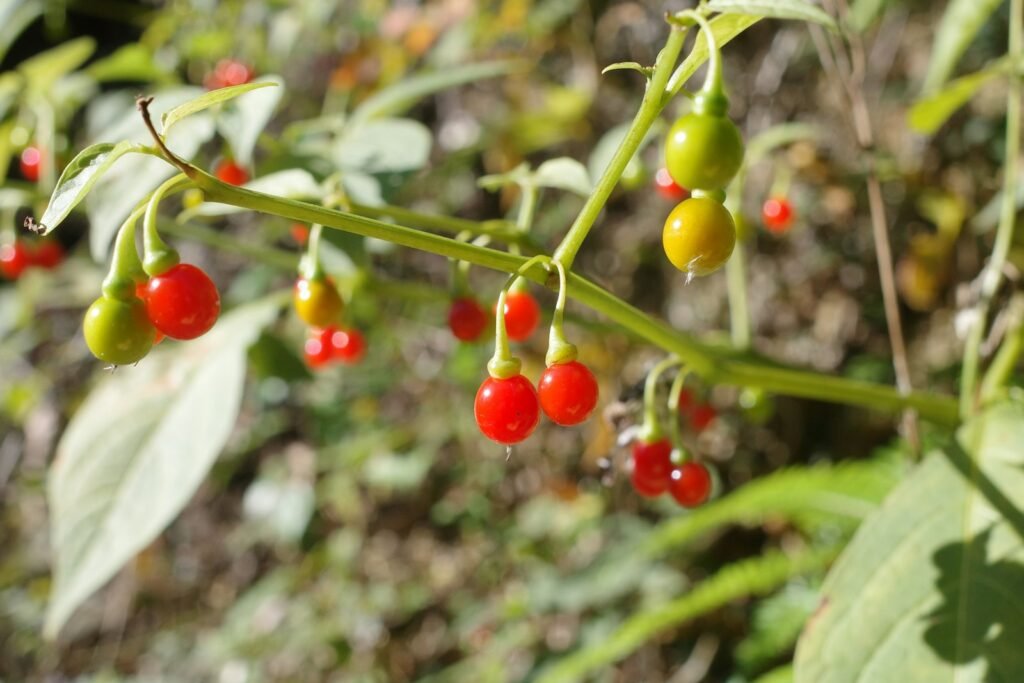

They cannot run, scream, or swat away an attacker, yet plants survive in a world full of teeth, toxins, and plagues. For decades, many biologists quietly treated plants as passive scenery in the grand drama of life, but that view has unraveled as new research reveals just how aggressively green organisms fight back. From chemical warfare and deceptive disguises to underground alliances with microbes, plants are arming up in ways that feel closer to spy fiction than gardening. What we once saw as static leaves in the background now look more like high‑stakes battlegrounds pulsing with signals and strategy. At a time when climate change and habitat loss are piling on fresh threats, understanding these defenses is no longer just a curiosity – it is a scientific necessity.
The Hidden Clues: Thorns, Spines, and Armor You Think You Know
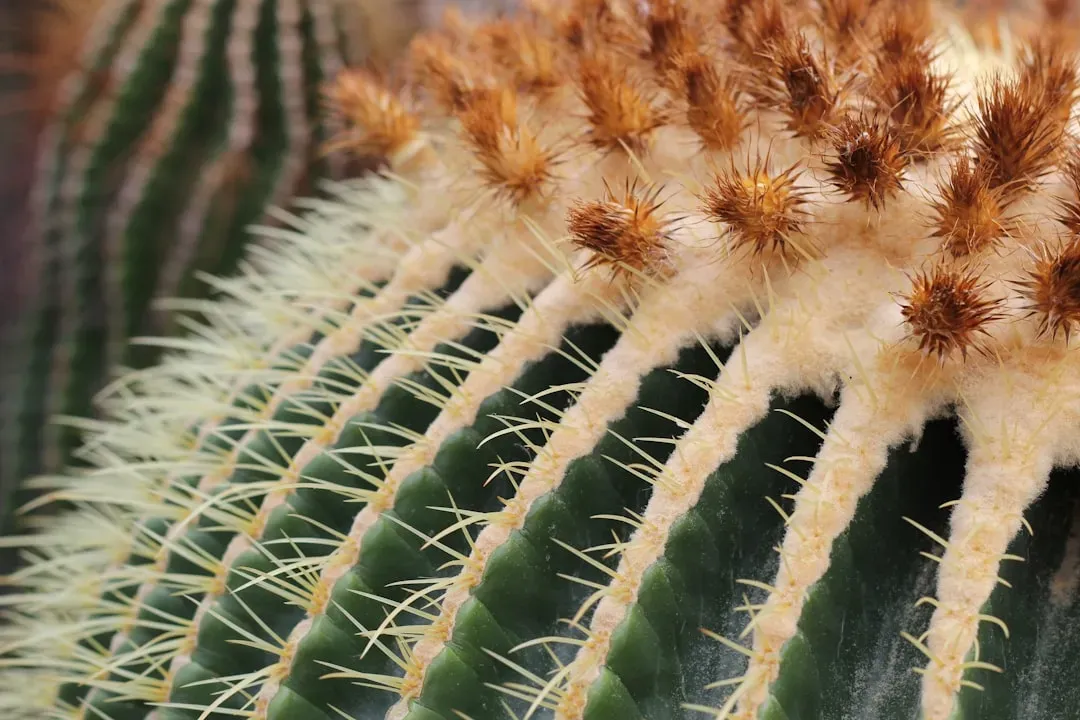
Walk past a rose bush or a cactus and it is easy to shrug off their thorns as obvious, almost boring, features of plant life. But those sharp defenses tell a deeper story about an evolutionary arms race between plants and the animals that want to eat them. Many plants have invested enormous energy into physical armor – thick bark, tough seed coats, hairy leaves, and rigid spines – that can break insect mouthparts or deter a browsing deer long enough for the plant to recover. In some species, leaves grow denser and tougher in response to repeated grazing, suggesting plants can treat physical damage as a warning signal and harden future growth. I remember the first time I watched a goat try to chew its way through a hedge of hawthorn; the animal gave up long before the plant did.
Physical defenses are surprisingly diverse once you start looking closely. Some acacias grow swollen thorns that double as housing for aggressive ants, effectively turning their armor into a barracks full of bodyguards. Many tropical plants cover themselves in irritating hairs that cause itching or mild poisoning in mammals that brush against them. Even the waxy coatings on certain leaves act like slippery shields, making it hard for insects to get a grip or lay eggs. These visible, often painful structures are the first line of defense, announcing to any would‑be attacker that this meal comes at a cost.
Green Chemical Warfare: Toxins, Bitterness, and Slow Poison
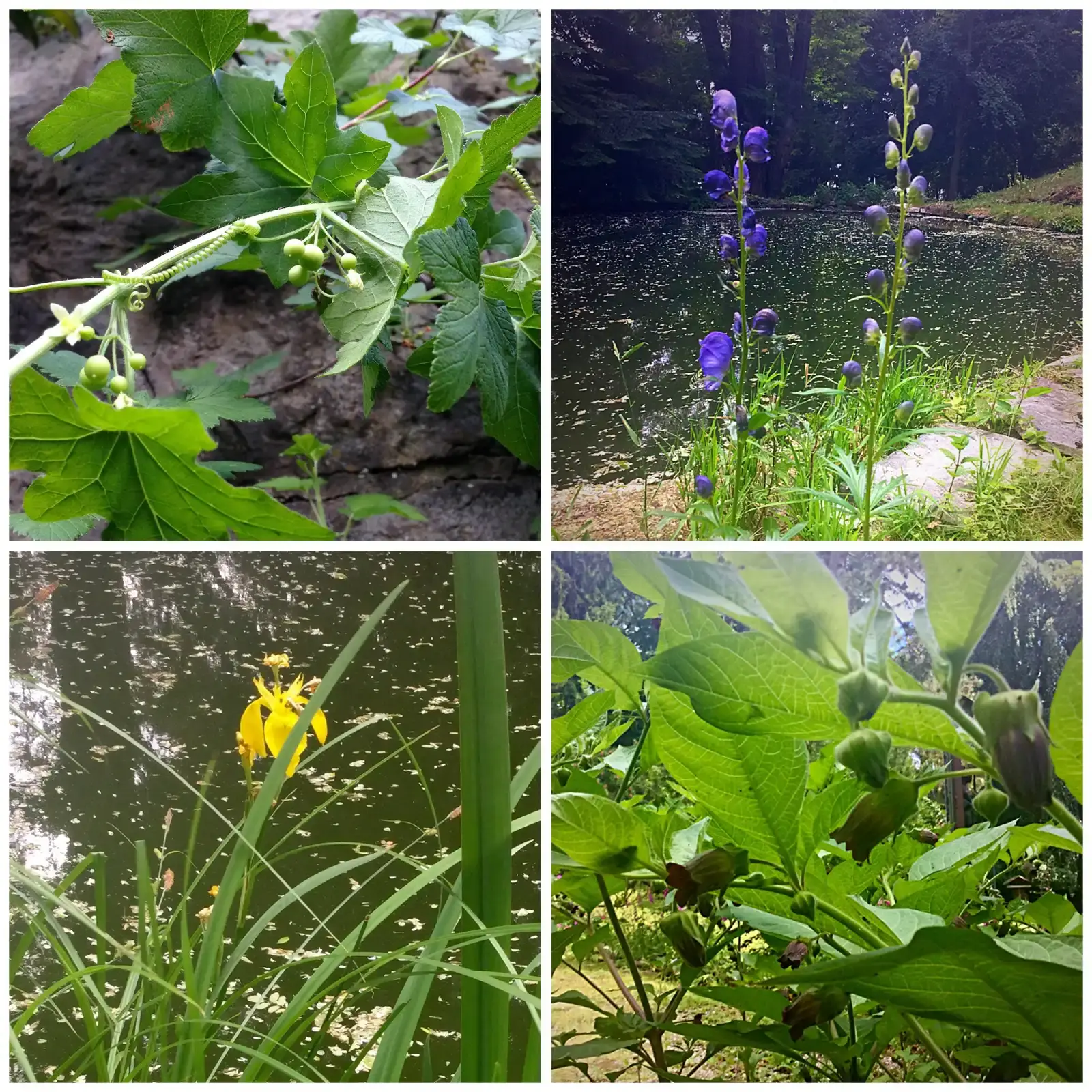
If thorns are the warning sign, plant chemistry is the trapdoor that opens once the first bite is taken. Plants manufacture an astonishing arsenal of defensive compounds: bitter alkaloids in coffee and tobacco, cardiac glycosides in foxglove, cyanide precursors in cassava, and irritants in chili peppers, to name only a few. Many of these molecules disrupt the nervous systems, digestion, or reproduction of insects and other herbivores, often in precise and targeted ways. What looks like a simple leaf can actually be loaded with carefully balanced mixtures that make the plant taste awful, cause nausea, or slowly reduce an insect’s ability to grow and molt. It is no coincidence that a large fraction of modern medicines – and poisons – were first discovered in plant tissues.
The remarkable twist is that many plants do not keep these chemicals fully activated all the time. Instead, they store harmless precursors in one compartment of the cell and activating enzymes in another, like keeping a bomb and its detonator separate. When a caterpillar chews through the tissue, those compartments mix, and the plant instantly converts harmless ingredients into toxic cocktails. This “mix‑on‑damage” strategy lets plants conserve energy while still being able to respond viciously, almost like a burglar alarm that triggers a defense system only when a window shatters. For herbivores, every bite becomes a calculated risk.
Alarm Calls on the Wind: Volatile Signals and Plant‑to‑Plant Warnings
One of the most surprising plant defenses is invisible and airborne. When insects attack, many plants release clouds of volatile organic compounds – airborne chemicals that drift through the environment like invisible smoke signals. Neighboring plants of the same or even different species can detect these cues and begin boosting their own defensive chemistry before the attacker ever reaches them. In effect, a single chewed leaf can spark a neighborhood‑wide warning system, turning a quiet meadow into a network of whispering survivors preparing for battle.
These airborne alarms do more than warn other plants; they can also manipulate animals higher up the food chain. Some plants under attack emit specific scents that attract predatory insects or parasitic wasps, which then hunt down the herbivores doing the damage. It is as if a tree being eaten by caterpillars could call for reinforcements, outsourcing its defense to tiny bodyguards. Experiments in fields and greenhouses show that crops emitting these signals often suffer less damage when the right predators are around. This kind of chemical networking challenges the old idea of plants as isolated individuals and instead paints them as active players in a larger communication web.
Living Shields: Recruiting Bodyguards from the Animal World
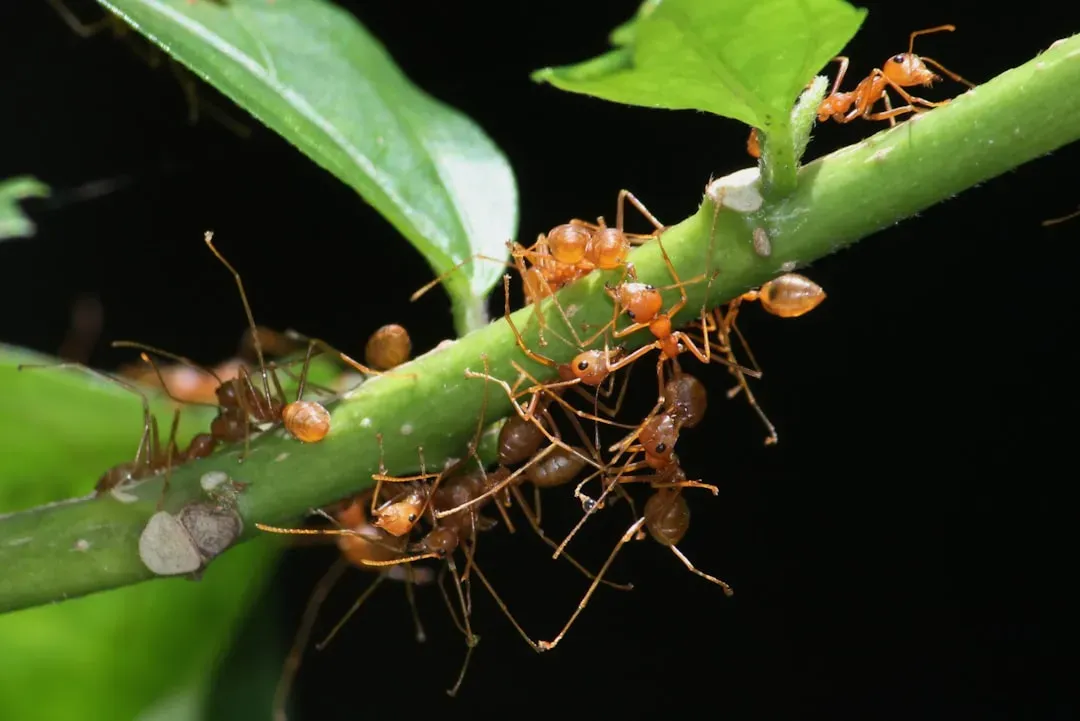
Some plants do not just shout for help; they sign long‑term contracts with animal defenders. The classic example is the partnership between certain acacia trees and ant colonies: the trees provide sugary nectar and hollow thorns for the ants to live in, and the ants repay the favor by attacking any herbivore that touches the plant. Field studies have shown that when these ants are removed, the trees suffer far more leaf loss and often reduced growth, underlining just how crucial the alliance has become. It is a striking reminder that plant defense is not only about what a plant builds itself, but also about the allies it recruits.
Beyond acacias, many plants offer tiny “extra‑floral nectaries” – sugar‑producing glands not involved in pollination – designed specifically to feed predatory insects such as ants, beetles, or spiders. These allies patrol leaves and stems like security guards in exchange for snacks. Even simple shelters, like curled leaf edges or hairy stems, can create safe havens for tiny predators that keep herbivore numbers in check. To me, this feels less like gardening and more like urban planning: plants design miniature habitats to attract the right kind of tenants, and in doing so, they turn their own bodies into living fortresses.
Shape‑Shifting and Disguise: Mimicry, Camouflage, and Fake Signals

While some plants fight loudly, others survive by slipping into the background or by pretending to be something they are not. Certain species grow leaves that resemble stones or dried leaves, making them less obvious to hungry animals scanning the landscape. Others show dramatic changes in leaf shape or texture depending on how heavily they are grazed, confusing herbivores that rely on specific visual cues to recognize food. In heavily browsed environments, plants that can physically “disappear” in plain sight often gain a major survival edge.
Plants also dabble in deception with more active tricks. Some produce markings or structures that resemble insect eggs, discouraging butterflies from laying their own eggs on a leaf that already appears occupied. Others alter their coloration or timing of growth to avoid peak feeding seasons for local herbivores. There are species whose young leaves mimic the look of more toxic neighbors, tricking would‑be grazers into assuming they are dangerous. In a landscape full of hungry mouths, being mistaken for something unappetizing can be as effective as a mouthful of toxins.
Underground Alliances: Microbes, Mycorrhizae, and Hidden Defense Networks
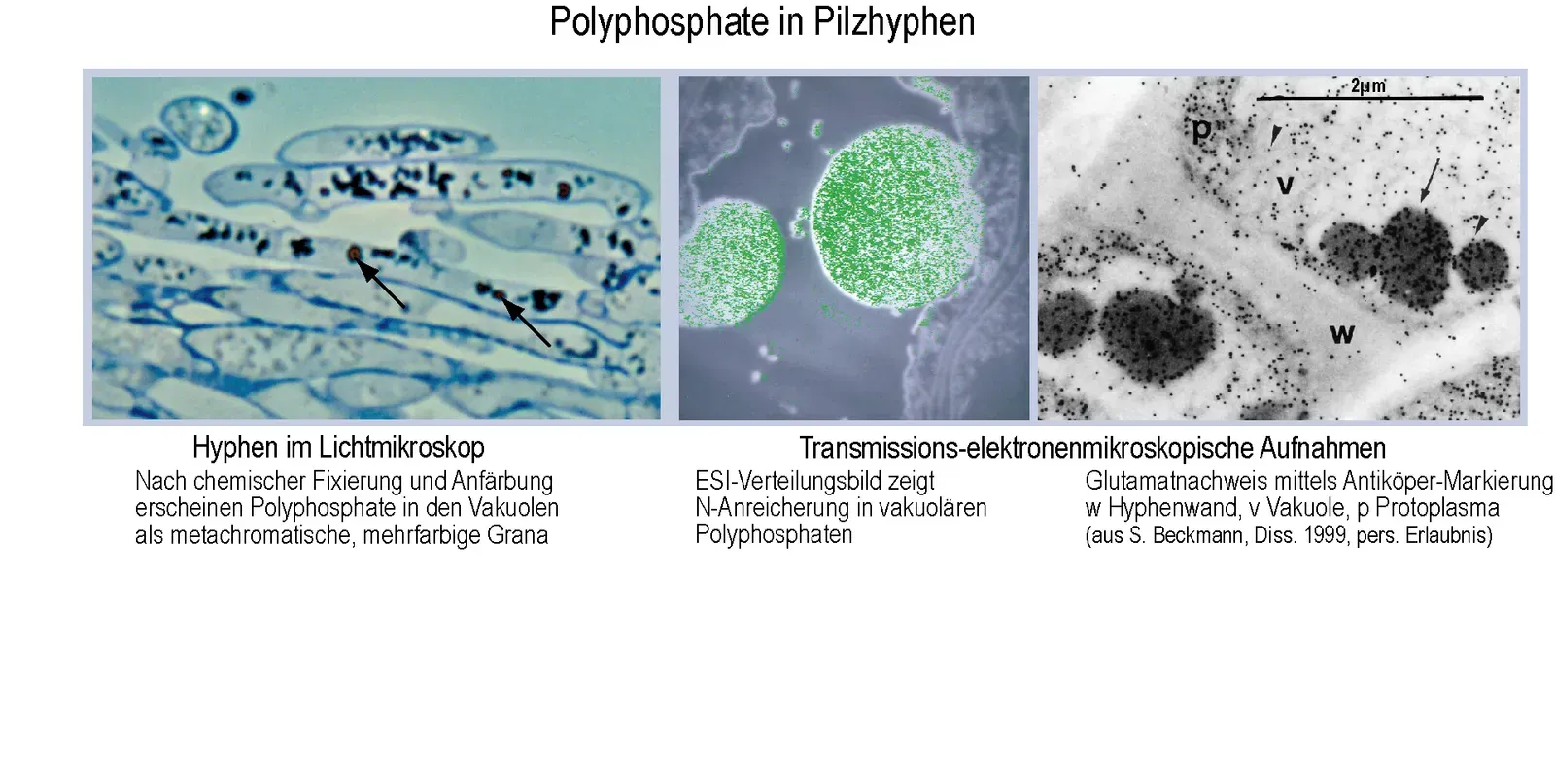
Above ground, leaves and stems capture most of our attention, but some of the most powerful plant defenses are negotiated underground. Many plants form intimate partnerships with mycorrhizal fungi, which weave through the soil and into roots, trading nutrients and water for carbon from the plant. These fungal partners can help roots fend off soil‑borne pathogens by outcompeting harmful microbes or by triggering the plant’s own immune responses. In some experiments, plants connected through shared fungal networks seem to pass along warning signals about insect attack, suggesting that the “wood‑wide web” may carry defense alerts as well as nutrients.
Plant roots also shape their own microbiomes, nurturing communities of bacteria that help them resist disease or tolerate stress. Some beneficial microbes produce antibiotics that inhibit fungal pathogens, while others stimulate the plant to activate defensive genes even before an infection appears. Roughly about one third of many crop plants’ disease resistance in the field can be linked, directly or indirectly, to these microbial allies. When you pull up a plant and see soil clinging stubbornly to its roots, you are really looking at a densely packed defense community. It is a reminder that plant survival is a cooperative project, written in invisible threads and microscopic partnerships.
Smart Immunity: How Plants “Remember” Attacks and Respond Faster
Unlike animals, plants do not have circulating antibodies or specialized immune cells, yet their defense systems can still show a kind of learning and memory. When a plant is attacked by a pathogen or insect, it often mounts a systemic response that leaves the entire organism on higher alert, a phenomenon known as induced resistance. Later, if the same or similar threat appears, the plant can respond faster and more strongly. This priming effect may last for weeks or even across an entire growing season, effectively acting as a defensive memory etched into the plant’s physiology.
Researchers have found that certain defense genes become easier to switch on after an initial attack, sometimes due to subtle chemical changes to DNA‑associated proteins. In a few cases, this heightened readiness appears to be passed to offspring through seeds, hinting at transgenerational immune effects. While it is not memory in the human sense, it does mean plants are not merely reacting from scratch each time they are attacked. In an unpredictable climate where new pests and diseases are spreading into fresh territories, that ability to “remember” danger could make the difference between a species that persists and one that disappears.
Why It Matters: From Crop Security to Rethinking Plant Life

Understanding plant defenses is not just a fascinating intellectual puzzle; it is central to the future of global food and ecosystems. Farmers worldwide lose an enormous share of potential yield every year to insects, diseases, and grazing animals, even with intensive pesticide use. As pests adapt and chemical controls grow less effective or more tightly regulated, harnessing natural plant defenses offers a safer, more sustainable path. When breeders or genetic engineers enhance a crop’s ability to produce defensive compounds or attract natural enemies of pests, they are effectively partnering with strategies plants have been refining for hundreds of millions of years.
There is also a philosophical shift embedded in this science. The more we uncover about plant alarm signals, alliances, and memory‑like immune responses, the harder it is to maintain the old view of plants as passive, unresponsive life forms. Instead, plant communities start to look like bustling neighborhoods full of negotiation and conflict, with every leaf, root, and flower part of a larger defensive web. For me, once that perspective clicked, a field of corn stopped being a uniform green carpet and became an army of individuals, each quietly fighting for survival. Recognizing that complexity can change how we value forests, grasslands, and gardens, pushing plant conservation higher on the list of global priorities.
The Future Landscape: Engineering Resilient Defenses in a Changing World

Looking ahead, scientists are racing to translate the secrets of plant defense into practical tools before climate change reshuffles the map of pests and pathogens. Warmer temperatures are already helping some insects survive winters and expand their range, exposing crops and forests to new pressures. Researchers are exploring ways to breed or engineer plants that emit more effective distress signals, recruit beneficial insects more reliably, or maintain stronger induced resistance without sacrificing growth. Some teams are testing seed coatings packed with beneficial microbes that jump‑start root defenses from the moment a seed germinates.
At the same time, there are real challenges and risks. Ramping up plant toxins could have unintended effects on non‑target insects, birds, or even humans if not carefully managed. Relying heavily on a single engineered defense trait might encourage pests to evolve around it, repeating past mistakes from overused pesticides. Future success will likely come from stacking multiple, complementary defenses – chemical, physical, microbial, and ecological – rather than betting on a single silver bullet. In that sense, the best way forward may simply be to keep learning from the plants themselves, which rarely rely on just one trick to stay alive.
How You Can Engage: Seeing and Supporting the Hidden Battles
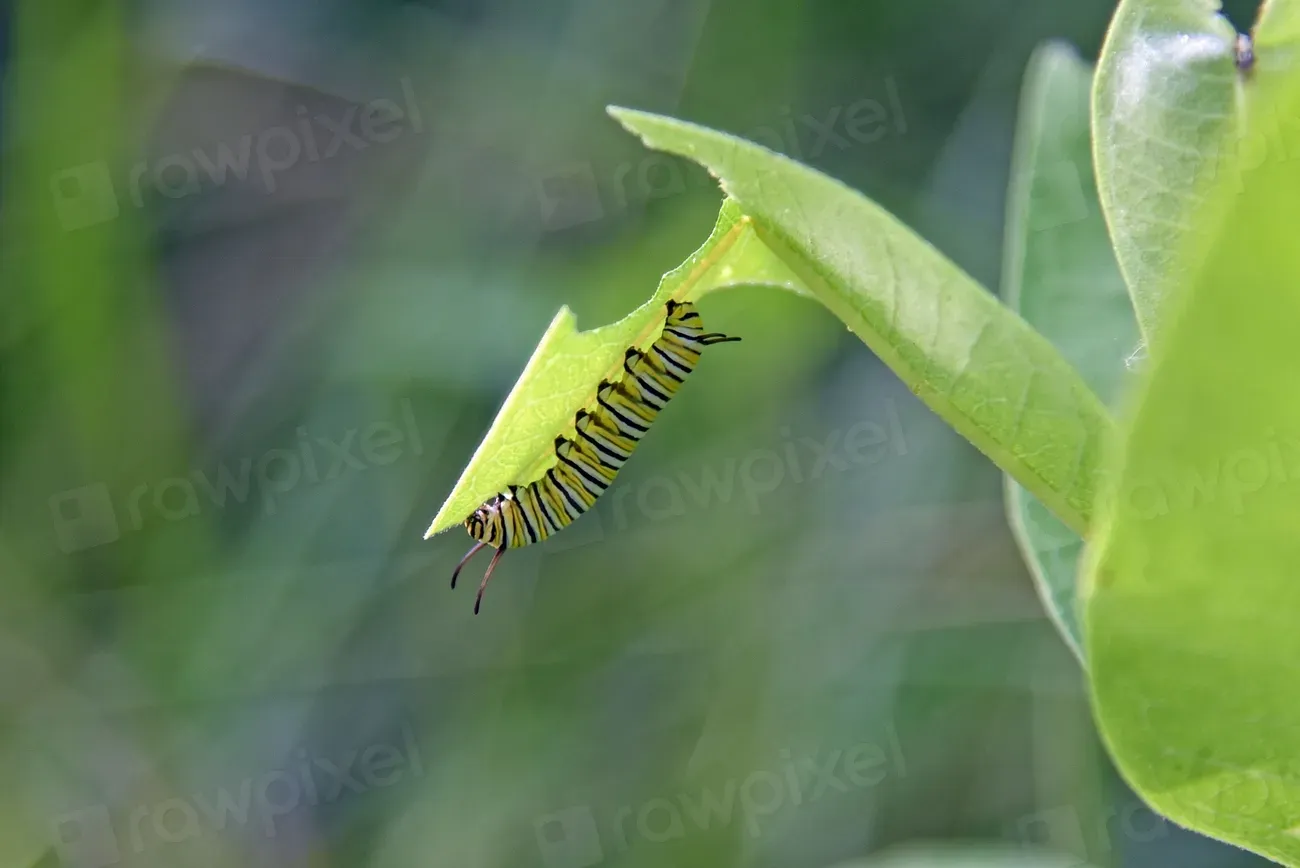
Most of us will never sequence plant genomes or track volatile signals in a lab, but there are surprisingly simple ways to connect with and support these hidden green defenses. In a home garden or community plot, choosing diverse plant species – especially native ones – helps create the kind of mixed neighborhood where natural enemies of pests can thrive. Leaving some flowering plants and small patches of “messy” habitat can offer nectar, shelter, and overwintering sites for the predatory insects that act as living bodyguards. When you skip broad‑spectrum pesticides, you are not just going chemical‑free; you are allowing plants and their allies to carry out the defensive strategies they evolved to use.
On a broader scale, paying attention to how forests, prairies, and wetlands are managed in your region can have a real impact. Supporting organizations that conserve native plant diversity or fund research into sustainable pest control directly strengthens the defensive fabric of ecosystems and food systems alike. Even something as simple as teaching kids that plants are active, responsive beings – rather than silent background props – can reshape how the next generation thinks about conservation. The next time you see a chewed leaf, a thorn, or a line of ants patrolling a stem, you are witnessing a small scene in a much larger battle for survival. What other defenses might be unfolding around you right now that you have never noticed?
Suhail Ahmed is a passionate digital professional and nature enthusiast with over 8 years of experience in content strategy, SEO, web development, and digital operations. Alongside his freelance journey, Suhail actively contributes to nature and wildlife platforms like Discover Wildlife, where he channels his curiosity for the planet into engaging, educational storytelling.
With a strong background in managing digital ecosystems — from ecommerce stores and WordPress websites to social media and automation — Suhail merges technical precision with creative insight. His content reflects a rare balance: SEO-friendly yet deeply human, data-informed yet emotionally resonant.
Driven by a love for discovery and storytelling, Suhail believes in using digital platforms to amplify causes that matter — especially those protecting Earth’s biodiversity and inspiring sustainable living. Whether he’s managing online projects or crafting wildlife content, his goal remains the same: to inform, inspire, and leave a positive digital footprint.