Far below the last shafts of daylight, in chambers where the air is still and the rock is older than human memory, life has evolved along a completely different script. For most of modern science, these deep caves were treated as sterile voids, geological curiosities rather than biological frontiers. That assumption has collapsed over the past few decades as explorers and biologists have begun to find creatures so strange they seem almost extraterrestrial. From blind predators to luminous microbes that eat rock instead of sunlight, each new discovery forces us to rewrite what we think life needs to survive. These ten cave-dwellers are not just biological oddities; they are clues to the resilience, creativity, and sheer stubbornness of life on Earth.
The Blind Cavefish That Hunts With Its Face
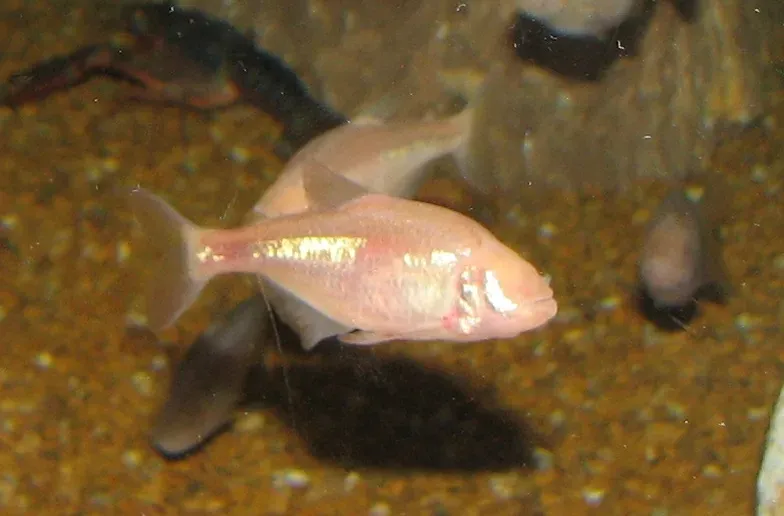
Imagine swimming in a world so dark that eyes are useless – and then evolving a way to sense the landscape with your own skull. That is essentially what has happened with several species of blind cavefish, including the widely studied Mexican blind cave tetra. Over generations in total darkness, these fish have lost functional eyes and pigment, but gained something arguably more impressive: supersensitive pressure and vibration sensors along their heads and bodies. In experiments, they navigate mazes, find food, and avoid obstacles with a precision that rivals sighted fish. To watch one glide inches from a jagged rock without a single scrape is to see evolution’s problem-solving power in action.
Scientists have learned that these cavefish use tiny hair-like cells embedded in fluid-filled canals in their skin, a system called the lateral line, as a kind of biological sonar. Instead of echoing sound, they read the way water moves around objects and through narrow passages, constructing a mental map of the cave in real time. Researchers are now studying the genetic changes that turned a typical surface fish into this specialized underground navigator, hoping to understand how sensory systems rewire under extreme pressure. There is also a human twist: some of the genes involved in eye loss and brain reorganization overlap with ones linked to human development and disease. In a strange way, these ghostly fish are helping scientists probe how our own senses and brains take shape.
Troglobitic Salamanders That Never Grow Up
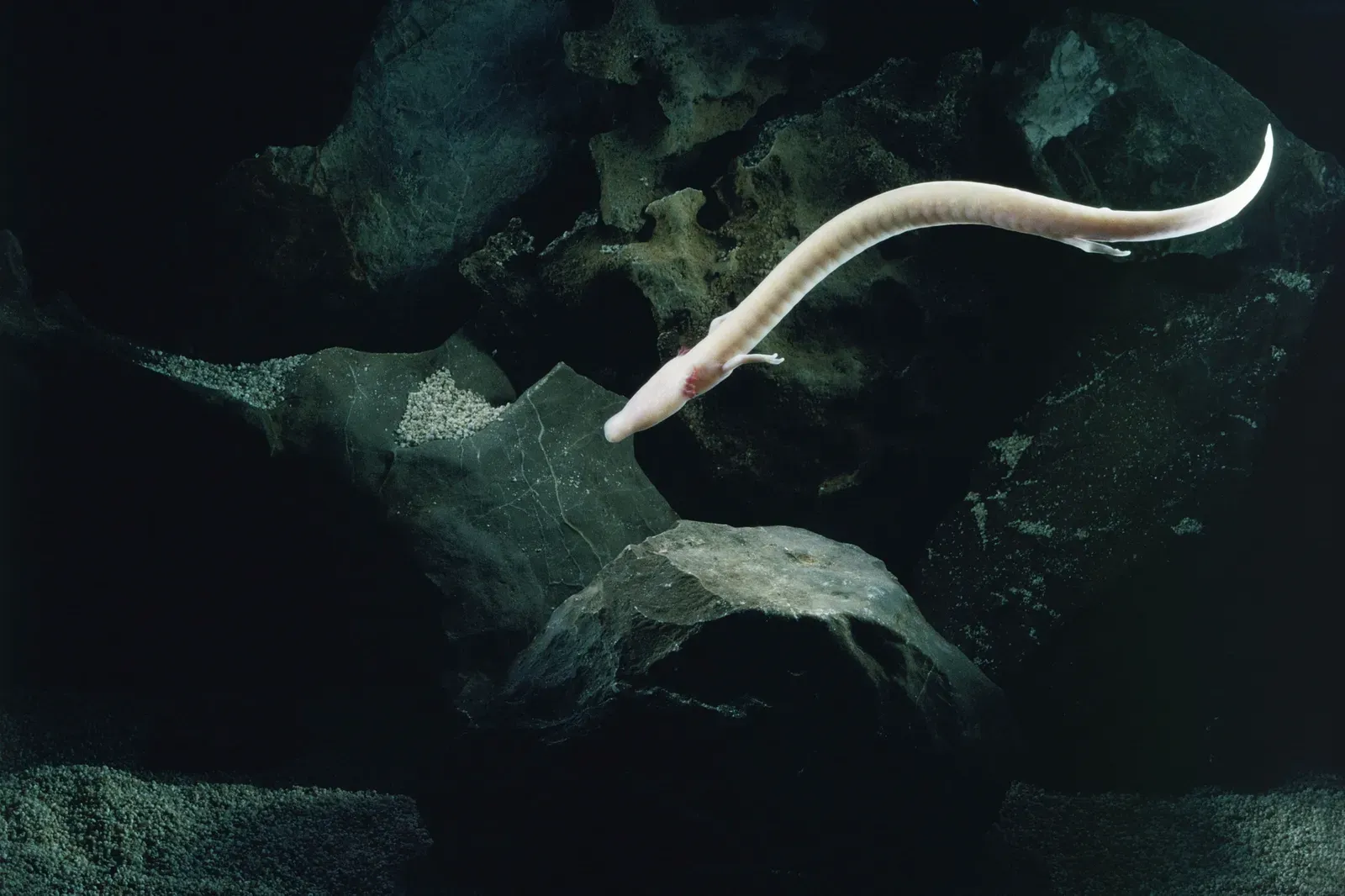
In the flooded caves of Europe and North America, pale salamanders drift through the darkness like slow-moving ribbons, wearing gills they were supposed to lose as juveniles. Species such as the olm in the Dinaric Alps and the Texas blind salamander in the Edwards Aquifer are classic troglobites – animals so adapted to cave life they cannot survive outside it. They retain juvenile features their whole lives, a phenomenon called neoteny, which includes external gills, soft skin, and simplified skeletons. For decades, locals whispered myths around these animals, mistaking them for baby dragons or spirits of the underworld. When biologists finally began to study them in detail, they found something perhaps even more magical: these salamanders can live astonishingly long lives.
Some olms are estimated to live close to a century, with studies suggesting they can go years without food by lowering their metabolism to an almost unbelievable crawl. Unlike many surface animals, they grow slowly, reproduce infrequently, and invest heavily in just a few offspring, a strategy tuned to a world where food is unpredictable but predators are rare. Scientists track individual salamanders inside cave systems, documenting how little they move and how consistently they use the same rocky crevices over time. Their slow-motion existence offers a natural experiment in longevity, regeneration, and resilience. Researchers hope that understanding how these animals repair tissue and fend off disease in such harsh conditions could someday illuminate new paths in human medicine.
Eyeless Crustaceans From Poisoned Underground Lakes
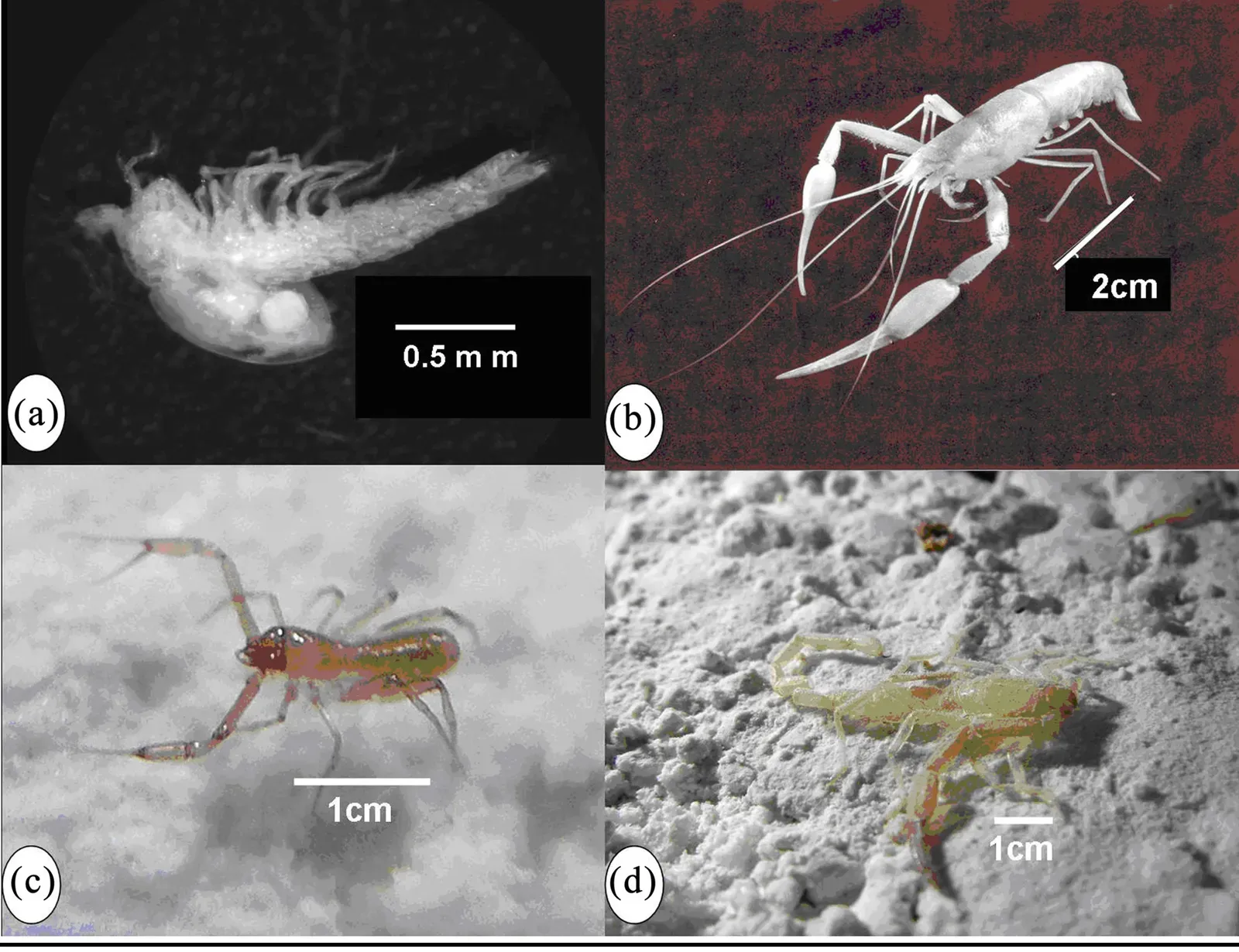
Not all cave water is calm, clear, and inviting; some underground lakes simmer with toxic gases and low oxygen levels that would suffocate most fish in minutes. Yet in these hostile pools, scientists have discovered tiny eyeless crustaceans, including amphipods and isopods, quietly thriving. These animals often sport elongated antennae, spidery legs, and translucent bodies that look like glass sculptures brought to life. Rather than avoiding the chemical extremes, they seem to have evolved to tolerate, or even exploit, them. Biologists studying cave systems in places like Romania and Slovenia have documented crustaceans enduring high levels of hydrogen sulfide, a gas that smells like rotten eggs and can be lethal to humans.
The way these creatures manage their survival reads like a crash course in biochemical resilience. They possess specialized enzymes and cellular machinery to detoxify their environment and maintain energy production in low-oxygen water. Their food webs are equally unusual, often built not on sunlight-fed plants but on microbial mats that feed on chemical energy from the rock and water. When you see an amphipod skitter across the bottom of a sulfurous pool, what you are really looking at is the endpoint of millions of years of extremely targeted natural selection. These crustaceans are living test cases for life in chemically extreme environments, with clear echoes for how we might search for organisms on other planets and moons.
Millipedes Armored in Cave-Born Crystals
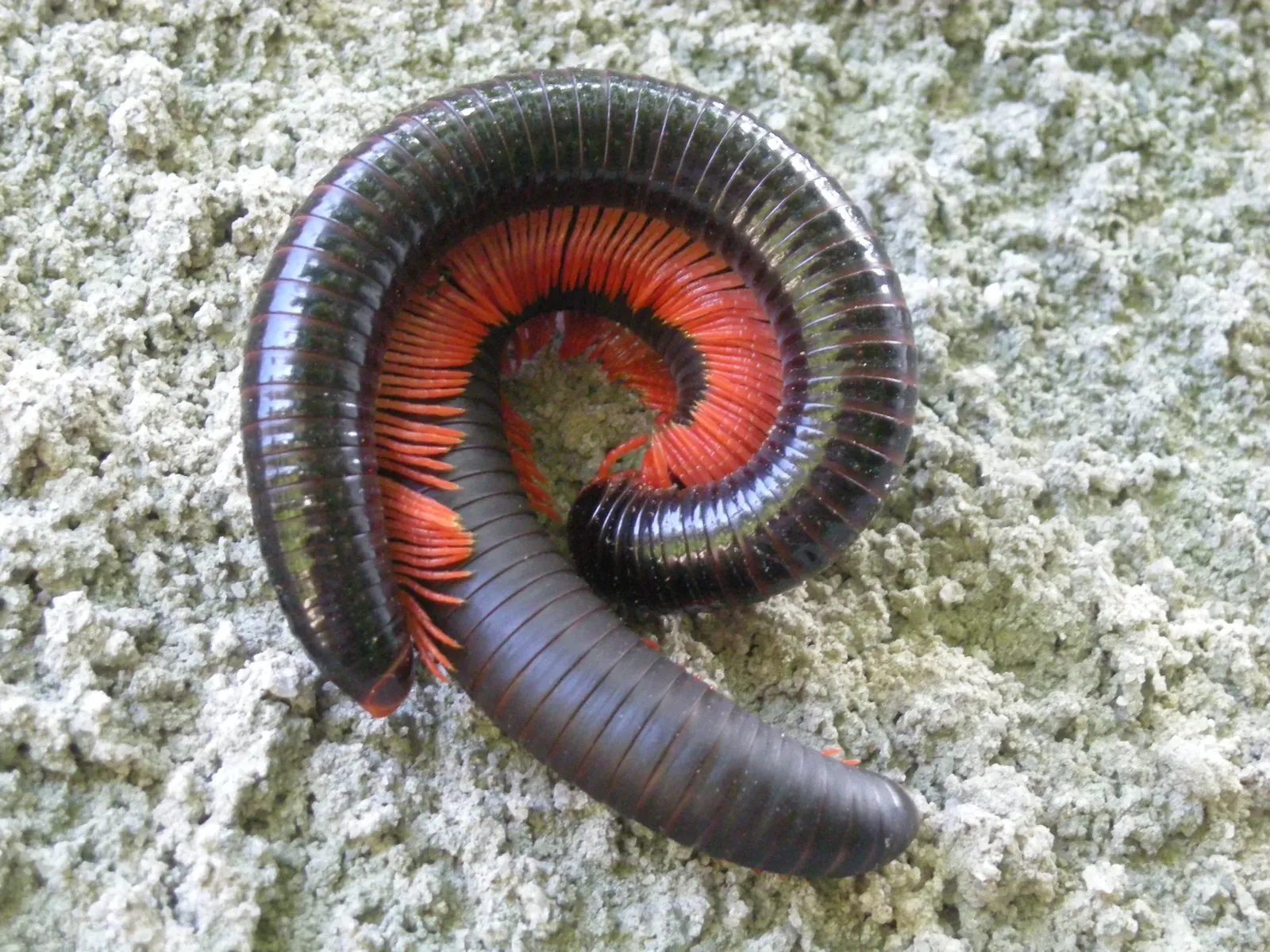
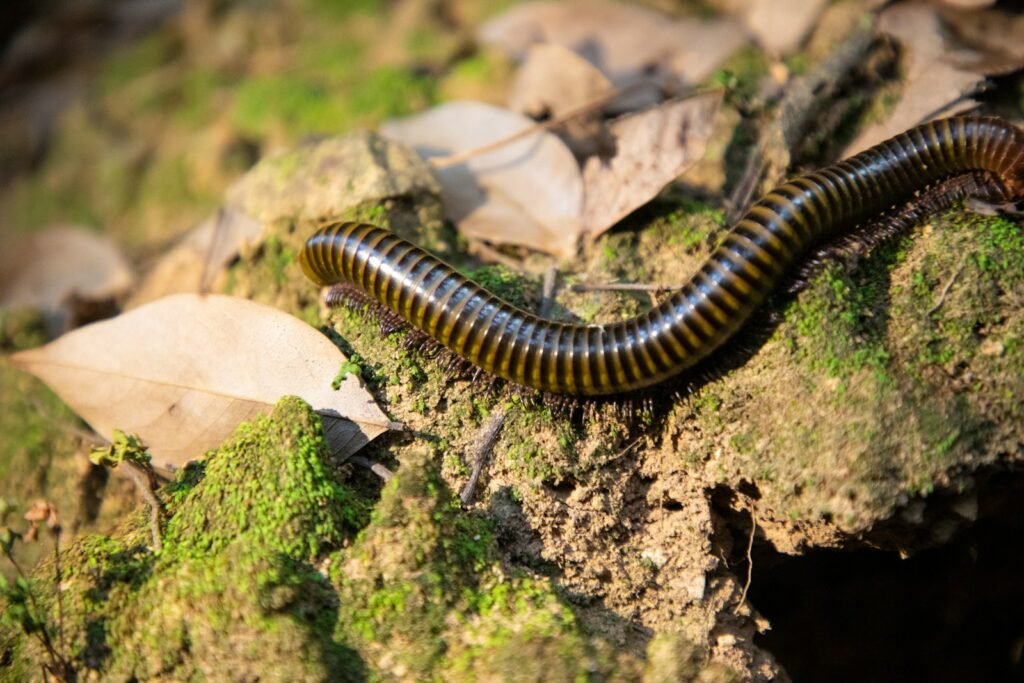
Deep in some Asian and North American cave systems, researchers have encountered millipedes that look like they are wearing mineral armor. Certain cave-dwelling millipedes have bodies encrusted with calcium or other mineral deposits, their segments outlined in chalky white or pale yellow. At first glance, it is easy to assume they are simply coated in cave dust or sediment. Closer examination, however, reveals intricate patterns that may help with camouflage, structural support, or even microbe management. When your world is made of rock and dripping mineral-rich water, it seems nature finds ways to merge geology with biology.
These millipedes also tell a fascinating story about diet and decomposition underground. Many feed on fallen plant material washed in from the surface, bat guano, or fungal growths, effectively recycling nutrients in ecosystems where food is scarce. Their mineral-studded exoskeletons can influence how they interact with predators and parasites, potentially making them less palatable or harder to grasp. For cave ecologists, every armored millipede is a reminder that even the tiniest decomposer can hold important clues about how energy flows through these hidden worlds. Studying them requires patience and delicate handling, as removing them from their mineral-laced habitat can alter the very coatings scientists hope to understand.
Microbial Mats That Eat Rock Instead of Sunlight
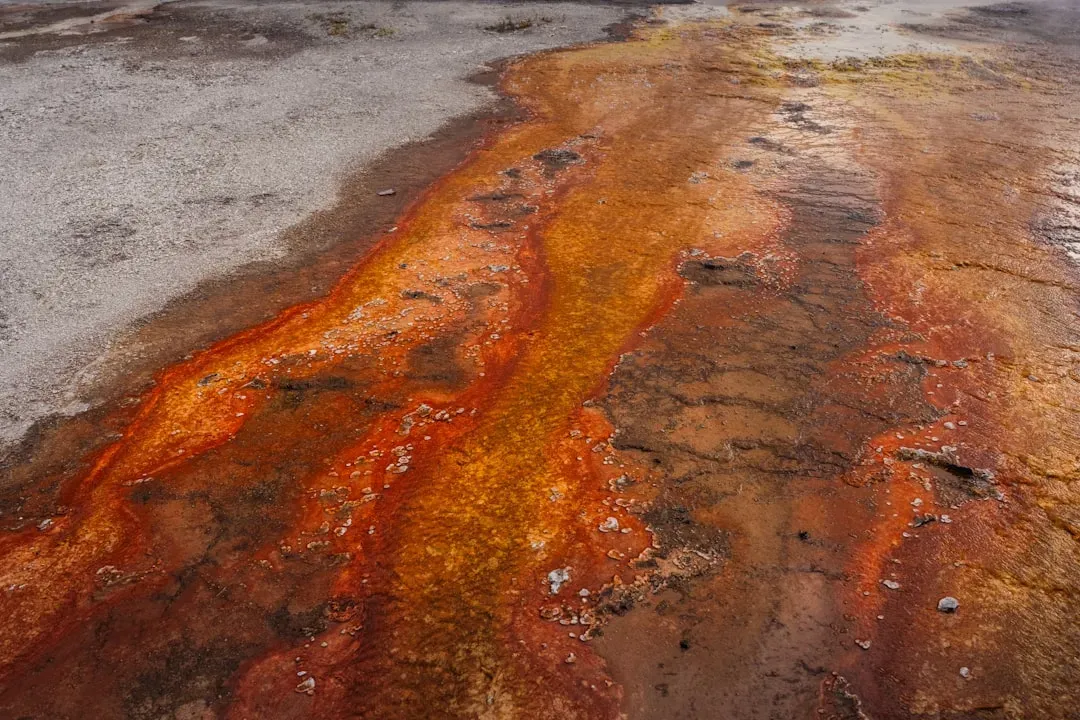
When people picture life on Earth, they usually imagine green leaves, blue oceans, and sunlight pouring down on photosynthetic organisms. In the deepest caves, however, there is no sunlight at all – and yet thriving microbial communities still carpet walls, ceilings, and pools. These are chemolithotrophic microbes, bacteria and archaea that live by harvesting energy from the minerals in rock and dissolved chemicals in water. To the naked eye, they often look like slimy films, cottony tufts, or paper-thin crusts in shades of white, orange, or gray. Under a microscope, they reveal a staggering diversity of shapes, behaviors, and biochemical tricks.
Scientists study these microbial mats not just to answer the question of how they survive, but what they might teach us about the earliest life on Earth. Before the planet had a stable atmosphere or clear skies, caves and similar protected environments could have been refuges for rock-eating microbes. Modern cave communities give researchers a window into these ancient strategies, using DNA sequencing and chemical analyses to reconstruct who is living where and doing what. Some microbes can fix carbon and nitrogen in ways that reshape the cave’s chemistry over centuries, slowly etching rock and building new mineral structures. For astrobiologists, such communities have become a model for what life might look like in the subsurface of Mars or within the icy crust of Europa, far away from any star-lit surface.
Predatory Cave Beetles With Supercharged Jaws
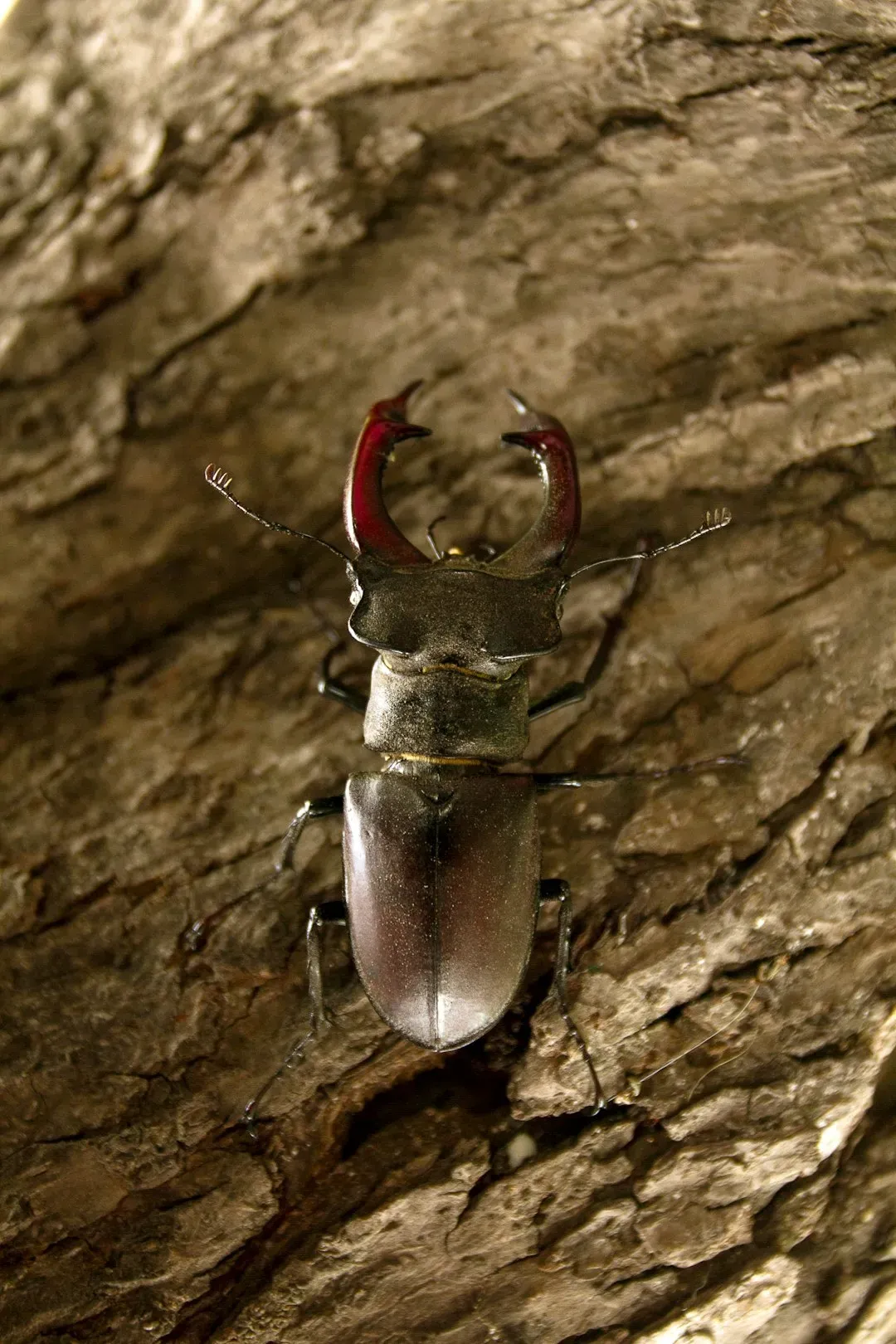
Not every cave creature is slow and ghostlike; some are surprisingly fierce and athletic. In dark passages across Europe, Asia, and the Americas, biologists have found troglobitic beetles that have traded wings and eyes for speed, elongated legs, and terrifying mouthparts. These beetles often hunt other cave invertebrates, using hyper-sensitive antennae to track vibrations and chemical trails. When they strike, their oversized mandibles snap shut with enough force to pierce tough exoskeletons. Watching one of these beetles capture a struggling millipede or crustacean is a reminder that even in the deep, natural selection rewards predators that can move fast and hit hard.
Over time, these beetles have shed unnecessary features and doubled down on what works in the dark. Wings, for instance, are a liability in tight passages filled with sharp limestone; many cave beetles are completely wingless, putting all their energy into running and sensing. Their long legs give them a spider-like profile and allow rapid sprinting across uneven surfaces. Chemosensory organs cover their antennae and mouthparts, letting them sample the air and rock for traces of prey. By comparing their DNA with surface-dwelling relatives, scientists can piece together when different populations became isolated underground and how quickly extreme specialization took hold.
Ghostly Shrimp From Submerged Cave Networks
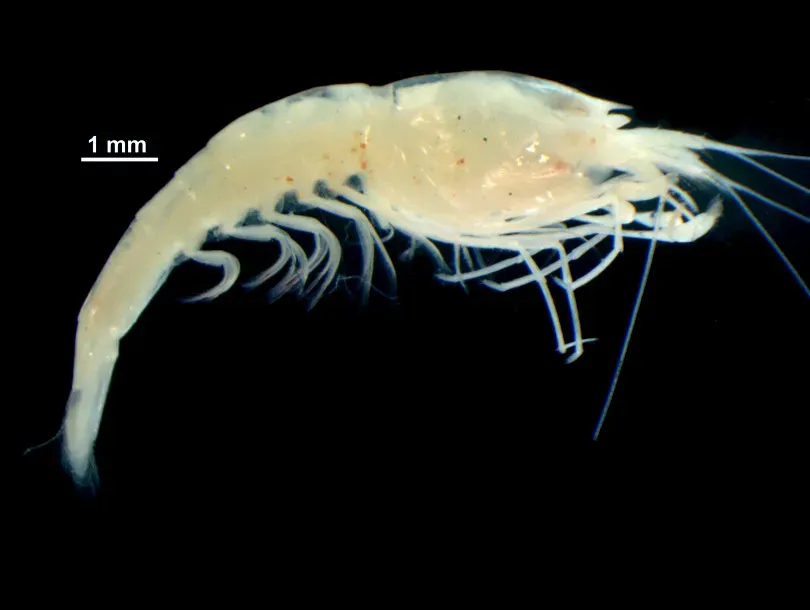
In coastal regions and karst landscapes, underwater cave systems hide another class of bizarre animals: stygobitic shrimp and prawn-like creatures. These ghostly crustaceans drift through submerged tunnels in places such as the Bahamas, the Mediterranean, and parts of Mexico, some of them found nowhere else on Earth. They are typically colorless and eyeless, with delicate limbs and antennae for feeling their way through narrow tunnels. Many live in water that mixes freshwater and seawater, a brackish blend that changes with tides, rainfall, and seasonal flows. This unstable environment forces them to be flexible in ways their open-ocean cousins are not.
Because many of these shrimp species are so geographically isolated, they act like biological time capsules, preserving genetic signatures from ancient seas and shifting coastlines. Studying them helps scientists reconstruct how sea levels and landmasses have changed over hundreds of thousands of years. They also serve as sensitive indicators of groundwater health; pollution or over-pumping can rapidly damage or destroy entire cave shrimp populations. Divers who explore these flooded networks often describe a powerful sense of stepping back in time when a cluster of translucent shrimp appears in their dive lights. Their fragile bodies and limited ranges make them especially vulnerable to human activity, turning them into ambassadors for the unseen worlds beneath our feet.
Why These Hidden Creatures Matter
At first glance, it might be tempting to treat all these cave creatures as curiosities, nature’s odd side projects that have little to do with everyday life on the surface. That assumption misses their true importance. Cave organisms are powerful test cases for how life copes with stress, scarcity, and isolation, conditions that are increasingly relevant as our planet changes. Compared with many surface animals, they offer clear, almost exaggerated examples of evolutionary trade-offs: sacrificing eyes to enhance other senses, slowing growth to extend lifespan, reshaping bodies to squeeze through rock. When scientists analyze these transformations, they gain insight into the basic rules guiding all of evolution, including our own.
There are also very practical reasons to pay attention. Cave microbes have yielded novel enzymes and chemical pathways that could influence everything from industrial processes to medicine. Long-lived vertebrates like the olm provide models for studying aging, immune defenses, and regeneration without the confounding factors of busy, predator-filled ecosystems. Even the fragile shrimp and beetles, which may never leave their narrow habitat, help researchers track pollution, groundwater depletion, and climate-driven changes in water flow. In a world where roughly about one third of freshwater supplies already face stress, knowing what happens in the subterranean realms is not optional – it is essential. These so-called fringe species quietly anchor systems that humans depend on, whether we notice them or not.
The Future of Cave Exploration and Discovery
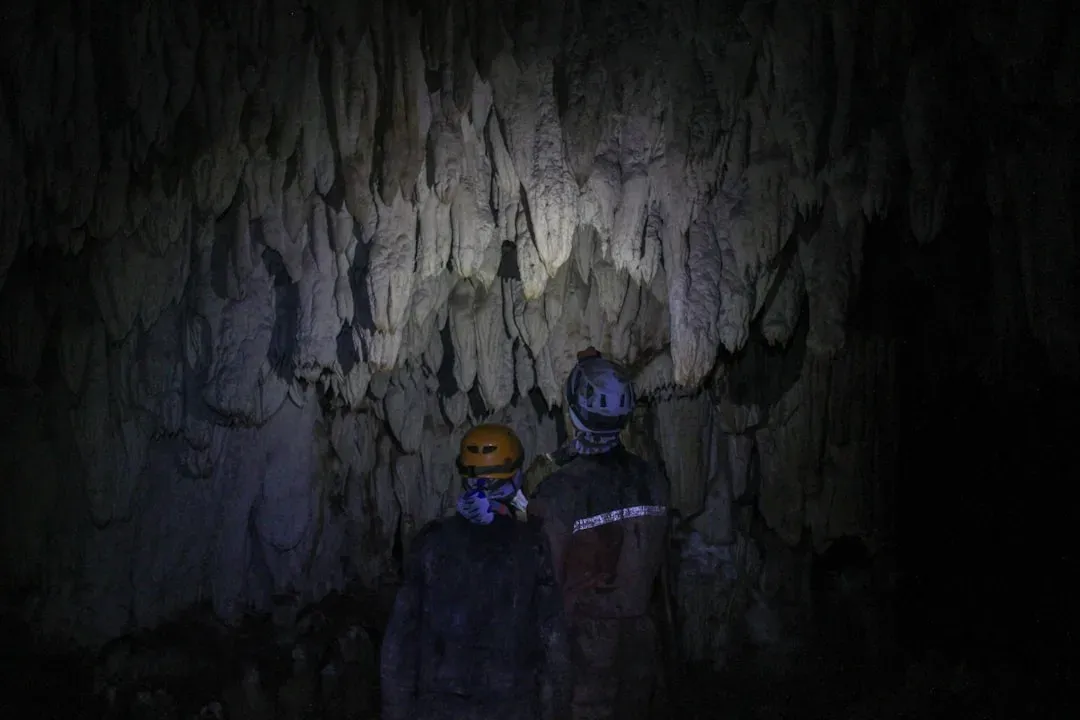
Despite all the strange life already cataloged, scientists are confident that the majority of cave species on Earth have yet to be discovered. Many of the deepest and most complex cave systems remain only partially mapped, let alone biologically surveyed. New technologies are now beginning to change that, from autonomous underwater vehicles that can navigate submerged tunnels to compact DNA sequencing gear that allows scientists to analyze environmental samples on site. By filtering tiny traces of genetic material from cave water or sediment, researchers can detect the presence of animals and microbes long before they are seen in person. This environmental DNA approach has already led to the recognition of previously unknown lineages lurking in the dark.
Yet the race to explore comes with serious challenges. Caves are fragile; a single careless visit can crush rare organisms, introduce contaminants, or alter airflow and water patterns. Mining, tourism, and groundwater extraction can damage or erase entire habitats before they are even documented. The future of cave biology will depend on balancing curiosity with caution, using remote sensing, careful permitting, and partnerships with local communities and caving groups. International collaborations are slowly emerging to standardize how we protect these spaces and share data about their inhabitants. If that momentum continues, the next few decades could see an explosion of discoveries that reshape not just our species lists, but our understanding of where and how life can exist.
How You Can Help Protect Life in the Dark
For most people, descending into a deep cave with scientific gear and a headlamp will never be on the calendar – and that is completely fine. There are still simple, concrete ways to support the hidden ecosystems beneath your region and around the world. One of the most direct is to be mindful of water use and pollution, because what goes into the ground often ends up in cave systems. Supporting policies and local initiatives that prioritize clean groundwater, limit harmful chemicals, and protect karst landscapes is effectively a vote in favor of blind fish, pale salamanders, and countless other species you may never see. Even small actions, like reducing lawn chemicals or disposing of household waste properly, can reduce the invisible burden on subterranean habitats.
If you live near show caves or tourist sites, choosing operators that follow strong conservation practices makes a real difference. Many organizations and caving clubs also welcome donations or volunteers to help with cave cleanups, monitoring programs, or educational outreach. For those who prefer to stay above ground, sharing stories about cave life – through conversations, social media, or classrooms – helps shift the perception of caves from empty voids to living, breathing ecosystems. The next time you pass a limestone ridge or a sinkhole, it is worth pausing to imagine the silent fish, pale salamanders, and rock-eating microbes going about their lives far below. The more people understand that, the better the odds that these strange and resilient creatures will still be there for future generations to discover.