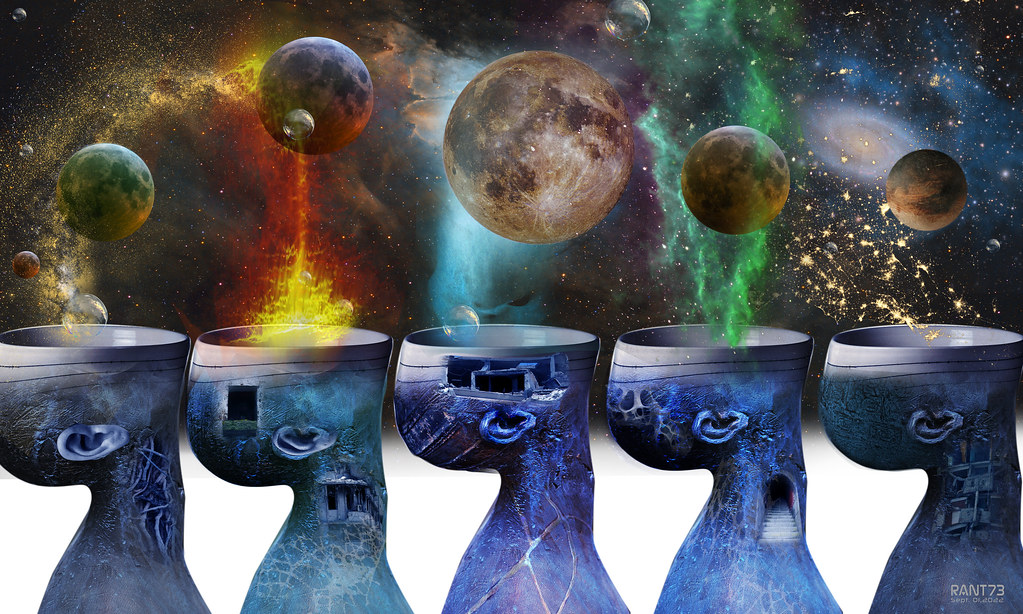

We like to think science has an answer for everything, from black holes to brain surgery, but some of the most stubborn mysteries are hiding in plain sight on an ordinary Tuesday morning. Why does time feel slow in a traffic jam yet vanish during a great conversation? How can two people walk through the same city street and remember it completely differently? These are not gaps in trivia; they are cracks in our understanding of reality itself. Researchers are chipping away with brain scans, mathematical models, and massive datasets, yet the puzzles remain half-solved and gloriously strange. The result is a world that is more explained than ever, but still delightfully mysterious every time we blink, breathe, or step into a room.
The Strange Elasticity of Time in Your Head
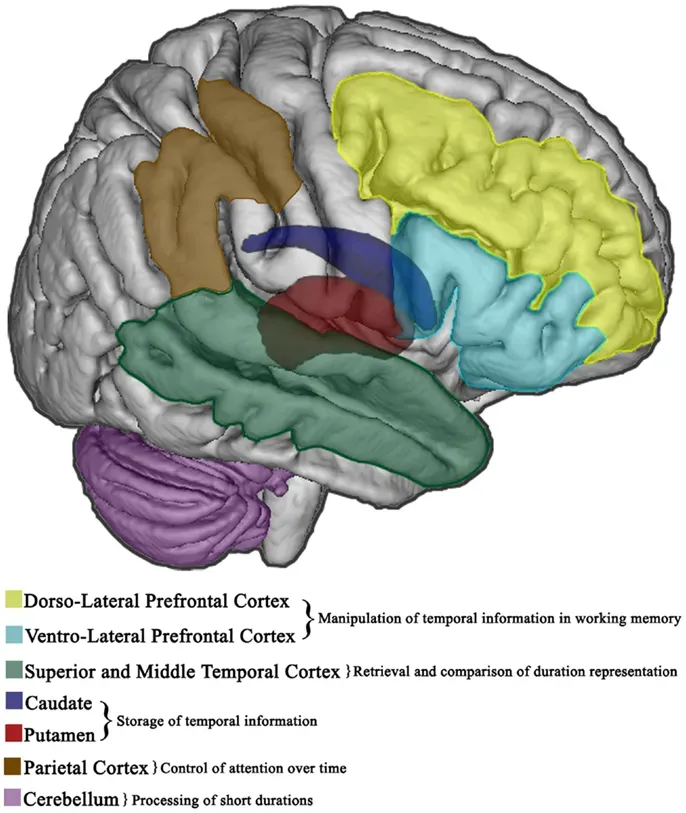
Have you ever noticed how a boring meeting feels endless, yet a vacation week disappears in what feels like a day? That lopsided sensation is not just in your imagination; it is tied to how your brain encodes and plays back experience. When you are doing something new or emotionally intense, your brain lays down more distinct memories, so looking back, that stretch of time feels dense and long. Routine days leave fewer memory “bookmarks,” so in hindsight they compress into a blur, like a badly edited montage.
Neuroscientists can point to brain regions involved in time perception, such as parts of the prefrontal cortex and basal ganglia, and they can show that attention and dopamine levels affect how long a moment feels. Yet there is still no master clock in the brain, no single mechanism that explains why time crawls during anxiety but races in flow states. Experiments can stretch or squeeze people’s sense of seconds and minutes with temperature changes, drugs, or shifting tasks, but a unified theory for how the brain builds subjective time remains elusive. For now, every long commute and too-short weekend is a reminder that your inner timeline is a construct, not a simple reflection of the ticking world.
Déjà Vu: When the Present Feels Like a Ghost of the Past
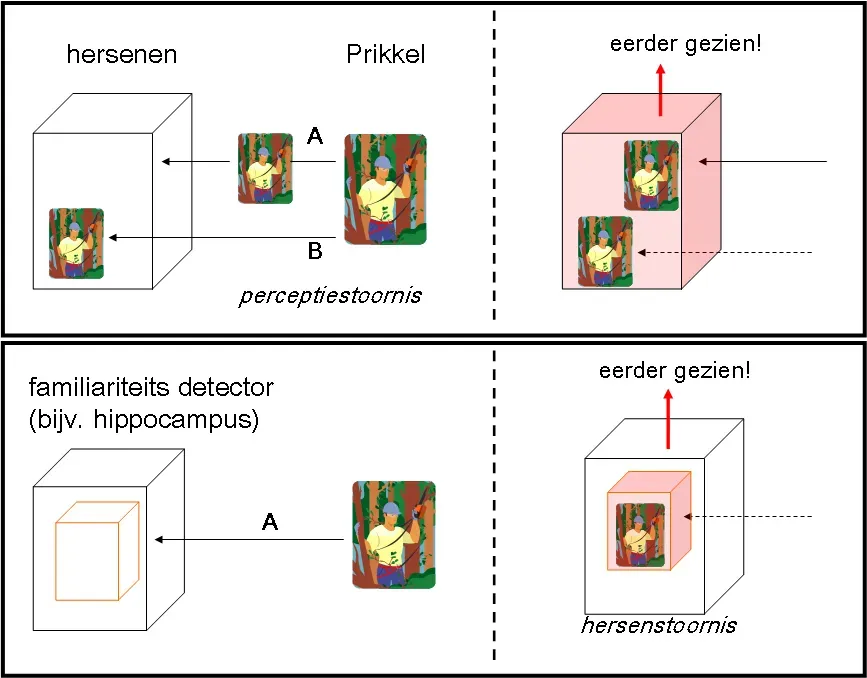
That unsettling jolt of déjà vu – when a totally new situation feels uncannily familiar – might be the most cinematic of everyday brain glitches. You walk into a café in a city you have never visited, someone laughs across the room, and suddenly it all feels rehearsed. Many scientists suspect déjà vu is a kind of memory misfire, where the brain flags the present as familiar without being able to retrieve an actual memory. It is as if the system that checks for “have I seen this before?” briefly gets out of sync with the system that stores the details.
Brain imaging has linked déjà vu to memory hubs like the medial temporal lobe, and some people with certain kinds of epilepsy report intense déjà vu before a seizure, hinting that abnormal electrical activity might trigger the effect. But that is still a long way from a full explanation, especially for healthy people experiencing it randomly in daily life. There is no agreed-on reason why some individuals feel it more often, why stress or fatigue sometimes seem to provoke it, or why it can feel so eerily specific despite lacking a clear source. Until researchers can reliably induce and track déjà vu in controlled experiments, that short, eerie flicker of false familiarity will remain one of the brain’s most personal and persistent mysteries.
Why We Dream So Wildly About the Most Ordinary Things

We tend to imagine dreams as portals into wild alternate realities, but in practice, many of them are stubbornly mundane: losing your keys again, being late for work, standing in the grocery aisle unable to pick a cereal. The bizarre part is not just what we dream, but why the sleeping brain invests so much energy in replaying and mutating everyday scenes. Leading theories suggest dreams may help sort memories, regulate emotions, and run “what if” simulations of social situations, yet none of those ideas have been decisively proven. We can track which brain regions light up during various sleep stages, but that still leaves the core mystery of why narratives arise at all.
Some researchers see dreams as the brain’s attempt to create a coherent story from random neural noise that appears during sleep, a kind of overnight improvisational theatre. Others argue that people’s recurring dreams – missing a flight, teeth falling out, being unprepared for an exam – reflect deep-seated anxieties shared across cultures and eras. What complicates the picture is that not everyone remembers their dreams, and those who do often recall only fragments, meaning the data we have is partial and messy. Until science can combine brain imaging, long-term sleep studies, and better ways of capturing dream content, the question of why your mind insists on building late-night mini-dramas out of daily debris will stay unresolved.
The Hidden Clues in Why You Notice Some Things and Miss Others
Every second, your senses are flooded with far more information than you could possibly process, yet you feel as if you see “everything” in front of you. Psychologists have shown over and over that this is an illusion: change blindness experiments reveal that people miss major alterations in a scene if they fall outside the beam of focused attention. You can walk past a friend in the supermarket and genuinely not see them, even as you navigate an overflowing cart through a crowded aisle. The brain’s attention system operates like a ruthless editor, cutting almost everything to keep a tiny highlight reel.
Researchers can measure aspects of this system – how attention jumps, how it can be directed, how distractions derail it – but they still cannot fully explain why certain stimuli win the lottery at any given moment. Small factors such as hunger, mood, or past trauma can tilt what you notice or ignore, and those influences are hard to pin down with precise models. In practical terms, this means that two people sharing the same space inhabit subtly different worlds, each built from what their attention chooses to admit. Everyday arguments about “how things really happened” are, in part, clashes between these unseen attentional filters, and science is only beginning to map their contours.
Yawning, Itching, and Other Contagious Behaviors We Cannot Quite Decode

Contagious yawning is one of those tiny social phenomena that feels funny until you try to explain it. Someone across the room yawns, you feel an almost irresistible urge to do the same, and soon half the office is stretching and blinking. A similar, though less dramatic, effect happens with scratching: seeing someone itch can spark a sudden prickling on your own skin. Scientists have proposed that these behaviors might be tied to empathy circuits or mirror neurons, systems that allow us to simulate other people’s actions and feelings.
Yet the story is riddled with loose ends, from why small children are less prone to contagious yawning to why some neurological conditions dampen the effect. Studies have found broad trends – for example, people who score higher on measures of empathy are often a bit more susceptible – but the patterns are far from perfect. There is no solid agreement on what evolutionary purpose, if any, these microscopic social echoes serve in modern life. Whether they once helped coordinate group behavior, signal drowsiness, or build social cohesion is still an open question, making every chain of yawns in a movie theatre a tiny unsolved case in social neuroscience.
Why We Fall in Love with Some Foods and Never Crave Others

Ask ten people about their comfort food and you will likely get ten very different, very passionate answers. From buttery mashed potatoes to spicy noodles, favorite foods can feel almost tied to identity, and yet science still struggles to predict who will love what. Taste buds, smell receptors, and texture sensitivity are all part of the story, along with genetics that influence how bitter or sweet certain compounds seem. But those biological factors only sketch the outline of our preferences.
Childhood experiences, cultural norms, and even the order in which we first try foods can leave deep, long-lasting imprints on what we seek out or avoid. A single episode of food poisoning can turn a once-loved dish into something you cannot even smell without recoiling, while repeated exposure can turn a disliked food into a new favorite. Researchers are beginning to link gut microbes, hormones, and reward circuits in the brain to cravings and aversions, but the system is so complex that useful predictions remain rare. Each grocery list is, in a way, a coded record of countless tiny learning events and biological quirks that science is only starting to decode.
Why It Matters That These Mysteries Refuse to Behave
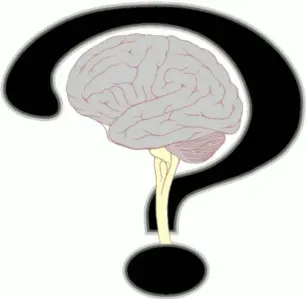
It might be tempting to shrug off déjà vu or contagious yawns as curiosities, little party tricks of the nervous system, but they point toward something deeper. These everyday puzzles expose the limits of measuring only what is obvious and external, forcing science to grapple with subjective inner experience. Unlike a falling rock or a chemical reaction, a sense of “time dragging” or a dream about missing a train cannot be fully captured with a stopwatch or sensor. That tension between outer measurement and inner feeling is one of the defining challenges of modern neuroscience and psychology.
The stakes are not just philosophical; they are practical. Understanding how attention filters reality can reshape how we design classrooms, workplaces, and digital interfaces so they support, rather than hijack, our minds. Cracking the code of cravings and comfort foods can influence nutrition policy and treatments for obesity or eating disorders, while better models of time perception could even inform how we schedule high-stress jobs. In a way, these mysteries are like hairline fractures in the smooth surface of everyday life, hinting at hidden structures underneath. The more we learn to read them, the more intelligently we can design a world that fits the brains we actually have, not the ones we imagine.
The Future Landscape of Everyday Mystery Science
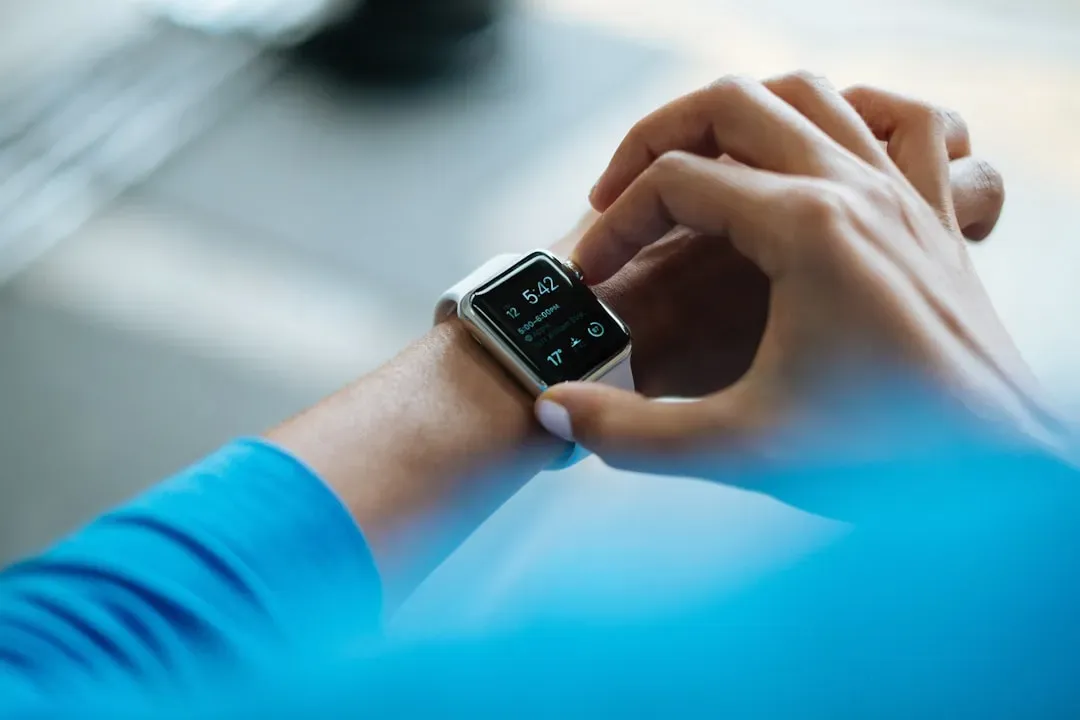
In the next decade, some of the most exciting scientific advances may not come from particle accelerators or deep-space probes, but from careful tracking of the most boring hours of our lives. Wearable devices and smartphones are already collecting enormous streams of data about sleep, movement, heart rate, and screen time, offering new ways to link subjective reports – how tired you feel, how quickly a day seems to pass – with objective patterns. Combined with brain imaging, this kind of “lifelogging” could reveal subtle rules behind phenomena like time distortion, habit formation, and mood swings that were invisible to earlier generations of researchers. At the same time, advances in genetics and microbiome science promise new clues about taste, craving, and even how we respond to social cues like yawns or smiles.
But this future is not guaranteed to be simple or comfortable. Making sense of such rich, intimate data raises hard questions about privacy, consent, and who gets to turn personal quirks into products or policies. There is also the risk of overconfidence: just because we can measure more does not mean the mysteries will neatly resolve. Complex systems like the brain have a habit of revealing new layers of uncertainty just when we think we have pinned them down. The likely outcome is not a final answer key for human experience, but a better, more nuanced map of our everyday weirdness.
How You Can Be Part of Unraveling the Ordinary Strange

You do not need a lab coat or research grant to contribute to understanding these puzzles; in fact, your honest observations are some of the most valuable data available. Start by paying gentle attention to your own daily oddities: when does time seem to speed up or slow down, what triggers those flashes of déjà vu, which cravings hit hardest and when? Keeping a small, nonjudgmental log for a week or two can reveal patterns that surprise you, like a personal field study in human behavior with you as both subject and scientist. Participating in reputable online psychology or sleep studies, when you feel comfortable doing so, is another way to help researchers connect the dots between thousands of individual stories.
Beyond data, you can support organizations that prioritize mental health research, science communication, and ethical technology design, pushing for tools that respect how fragile and quirky our minds really are. Share articles and conversations that treat everyday experiences – dreams, attention lapses, cravings – not as flaws to be “hacked” away, but as clues worth respecting and exploring. Above all, keep a sense of curiosity when your brain behaves strangely instead of instantly pathologizing or dismissing it. The next time you catch yourself in the middle of a contagious yawn or an inexplicable rush of familiarity, you are standing right on the frontier of what science has yet to fully explain – what will you notice there?
Suhail Ahmed is a passionate digital professional and nature enthusiast with over 8 years of experience in content strategy, SEO, web development, and digital operations. Alongside his freelance journey, Suhail actively contributes to nature and wildlife platforms like Discover Wildlife, where he channels his curiosity for the planet into engaging, educational storytelling.
With a strong background in managing digital ecosystems — from ecommerce stores and WordPress websites to social media and automation — Suhail merges technical precision with creative insight. His content reflects a rare balance: SEO-friendly yet deeply human, data-informed yet emotionally resonant.
Driven by a love for discovery and storytelling, Suhail believes in using digital platforms to amplify causes that matter — especially those protecting Earth’s biodiversity and inspiring sustainable living. Whether he’s managing online projects or crafting wildlife content, his goal remains the same: to inform, inspire, and leave a positive digital footprint.