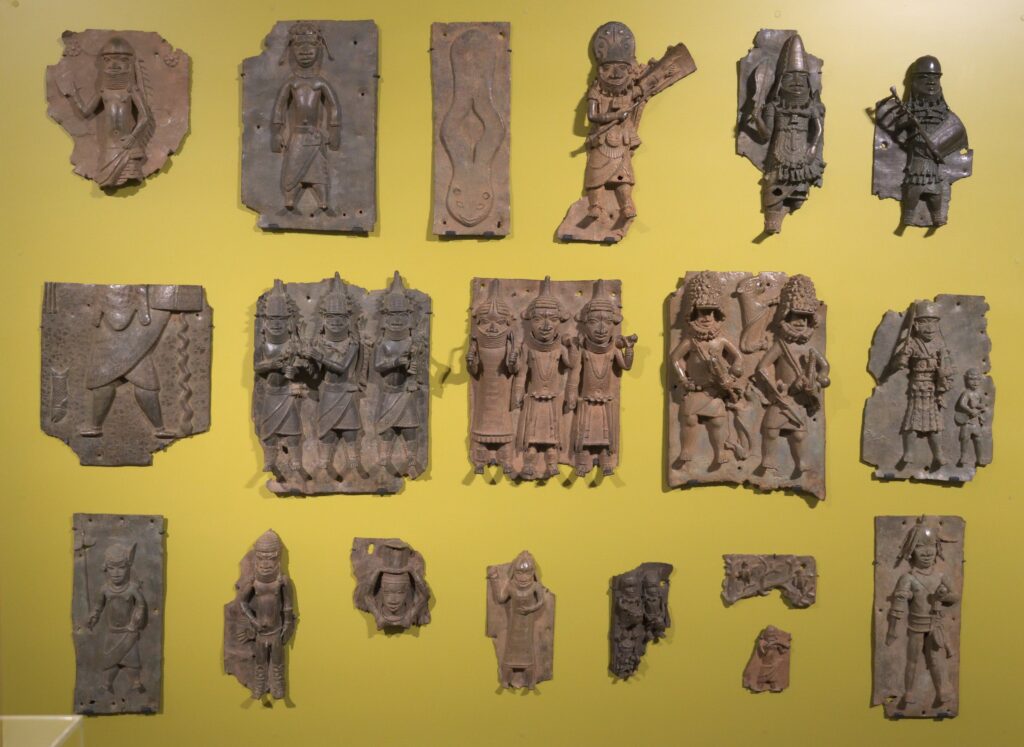

For most of modern history, we’ve treated consciousness as the ultimate private property: a little glowing sphere of “me” sealed behind the eyes, owned and operated by a single brain. But over the last few decades, a strange convergence of neuroscience, physics, and even archaeology has started to chip away at that picture. Instead of a solitary mental island, we may be swimming in something more like an ocean of shared awareness, with ancient cultures having hinted at this possibility long before MRI scanners existed. Today, a growing group of scientists is asking a disorienting question: what if consciousness is less something you “have” and more something you tap into? The answers are far from settled, but the debate itself is transforming how we think about minds, machines, and our place in the universe.
The Hidden Clues: Brains That Don’t Match Their Minds
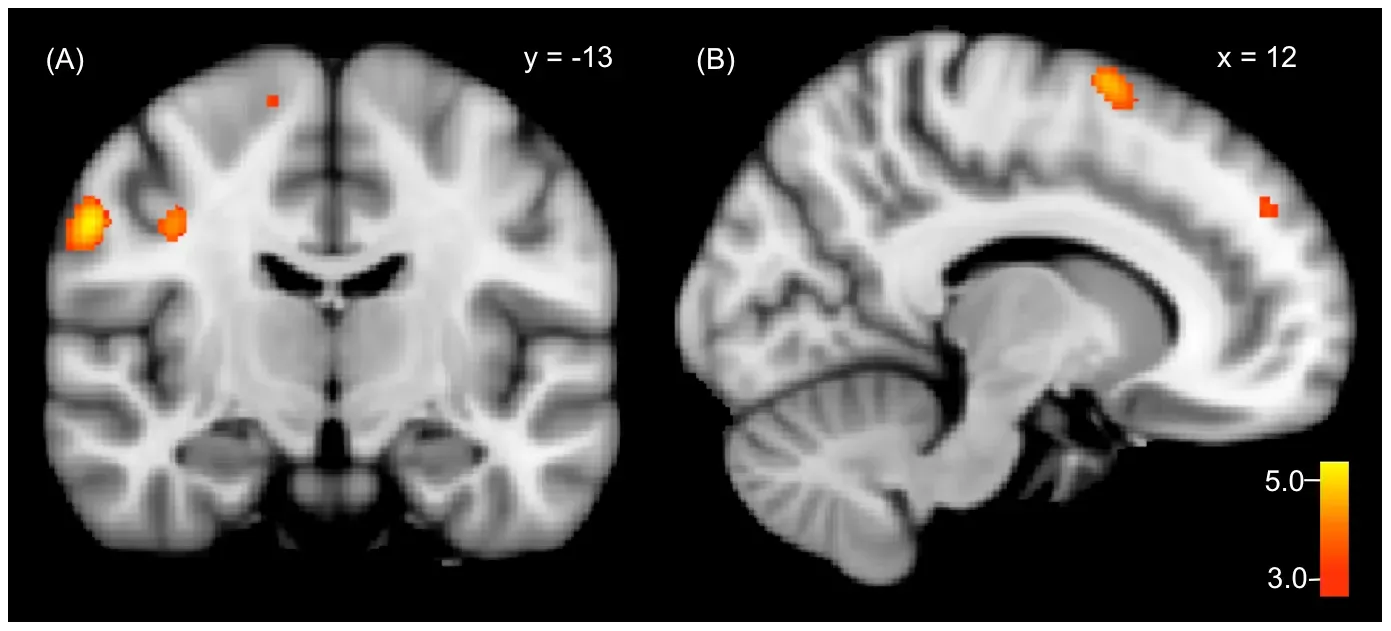
One of the most unsettling challenges to the “brain equals consciousness” equation comes from people whose brains simply do not look like they should support a normal life. In a now widely discussed set of medical cases, individuals with severe hydrocephalus were found to have only a thin layer of cortical tissue – and yet some held university degrees, steady jobs, and showed no obvious cognitive impairment in daily life. Neurologists have debated how to interpret these findings, but even the cautious explanations stumble over a basic point: the textbook link between brain volume and mental capacity is clearly not as rigid as many assumed. When you see brain scans with huge black voids where tissue should be, and then meet the fully functioning person behind them, the old story about consciousness being a simple product of neural mass starts to look fragile.
These cases don’t “disprove” neuroscience, but they do force a deeper question: is the brain generating consciousness from scratch, or is it more like an antenna tuning into something already there? A similar puzzle arises in so‑called terminal lucidity, when patients with advanced dementia or brain damage briefly regain clarity and coherent conversation shortly before death. Doctors can offer hypotheses about temporary surges in neural activity, but the timing and intensity of these episodes remain difficult to square with extensive physical deterioration. Each anomaly is like a hairline crack in a stained‑glass window: small on its own, but together they suggest the picture we have been staring at might not show the whole structure beneath.
From Ancient Tools to Modern Science: Minds as Channels, Not Containers

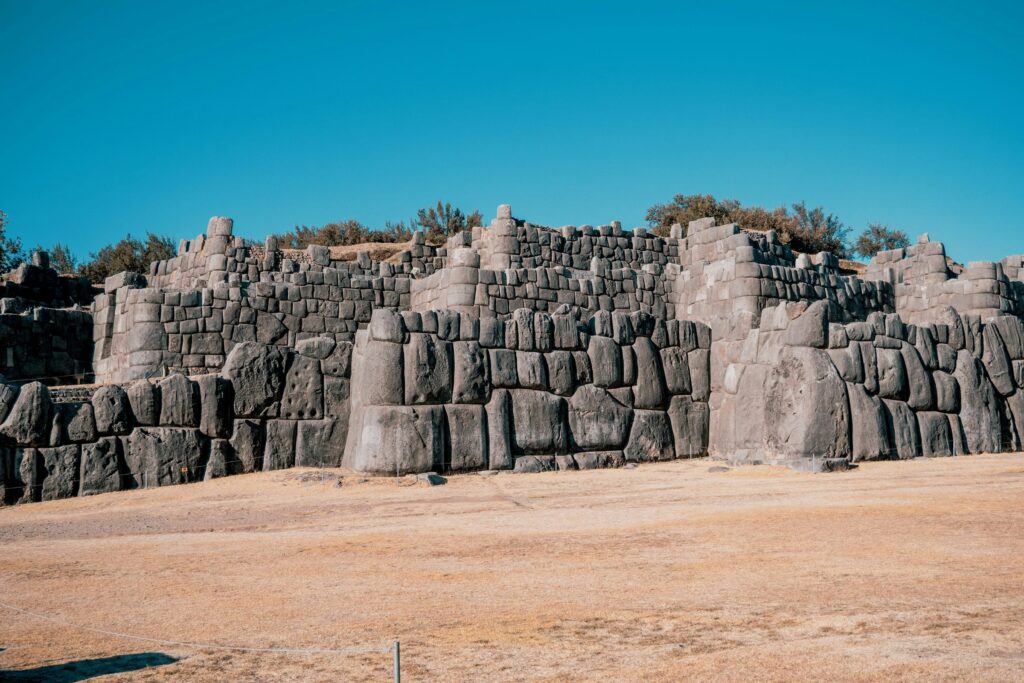
Long before brain scans and EEG caps, many ancient cultures treated consciousness as something that flowed through people rather than something locked inside them. In parts of Mesoamerica, Andean highlands, and the Mississippi Valley, archaeological evidence shows elaborate ritual sites aligned with solstices, star paths, and geomagnetic anomalies. These weren’t just pretty monuments; they were engineered environments where sound, light, and even altered breathing patterns could shift perception in predictable ways. In some temple corridors, low-frequency resonances seem tuned to induce body vibrations and a sense of presence beyond the self, like a carefully designed acoustic technology for changing consciousness.
Modern researchers studying these sites with instruments for measuring acoustics and electromagnetic fields are starting to see a pattern. It appears that some ancient builders were experimenting – empirically, over generations – with how architecture, landscape, and rhythm could modulate attention, emotion, and what we’d now call states of consciousness. Rather than treating awareness as a private, sealed-off experience, many Indigenous traditions framed it as a shared field, influenced by mountains, rivers, celestial cycles, and community rituals. When you place those ancient intuitions next to today’s data on brain‑environment coupling, you get an uncanny feeling that we are rediscovering, in lab reports, something earlier civilizations expressed in stone and ceremony.
Networks, Not Islands: How Your Mind Spills Beyond Your Skull
Modern neuroscience has made one thing very clear: your brain is not a lone operator. It is constantly synchronizing with bodies, tools, and even other brains in ways that blur where “you” end and the world begins. Experiments using hyperscanning – simultaneous brain recordings from multiple people – show that when individuals cooperate, sing together, or share focused attention, their brain waves can slip into surprisingly tight alignment. This neural synchrony isn’t just a curiosity; it predicts how well groups perform tasks, how connected they feel, and even how effectively they communicate without words. In social situations, your brain is literally weaving itself into others, moment by moment.
Then there’s the extended mind idea: the notion that phones, notebooks, maps, and shared digital platforms are not just tools you use, but active parts of your thinking system. When archaeologists look at intricate quipu knot records in the Andes or complex calendrical systems in ancient Mesoamerica, they see early external memory networks – physical extensions of cognition distributed across communities and landscapes. Today, cloud storage, search engines, and AI systems continue that trajectory, embedding slices of our decision-making and memory into global infrastructures. In that light, talking about consciousness as a small private unit feels a bit like insisting that the internet is contained in your laptop alone.
Weird Physics at the Edges: Is the Universe Itself “Mind‑Like”?
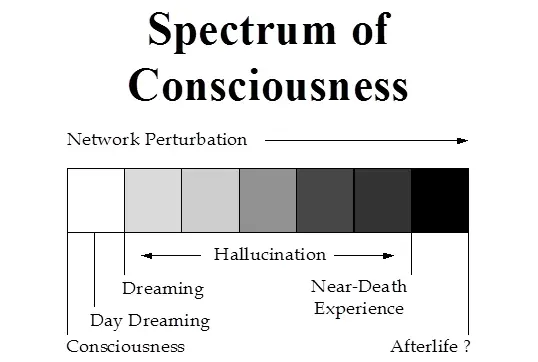
As if biology were not strange enough, some physicists and philosophers have been nudging the conversation into even more unsettling terrain. Certain interpretations of quantum mechanics, information theory, and cosmology have inspired the controversial idea that consciousness might be a fundamental property of the universe, not an accidental side effect of complex brains. This view, often linked to versions of panpsychism, suggests that consciousness is woven into the fabric of reality in incredibly simple forms – then becomes richer and more structured in systems like nervous networks, ecosystems, or maybe even planetary-scale information webs. While many scientists remain deeply skeptical, the fact that such discussions have migrated from fringe speculation into serious academic journals hints at shifting intellectual ground.
Importantly, this doesn’t mean rocks have opinions or that your coffee mug is planning anything. It means that the boundary between “matter” and “mind” might be less absolute than twentieth‑century textbooks made it seem. Some researchers working on theories of integrated information argue that when a system reaches a certain level of complexity and interconnection, it has an inner aspect that could be called experience. Others counter that we still lack a clear way to test these claims or distinguish them from elegant metaphors. But even the debate is a sign that science is starting to admit it doesn’t fully know where consciousness begins – or whether it belongs solely to brains like ours.
Why It Matters: Rethinking the Self, Ethics, and Responsibility
If consciousness is less a personal possession and more a shared or distributed process, the ethical fallout is enormous. Our legal systems, medical decisions, and social policies are built on the assumption that there is a clear, isolated “self” that owns experiences, makes choices, and carries blame. Yet, if minds are deeply shaped by networks – social, technological, ecological – then responsibility starts to look more like a web than a single thread. That doesn’t remove accountability, but it complicates easy stories about lone individuals acting in a vacuum. It also raises uncomfortable questions about how much of what you call “you” is actually co‑created by others and by systems you never chose.
This shift has practical consequences in areas like mental health, criminal justice, and climate responsibility. For instance, recognizing that consciousness and behavior are tightly coupled to environmental stress, social isolation, and digital overload pushes interventions away from purely individual treatments and toward systemic change. In a world where nearly everyone is plugged into global information streams, your thoughts and feelings are influenced by forces far beyond your immediate surroundings. Seeing consciousness as partly shared can also deepen empathy: harming others, fragmenting communities, or degrading ecosystems may mean damaging the larger mental field we all participate in. The idea that “your” mind might be a temporary pattern in a much bigger flow makes it harder to shrug off what happens to anyone else.
Ancient American Echoes: Landscapes That Think With Us
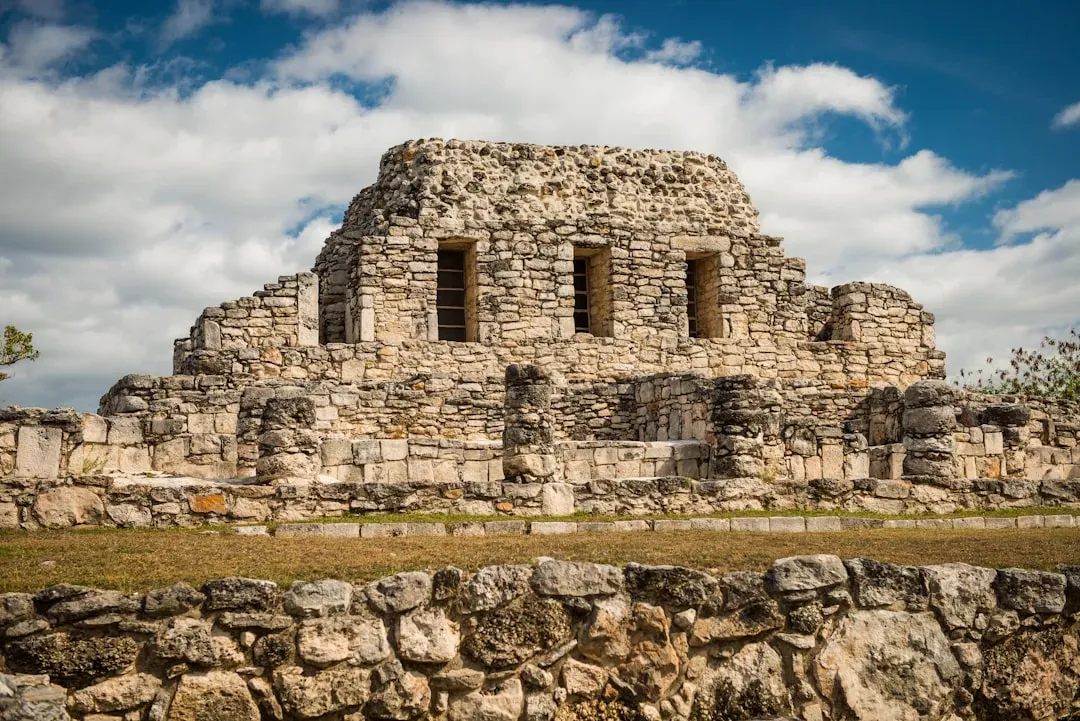
Across the Americas, from the Chaco Canyon complex in the Southwest to the Nazca lines of Peru and the vast earthworks in the Ohio River Valley, archaeologists are reevaluating how ancient peoples engineered their worlds. These were not random arrangements of stone and soil; many align with celestial cycles, sound reflections, and even sightlines that create shared experiences for large groups of people. When hundreds gathered in plazas that amplified voices or in kivas that focused attention on shafts of light, they were stepping into carefully tuned consciousness technologies. These spaces didn’t just host rituals – they structured how participants perceived time, identity, and their connection to the cosmos.
Recent work using drones, LiDAR mapping, and computer simulations is revealing entire ritual landscapes that functioned like vast cognitive devices, linking memory, myth, and social order across generations. Pilgrimage routes stitched together mountains, springs, and temples into narrative journeys that reshaped how people felt and thought about their place in the world. In a sense, these cultures treated consciousness as something negotiated between bodies and places, not merely produced inside skulls. When modern scientists talk about “distributed cognition,” they are, knowingly or not, echoing patterns that ancient American societies built into their cities and sacred sites.
The Future Landscape: AI, Brain Tech, and Shared Minds
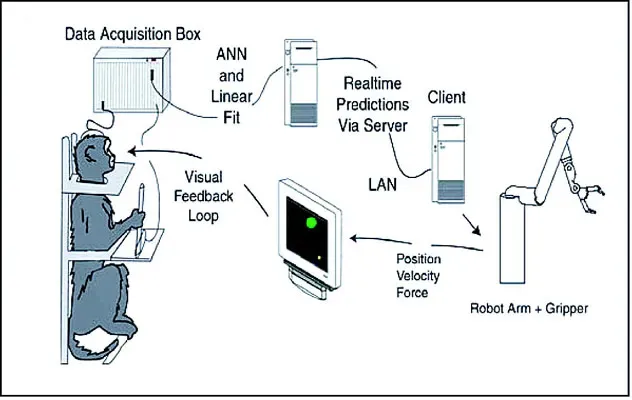
Fast‑forward to the twenty‑first century, and our own civilization is now building its own consciousness‑shaping technologies at breakneck speed. Brain‑computer interfaces are moving from invasive lab setups into early consumer devices that can detect basic emotional states or levels of attention. Large language models, recommendation systems, and immersive virtual worlds are already steering what billions of people see, think about, and feel each day. In that sense, our digital platforms function as global-scale mind shapers, even though we rarely talk about them that way. The line between tool and co‑thinker is getting blurrier every year.
Looking ahead, it is not hard to imagine networks in which human brains, AI systems, and sensor-rich environments form tightly coupled feedback loops. In such a world, saying “my” consciousness might feel as outdated as calling a continent “my backyard.” The big open questions are less about whether this integration will happen and more about who will control it and to what ends. Will these systems deepen shared understanding and collective intelligence, or will they narrow attention, harden echo chambers, and commodify every flicker of awareness? If consciousness is a resource we co‑create, then the politics of that shared space may become one of the defining struggles of this century.
How You Can Engage: Small Shifts in a Larger Field

All of this can sound abstract until you remember that every moment of attention is a tiny act of world‑building. The media you consume, the environments you inhabit, the conversations you choose to have – they all help shape the shared mental field you move through. One simple way to engage is to treat your information diet like you would your food: diversify it, avoid the most addictive junk, and pay attention to how it makes you feel over time. Supporting public science initiatives, museums, and archaeological projects – especially those that collaborate with Indigenous communities – helps keep alive the deep human experiments with consciousness that came before us. Even small donations or sharing well‑researched work can tilt the balance toward a richer, more honest conversation about minds.
You can also experiment, quietly, with how your own awareness changes in different settings. Notice how your sense of self shifts on a crowded subway, under a night sky full of stars, or inside a cathedral-like canyon in the American Southwest. Recognizing that consciousness is responsive and relational makes it harder to see it as a private possession that belongs only to “you.” Instead, it starts to feel more like a living current that passes through, shaped by culture, history, and the technologies we build together. In that light, the real question may not be whether consciousness belongs to you, but what kind of shared mind you want to help create.
Suhail Ahmed is a passionate digital professional and nature enthusiast with over 8 years of experience in content strategy, SEO, web development, and digital operations. Alongside his freelance journey, Suhail actively contributes to nature and wildlife platforms like Discover Wildlife, where he channels his curiosity for the planet into engaging, educational storytelling.
With a strong background in managing digital ecosystems — from ecommerce stores and WordPress websites to social media and automation — Suhail merges technical precision with creative insight. His content reflects a rare balance: SEO-friendly yet deeply human, data-informed yet emotionally resonant.
Driven by a love for discovery and storytelling, Suhail believes in using digital platforms to amplify causes that matter — especially those protecting Earth’s biodiversity and inspiring sustainable living. Whether he’s managing online projects or crafting wildlife content, his goal remains the same: to inform, inspire, and leave a positive digital footprint.