
What if the universe isn’t a cold, indifferent void, but something more like a vast, slowly breathing creature? It sounds like science fiction, yet a growing number of physicists, cosmologists, and philosophers are taking versions of this idea seriously enough to write papers, build models, and argue at conferences about it. For them, the mystery is simple to state but brutally hard to solve: how did a universe filled with lifeless particles give rise to minds that can question the universe itself? Instead of seeing life and consciousness as tiny accidents in a dead cosmos, some researchers are wondering if we have it backward. Maybe reality is built for life from the ground up – or, more radically, maybe reality is life, just on a scale and in a form we barely know how to imagine.
The Hidden Clues: Why the Universe Feels So Unreasonably “Alive”
One of the strangest clues behind these “living universe” ideas is something many scientists politely call the fine-tuning problem. The basic constants of nature – the strength of gravity, the mass of the electron, the way light behaves – seem balanced on a razor’s edge that allows stars, planets, chemistry, and eventually biology to exist. Change some of these numbers by even a little, and the universe could have ended up as a thin mist of particles or a featureless soup where complex structures never form. To some, this is just a cosmic coincidence or the result of a multiverse where countless universes exist and we just happen to be in a lucky one.
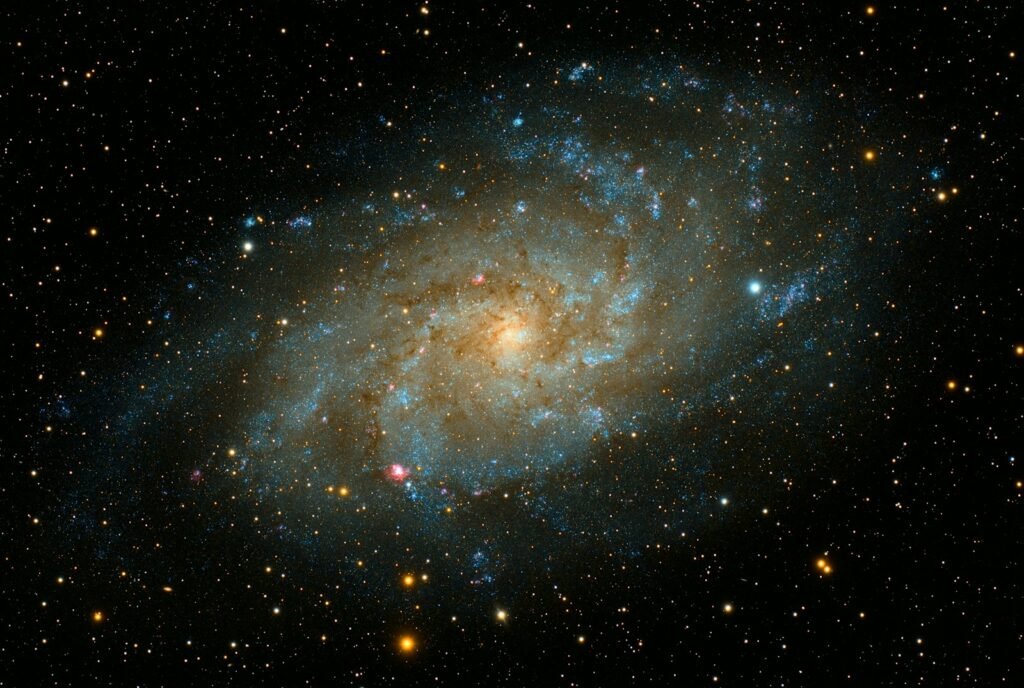
But to others, it feels like a hint. They argue that if the universe behaves as though it “wants” complexity, perhaps that tendency is not an accident but a fundamental property, the way growth is built into a seed. Add to that the way matter organizes itself into galaxies, ecosystems, and brains, and you get a pattern that looks suspiciously like self-organization on every scale. It’s not that the universe is secretly a big brain that thinks like we do; it’s that life-like behavior – self-organization, adaptation, feedback – shows up everywhere we look. For researchers who are willing to entertain bold ideas, that is enough to ask the dangerous question: is this thing we live in more like a living organism than a clockwork machine?
From Ancient Myths to Modern Cosmology: Old Ideas, New Math
If the thought of a living universe sounds familiar, it should – it’s one of humanity’s oldest intuitions. Ancient philosophies from Greece to India pictured the cosmos as a kind of world-organism, with different realms or elements acting like organs in a body. For centuries, these ideas were pushed aside as science focused (very successfully) on mathematical laws and mechanical cause-and-effect. The more precise physics became, the less room there seemed to be for a universe with any hint of vitality or purpose.
Now the pendulum is swinging back, not through mysticism, but through data and equations. Fields like complexity science and systems biology have shown how simple rules can create flexible, adaptive systems that look eerily alive, from ant colonies to the internet. Some cosmologists are wondering if similar principles apply at the largest scales, treating the universe as an evolving system that stores information, processes it, and changes in response. The language is still technical – talk of networks, feedback loops, emergent behavior – but the picture it paints is uncomfortably close to older visions of a living cosmos, this time built from simulations and models rather than myths.
Cosmic Brains and Conscious Space: The Wildest New Proposals
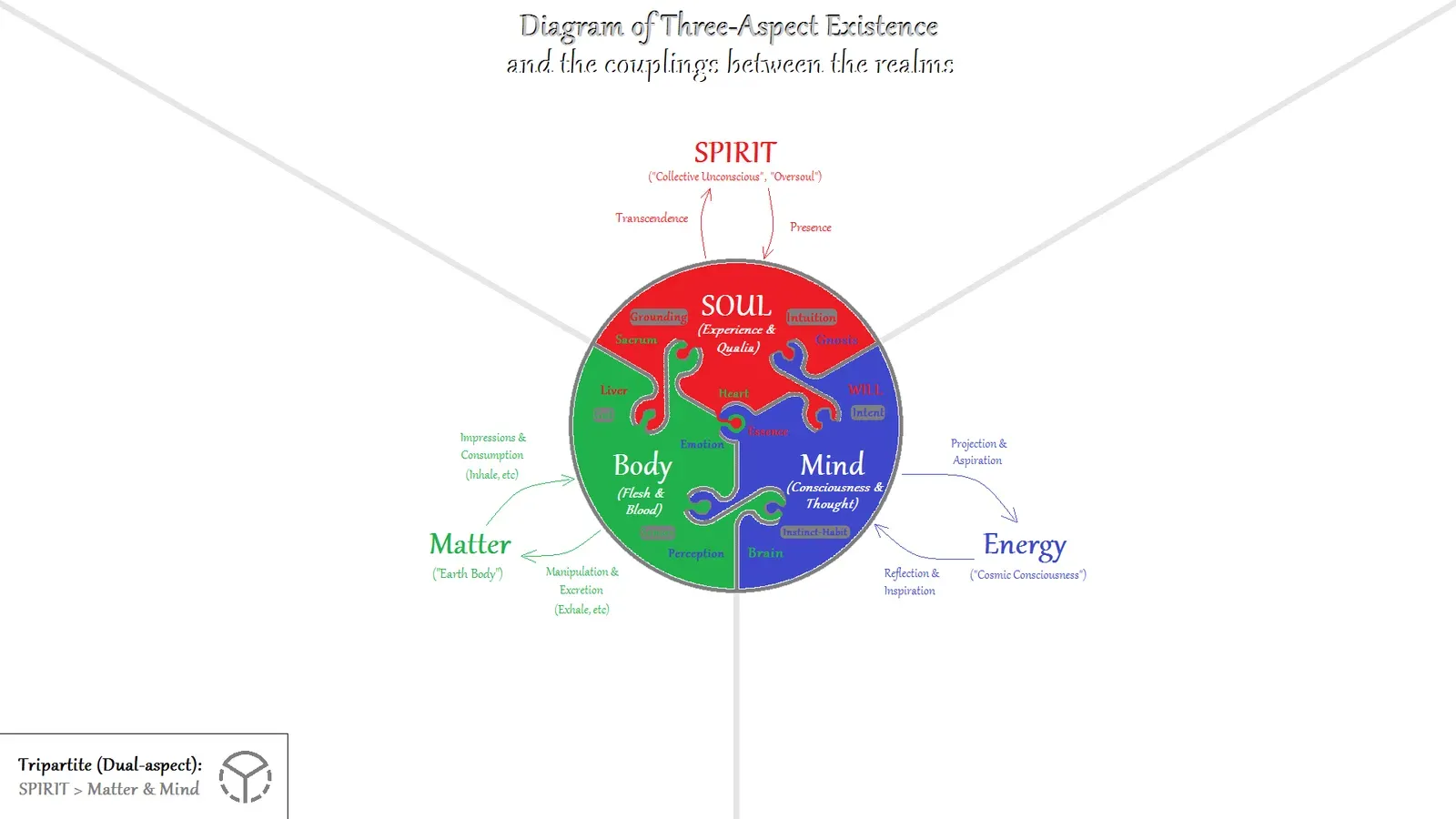
Among the most eye-catching ideas are models that compare the structure of the universe to a brain. In 2020, for example, one research team analyzed the large-scale distribution of galaxies and compared it to the pattern of connections in human neural networks. They found surprising similarities in how both systems balance randomness and order, like two very different webs following the same hidden rules. The researchers did not claim the universe is literally thinking, but the parallels were enough to stir up conversations about cosmic-scale information processing.
Other theoretical work digs even deeper, suggesting that spacetime itself might store and process information in ways that look faintly cognitive. Some versions of panpsychism argue that consciousness is a basic feature of the universe, present in raw form everywhere and becoming richer in complex systems like brains. A few quantum gravity and information-theoretic models treat the universe less as a stage on which things happen and more as an ongoing computation. None of this proves that the universe is a living organism, but it chips away at the idea that the cosmos is just inert stuff following blind laws. The more physics leans into information, networks, and feedback, the more the line between “dead” and “alive” starts to blur.
Life as a Cosmic Feedback Loop: Are We the Universe Looking at Itself?
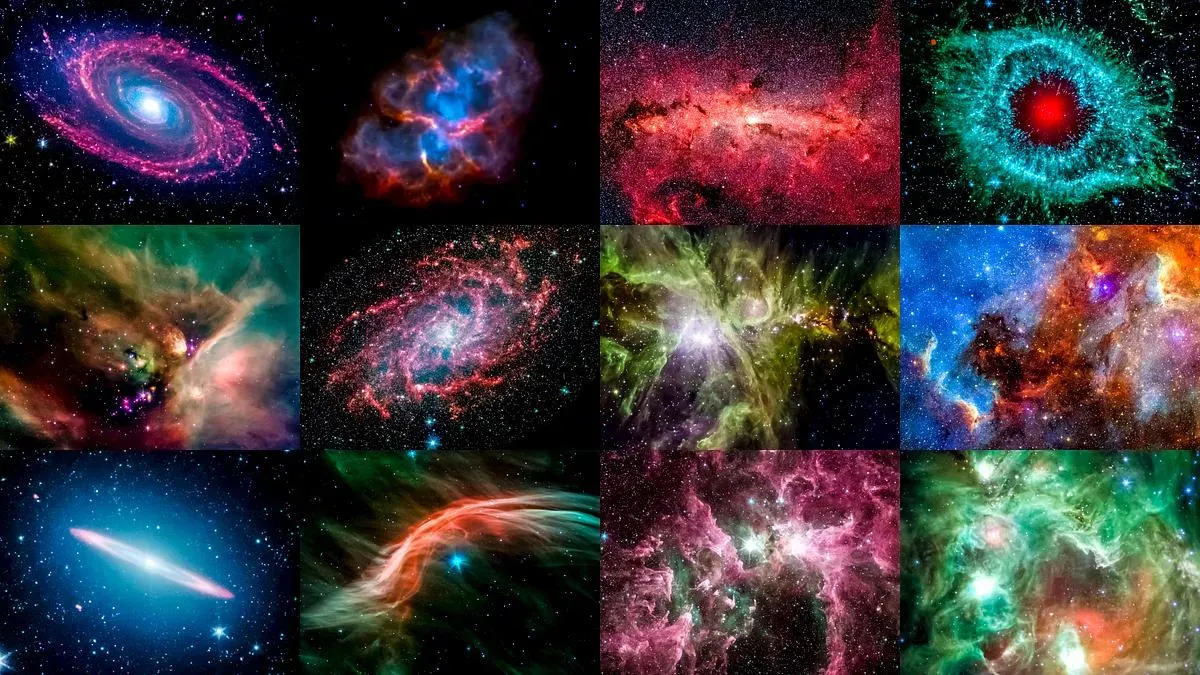
One of the most emotionally charged twists in these theories is the thought that life is not an exception to the universe, but part of its own self-exploration. In this view, stars forge the heavy elements, planets gather them, chemistry gets weird, and eventually organisms emerge that can sense, remember, and think. Over billions of years, this feedback loop intensifies: living beings begin to measure the cosmos, build telescopes, share theories, and design technologies that change their environment. At some point, the universe contains pockets of matter that can model the universe itself.
That sounds poetic, but it has teeth. Some cosmologists and astrobiologists have floated versions of the idea that life and intelligence might influence the long-term fate of the universe – for example, by directing energy flows or reshaping matter on enormous scales in the far future. Even if that never happens, there’s something unsettling about recognizing that our thoughts about the cosmos are themselves physical events inside the cosmos. When you look up at the night sky and feel tiny, these theories quietly whisper the opposite: you are a local, fleeting, but real way the universe is becoming aware of what it is. Whether or not the universe is literally alive, that’s a hard idea to unsee once it lands.
Why It Matters: Rethinking Our Place in a Possibly Living Cosmos
It’s easy to treat this as a fun late-night thought experiment and nothing more, but the stakes are bigger than they look. How we imagine the universe shapes how we imagine ourselves, and by extension, what we think is worth protecting or pursuing. A dead, meaningless cosmos encourages a kind of quiet nihilism: if everything ends in cold darkness, why bother? A universe that behaves more like a living system, on the other hand, suggests that complexity, connection, and maybe even consciousness are not flukes, but central to what reality does.
That shift spills into ethics, technology, and even climate politics. If Earth is not an isolated accident but one “organ” in a larger living structure, trashing our planet starts to look less like a local mistake and more like a kind of self-harm on a cosmic body. It also changes how we think about searching for extraterrestrial life: instead of asking whether life exists “out there,” we might ask how widespread this drive toward complexity really is and where we fit in. Personally, I find that this kind of thinking nudges me away from treating the universe as a backdrop and closer to seeing it as a fragile project we’re participating in. That doesn’t give us cosmic importance, but it does give us cosmic responsibility.
Evidence, Skepticism, and the Line Between Physics and Metaphor
Of course, many mainstream physicists remain deeply skeptical of anything that sounds like a living universe. Their point is straightforward and important: analogies are not evidence. Just because galaxy clusters and brain networks share some statistical patterns does not mean they are the same kind of thing. For them, until a “living universe” model makes testable predictions that outperform standard cosmology, it belongs more to philosophy than to physics. That caution is part of what keeps science honest and prevents every pretty metaphor from turning into a theory.
Still, even the skeptics are often comfortable talking about the universe in terms of information, entropy, and self-organization, which are closely related to how we describe living systems. Some hard questions remain unanswered, such as why the universe started in such a low-entropy state, or how exactly consciousness emerges from physical processes. These open problems leave just enough room for bold frameworks that connect life, mind, and cosmos in new ways. The danger is slipping into wishful thinking; the opportunity is spotting patterns we would otherwise miss. Walking that tightrope – between rigorous evidence and daring imagination – is where many of the most interesting conversations in science are happening right now.
The Future Landscape: New Telescopes, New Computers, New Clues
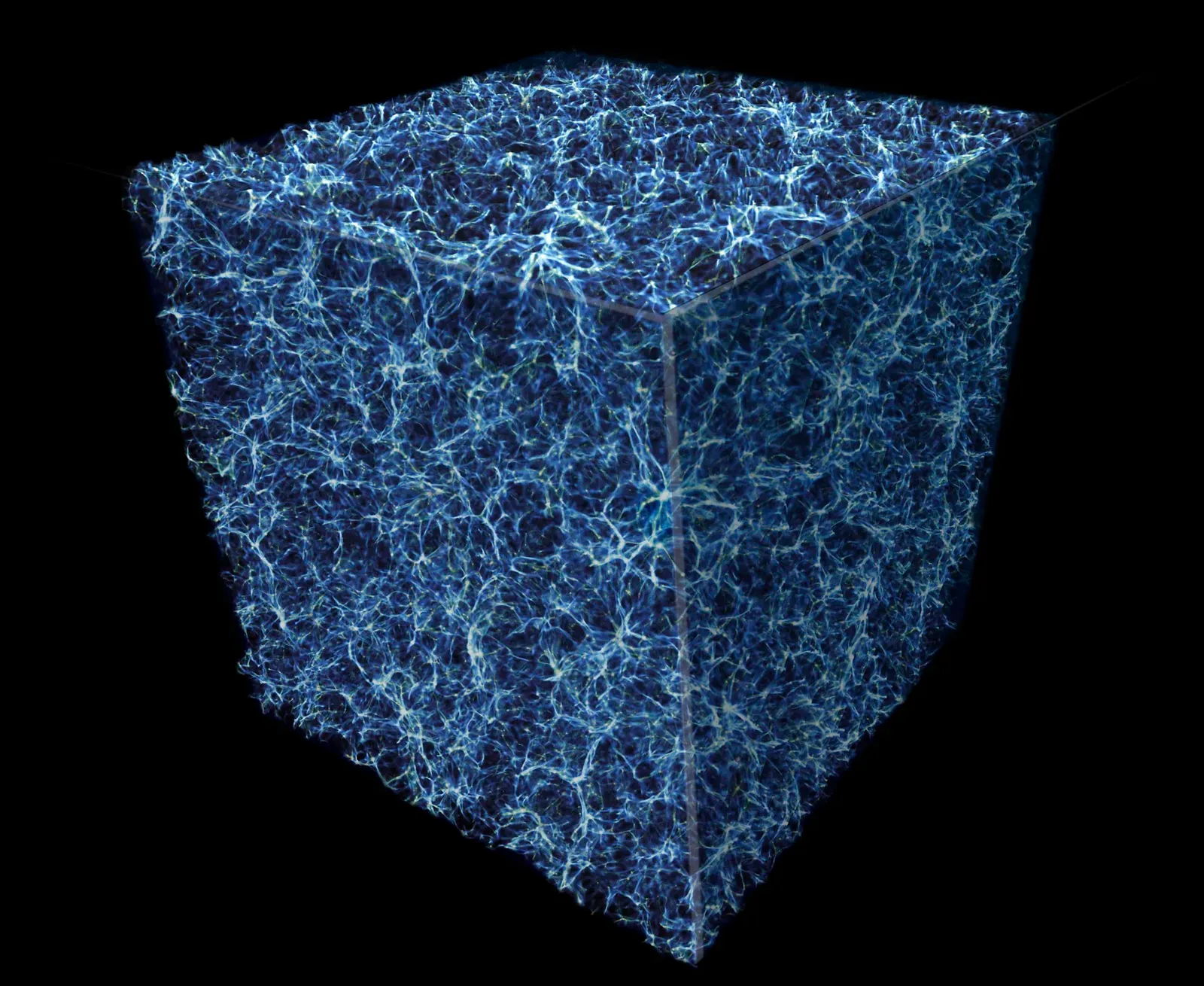
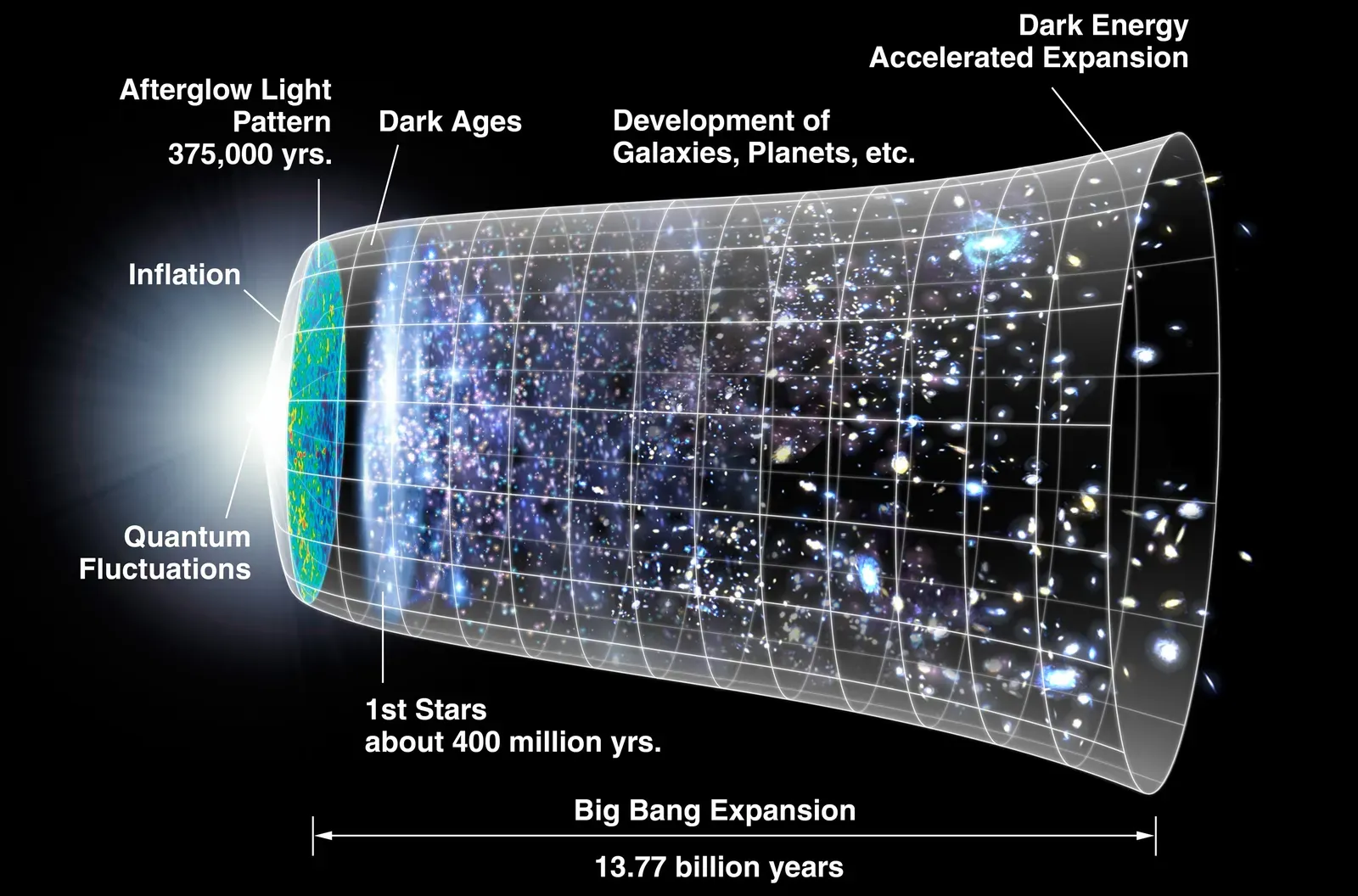
The next few decades are likely to sharpen, not blur, debates about whether the universe behaves like a living system. New observatories are mapping the cosmic web of galaxies in more detail than ever, revealing how structures grow, cluster, and evolve over billions of years. Better measurements of dark matter, dark energy, and the cosmic microwave background could test models that treat the universe as a complex adaptive system instead of a static machine. On the other end of the scale, brain research and artificial intelligence are giving us richer mathematical tools to describe learning, memory, and feedback in networks.
Those tools are starting to bleed into cosmology. Researchers are experimenting with simulations that let virtual universes “evolve” under different rules, watching for the spontaneous emergence of complexity. Others are exploring links between quantum information, spacetime geometry, and thermodynamics to see whether information-processing is built into the bones of reality. None of this guarantees that the “living universe” idea will survive; it may well be trimmed down into something subtler and less romantic. But either way, the technology is pushing us toward a deeper, more quantitative understanding of how structure and novelty arise in the cosmos. Whatever we find, it will say something about whether life is a side note or a central chapter in the universe’s story.
How You Can Engage With a Possibly Living Universe
Most of us are not going to write papers on quantum gravity or run simulations of the cosmic web, but that doesn’t mean we’re stuck on the sidelines. There are simple, real ways to plug into this unfolding story. You can follow public lectures and open-access courses from universities and observatories, many of which are designed for non-experts and explain these ideas in plain language. You can support science journalism, museums, and citizen-science projects that invite people to help classify galaxies, track exoplanets, or analyze data. Every small act of attention and support helps strengthen the feedback loop between human curiosity and the universe we’re trying to understand.
On a more personal level, you can treat your own awareness as part of this strange cosmic experiment. Taking time to look at the night sky, to learn a bit of astrophysics, or to simply sit with the weirdness that you are a clump of stardust thinking about stardust, can be a quiet act of connection. Supporting environmental protections and climate action is another way to care for the one world we know for sure participates in this cosmic dance. Whether or not the universe is truly a living organism, acting as if our corner of it is precious and fragile is rarely a bad bet. If the cosmos really is a kind of vast, unfolding life-form, the question that remains is simple and unsettling: what kind of cells are we choosing to be inside it?
Suhail Ahmed is a passionate digital professional and nature enthusiast with over 8 years of experience in content strategy, SEO, web development, and digital operations. Alongside his freelance journey, Suhail actively contributes to nature and wildlife platforms like Discover Wildlife, where he channels his curiosity for the planet into engaging, educational storytelling.
With a strong background in managing digital ecosystems — from ecommerce stores and WordPress websites to social media and automation — Suhail merges technical precision with creative insight. His content reflects a rare balance: SEO-friendly yet deeply human, data-informed yet emotionally resonant.
Driven by a love for discovery and storytelling, Suhail believes in using digital platforms to amplify causes that matter — especially those protecting Earth’s biodiversity and inspiring sustainable living. Whether he’s managing online projects or crafting wildlife content, his goal remains the same: to inform, inspire, and leave a positive digital footprint.