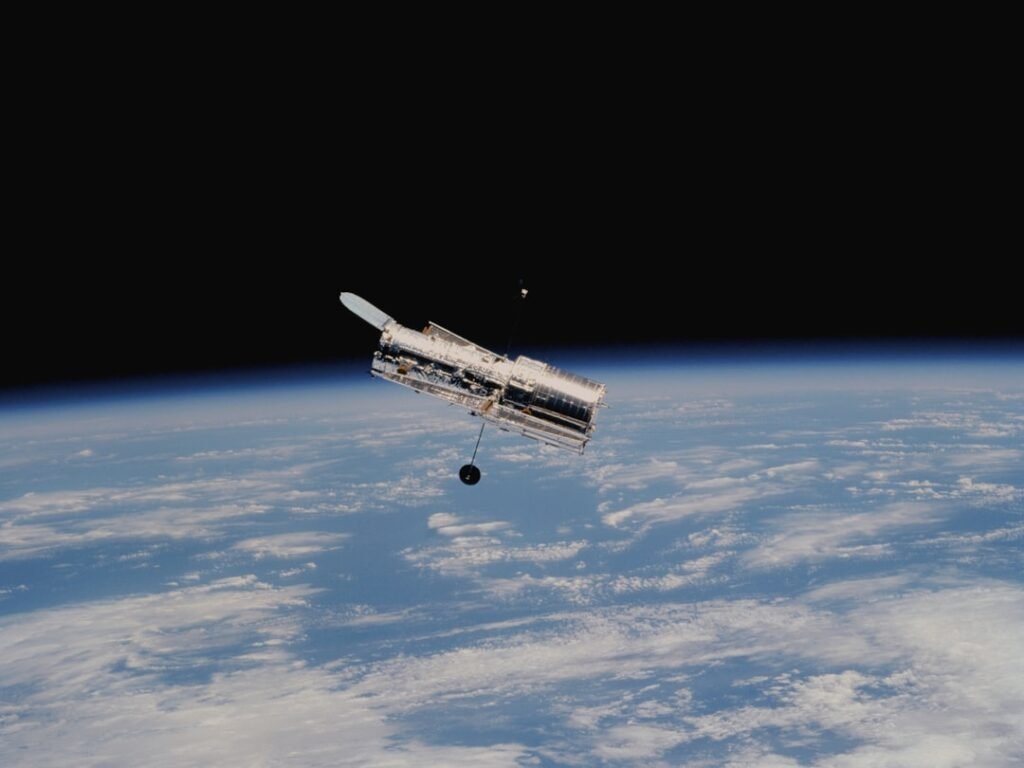


The Escalating Threat of Space Trash (Image Credits: Unsplash)
Google’s ambitious push to harness space for AI computing power collides with a harsh reality: low Earth orbit teems with hazardous debris that threatens any new satellite ventures.
The Escalating Threat of Space Trash
Low Earth orbit has transformed into a congested highway littered with remnants from decades of launches. Experts estimate millions of tiny fragments zip around at speeds exceeding 17,000 miles per hour, turning routine satellite operations into high-stakes maneuvers. This debris originates from defunct satellites, rocket stages, and even collisions that have splintered objects into thousands of pieces.
Recent analyses highlight how the situation worsens with each new mission. A single breakup event can generate hundreds of trackable objects, complicating paths for incoming satellites. Organizations like NASA and the European Space Agency track over 36,000 pieces larger than 10 centimeters, but smaller hazards remain invisible until too late. The density in popular altitudes, around 500 to 1,000 kilometers, amplifies risks for clustered constellations like the one Google envisions.
Unpacking Project Suncatcher
Google outlined Project Suncatcher as a novel solution to terrestrial data center limitations, proposing an 81-satellite array to capture uninterrupted solar energy in orbit. Each satellite would beam power to ground stations or process data directly, slashing reliance on Earth’s variable energy grids. The project targets low Earth orbit for its proximity to users, aiming to boost AI capabilities amid surging demand.
Engineers designed the constellation with tight formations, spacing nodes mere kilometers apart to synchronize operations efficiently. This setup promises gigawatt-scale computing without the carbon footprint of traditional facilities. However, the proposal emerged amid growing scrutiny of orbital sustainability, as companies race to deploy thousands of satellites for broadband and beyond.
Collision Avoidance in a Crowded Cosmos
Managing debris demands advanced propulsion and real-time tracking for any orbital project. Satellites must perform frequent adjustments to dodge known threats, a process that consumes precious fuel and shortens mission lifespans. Google’s cluster, with its close proximity, heightens vulnerability; a single impact could cascade into widespread disruptions across the network.
Specialists emphasize the need for international guidelines to curb debris generation. Current technologies like drag sails help deorbit defunct craft faster, but enforcement lags behind innovation. For Suncatcher, integrating AI-driven prediction models could prove essential, yet even these systems falter against untracked micro-debris.
- Trackable debris exceeds 36,000 objects in orbit.
- Speeds surpass 17,000 mph, making collisions devastating.
- Popular LEO bands host over 10,000 active satellites already.
- Breakups can spawn 100+ fragments per incident.
- Fuel for maneuvers limits satellite longevity by years.
Implications for Future Space Commerce
The debris dilemma extends beyond Google, challenging the viability of mega-constellations from rivals like SpaceX and Amazon. As AI and cloud services explode, orbital infrastructure offers tantalizing efficiency, but unchecked expansion risks the Kessler syndrome – a chain reaction rendering orbits unusable. Regulators push for “design for demise” standards, ensuring satellites burn up post-mission without leaving scraps.
Collaborations between tech giants and space agencies could accelerate cleanup efforts, from robotic debris removal to better launch protocols. Google’s initiative spotlights the tension between innovation and preservation in an increasingly shared domain. Success here might set precedents for sustainable space utilization, balancing profit with planetary stewardship.
Key Takeaways
- Space debris multiplies collision risks in low Earth orbit, demanding vigilant satellite management.
- Project Suncatcher leverages solar power for AI but requires robust avoidance tech to thrive.
- Broad industry shifts toward debris mitigation are crucial to prevent orbital gridlock.
Google’s orbital ambitions underscore a pivotal crossroads for space exploration: harnessing the final frontier’s potential while safeguarding it from our own waste. As debris clouds grow, the path forward hinges on collective action to keep orbits accessible. What steps should tech leaders take next to address this cosmic clutter? Share your thoughts in the comments.