Every year, the planet quietly rearranges itself as billions of animals take to the skies, seas, and land in a kind of living tide. Tiny songbirds weighing less than a sheet of paper cross entire oceans in a single push, while gray whales trace ancient sea roads from the tropics to icy polar waters. For a long time, this looked like pure magic or madness: why spend so much energy, and why risk death, just to move? Over the last few decades, scientists have started to unpick this mystery, revealing a complex blend of instinct, physics, memory, and even Earth’s magnetic field. The story that’s emerging is far stranger – and far more beautiful – than the simple idea that animals just “follow the seasons.”
The Hidden Clues Animals Follow Across the Planet
Imagine moving house every year without a GPS, map, or even road signs – and still arriving at the same front door, right on time. That is essentially what migrating animals do, using a layered toolkit of clues: the position of the sun and stars, the pull of Earth’s magnetic field, familiar smells, landmarks, temperatures, and even the sound of ocean waves. Some birds use the sun by day and the stars by night as a celestial compass, adjusting for the shifting position of the sky as the seasons change. Others appear to read subtle odors carried by wind or currents, building something like a smell-map of coastlines and rivers. What looks like effortless flight is, in reality, a highly tuned, multi-sensory navigation system that humans are only beginning to understand.
One of the most startling discoveries of the last two decades is that many species seem to sense magnetism directly, giving them a built-in compass that doesn’t switch off when clouds roll in. Experiments with robins, warblers, and even sea turtles show that they can detect changes in magnetic fields and adjust their routes accordingly. Some researchers suspect tiny particles of iron-containing crystals in their tissues, while others point to light-sensitive molecules in the eye that react to magnetism. Either way, these animals move through a world we cannot fully perceive, “seeing” patterns and pathways written into the planet itself. When they launch into the air or water, they are following invisible lines that have guided their ancestors for thousands of years.
Survival, Not Wanderlust: The Real Reasons They Go
It is tempting to think of migration as a kind of wild road trip, but there is nothing casual about it; it is a survival strategy sharpened by brutal trial and error. At its core, migration is a negotiation between two things animals cannot control: food and danger. Many species leave breeding grounds that become too cold or too dry to support them, trading harsh winters for richer feeding areas, or escaping predators that are more concentrated in one region. Arctic terns, for example, shuttle from the Arctic to the Antarctic and back, chasing a near-constant summer and the swarms of marine life that come with it. For them, extreme distance is the price of reliable food and safe nesting sites.
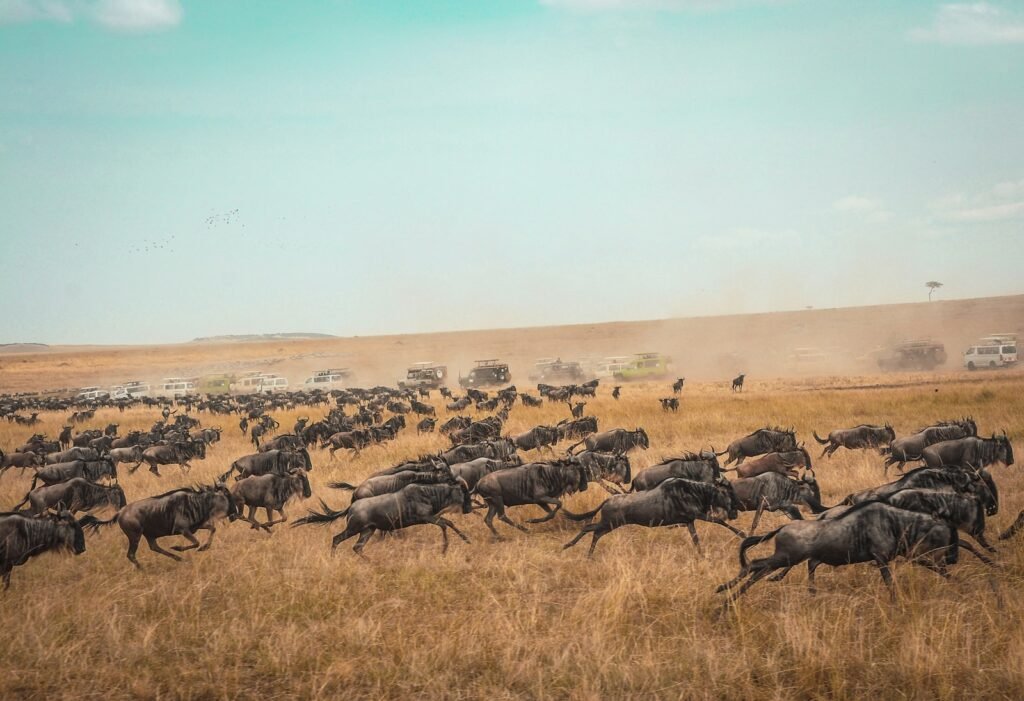
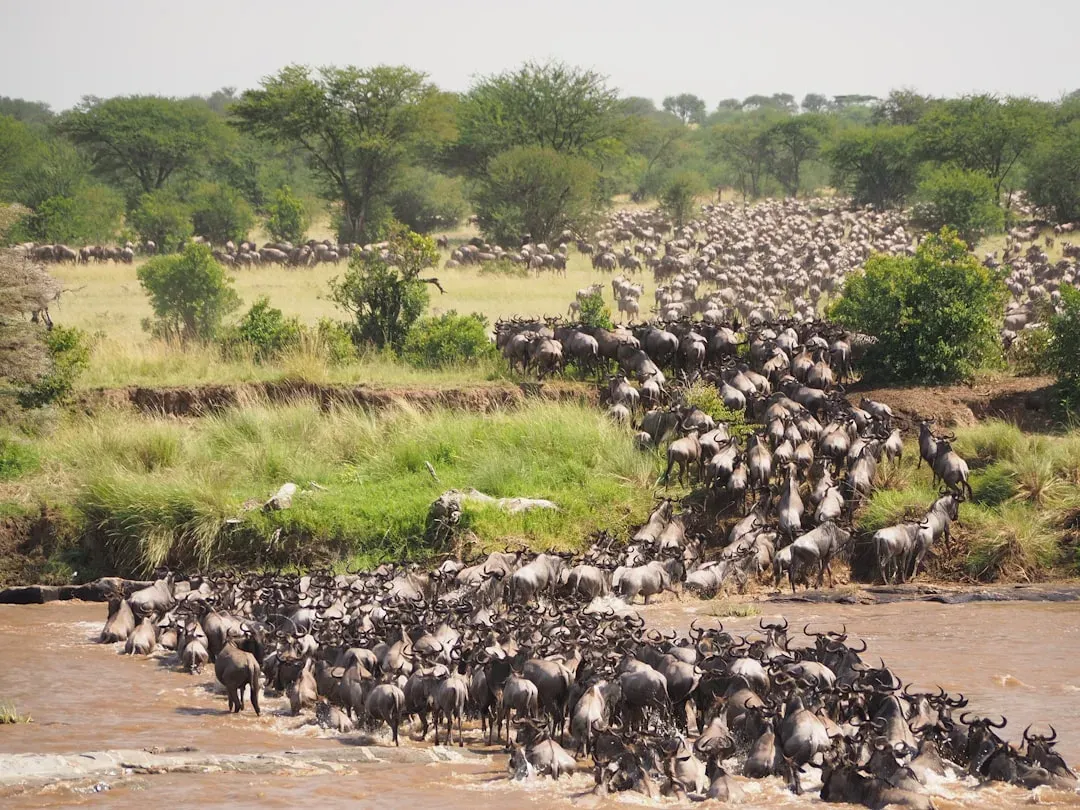
Over countless generations, individuals that gambled on long journeys to find better conditions were more likely to survive and breed, baking these routes into their genes and cultures. This means migration patterns are not random; they are carefully tuned solutions to specific problems like seasonal drought, freezing temperatures, or competition for resources. Some birds leapfrog over other populations to reach the very best territory, while wildebeest in East Africa follow shifting rain fronts to stay ahead of exhausted grass. What looks like chaos from above is actually a moving equation balancing energy burned against benefits gained. They do not travel far because they can – they travel far because staying put would be worse.
How Tiny Bodies Achieve Seemingly Impossible Journeys
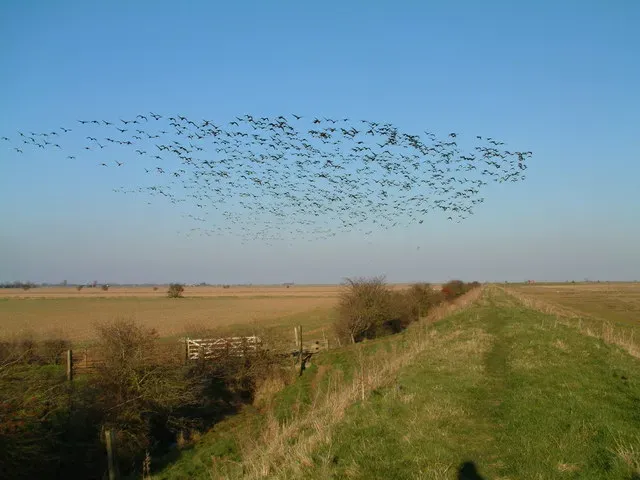
If you have ever watched a delicate warbler or a fragile-looking butterfly, it can be hard to believe that some of them cross entire continents or oceans nonstop. The secret is extreme preparation and ruthless efficiency. Before migration, many birds enter a kind of controlled binge, doubling their body weight in fat, which becomes a high-energy fuel tank for the journey. Their internal organs even shift in size and function; some digestive organs shrink slightly while flight muscles and the heart become more powerful. Monarch butterflies, though individually lightweight and short-lived, move northward in a relay over several generations, with great-grandchildren finishing a journey their ancestors began.
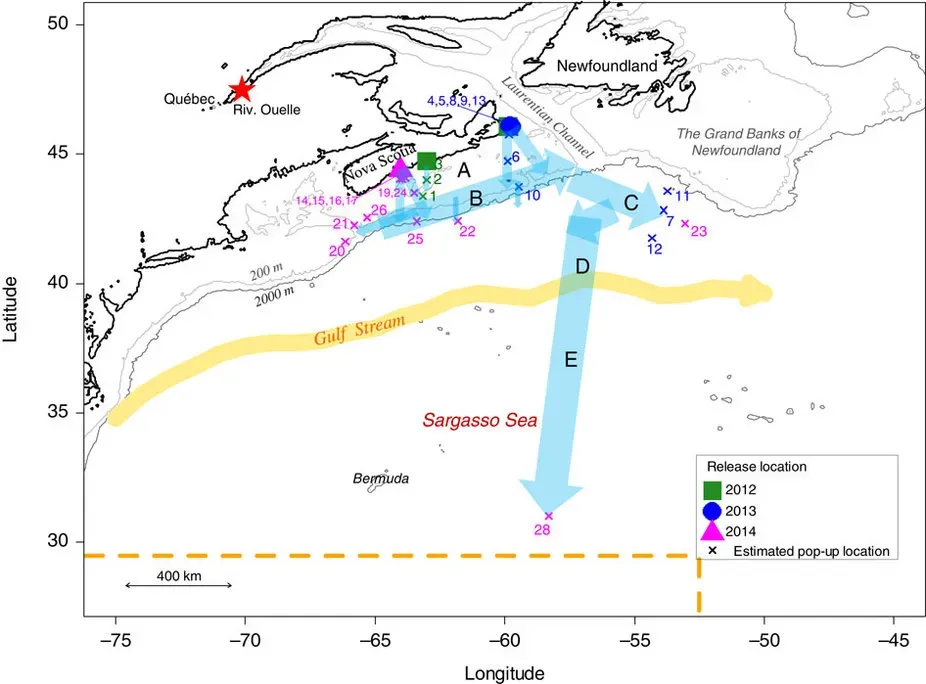
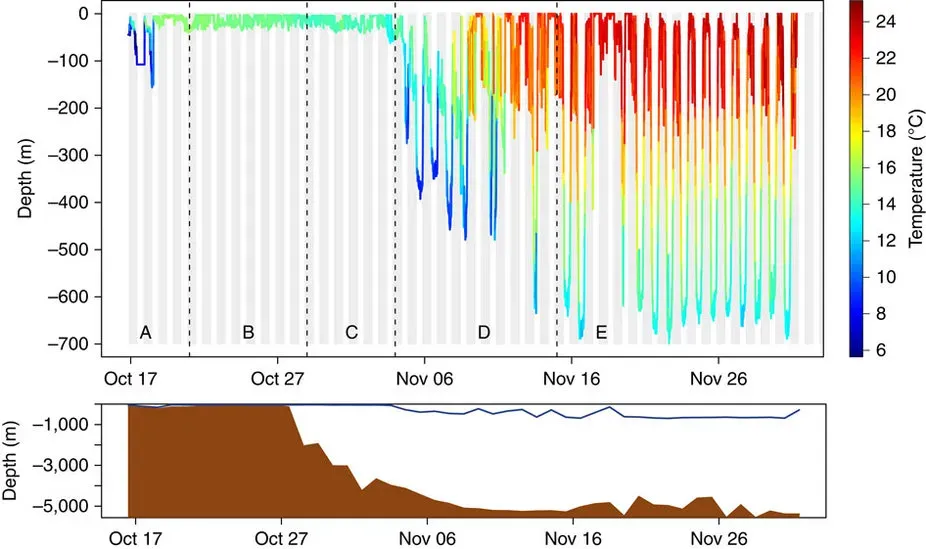
The numbers behind these feats are staggering when you translate them into human terms. Bar-tailed godwits have been tracked flying more than a week nonstop over open ocean, without resting or feeding, covering distances like a trip from Alaska to New Zealand in one go. In the ocean, leatherback sea turtles make deep, energy-saving dives and surf currents that act like conveyor belts, reducing the cost of travel. Even insects that seem hopeless in a strong breeze often ride high-altitude wind streams that push them in roughly the right direction. These strategies are not accidental; they are fine-tuned performance tricks that make extreme travel just barely possible, again and again.
When Instinct Meets Learning: The Culture of Migration
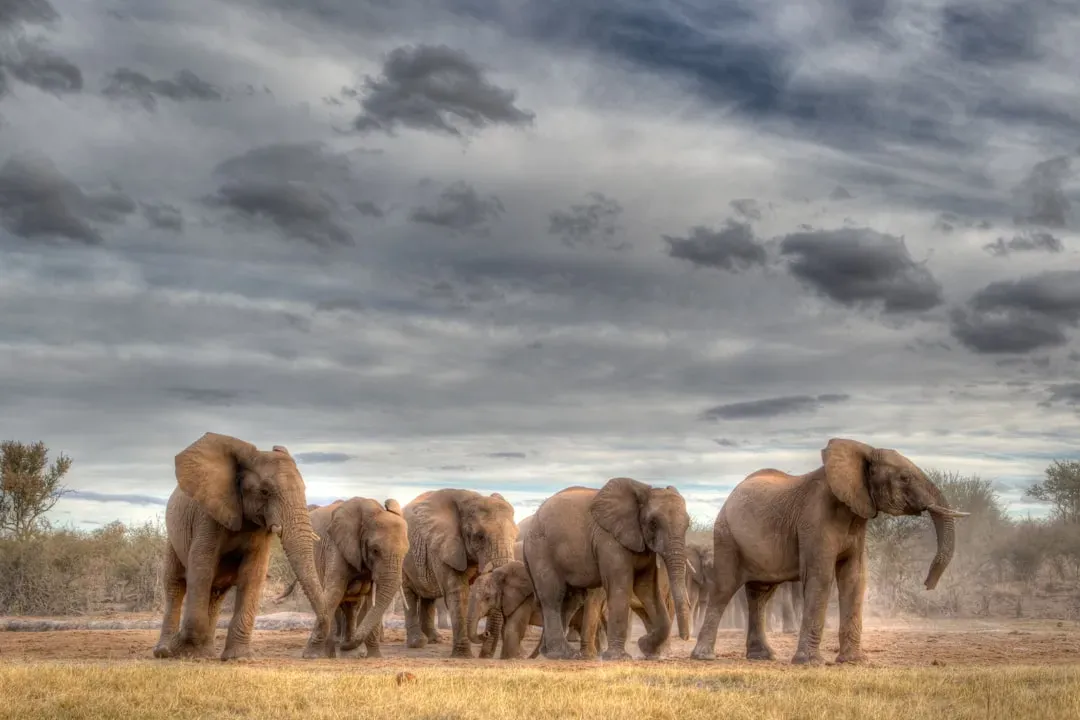
For a long time, migration was treated as pure instinct, written fully into DNA like a pre-programmed route. Today, researchers are finding a more nuanced story, one that looks surprisingly like culture. Some species, such as many songbirds, inherit a sort of internal compass and rough target area, enabling first-time migrants to travel without ever following a parent. Others, including cranes, whales, and some ungulates, depend heavily on elders to show them the way, learning specific stopover sites, shortcuts, and safe passages. If these leaders disappear, entire migratory traditions can fray or vanish within a few years.
This blending of instinct and learning makes migration more flexible than it first appears, but also more fragile. Animals can adjust routes to avoid new obstacles or take advantage of new food sources, yet they can also get stuck in outdated patterns when the environment changes too fast. A herd that once relied on a certain river crossing may find a dam in its path; birds that used to rest at a rich wetland might now face a drained field or a city. In this sense, migration behaves a bit like human culture: shared, adaptive, but vulnerable when the landscape and climate shift abruptly. The mystery is not just how animals know where to go, but how they decide whether to keep going the way they always have.
Why It Matters: Migration as the Beating Heart of Ecosystems
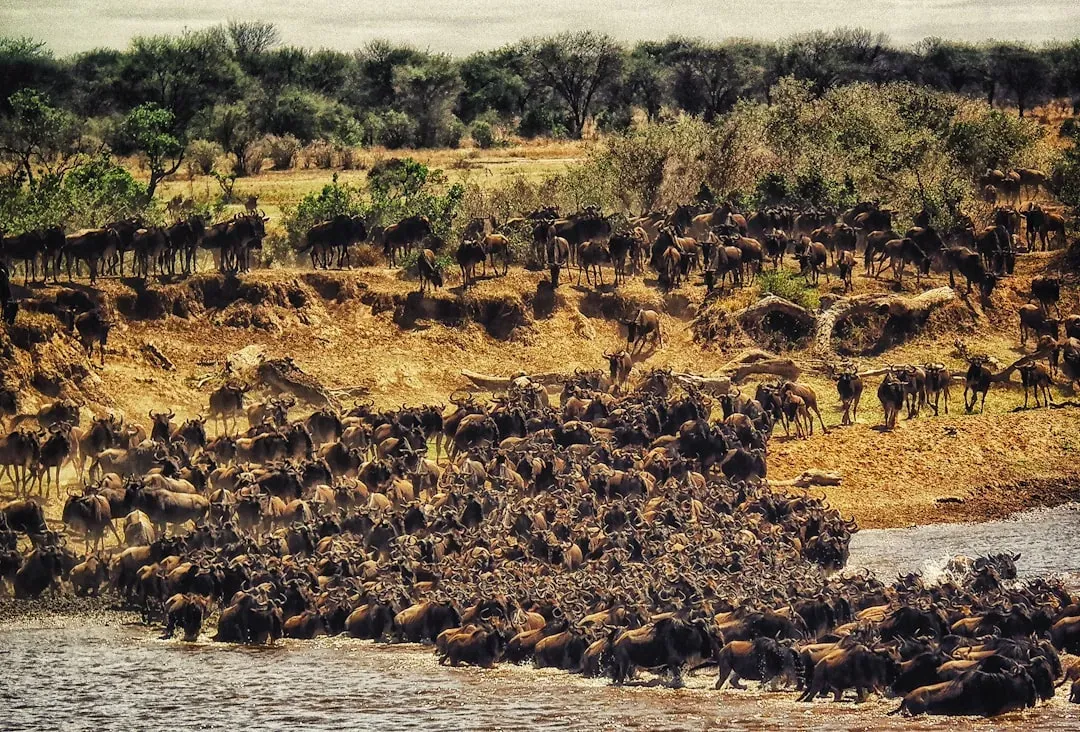
Migratory animals do much more than move; they connect distant ecosystems like living threads, carrying energy, nutrients, and even seeds across borders and oceans. When salmon swim upstream and die after spawning, their bodies feed forests, insects, bears, birds, and microbes far from the sea, turning migration into a nutrient pump. Shorebirds that fatten up on Arctic mudflats move that energy south into tropical estuaries, where predators and scavengers depend on their arrival. Even bats and birds that migrate over shorter distances help control insect populations and pollinate plants in multiple regions. If you cut these links, entire food webs begin to wobble in ways we are only beginning to track.
From a human perspective, migration touches our lives in subtle but real ways, even if we never see a wildebeest herd or a flock of cranes in person. Many agricultural systems rely on seasonal pollinators and pest-eating migrants that drift in and out like an invisible workforce. Coastal fisheries depend on the predictable arrival of migratory fish and marine mammals that shape where prey gather. There is also a cultural and emotional side: millions of people mark the seasons by the return of swallows, geese, or butterflies, weaving these patterns into art, tradition, and identity. Losing migrations is not just about losing animals; it is about losing the rhythm that ties local places into a global story.
Under Pressure: Climate Change, Lights, and Human Barriers
For all their resilience, migratory routes are now under intense pressure from a world that is shifting faster than many species can adapt. Climate change is altering the timing of seasons, causing flowers to bloom and insects to hatch earlier in some regions, while birds and other migrants may still arrive on their old schedule. That mismatch means they can miss peak food availability, like showing up to an empty table after a long journey. At the same time, melting ice, changing wind patterns, and warming oceans are reshaping the currents and cues that migrants have relied on for generations. In some cases, animals are shifting routes or timing; in others, their populations simply shrink.
Human-built barriers and lights add another layer of difficulty, like moving goalposts on an already brutal marathon. Skyscrapers and communication towers lure night-migrating birds off course, resulting in fatal collisions, while brightly lit cities confuse their celestial navigation. Wind farms and power lines pose additional risks when poorly placed along major flyways. On land, highways, fences, and expanding agriculture carve up traditional routes for ungulates like pronghorn and caribou, forcing them into tight corridors or blocking them outright. At sea, heavy shipping traffic, underwater noise, and fishing gear threaten whales, turtles, and seabirds that must cross busy marine highways to survive.
The Future Landscape: Tech, Tracking, and Tough Choices
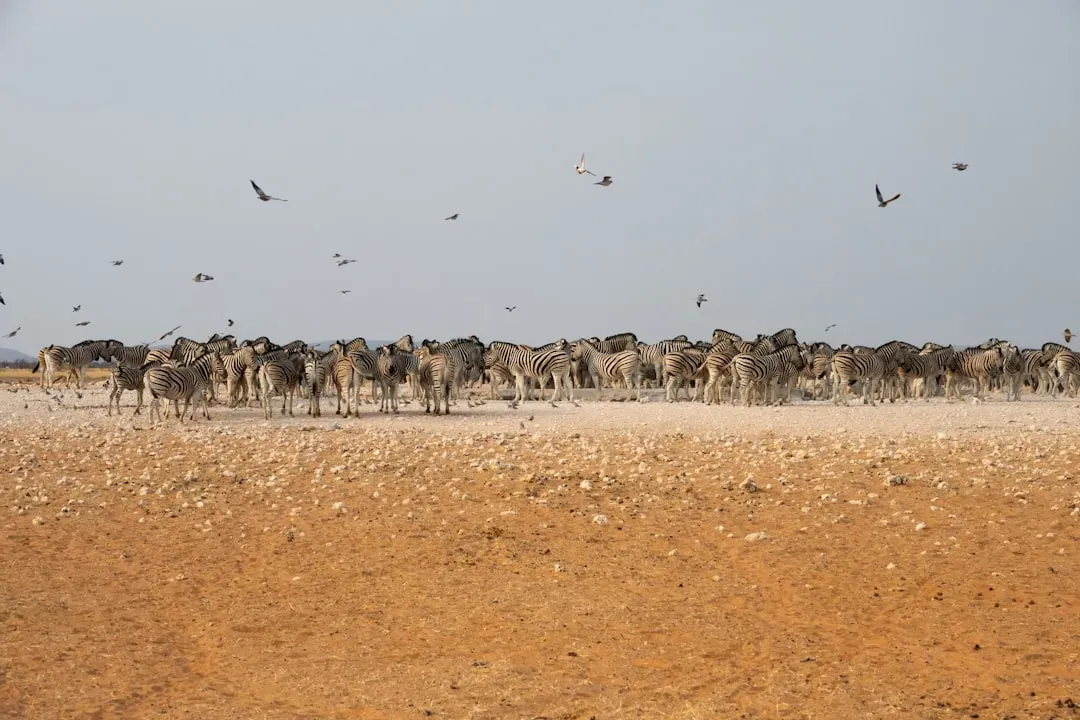
Despite these threats, this is also a golden age for actually understanding migration, thanks to an explosion of tracking technology. Tiny GPS tags, satellite transmitters, and even lightweight geolocators now ride on the backs of birds, turtles, sharks, and butterflies, revealing routes that were pure speculation a generation ago. Scientists can watch, almost in real time, as an individual animal dodges storms, pauses to feed, or diverts around new obstacles. This detailed movement data helps identify critical stopover sites and bottlenecks where conservation efforts can do the most good. It also lays bare just how dependent these journeys are on a chain of safe places stretching across many countries.
The next frontier is using this knowledge not just to describe migration, but to protect and even restore it. Conservation groups and governments are experimenting with ideas like wildlife overpasses, underpasses, and fence redesigns to reconnect land migrations. In the air and at sea, some countries are dimming city lights during peak migration nights, rerouting shipping lanes, or designating “blue corridors” for whales and other marine travelers. Yet there are tough choices ahead: balancing renewable energy development with bird and bat safety, or deciding which migratory routes can realistically be saved in a rapidly warming world. The answers will shape whether the great migrations of today become legends or living events in the decades to come.
How You Can Help Keep the World Moving
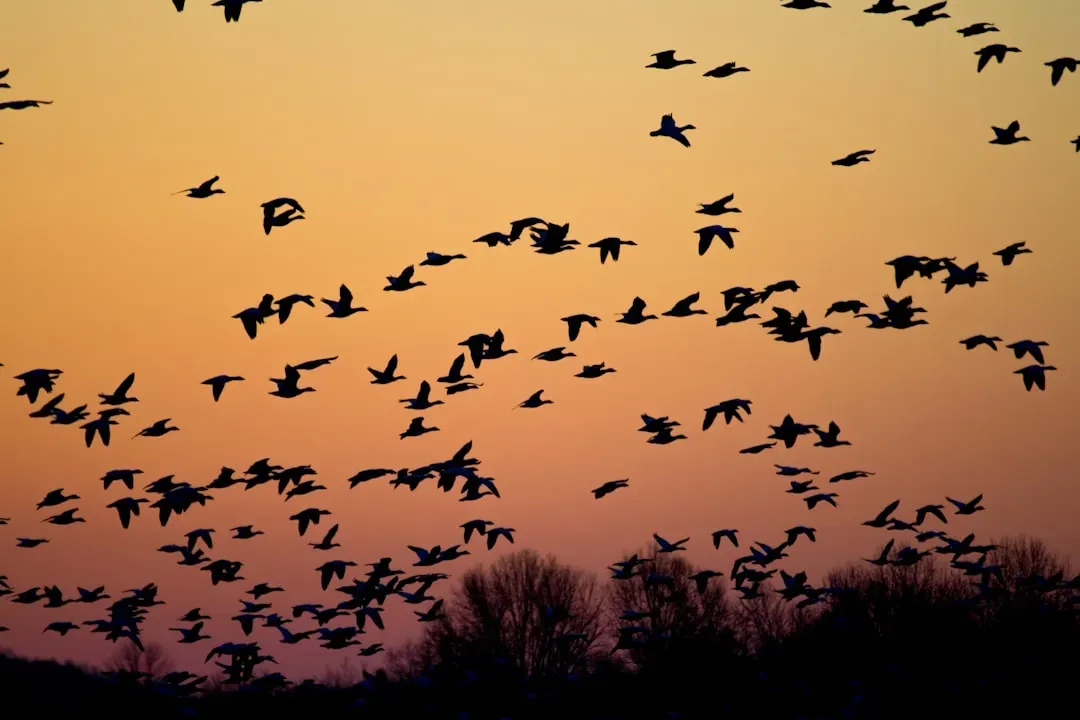
It is easy to think of migration as something distant, happening in far-off savannas or icy seas, but ordinary choices can quietly tip the scales. Simple steps like turning off unnecessary outdoor lights during spring and fall migration nights can make urban skies less deadly for birds. Supporting efforts to protect wetlands, prairies, and coastal habitats – through local land trusts, community projects, or policy advocacy – helps keep the critical rest stops on these journeys intact. Even choosing seafood certified as sustainable can reduce pressure on migratory fish and the ecosystems they support. When you add these up across neighborhoods and nations, they matter more than they might seem from a single backyard or balcony.
There is also power in paying attention, in treating migration not as background noise but as a seasonal event worth noticing and recording. Citizen science platforms let you log bird sightings, butterfly arrivals, or whale spouts, feeding data into research that tracks how routes and timing are shifting. Visiting refuges, joining local nature walks, or simply watching the sky at dawn during key weeks can turn anonymous flocks into familiar travelers. Once you start to see these movements as the pulse of the planet rather than random flurries of wings, the idea of losing them becomes much harder to accept. In the end, the mystery of why animals travel so far is tied to a more personal question: how far are we willing to go to make sure they still can?