

In the time it takes you to glance at a stranger on the subway or scroll past a face on social media, your brain has already formed an opinion. Safe or risky, kind or cold, competent or clueless – these snap judgments often feel automatic, and they usually happen long before you realize you’ve made them. For decades, psychologists wrote off these instant impressions as messy, unreliable quirks of human nature. Now, a wave of research is revealing something far more unsettling and fascinating: those lightning-fast judgments are deeply wired, sometimes surprisingly accurate, and often dangerously biased. Understanding why we judge so quickly is not just a curiosity – it’s becoming essential in a world where one photo, one post, or one brief encounter can shape reputations, careers, and even lives.
The Hidden Clues Our Brains Can’t Ignore

Stand in a crowded café for five minutes and watch how your attention snaps toward certain people: the person laughing loudly, the one in a sharp suit, the teenager hunched over their phone. Your brain is constantly scanning for tiny cues – posture, facial expression, clothing, tone of voice – and turning them into instant stories about who those people are. Studies using photographs and brief video clips show that people can form consistent impressions of traits like trustworthiness and dominance in just a fraction of a second, sometimes in less than the blink of an eye. Those impressions may not always be right, but they are surprisingly stable across observers, suggesting we share a rough mental template for reading others. It feels like a gut reaction, but underneath is an incredibly fast pattern-recognition system running on autopilot.
A key part of this story lives in the face. Research using computer-generated faces has shown that small changes in features – slightly wider eyes, a softer jawline, a hint of a smile – can dramatically shift how trustworthy or threatening we think a person is. Voice is another powerful channel: people reliably infer confidence, warmth, or status from just a few seconds of speech, even in a language they don’t understand. Clothing and context layer on top of that: a lab coat, a uniform, or an expensive suit can sway perceptions of competence and authority almost instantly. None of this means the judgments are fair; it just means our brains are reading what they think are signals, whether or not those signals truly map onto reality.
From Survival Instincts to Social Shortcuts
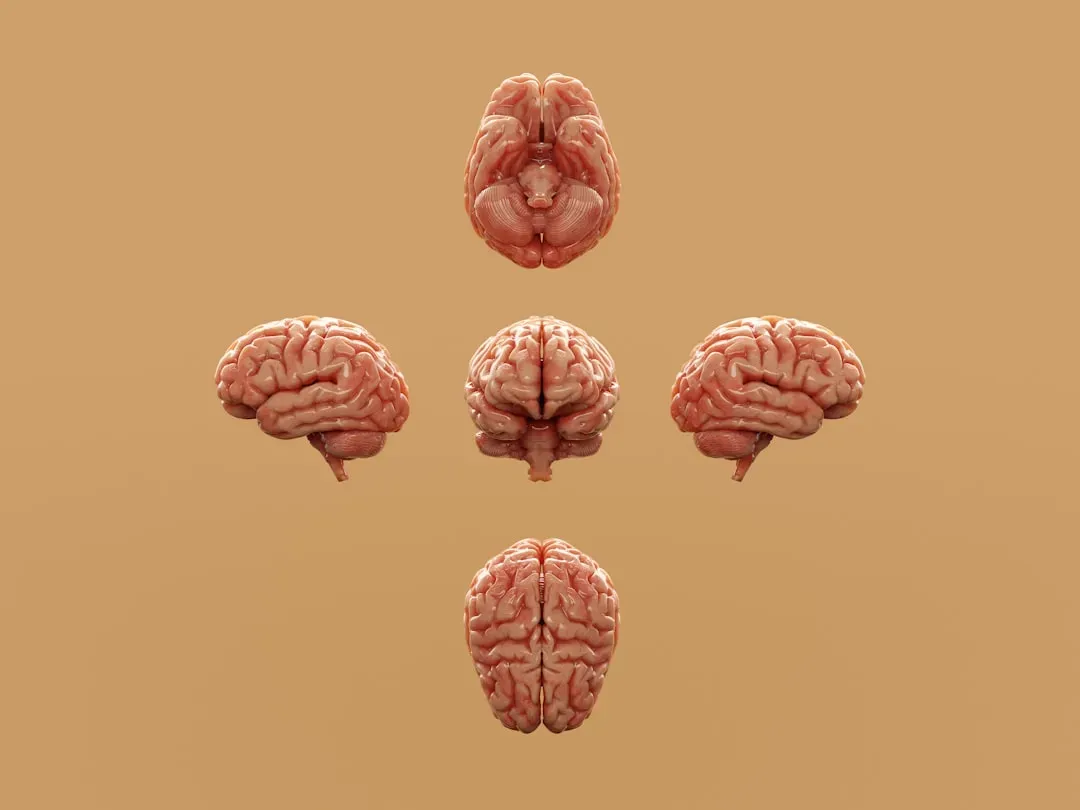
Snap judgments did not start in the age of selfies and social media; they have deep evolutionary roots. For early humans, hesitating too long to decide whether a stranger was dangerous, friendly, or part of a rival group could be the difference between life and death. Fast, rough decisions – approach or avoid, fight or flee – were adaptive when environments were uncertain and threats were immediate. Our brains still carry that old wiring, designed to trade accuracy for speed when necessary. In that context, judging quickly is less a flaw and more a built-in safety feature that has simply outlived the environment it evolved for.
Today, that once-useful shortcut collides with a much more complex social world. We’re asked to make rapid decisions about people in classrooms, offices, hospitals, and online platforms, none of which are as simple as assessing friend or foe on a savanna. Yet the same fast systems – what psychologists sometimes call intuitive or automatic processing – are still running in the background, offering quick answers even when slow, careful thinking would serve us better. The result is a mismatch: ancient neural tools applied to modern problems like hiring, grading, policing, and dating. Quick judgment becomes less about physical survival and more about social and professional gatekeeping, with consequences that can last for years.
How Fast Thinking Shapes First Impressions

When you meet someone for the first time, two mental systems spring into action. One is fast, intuitive, emotional: it pulls from memories, stereotypes, and past experiences to generate a rough impression. The other is slower, deliberate, and analytical: it can override or refine that first impulse, but only if you give it time and attention. In many real-world situations – short interviews, brief encounters, rapid-fire online interactions – the fast system dominates. By the time the slower system shows up, your first impression is already in place, and your brain starts doing something tricky: it looks for evidence that confirms what it already believes.
Psychologists see this in the lab when participants rate people after seeing just a brief glimpse of them. Later, when given more detailed information, participants tend to remember and believe details that fit their initial impressions, while downplaying or forgetting details that contradict them. That process, called confirmation bias, quietly cements quick judgments into lasting narratives. A colleague you initially read as “cold” may be interpreted as unfriendly in every interaction, even when they are just tired or focused. Meanwhile, someone you judged as competent from the start may get the benefit of the doubt long after they’ve started making mistakes.
The Brain’s Rapid-Fire Judgment Network
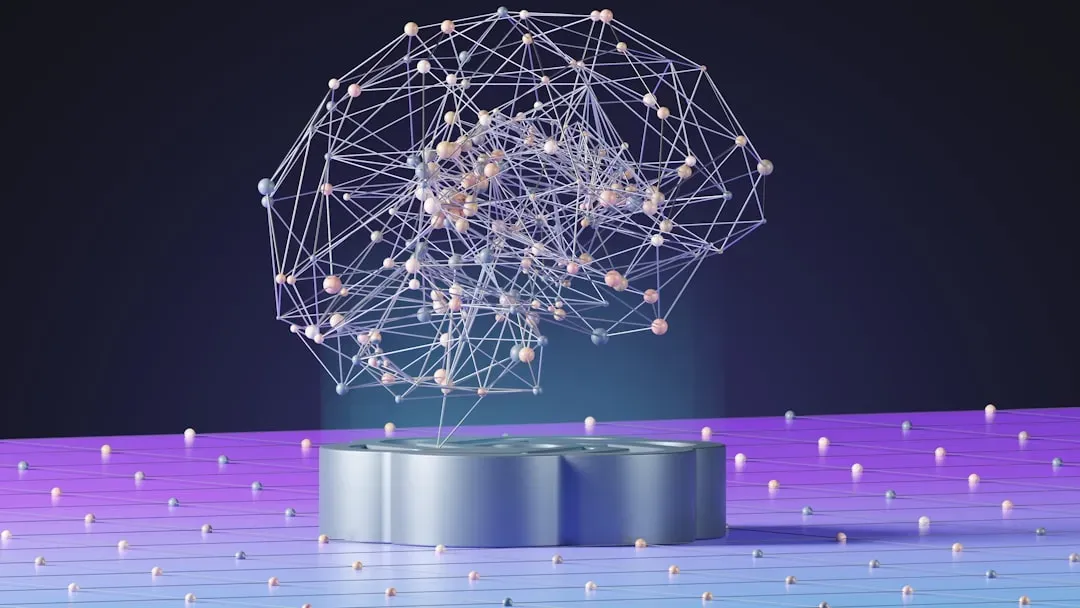
Inside the brain, quick judgment is not a single switch being flipped but a whole network lighting up in milliseconds. Brain-imaging studies show that regions like the amygdala, which helps detect emotional salience and potential threats, respond almost immediately to faces and body language. Other areas in the prefrontal cortex, involved in social reasoning and moral evaluation, join in soon after to refine or reinterpret those early signals. It’s a cascade: first, fast appraisal of “good or bad, safe or risky,” then slower layers of interpretation about intentions, character, and trustworthiness. Even when people insist they are not making judgments, their brain activity often tells a different story.
Some experiments use faces that differ only slightly, then track how participants’ brains respond while they make quick decisions – such as who they would trust with money or who looks more like a leader. The patterns are striking: the brain seems to flag certain visual features as markers of authority, warmth, or danger without any conscious awareness. Importantly, these responses are shaped by experience and culture, not just biology. People raised in different societies or exposed to different media may show distinct neural biases when reading the same faces. In that sense, judging others quickly is a blend of hardwired circuitry and learned social code, constantly updated but rarely fully under our control.
Bias, Stereotypes, and the Cost of Being Wrong

Here’s the uncomfortable part: our fastest judgments are often laced with bias. Research on implicit bias shows that people can hold automatic associations about race, gender, age, and body size that influence their split-second reactions, even when they consciously reject those stereotypes. These biases show up in experiments where participants must decide quickly who looks “dangerous,” “competent,” or “likable,” and the patterns are disturbingly consistent. Individuals from historically marginalized groups are more likely to be judged as less trustworthy or more threatening based solely on appearance. That is not just a lab curiosity; it echoes in schools, courtrooms, hospitals, and hiring panels.
The cost of those fast, biased judgments is not evenly distributed. A teacher’s early impression of a student can shape expectations, feedback, and opportunities, influencing performance over time in a subtle self-fulfilling loop. Job candidates from certain backgrounds may be screened out after a few seconds of reviewing a photo or hearing an accent. In policing, quick judgments about who looks suspicious can escalate into unequal treatment and, in tragic cases, violence. Although some research finds that quick impressions can be accurate for simple traits in low-stakes contexts, the error rate becomes ethically unacceptable when those impressions determine who gets a loan, who gets believed, or who gets the benefit of the doubt.
Why It Matters: From Everyday Encounters to Systems of Power

The science of quick judgment might seem like a niche curiosity, but it sits at the heart of how modern societies operate. Think about how many important decisions are made on compressed timelines: short job interviews, fast triage in emergency rooms, snap reactions on social media, hallway chats before promotions are decided. In each case, the invisible machinery of rapid judgment is at work, nudging outcomes in directions that may feel natural but are not always fair. Unlike earlier eras, where reputations formed slowly through repeated interactions, today a single photo, clip, or first meeting can cast a long shadow. That makes understanding our own snap judgments not just interesting, but urgent.
Compared with traditional models of rational decision-making – where people are assumed to carefully weigh evidence and weigh options – the reality of fast, biased impressions presents a sharp contrast. Classic theories in economics and policy relied on the idea of the fully rational chooser; social psychology’s findings show something far messier: we are fast, emotional, and often unaware of what’s driving us. That tension has transformed fields from behavioral economics to law and education, pushing institutions to rethink how they evaluate people. It also changes the story we tell about responsibility. If systems are built on top of flawed human impressions, then improving fairness requires more than asking individuals to “be objective”; it demands redesigned processes that do not lean so heavily on the human tendency to judge at a glance.
Global Perspectives on First Impressions
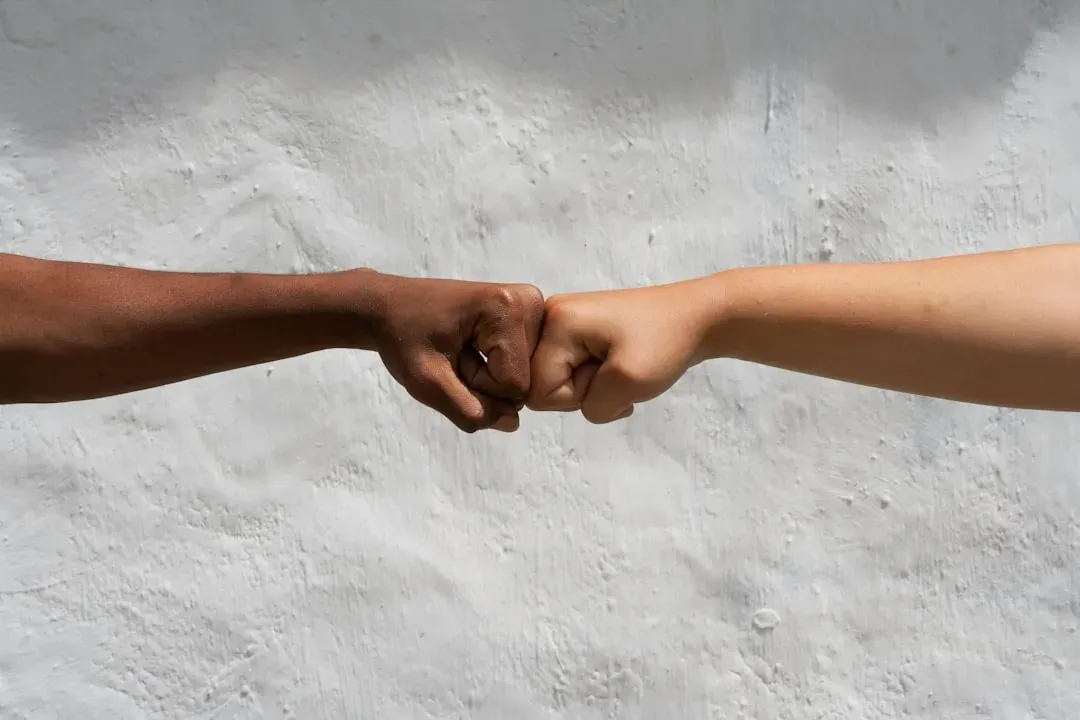
While the urge to judge quickly appears universal, what counts as a “good” or “bad” first impression varies dramatically across cultures. In some societies, a firm handshake and direct eye contact signal confidence and reliability; in others, the same behavior can come across as aggressive or disrespectful. Cross-cultural studies find that people around the world share some broad tendencies – such as reading smiles as friendly – but diverge in how they interpret subtler cues like gaze, personal space, or formality. A gesture that helps you in a job interview in one country might quietly hurt you in another, even though everyone involved feels they are just “reading the person.”
Globalization and digital communication complicate this picture even more. Many of us routinely make quick judgments about people we will never meet in person, spanning countries and cultures through video calls, emails, and social media. Algorithms sometimes reinforce these judgments by promoting content and profiles that trigger strong, fast reactions – outrage, attraction, distrust – because those reactions keep us engaged. Meanwhile, migrants, international students, and cross-border workers often discover that their instinctive ways of presenting themselves land differently in a new cultural environment. Understanding how first impressions work globally is becoming a practical skill, not just an academic interest, as our personal and professional lives cross more borders than ever before.
The Future Landscape: AI, Algorithms, and Quantified Judgments

As unsettling as human snap judgments can be, there is another layer emerging: machine-made judgments about humans, built on our own biased data. Facial recognition systems, hiring algorithms, and risk-assessment tools are increasingly trained on past human decisions and images, learning to replicate patterns we may not even admit we hold. That means fast, flawed human impressions can be baked into software that operates at massive scale and speed. Some systems attempt to infer personality, emotion, or even criminal risk from facial features or voice patterns – a move many scientists criticize as scientifically weak and ethically dangerous. The result is a feedback loop where judgments, once private and fleeting, become codified and automated.
At the same time, there’s a cautious hope that technology could also help expose and counteract our snap-judgment biases. Tools that anonymize résumés, blur faces in auditions, or randomize the order in which candidates are evaluated can reduce the influence of first impressions in some settings. Future research may use wearable devices or real-time feedback to alert us when we are reacting more to appearance than to actual information. International guidelines and regulations are starting to grapple with how far AI-driven judgment should be allowed to go, especially in areas like policing, border control, and hiring. The big question is whether we will use technology to slow down and correct our instincts – or simply give our fastest, most biased reactions more power than ever.
What You Can Do: Slowing Down the Snap

Changing human nature is impossible, but changing how we respond to it is not. The first step is simply noticing how quickly impressions form: the instant opinion about a coworker’s new partner, the snap feeling about a candidate’s photo, the gut response to a stranger on the street. Instead of treating those reactions as truth, you can treat them as hypotheses – quick guesses your brain generates that may or may not be useful. Something as simple as pausing before you act, asking yourself what actual evidence you have, can open the door for slower, more deliberate thinking. In my own reporting, I’ve had to learn to separate my early read of a scientist or source from the story the data ultimately tells.
There are also concrete habits that help dilute the power of snap judgments in daily life:
- Seek out multiple interactions with people before forming a firm opinion, especially in work or teaching settings.
- Support systems that reduce the role of appearance in key decisions, such as blind auditions, anonymized applications, or structured interviews.
- Expose yourself to diverse faces, voices, and stories through media, books, and real-world experiences to weaken rigid stereotypes.
- When you catch a fast negative impression, deliberately look for disconfirming evidence before acting on it.
- In group decisions, build in time and procedures – like standardized criteria – to counter purely intuitive reactions.
None of this will erase the human tendency to judge quickly, but it can blunt its sharpest edges. Over time, individually small choices about how we treat first impressions can add up to more humane classrooms, fairer workplaces, and less biased institutions. The brain will keep whispering its instant opinions; the challenge is deciding when to listen and when to gently tell it to wait.
Suhail Ahmed is a passionate digital professional and nature enthusiast with over 8 years of experience in content strategy, SEO, web development, and digital operations. Alongside his freelance journey, Suhail actively contributes to nature and wildlife platforms like Discover Wildlife, where he channels his curiosity for the planet into engaging, educational storytelling.
With a strong background in managing digital ecosystems — from ecommerce stores and WordPress websites to social media and automation — Suhail merges technical precision with creative insight. His content reflects a rare balance: SEO-friendly yet deeply human, data-informed yet emotionally resonant.
Driven by a love for discovery and storytelling, Suhail believes in using digital platforms to amplify causes that matter — especially those protecting Earth’s biodiversity and inspiring sustainable living. Whether he’s managing online projects or crafting wildlife content, his goal remains the same: to inform, inspire, and leave a positive digital footprint.