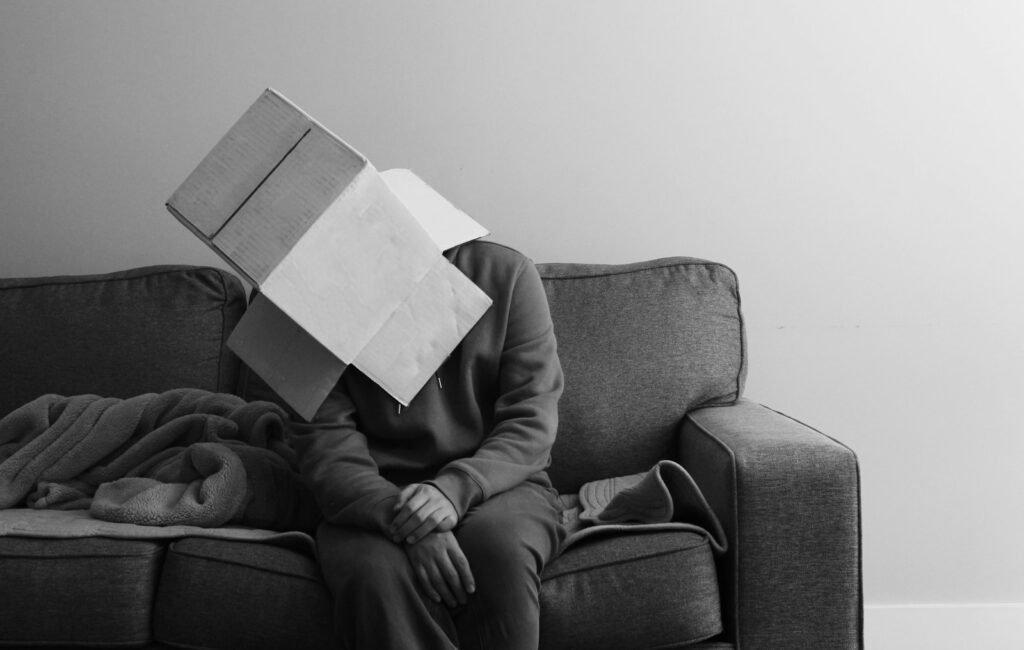
There’s a particular kind of dread that comes from staring at a task you know you should do and yet somehow can’t start. You might be years into a career, raising kids, or even retired, and still find yourself delaying the dentist appointment, the financial paperwork, or that long-planned creative project. For something so universal, procrastination is oddly personal; it feels like a private failure rather than a shared human quirk. But over the last two decades, scientists have dismantled the myth that procrastination is simply laziness or poor character. Instead, they’ve uncovered a tangled story of emotions, brain circuits, and distorted time perception that affects nearly all of us. Understanding that story doesn’t magically make a tax form fun – but it can change how we see ourselves the next time we put it off.
The Hidden Clues: What Your Delay Is Really Saying

It can feel like procrastination is about time, but the hidden driver is usually emotion. When researchers ask chronic procrastinators why they delay, most do not say they lack time; they say they want to avoid feeling bored, anxious, overwhelmed, or judged. In other words, procrastination turns out to be less a scheduling problem and more an emotional coping strategy, a way to dodge discomfort in the short term. That’s why we suddenly decide to reorganize a closet or deep-clean the kitchen when a difficult email is waiting to be written. The task itself becomes emotionally loaded – symbolizing possible failure, conflict, or regret – and our brains quietly steer us away from it.
Psychologists sometimes call this a gap between “intentions and actions,” and it shows up in brain scans as well. Studies suggest that the brain’s limbic system, which is involved in immediate rewards and emotions, can overpower the prefrontal cortex, which handles planning and long-term thinking. When that happens, the instant relief of not starting feels more compelling than the distant relief of having finished. The clues are there in the language we use: saying we “can’t face it right now” or we’ll “deal with it later” are emotional statements, not logistical ones. Seen through this lens, procrastination is less a moral failing and more a clumsy attempt at self-soothing that often backfires.
Inside the Procrastinating Brain: A Tug-of-War With Time
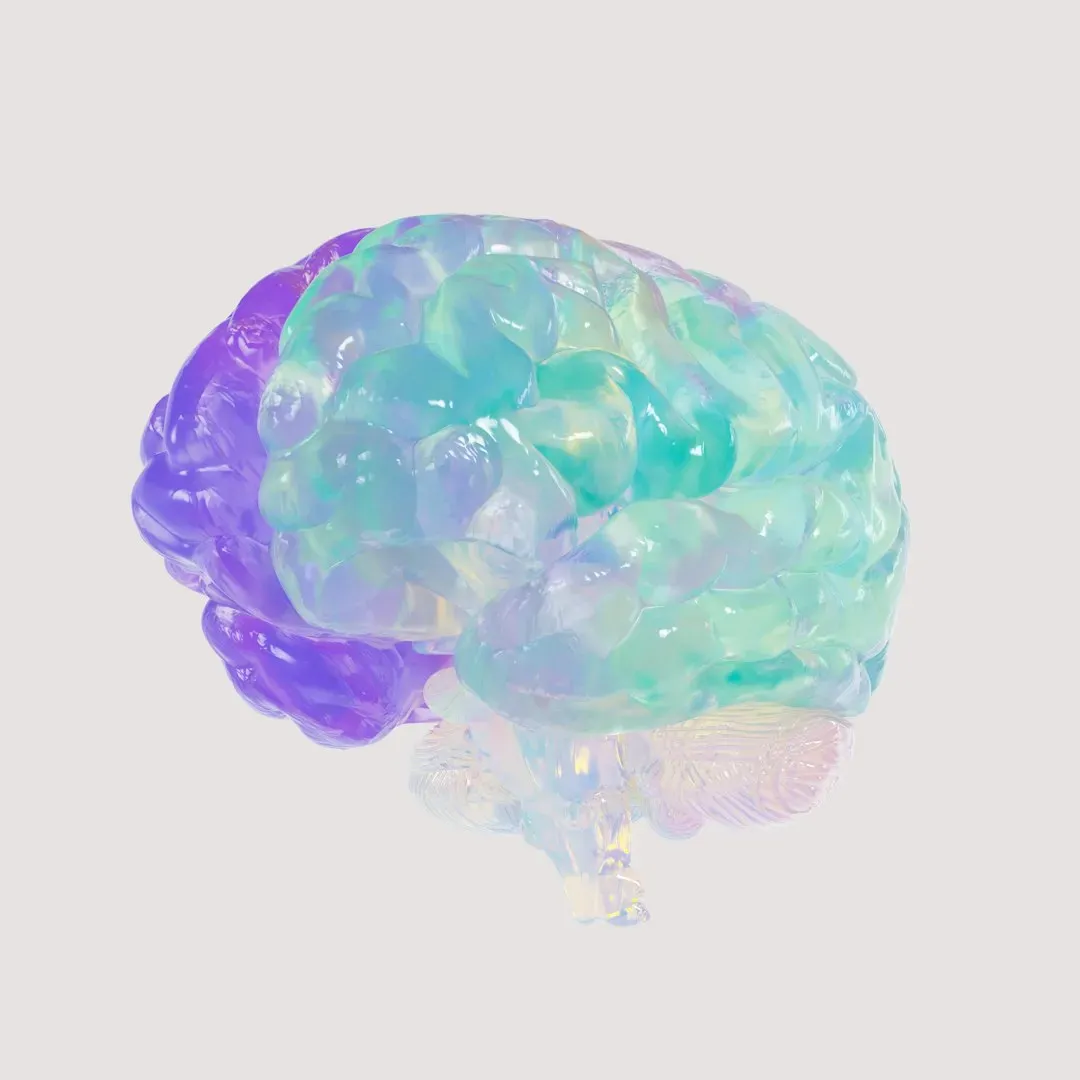
If you have ever wondered why “future you” seems oddly competent and calm, while “present you” is overwhelmed, neuroscientists have an answer. Brain imaging work has shown that when people imagine their future selves, parts of the brain light up as if they were thinking about a stranger. That makes it easier to be unfair to that future self – by handing them all the tough tasks, late nights, and health consequences we do not want today. Procrastination, in this sense, is a kind of internal politics where the present self repeatedly outvotes the future one.
Another important piece of the puzzle is how we experience time itself. Behavioral studies find that many people, not only chronic procrastinators, discount future rewards and consequences far more than seems rational. A calm afternoon now feels more real than next month’s deadline, even when we know the deadline is non-negotiable. This helps explain why reminders alone rarely fix procrastination; our brains are wired to privilege the now. What finally nudges us into action is often not logic but a shift in time perception – the deadline suddenly feels close enough to loom emotionally, triggering urgency, stress, and sometimes a desperate late-night sprint.
From Ancient Tools to Modern Science: How We Came to Understand Procrastination

People have been complaining about delay and idleness for thousands of years, long before smartphones and email. Philosophers in ancient Greece wrote about weakness of will and the tendency to act against one’s better judgment, a theme that would echo through religious and moral traditions for centuries. For most of history, procrastination was framed as a vice or sin, something to be conquered through willpower, discipline, or moral reform. It was considered a character flaw rather than a psychological phenomenon worthy of scientific study. That moral framing lingers today whenever people describe themselves as simply lazy or hopeless.
Modern research began to shift the story in the late twentieth century, when psychologists started directly measuring procrastination as a behavior rather than judging it as a failing. They developed scales to assess chronic delay, tracked students and workers over time, and even linked habitual procrastination to health outcomes, like higher stress levels and lower reported well-being. Over the past decade, this work has been joined by neuroscience, which looks at brain networks involved in self-control, decision-making, and emotional regulation. The result is a more nuanced picture: procrastination is neither a mysterious curse nor a trivial joke, but a predictable pattern that emerges from how our minds and brains evolved to manage threats, rewards, and limited energy.
The Emotional Engine: Fear, Perfectionism, and Self-Worth

Scratch the surface of many procrastination stories and you will find fear. That fear might be of failing visibly, of not matching earlier successes, or of discovering that a cherished plan – writing a book, starting a business – will not work out. Perfectionism plays a starring role here: when “good enough” is never enough, starting becomes dangerous, because any real effort risks exposing imperfections. It is often safer, psychologically, to delay and tell ourselves we “could have done it” if only we had started sooner. This self-protective reasoning can feel comforting in the moment, but over years it erodes confidence and narrows our lives.
Researchers have also found that people who tie their self-worth tightly to performance are more vulnerable to procrastination. If every task feels like a referendum on your value, then any misstep feels catastrophic. Delaying the task delays that verdict, which is why even simple actions – calling the doctor, revising a resume – can suddenly feel massive. On the flip side, when people learn to separate their worth from individual outcomes, procrastination often loosens its grip. Emotional tools like self-compassion, realistic goal-setting, and reframing failure as feedback are not just feel-good slogans; they are practical ways to make starting less painful and more possible.
Why It Matters: The Hidden Costs of “I’ll Do It Later”

Procrastination might seem like a private quirk, but its ripple effects are surprisingly wide. Long-term studies have linked chronic procrastination to higher stress, more frequent illnesses, and lower reported life satisfaction. It can silently shape careers, delaying retraining, retirement planning, or bold moves that might bring more meaning but also more uncertainty. In health, the costs are especially stark: many people delay screenings, exercise routines, or medical follow-ups not because they do not know better but because the emotional weight of facing bad news feels unbearable. Over years, those delays can translate into worse outcomes, sometimes in ways that can no longer be reversed.
On a broader scale, procrastination affects organizations, families, and even civic life. Missed deadlines in workplaces can drag on colleagues, dampen innovation, and inflate costs. At home, putting off difficult conversations or financial decisions can lead to simmering resentments and crises that seem to erupt out of nowhere. Some researchers argue that societal challenges like climate action carry a kind of collective procrastination, where short-term comfort repeatedly wins over long-term stability. Framed this way, understanding procrastination is not just about personal productivity; it is part of how we navigate shared problems that require timely, courageous action.
Breaking the Loop: What Actually Helps, According to Research

Advice around procrastination is often heavy on slogans and light on evidence, but some strategies have stood up well in studies. One of the most effective is surprisingly simple: shrink the task. When people break intimidating goals into very small, concrete steps – and give themselves permission to do just the first one – the emotional barrier often drops. Instead of “write my will,” the first step might be “open a document and list assets for five minutes.” This approach matters especially for older adults juggling complex responsibilities and a sense that there is “too much to do” to begin.
Other research-backed tools focus on changing how we relate to time and emotion, rather than trying to brute-force willpower. Helpful patterns include:
- Setting implementation intentions, which are specific if–then plans (for example, “If it is 9 a.m. on Tuesday, I will call the clinic”).
- Using brief self-compassion exercises after a setback instead of harsh self-criticism, which tends to fuel more delay.
- Creating environments that reduce friction – placing forms, medications, or workout shoes where they are easy to see and hard to ignore.
- Pairing an unpleasant task with a small, immediate reward, like a favorite radio show or a walk afterward.
These tools do not eliminate procrastination entirely, but they can turn it from a paralyzing pattern into a manageable habit.
Global Perspectives: Culture, Technology, and an Ageing World

While procrastination shows up across cultures, what we delay and how guilty we feel about it can differ dramatically. In societies that prize constant productivity and self-optimization, delaying a task can feel like a moral failure and a personal brand problem. In more communal or relational cultures, putting off personal projects might be seen as less serious than neglecting family or community duties. Researchers comparing different countries have found that social expectations, work norms, and even school systems can shape whether people see delay as a minor quirk or a serious obstacle. That cultural lens matters when designing interventions; a tactic that works in a North American office might not translate neatly to a rural village or a multigenerational household.
Technology adds another layer, especially for readers who have watched the digital world unfold over decades. The same devices that give us reminders and calendars also serve up endless, frictionless distractions. For older adults navigating late-career shifts or retirement, digital tools can be both a lifeline and a trap, making it easier than ever to avoid uncomfortable tasks while feeling perpetually busy. At the same time, there is growing interest in age-friendly design that nudges rather than nags – simple apps, shared calendars with family, and telehealth platforms that make follow-through less intimidating. As populations age globally, understanding how procrastination interacts with technology, health care, and social support will only become more important.
The Future Landscape: Can Science Outrun Delay?

Researchers are increasingly interested in whether better tools and environments can help us sidestep procrastination without relying on sheer will. Some are exploring personalized digital “coaches” that learn an individual’s patterns of delay and offer support before the crunch hits. Others are examining how adjusting workplace and school structures – shorter feedback cycles, more flexible deadlines where appropriate, built-in planning time – can reduce the emotional load that feeds avoidance. There is also growing attention to mental health, since conditions like depression, anxiety, and ADHD often magnify procrastination; treating those conditions sometimes brings a noticeable reduction in chronic delay. The future may involve more integrated care, where addressing procrastination is part of broader wellbeing rather than a side issue.
At the same time, there are real challenges. Over-automating reminders and prompts can lead to what some call “alert fatigue,” where people tune out a flood of digital nudges. There are ethical questions about how far employers, schools, or governments should go in designing systems that steer our behavior, even for our own good. And there is the simple fact that no technology can entirely erase the human experience of facing a difficult, uncertain, or emotionally loaded task. For all our advances, starting will probably always require a moment of courage that cannot be outsourced or automated – and perhaps that is part of what makes it meaningful.
From Awareness to Action: Small Experiments You Can Try
Understanding why we procrastinate is useful, but the real shift comes from small experiments in daily life. One practical step is to notice the emotion behind a delay and name it – fear, boredom, resentment, fatigue – rather than just calling yourself lazy. That simple act can create a sliver of distance and choice. Another experiment is to pick one recurring task you tend to avoid and deliberately make it easier, whether by scheduling it at your best time of day, doing it alongside a friend or partner, or cutting it into tiny, almost embarrassingly small pieces. The goal is not to become perfectly efficient, but to prove to yourself that change is possible, even in modest ways.
It can also help to enlist gentle accountability. Sharing a specific, time-bound plan with someone you trust, or even writing it where you will see it in the morning, can tip the balance in favor of action. Over weeks, these tiny actions build a new story about who you are: not someone who never procrastinates, but someone who notices it sooner and responds more kindly and effectively. For many people over forty-five, this is less about squeezing more productivity out of each day and more about clearing space for what truly matters – health, relationships, unfinished dreams. The next time you feel that familiar urge to put something off, you might pause and ask: what feeling am I trying to avoid, and what is one small step I am willing to take anyway?