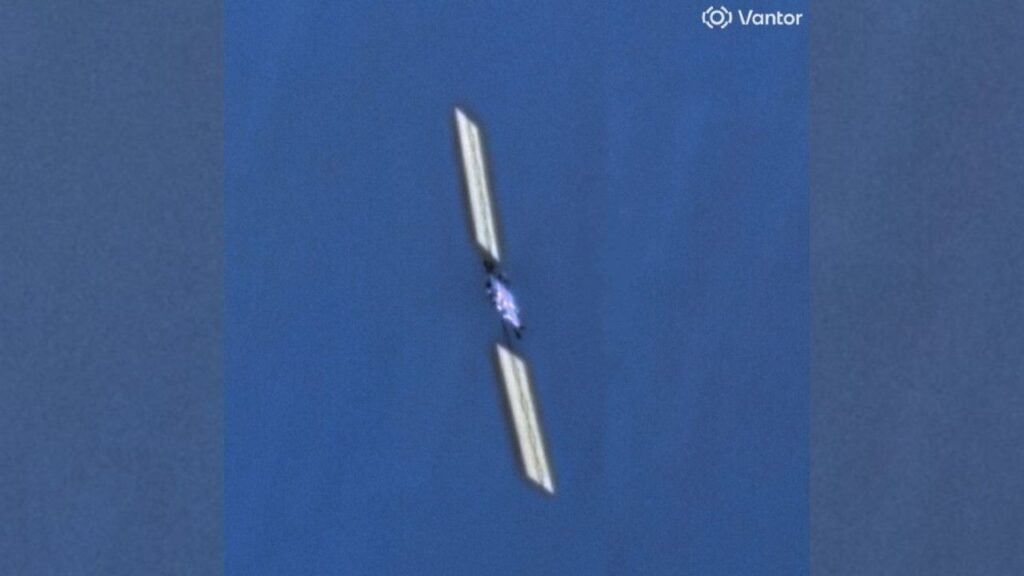

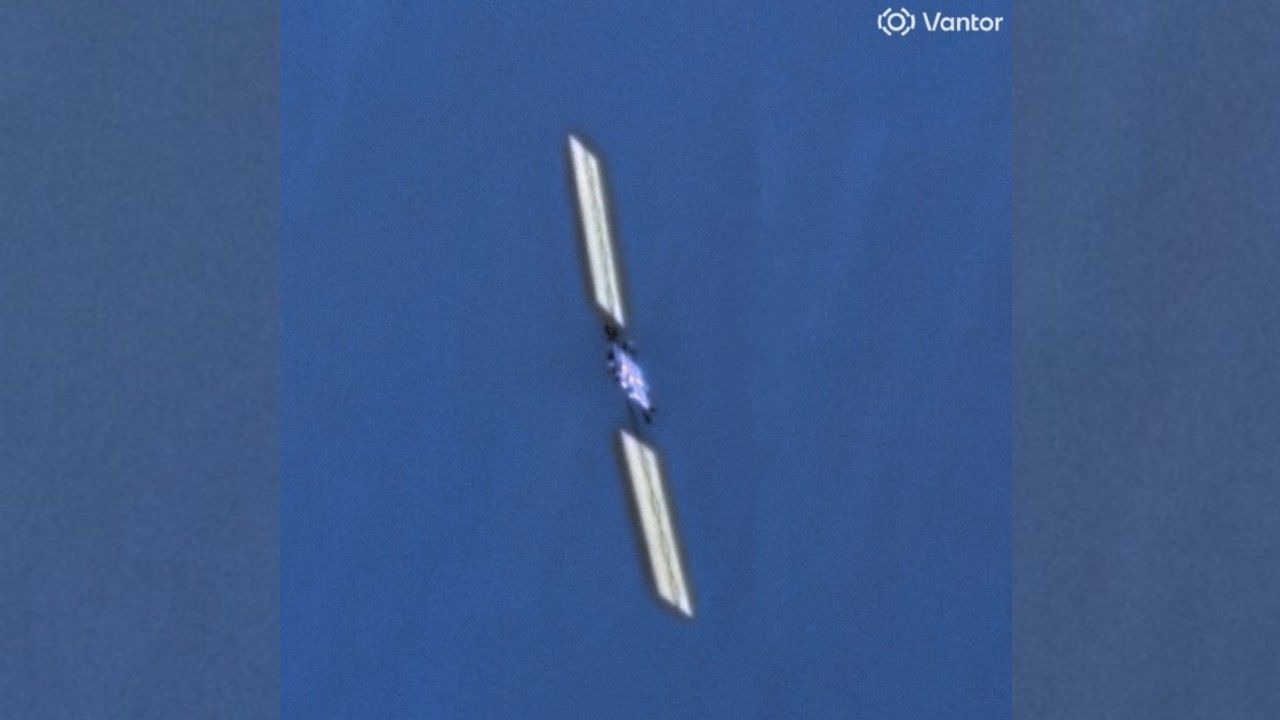
The Unexpected Breakup in Space (Image Credits: Cdn.mos.cms.futurecdn.net)
In the vast expanse of low Earth orbit, a routine mission turned perilous when a SpaceX Starlink satellite encountered a sudden anomaly, marking a rare visual record of its uncontrolled descent.
The Unexpected Breakup in Space
On December 17, 2025, SpaceX reported that one of its Starlink broadband satellites experienced a critical failure while operating at an altitude of approximately 418 kilometers. The incident began with an anomaly that caused the spacecraft to partially break apart, generating a small field of debris. Communications with the satellite ceased almost immediately, leaving ground controllers unable to regain control.
Engineers at SpaceX monitored the situation closely as the satellite’s orbit decayed rapidly. Data indicated a sudden drop in altitude, suggesting an internal event possibly akin to a minor explosion. This kinetic mishap stands out as an uncommon occurrence for the constellation, which has launched thousands of satellites since 2019 to provide global internet coverage.
The breakup not only disrupted the satellite’s functionality but also introduced fragments into nearby orbits, prompting swift notifications to other space operators to adjust trajectories and avoid collisions.
Capturing the Tumbling Satellite from Afar
Recent images taken from orbit have provided a stark visual account of the satellite’s plight, showcasing its erratic tumbling motion against the backdrop of space. These photographs, captured by another spacecraft, reveal the damaged structure spinning uncontrollably as it spirals toward Earth. The visuals highlight the satellite’s solar panels and antennas in disarray, a far cry from its intended stable position.
Such orbital photography offers invaluable insights into the dynamics of satellite failures. Experts note that these images help in understanding the breakup mechanics, which could inform future designs to enhance durability. SpaceX confirmed the satellite’s path would lead to atmospheric reentry within weeks, ensuring the debris burns up upon descent.
The rarity of obtaining clear shots during such events underscores the challenges of monitoring space traffic in real time. Ground-based telescopes and other satellites contribute to this surveillance, but direct orbital views like these prove especially revealing.
Navigating Risks in a Crowded Orbit
The Starlink constellation, now numbering over 6,000 active satellites, faces growing scrutiny amid increasing orbital congestion. This incident highlights vulnerabilities in large-scale deployments, where even isolated failures can ripple through the network. SpaceX emphasized that the debris field remained limited, posing no immediate threat to the International Space Station or crewed missions.
Regulatory bodies, including the U.S. Federal Communications Commission, require operators to deorbit failed satellites promptly. In this case, the natural decay aligned with those guidelines, minimizing long-term hazards. However, the event renews discussions on space sustainability, as proliferating satellites amplify collision risks.
To mitigate such issues, SpaceX incorporates autonomous collision avoidance systems across its fleet. Still, anomalies like this one serve as reminders of the unpredictable nature of space operations.
Key Lessons from the Incident
SpaceX’s response to the failure demonstrated the company’s preparedness in tracking and disclosing orbital events. The satellite, part of a batch launched earlier in the year, had been performing nominal duties until the abrupt malfunction. Analysts suggest the anomaly might stem from battery or propulsion issues, though a full investigation continues.
Broader implications extend to global internet reliability, as Starlink supports remote regions and emergency communications. While a single loss does not disrupt the overall service, it prompts reviews of manufacturing and testing protocols to prevent recurrences.
- The satellite broke apart at 418 km altitude, creating minimal debris.
- Images show tumbling motion, confirming loss of stabilization.
- Reentry expected within weeks, with no risk to ground or crewed assets.
- Event underscores need for robust space traffic management.
- SpaceX notified international partners per standard protocols.
Key Takeaways
- A partial breakup led to uncontrolled tumbling and rapid orbital decay.
- Orbital photos provide rare evidence of the satellite’s final moments.
- No safety threats identified, but incident bolsters calls for orbital vigilance.
As space becomes ever more accessible, incidents like this one remind us of the delicate balance required to sustain human endeavors beyond Earth. The successful capture of these images not only documents a technological setback but also advances our collective knowledge of orbital mechanics. What are your thoughts on the challenges of maintaining a massive satellite network? Share in the comments below.