Some people seem to walk through fire and come out with new ideas, while others feel singed by far smaller sparks. A layoff, a breakup, a diagnosis, a climate disaster – life keeps throwing curveballs, yet certain individuals not only cope but grow. For decades, psychologists framed this as a mystery of “grit” or “inner strength,” almost like a personality magic trick you either had or you didn’t. Now, a wave of research is painting a more nuanced, hopeful picture: resilience is less about being unbreakable and more about how we break and rebuild. Hidden in our brains, our relationships, and even our daily habits are clues to why some people bend without snapping – and how the rest of us can quietly train that same capacity.
The Hidden Clues: Tiny Decisions That Shape Who Survives the Storm

Resilience rarely announces itself in heroic moments; it hides in the small, almost boring choices people make when nobody is watching. A person who reaches out to a friend after a bad day, writes down what went well before bed, or takes a short walk instead of doom-scrolling is quietly training their nervous system to recover more quickly from stress. Over time, these micro-habits shift how the brain interprets threat and safety, making daily crises feel more like challenges than personal catastrophes. Researchers studying people after natural disasters and wars have found that those who fare better mentally are not necessarily the toughest, but the ones who stay socially connected and keep even tiny routines going. That cup of coffee at the same time each morning can be less about caffeine and more about a fragile thread of normalcy.
There is also a psychological pattern that shows up again and again in resilient people: they tend to tell themselves slightly kinder stories about what is happening. When something goes wrong, they are less likely to say that everything is ruined forever and more likely to see the event as painful but temporary, and at least partly manageable. That subtle shift in inner narration changes whether the brain stays locked in alarm mode or starts looking for options. It might sound small, but these private stories are like the background music to our lives – quietly influencing how we interpret every setback, every comment, every headline. And as scientists are discovering, changing the soundtrack is one of the most powerful levers we have.
From Ancient Hardships to Modern Neuroscience: How Brains Learn to Bounce
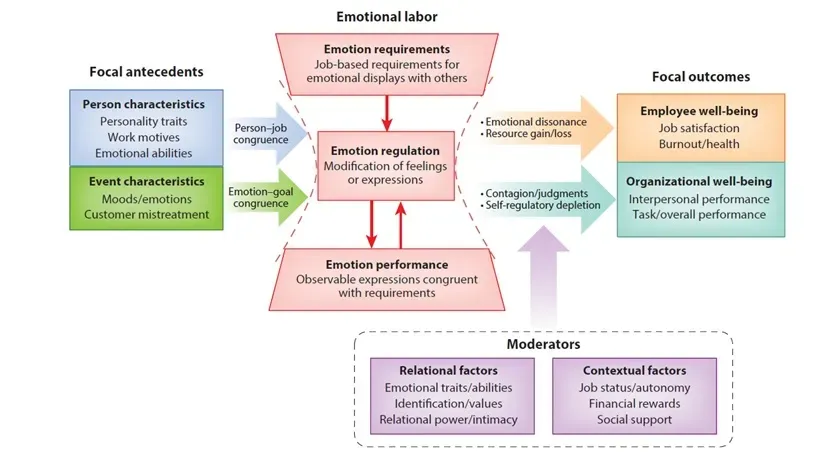
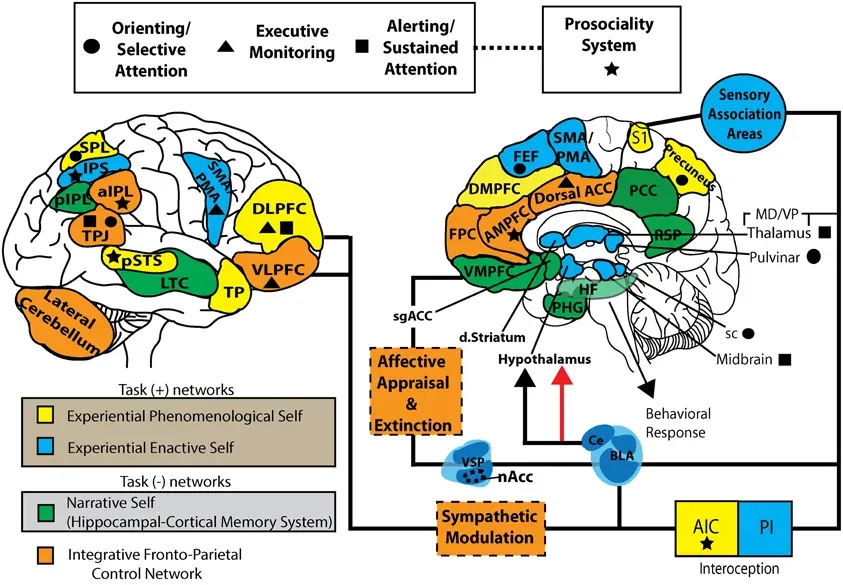
Humans have always lived with hardship, but only recently have we been able to watch resilience unfolding in real time inside the brain. Using brain imaging, researchers have identified circuits that help us regulate emotion, such as connections between the prefrontal cortex, which handles planning and control, and the amygdala, which sounds the alarm on threat. People who recover more quickly from stress often show stronger or more flexible communication between these regions, as if their brain has a better “volume knob” on fear and anxiety. This does not mean they never feel scared or overwhelmed; it means their brain can more efficiently return to baseline after the danger passes.
Some of this capacity is shaped early. Children who grow up with at least one stable, caring adult tend to develop more robust emotion-regulation networks, even if they live in poverty or chaotic environments. Yet the story is not fixed in childhood; studies of adults who went through trauma show that targeted therapies, mindfulness training, and even regular aerobic exercise can change brain activation patterns linked to resilience. A walk, a therapy session, or a structured breathing exercise might look simple from the outside, but inside the skull, those repeated experiences help rewire how we respond to threat. In a way, the brain is less like a rigid machine and more like a garden – its resilience depends on what gets watered over time.
The Biology of Bouncing Back: Stress Hormones, Sleep, and the Body’s Quiet Calculations

Resilience is not just a mindset; it is also a biological dance involving hormones, immune responses, and sleep cycles. When we face a stressful event, the body releases cortisol and adrenaline to help us act quickly, but resilient people appear to shut off this response more efficiently once the crisis is over. Instead of staying marinated in stress hormones for hours or days, their systems calm down faster, reducing wear and tear on the heart, brain, and immune system. Chronic overactivation of the stress response has been linked to depression, anxiety, and physical illness, which helps explain why two people in similar circumstances can diverge so sharply in health over time.
Sleep is another underappreciated pillar of resilience. Studies show that people who consistently get adequate, high-quality sleep tend to regulate emotions better, handle social conflict more calmly, and think more flexibly under pressure. Imagine trying to rebuild after a storm while the repair crew is half-asleep and missing tools – that is essentially what the brain attempts when we are chronically sleep-deprived. Nutrition and physical activity also feed into the resilience equation by influencing inflammation and energy levels. None of these factors guarantees mental strength, of course, but biology sets the stage on which psychological skills can actually perform.
Stories of Struggle and Growth: When Adversity Becomes a Turning Point

One of the most striking findings in resilience research is that a moderate amount of adversity can sometimes leave people stronger than those who faced almost none. Psychologists call this post-traumatic growth: the idea that, after deep struggle, some individuals come to value relationships more, find new meaning, or discover strengths they did not know they had. Survivors of serious illness, displacement, or loss often describe a sharpened sense of what matters, even if they would never have chosen the suffering that led there. Interestingly, people with neither too little nor overwhelming adversity – somewhere in the middle – often show the highest levels of this kind of growth. Total protection can leave us untested; unrelenting hardship can crush us before growth has a chance.
Of course, this does not mean suffering is good or necessary to live a meaningful life, and it certainly does not mean everyone should “find the silver lining” in trauma. Many individuals experience long-term pain and disability without any sense of positive transformation, and forcing a happy narrative on them can be cruel. Still, the existence of post-traumatic growth challenges the familiar assumption that damage is always permanent and one-directional. It suggests that humans are more like ecosystems than fragile glass – given time and support, new life can emerge from devastated ground. That possibility can be a quiet source of hope, especially when the future looks brutally uncertain.
Why It Matters: Resilience in a Century of Crises

Resilience is no longer just a feel-good buzzword; it has become a survival skill in a century defined by overlapping crises. Climate-driven disasters are increasing, economic shocks ripple faster than ever, and many societies are grappling with political polarization and social unrest. In this context, the capacity to adapt, recover, and keep cooperating may shape not only individual lives but the stability of entire communities. Traditional approaches to mental health often focused on fixing what was broken after the fact, like a repair shop that only opens once the car is already totaled. Resilience research flips the script, asking how we can build systems and habits that reduce damage in the first place.
There is also a justice dimension that cannot be ignored. Structural inequalities mean that some groups face more frequent and severe stressors, from discrimination to unsafe housing and unstable work. Expecting individuals in these conditions to simply “be more resilient” without addressing the underlying risks is both unrealistic and unfair. Comparing resilience training to teaching someone to swim while refusing to fix the hole in the boat is not far off the mark. That is why scientists and policymakers are increasingly interested in resilience not just as a personal trait, but as something societies can either nurture or sabotage through the choices they make.
Global Perspectives: Different Cultures, Different Paths to Strength
Resilience does not look the same in every corner of the world, and that diversity is one of its most fascinating qualities. In some cultures, enduring hardship quietly is prized, while in others, speaking openly about pain and seeking help is seen as a sign of courage. Community-based societies may lean more on shared rituals, collective problem-solving, and intergenerational support, whereas more individualistic cultures tend to focus on personal coping strategies and self-improvement. When researchers compare these approaches, they often find that social connection, meaning-making, and a sense of belonging show up as protective factors almost everywhere, even if the rituals and language differ.
Global studies of refugees, disaster survivors, and marginalized communities underscore how cultural narratives shape resilience. Some groups frame suffering as part of a shared historical journey, which can foster solidarity and purpose in the face of loss. Others emphasize religious or spiritual explanations that help people hold onto hope when circumstances seem impossible. This variation is not just academic; it has real stakes for how mental health support is designed. Programs imported wholesale from one culture to another can backfire if they ignore local beliefs about strength, responsibility, and healing. Respecting these differences while learning from their common threads is one of the big challenges in building resilience on a global scale.
Training the Mind: Skills Anyone Can Practice to Grow Stronger
One of the most hopeful insights from recent research is that resilience behaves more like a skill set than a fixed personality label. Techniques such as cognitive behavioral strategies – learning to question catastrophic thoughts and replace them with more realistic ones – have been repeatedly shown to reduce anxiety and depression after stress. Mindfulness practices train attention to stay in the present moment rather than spiraling into worst-case futures or endless replays of past mistakes. Even simple exercises like naming emotions out loud can help the brain regulate them more effectively, almost like putting a harness on a wild animal. These practices do not erase pain, but they can reduce the secondary suffering we create with our own thoughts.
Social skills are equally crucial. Knowing how to ask for help, set boundaries, and repair conflicts turns relationships into genuine safety nets instead of additional sources of stress. Resilience programs in schools, workplaces, and even military settings often focus on these interpersonal capacities, because support networks strongly predict who copes better after trauma. In my own life, learning to send a “this is hard, can we talk?” text instead of withdrawing has probably done more for my resilience than any app or self-help book. The common thread across all of these strategies is practice; like learning an instrument, the clumsy early attempts are part of the process. Over time, responding flexibly to difficulty starts to feel less like a performance and more like a quiet, sturdy habit.
The Future Landscape: New Technologies, New Risks, and the Ethics of Toughness
As resilience becomes a buzzword in tech and policy circles, a new wave of tools is emerging to measure and enhance it. Wearable devices can already track heart-rate variability, a rough marker of how well the nervous system shifts between stress and recovery, and some apps use this data to suggest breathing exercises or breaks. Virtual reality environments are being tested as training grounds where people can safely practice responding to high-pressure situations, from firefighting to public speaking. There is also growing interest in using artificial intelligence to analyze speech patterns, sleep data, and even social media use to flag early signs of burnout or breakdown. In theory, these technologies could catch cracks before they turn into fractures.
But the future of resilience science also raises uncomfortable questions. Who owns and controls the sensitive data that reveals how stressed or vulnerable someone is? Will employers or governments use resilience metrics to support people – or to justify pushing them harder? There is a real risk that, without careful guardrails, resilience could be twisted into an expectation that individuals endlessly adapt to unhealthy systems. In that sense, the technological frontier is less about building superhuman toughness and more about deciding what kind of societies we want to be. The promise of these tools will only be realized if they are paired with policies that reduce unnecessary harm rather than normalizing it.
Everyday Actions: How Readers Can Help Build a More Resilient World
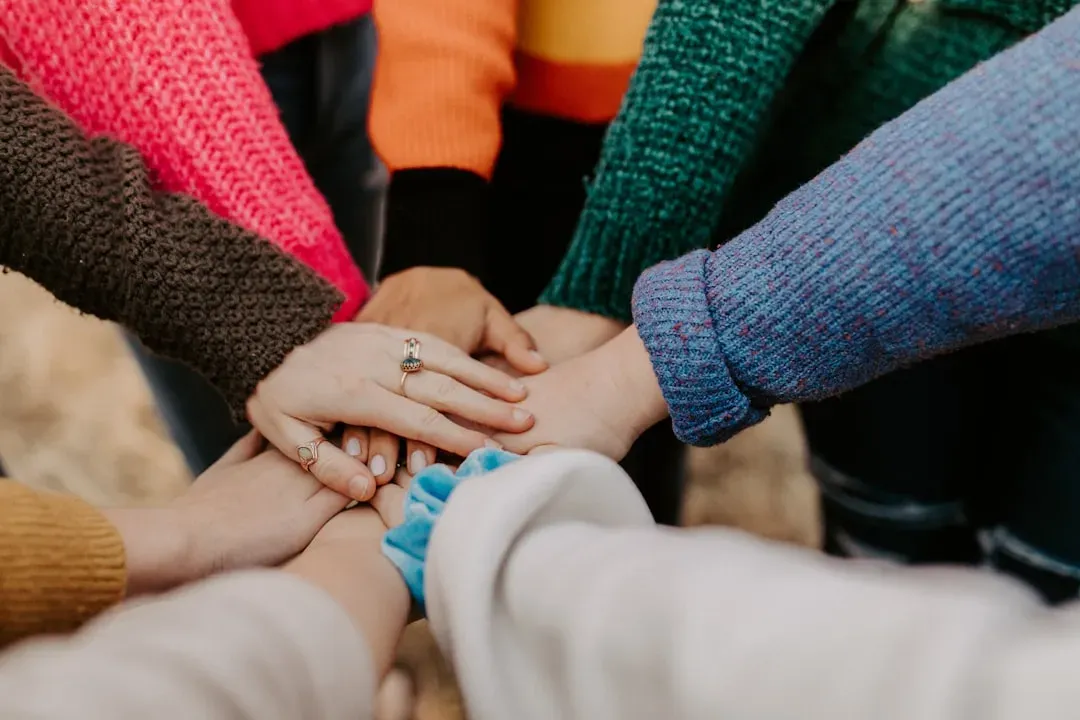
Resilience can sound grand and abstract, but it ultimately lives in the choices we make on an ordinary Tuesday. On a personal level, committing to small, sustainable habits – regular sleep, movement, and a few honest conversations each week – can gradually shift how you weather stress. Supporting local community groups, whether they are mutual aid networks, youth programs, or neighborhood preparedness efforts, strengthens the social fabric that so many studies link to better outcomes after crises. Even learning basic psychological first aid skills equips you to show up more effectively when friends or strangers are shaken by sudden loss or disaster. None of this turns life into something painless, but it does mean fewer people have to go through the worst moments alone.
There are also ways to back the science itself. Readers can support organizations funding mental health research, advocate for policies that increase access to care, or participate in citizen science projects that track stress and recovery. Sharing accurate information about resilience – grounded in evidence rather than slogans – helps shift the public conversation from blaming individuals to building supportive environments. In the end, what makes some people more resilient is not just what is inside them, but what surrounds them: the systems, stories, and relationships that either cushion the fall or let them hit the ground. The next time you watch someone quietly get back up after a blow, it might be worth asking not only how they did it, but who and what made it possible.
Suhail Ahmed is a passionate digital professional and nature enthusiast with over 8 years of experience in content strategy, SEO, web development, and digital operations. Alongside his freelance journey, Suhail actively contributes to nature and wildlife platforms like Discover Wildlife, where he channels his curiosity for the planet into engaging, educational storytelling.
With a strong background in managing digital ecosystems — from ecommerce stores and WordPress websites to social media and automation — Suhail merges technical precision with creative insight. His content reflects a rare balance: SEO-friendly yet deeply human, data-informed yet emotionally resonant.
Driven by a love for discovery and storytelling, Suhail believes in using digital platforms to amplify causes that matter — especially those protecting Earth’s biodiversity and inspiring sustainable living. Whether he’s managing online projects or crafting wildlife content, his goal remains the same: to inform, inspire, and leave a positive digital footprint.