
Picture a song that can pull you back to a heartbreak in high school – or another that can drag you out of a bad day in under thirty seconds. Music seems to reach places that words and logic cannot, flipping emotional switches with unnerving speed. For decades, scientists treated this as a kind of charming mystery, more the realm of poets than of lab researchers. That view is rapidly changing as neuroscientists, psychologists, and data scientists begin to map what music actually does to the brain and body. What they are finding is both surprisingly mechanical and deeply human: melodies and rhythms can act like a remote control for our nervous system, shaping stress, joy, focus, and even pain.
The Hidden Clues: How Music Hijacks the Brain’s Emotional Circuits
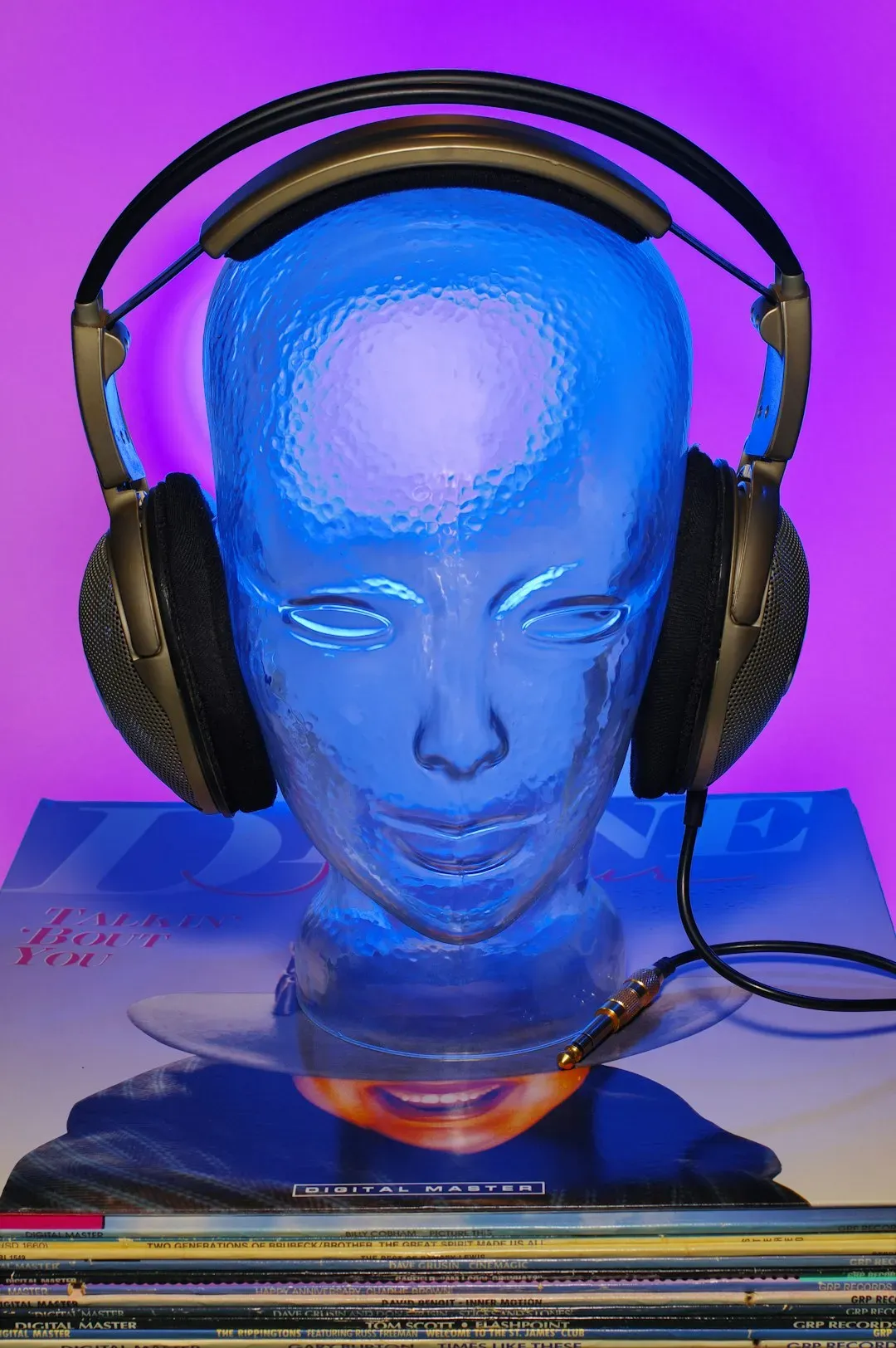
One of the most startling findings of modern neuroscience is how quickly music can light up the brain’s reward system. Within seconds of hearing a favorite chorus, regions involved in pleasure and motivation spring into action, releasing dopamine – the same chemical tied to chocolate, sex, and some addictive drugs. Brain-imaging studies show that emotionally powerful music activates not just the auditory cortex, but also the amygdala, hippocampus, and prefrontal regions linked to memory and emotional appraisal. In other words, the brain does not treat music as background noise; it treats it as emotionally loaded information that needs to be evaluated. That is why a minor key or a rising dissonance can make us feel uneasy long before we consciously notice what we are hearing.
Physiologically, this emotional “hijack” shows up in small but measurable ways. Heart rate and breathing subtly synchronize to tempo, while skin conductance – the classic lie-detector signal – rises during emotionally intense passages. Some experiments have found that chills and goosebumps in response to music correlate with spikes in dopamine and activity in reward-related brain circuits. It is as if music can briefly bend the body’s internal settings toward arousal or calm without asking for permission. That power makes music a uniquely potent influence on mood, for better or worse, even when we think we are just “listening in the background.”
From Cradle Songs to Club Anthems: Why Rhythm and Melody Feel So Personal

Long before we can speak, we are bathed in sound. Infants respond to lullabies and sing-song speech, calming to gentle rhythms and bright, predictable melodies. Some researchers argue that this early exposure tunes the developing brain to treat certain patterns of sound as social and emotionally meaningful. That may help explain why a sad ballad in an unfamiliar language can still feel melancholy, or why a driving beat can energize us even when we are not paying attention to the lyrics. Our brains are constantly predicting what sound comes next, and when music nudges or violates those predictions, it stirs emotional reactions.
By the time we hit adolescence, music becomes a kind of emotional identity card. Many people can trace their life story through playlists, each era pinned to a genre or artist that felt like a mirror. Personally, I still associate a specific noisy rock album with late nights studying in college; to this day, just a few opening notes drop me back into that jittery, driven state. Psychologists have found that the songs we love between roughly our teenage years and our late twenties often remain our emotional “core soundtrack” for decades. In a sense, music does not just reflect our moods – it becomes a way to store and re-access who we were at different stages of life.
The Stress Switch: When Sound Calms, Soothes, or Agitates

Across clinical and everyday settings, music is emerging as one of the most reliable non-drug tools for shaping stress responses. Slow, steady-tempo tracks with gentle dynamics tend to lower heart rate and blood pressure, nudging the body toward a more relaxed, parasympathetic state. Hospitals and clinics now routinely use carefully designed playlists before surgery, during chemotherapy, or in intensive care units to help reduce anxiety. Some studies report that patients who listen to calming music need less sedative medication and report lower perceived pain. It is not magic; it is nervous system physics, with sound acting as an external cue that tells the body it is safe to stand down.
But the same mechanisms that soothe can also agitate. Loud, fast, rhythmically unpredictable music can push the body toward a fight-or-flight mode, increasing arousal and sometimes irritability. In everyday life, that might be exactly what we want before a big game or an intense workout. On a crowded commute or in an already tense environment, though, it can stack stress on stress. Researchers have found that people stuck in traffic while listening to high-intensity music show more aggressive driving behaviors than those listening to calmer tracks. Music does not create stress out of thin air, but it can tilt the emotional scale, tipping us either toward resilience or toward overload.
The Social Glue: How Shared Music Shapes Group Mood and Belonging

Walk into a stadium just before kickoff, a festival at sunset, or a place of worship mid-hymn, and you can feel the air thicken with shared emotion. Group music-making – whether chanting, singing, or dancing – seems to act as a kind of social superglue. Studies show that people who sing together are more likely to report feelings of trust and connection, and some research finds increased levels of hormones associated with bonding after group musical experiences. Marching bands, protest chants, and national anthems all exploit this effect, turning individual feelings into a collective emotional wave. The result can be comforting, inspiring, or, sometimes, dangerously intoxicating.
Even passive shared listening changes mood. In experiments, groups exposed to upbeat music cooperate more in economic games than those who sit in silence or hear more neutral tracks. In the workplace, carefully chosen background music can lift morale and perceived cohesion, though there is a fine line before it becomes a distraction. On the flip side, exclusion from a musical ritual – being the only one who does not know the song or the dance – can sharpen feelings of isolation. Music’s impact on mood, then, is not only about what happens inside a single brain; it is also about who we feel we belong with when the beat drops.
Why It Matters: Music vs. Medication, Silence, and Everything in Between

Against the backdrop of rising rates of anxiety and depression, the question is not just whether music affects mood, but how it compares with traditional tools like medication, talk therapy, or even simple silence. No serious scientist is suggesting that a playlist should replace clinically necessary treatment, but music therapy is increasingly being folded into mainstream care. Compared with drugs, music has a remarkably low risk profile: no chemical side effects, no dangerous interactions, and an extremely low barrier to access. In some studies, guided music interventions have produced improvements in mood, sleep, and quality of life on par with light-touch psychological therapies, especially for mild to moderate symptoms. That makes it a powerful complement rather than a cure-all.
At the same time, music can be misused or overused in ways that matter. Constantly soundtracking every moment with headphones can crowd out mental downtime, the quiet periods when the brain processes and integrates emotions. People prone to rumination sometimes lean on sad or nostalgic music in a way that deepens their gloom instead of releasing it. When we compare music to silence, the winner depends on context: silence offers space; music offers direction. Understanding how music steers mood gives us a chance to choose more deliberately, rather than letting algorithms decide our emotional climate for us.
Global Perspectives: How Culture Tunes What We Feel

While certain musical cues – like escalating volume or dissonance – seem to stir similar responses across cultures, the emotional language of music is far from universal. Scales, rhythms, and timbres that sound joyful in one tradition can feel unfamiliar or even unsettling in another. Researchers exploring remote communities with limited exposure to Western pop have found both overlap and divergence in how people label musical emotions. That suggests there is a basic biological template for responding to music, but culture writes in the details. The songs we grow up with teach our brains what “happy,” “sad,” or “sacred” sounds like.
Migration and globalization are now remixing those templates at high speed. A teenager in Nairobi might be streaming Korean pop and American hip-hop in the same afternoon, blending rhythmic and emotional codes from multiple worlds. Streaming data show that cross-cultural collaborations – Latin trap with Afrobeats, for example – often travel further and faster than more traditional, locally bound genres. These fusions do more than expand playlists; they create shared emotional references across borders. In that sense, the moods shaped by music are becoming a subtle part of global culture, influencing everything from protest movements to mental health conversations in ways we are only beginning to trace.
The Future Landscape: AI Playlists, Emotion-Tracking Wearables, and Ethical Questions
The next frontier in music and mood is not just what we listen to, but how precisely our listening can be tailored in real time. Tech companies and researchers are experimenting with systems that adjust playlists based on heart rate, facial expression, or even brain signals, aiming to keep us focused, calm, or energized on demand. Imagine a commute where your headphones sense rising stress and quietly swap in tracks that slow your breathing. For some, that sounds like a dream; for others, it raises unsettling questions about how much control we are handing over to algorithms that learn what pushes our emotional buttons. The same tools that comfort could, in theory, be repurposed to nudge behavior in ways we barely notice.
At the clinical edge, music-based digital therapeutics are being tested for conditions ranging from chronic pain to dementia and stroke rehabilitation. These tools blend neuroscience, machine learning, and composition to build “precision soundscapes” designed for specific nervous system effects. Yet access, data privacy, and cultural bias in the underlying datasets are all live concerns. Whose emotional responses are being modeled, and whose are ignored? As music technology moves from entertainment into mental health and behavior shaping, the ethical stakes rise. We are not just choosing songs anymore; we are, in a quiet way, outsourcing parts of our emotional regulation.
Small Levers, Big Effects: Practical Ways to Use Music for Your Mood

If music can sway our inner weather so reliably, the obvious next step is learning to use it more intentionally. That does not require expensive gear or formal therapy; it starts with paying closer attention to how specific songs actually make you feel, not just what you think you should like. One simple approach is to build “mood ladders”: playlists that begin close to your current emotional state and gradually step toward where you want to go. For example, if you are low and sluggish, start with something gently melancholic, then slowly introduce more rhythm and brightness rather than jumping straight to euphoric dance tracks. The brain often resists emotional whiplash but responds well to guided transitions.
Other small habits can amplify music’s benefits without turning every moment into a movie soundtrack. Try reserving certain songs only for specific purposes – one for winding down before sleep, another for powering through a tough task – so your brain learns those associations. Occasionally, choose silence over default background music to give your mind breathing room and make musical moments feel special again. For parents and educators, using music as a shared ritual – like a particular track before homework or bedtime – can gently coordinate group mood. These are tiny levers, but over time they can shape daily life as surely as changing the lighting in your home.