
Every time you glance at your phone, lock eyes with a stranger, or watch the sky turn orange at sunset, your brain is pulling off a quiet miracle. Vision feels instant and obvious, but beneath that sense of effortlessness sits a tangled web of physics, biology, and electrical signals. For most of human history, we had no idea what was really happening when we “just” looked around. Now, scientists are discovering that our eyes do far more than capture a picture – they actively build a version of reality. Understanding how they do this is not just a neat trivia fact; it is reshaping medicine, technology, and even how we think about being human.
The First Spark: How Light Becomes a Signal
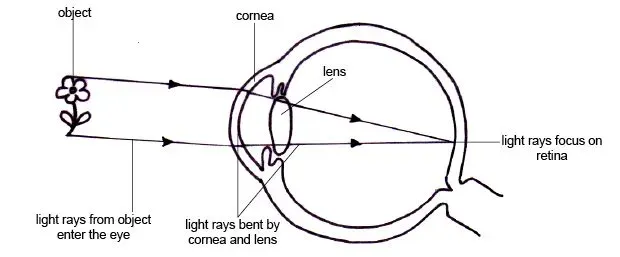
The story of sight begins with something utterly ordinary: light bouncing off objects and streaming into your eyes. That light passes through the clear cornea, is fine-tuned by the lens, and finally lands on the retina, a thin, fragile sheet of tissue lining the back of the eye. The retina is not just a passive wallpaper; it is packed with millions of specialized cells called rods and cones that act like microscopic antennae for light. Rods are the night-shift workers, tuned to dim conditions and motion, while cones handle color and detail in brighter light. Together, they transform incoming light into tiny electrical whispers your brain can understand.
Those whispers travel along the optic nerve, a dense cable of nerve fibers that serves as your eye’s data line to the brain. What is easy to forget is that this translation from light to electricity is not clean and perfect; it is noisy and incomplete, more like a sketch than a high-resolution photograph. Yet from that partial, messy stream of data, the brain somehow assembles the vivid scenes you experience. This is the first hint that seeing the world is not about passively receiving an image, but about aggressively constructing it from whatever signals the eyes manage to grab.
The Retina’s Secret: Your “Camera Sensor” Thinks for Itself
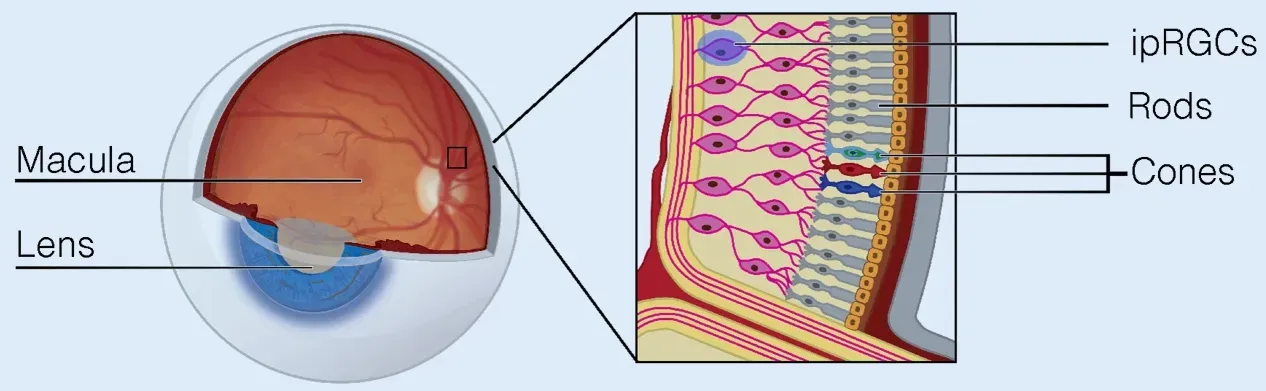
We often compare the eye to a camera, but that metaphor falls apart quickly in the retina. A digital camera sensor simply records light; the retina actively edits and preprocesses it before the brain even gets a look. Different types of retinal cells sharpen edges, detect contrast, and flag motion, turning raw light into patterns that highlight what might matter most – like a sudden shadow or a fast-moving object. In a sense, the retina is already solving little puzzles about the world at the very first stage of vision. Your brain never sees the untouched raw feed; it only gets this curated version.
This built-in intelligence explains some weird visual experiences. For example, your retina is particularly obsessed with changes, which is why a stationary object can almost vanish from awareness if you stare at it too long without moving your eyes. It also helps explain why you are so good at spotting a small movement in your peripheral vision, even in poor lighting. Far from being a passive film, the retina is more like a busy newsroom, filtering and prioritizing information before shipping it off. By the time the signal reaches your brain, the story of what is “out there” has already been heavily edited.
Filling in the Blanks: Why You Never See Your Blind Spot
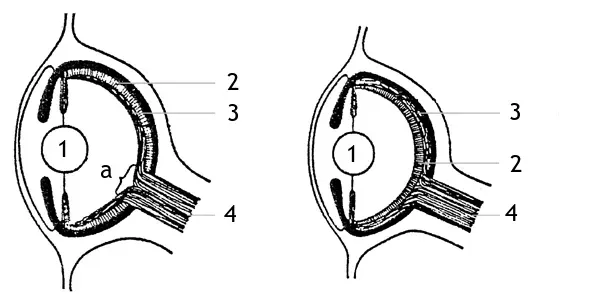
Here is a slightly unsettling fact: you walk around all day with holes in your vision, and your brain hides them from you. Where the optic nerve exits the back of each eye, there are no light-sensing cells at all – just a blind spot. Under strict logic, you should see a pair of small black gaps in your visual field. But you do not, because your brain continuously fills in the missing information using surrounding details and past experience. It is as if your visual system quietly photoshops reality in real time so you are never confronted with the glitch.
This filling-in trick does not stop at the blind spot. Your brain smooths over blinks, eye movements, and sudden lighting changes so the world appears stable and continuous. Try this: gently press near the side of your eye (without hurting yourself) and notice the image wobble, then snap back to normal. The brain constantly compensates for such disturbances, stitching together frames into a seamless experience. What feels like a direct window onto reality is more like a well-edited movie, with your brain as the invisible editor keeping you blissfully unaware of all the jumps and cuts.
Color, Contrast, and the Grand Illusion of “True” Reality
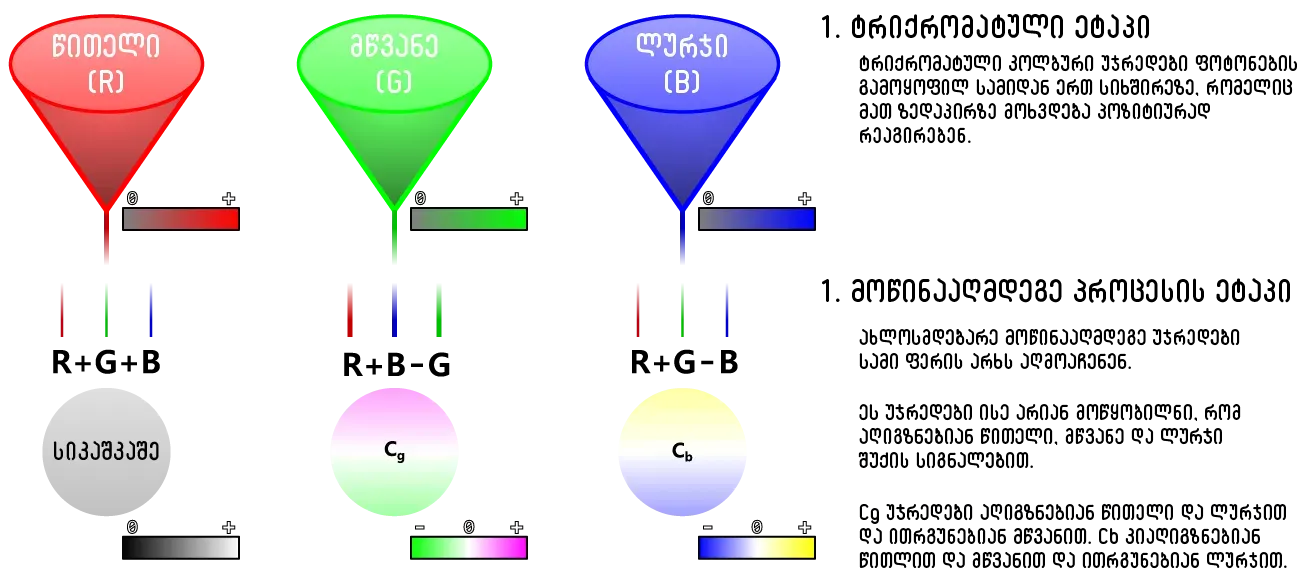
Color feels like something built into the world, but it is really your brain’s interpretation of different wavelengths of light. Your cones come in three main types, each more sensitive to a particular range – roughly corresponding to red, green, and blue. The brain compares their responses to calculate the colors you think you see, like a constantly running math problem behind your eyes. This system is powerful, but not perfect, which is why people with color vision differences may see the same object in subtly or dramatically different ways. When an image goes viral because some people swear a dress is one color and others see another, that is your brain’s assumptions about lighting and context colliding with someone else’s.
Contrast plays a similar trick. Your eyes are terrible at measuring absolute brightness, but astonishingly good at detecting relative differences. This is why a gray square can look almost white on a dark background and nearly black on a light one. Your brain is not aiming for a literal readout of photon counts; it is trying to answer a more practical question: what stands out, what has changed, and what might be important? In that sense, color and contrast are not pure facts about the world – they are carefully crafted guesses designed to help you survive, not to deliver an objective report.
Why It Matters: Vision, Health, and the Limits of Our Perception
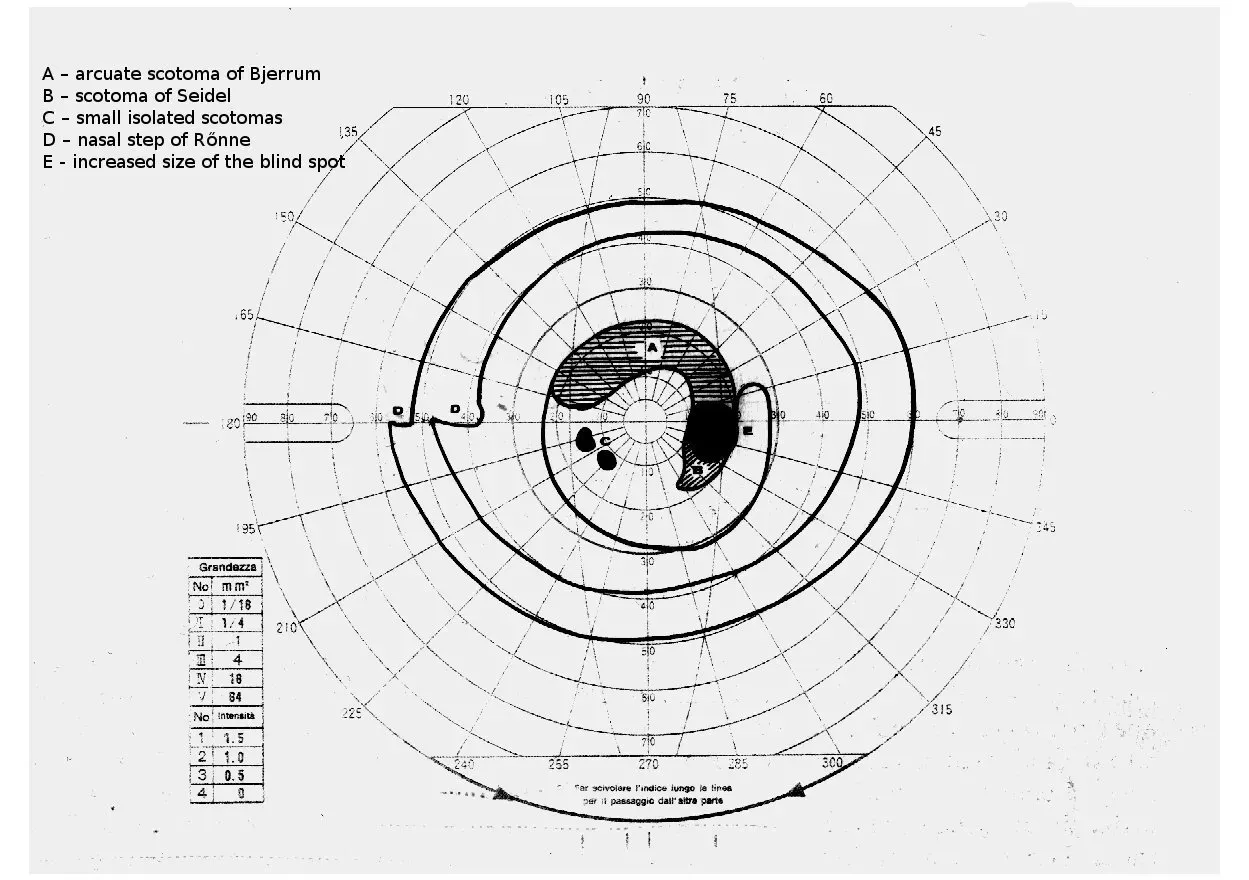
Understanding how our eyes and brain construct reality is not just a philosophical exercise; it has real consequences for health and everyday life. Many common eye conditions, from nearsightedness to age-related macular degeneration, begin with tiny changes in how light hits or is processed by the retina. When scientists understand those early steps, they can design lenses, treatments, and therapies that correct the underlying problem instead of just treating the symptoms. Brain-based visual disorders, like visual neglect after a stroke, reveal just how much interpretation is happening beyond the eyeball itself. Someone can have healthy eyes yet fail to see half their world because certain brain circuits are offline.
There is also a humbling lesson here: if our perception is constructed, it is necessarily limited and sometimes wrong. Optical illusions are not party tricks; they are stress tests that expose the shortcuts your brain takes to make sense of incomplete data. That matters when we rely on eyewitness accounts, design safety signs, or create interfaces for critical systems. By knowing where our eyes excel and where they mislead us, we can build environments and technologies that support human limits instead of ignoring them. In a world overflowing with visual information, understanding our own perception becomes a kind of psychological safety gear.
From Cave Fires to Brain Scanners: How We Learned to Study Sight
For ancient humans, vision was a matter of survival rather than science – spot the predator, find the fruit, read the sky. Philosophers later puzzled over what it meant to see, with some believing rays shot out from the eyes, while others guessed that objects emitted tiny copies of themselves. The real progress began only when lenses and microscopes revealed the structure of the eye, and experiments showed that vision depended on light entering, not leaving, the eye. Dissecting animal eyes exposed the layered complexity of the retina, and early electrical recordings in the nineteenth and twentieth centuries proved that light really did trigger measurable signals. Slowly, the eye shifted from mystical window to biological device.
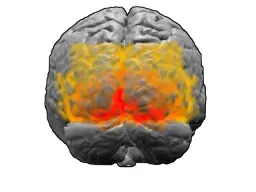
In recent decades, brain imaging has taken the story further by showing how visual information ripples through networks in the cortex. Scientists can now watch, in rough outline, which areas light up when you recognize a face, read a word, or imagine a scene with your eyes closed. This has confirmed that vision is deeply entangled with memory, emotion, and attention, rather than isolated in a single “vision center.” Our picture of seeing has evolved from simple diagrams of an eyeball and optic nerve to sprawling maps of interacting systems. Each new technology peels back another layer, but it also reminds us how much we still do not fully grasp.
Beyond the Visible: Animals, Machines, and Other Ways of Seeing
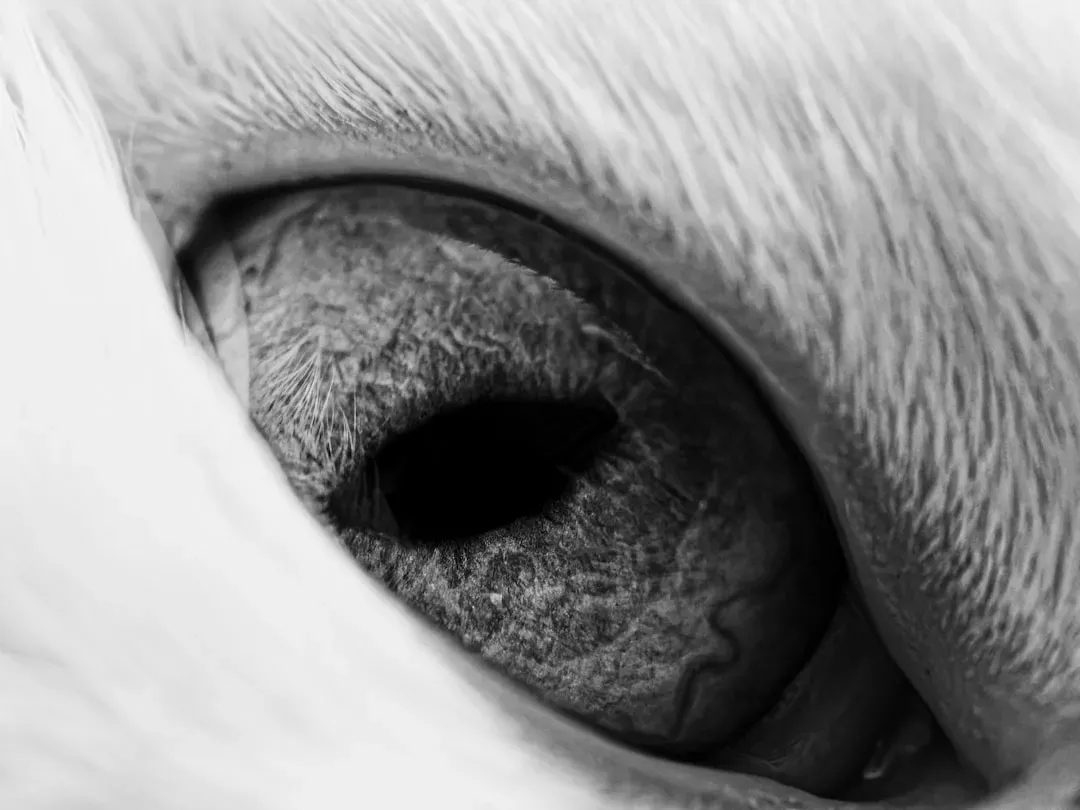
Human eyes are impressive, but they are far from the only way to see the world. Birds of prey can spot tiny movements from dizzying heights, while many insects pick up ultraviolet patterns on flowers that are invisible to us. Some snakes sense infrared radiation, effectively “seeing” heat, and certain deep-sea creatures thrive in almost total darkness using highly sensitive visual systems. Each species lives inside its own slice of reality, tuned to the signals that matter most in its environment. Our familiar, colorful world is just one version among many possible sensory worlds on Earth.
Machines are joining that list with their own alien styles of vision. Computer vision systems now detect patterns in medical scans, satellite images, and security footage that human eyes might miss or misinterpret. They can be faster and more consistent, but they do not “see” in the human sense; they crunch numbers and probabilities rather than experience a scene. When these systems are used in policing, healthcare, or self-driving cars, their strengths and blind spots collide with our own. Comparing animal, human, and machine vision forces us to ask a surprisingly intimate question: what exactly are we doing when we say we see?
The Future of Sight: Bionic Eyes, Brain Implants, and Ethical Storms
Right now, scientists and engineers are racing to restore or even enhance human vision in ways that sounded like science fiction only a generation ago. Retinal implants already allow some people who were once completely blind to detect light, shapes, and movement, using tiny arrays of electrodes placed inside the eye. Experimental brain implants bypass the eye entirely and stimulate the visual cortex directly, offering hope for people whose eyes are too damaged to repair. Gene therapies aim to correct inherited retinal diseases at the molecular level, sometimes improving light sensitivity and function in early trials. These approaches are still developing, but they show how deeply we are learning to tap into the visual system’s wiring.
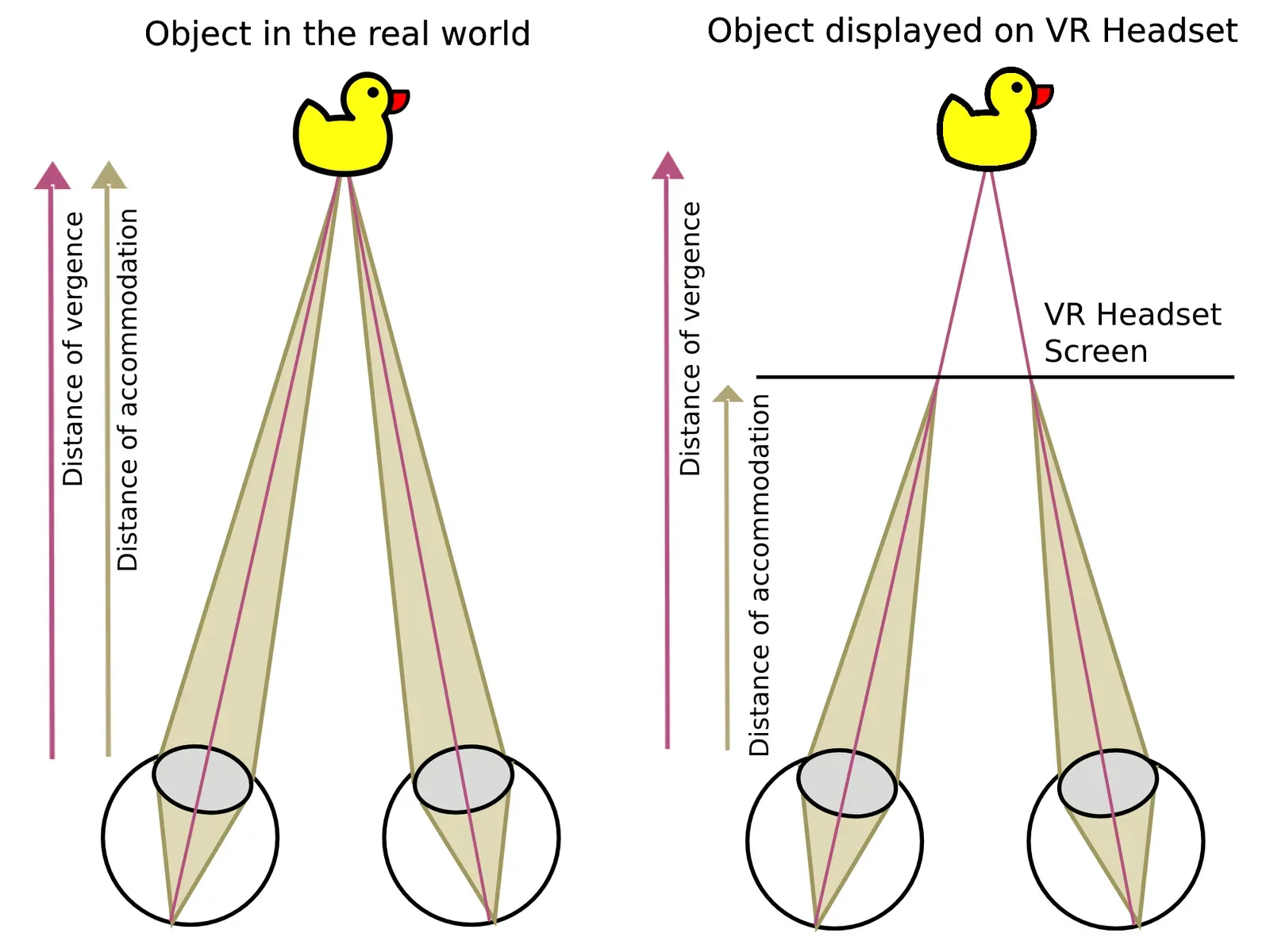
At the same time, augmented and virtual reality are reshaping what it even means to see “the real world.” Lightweight headsets can overlay digital information onto your view – directions on the street, labels on products, or real-time translations of text. If such technologies become widespread, entire societies may grow up seeing a hybrid of physical and digital layers. That raises uncomfortable questions: who controls what appears in those layers, and how might that influence what we notice or ignore? The future of sight is not just a technical story but a political and ethical one, where the power to shape what people see becomes a power to shape what they think and do.
Seeing with More Care: How You Can Engage
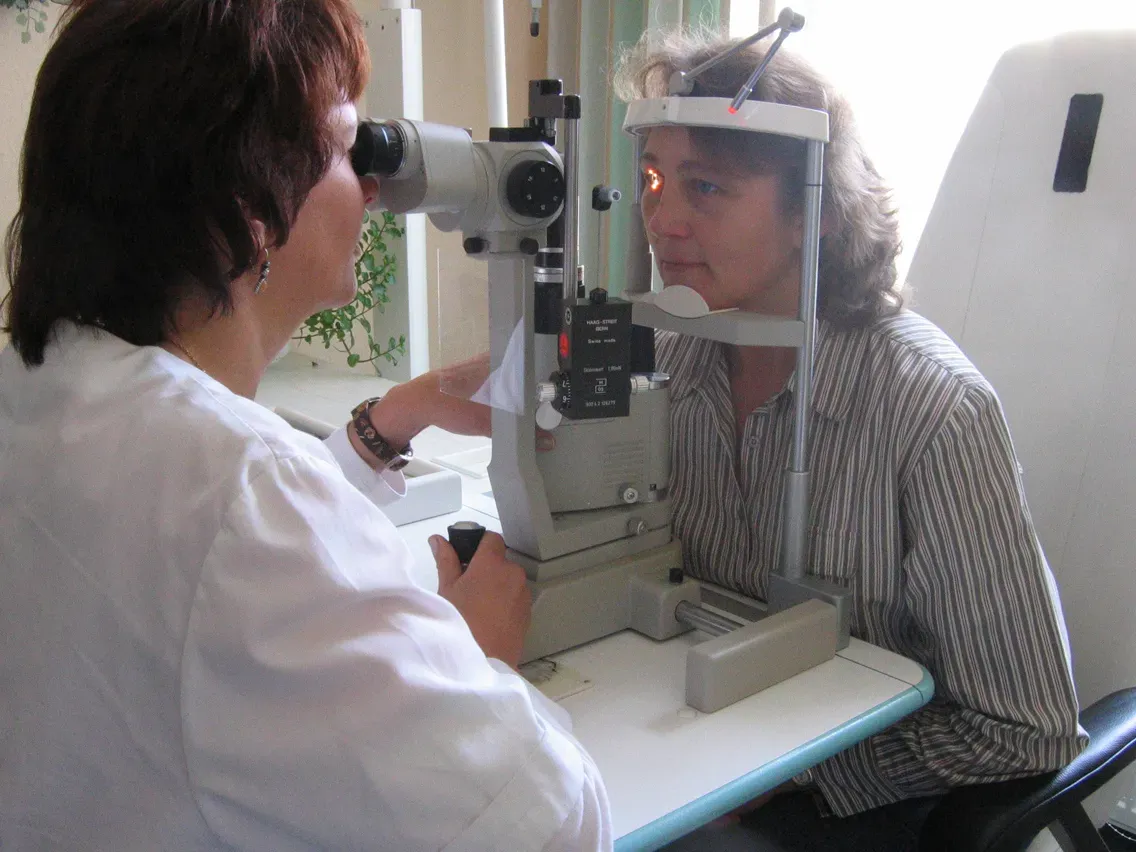
For something we rely on every waking moment, most of us barely think about taking care of our eyes until something goes wrong. Yet simple habits can make a real difference: regular eye exams can catch conditions like glaucoma or diabetic eye disease early, when they are far more treatable. Giving your eyes breaks from screens, especially during long work sessions, can ease strain and headaches. Wearing sunglasses that block ultraviolet light helps protect delicate retinal cells over a lifetime. Even basic steps like good lighting and protective eyewear in risky environments can prevent injuries that change vision forever.
You can also support the bigger picture by staying curious and engaged with the science of sight. That might mean following research from reputable medical centers, participating in clinical trials if eligible, or donating to organizations funding vision research and eye care access worldwide. Talking with kids about how their eyes work can turn everyday experiences into small science lessons, nurturing the next generation of scientists and doctors. And perhaps most importantly, you can treat your own perception with a bit of humility, remembering that what you see is a construction, not a flawless recording. Once you know that, it is hard to look at the world – or your own vision – the same way again.
Suhail Ahmed is a passionate digital professional and nature enthusiast with over 8 years of experience in content strategy, SEO, web development, and digital operations. Alongside his freelance journey, Suhail actively contributes to nature and wildlife platforms like Discover Wildlife, where he channels his curiosity for the planet into engaging, educational storytelling.
With a strong background in managing digital ecosystems — from ecommerce stores and WordPress websites to social media and automation — Suhail merges technical precision with creative insight. His content reflects a rare balance: SEO-friendly yet deeply human, data-informed yet emotionally resonant.
Driven by a love for discovery and storytelling, Suhail believes in using digital platforms to amplify causes that matter — especially those protecting Earth’s biodiversity and inspiring sustainable living. Whether he’s managing online projects or crafting wildlife content, his goal remains the same: to inform, inspire, and leave a positive digital footprint.