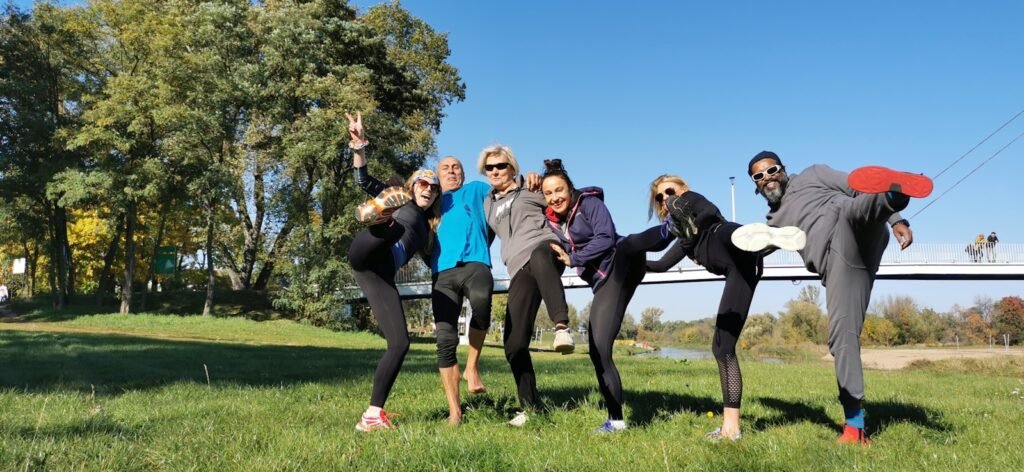

For years, exercise advice sounded almost boringly familiar: move more for stronger muscles, a healthier heart, a better mood. But hidden beneath the sweat and sore legs is a far stranger story, one that reaches all the way down to our DNA. Scientists are now revealing that a brisk walk, a hard run, or a gym session can leave molecular fingerprints on our genes, altering how they behave without rewriting the genetic code itself. This idea – that our daily choices can reprogram our biology in real time – is reshaping how we think about health, inheritance, and even aging. And it is still early days, which makes the discoveries arriving in labs around the world feel both thrilling and a little unsettling.
The Hidden Clues: When a Workout Talks to Your Genes
Imagine looking at a muscle cell before and after a tough bike ride and discovering that it is not quite the same cell anymore. That is essentially what scientists see when they examine skeletal muscle biopsies from people who have just exercised. Within minutes to hours, hundreds of genes ramp up or quiet down, like lights dimming and brightening on a control panel. These changes do not rewrite the sequence of DNA letters; instead, they tweak which genes are switched on, often through subtle chemical tags and structural shifts in the DNA packaging.
In practice, this means that a single workout sends a molecular shockwave through the body. Mitochondria-building genes flare into action to improve energy production, inflammation-related genes are dialed down, and stress-response genes temporarily spike, helping cells adapt and recover. Some of these responses fade within hours, but others leave a more lasting imprint, particularly when exercise is repeated over weeks or months. It is as if each workout nudges your cells to remember what they have experienced and to be better prepared the next time.
Epigenetics in Motion: How Exercise Rewrites the Margins, Not the Script
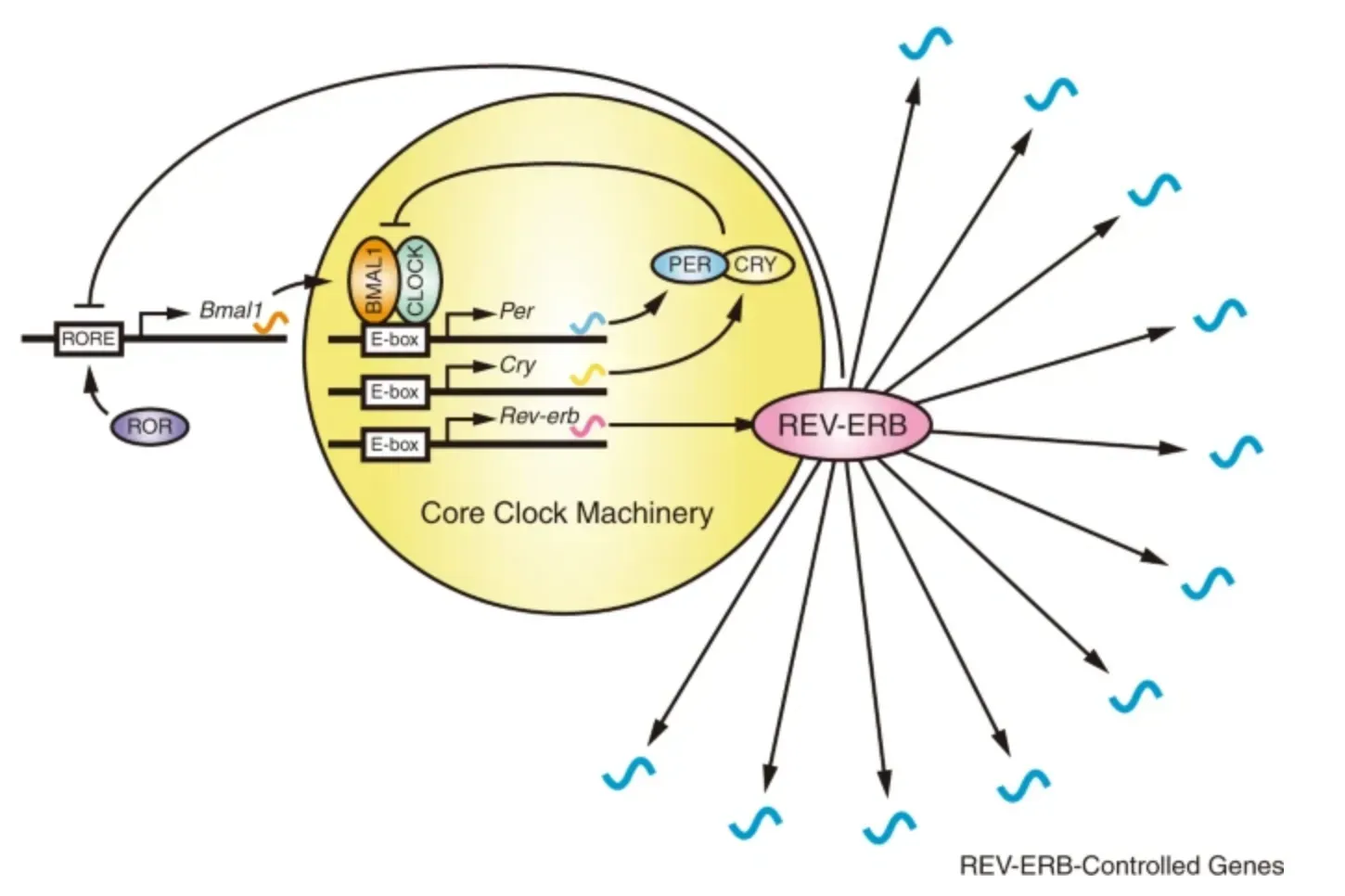
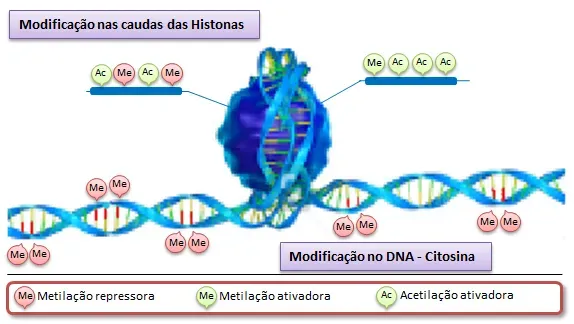
To understand how exercise changes DNA without changing the code, you have to step into the world of epigenetics. Epigenetic marks – such as DNA methylation and chemical tags on histone proteins – act like sticky notes on the genome, telling the cell which chapters to read and which to skip. Studies over the past decade have shown that regular exercise can reduce methylation at genes involved in energy use and insulin sensitivity, essentially lifting the brakes on helpful pathways. At the same time, methylation can increase at genes linked with chronic inflammation or metabolic disease, toning down their activity.
These changes are not random; they track with real-world outcomes like improved blood sugar control, lower fat accumulation in the liver, and better endurance. One striking experiment had volunteers train one leg on a stationary bike while leaving the other untrained; the exercised leg showed a distinct epigenetic signature that the idle leg did not. From a high level, it looks like the genome is not fixed in stone but more like a living document marked up by experience. Exercise, in this picture, becomes a powerful editor, crossing out harmful notes and underlining helpful ones.
Muscle, Memory, and “Genetic” Fitness: Why Some Gains Come Back Faster
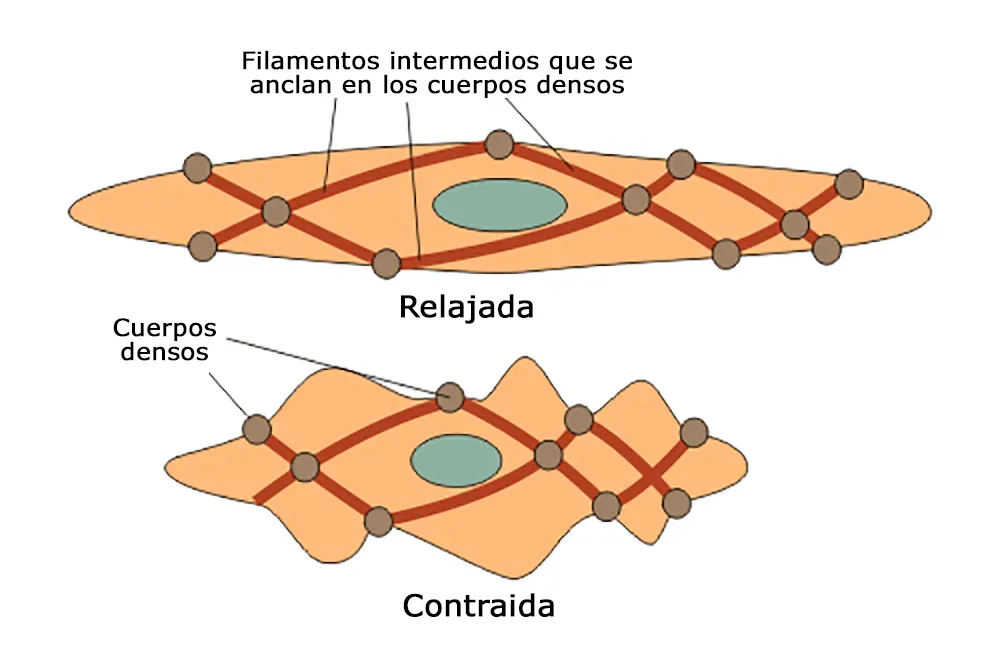
If you have ever returned to training after a long break and noticed that your strength or endurance bounced back quickly, you may have experienced what scientists now call muscle memory in a literal, molecular sense. Growing evidence suggests that once muscle cells have been exposed to repeated bouts of exercise, they keep some of the epigenetic changes even after training stops. Genes that help build muscle fibers, manage calcium, or fuel contractions may remain primed, ready to switch back on with less effort next time. It is as though muscles keep a scribbled margin note that says, we have done this before, we know the drill.
There is also a structural side to this memory. Resistance training can increase the number of nuclei inside muscle fibers, and those extra nuclei are often retained even when muscles shrink during inactivity. More nuclei mean greater capacity to produce proteins quickly when training resumes, so your cells can rebuild faster. This combination of epigenetic priming and structural preparedness helps explain why a former athlete can regain fitness far more rapidly than a complete beginner. It also adds weight to the argument that every training phase leaves a trace, even if you cannot see it in the mirror for a while.
Beyond Muscles: Exercise Signals That Travel Through the Body
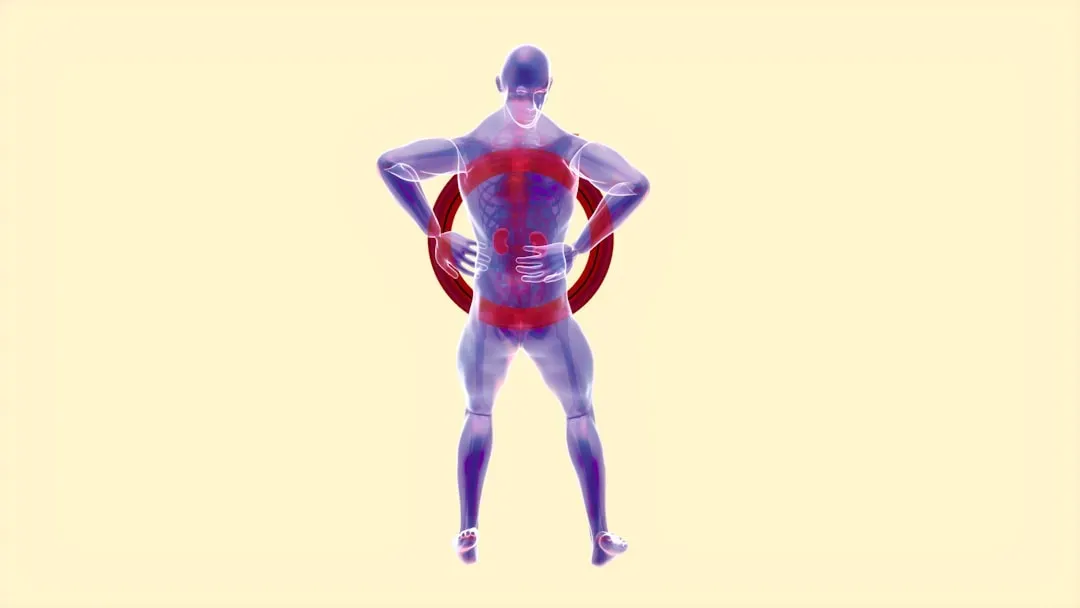
The changes are not confined to the muscles doing the work; they ripple through the entire body, including organs that never touch the treadmill. During exercise, muscles release signaling molecules known as myokines into the bloodstream, which can reach the brain, liver, fat tissue, and immune cells. These circulating signals help rewire how those cells use energy, store fat, and respond to stress, and they may help adjust epigenetic marks far from the original site of effort. For example, regular physical activity has been linked to epigenetic changes in immune cells that make them less prone to chronic low-grade inflammation.
Brain tissue tells a similar story. In people and in animal models, aerobic exercise boosts the production of growth factors that support neuron survival and the birth of new brain cells, particularly in memory-related regions. Some of these changes come with measurable epigenetic shifts at genes involved in plasticity and resilience to stress. That might be one reason why consistent physical activity has been associated with lower risk of depression and slower cognitive decline as people age. The takeaway is that when you move your legs or lift a weight, you are indirectly tuning an orchestra of tissues, with DNA instructions subtly rephrased in multiple sections at once.
Why It Matters: Exercise vs. Pills, Diets, and Old Ideas About Genes
For a long time, the conversation about health and DNA sounded fatalistic: if you inherited risky genes, your options were limited. The emerging science of exercise and epigenetics challenges that narrative. While we cannot swap out the genes we were born with, we can change how those genes behave, sometimes in remarkably specific ways. That gives exercise a different status compared with many pills or fad diets, which often act on narrow pathways or offer short-term fixes. A consistent practice of movement becomes more like a broad-spectrum treatment that tunes pathways across metabolism, immunity, and brain function.
Compared with traditional medical approaches that wait for disease to appear and then try to control it, exercise-driven epigenetic changes start years earlier and cut closer to root causes. Instead of just lowering a blood marker, they can reshape the underlying gene programs that set that marker in motion. This does not mean exercise is a magic shield; serious genetic disorders and established diseases still require targeted medical care. But it does mean that viewing physical activity as optional, cosmetic, or purely about weight ignores its deep, system-wide impact. In a sense, a pair of running shoes can do what no prescription yet can: help you rewrite parts of how your own genome is read.
From Parents to Children? The Controversial Question of Inherited Effects
One of the most provocative questions in this field is whether the epigenetic changes from exercise can influence the next generation. Some animal studies suggest that when parents are physically active before conception, their offspring may show differences in metabolism, brain function, or disease risk, even when raised in similar environments. In these cases, researchers find altered epigenetic marks in sperm or eggs, or early embryos, hinting that lifestyle can leave a molecular footprint that outlives the individual. It is an unsettling idea because it blurs the boundary between nature and nurture in ways that older genetics did not fully anticipate.
In humans, the evidence is far more tentative and complicated by social and environmental factors. Children of active parents are usually more active themselves, have different diets, and grow up in different stress environments, all of which can also affect epigenetics. Still, early studies are probing sperm DNA methylation patterns in highly trained athletes versus sedentary men, and following how these might relate to health outcomes in children. At this point, it is safer to say that the possibility of transgenerational effects is on the table rather than confirmed. Even so, the idea that your evening run might echo, in some tiny way, in your future child’s biology is hard to ignore.
The Future Landscape: Precision Exercise, Wearable Biology, and New Inequalities

Looking ahead, researchers are already imagining a world where exercise prescriptions are as personalized as a cancer treatment plan. Instead of generic advice like get more moderate activity, a doctor might one day look at your genetic and epigenetic profile and recommend specific combinations of intensity, duration, and recovery to target particular pathways. Early versions of this approach are being tested in small studies of people with diabetes, heart disease, or high genetic risk scores, where tailored training plans appear to shift molecular markers in more favorable directions. As sequencing and epigenetic assays get cheaper, it is not hard to envision fitness centers offering DNA-informed programs as a premium service.
At the same time, this future carries risks. Access to genomic testing and high-end coaching could widen existing health gaps, giving affluent groups yet another advantage in managing their disease risk. Wearable devices are starting to move beyond tracking steps and heart rate, hinting at real-time measurements of hormones, metabolites, or inflammatory signals that reflect deeper biological changes. If combined with AI-driven analysis of gene activity data, this could create powerful feedback loops – but also troubling landscapes of health surveillance. The science of exercise and DNA is opening doors to remarkable interventions, yet it also raises familiar questions about who benefits and who gets left behind.
Your Move: Turning Molecular Science Into Daily Habit

For all the sophistication of epigenetic charts and gene-expression heat maps, the most practical takeaway is disarmingly simple: your body is constantly listening to what you do. Every walk to the store, every climb up the stairs, every deliberate workout is a small signal to your genome about what kind of environment you live in and what you expect it to handle. When I first read the research showing that even a single intense session could leave measurable changes on skeletal muscle DNA, I stopped thinking about exercise as just maintenance and started seeing it as a conversation with my future self. It made skipping a workout feel less like missing a chore and more like declining an opportunity to edit my own biology.
You do not need lab access or a perfect training plan to act on this science. Simple habits – like adding a short burst of faster walking to your usual route, trying a few sets of bodyweight squats, or making space for regular, enjoyable movement most days of the week – are enough to start shifting molecular dial settings. Supporting community exercise programs, safe public spaces for walking and cycling, and school physical education is another way to turn this knowledge into broader change. If movement can alter the way our genes are read, then building a culture that makes movement easier is not just lifestyle advice; it is public health at the deepest biological level.
Suhail Ahmed is a passionate digital professional and nature enthusiast with over 8 years of experience in content strategy, SEO, web development, and digital operations. Alongside his freelance journey, Suhail actively contributes to nature and wildlife platforms like Discover Wildlife, where he channels his curiosity for the planet into engaging, educational storytelling.
With a strong background in managing digital ecosystems — from ecommerce stores and WordPress websites to social media and automation — Suhail merges technical precision with creative insight. His content reflects a rare balance: SEO-friendly yet deeply human, data-informed yet emotionally resonant.
Driven by a love for discovery and storytelling, Suhail believes in using digital platforms to amplify causes that matter — especially those protecting Earth’s biodiversity and inspiring sustainable living. Whether he’s managing online projects or crafting wildlife content, his goal remains the same: to inform, inspire, and leave a positive digital footprint.