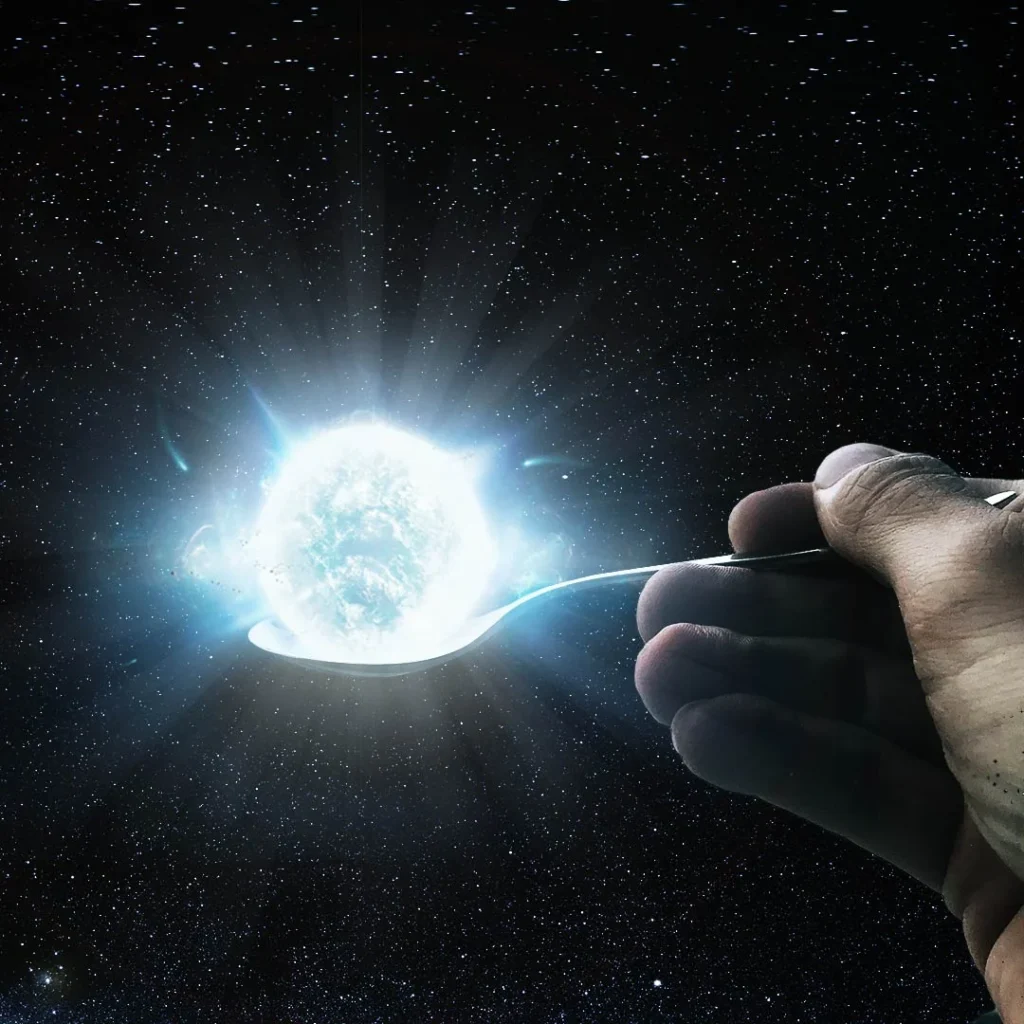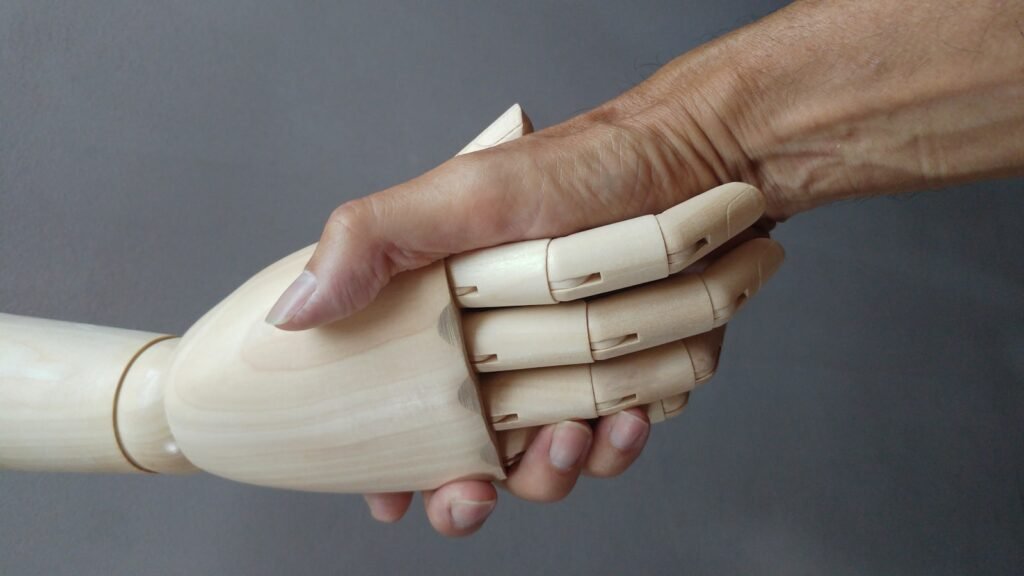

Imagine waking up in a hospital bed after a devastating accident and being told not that you will need a lifetime of prosthetics and surgeries, but that your lost limb will slowly grow back. For now, that belongs squarely in the realm of science fiction, but the science is inching closer than most people realize. From salamanders that rebuild entire legs to experimental drugs that trigger regrowth in animals, researchers are quietly mapping the rules of regeneration. The question is no longer whether biology can do this, but whether human biology can be persuaded to remember how. The answer could rewrite medicine, disability, and our very sense of what the human body is capable of.
The Hidden Clues: Animals That Regrow What We Cannot
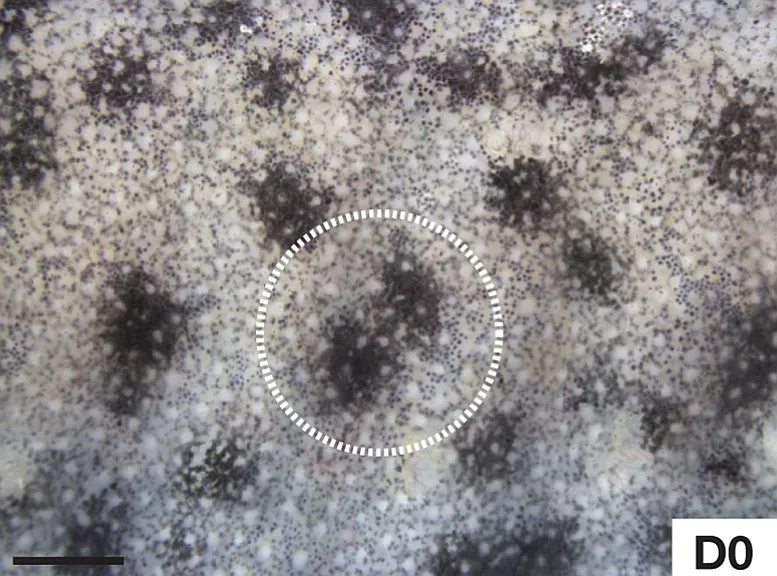
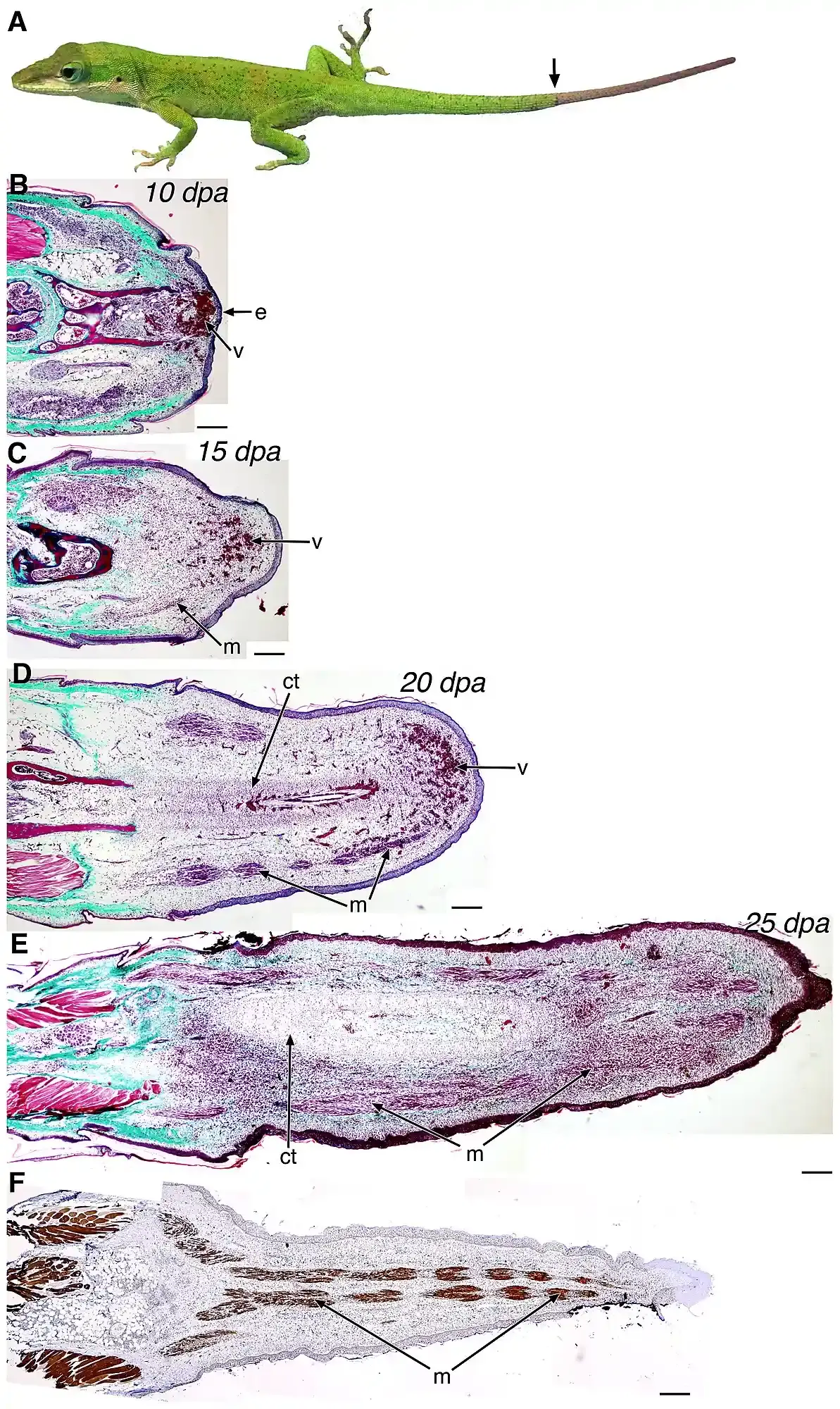
To imagine humans regenerating limbs, you first have to meet the creatures that already do it effortlessly. Axolotls, strange-looking Mexican salamanders, can regrow not only legs but also parts of their hearts, spines, and even chunks of their brains, often with no scars and fully restored function. When they lose a limb, cells at the wound site strip away their identities, reverting into a kind of flexible, early-stage state, then reorganize into bone, muscle, nerves, and skin in perfect proportion. It is like watching an entire developmental process replayed, but on fast-forward and in an adult body. Zebrafish can pull off a similar trick with their fins and hearts, and starfish famously rebuild missing arms.
What is striking is that some of these animals are not distant evolutionary relatives; they share many core genes and molecular pathways with us. That suggests regeneration is not a magic alien power, but a biological program that has been turned way down or repurposed in humans rather than fully erased. Some researchers compare it to an operating system feature that still exists in the code but is disabled in the settings. If that is true, then limb regeneration is less like inventing a new technology and more like learning how to unlock an ancient one. The clues sitting in salamander tanks and zebrafish aquariums may be the user manuals we have been missing.
What Happens When a Limb Grows Back?
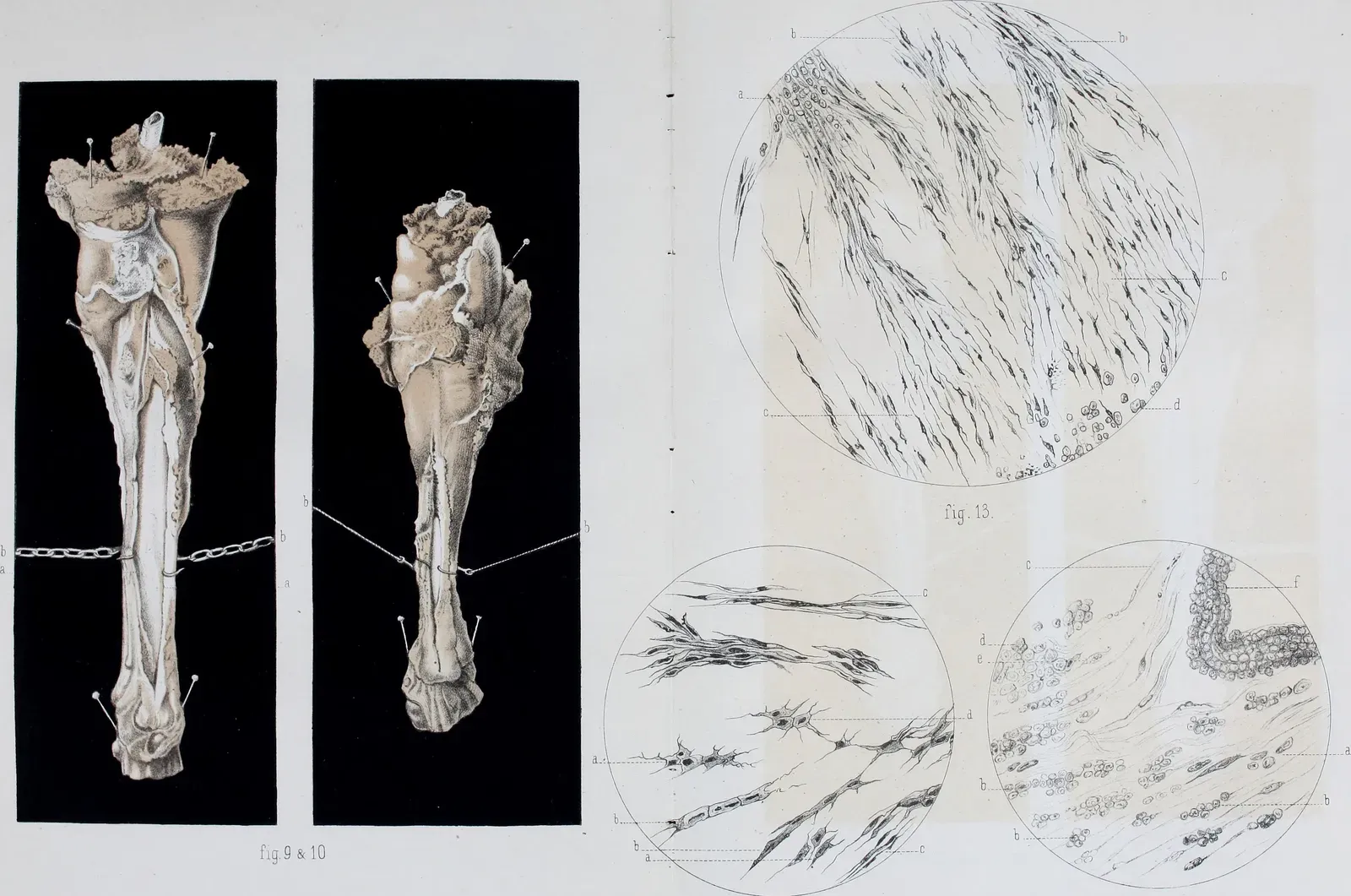
The actual process of limb regrowth, even in animals that do it well, is messy, dynamic, and surprisingly coordinated. Right after an amputation, blood clots and immune cells rush in, but instead of sealing the wound into a scar, certain species temporarily suppress scarring. At the stump, specialized cells gather into a structure called a blastema, a kind of living construction site packed with dividing cells that can become many different tissues. Signals from nerves, blood vessels, and surrounding skin essentially tell this blastema what to build, where, and how big it should be. If those signals are disrupted, the regrown limb can form incorrectly or not at all.
For humans, the challenge is that our bodies are very good at sealing injuries with scar tissue, which protects us from infection but also shuts down the possibility of full regrowth. Researchers suspect our evolution favored quick patch jobs over slow, perfect rebuilding because early humans constantly faced infection, predators, and trauma. Turning us from scar-formers into regrow-ers would mean rewiring how our skin, immune system, and nerves respond to major injury. It would also require controlling cell growth so precisely that we get a functional limb, not a chaotic overgrowth. In a way, limb regeneration sits at the razor’s edge between repair and cancer, and that is one reason it has to be approached carefully.
From Myth and Medicine to Laboratory Reality
Humans have dreamed about regrowing lost parts of the body for as long as we have been telling stories. Ancient myths describe gods and heroes who grow new heads or rise again after being torn apart, echoing a deep desire to reverse catastrophic damage. In the real world, the closest we have come so far is in very young children who can sometimes regenerate the tips of fingers if part of the nail bed is intact, a tiny but tantalizing hint that some regenerative capacity still lingers. Surgeons already use tissue flaps, bone grafts, and intricate nerve reconnections to repair limbs, but these are rearrangements and reinforcements, not true regrowth.
Today’s research labs are beginning to close the gap between myth and medicine through a mix of genetics, bioengineering, and developmental biology. For example, scientists have used targeted drug cocktails to briefly induce regenerative responses in frogs, which normally do not regrow limbs as adults, coaxing them to form new leg-like structures after amputation. Other efforts focus on reprogramming adult human cells to act more like the flexible cells found in embryos or blastemas, hoping to guide them toward building complex structures. Even advances in 3D bioprinting and stem-cell-based organoids are part of the same movement: learning to rebuild rather than just repair. The idea of a patient receiving a treatment that kicks off organized, stepwise regrowth of a limb is no longer purely fantasy – it is a long, winding, and uncertain, but increasingly visible, road.
The Biology of a What-If: Could Our Bodies Be Reprogrammed?
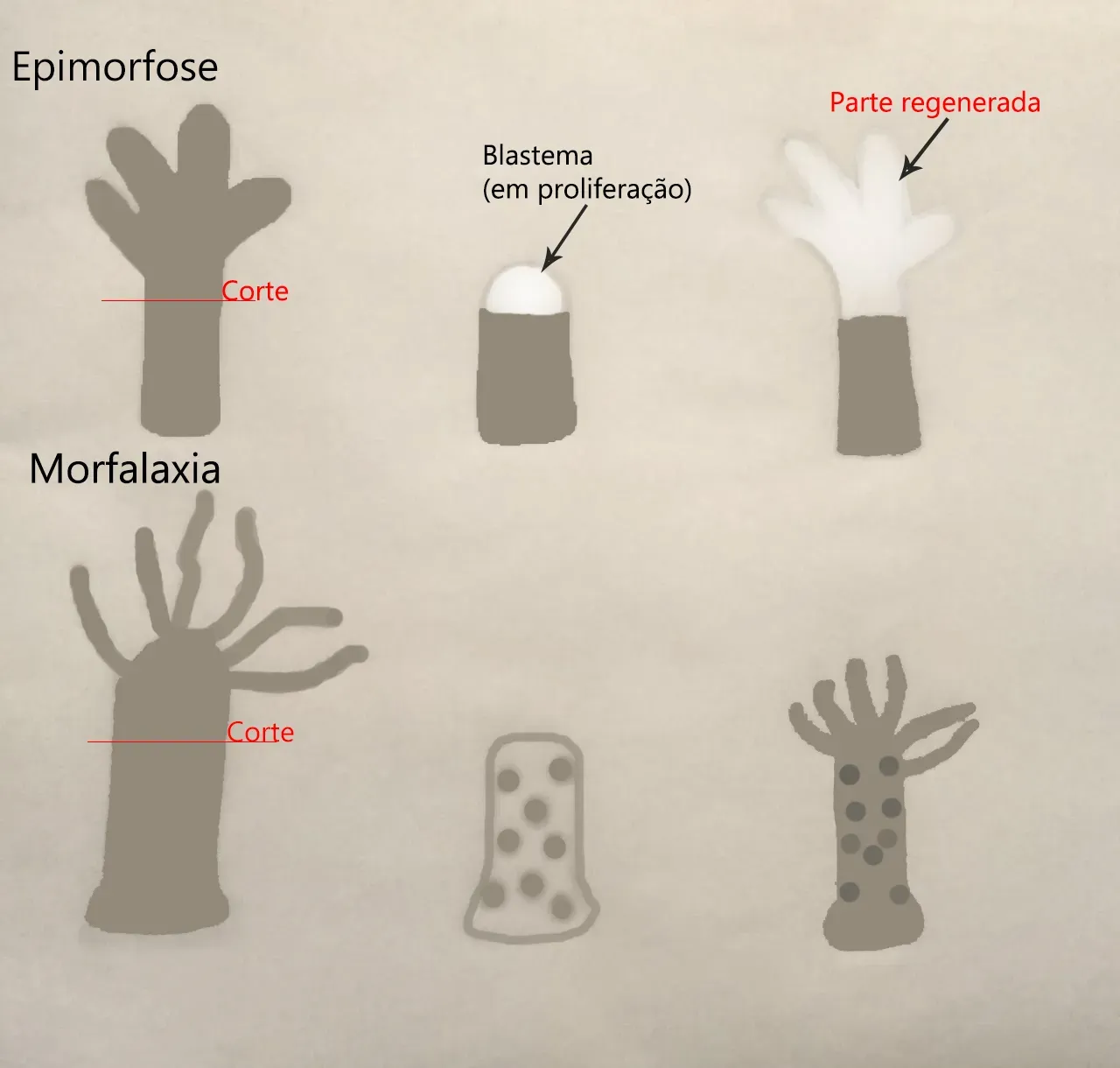
When you strip away the science fiction sheen, the core question is simple: can adult human cells be persuaded to behave more like the cells in a salamander’s blastema? Many researchers think the answer may eventually be yes, because the molecular switches that control cell identity, growth, and patterning are surprisingly conserved across species. Experiments in mice have already shown that certain combinations of genes and signals can make mature cells revert to a more plastic state or encourage them to regenerate damaged tissue rather than scar. In some models, boosting nerve signals or tweaking electrical patterns across cells has changed how wounds heal, hinting that regeneration is governed not just by chemistry but also by bioelectric instructions.
Still, moving from a regrown fingertip or improved wound healing to a fully formed arm is like going from building a sandcastle to constructing a skyscraper. A limb is not just bone and skin; it is a highly ordered network of muscles, blood vessels, tendons, nerves, and joints that must align and connect with the rest of the body. Each of these components follows its own developmental timeline and needs specific cues to know when to stop growing. If those cues are even slightly off, you could get malformed joints, miswired nerves, or dangerous growths. So while the idea of “reprogramming” the body is compelling, the real work happens in figuring out how to choreograph millions of cells dancing in perfect sync.
Why It Matters: Rethinking Disability, Trauma, and Healing
Speculating about regrown arms and legs can sound like a thought experiment, but for millions of people living with limb loss, it is deeply personal. Combat veterans, accident survivors, people with severe infections, and those born with limb differences navigate a world that was rarely designed with their bodies in mind. Modern prosthetics have come an astonishing distance, from simple hooks to bionic limbs that respond to muscle signals or even brain activity, and many users value the independence and identity they find with these devices. Regeneration, if it ever became possible, would not erase those experiences or make prosthetics obsolete overnight, but it would add a radically different option to the landscape of care.
There is also a quieter but equally powerful impact: changing how we think about injury and aging. If a future medicine could restore a crushed limb or reverse some forms of tissue degeneration, the psychological burden of certain traumas might shift from permanent loss to long, demanding, but hopeful recovery. At the same time, the possibility of limb regrowth raises hard ethical questions about access, equity, and expectations. Would only the wealthiest patients benefit at first? Would pressure mount on people with limb differences to “fix” themselves, even if they are content with their bodies? In that sense, limb regeneration is not just a biological challenge; it is a social crossroads that would force us to confront what we consider normal, whole, and human.
Beyond Prosthetics: How Regeneration Compares to Today’s Solutions
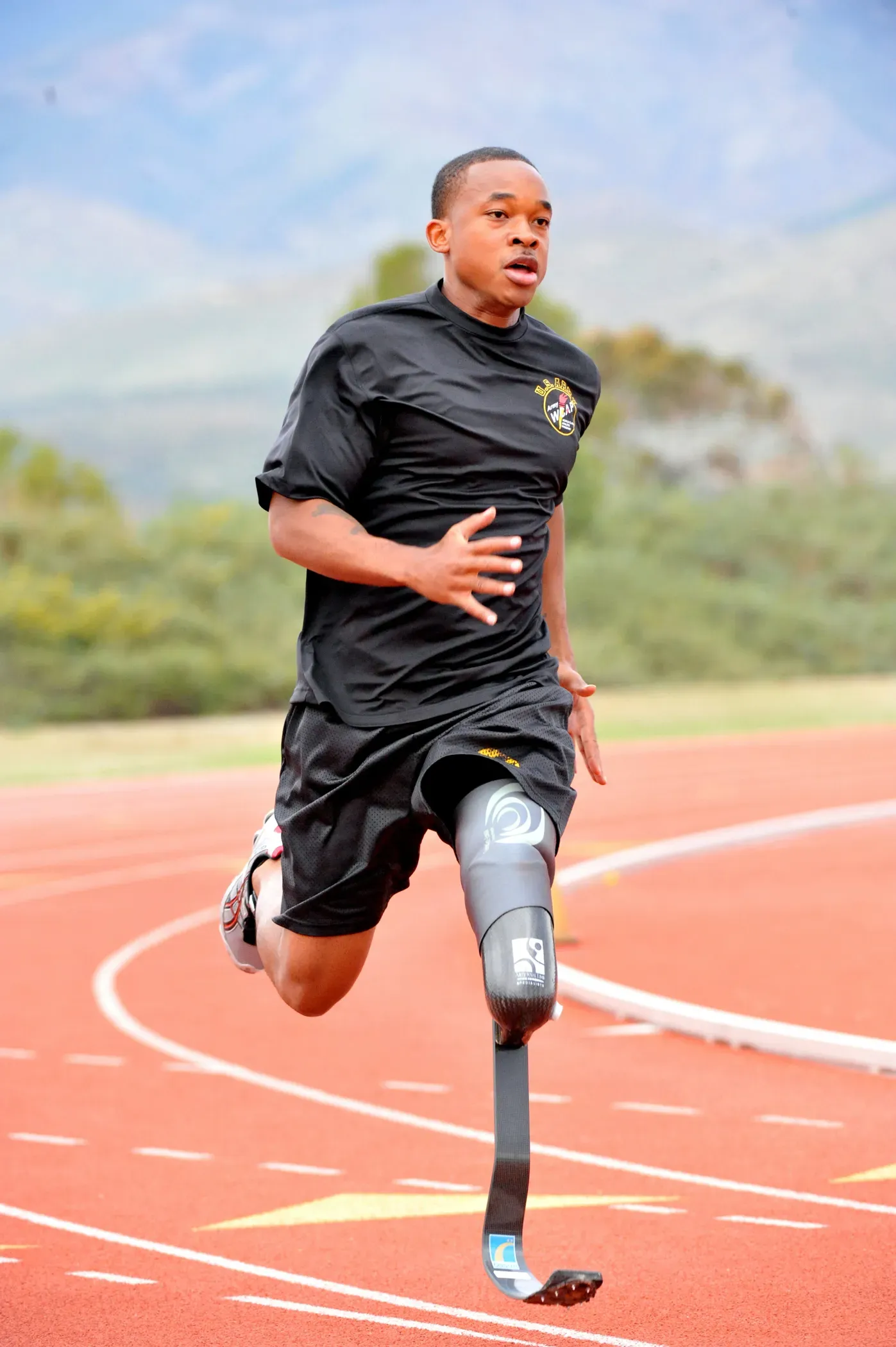
Right now, the gold standard after major limb loss is a combination of surgery, rehabilitation, and prosthetic technology. Advanced prosthetic limbs can restore the ability to walk, grasp, and even sense some feedback through clever interfaces and sensors, and for many people they are life-changing. But they remain external devices, with weight, maintenance demands, and limits on dexterity and sensation, even in the most sophisticated models. Muscle and nerve grafts can improve function around an amputation site, yet they still work around the absence of an actual limb rather than recreating it. Rehabilitation is often long, exhausting, and emotionally heavy, even when the outcome is positive.
Regeneration, if it could be safely achieved, would aim for something fundamentally different: rebuilding the limb from the inside out, complete with living tissue that grows, heals, and responds as part of the body. That would, in theory, solve problems that prosthetics struggle with, such as delicate sensory feedback, growth in children, and organic integration with the immune and circulatory systems. On the other hand, a regenerative approach would likely involve long treatment windows, complex monitoring, and real uncertainty about outcomes, especially in early stages. It might resemble a marathon of tissue engineering, where small gains accumulate slowly rather than a single surgical fix. Comparing the two is not about choosing a winner, but recognizing that the menu of options could one day be much richer than “prosthetic or nothing.”
The Future Landscape: From Experimental Therapies to Global Impact
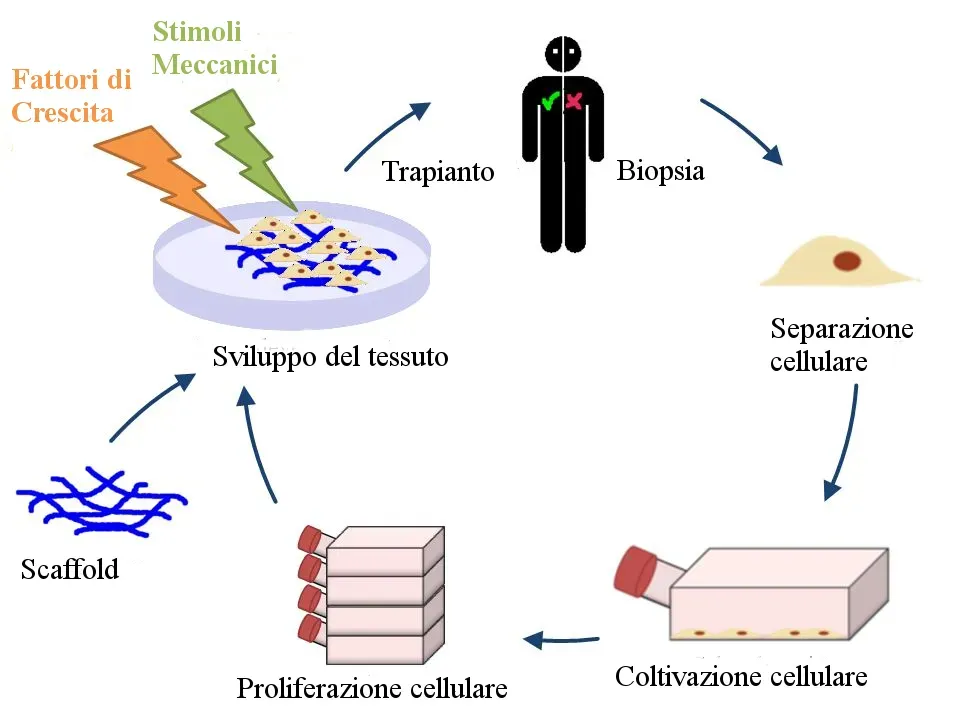
If humans ever do regenerate limbs, it will probably not begin with a dramatic overnight breakthrough but with small, targeted wins. The first real-world steps may be therapies that reduce scarring and improve partial regrowth after injuries, especially in children, whose bodies are already more plastic. Next might come treatments that encourage complex tissues, like muscle or bone, to rebuild more fully after trauma or surgery, perhaps using carefully timed combinations of drugs, gene therapies, and bioelectric stimulation. Over time, integrated approaches could emerge, blending scaffolds that guide growth with cells engineered to respond in regenerative ways rather than scarring. Early patients would likely be part of tightly controlled clinical trials focused on safety above all else.
The global implications of such technologies would be enormous and uneven. In countries with high rates of conflict or industrial accidents, regenerative therapies could dramatically change long-term outcomes for survivors, but only if healthcare systems have the resources to deliver them. Access would hinge on infrastructure, training, and cost, echoing existing inequalities around advanced treatments like organ transplants and gene therapies. There would also be risks of misuse or overuse, such as unproven “regeneration” clinics offering dangerous procedures to desperate patients, as we have already seen with some stem cell treatments. Regulatory frameworks, international collaboration, and public understanding would all need to evolve in step with the science. Limb regeneration, in other words, would not just be a medical advance; it would be a test of how responsibly we handle powerful new tools.
How You Can Engage With This Emerging Frontier

Most people will never set foot in a regeneration lab, but that does not mean you are sidelined from this story. Public interest and understanding shape what kinds of research are funded, how quickly they move, and which ethical questions are prioritized. Staying informed through reputable science journalism, public lectures, and outreach programs can help you sort genuine breakthroughs from hype. If you have the means or motivation, supporting organizations that fund basic biology, regenerative medicine, and disability advocacy is a concrete way to influence the trajectory. Conversations with friends, family, or community groups about what limb regeneration could mean – both its promise and its pitfalls – also matter more than they might seem.
On a more personal level, paying attention to current advances in prosthetics, rehabilitation, and tissue engineering can ground the “what if” in what is already real. Encouraging nuanced discussions that respect the perspectives of people living with limb differences helps ensure future technologies are guided by those whose lives are most affected. Teachers and parents can nurture curiosity by sharing stories of animals that regenerate and the scientists studying them, planting the seed that today’s impossible can become tomorrow’s toolkit. Whether or not humans ever fully regenerate limbs, engaging with these possibilities sharpens our sense of what kind of future we want. After all, if our bodies might one day regrow what is lost, how do we start preparing our societies, values, and imaginations now?
Suhail Ahmed is a passionate digital professional and nature enthusiast with over 8 years of experience in content strategy, SEO, web development, and digital operations. Alongside his freelance journey, Suhail actively contributes to nature and wildlife platforms like Discover Wildlife, where he channels his curiosity for the planet into engaging, educational storytelling.
With a strong background in managing digital ecosystems — from ecommerce stores and WordPress websites to social media and automation — Suhail merges technical precision with creative insight. His content reflects a rare balance: SEO-friendly yet deeply human, data-informed yet emotionally resonant.
Driven by a love for discovery and storytelling, Suhail believes in using digital platforms to amplify causes that matter — especially those protecting Earth’s biodiversity and inspiring sustainable living. Whether he’s managing online projects or crafting wildlife content, his goal remains the same: to inform, inspire, and leave a positive digital footprint.