
For billions of years, nature has been running the ultimate research and development lab, quietly testing and refining designs that work in heat, cold, drought, flood, and chaos. Now, scientists and engineers are finally learning to stop reinventing the wheel and start copying the world outside our windows. From self-healing materials to whisper-quiet wind turbines, biomimicry is turning biological genius into real-world technology. In an era of mounting climate pressure and resource strain, these nature-inspired breakthroughs feel less like clever tricks and more like survival tools. The fascinating part is this: the more we look, the more we realize that the answers were never hidden at all – they were flying, crawling, swimming, and growing around us the whole time.
The Hidden Clues: How a Kingfisher Redesigned High-Speed Trains
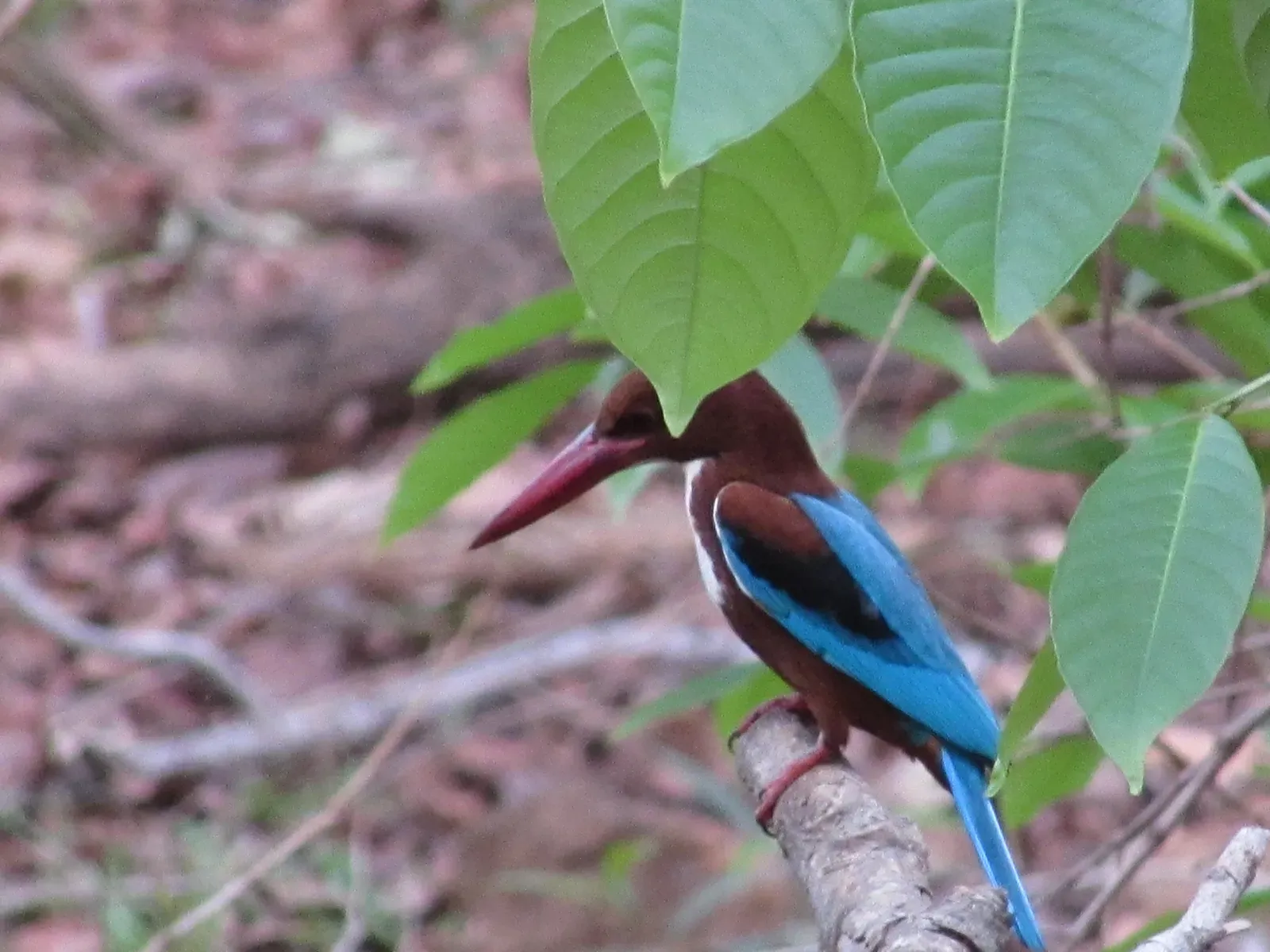
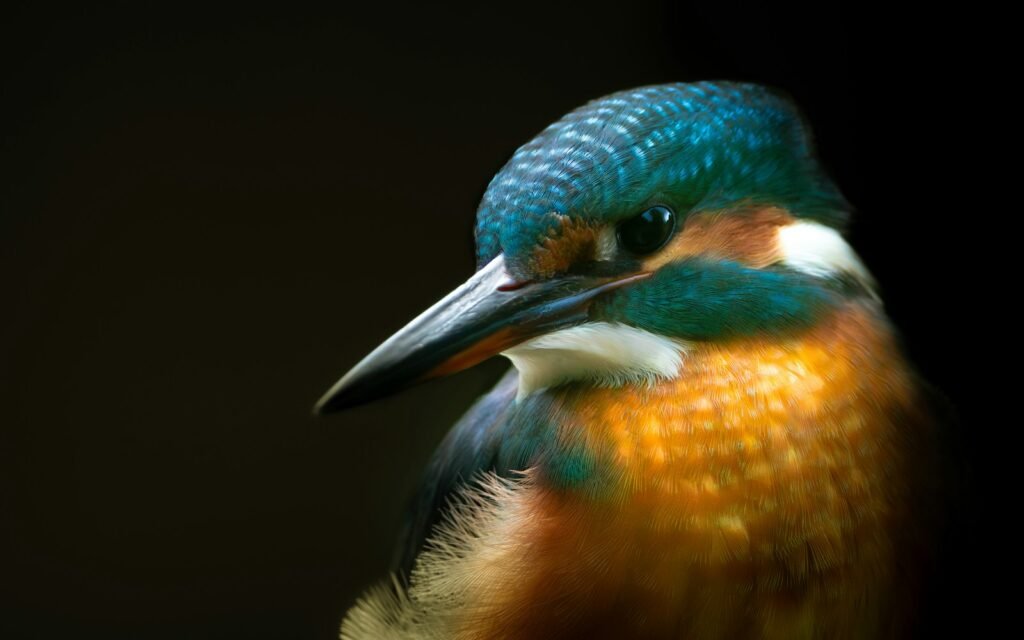
When Japan’s Shinkansen bullet trains first pushed toward higher speeds, they ran into an unexpected problem: noise. Every time a train burst out of a tunnel, the sudden pressure change created a thunderous boom that rattled nearby neighborhoods and violated noise regulations. An engineer who happened to be a bird watcher noticed how the kingfisher dives from air into water with barely a splash, despite moving from one dense medium to another. By reshaping the train’s nose to mimic the kingfisher’s long, tapered beak, designers dramatically reduced the pressure wave at tunnel exits.
The result was a train that was not only quieter but also more energy efficient and slightly faster, using less electricity per trip while carrying thousands of passengers. Similar nature-inspired forms are now guiding the design of wind turbine blades, airplane wings, and even underwater vehicles. The lesson is deceptively simple: if an animal has been smoothly transitioning between two environments for millions of years, its body probably has something to teach engineers wrestling with similar physics. What began as a noise complaint ended up as a powerful proof of concept for modern biomimicry.
From Ancient Shells to Modern Cities: Termite Mounds and Self-Cooling Buildings
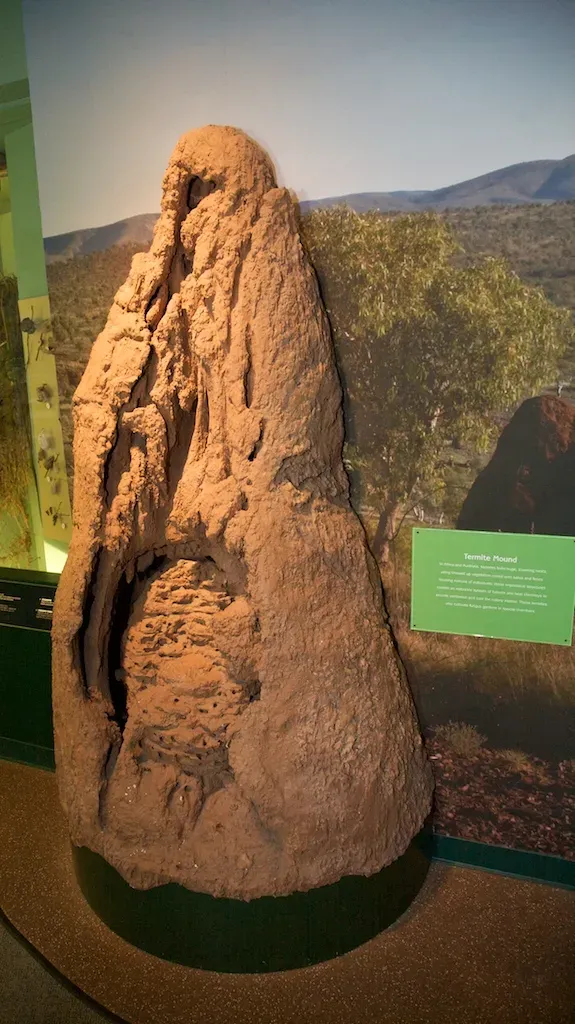
If you have ever stepped from a blazing parking lot into a cool stone basement, you know the power of passive temperature control. Termites, tiny insects living in brutally hot savannas, took that concept much further, building towering mounds that maintain remarkably stable internal temperatures despite scorching days and cold nights. Inside, a labyrinth of vents and tunnels drives natural convection, constantly moving fresh air through the colony like a living, breathing lung. Architects and engineers studying these mounds realized they could mimic this passive ventilation in large office buildings.
One of the most famous examples is an office complex in Harare, Zimbabwe, that uses termite-inspired airflow channels to drastically reduce the need for air conditioning. Reports have noted that its energy consumption for climate control is a fraction of that of comparable conventional buildings, saving money and cutting emissions at the same time. The idea is spreading into new designs for schools, shopping centers, and even data centers that run hotter than most homes. In a warming world where cooling demand is skyrocketing, borrowing from termite architecture is not a quirky curiosity – it is a serious strategy for sustainable urban design.
The Gecko Grip: Climbing Walls, Robotic Hands, and Space Repairs
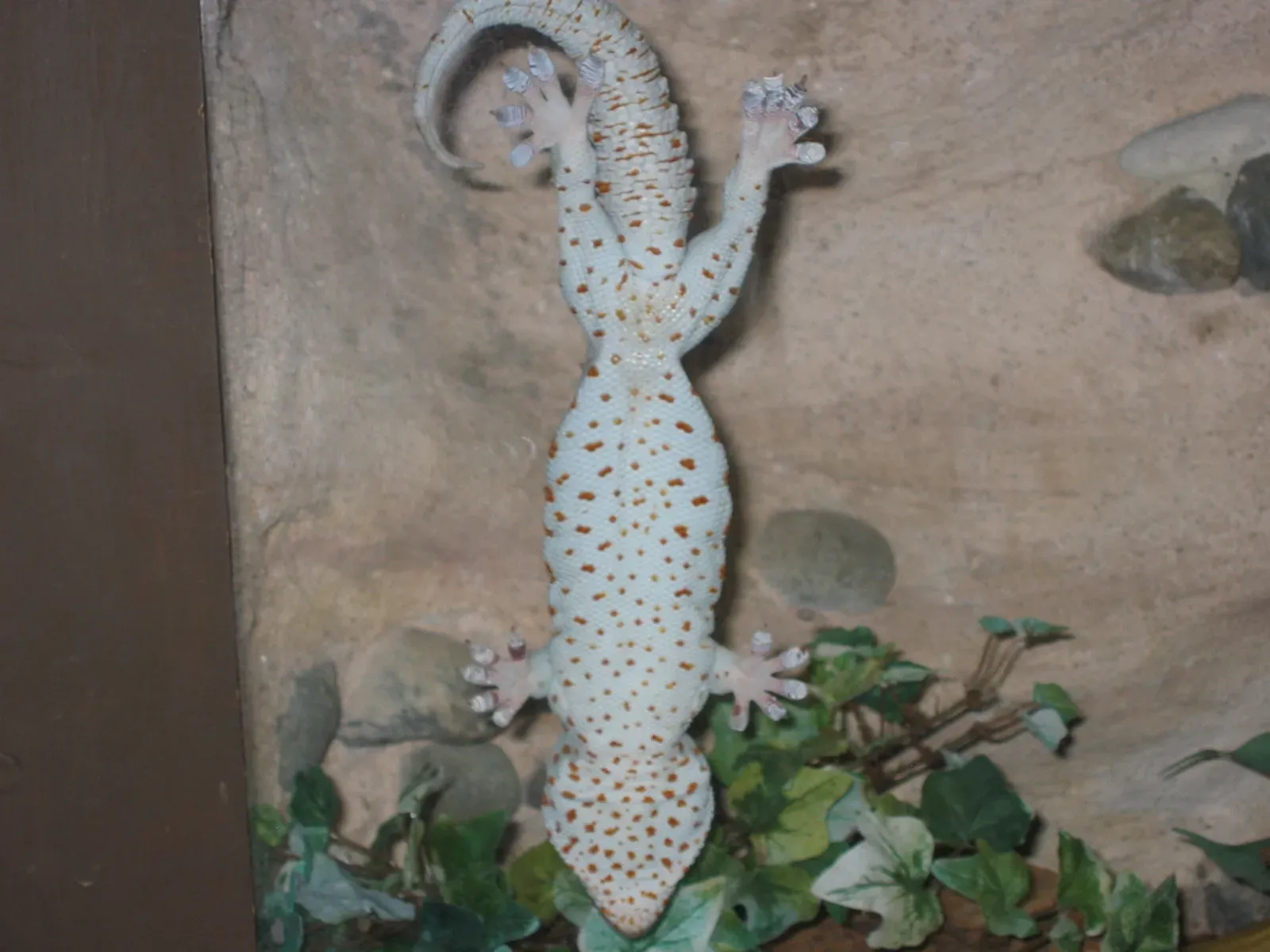
Watch a gecko run across a ceiling and you are seeing one of the most counterintuitive feats in nature. These small lizards cling to glass and walls not with glue or suction, but with millions of microscopic hairs on their toes that exploit weak intermolecular forces called van der Waals interactions. Each tiny hair, and each split end of that hair, increases contact area so much that the cumulative attractive force is enough to hold many times the gecko’s weight. For years, scientists stared at this effect and thought about science fiction scenarios like humans walking on walls.
Now, gecko-inspired adhesives have moved from the lab into prototypes for climbing gear, soft robotics, and even tools for handling delicate electronics without residue. In some experiments, gecko-like pads have allowed robots to cling to vertical glass panes or grip irregular objects without squeezing them too hard. Engineers working with space agencies are exploring similar dry adhesives for use in microgravity, where traditional clamps and suction do not always work well. Because these surfaces can be reused thousands of times without losing stickiness, they hint at a future where temporary, residue-free attachment becomes the norm rather than the exception.
Spider Silk and Self-Healing Materials: Stronger, Smarter, and Surprisingly Gentle
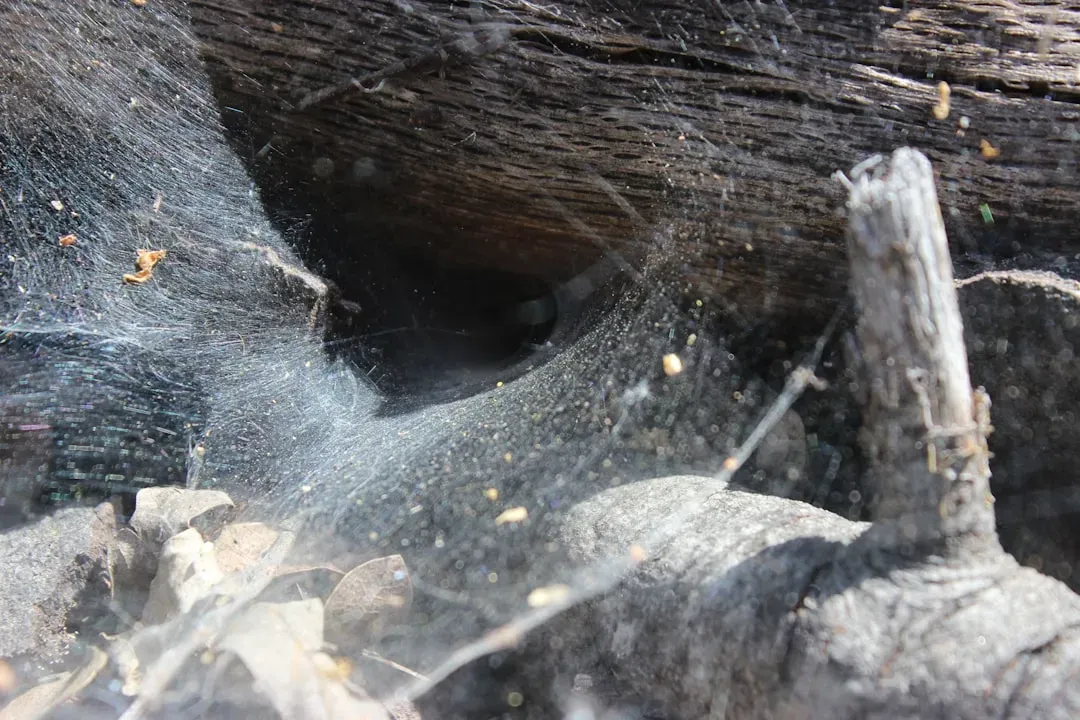
Spider silk has almost mythical status among materials scientists, and it deserves it. Weight for weight, some spider silks rival high-grade steel in tensile strength while remaining incredibly light and flexible, all spun at room temperature from water-based solutions. For decades, researchers have tried to replicate this combination of strength, elasticity, and energy absorption using engineered proteins and synthetic processes. Recently, lab-grown silk-like fibers and composites have started to approach the performance of their natural counterparts, opening doors to new types of protective gear, medical sutures, and lightweight structural materials.
Alongside silk research, scientists inspired by biological tissues are developing self-healing polymers and coatings that repair small cracks the way skin heals a cut. Some of these materials contain microcapsules that release healing agents when damaged, while others rely on reversible chemical bonds that re-form after being broken. Early versions are already being tested in things like smartphone screens, fuel lines, and protective paints for bridges. Each small advance nudges us toward infrastructure and devices that last longer, fail more gracefully, and waste fewer resources. Nature’s approach to damage is rarely to throw something away; it is to mend, adapt, and move on.
Nature’s Aerodynamics: Humpback Whales, Owls, and Quieter, Greener Machines
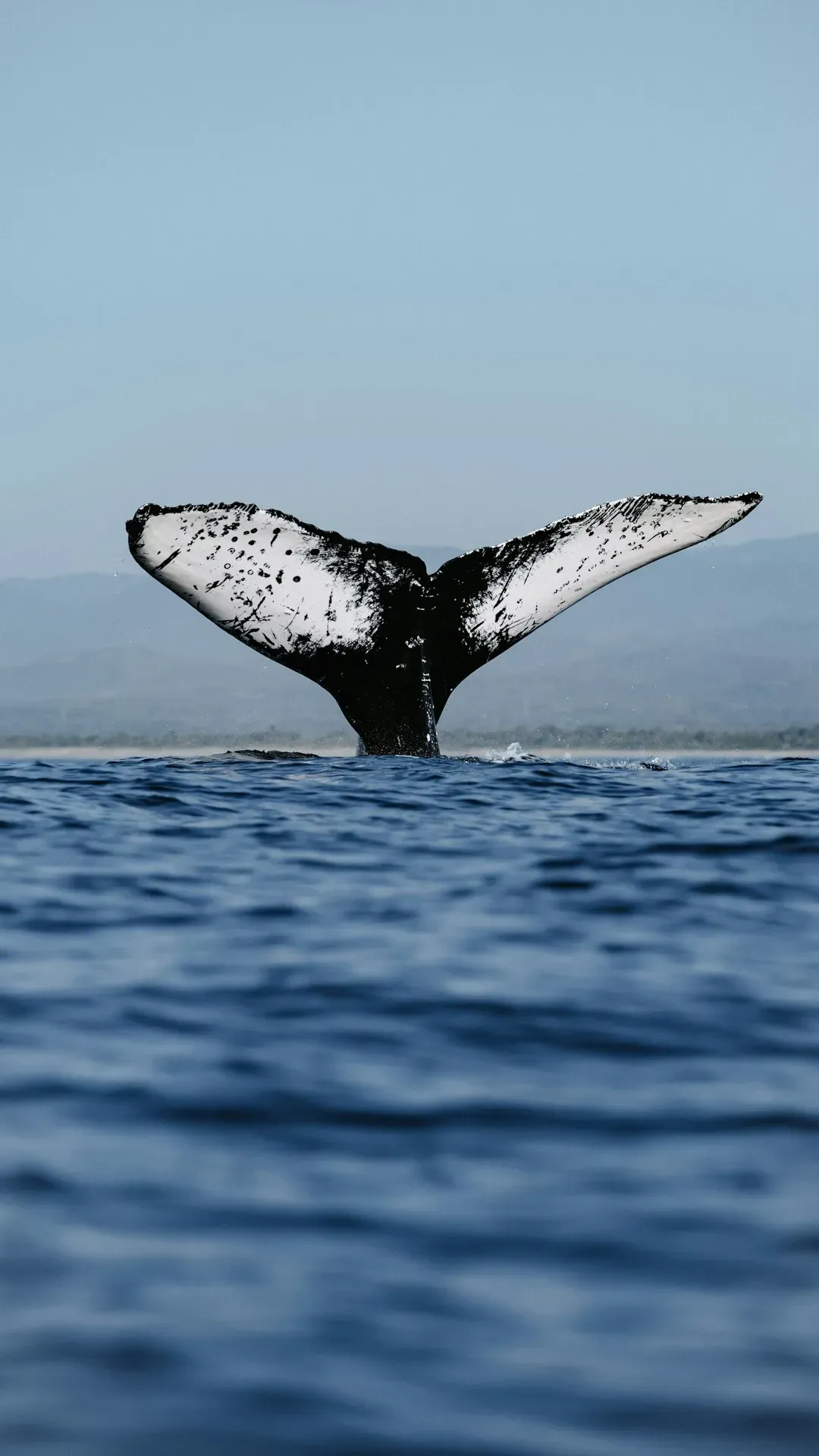
Humpback whales are not the first creatures you might think of when picturing advanced aerospace design, yet their massive flippers hide a sophisticated aerodynamic trick. The bumpy leading edges, called tubercles, channel water into narrow high-speed streams that reduce drag and delay stall, effectively letting whales turn and maneuver with surprising agility for their size. Engineers copying this structure onto wind turbine blades and fan designs have reported improved efficiency and quieter operation, especially at low wind speeds. That means more power from the same breeze and less mechanical stress over time.
Owls, on the other hand, are master engineers of silence, with wing feathers that break up airflow and dampen noise as they hunt at night. Studying these subtle feather structures has inspired new acoustic treatments for airplane wings, cooling fans, and drones to reduce the irritating whine that comes with high-speed rotors. Even small reductions in noise can make a huge difference for communities living near airports or wind farms. Together, whales and owls are showing designers that sometimes the key to better technology is not brute force, but subtle shaping of the air and water that already surround us.
Why It Matters: Biomimicry Versus Business-as-Usual Engineering
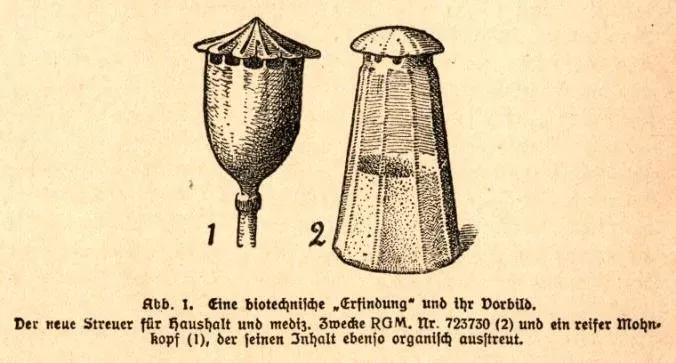
Traditional engineering often starts with a blank page and a powerful toolbox: metals, plastics, fuels, and abundant energy. For over a century, that approach built highways, skyscrapers, and jetliners, but it also created sprawling emissions, heavy waste streams, and fragile supply chains. Biomimicry flips the script by asking how living systems solve similar problems using minimal resources, local materials, and closed loops. Trees build tall, resilient structures without concrete, lichens survive in extremes with no factories, and coral reefs grow intricate mineral frameworks in warm seas without fossil fuels.
Compared with conventional methods, nature-inspired strategies tend to emphasize efficiency, adaptability, and regeneration instead of just raw performance. That might mean buildings that cool themselves instead of relying on energy-hungry air conditioners, or materials that heal microcracks instead of being discarded at the first sign of wear. On a planet facing climate disruption, biodiversity loss, and finite resources, the difference between extractive design and regenerative design is not academic – it is existential. Biomimicry does not claim to replace all traditional engineering, but it offers a crucial second lens that can reveal solutions business-as-usual thinking simply overlooks. In that sense, learning from nature is less about admiration and more about humility and survival.
From Leaves to Solar Panels: Rethinking Energy, Water, and Surfaces
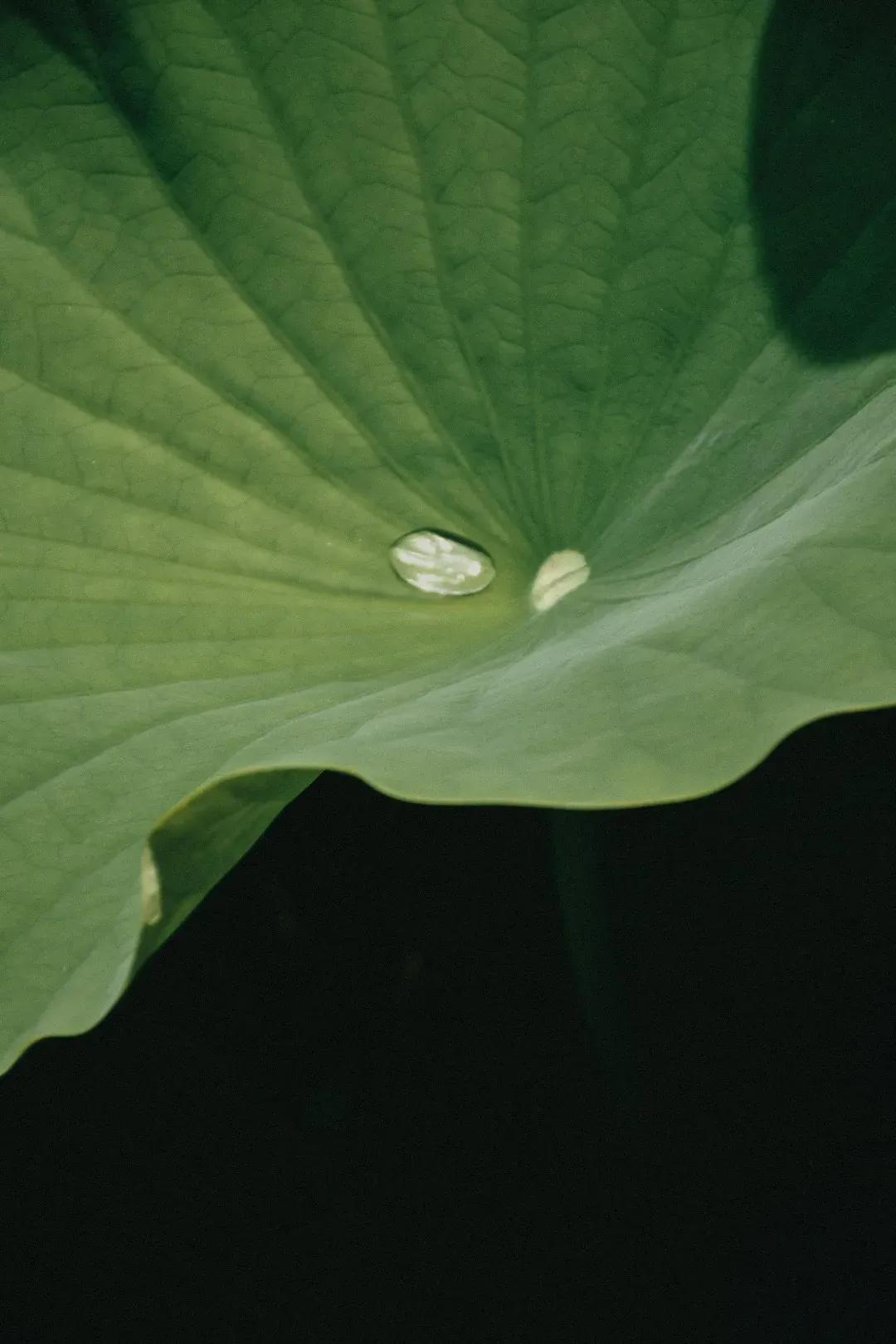
Leaves are astonishingly good at grabbing fleeting sunlight, channeling water, and keeping themselves relatively clean, all without high-end manufacturing. Researchers studying the microscopic texture of lotus leaves discovered a structure that makes water bead up and roll off, carrying away dirt as it goes. This so-called lotus effect has inspired self-cleaning coatings for solar panels, windows, textiles, and even paints that shrug off grime and reduce the need for harsh detergents. In regions with dusty air or limited water for cleaning, such surfaces can keep solar arrays operating closer to their full potential for longer periods.
Other teams are exploring leaf-inspired light-harvesting architectures to improve how solar cells capture and distribute incoming photons. Rather than a simple flat slab, some experimental panels use layered or branching microstructures that more closely mimic how chloroplasts are arranged in plant tissues. In water management, engineers have looked at desert beetles that harvest fog on their backs and pitcher plants whose slippery surfaces guide droplets in one direction. These seemingly small tweaks – better dew capture, smarter drainage, self-cleaning glass – add up to systems that squeeze more function out of every drop of water and ray of sun. Nature rarely wastes an opportunity, and neither can we.
The Future Landscape: Living Materials, Biohybrid Robots, and Planet-Scale Design
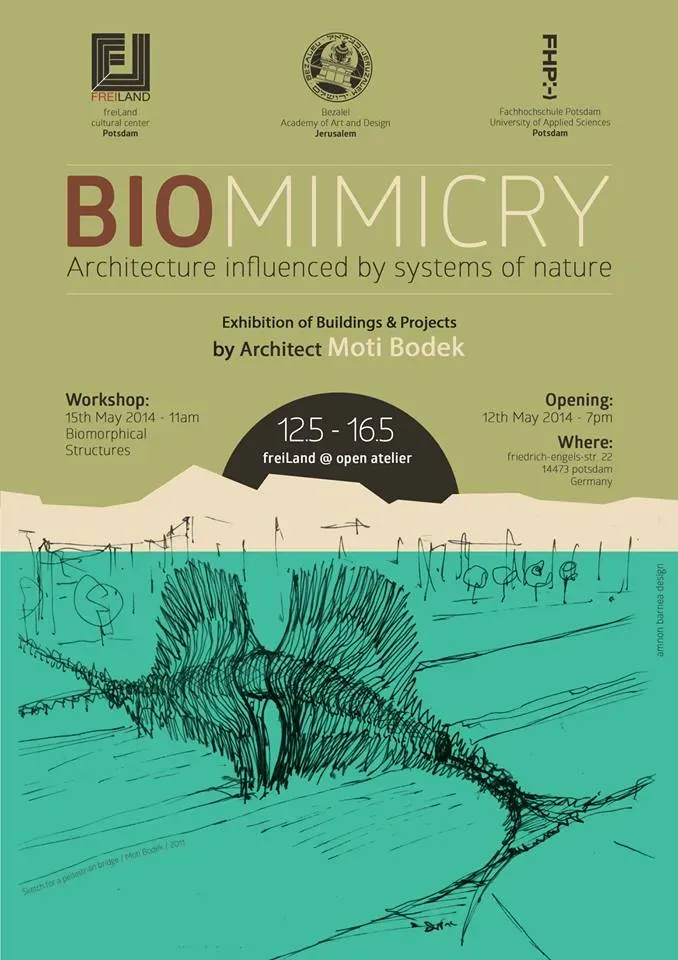
As tools like gene editing, advanced microscopy, and AI-driven design get better, the frontier of biomimicry is shifting from simply copying forms to collaborating with living systems. Researchers are growing “living materials” that can sense, repair, and even adapt over time, blurring the line between structure and organism. Imagine building components seeded with bacteria that can capture carbon, or walls that host microalgae to produce oxygen and shade. Some prototype biohybrid robots already use muscle-like actuators grown from living cells, giving them soft, adaptable movement more like an octopus arm than a steel hinge.
On a larger scale, urban planners and landscape architects are starting to treat entire cities as ecosystems rather than disconnected concrete islands. That might mean street layouts that mimic river networks to manage flooding, or green corridors that follow animal migration routes instead of slicing them apart. The challenges are significant: regulations lag behind, long-term testing is slow, and there is always a risk of unintended consequences when biology and technology intertwine. Yet the potential gains – cities that cool themselves, infrastructure that regenerates, machines that cooperate with natural cycles – are too important to ignore. If the last century belonged to machines designed against nature, the next may belong to machines that finally work with it.
How You Can Be Part of the Next Wave of Nature-Inspired Innovation
You do not need a lab coat or research grant to influence where biomimicry goes next. One of the simplest steps is to start noticing and valuing the natural systems around you: the way a tree shades a building, how rain moves through your street, or how local wildlife survives seasonal extremes. Supporting parks, wetlands, and urban green spaces is not just about scenery; these are living libraries of solutions that engineers quietly study. When you vote for local policies or comment on new developments, asking whether designs draw on proven natural strategies can shift the conversation in surprisingly practical ways.
On a more personal level, choosing products that last longer, use less energy, or are designed for repair aligns directly with the principles seen in healthy ecosystems. Many organizations and nonprofits now fund biomimicry education, citizen science projects, and nature-based climate solutions that welcome public involvement. Even small actions – visiting science museums, following reputable research outlets, or encouraging kids to explore bugs and plants instead of only screens – help build a culture that looks to nature as mentor, not just backdrop. The more people pay attention to the quiet genius in the living world, the easier it becomes for scientists and engineers to turn that genius into technologies that benefit everyone.
Suhail Ahmed is a passionate digital professional and nature enthusiast with over 8 years of experience in content strategy, SEO, web development, and digital operations. Alongside his freelance journey, Suhail actively contributes to nature and wildlife platforms like Discover Wildlife, where he channels his curiosity for the planet into engaging, educational storytelling.
With a strong background in managing digital ecosystems — from ecommerce stores and WordPress websites to social media and automation — Suhail merges technical precision with creative insight. His content reflects a rare balance: SEO-friendly yet deeply human, data-informed yet emotionally resonant.
Driven by a love for discovery and storytelling, Suhail believes in using digital platforms to amplify causes that matter — especially those protecting Earth’s biodiversity and inspiring sustainable living. Whether he’s managing online projects or crafting wildlife content, his goal remains the same: to inform, inspire, and leave a positive digital footprint.