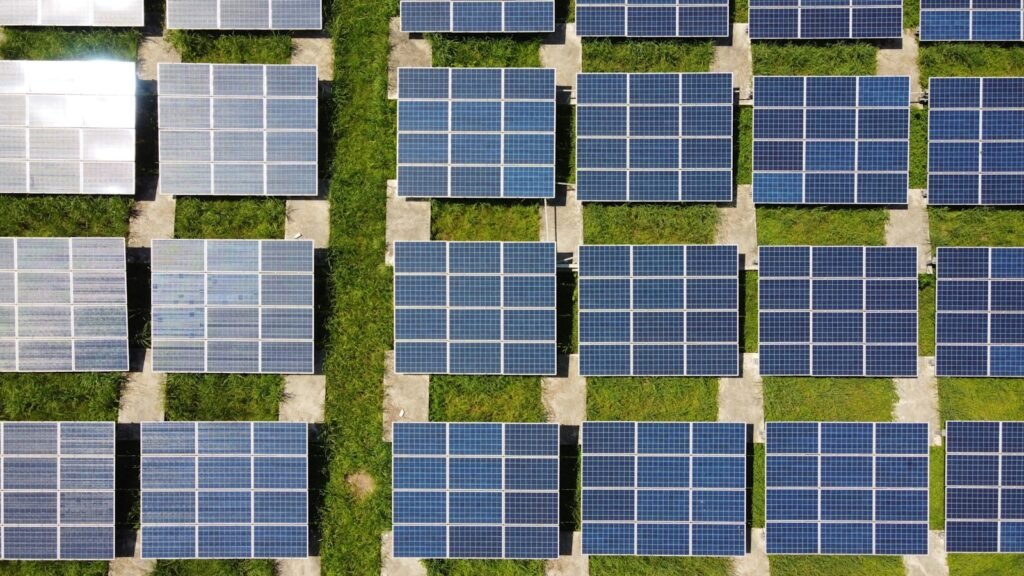
Every second, the sun floods Earth with more energy than humanity uses in an entire year, yet we still burn fossil fuels dug from deep underground as if we lived in a darker age. The contradiction is almost absurd: a blazing fusion reactor hangs over our heads, and we’re only just learning how to plug into it properly. As heat waves intensify, grids strain, and geopolitical tensions rattle fossil fuel markets, the question feels newly urgent rather than academic. Can we turn this vast, steady fire into the backbone of a cleaner, fairer energy system? And if we can, what will it really take to capture, store, and share the sun’s power at the scale our future demands?
The Hidden Clues in Sunlight
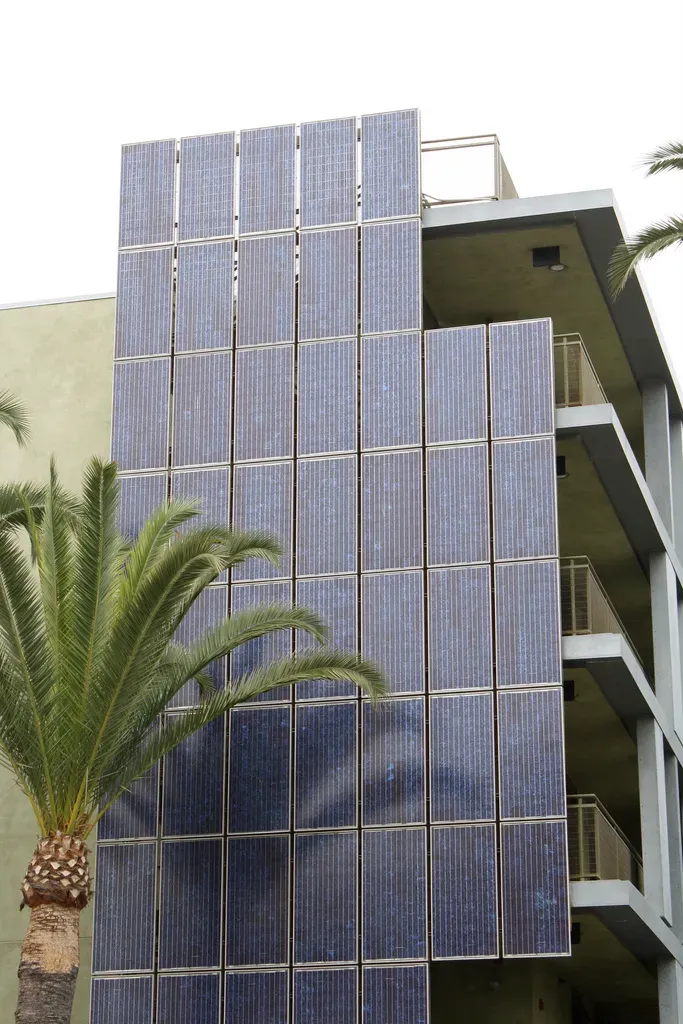
Stand in a shaft of sunlight and it feels simple – warmth on your skin, brightness in your eyes – but scientifically, it’s a furious stream of photons sprinting across space. Each photon carries a tiny packet of energy, and the trick of solar technology is to catch those packets before they bounce away. Solar cells exploit a quantum-level effect: a photon hits certain materials and kicks an electron loose, creating a flow of charge that we recognize as electricity. It sounds almost magical, but the physics have been understood for more than a century, even if the engineering is still evolving. What’s changing now is how precisely we can manipulate that interaction, stacking layers of materials and tuning them like a musical instrument to harvest more of the light that hits them.
The first commercial panels barely converted a small fraction of sunlight into usable power, which made solar feel niche and fragile. Today, researchers are pushing well beyond that early plateau, teaching materials to capture not just visible light but also parts of the spectrum our eyes can’t see. In laboratories, experimental solar cells are using combinations of silicon, perovskites, and other semiconductors to reach efficiencies once thought out of reach. These hidden clues in the way light and matter interact are quietly rewriting the ceiling of what solar can do. When people say we’ve barely scratched the surface of the sun’s potential, they’re not exaggerating.
From Ancient Sun Worship to Space-Grade Solar Tech
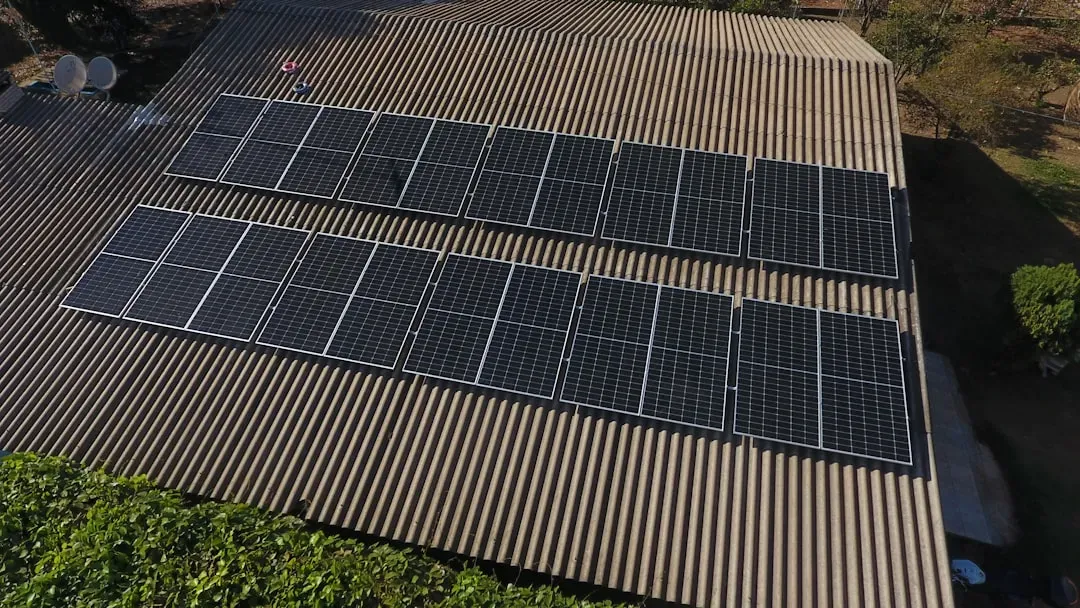
Humans have always known the sun was special, even before we had equations to describe it. Ancient civilizations aligned temples and monuments to the solstices, built homes to catch winter light, and dried crops and bricks in the open air to bank solar warmth. In a sense, passive solar design – using the sun’s heat and light without any electronics – is one of our oldest technologies. But the leap from revering the sun to turning it into electricity began in the nineteenth century, when scientists first noticed that light could create electric current in certain materials. It was a curiosity at first, a lab trick rather than a power source.
The real acceleration came in the mid-twentieth century, when the space race demanded reliable power in orbit. Solar panels turned out to be perfect for satellites: no moving parts, no fuel to carry, just steady light in the vacuum. Those early space-grade panels were astonishingly expensive and fragile by today’s standards, reserved for spacecraft and remote beacons. Decades of manufacturing improvements, from better silicon refining to automated module assembly, dragged costs down steadily. What started as elite technology for satellites gradually became rooftop hardware for homes, farms, and factories on Earth.
How Solar Panels Really Work on Your Roof
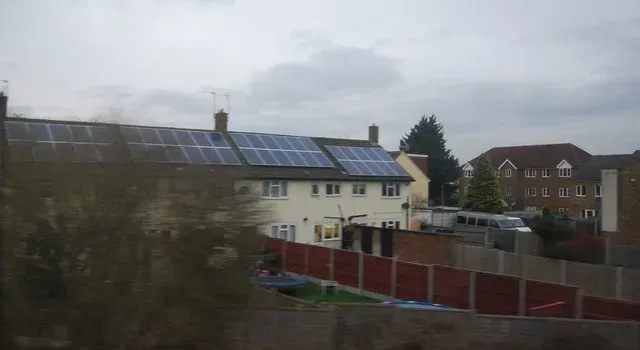
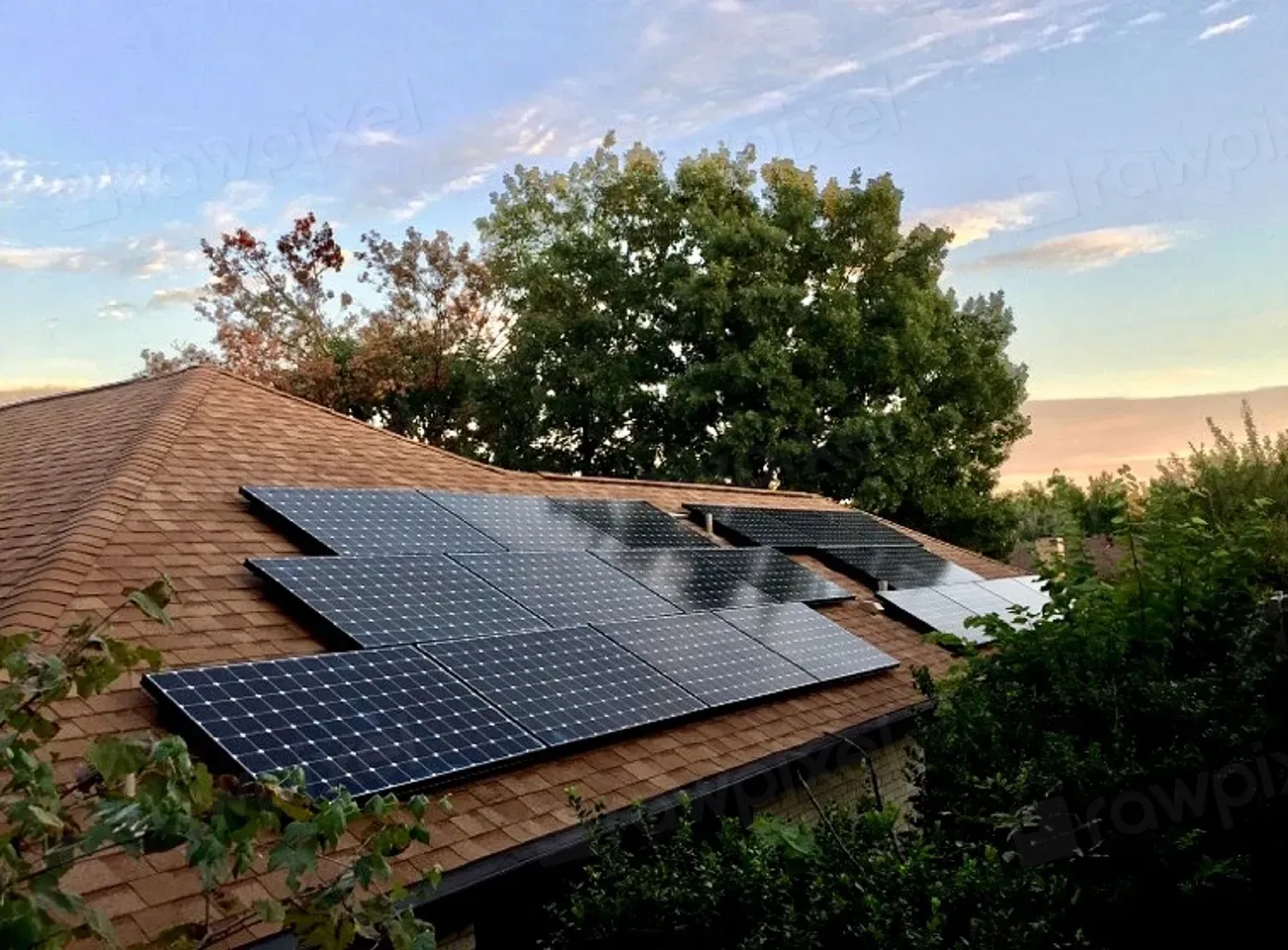
When you see a rooftop glittering dark blue or black, you’re looking at thousands of carefully engineered junctions where light is turned into electricity. A typical panel is built from many individual solar cells connected together, protected under glass, and framed in metal. Each cell has an internal electric field created by layering slightly different types of silicon, so electrons have a preferred direction to move when light frees them. Wires collect that motion as current, sending it down to an inverter that transforms the raw direct current into the alternating current your appliances expect. To the homeowner, it feels simple: the sun comes up, the meter spins backward, and bills drop.
Behind that apparent simplicity, there’s constant innovation. Modern inverters can respond dynamically to grid conditions, ramping up or down and even providing support services like voltage control. Panel coatings now reduce reflection and self-clean in the rain, lifting performance in dusty or polluted regions. Mounting systems have become lighter and faster to install, lowering labor costs and making solar viable for more rooftops, from suburban cul-de-sacs to warehouse districts. Step by step, the industry has been shaving away at every source of friction, making it easier to say yes to that first panel.
Why It Matters: Solar vs. Fossil Fuels
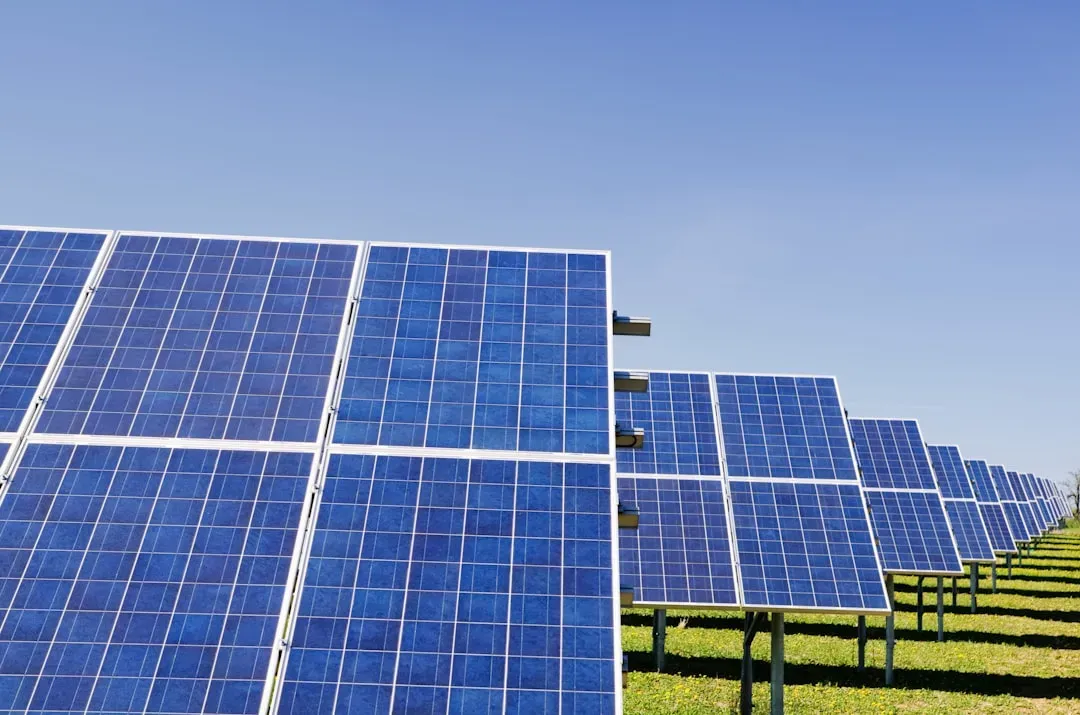
For all the technical elegance, the case for solar ultimately comes down to a hard comparison with what we use now. Fossil fuels are energy condensed over millions of years, powerful but dirty and finite, releasing planet-warming gases every time they are burned. By contrast, solar electricity produces essentially no emissions once panels are manufactured and installed, and the fuel – sunlight – arrives free and politically neutral every day. Over the lifespan of a modern installation, the climate impact is dramatically lower than coal or gas, even after accounting for mining, manufacturing, and disposal. In a world already heating faster than predicted, that difference matters more with each passing summer.
Economically, the story has flipped faster than many experts predicted. In many regions, building new solar farms is now cheaper than running existing coal plants, even without special incentives. As panel prices have fallen and efficiency has climbed, solar has shifted from “green premium” to “lowest bidder” in electricity auctions. There are still challenges – intermittency when clouds roll in, storage needs after sunset, and grid upgrades to handle distributed power. But compared with the volatility of fossil fuel prices and the environmental costs of extraction, solar’s trajectory looks like a rare case where doing the right thing for the climate is starting to be the logical choice for the wallet too.
Beyond Panels: Mirrors, Heat, and Solar at Night
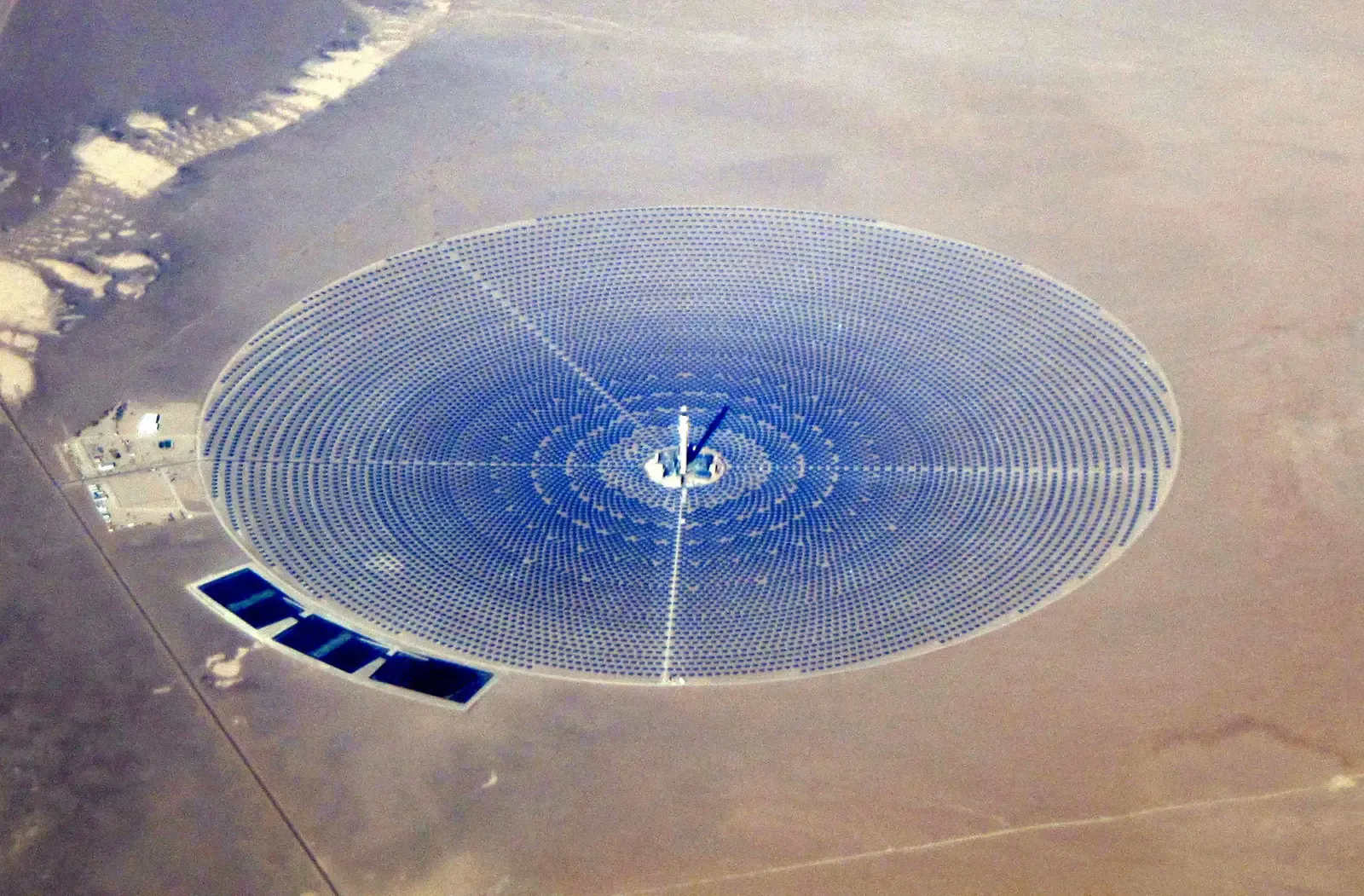
When people think of solar power, they usually picture flat panels, but the sun can be harnessed in other, less familiar ways. Concentrated solar power plants use fields of mirrors to focus sunlight onto a central tower or receiver, heating fluids to extreme temperatures. That heat can then drive turbines, much like a traditional power plant, or be stored in large tanks of molten salt for use hours after the sun goes down. It’s a clever workaround for one of solar’s biggest perceived weaknesses: its dependence on clear skies and daylight. Instead of turning photons directly into electrons, these systems turn sunlight into high-grade heat that can be tapped when needed.
On a much smaller scale, solar thermal systems sit on rooftops quietly heating water for showers and radiators. These are essentially specialized black boxes and pipes, but they can dramatically cut household gas use. Hybrid projects combine photovoltaics and solar thermal, squeezing more usefulness out of the same beam of light. There are even solar fuels research programs trying to mimic photosynthesis, using sunlight to split water or transform carbon dioxide into energy-rich chemicals. Each approach adds another tool to the kit, expanding the ways we can store and reshape the sun’s energy instead of losing it at dusk.
Global Perspectives: Unequal Sunshine, Unequal Access
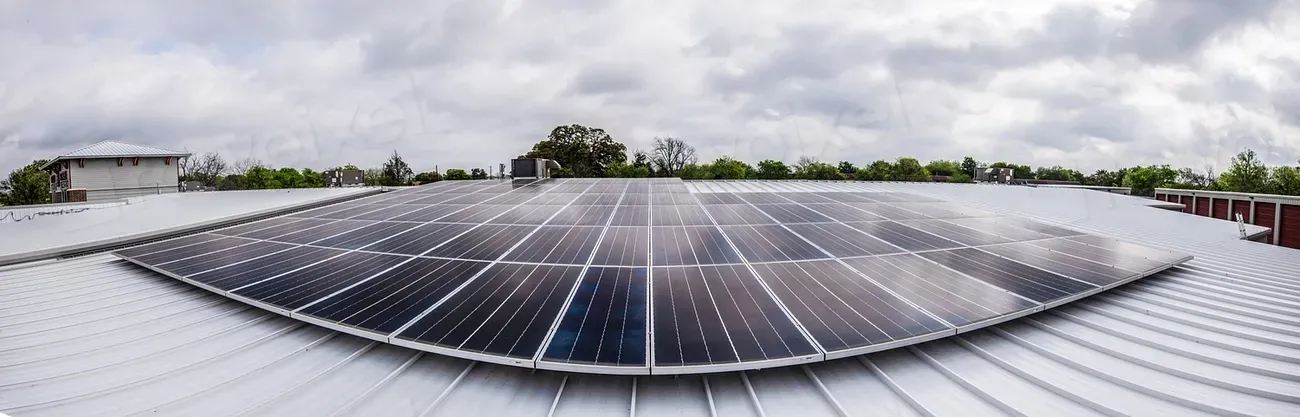
The sun shines on every country, but the ability to harness it is far from equal. In wealthy regions, homeowners and corporations can tap financing, incentives, and mature supply chains to cover warehouses, homes, and solar farms with panels. In parts of the Global South, where sunlight is often even more abundant, up-front costs and weak infrastructure can keep solar potential locked away. At the same time, decentralized solar can be transformative in places where grid expansion has lagged. A single small system can mean lights for evening study, refrigeration for vaccines, or phone charging in a village that never had reliable power before.
That uneven landscape raises hard questions about justice and opportunity. Who will own and profit from the biggest solar projects in sun-drenched deserts and savannas: local communities, national utilities, or distant investors? As countries race to secure critical minerals and manufacturing capacity, there’s a risk that old resource imbalances simply take on a new, low-carbon costume. On the other hand, the basic physics favor distributed solutions: you can build a tiny solar system almost anywhere, without waiting for a mega-project. Every rooftop, school, clinic, and farm shed becomes a potential power station, if policies and financing catch up with the physics.
The Future Landscape: Solar Highways, Space Power, and Smarter Grids
When you start looking at the future of solar, it quickly spills beyond familiar panels and rooftops. Engineers are experimenting with solar windows that let buildings turn their glass facades into power generators, and flexible solar sheets that could wrap around vehicles, tents, or infrastructure. In cities, planners talk about integrating panels into bridges, noise barriers, and even roads, though the practicality of some ideas is still being stress-tested in real life. Satellites and high-altitude platforms may one day beam solar-derived energy wirelessly to Earth, dodging clouds and nighttime entirely. It sounds like science fiction, but early experiments suggest it’s not purely fantasy.
Closer to the ground, the real revolution may be in the invisible intelligence that connects all these sources. Smarter grids can juggle solar input from millions of rooftops, match it to real-time demand, and nudge devices like electric cars and heat pumps to consume power when it’s most abundant. Energy storage – from home batteries to grid-scale systems – will smooth out cloudy days and seasonal swings, making solar feel dependable rather than fragile. There are nontrivial hurdles: materials limits, recycling challenges, land use conflicts, and the cybersecurity of deeply networked energy systems. Still, the overall direction points toward an energy landscape where sunlight is not a supplement, but the main score.
What You Can Do: Turning Sunlight into Action
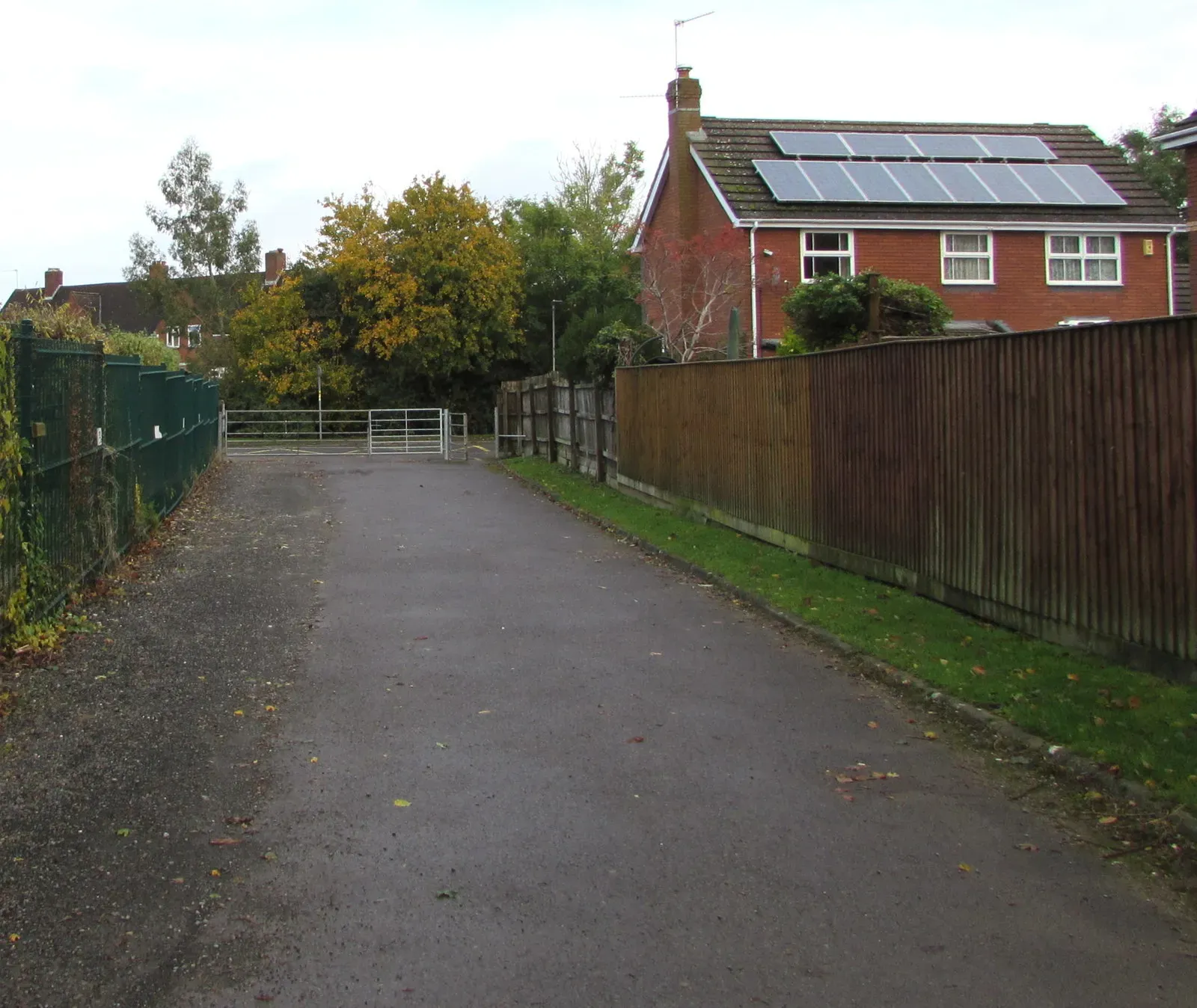
Harnessing the sun’s power can feel like a project for governments and giants, but individual choices really do stack up. If you own or rent a home, exploring rooftop solar or joining a community solar project can tie your daily life directly to the sky above. Even if panels are out of reach, switching to a green electricity plan, where available, helps send a market signal that clean power is in demand. Supporting local schools, libraries, or community centers that install solar can turn familiar buildings into living demonstrations of what’s possible. Every visible array normalizes the technology, making it feel less like a niche gadget and more like standard infrastructure.
There’s also power in paying attention and speaking up. Asking city planners about solar-friendly building codes, pushing for tree planting that coexists with rooftop systems, or supporting research funding all move the needle in quieter ways. Teaching kids how a solar panel works or visiting a solar farm turns an abstract climate topic into something tangible and hopeful. Most importantly, seeing the sun as an everyday ally rather than a distant star shifts the story we tell about energy. The more we look up and imagine what that constant light could do, the less acceptable it feels to keep digging for fuel in the dark.