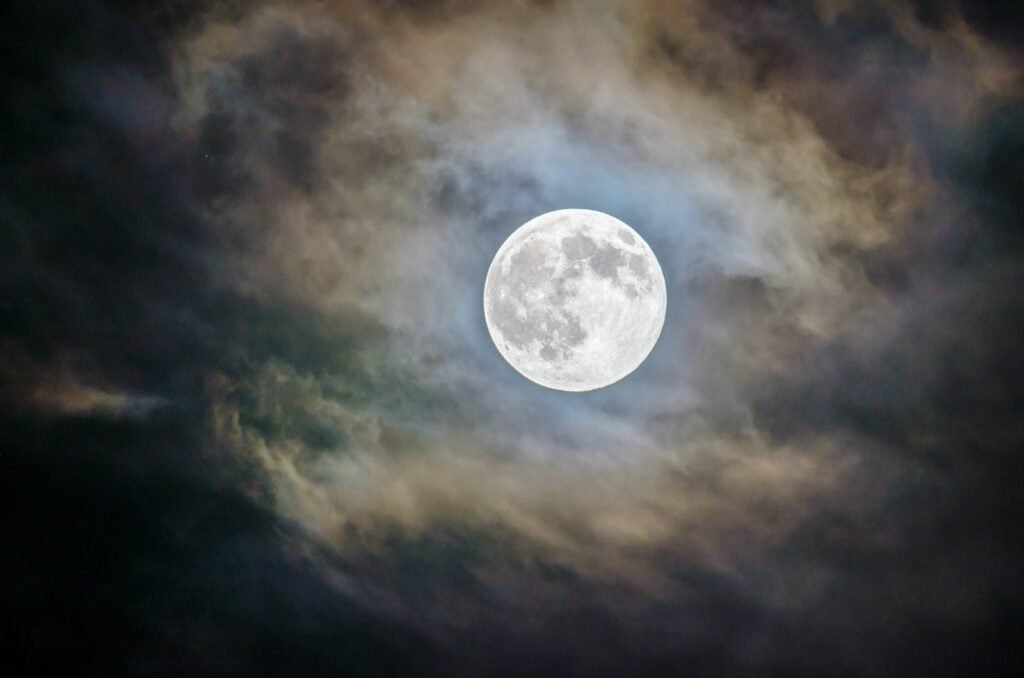

If you stepped outside tomorrow night and the Moon was simply gone, the sky wouldn’t just look wrong – it would mean our entire planet had slipped into a new, dangerous story. For most of us, the Moon feels like background scenery, a reliable white coin in the dark that rises and sets whether we notice it or not. But remove it in an instant, and you pull a crucial thread from Earth’s fabric, with consequences that range from subtly unsettling to globally catastrophic. Scientists have long modeled these “what if” scenarios not as sci‑fi daydreams, but as stress tests for our understanding of how the Earth–Moon system really works. The picture that emerges is more shocking than most people realize: without the Moon, the familiar world we know would begin to unravel, fast.
The First Night: A Vanishing Act Written in the Tides
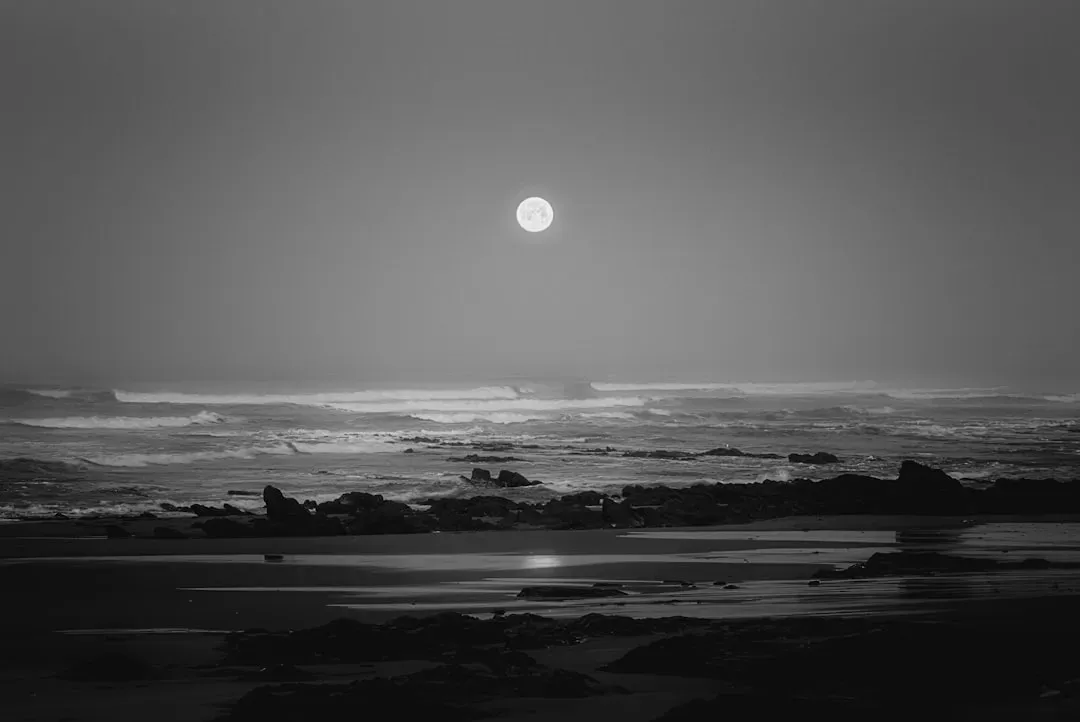
Imagine the first coastal morning after the Moon’s disappearance: fishermen stand on docks expecting the usual dramatic rise and fall of the tide, only to find the ocean strangely subdued. The most immediate and visible change would be in Earth’s tides, since the Moon is the main driver of the daily heaving of our seas. Without lunar gravity, the high tides that regularly flood and then retreat from beaches would drop to roughly about one third of their current range, leaving many tidal flats permanently exposed and salt marshes abruptly stranded. The Sun would still raise tides, but they’d be weaker, gentler, almost eerily so in places used to roaring surf. For coastal communities that time their lives to the rhythm of the tides, from shipping schedules to clam digging, it would feel like the planet had skipped a beat.
These calmer tides might sound like a blessing to storm‑battered coastlines, but the reality would be more complicated. Many estuaries and wetlands depend on strong tidal flushing to move nutrients, oxygen, and sediments in and out like a planetary heartbeat. Remove most of that energy, and you risk turning some of those rich, living zones into stagnant, low‑oxygen traps. Certain species that synchronize breeding or feeding with specific tidal heights – the way some crabs, fish, and shorebirds do – would abruptly lose the clock they evolved to trust. In a single day, the script for countless coastal ecosystems would be torn up and rewritten in real time, whether humans are ready or not.
The Hidden Clues: A Planet That Starts to Wobble
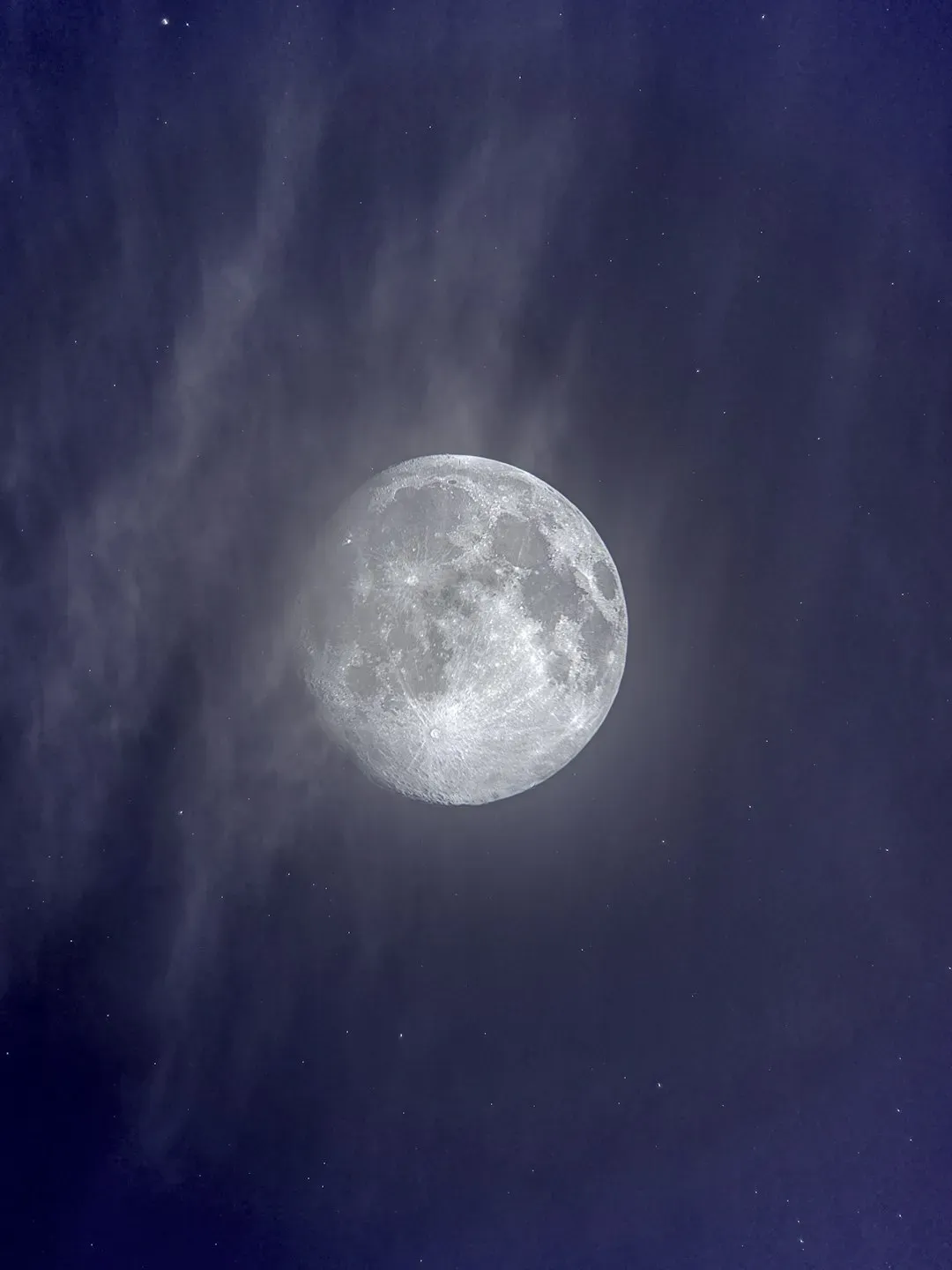
The Moon’s most underrated job is less poetic and more mechanical: it helps keep Earth’s spin relatively steady. By tugging on the planet’s equatorial bulge over billions of years, the Moon has slowed our rotation to the current roughly twenty‑four‑hour day and damps down wild swings in our axial tilt. Take the Moon away tomorrow, and you don’t get chaos overnight – but you do remove the stabilizing hand on a very massive, very spinning top. That opens the door, over thousands to millions of years, to a more erratic tilt, and with it, more extreme climate swings. It is like taking the training wheels off a bike while riding downhill; you may stay upright for a while, but the margin for disaster gets frighteningly thin.
Earth’s tilt, currently about twenty‑three and a half degrees, is what gives us seasons, but with no Moon, that angle could drift much more dramatically over geological timescales. In some models, the planet could swing between near‑upright, with barely any seasons, to a severe lean where polar regions roast in long summers and freeze in crushing winters. These deep tilts and swings would reshape where ice sheets form, where deserts spread, and where agriculture can survive. Even if it takes many generations to unfold, this kind of instability makes planning for the future climate of civilization far harder. The hidden clue in this thought experiment is that our current, relatively gentle seasonal pattern is not guaranteed – it is, in part, a lunar gift.
From Ancient Tools to Modern Science: Humanity’s Lost Nightlight
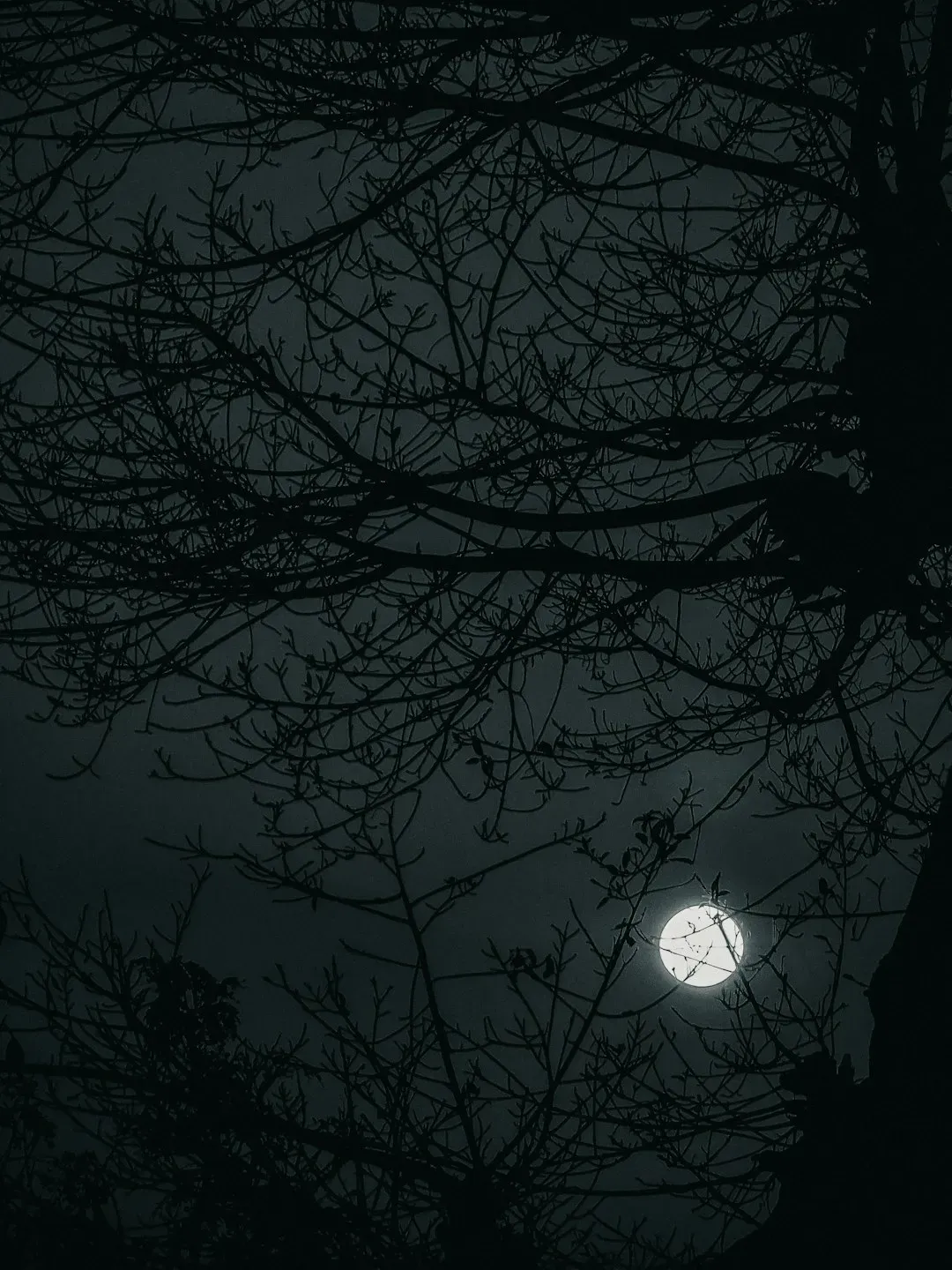
For as long as humans have told stories, the Moon has been a clock, a calendar, a compass, and a canvas. Early farmers watched its phases to time planting and harvests, sailors navigated by its glow, and entire religious and cultural calendars still hinge on the waxing and waning of its light. If the Moon vanished tomorrow, the cultural shock alone would be historic: millions of people would wake into a world where festivals tied to full moons suddenly feel unmoored, and traditions anchored in lunar cycles lose their reference point. Nighttime would become instantly darker across vast rural regions, where artificial light is still limited, changing how people move, travel, and even feel after sunset.
Modern science also owes a quiet debt to the Moon. It has been a proving ground for our technology, from the Apollo missions to recent robotic landers and orbiters that treat it like a nearby laboratory. Lunar rocks helped confirm theories about the early Solar System and the violent collision that likely formed our Moon in the first place. Without a Moon, future missions to test habitats, mining techniques, or astronomy observatories on a stable nearby surface would simply vanish from the roadmap. Humanity would lose not just a symbol, but a practical stepping stone for deeper space exploration, forcing us to leap farther in one go, with higher cost and risk.
Dark Nights, Cold Worlds: Life Under a Moonless Sky
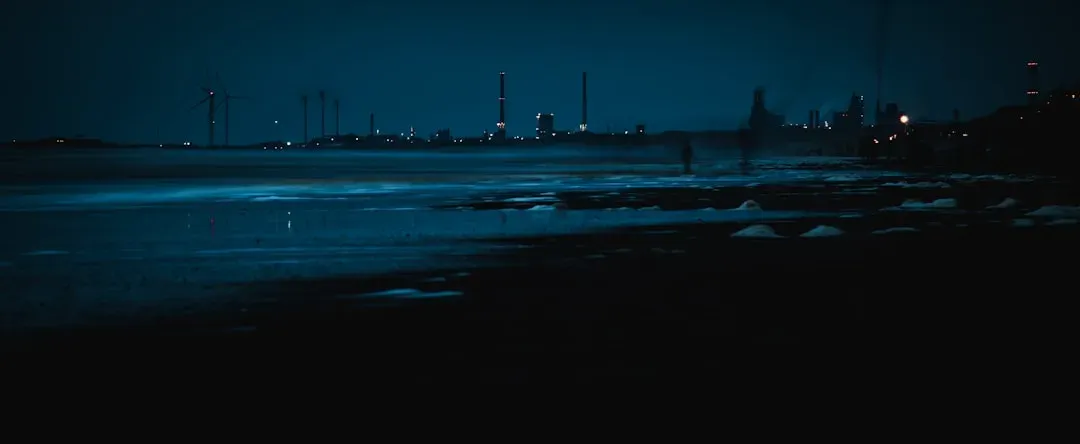
Ecologists studying nocturnal life already know that moonlight is not just scenery – it functions like a dimmer switch for countless behaviors. Many predators, from owls to big cats, hunt more actively under brighter moons, while prey species hide more cautiously when the sky is lit. If the Moon disappeared, night would tilt toward a more uniform, star‑only darkness, especially far from cities, and that would reset the rules of survival for entire food webs. Some animals might thrive in the consistently darker conditions, expanding hunting hours or ranges. Others that rely on moonlit cues – like certain birds that navigate by lunar position or insects that coordinate emergence with moon phases – could face abrupt disorientation.
There’s also a subtler effect on human psychology. Even in urban areas washed out by artificial light, people often report feeling differently on bright full‑moon nights – a mix of folklore, expectation, and real shifts in nighttime brightness. Take that periodic glow away for good, and our emotional relationship with the night would change. Outdoor nighttime gatherings in remote places would move under a truly black dome, with the Milky Way blazing but no friendly lunar lantern. Astronomers would quietly celebrate the darker skies for optical telescopes, but for everyone else, the nights could feel more alien, sharper, and, at least at first, unnervingly empty.
Why It Matters: The Moon as an Invisible Life‑Support System
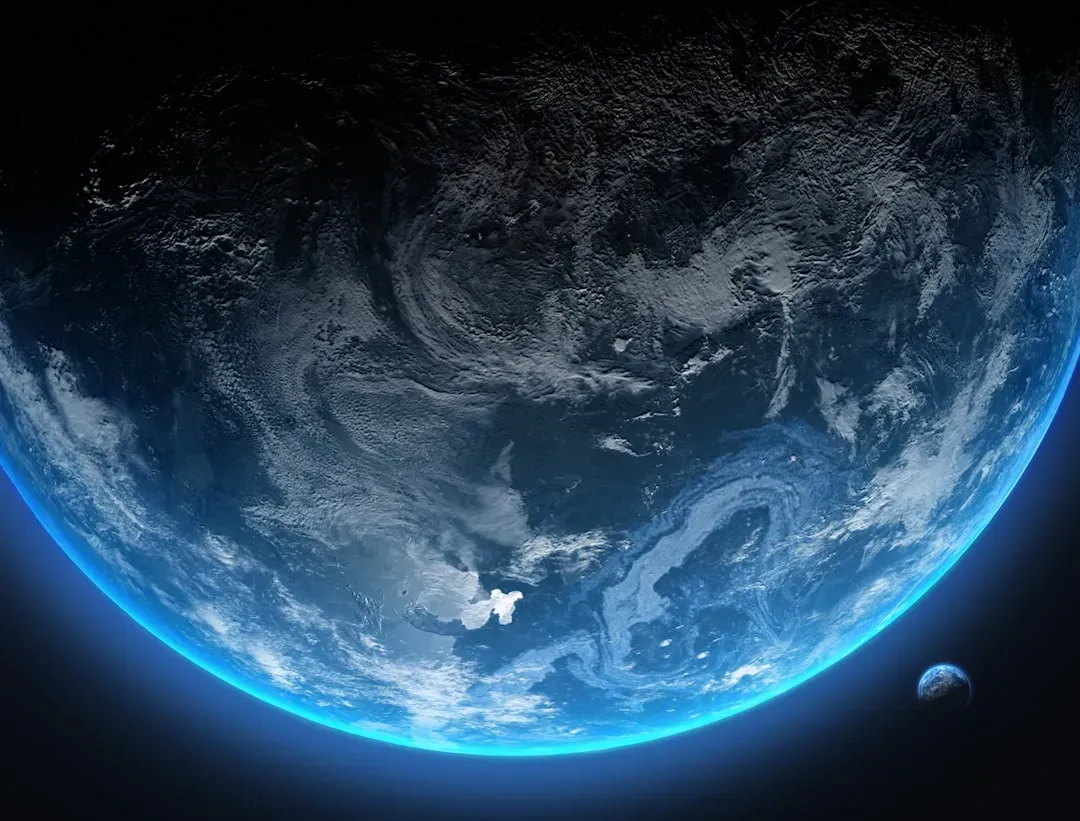
It is tempting to treat the Moon as a distant ornament, pretty but optional, yet the more closely scientists study it, the more it looks like subtle infrastructure. In climate models, stable seasons and a moderately tilted axis are key ingredients for the kind of long, steady stretch of habitability that complex life needs. The Moon’s tidal pull also drives ocean mixing, helping distribute heat and nutrients along coasts where an enormous share of marine life and human economies are concentrated. If you dial those effects down, you do not kill Earth outright, but you make it a harsher, more unpredictable place for both ecosystems and societies. Over deep time, the difference between with‑Moon and without‑Moon Earth could separate a planet that allows advanced civilizations from one that constantly knocks them back.
Compared with planets that lack large moons, our world may actually be enjoying an unusually stable ride. That possibility has sparked debates in astrobiology about whether big moons might boost the odds of life not just starting, but persisting long enough to get complicated. In that sense, asking what would happen if the Moon vanished is really asking how fragile our good fortune might be. It reframes the Moon not as decoration, but as part of an interconnected life‑support system we rarely acknowledge. If we care about understanding planetary habitability, ignoring the Moon is like trying to understand a house while pretending its foundations do not exist.
Gravity Games: Orbits, Debris, and the Solar System’s New Balance
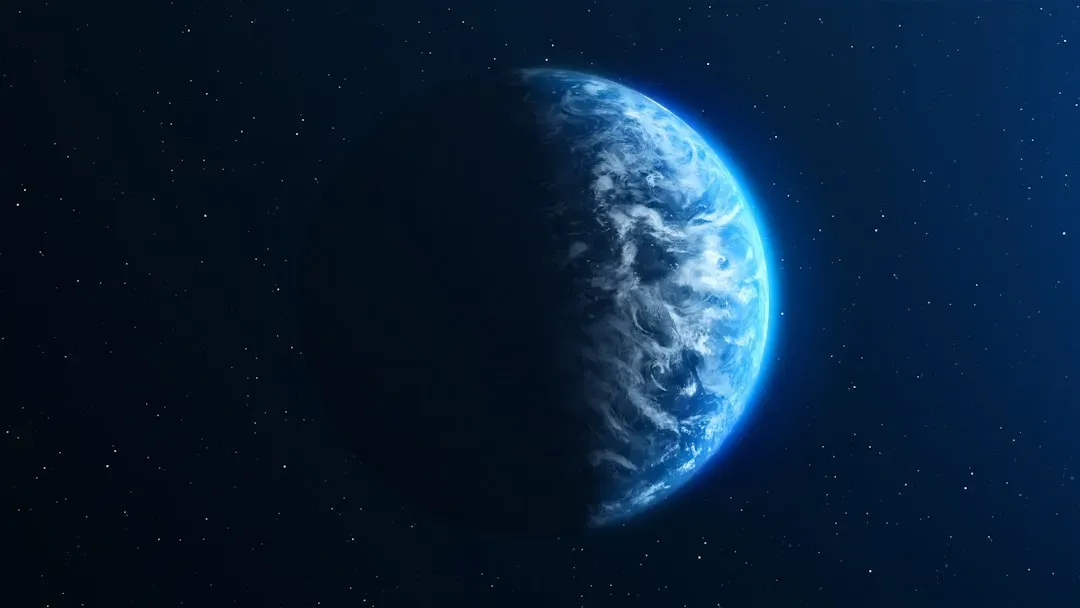
Instantly removing the Moon would also rewrite the gravitational script in our neighborhood. Right now, the Earth–Moon pair orbits the Sun like a loosely bound double planet, with both bodies influencing how asteroids, comets, and smaller debris pass through. Take away the Moon’s mass, and the geometry of gravitational slingshots and resonances shifts, altering which objects get nudged inward toward Earth or flung harmlessly away. Some orbital simulations suggest that, across long timescales, the number and pattern of near‑Earth asteroid encounters could change, potentially affecting the frequency of impacts. It would not be a sudden hailstorm of rocks, but a slow re‑shaping of risk.
On a shorter timescale, Earth’s own rotation and shape might respond as well. Our planet bulges slightly at the equator due to its spin, and the Moon’s tides in the solid Earth have been gradually bleeding off rotational energy, lengthening the day over billions of years. Without that lunar braking, this process would stall, locking in a day close to its current length instead of creeping longer. That sounds benign, but it also changes how Earth’s core and mantle interact over time, which may influence everything from the magnetic field to volcanic activity. The Solar System is a web of subtle pushes and pulls, and plucking out one massive node would send faint shivers rippling through the whole structure.
The Future Landscape: Technology, Simulation, and Lunar Insurance
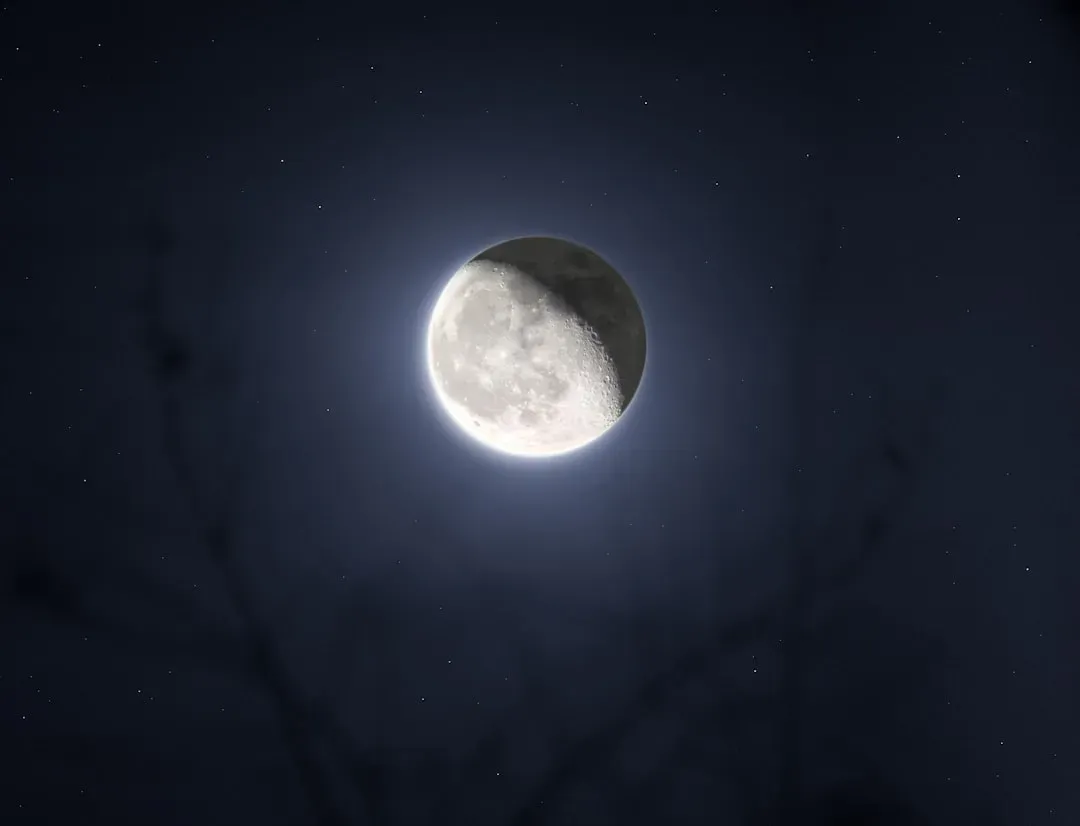
No one seriously expects the Moon to disappear tomorrow; the scenario is a scientific thought experiment, not a forecast. But running that experiment through supercomputer models has real value, helping researchers stress‑test ideas about climate stability, orbital dynamics, and the evolution of life. With more powerful simulations and better data from lunar missions, scientists are refining estimates of just how strongly the Moon stabilizes Earth’s tilt, how much its tides shape key ocean currents, and how similar or different Earth‑like exoplanets might be without large moons. These models are a bit like crash tests for a car we all live in, revealing hidden points of failure long before anything goes wrong.
Looking ahead, the Moon is also becoming part of our technological and economic future. Space agencies and private companies are planning permanent lunar bases, resource extraction, and telescope arrays on the far side shielded from Earth’s radio noise. That growing dependence gives the Moon a new kind of strategic importance, beyond its ancient physical influence on Earth. If we learn to live and work there sustainably, the Moon could become a buffer, a training ground, and even a safety valve for a species crowded onto one vulnerable planet. Thinking about a Moonless world underscores how much more intertwined our destinies with it are about to become.
What You Can Do: Staying Curious in a Moon‑Dependent World
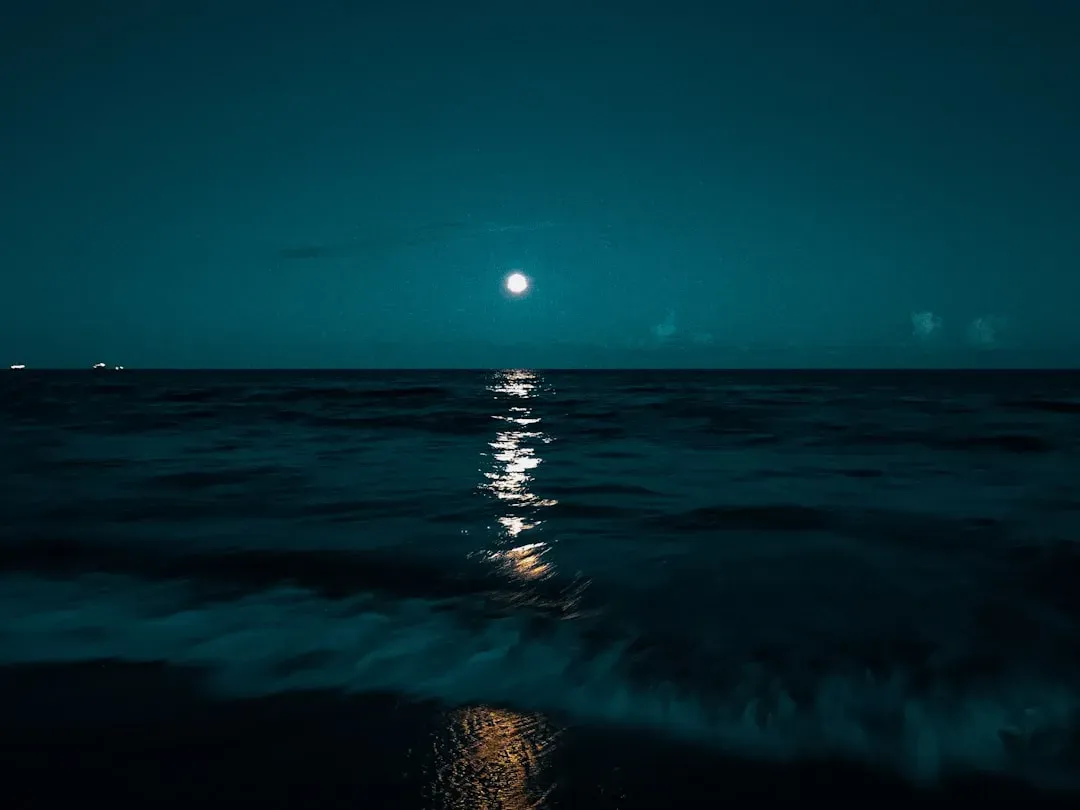
Most of us cannot tweak Earth’s orbit or adjust the pull of tides, but we can change how clearly we see the systems that keep our world stable. Paying attention to the Moon – its phases, its rising time, its relationship to ocean tides – is a simple way to reconnect with the mechanics of the planet we live on. You can start small by checking tide charts for a nearby coast and comparing them to the lunar phase, or by stepping outside once a week to notice where the Moon is in the sky. Sharing that awareness with kids, friends, or community groups helps build a culture that understands that space is not an abstract elsewhere; it is actively shaping life here every day.
You can also support organizations that study planetary science, climate dynamics, and near‑Earth objects, whether through donations, advocacy, or simply amplifying their work. Public pressure and enthusiasm drive funding for the telescopes, satellites, and missions that refine our understanding of how delicately balanced our home really is. Staying informed about lunar exploration plans, and about how space policy allocates resources, makes it more likely that we treat the Moon as both a scientific treasure and a shared responsibility. In the end, the best response to the question of a Moonless Earth is not fear, but curiosity sharpened into action: learning enough about our cosmic partner that we never again mistake it for a mere decoration in the sky.
Suhail Ahmed is a passionate digital professional and nature enthusiast with over 8 years of experience in content strategy, SEO, web development, and digital operations. Alongside his freelance journey, Suhail actively contributes to nature and wildlife platforms like Discover Wildlife, where he channels his curiosity for the planet into engaging, educational storytelling.
With a strong background in managing digital ecosystems — from ecommerce stores and WordPress websites to social media and automation — Suhail merges technical precision with creative insight. His content reflects a rare balance: SEO-friendly yet deeply human, data-informed yet emotionally resonant.
Driven by a love for discovery and storytelling, Suhail believes in using digital platforms to amplify causes that matter — especially those protecting Earth’s biodiversity and inspiring sustainable living. Whether he’s managing online projects or crafting wildlife content, his goal remains the same: to inform, inspire, and leave a positive digital footprint.