
Walk down a city street in 2026 and, at first glance, it may not look like science fiction. Cars still honk, people still scroll, kids still drag backpacks to school. Yet underneath those familiar scenes, an invisible upgrade is unfolding as artificial intelligence, biotechnology, and ambient computing quietly rewire the routines that define our days. The question is no longer whether technology will reshape daily life, but whether we’ll notice how fast the ground is moving beneath our feet. From grocery lists that write themselves, to medical checkups you never schedule, to work tools that predict your next move, 2026 will feel less like a sudden revolution and more like waking up and realizing the future snuck in while you were making coffee. The wild part is that many of these shifts will feel ordinary within months – but their consequences will be anything but.
The Hidden Tech Layer in Your Morning Routine

You’ll probably still start your day in 2026 by reaching for your phone, but the device will feel more like a co-pilot than a screen. Instead of a static alarm, adaptive systems will shift your wake-up time within a small window to match your sleep cycles, traffic conditions, and even air quality outside. Your calendar app will not just remind you of a meeting but suggest when to leave, what documents to review, and how your energy tends to dip around mid-morning. Smart mirrors or bathroom displays could quietly flag changes in skin tone, posture, or respiration that might indicate stress or illness, turning your morning routine into a low-friction health scan. You won’t be “using” technology in a conscious way; it will be using context to shape your morning before you’re fully awake.
In the kitchen, predictive systems will be even more hands-on. Fridges equipped with vision models will keep track of what’s inside, estimate spoilage, and suggest meals based on your dietary goals, local weather, and what your household actually ate last week rather than what it claimed to prefer. Grocery apps will shift from passive lists to active agents, automatically drafting orders timed to delivery windows that match your schedule, while nudging you toward slightly healthier or lower-carbon options. For many households, this invisible optimization will feel like magic at first and then quickly become a new baseline of convenience. The trade-off, of course, will be how much of your behavior and preferences you’re comfortable handing over to systems that learn more about you than any human ever has.
AI at Work: From Tool to Teammate
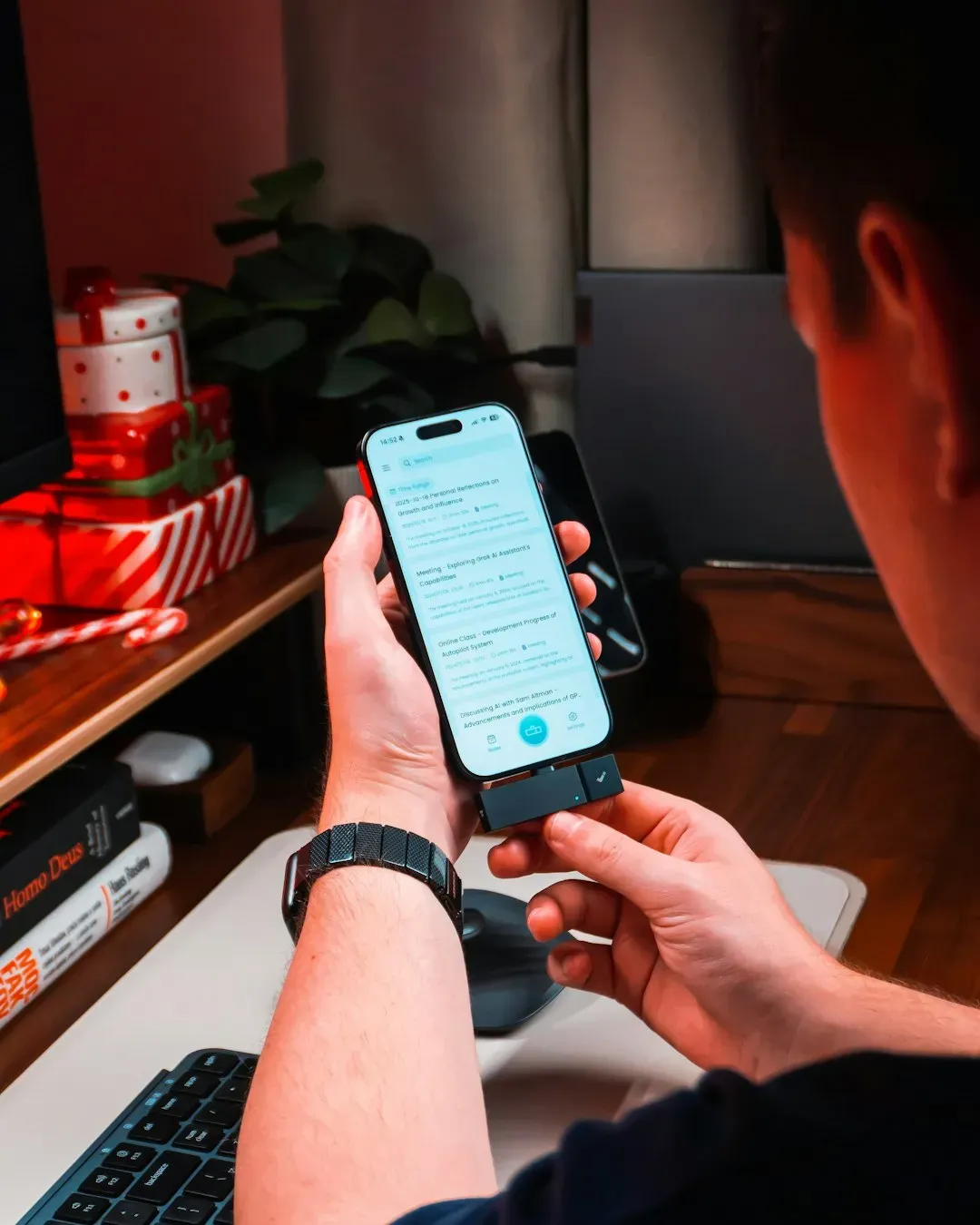
Work in 2026 will be one of the clearest places where technology’s impact stops being hypothetical. Generative AI systems that draft emails, code, and presentations are already familiar, but they will evolve into persistent “work twins” that understand your style, history, and priorities. Instead of opening ten apps, you might speak or type a single request – “Prep me for my afternoon meeting” – and get a digest of documents, likely questions, risk points, and suggested talking points. Knowledge workers will spend less time producing first drafts and more time editing, verifying, and deciding, shifting the center of gravity from raw creation to judgment and strategy. That sounds empowering, but it also raises the uncomfortable question: if the AI can do the routine parts of your job, how prepared are you to do the higher-level parts every day?
For people in logistics, retail, and manufacturing, the shift will be just as dramatic, but in different ways. Warehouse robots and AI-driven scheduling are already reducing idle time and error rates, and by 2026 these systems will be more tightly integrated with real-time demand forecasts and transportation networks. In shops and restaurants, AI tools will help forecast busy periods, optimize staffing, and even personalize offers at the point of sale, blurring the line between operations and marketing. Some tasks will be fully automated, others will be “centaur-style” partnerships where humans make calls and AI handles details. The risk is a growing divide between workers whose skills are amplified by these systems and those whose roles are shrunk or replaced by them, forcing societies to confront retraining and safety nets faster than most governments are currently prepared to do.
Smarter Homes, Invisible Assistants
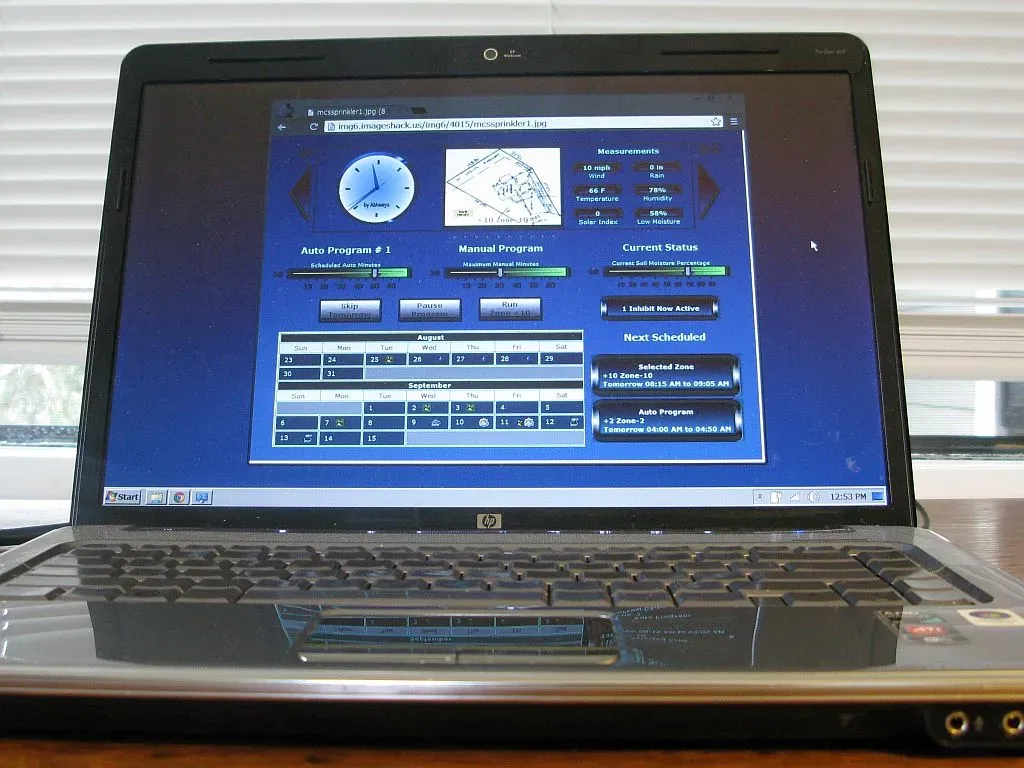
The idea of a “smart home” used to conjure images of talking speakers and app-controlled lights. By 2026, the most interesting part will be what you don’t see. Energy systems will quietly shift usage away from peak pricing hours, coordinating with neighborhood grids, home batteries, and electric vehicles parked in the driveway. Heating and cooling will respond not just to a thermostat number, but to occupancy patterns learned over months, sunlight conditions, and even upcoming weather forecasts. The goal will be comfort that feels almost uncanny in its timing, like walking into a room that somehow already knows you’re cold, while trimming energy waste without you micromanaging settings.
Daily chores will also feel less like chores and more like background processes. Vacuuming and lawn care robots will be more adaptive, mapping not just your floor or yard but understanding pet zones, toy hotspots, and high-traffic areas that get dirty faster. Home security will rely on anomaly detection rather than simple motion alerts, distinguishing between your dog, the mail carrier, and something genuinely suspicious. Yet this quiet intelligence will come with a cost in data: footage, occupancy patterns, and behavior models stored somewhere in the cloud or on local hubs. The tension between wanting a home that “just takes care of things” and wanting a home that keeps your life private will only grow sharper.
Health Without Waiting Rooms
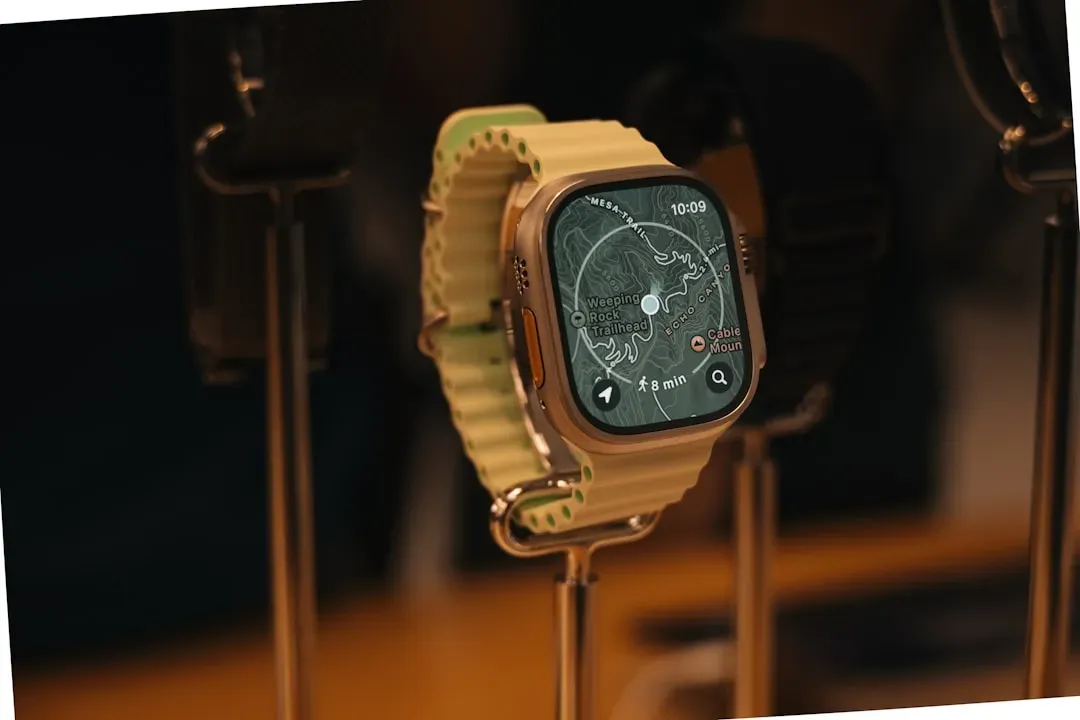
In 2026, a significant portion of healthcare will move out of clinics and into your pocket, wrist, and bathroom cabinet. Wearables will have more clinically validated sensors, capable of detecting irregular heart rhythms, sleep apnea indicators, and early warning signs of metabolic issues, shifting focus from episodic care to continuous monitoring. Instead of waiting months for a specialist visit, AI triage systems will analyze symptom descriptions, wearable data, and medical history to prioritize who needs attention urgently and who can be safely handled via telemedicine. This could reduce the burden on overstrained systems and shorten the timeline from first symptom to meaningful care, especially in rural or underserved areas.
At home, diagnostics will inch closer to lab-grade for certain conditions. Connected tests for blood pressure, blood glucose, or even some infectious diseases will beam results directly into secured health records, where algorithms flag patterns a human might miss across thousands of patients. For many people, routine checkups will shift from sitting in waiting rooms to asynchronous conversations supported by data trends collected over months. The benefits could be huge: earlier interventions, fewer unnecessary appointments, and more tailored treatment plans. But the same infrastructure could enable hyper-personalized insurance pricing or employment decisions based on inferred health risk, making regulation and ethical oversight more than just academic concerns.
Why It Matters: The New Power of Everyday Data
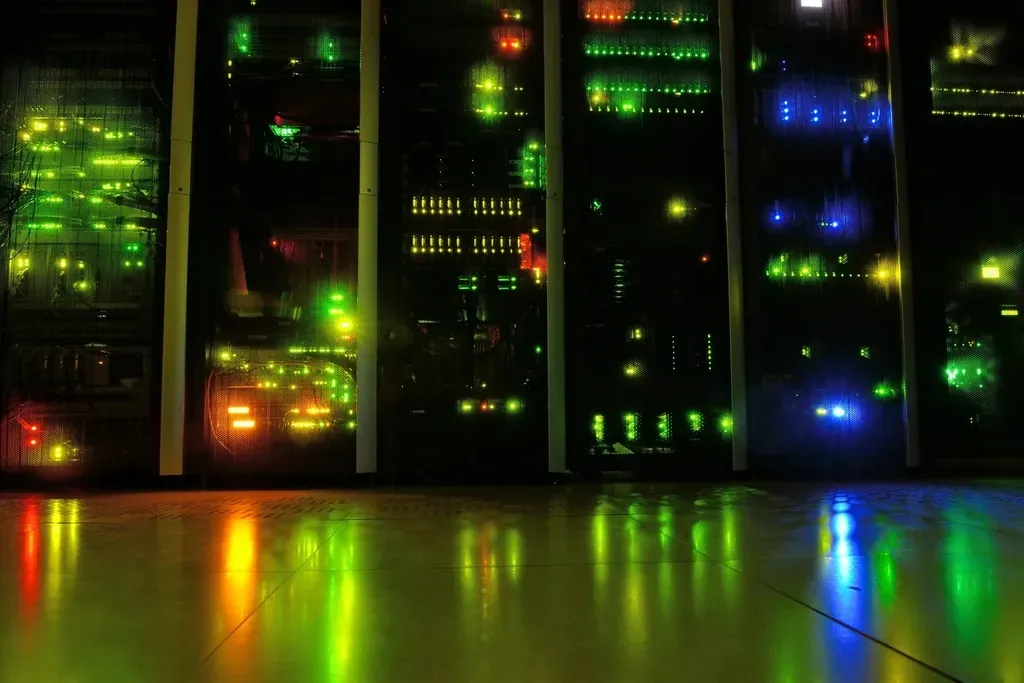
The most important thing about 2026 tech is not any single gadget; it’s the new value of all the tiny traces you leave behind just by living. Your commute, your online searches, your streaming habits, your heart rate during a tense Zoom call – all of it becomes fuel for systems that predict, recommend, and nudge. Compared with earlier decades, when technology mostly stored records of what you did, today’s systems build models of what you are likely to do next. That shift from static history to active prediction is what turns daily life into a feedback loop where your past behavior shapes your future choices in subtle but powerful ways. It also concentrates power in the hands of those who own the models and the infrastructure they run on.
Traditional tools – paper calendars, simple thermostats, analog meters – recorded or executed instructions but rarely adapted or learned. In 2026, much of your environment will behave less like a tool and more like an opinionated collaborator, making suggestions and sometimes taking actions on your behalf. This matters for science because it turns society itself into a living laboratory of behavior, with massive datasets available for studying health, climate, communication, and more. It also matters for democracy and autonomy, because the same insights that help cities optimize traffic can be used to shape political messaging with unnerving precision. Understanding this dual-use nature is not optional; it’s central to deciding what kind of future we’re willing to live in.
Global Perspectives: Uneven Futures, Shared Risks

The way 2026 tech reshapes daily life will vary dramatically depending on where you live. In some major cities, commuters will rely on AI-optimized public transit, dynamically priced micro-mobility, and urban digital twins used to test changes before they hit the streets. In lower-income regions, the most transformative change may come from cheaper satellites and expanded mobile networks, bringing reliable connectivity and digital financial tools to places that have been largely offline. For households in those areas, the “future” might mean being able to access remote doctors, online education, and secure digital payments for the first time, rather than owning a houseful of smart appliances. The same underlying technologies – AI models, sensors, networks – will play out as luxury convenience in some neighborhoods and basic infrastructure in others.
This unevenness raises questions about technological justice. If algorithmic systems are mostly trained on data from wealthier, connected populations, their predictions and default settings may systematically misfit those at the margins. Meanwhile, the environmental cost of cloud computing, data centers, and device manufacturing will not be distributed evenly either, with energy and resource extraction impacting certain regions more than others. At the same time, global challenges like climate change, pandemic risk, and migration will push governments and companies to lean even harder on predictive models and automation. The world will feel smaller in some ways – ideas and software spreading at unprecedented speed – while the gap between those who can shape the tools and those who simply live with the consequences may quietly widen.
On the Street: Transport, Cities, and Public Space
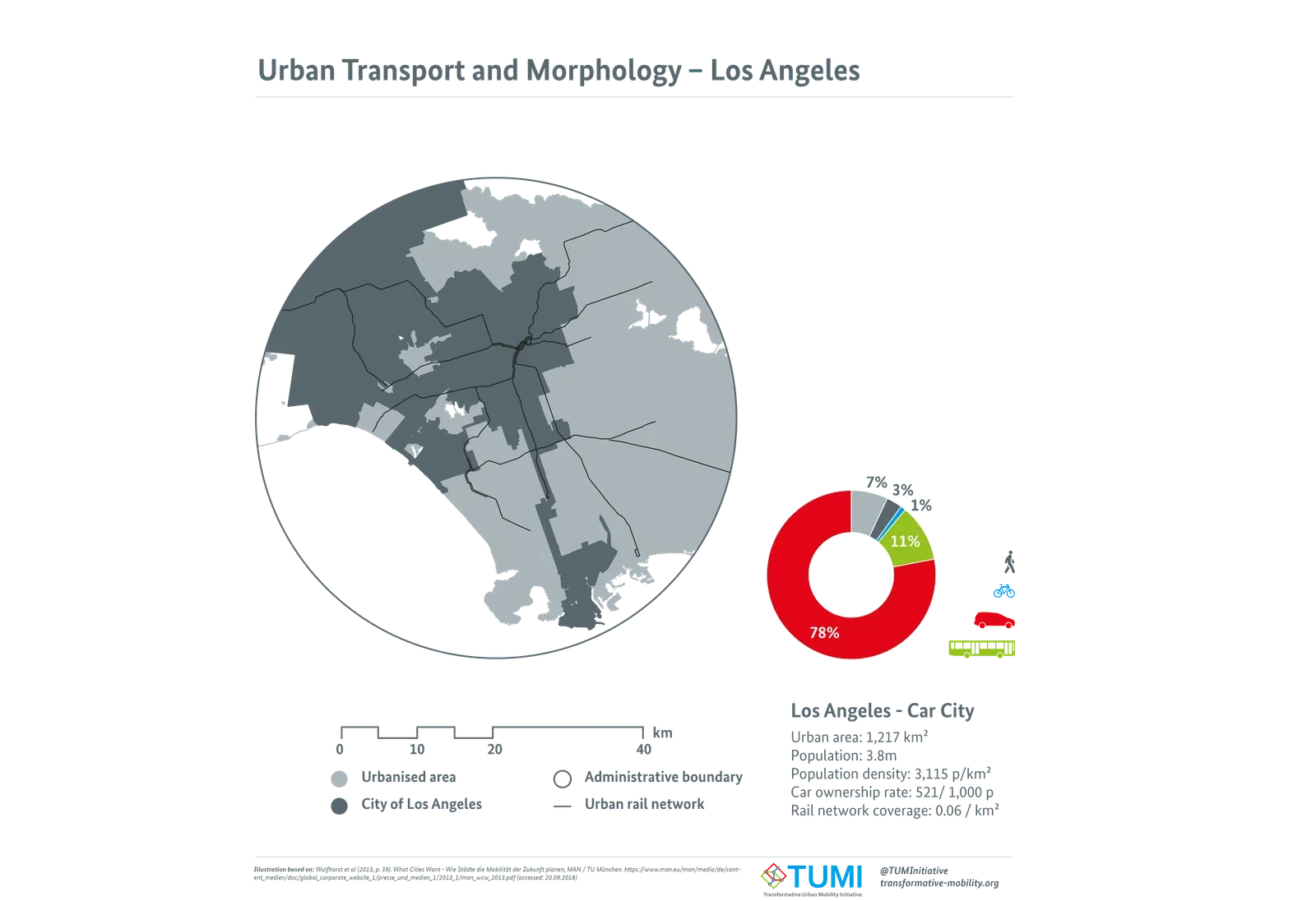
By 2026, the biggest changes to transportation will be less about fully self-driving cars and more about the intelligence wrapped around everything that moves. Traffic lights will increasingly respond to real-time flows rather than fixed timers, coordinating with connected vehicles to reduce bottlenecks and prioritize buses or emergency vehicles. Navigation apps will not just show you the fastest route, but the route that balances speed, safety, and emissions, sometimes nudging you toward public transit or shared rides. For many drivers, cars will include advanced driver-assistance that can handle more of the grind – stop-and-go traffic, lane centering, parking – even as full autonomy remains limited to certain zones or pilot projects.
Cities themselves will be instrumented in new ways. Networks of air-quality sensors, noise monitors, and pedestrian counters will inform zoning decisions, park design, and construction schedules, ideally making urban life more livable. Digital signage and augmented-reality overlays on phones or glasses could turn wayfinding, tourism, and even protest movement into richer, more dynamic experiences. But as cameras, license plate readers, and crowd analytics become more common, public space will also become more observable. The everyday act of walking down a street could feed datasets used for everything from retail planning to policing. That raises tough questions about consent and oversight in environments where opting out is almost impossible.
The Future Landscape: Beyond 2026
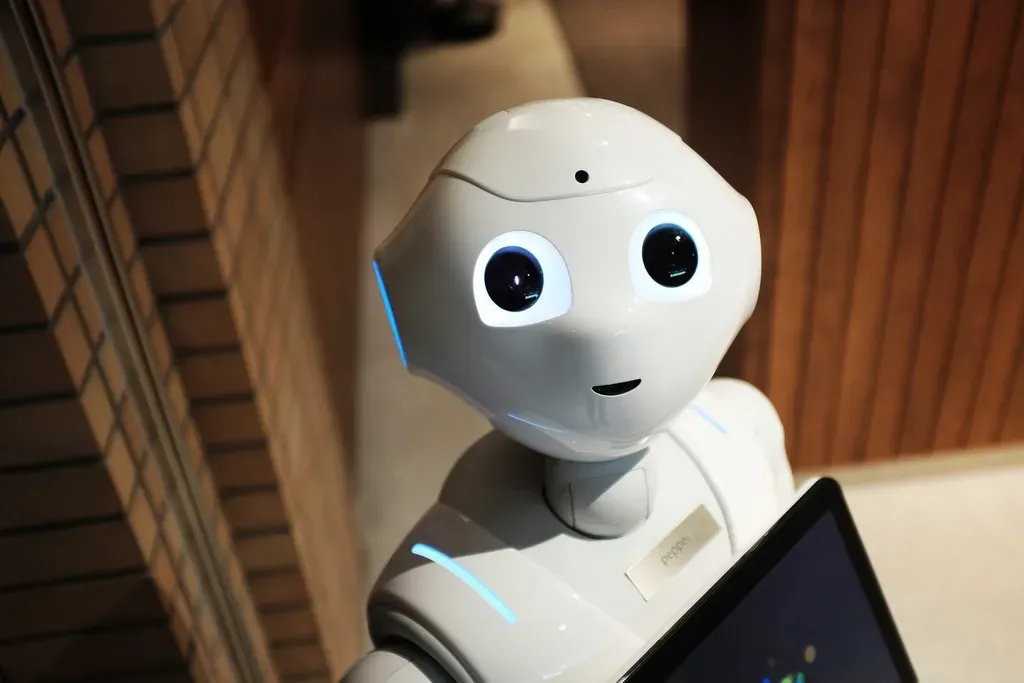
Looking just beyond 2026, the most transformative shifts may come from technologies that are still mostly in pilot stages today. AI models will likely become more multimodal, stitching together text, images, audio, and sensor data to form richer understandings of context, which could supercharge both helpful assistants and invasive surveillance. Brain–computer interfaces, still niche and experimental, could move from medical use toward consumer applications that blur the line between thought and command, starting with simple actions like controlling a cursor or typing without hands. Quantum computing and advanced materials research may not yet touch your daily life directly, but breakthroughs there could reshape encryption, drug discovery, and energy systems in ways that cascade down to ordinary consumers over the following decade.
The bigger challenge will not be inventing powerful tools; it will be governing them. As AI agents start to act autonomously on behalf of companies, cities, and individuals, questions about accountability, transparency, and liability will intensify. International efforts to regulate frontier AI, biometric systems, and cross-border data flows will likely lag behind technical capabilities, creating stretches of legal gray area where experimentation outpaces oversight. For everyday people, the future landscape will feel like a series of trade-offs: greater convenience versus greater exposure, personalized services versus algorithmic lock-in, collective benefits versus individual risks. The choices societies make in the mid-2020s will ripple far beyond any product release cycle.
What You Can Do: Navigating Your Own 2026
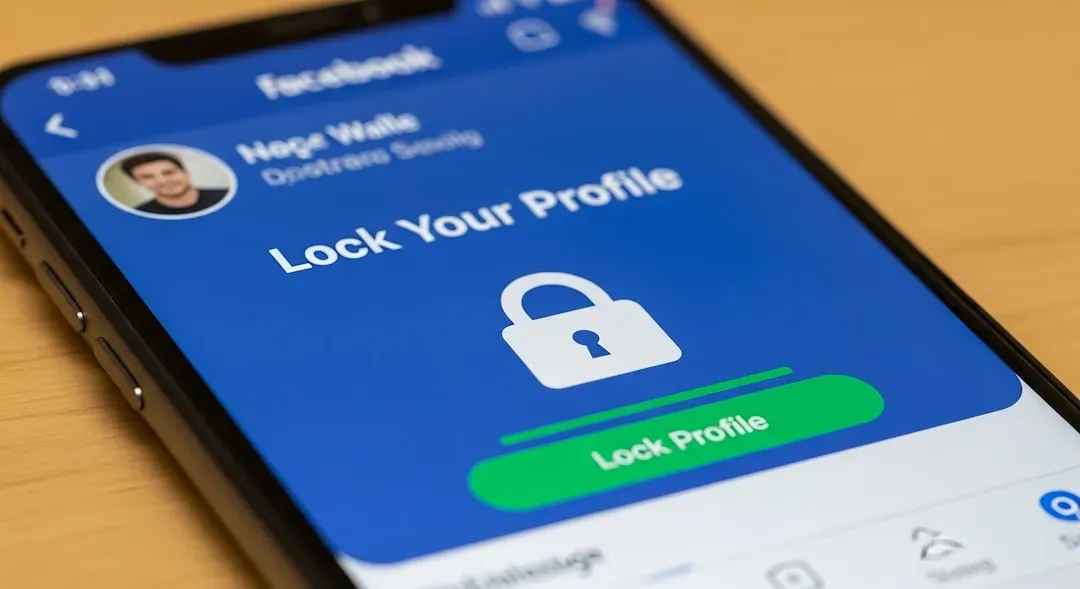
For all the complexity, your relationship with 2026 tech doesn’t have to be passive. You can start by treating settings menus and privacy dashboards not as boring extras but as basic hygiene, the digital equivalent of locking your front door. Getting in the habit of periodically reviewing which apps have access to location, microphone, camera, and health data can meaningfully reduce your exposure. You can also diversify your skills at work – leaning into tasks that require human judgment, empathy, and cross-domain thinking – so that AI tools become amplifiers rather than quiet replacements. Small, consistent choices about how you adopt and shape tools often matter more than dramatic one-time gestures.
On a civic level, paying attention to local debates about surveillance, smart city projects, school technology, and health data policies is one of the most direct ways to influence how these systems unfold. Supporting organizations that push for transparency, auditing, and fair access to emerging technologies can help counterbalance purely commercial incentives. Talking openly with friends, family, and coworkers about how these tools make them feel – empowered, anxious, watched, relieved – keeps the human experience from vanishing beneath the technical jargon. The future of daily life is not just something that happens to you; it’s something shaped, slowly but surely, by millions of small decisions and conversations. The question is not whether 2026 tech will reshape your routines, but how deliberately you’ll choose the shape it takes.
Suhail Ahmed is a passionate digital professional and nature enthusiast with over 8 years of experience in content strategy, SEO, web development, and digital operations. Alongside his freelance journey, Suhail actively contributes to nature and wildlife platforms like Discover Wildlife, where he channels his curiosity for the planet into engaging, educational storytelling.
With a strong background in managing digital ecosystems — from ecommerce stores and WordPress websites to social media and automation — Suhail merges technical precision with creative insight. His content reflects a rare balance: SEO-friendly yet deeply human, data-informed yet emotionally resonant.
Driven by a love for discovery and storytelling, Suhail believes in using digital platforms to amplify causes that matter — especially those protecting Earth’s biodiversity and inspiring sustainable living. Whether he’s managing online projects or crafting wildlife content, his goal remains the same: to inform, inspire, and leave a positive digital footprint.