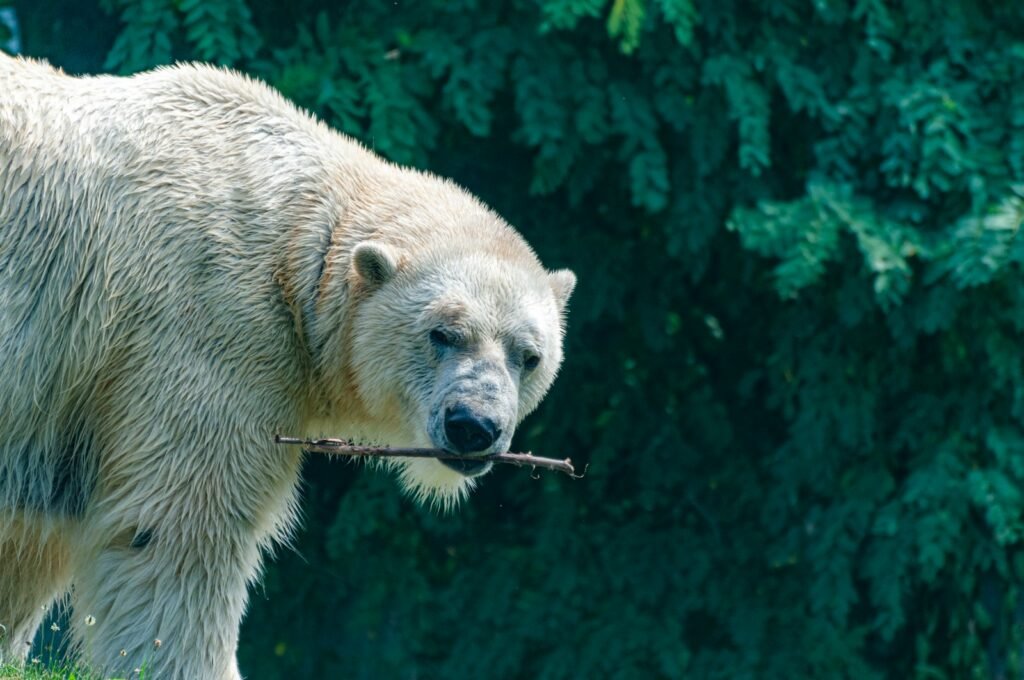
On the thinning sea ice of the Arctic, polar bears are walking a genetic tightrope. As the climate warms faster than at almost any time in recorded history, their bodies and behaviors are being pushed to the edge – and their DNA is starting to tell the story. Researchers are racing to understand whether these changes are signs of rapid adaptation, quiet decline, or both at once. In a way, every polar bear is now a living experiment in evolution under pressure. The mystery is whether their genes can keep pace with a world that is melting beneath their paws.
The Hidden Clues Written in Polar Bear DNA
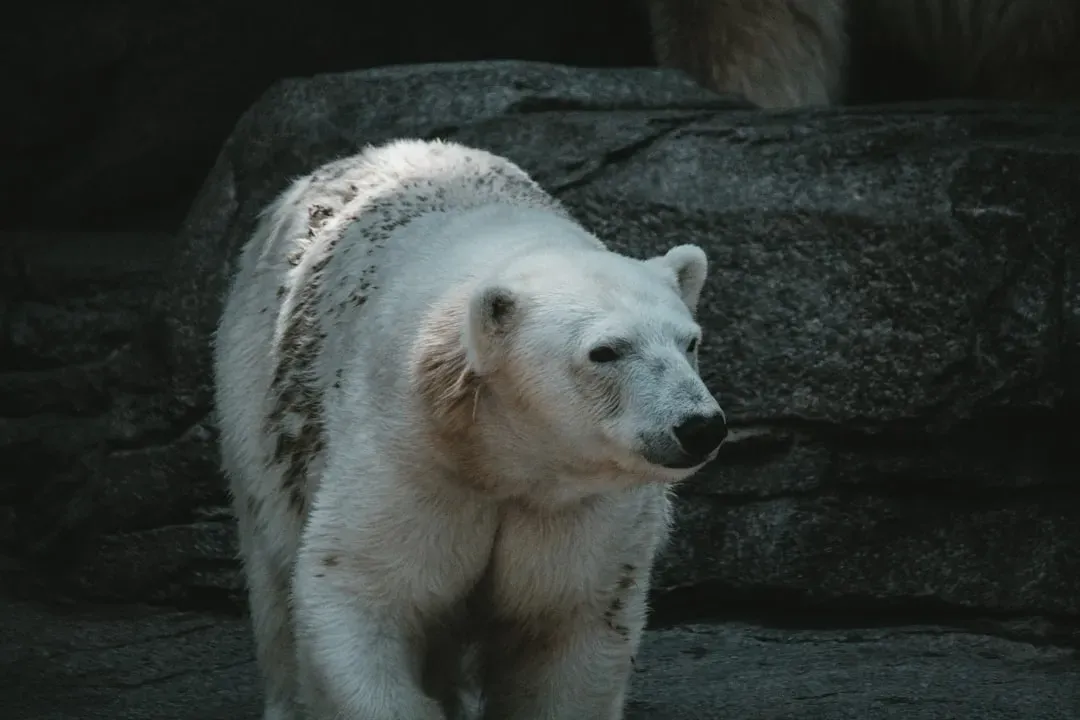
One of the most surprising truths about polar bears is that their DNA already carries the fingerprints of past rapid evolution. Genetic comparisons show that polar bears diverged from brown bears relatively recently in evolutionary terms, yet they transformed into highly specialized Arctic hunters with thick fat layers, white fur, and a metabolism tuned to a high-fat seal diet. That story is captured in subtle changes across thousands of genes, especially those tied to heart function, fat processing, and fur development. Now scientists are scanning the same genome for new shifts that might be emerging under modern climate stress. It is as if researchers are reading a palimpsest: the old story of ice age adaptation overlaid with the fresh scribbles of a warming world.
To find these hidden clues, teams collect tiny samples – hair snags, bits of skin from biopsy darts, or blood from sedated bears – and feed the genetic material into powerful sequencers. They look for small differences, called single nucleotide polymorphisms, that vary between populations living in different Arctic regions. When the same stretch of DNA keeps changing in bears exposed to similar environmental pressures, that suggests natural selection may be nudging those genes. This is not a simple before-and-after picture; it is more like a time-lapse where every generation adds a few pixels. The challenge is untangling which changes actually help bears survive and which are just evolutionary noise.
From Ice Hunters to Land Survivors: Shifting Behaviors, Shifting Genes
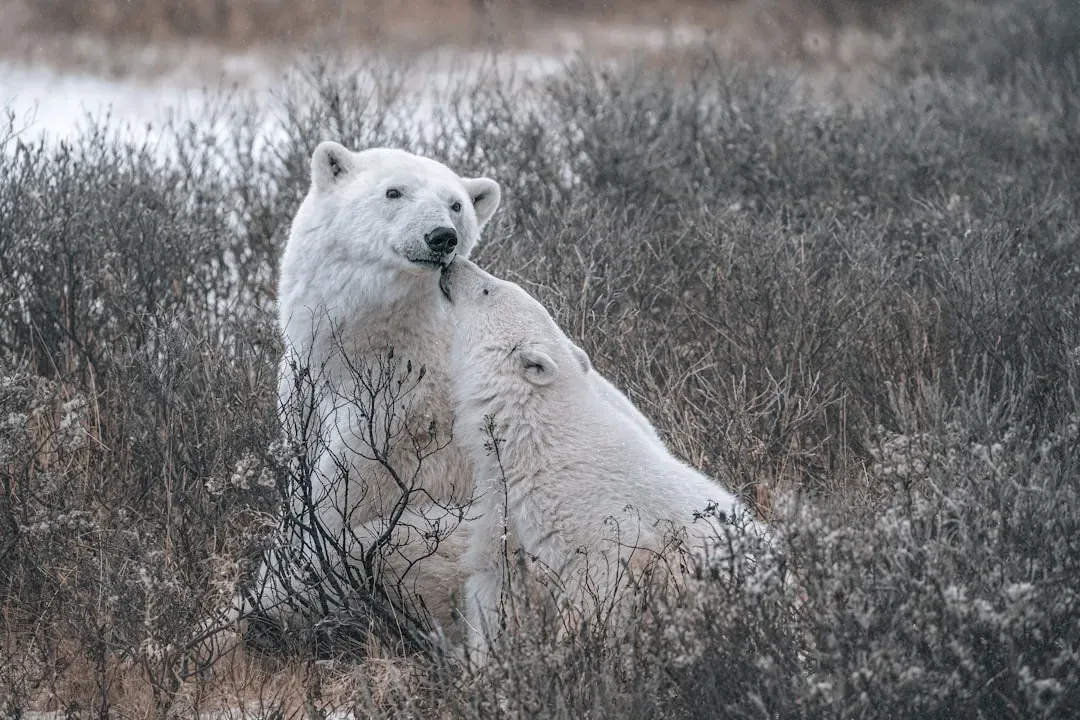
For most of their known history, polar bears have been the supreme hunters of sea ice, timing their lives around the freeze and break-up of the ice sheet. As the Arctic warms, many bears are forced to spend longer periods on land, scavenging bird eggs, berries, and even whale carcasses left by coastal communities. On the surface, that sounds like flexibility and resilience, but at the genetic level, it raises tough questions. Can a body that evolved for long fasting between seal hunts successfully pivot toward more varied and carbohydrate-rich foods? And if so, what kind of DNA shifts would that demand over the coming generations?
Researchers have started comparing the genomes of bears that spend more time on land with those that still have better access to sea ice. They are particularly interested in genes related to digestion, immune response, and stress hormones, because diet changes can ripple across every system in the body. In other species, such as urban-dwelling animals, scientists have already seen genetic tweaks that favor tolerance to new foods and pollutants. If similar patterns begin to appear in polar bears, it could hint at an early stage of adaptation to a hybrid lifestyle. The risk, of course, is that behavior can change in a single season, while useful genetic changes may require many generations to spread – time the bears may not have.
Ancient Adaptations and Hybrid Histories
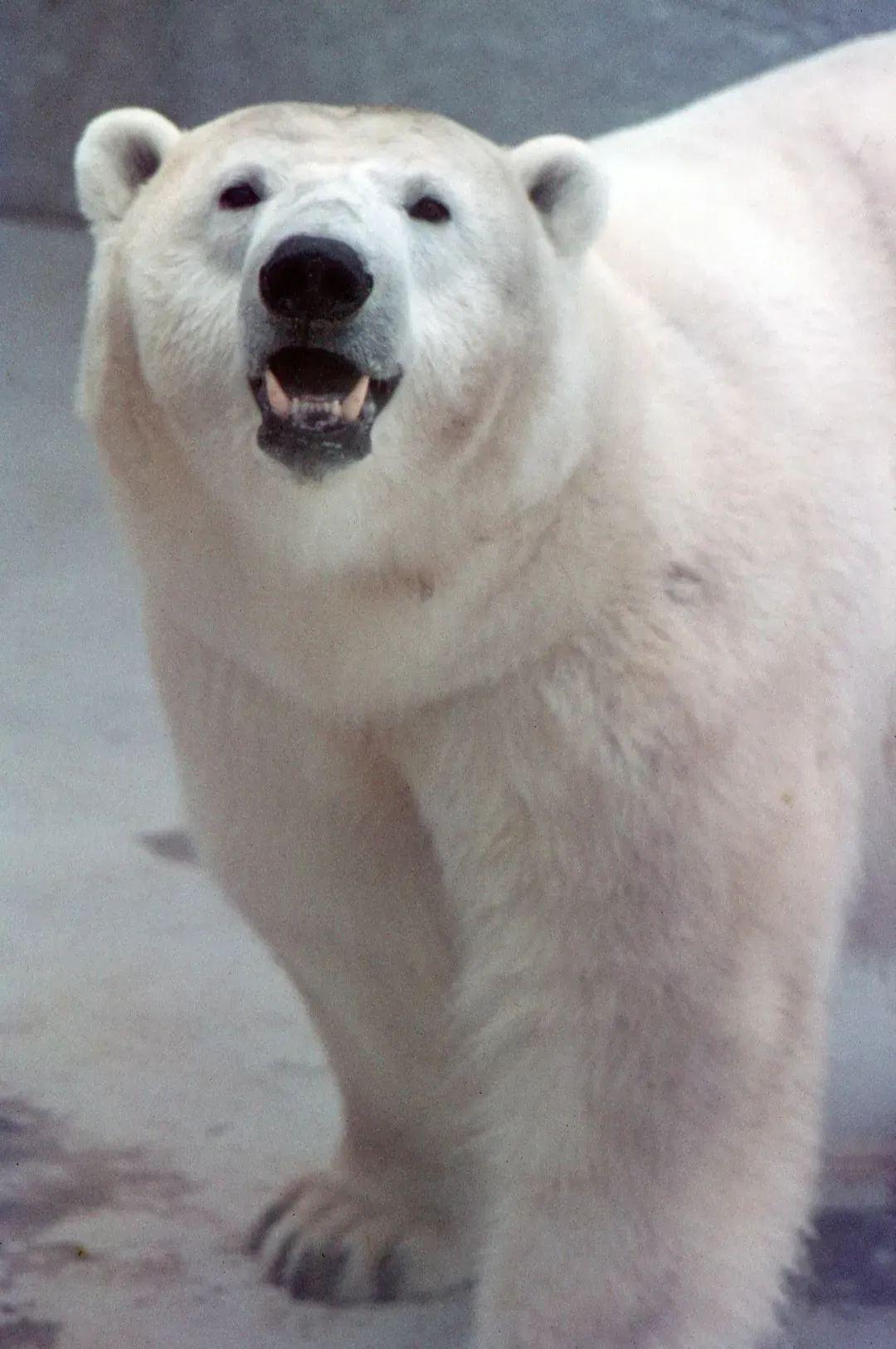
The story of polar bear DNA is not just about the future; it is also about an ancient past full of mixing and reshaping. Genetic evidence suggests that polar bears and brown bears have interbred multiple times since they split, especially during past warm periods when their ranges overlapped. That hybridization left traces of brown bear DNA inside today’s polar bear genome, like faint echoes of a different lifestyle. Some of those inherited segments may have helped polar bears adapt to changing environments before and could theoretically do so again. The question is whether that ancestral toolkit is still useful in a human-driven climate era that is warming far faster than natural cycles.
Modern cases of hybridization are already being documented, with occasional confirmed offspring from polar bear and grizzly bear pairings – often referred to as “pizzly” or “grolar” bears. While they capture public imagination, their real importance may lie in what they reveal about shifting habitats. As sea ice retreats and grizzlies move farther north, these encounters may become more common, and with them the potential for gene flow in both directions. Hybrid animals could carry combinations of traits for land and ice living, but they also risk diluting the highly specialized genes that made polar bears so good at surviving on ice. In evolutionary terms, mixing can be both a safety net and a threat, and scientists are watching closely to see which way the balance tips.
The Hidden Health Risks in a Warming Genome
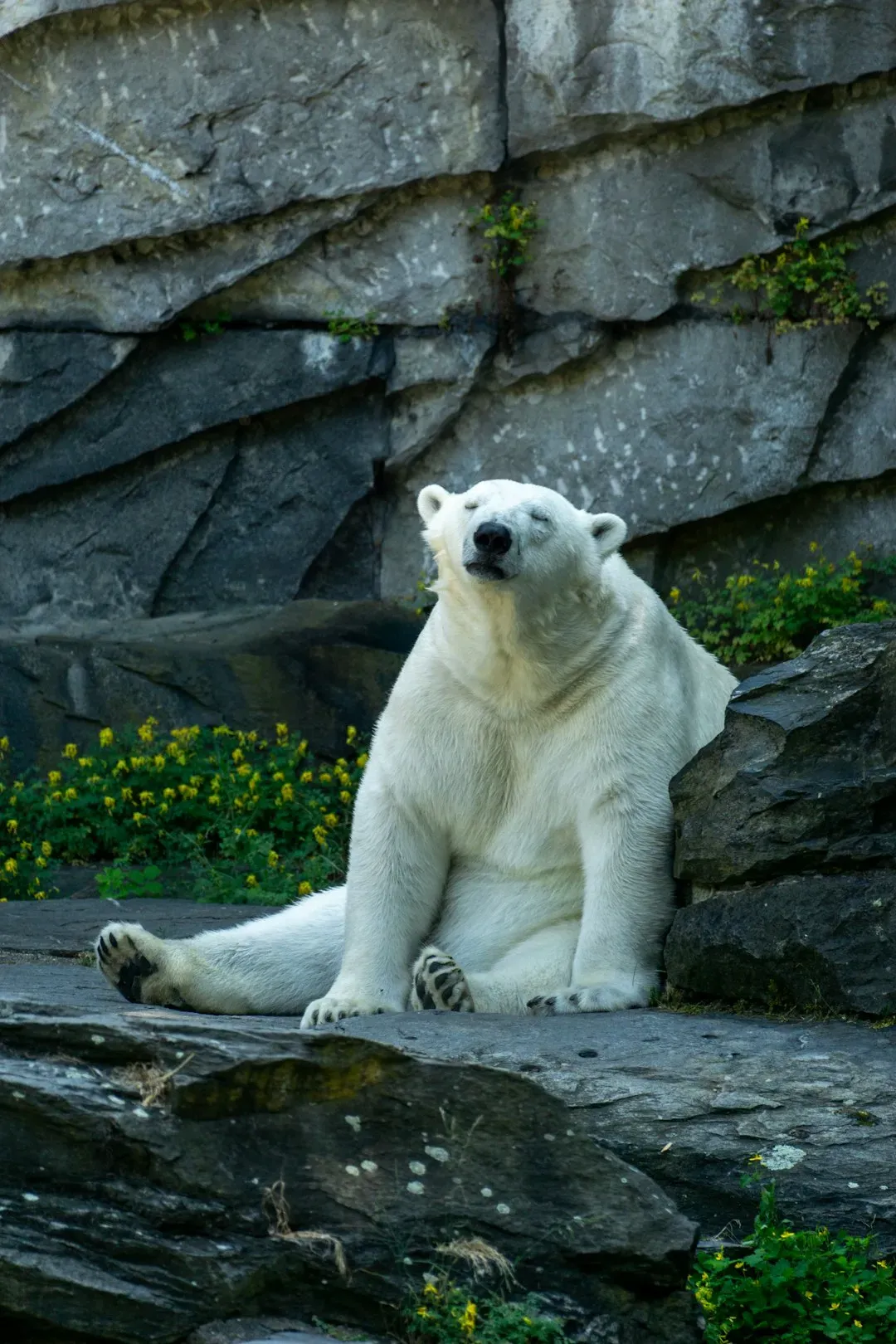
As populations shrink and become more fragmented, polar bear DNA faces another danger that is far less visible than melting ice: the slow erosion of genetic diversity. When there are fewer animals breeding, there are fewer unique gene combinations being passed on, and harmful mutations can build up more easily. This loss of diversity can weaken immune systems, reduce fertility, and make it harder for populations to adapt to new diseases or environmental shocks. Some polar bear subpopulations already show signs of stress, with declining body condition and lower cub survival in certain regions. Those physical changes may be the surface expression of deeper genetic vulnerabilities.
Scientists use tools like genomic sequencing and population modeling to estimate how much genetic variation is left in different groups of bears. They look for warning signs such as long stretches of identical DNA, which can indicate inbreeding, or a narrowing range of alleles that once gave the bears more options under changing conditions. It is a bit like tracking the variety of tools in a survival kit: when the set shrinks, the odds of having exactly the right tool when you need it go down. Conservation biologists worry that without enough genetic “spare parts,” polar bears could hit a point where no amount of behavioral flexibility can compensate. In that scenario, climate change would not just be melting ice; it would be quietly locking genetic doors that were once wide open.
Why It Matters: Polar Bears as a Test Case for Rapid Evolution
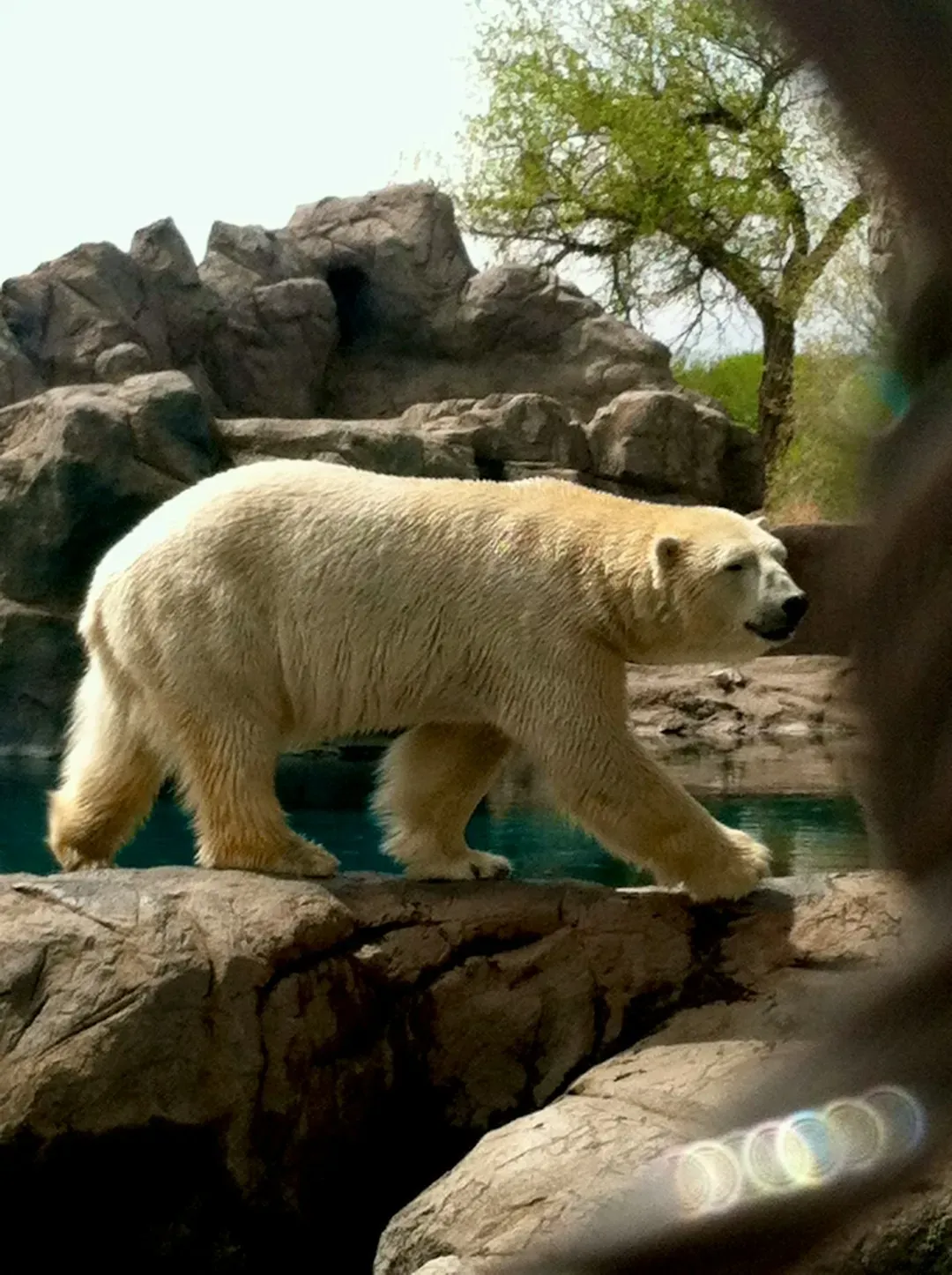
The fate of polar bear DNA is not just an Arctic curiosity; it is a test of how large, slow-breeding animals can – or cannot – keep up with rapid planetary change. Small creatures like insects or plankton, which have short lifespans and many offspring, can sometimes evolve noticeable genetic shifts in just a few years. Polar bears, by contrast, have long lifespans, late maturity, and relatively few cubs, which slows the pace of evolutionary response. That mismatch between biological tempo and environmental speed is at the heart of the concern. If even a top predator with a history of dramatic adaptation struggles to keep up, it signals trouble for many other species.
Studying polar bear genomes also sharpens our understanding of how evolution looks in real time, not only in textbook timescales. It forces scientists to merge long-term theory with short-term urgency: how much change is possible in a handful of generations, and what kind? There is a profound scientific importance in watching these shifts unfold, because they help refine models of extinction risk, resilience, and adaptation thresholds. At the same time, there is a moral weight to this research, since human activity is driving much of the pressure the bears now face. In many ways, polar bears have become a litmus test for whether modern society is willing to act before evolutionary options run out.
Tools of the Trade: How Scientists Track a Changing Genome
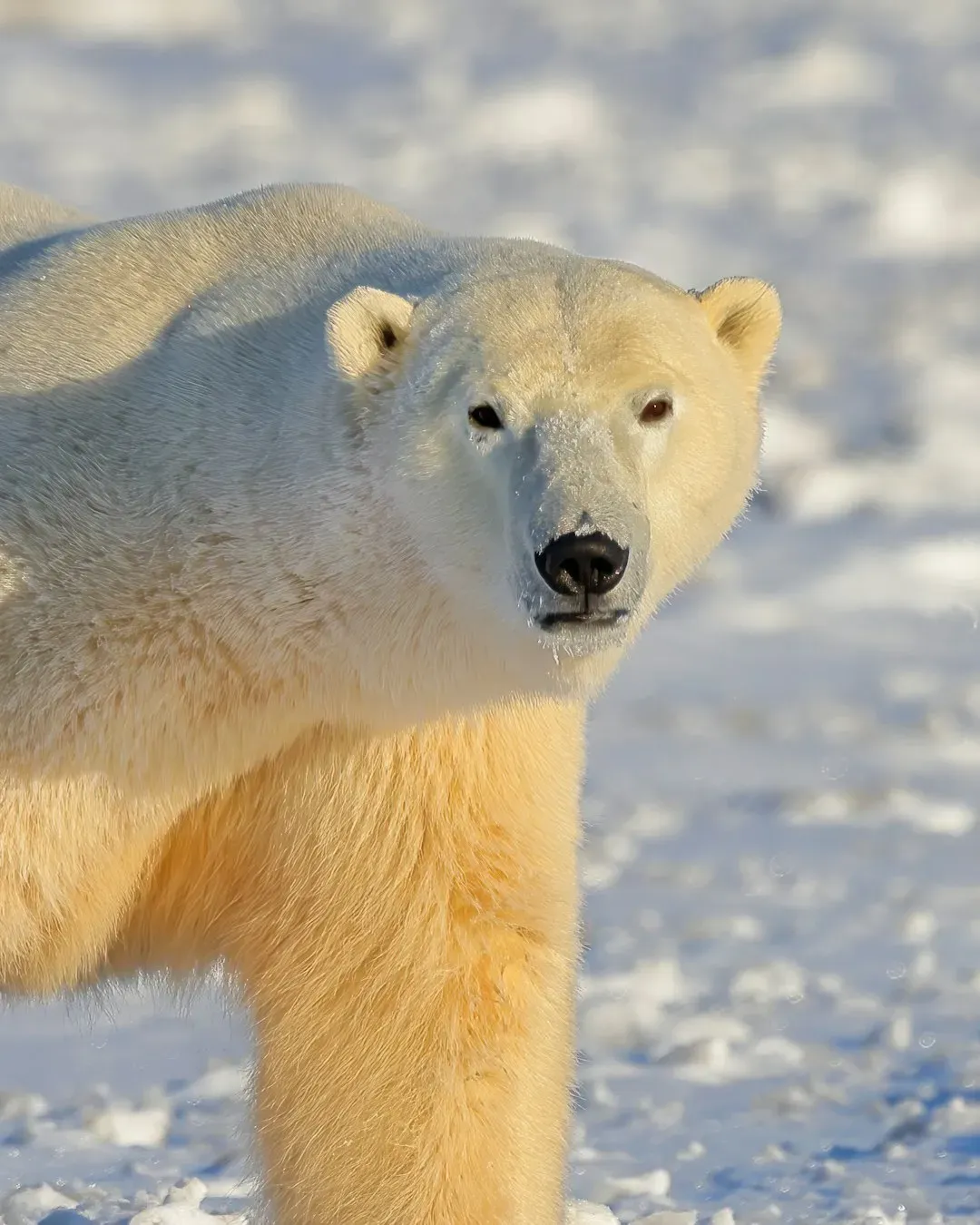
Behind every headline about polar bear genetics lies a quiet revolution in scientific tools. Two decades ago, researchers were limited to looking at a handful of genetic markers, like peeking through a keyhole into the genome. Today, high-throughput sequencing allows scientists to scan millions of DNA positions across hundreds of bears, building detailed maps of variation and change. Advanced software can then sift through this data to spot regions that may be under strong selection pressure. This shift is akin to upgrading from a blurry black-and-white photograph to a high-resolution, full-color image of evolution in progress.
Fieldwork remains demanding and sometimes dangerous, involving helicopters, tranquilizer darts, and working in subzero temperatures on shifting ice. Yet new approaches are reducing some of that risk and disturbance, such as collecting environmental DNA from snow, water, and footprints left behind by bears. Combining these methods with satellite tracking data lets scientists link specific genetic profiles to real behaviors and movement patterns. Emerging techniques like gene expression analysis also reveal which genes switch on or off as bears cope with heat, fasting, or pollutants. Together, these tools turn the Arctic into a living laboratory where cause and effect, from climate to DNA, can be traced more clearly than ever before.
The Future Landscape: Adaptation, Assisted Interventions, and Uncomfortable Choices
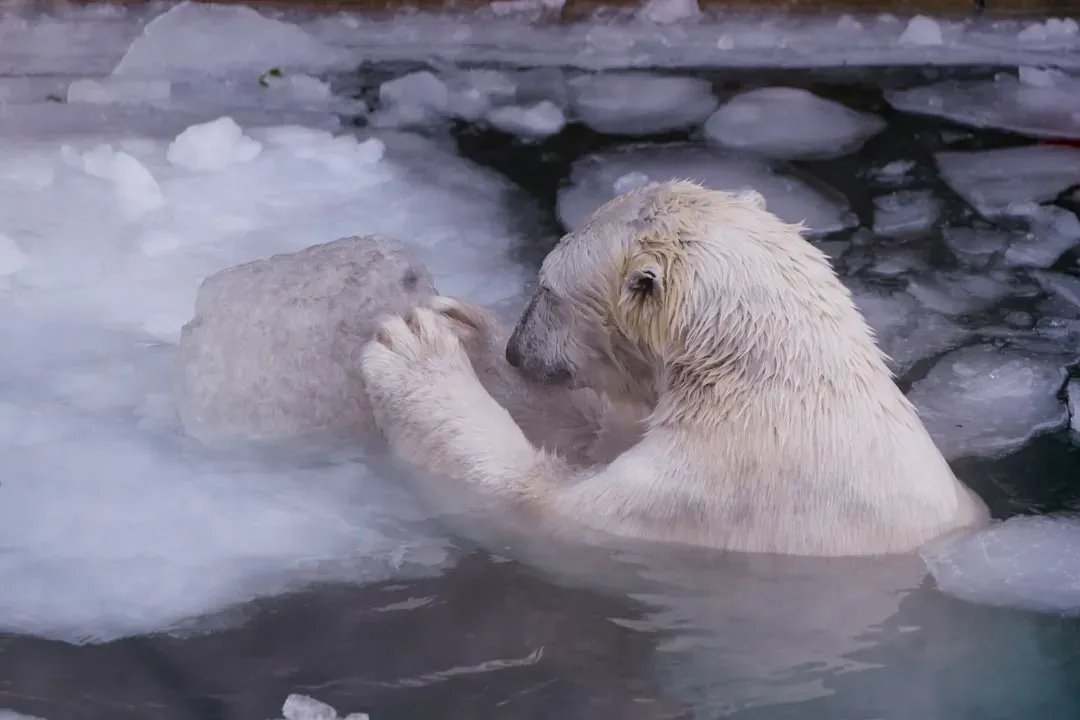
Looking ahead, polar bear genetics sits at the crossroads of hope, technology, and hard decisions. Some researchers are cautiously exploring the idea of “assisted evolution,” where conservation strategies might favor bears or populations that show promising adaptive traits. In theory, management could prioritize the protection of subpopulations with higher genetic diversity or early signs of resilience to warmer conditions. More radical ideas, like using gene-editing technologies to bolster certain traits, stay mostly in the realm of discussion rather than practice, in part because of ethical and ecological uncertainties. It is one thing to describe the genome as a toolkit; it is another to start rearranging the tools.
The more immediate future will likely focus on improving habitat protection, reducing conflict with humans, and monitoring genetic health to inform policy. In a world where Arctic shipping lanes are opening and industrial interests are moving north, safeguarding key denning and feeding areas becomes a genetic safeguard as well. There is also a global implication: what happens to polar bears could shape how we think about conservation genetics for other species under climate stress, from mountain-dwelling mammals to coral reefs. As climate negotiations unfold, the silent data encoded in polar bear DNA could serve as a stark reminder that warming is not just about temperature charts – it is about rewriting the biological scripts of entire species. Whether that script ends in adaptation or loss depends heavily on decisions made far from the ice.
What You Can Do: From Curiosity to Conservation
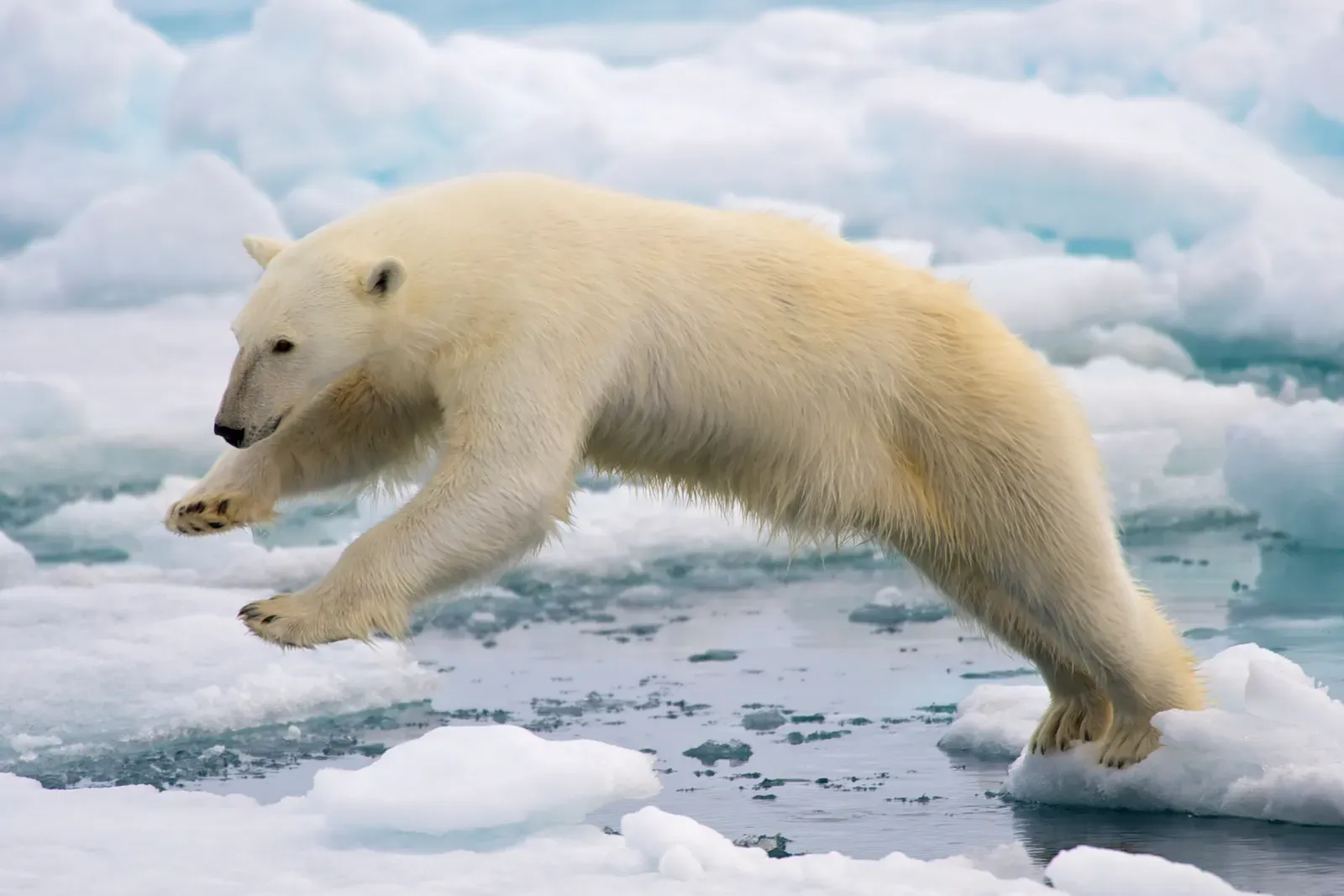
It is easy to think of polar bear genetics as something distant and technical, unfolding in remote labs and frozen landscapes. But the forces shaping that DNA – greenhouse gas emissions, industrial expansion, global consumption patterns – are deeply connected to everyday choices. Supporting organizations that fund Arctic research and conservation can help ensure scientists have the tools to keep monitoring genetic health. Staying informed about climate policy, voting with those concerns in mind, and backing efforts to cut emissions all feed directly into the environmental context that determines whether polar bears can adapt. Even sharing accurate information about what science is revealing can push the public conversation beyond simple images of “sad bears on small ice floes” toward a deeper understanding of their evolutionary stakes.
On a more personal level, there is value in letting the story of polar bear DNA reshape how we see our relationship with the natural world. Their genomes are not just data points; they are living records of how a species rose to dominate one of the harshest environments on Earth and is now being forced to rewrite its story. I still remember the first time I saw a high-resolution image of polar bear chromosomes laid out on a lab screen; it felt oddly like looking at a biography written in code. That sense of awe can be a powerful motivator for change, turning abstract concern into concrete action. The next time you see a photograph of a polar bear, it might be worth asking yourself: what kind of future is being written, letter by genetic letter, beneath that white fur?