In a country mapped by satellites and tracked by GPS collars, the wolverine somehow still feels like a rumor. Most Americans will never see one in the wild, and even many biologists spend years chasing their tracks without catching more than a blurred glimpse on a trail camera. Yet, scattered across some of the coldest, wildest corners of the United States, tiny pockets of wolverines are clinging to existence. The mystery is not only where they are, but why they are there – and what that says about a rapidly warming world. To answer that, we have to follow snow, mountains, and the thin line between survival and disappearance.
The Hidden Stronghold: Alaska
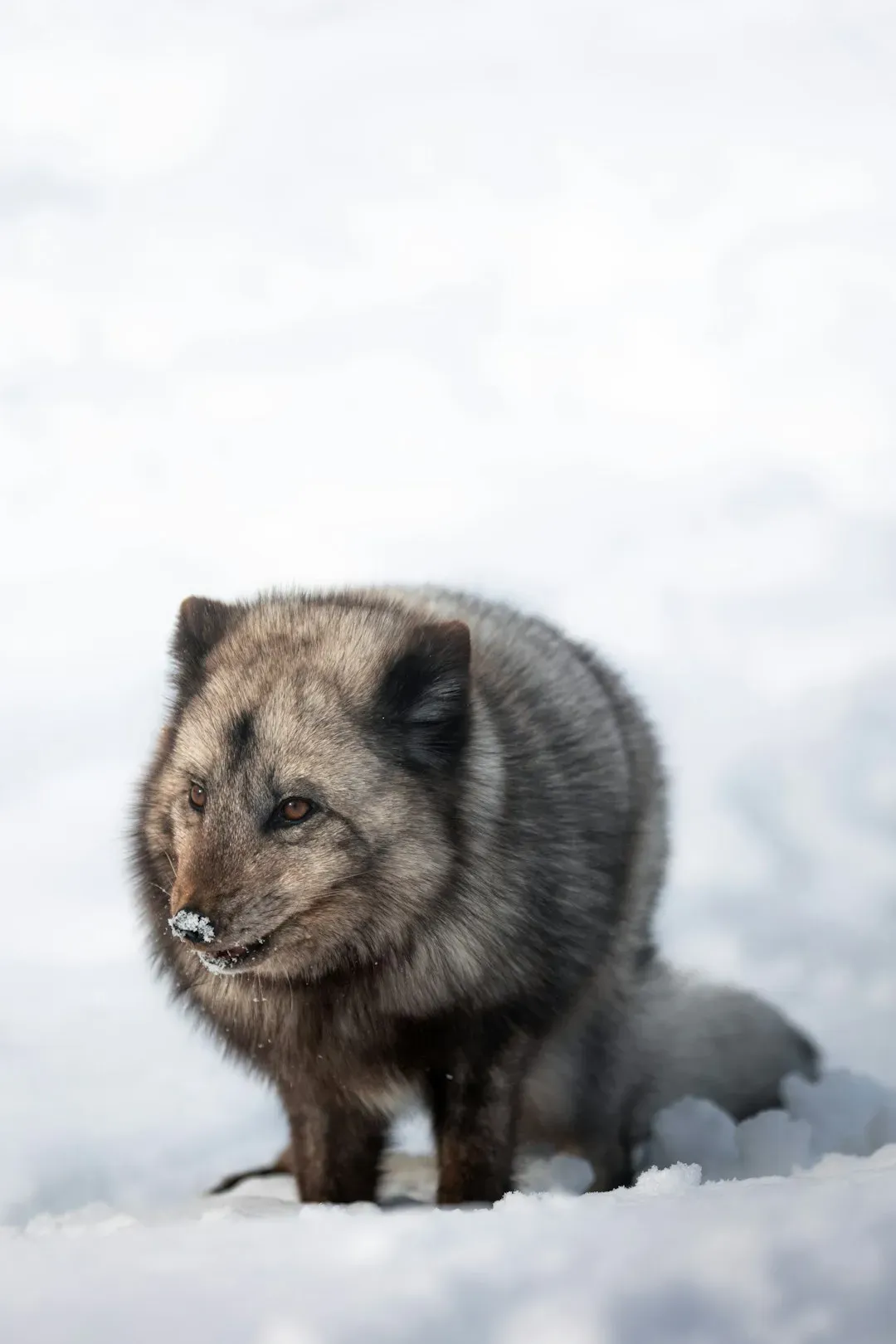
The simplest way to understand wolverines in the United States is this: Alaska is their fortress. It holds by far the largest number of wolverines in the country, with estimates in the low thousands spread across vast tundra, boreal forest, and mountain ranges. Here, the species is not just a rare curiosity but a functioning part of large carnivore communities that include wolves, bears, and lynx, all threading their lives through the same frozen landscapes. In many parts of rural Alaska, wolverines are still known through tracks on frozen rivers, scavenged caribou carcasses, and the occasional flash of dark fur against snow. They are not common in the way that ravens or foxes are common, but they are at least consistently present.
What makes Alaska such a stronghold is a combination of space, snow, and cold. Wolverines are adapted to a world where winter dominates the calendar, and Alaska still offers long seasons of deep, persistent snowpack. That matters because wolverines often cache food in snow and ice, turning the landscape into a natural freezer that lets them stretch scarce meals over long lean periods. The state’s relatively low human density away from urban centers also means more intact habitat and fewer roads, which reduces accidental trapping and vehicle collisions. When scientists talk about climate refuges for cold-dependent animals, Alaska usually tops the list, and wolverines are a prime example of why.
Continental Stronghold: Montana’s Wolverine Country
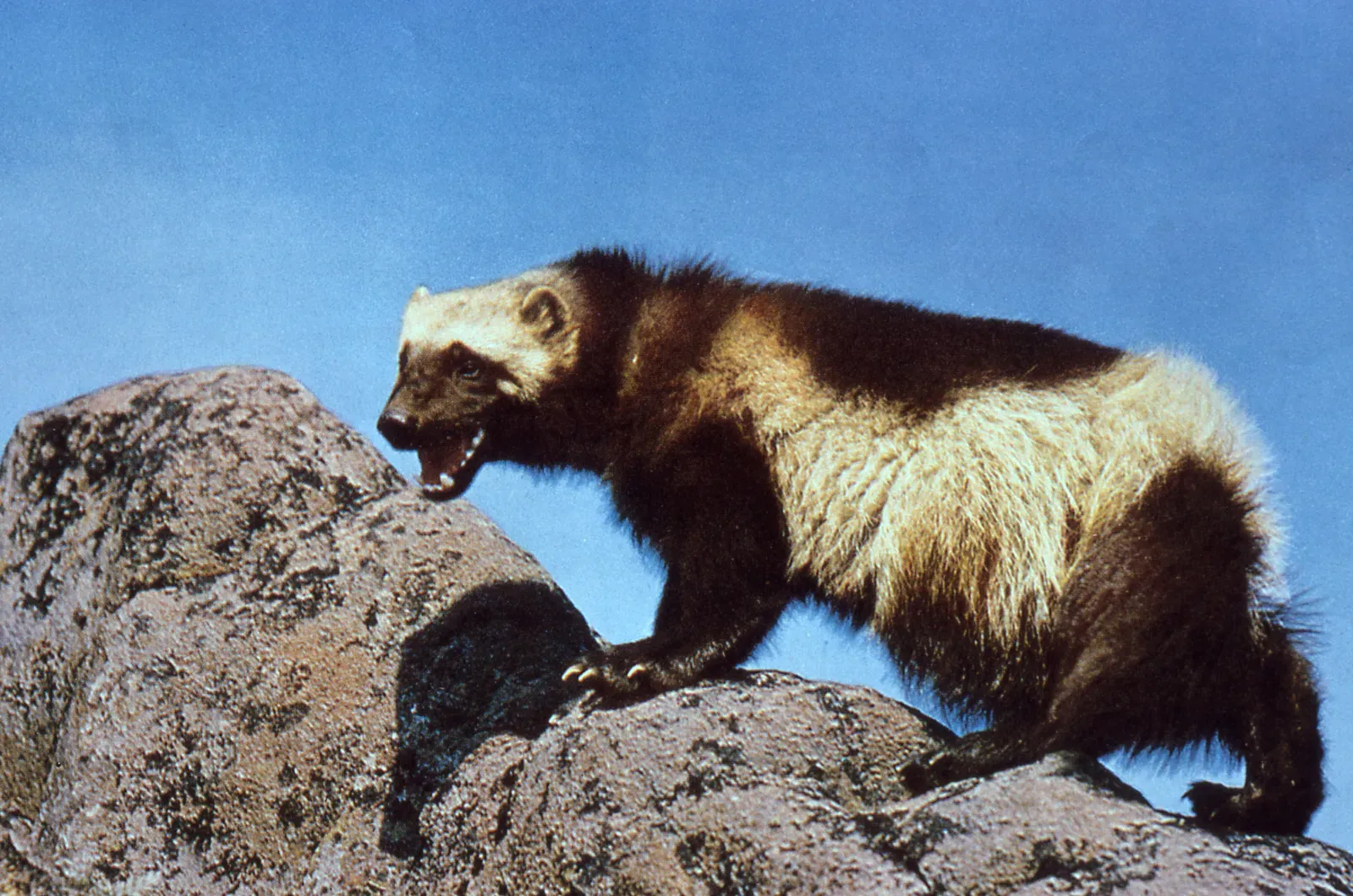
If Alaska is the fortress, Montana is the last great continental bastion of wolverines in the lower forty‑eight. Montana’s high mountains – particularly the northern Rockies, including the Greater Yellowstone region and Glacier National Park – still support the largest wolverine population south of Canada. These animals roam enormous territories that often cross state and even national borders, padding over wind-scoured ridgelines and shadowed cirques that hold snow well into late spring. Biologists using GPS collars have tracked individuals moving more than a hundred miles over rugged terrain, seemingly unfazed by deep snow or steep rock. It’s the kind of harsh environment that keeps most humans away and gives wolverines room to work their quiet survival strategies.
Montana has also become a kind of living laboratory for wolverine research. Over the past two decades, field teams have set up baited camera stations, hair snares for genetic analysis, and long-running monitoring projects that map where wolverines still breed. These efforts revealed that breeding females in Montana strongly favor high-elevation areas with persistent spring snow, where they dig natal dens under fallen logs or avalanche debris. At the same time, Montana’s popularity as an outdoor playground adds tension to the story. Expanding ski areas, backcountry recreation, and road networks press into the same snowy basins that wolverines rely on, forcing wildlife managers to balance tourism, local economies, and the needs of a species that simply cannot exist without deep, lasting snow.
High Peaks and Thin Margins: Idaho’s Rugged Refuges
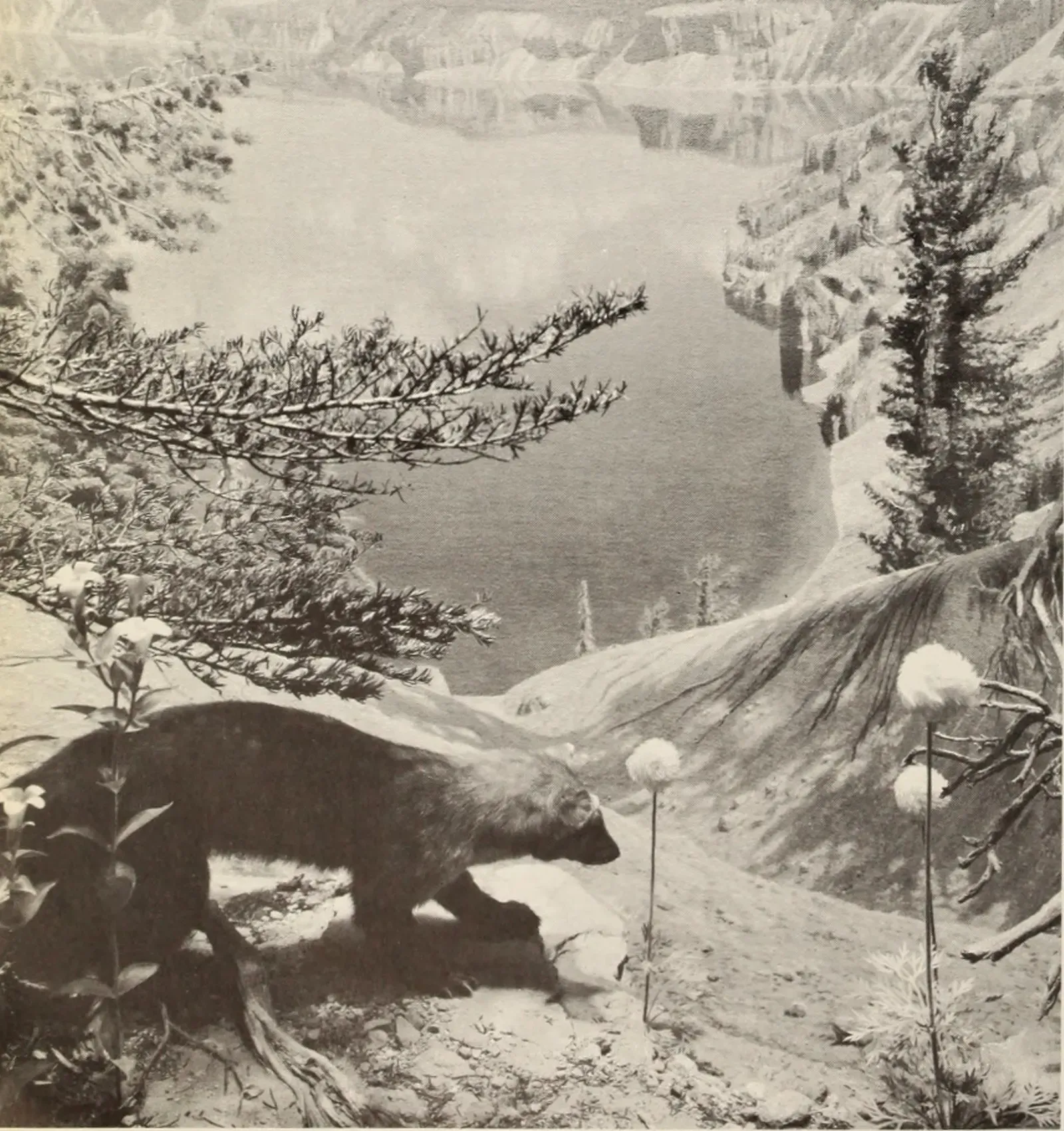
Just to the west, Idaho hosts one of the most quietly important wolverine populations in the continental United States. You will not find glossy tourism brochures advertising wolverine country here, but high ranges like the Sawtooths, Bitterroots, and Salmon River Mountains hide scattered territories. Idaho’s wolverines are part of a wider Rocky Mountain network, moving back and forth across borders with Montana, Wyoming, and even Canada. This cross-border movement is vital because any single state has only a handful of breeding females, so genetic connectivity keeps the population from slipping into an isolated decline. Picture a string of icy islands in a sea of human-dominated valleys, and you get a sense of how precarious that connectivity can be.
Idaho’s wolverine story is also deeply tied to land use decisions in national forests and wilderness areas. Many of the ranges that wolverines still occupy intersect with winter recreation hubs, snowmobile routes, and expanding backcountry skiing zones. While the science is still evolving, some studies suggest that repeated disturbance around denning areas could push females away from otherwise suitable habitat. At the same time, trapping regulations and conservation-focused land management have reduced some of the historical pressures that once hammered the species. The result is a kind of uneasy truce: wolverines are hanging on in Idaho, but their future depends on how well people can share the last deep-snow landscapes without overwhelming them.
The Yellowstone Link: Wyoming’s Small but Strategic Population
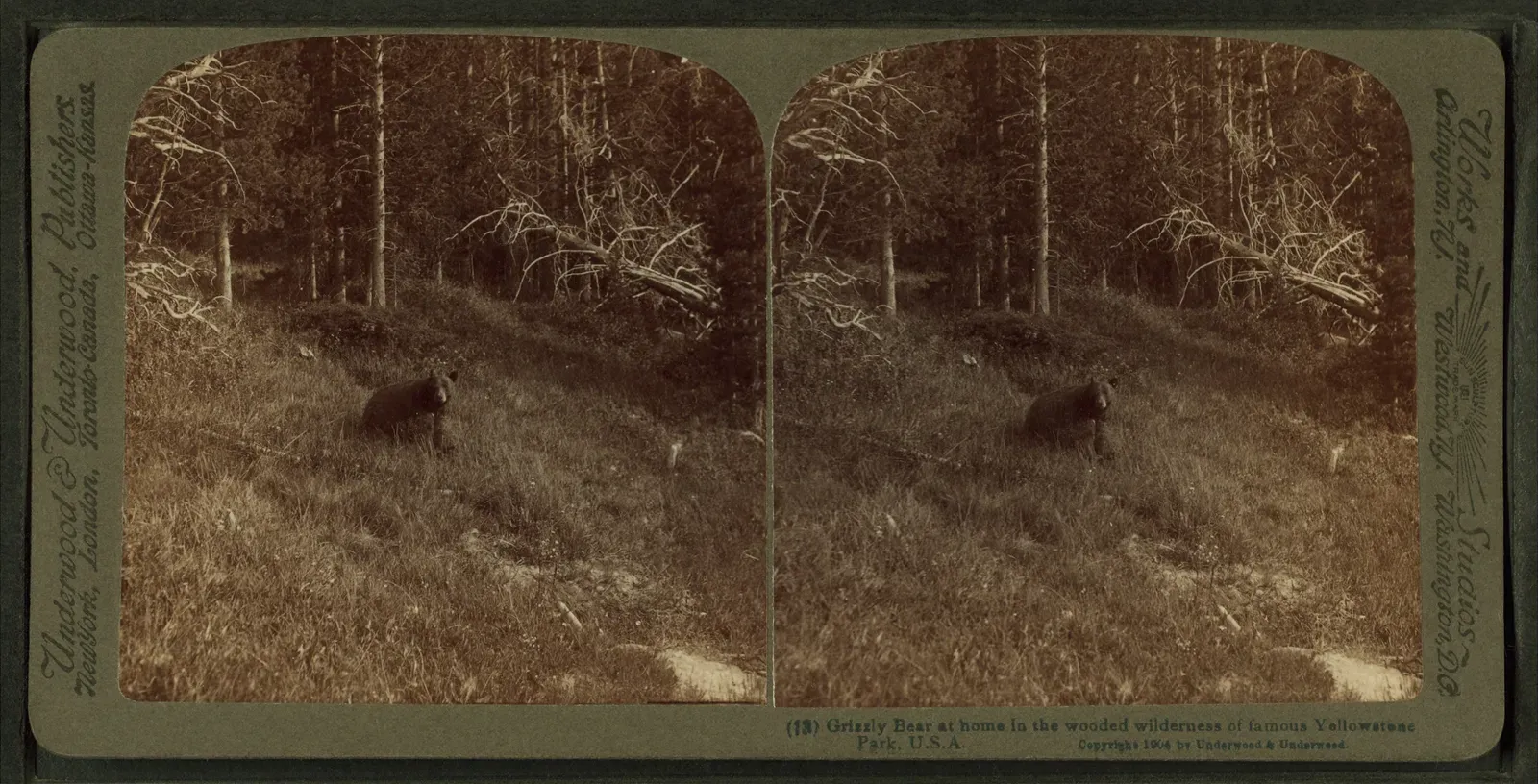
Wyoming does not have a large number of wolverines, but the ones it does have occupy some of the most iconic wildlands in North America. Scattered individuals and a small number of breeding territories are found in and around the Greater Yellowstone Ecosystem, including the Teton and Wind River ranges. These mountains form critical stepping stones between Montana and Idaho populations, turning Wyoming into a biological bridge rather than just a dot on a range map. When a young wolverine disperses across high passes and glaciated plateaus, it may cross state lines multiple times, ignoring the invisible borders that structure human politics. That movement matters enormously for the long-term survival of such a low-density, wide-ranging carnivore.
Conservation biologists often describe Yellowstone as a test case for how large carnivores fare in a mixed-use landscape where national parks meet ranchlands, tourist towns, and energy development. Wolverines, though far less famous than wolves or grizzlies, are part of that test. Wyoming’s historical emphasis on resource extraction and livestock production has shaped where wilderness remains and where it has been carved up. Yet, in the steep, snowy high country that is too rugged for most development, wolverines still find pockets of relative security. The state’s role is less about hosting big numbers and more about keeping the northern Rockies stitched together as a single, functioning wolverine metapopulation.
On the Edge of the Range: Washington’s Cascades and Beyond
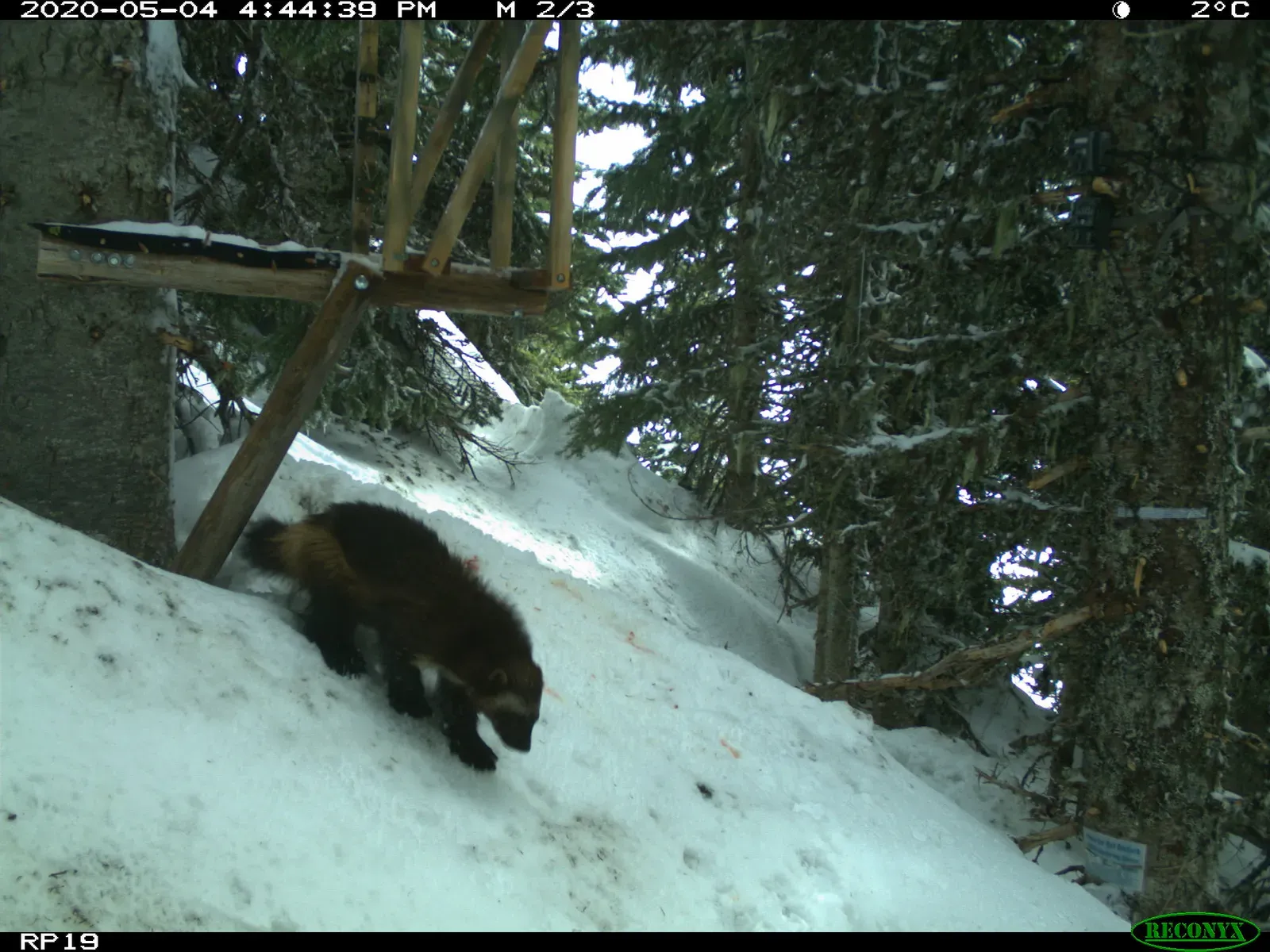
Further west, Washington State represents the coastal frontier for wolverines in the contiguous United States. For much of the twentieth century, wolverines were thought to be extremely rare or possibly gone from the Cascades, but modern camera traps and genetic surveys have changed that narrative. Today, a small but growing number of detections has confirmed breeding in the North Cascades, where sharp peaks and heavy snowfall recreate some of the conditions found in the Rockies. Wolverines here navigate a very different mosaic of land uses, from national parks and wilderness areas to ski resorts, hydroelectric infrastructure, and dense urban corridors in the lowlands. The distance between a wolverine’s snowy ridgeline and a major highway can be surprisingly short.
Washington’s wolverines are scientifically fascinating because they sit at the intersection of climate change, connectivity, and coastal weather patterns. The Cascades receive huge amounts of precipitation, but increasingly warmer winters can mean more rain and less stable snowpack at elevations where wolverines might once have denned reliably. Conservation groups and agencies have launched collaborative monitoring projects, placing scent lures and cameras across large swaths of high country to track individual animals. These efforts show that even a handful of wolverines can recolonize suitable habitat when barriers are low enough. At the same time, every proposed highway expansion, new ski lift, or backcountry access plan becomes part of the conversation about how much disturbance this fragile population can absorb.
Why It Matters: Wolverines as Climate and Wilderness Barometers
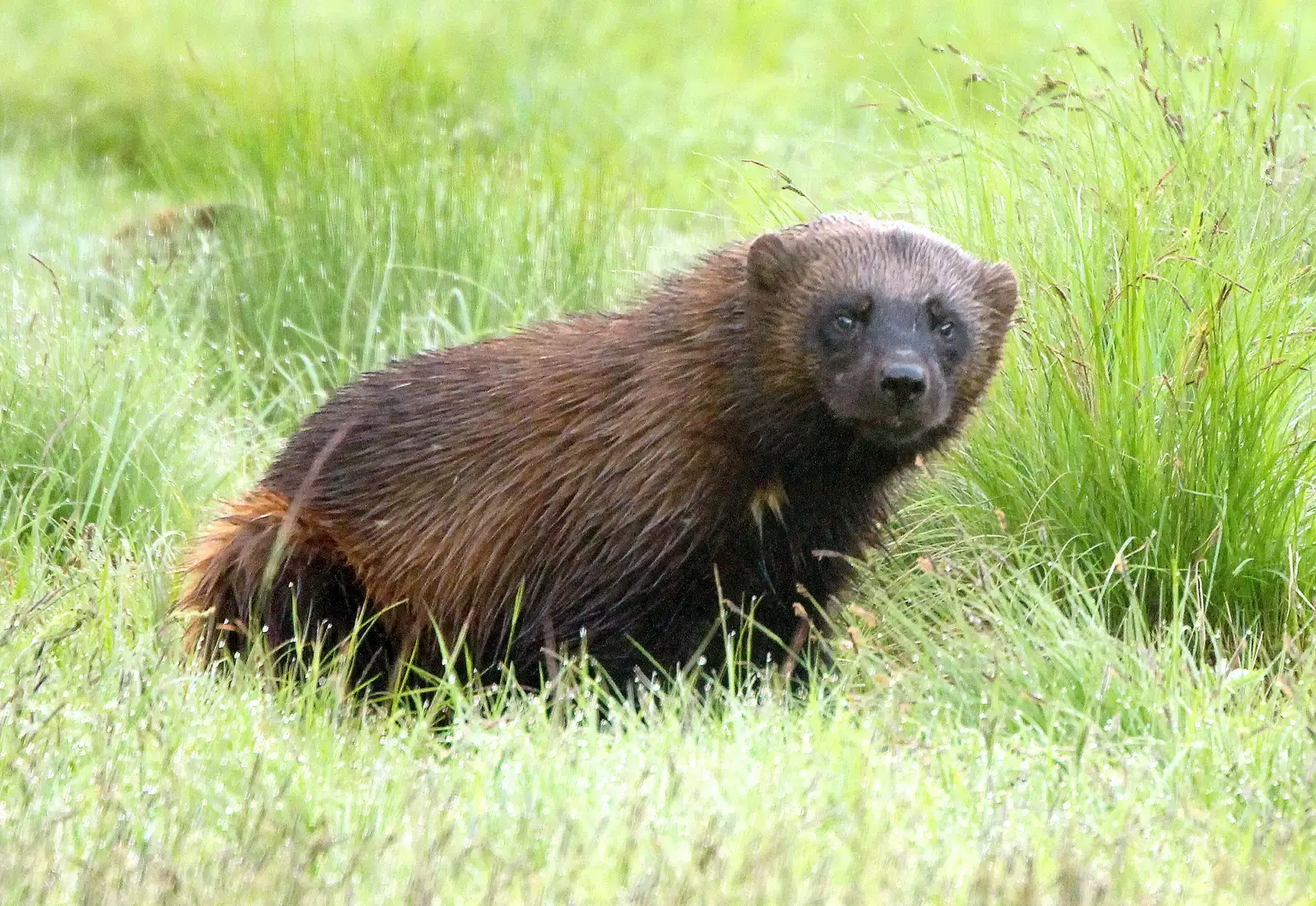
It might be tempting to treat wolverines as a biological curiosity – fierce, rare, and photogenic – but not especially central to human life. That would be a mistake. Wolverines are incredibly sensitive to two things that are changing rapidly across the northern hemisphere: snowpack and landscape fragmentation. Their reliance on deep, late-season snow for denning and food storage makes them living indicators of how fast winter is shrinking at high elevations. When denning areas that stayed snow-covered for months now melt out weeks sooner, the costs are not theoretical; they land directly on mothers raising kits underground. That link between snow and survival turns wolverines into a kind of early warning system for mountain ecosystems under climate pressure.
Wolverines also force a hard look at how we carve up wild landscapes. Because each animal needs enormous territories, even a moderate network of roads, ski areas, and settled valleys can splinter habitats into isolated fragments. Compared with more adaptable carnivores like coyotes, wolverines are poor at tolerating human disturbance, so their absence often signals that a region has crossed a threshold of human impact. When scientists model future range scenarios, they often compare wolverines with past expectations for other cold-dependent species, such as lynx or certain alpine birds, and the pattern is sobering. As climate warms and development continues, the maps show shrinking islands of suitable habitat unless deliberate corridors and protections are put in place. In that sense, the fate of wolverines is closely tied to the broader question of whether North America chooses to keep functional, connected wilderness on its map at all.
The Science Behind the Sightings: How Researchers Track a Ghost
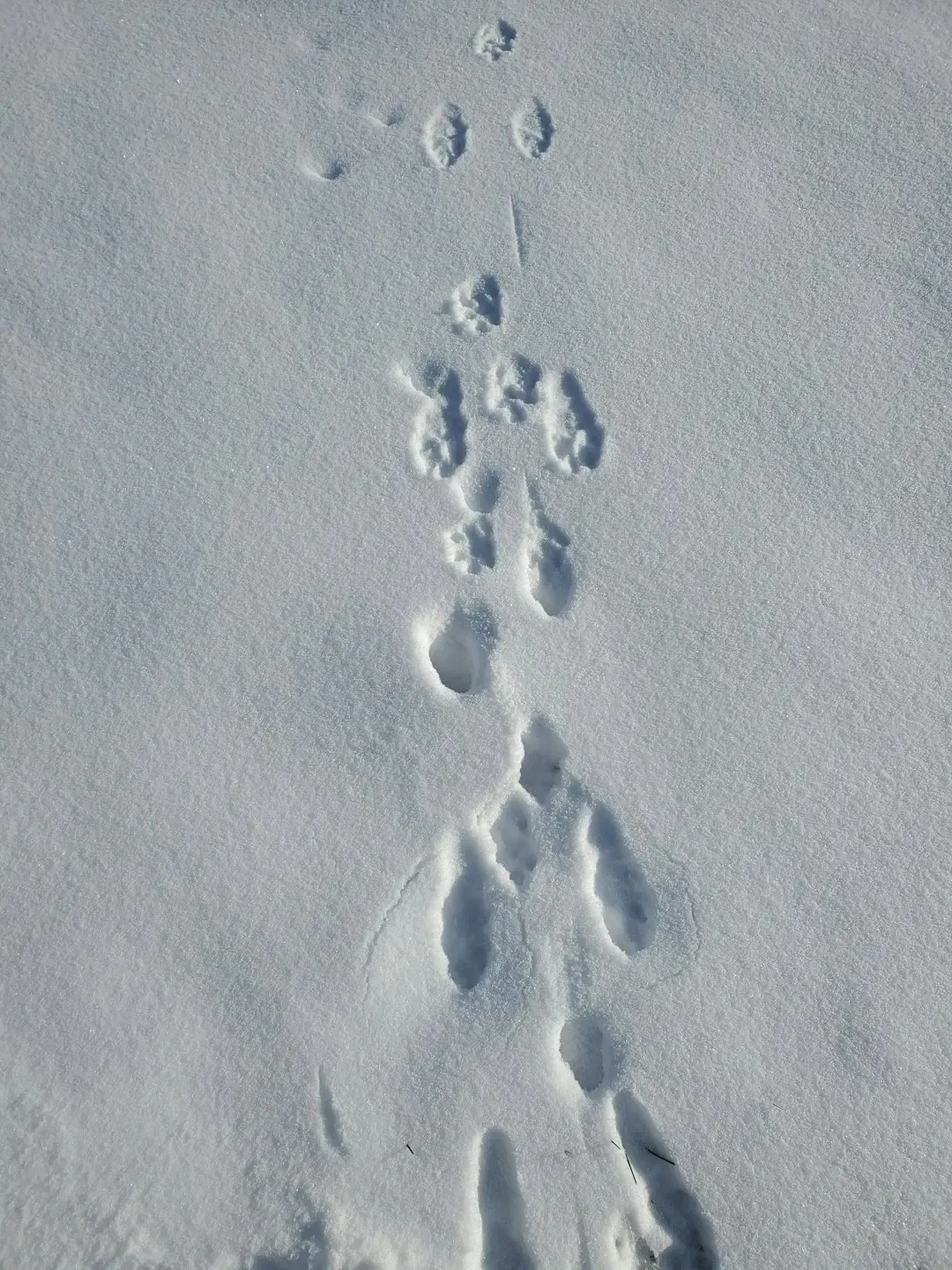
One reason the list of states with the most wolverines is so short is that counting them is notoriously difficult. You cannot simply fly a helicopter over a mountain range and tally dark specks against the snow; they are too few, too wary, and too good at disappearing into rugged terrain. Instead, researchers rely on a blend of forensic-style methods: motion-triggered cameras baited with carcasses, barbed-wire hair snares for DNA sampling, and occasionally GPS collars fitted to live-captured individuals. This patchwork of data points is then fed into complex models that estimate population size, distribution, and genetic diversity. The result is less like a census and more like a carefully assembled mosaic, with some tiles still missing.
Modern genetics has transformed what we know about wolverine populations in Alaska and the lower forty‑eight. By comparing DNA samples from different states and Canadian provinces, scientists can tell where animals are moving and how related neighboring populations are. In some regions, they have uncovered surprising long-distance dispersal events, such as young males turning up hundreds of miles from their presumed birthplaces. These discoveries underscore why individual states cannot manage wolverines in isolation; the species’ natural behavior is inherently transboundary. At the same time, the science highlights just how razor-thin the margins are for small, fragmented groups, where the loss of even a few breeding females can have outsized consequences for future generations.
The Future Landscape: Warming Winters and Shifting Ranges
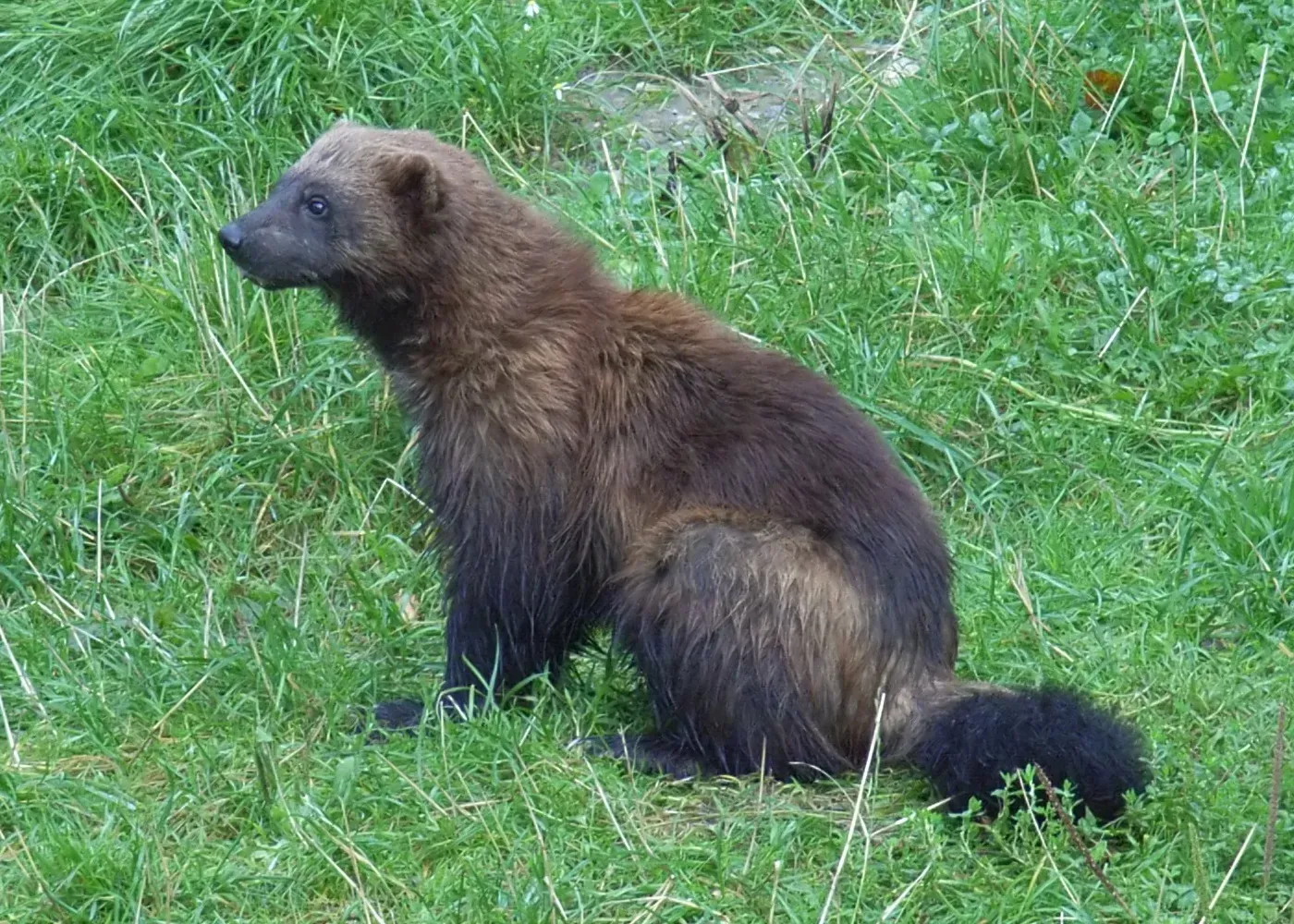
Looking ahead, the central question for wolverines in the United States is brutally simple: will there still be enough cold, snowy, connected habitat to sustain them by the middle of this century? Climate projections consistently show shrinking spring snowpack across much of the Rockies and Cascades, with lower elevations losing reliable snow first. That means the band of suitable habitat for denning and caching food will likely climb higher and become narrower, squeezing wolverines into ever-thinner strips of terrain. States like Montana, Idaho, Wyoming, and Washington may see some current territories become marginal while new patches open farther north or at the coldest, highest peaks. Alaska will continue to be the global stronghold, but even there, coastal and low-elevation zones are expected to change significantly.
There are also policy and management crossroads ahead. Recent debates over whether to list wolverines under federal endangered species protections reflect growing concern about climate-related habitat loss combined with ongoing human pressures. Decisions about ski area expansions, backcountry motorized use, and new road corridors in high country will either open or close doors for future wolverine movement. Technological advances, like higher-resolution climate and habitat models, can help identify and prioritize key corridors before they are cut off. Globally, the fate of wolverines intersects with broader Arctic and subarctic changes affecting reindeer, caribou, and other cold-adapted species. Whether we view wolverines as expendable or as a test of our willingness to protect climate-sensitive wildlife will shape not just their future, but the moral landscape of conservation in a warming world.
What You Can Do: From Curiosity to Conservation
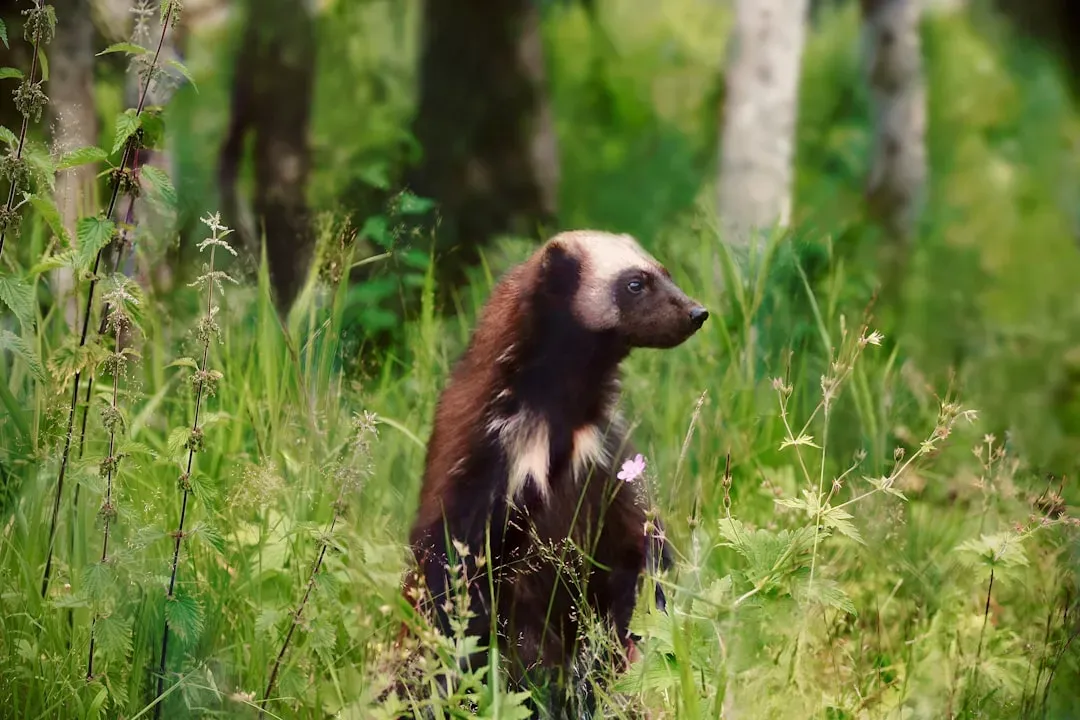
For most readers, the idea of crossing paths with a wild wolverine is closer to winning a biological lottery than planning a weekend wildlife sighting. But that doesn’t mean ordinary people are cut out of the story. If you live in or visit wolverine states like Alaska, Montana, Idaho, Wyoming, or Washington, you can choose how you move through high country in winter: sticking to established routes, giving den-like areas a wide berth, and supporting land-use decisions that keep core habitats intact. Paying attention to seasonal closures and travel advisories in national parks and forests might feel like a small thing, yet those rules often exist to protect sensitive species, including wolverines, at critical times of year. Even for those far from mountain snow, the choices you make about energy use and climate advocacy ripple into the cold landscapes these animals depend on.
There are also more direct ways to help. Citizen science projects occasionally invite backcountry users to deploy camera traps or report potential wolverine tracks and sightings, which can feed into research databases. Supporting organizations that focus on large landscape conservation and climate-resilient corridors helps safeguard the connected habitats wolverines need to move and breed. When you come across news about wolverines – whether it is a new sighting in the Cascades or a policy debate over protections – treat it as a signal about the health of our remaining wild winter worlds. In a time when many species are adapting, shifting, or vanishing under rapid change, paying attention to one elusive predator can sharpen our sense of what is at stake for all the others.