Biology is supposed to be the science of life’s rules, yet some of its most fascinating stories are about rules that appear to break themselves. From species that seem to help competitors survive, to creatures that blur the line between alive and not-quite-alive, researchers are constantly tripping over phenomena that feel almost logically impossible. These are not paradoxes in the strict mathematical sense, but real-world contradictions where our best theories do not neatly fit the data. Each one forces scientists to ask: is our model wrong, or are we simply not looking closely enough? As new tools from genomics, AI, and imaging flood labs with data, these biological riddles are only getting stranger – and more urgent to solve.
The Cooperation Conundrum: Why Evolution Favors Altruists That Should Lose
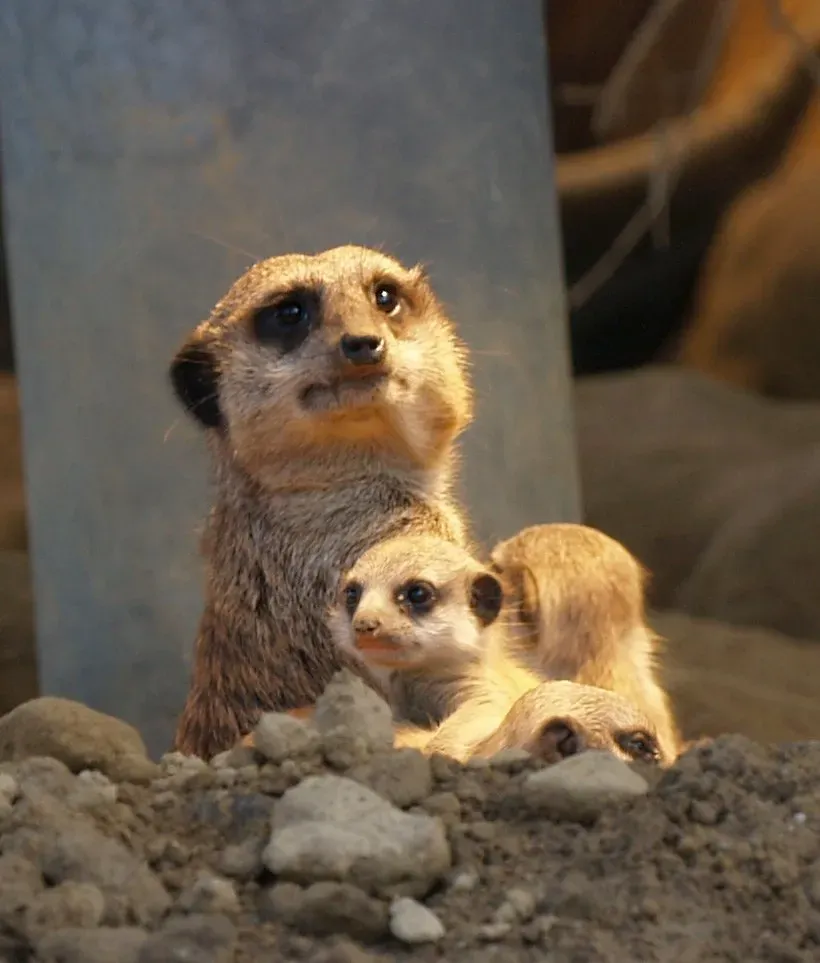
On paper, evolution is brutally simple: individuals that leave more offspring win, and selfish behavior should dominate over time. Yet nature is full of apparent rule-breakers – meerkats that risk their lives sounding alarms, vampire bats that share precious blood meals, and social insects that give up reproduction altogether to serve a queen. At first glance, this looks like a paradox: why would natural selection preserve genes that make an individual sacrifice its own fitness? Biologists explain some of this through kin selection, where helping relatives indirectly helps copies of your own genes, and through reciprocal altruism, where favors are repaid over time. Still, in many systems, such as large human societies and bacterial communities, cooperation extends far beyond close kin or simple tit-for-tat exchanges.
What makes this so puzzling is that even a tiny invasion of cheats – those who take benefits but never pay costs – should, in theory, unravel cooperation. Yet in microbial films, bird flocks, and primate groups, cooperative systems remain remarkably robust over generations. Researchers are now uncovering hidden enforcement mechanisms: punishment of freeloaders, partner choice, and reputational scoring that raises the stakes for defecting. In microbes, for example, some strains produce toxins that disproportionately harm cheaters, turning cooperation into a kind of microbial protection racket. The paradox is slowly shifting from “Why does cooperation exist?” to “Why is it so astonishingly stable in such a competitive world?”
The Aging Paradox: Why Some Creatures Barely Seem to Grow Old
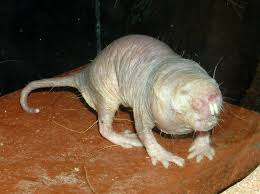
Most of us experience aging as an uncomfortable certainty: bodies wear down, cells accumulate damage, and risk of death climbs steadily with time. Evolutionary theory has long framed this as inevitable, arguing that natural selection weakens with age because older individuals are less likely to reproduce. Then along come organisms like naked mole-rats, certain jellyfish, and some turtles, whose mortality risk barely increases – or even seems to decrease – with age. These animals can remain fertile and seemingly healthy far beyond what standard theories would predict. Their existence looks like a direct challenge to the supposed universal rule that biological systems must senesce.
Researchers studying these “negligibly senescent” or extremely long-lived species are finding unusually robust DNA repair, highly efficient protein quality control, and immune systems that stay sharp in late life. In naked mole-rats, for instance, cancer is astonishingly rare compared to other rodents, and their cells appear unusually resistant to stress. The paradox is not just philosophical; it hits close to home, because humans share many of the same basic molecular pathways. If some mammals can effectively flatten their aging curve, then aging is less a hardwired destiny and more an evolved strategy – with potential levers we might one day learn to pull. The unsettling implication is that we are not yet sure why our own species ended up with the particular lifespan and aging pattern we have.
The Microbiome Identity Crisis: Where Does “You” End and “Them” Begin?
We tend to think of ourselves as individuals: single organisms with a single genome, neatly separated from the outside world. Modern microbiology has blown that story apart. Trillions of bacteria, fungi, and viruses live on and inside every person, often outnumbering our own cells and carrying far more distinct genes. These microbes help digest food, train our immune systems, and even influence mood and behavior. The paradox is that something so profoundly “other” is also essential to who we are, biologically and perhaps psychologically.
This raises deeply weird questions that are not just philosophical but medically practical. If a gut microbe shifts your cravings or anxiety, are you making a choice, or is your microbiome nudging you? When doctors perform a fecal transplant to treat infection, are they in some sense partially changing a patient’s biological identity? Experiments in mice have shown that transferring gut microbes can alter weight gain, immune responses, and stress behaviors, suggesting that personality-like traits might be, in part, microbially mediated. The old idea of a sovereign self is giving way to a more unsettling picture of humans as ecosystems or “superorganisms,” where health and disease emerge from negotiations between host and microbiome partners that do not share a single evolutionary agenda.
The Viral Life Paradox: Are Viruses Alive or Ultra-Sophisticated Chemistry?
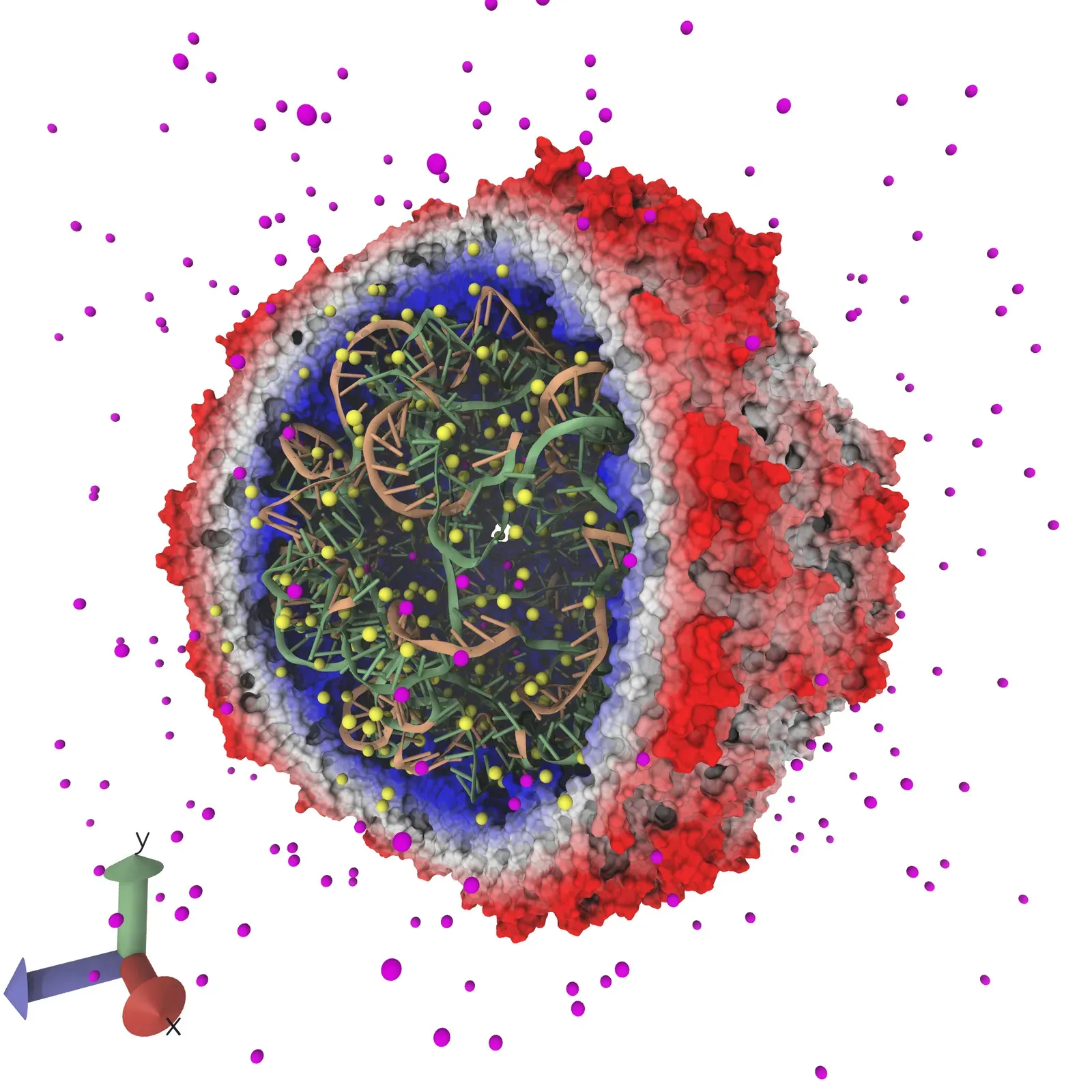
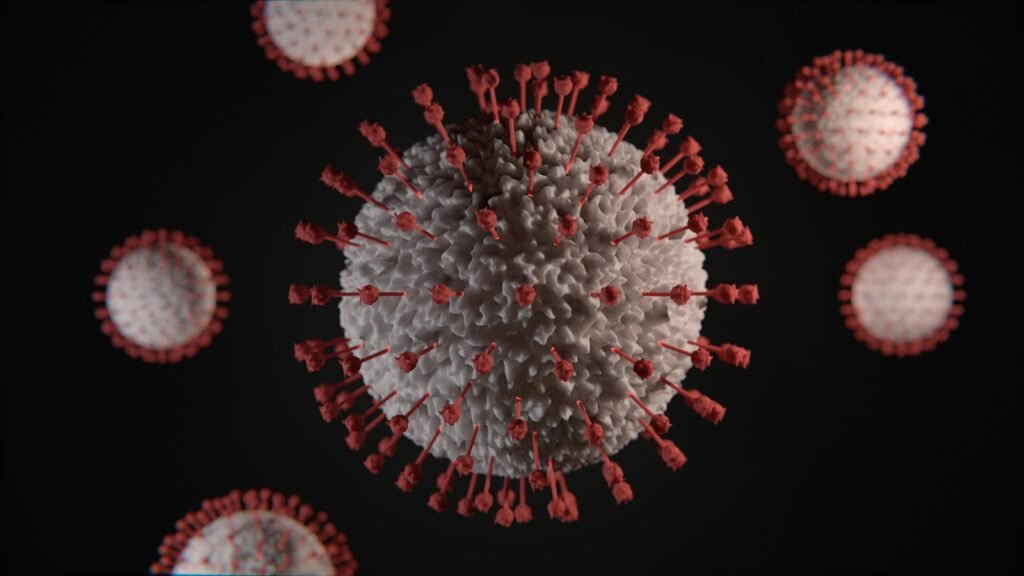
Ask a room of biologists whether viruses are alive, and you’ll get a debate, not a simple answer. Viruses cannot reproduce on their own; they hijack host cells to copy themselves, and outside a host they are more like inert particles than organisms. By some textbook definitions of life, that disqualifies them. Yet viruses evolve, adapt, form complex ecological networks, and have shaped the genomes of every major lineage on Earth. A significant portion of the human genome itself appears to be derived from ancient viral insertions, some of which have been repurposed for critical functions like placental development.
The paradox is that viruses sit at the border of life, both dependent on and transformative of the living systems they infect. Giant viruses discovered in recent decades – so large they were first mistaken for bacteria – blur the line further, carrying hundreds or even thousands of genes, including some involved in translation and metabolism. At the other extreme, minimalist viruses use so few genes that they lean almost entirely on their hosts’ molecular machinery. Some researchers now argue that life should be defined less by autonomy and more by participation in Darwinian evolution, which would put viruses inside the tent. Others insist that calling them “alive” muddies useful distinctions. Either way, our oldest biological category – what counts as living – is under pressure from some of the smallest entities on the planet.
The “Selfish Gene” Reversal: When Genes Act Against Their Own Hosts
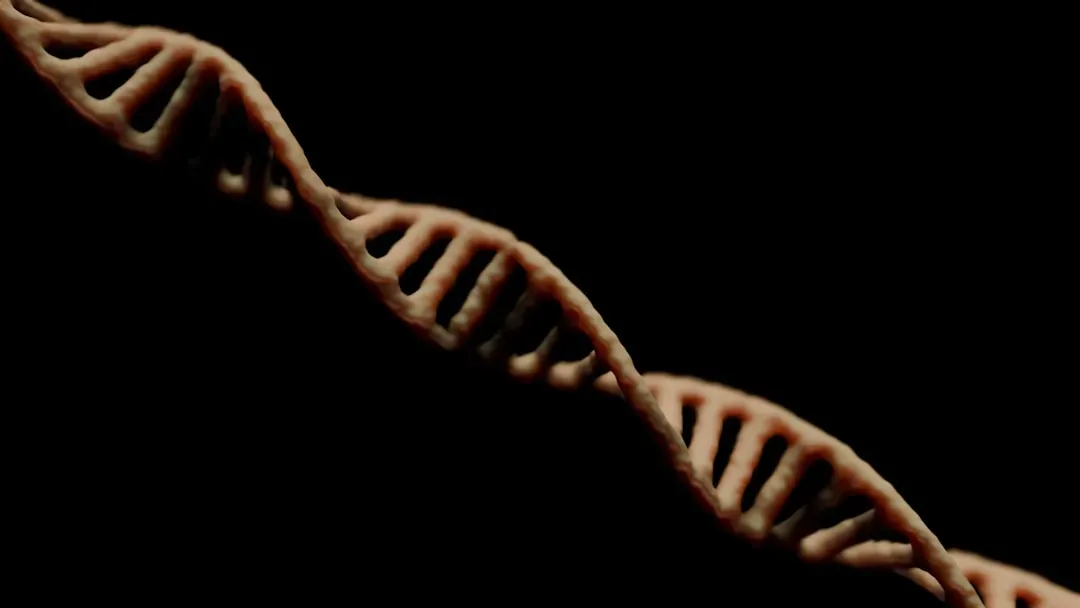
For decades, the idea of the “selfish gene” helped explain why traits that boost genetic replication tend to spread, even when they are costly to individuals. But what happens when genes become so selfish that they harm the very organisms carrying them? Enter “selfish genetic elements” like transposons, meiotic drivers, and certain mitochondrial variants that bias inheritance in their own favor, sometimes reducing fertility or survival. In some plants and animals, these elements can distort sex ratios, kill competing sperm, or chop up rival chromosomes during cell division. From the perspective of the individual organism, this is sabotage; from the gene’s perspective, it is a winning strategy.
The paradox here is almost like an internal civil war: natural selection operating within genomes can conflict with natural selection acting on whole organisms. Hosts, in turn, evolve countermeasures – silencing mechanisms, suppressor genes, or chromosomal rearrangements that cage or neutralize the renegade elements. What looks from the outside like a smoothly tuned genome is, in reality, the outcome of continual arms races over thousands or millions of generations. This tug-of-war helps explain why genomes are full of repetitive, seemingly useless sequence and intricate regulatory networks that exist mainly to keep internal troublemakers in check. The more we learn about this hidden conflict, the less genomes resemble tidy blueprints and the more they look like negotiated peace treaties.
The Ecosystem Stability Paradox: Why More Diversity Can Be Both Shield and Fragility
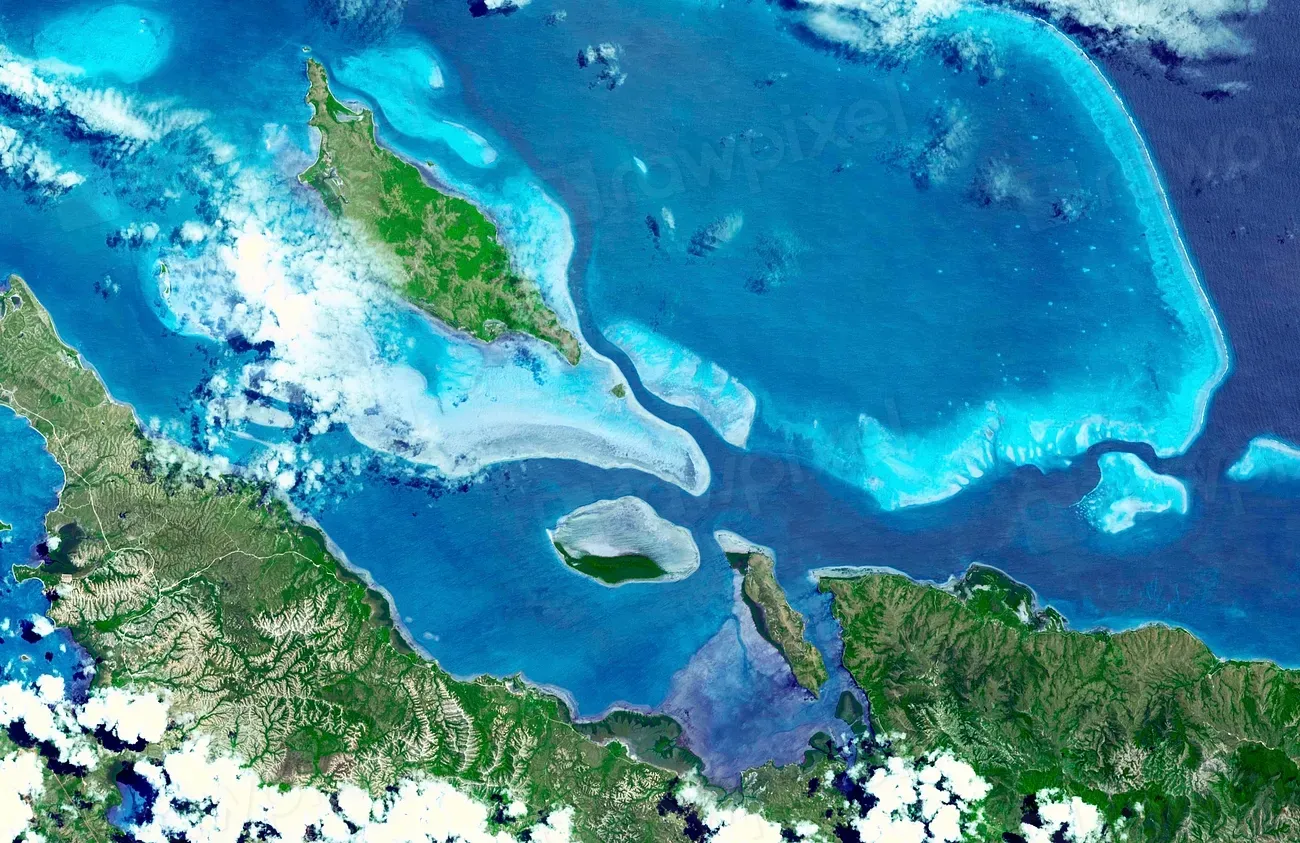
Ecologists have long argued that biological diversity stabilizes ecosystems, making them more resilient to shocks like drought, disease, or invasive species. In many cases, that seems true: grasslands with more plant species recover better after disturbance, and coral reefs with richer fish communities can rebound faster after bleaching. But some studies have turned up a tricky twist: in certain systems, adding species can increase the chances of rare but severe fluctuations, or amplify the spread of pathogens that exploit many hosts. So diversity appears to be both a protective buffer and, sometimes, a hidden vulnerability. That dual role feels paradoxical when we try to craft simple messages like “more biodiversity is always good for stability.”
Part of the answer lies in what kind of stability we measure: short-term fluctuation, long-term persistence, resistance to change, or speed of recovery. A more diverse community might be more likely to survive in some form over centuries, yet still wobble more from year to year. Complex food webs can diffuse shocks by offering alternative pathways for energy flow, but they can also propagate disturbances through tightly connected networks. For conservationists and land managers, this is not an abstract puzzle; it shapes how we restore habitats, design protected areas, and predict tipping points. The paradox forces a humbler stance: even well-intentioned biodiversity interventions can have side effects that only become visible decades later.
Why It Matters: Paradoxes as Stress Tests for Biological Theories
It is tempting to treat these paradoxes as quirky trivia – good for cocktail party stories about immortal jellyfish or altruistic bats. But in science, paradoxes are more like stress tests that reveal where our theories crack under pressure. Every time a cooperative microbe survives an invasion of cheats, or a mole-rat shrugs off aging, our models of evolution, physiology, or ecology are being quietly challenged. Historically, similar tensions have driven major shifts, like when anomalies in planetary motion helped usher in new physics. In biology, paradoxes push researchers to refine definitions, build richer models, and collect data at scales that were unimaginable a generation ago.
These puzzles also ripple outwards into medicine, agriculture, and environmental policy. Understanding why some species resist aging could one day reshape how we think about human longevity and chronic disease, while decoding microbial cooperation might transform how we manage antibiotic resistance or biofilms in hospitals. The microbiome identity crisis is already reframing mental health and metabolic disorders as partly ecological problems inside the body. Even the debate over whether viruses are alive affects how we design antivirals, vaccines, and surveillance systems for emerging pathogens. When the basic categories and rules of life are in flux, the stakes extend far beyond academic arguments.
The Future Landscape: New Tools, Deeper Mysteries, and Global Stakes
What makes this moment in biology especially charged is the set of tools arriving just as these paradoxes are coming into focus. High-throughput sequencing lets scientists trace viral evolution almost in real time, while single-cell technologies reveal cooperative and selfish behaviors inside tissues cell by cell. AI models are starting to predict protein structures, ecological dynamics, and even gene drive outcomes, giving us a way to explore hypothetical worlds before testing them in reality. At the same time, CRISPR and related gene-editing tools offer the power not just to observe paradoxical systems, but to tweak them – turning theoretical questions into pressing ethical choices.
Globally, the implications are hard to overstate. Modifying selfish genetic elements could help control invasive species or disease vectors, yet also risk unintended cascades through ecosystems we still only dimly understand. Longevity research inspired by negligible aging might deepen inequalities if only a subset of people can access life-extending interventions. Efforts to manipulate microbiomes, in humans or in crops, could transform health and food security but also create new ecological dependencies. As our ability to intervene grows, so does the cost of misunderstanding the hidden rules that paradoxes are hinting at. The future of biology will likely be defined as much by how wisely we navigate its contradictions as by how fast we innovate.
Call to Action: Becoming Curious, Careful Stakeholders in Life’s Riddles

You do not need a lab coat to have a stake in these paradoxes; they are already shaping medicine, climate policy, and how we think about aging, identity, and health. One simple step is to stay curious and critical about headlines that promise miracle cures or absolute certainties in complex areas like the microbiome, longevity, or gene editing. Supporting public research institutions, citizen science projects, and open data initiatives helps ensure that the knowledge needed to decode these paradoxes is not locked behind paywalls or private patents. For everyday choices, paying attention to biodiversity in your own neighborhood – through native planting, habitat-friendly gardening, or local conservation groups – connects you directly to the ecosystem-level puzzles ecologists are trying to solve.
If you are inclined to go deeper, you can follow long-term projects tracking aging, microbial ecology, and viral evolution, many of which share data and updates publicly. Teachers and parents can weave these paradoxes into how they talk about science, not as a finished set of facts but as an evolving story with genuine mysteries. That kind of framing does more than inspire future researchers; it builds a public that is better prepared to weigh in on ethical decisions about gene drives, microbiome therapies, or anti-aging interventions. In a world where our ability to alter life is accelerating, an informed, engaged public might be the most important missing piece in resolving biology’s biggest contradictions.