
Long before computer models and laser-guided instruments, ancient builders were moving stones the size of houses, carving rock with surgical precision, and aligning structures with the sky so accurately that modern engineers still double-check the math. Archaeologists can explain many of the tools and materials, yet nagging questions remain about scale, speed, and coordination that seem out of step with what we assume about “primitive” societies. Each new survey, core sample, or satellite scan peels back one layer of mystery and reveals another. These ancient engineering feats are not just tourist attractions; they are technical case studies that refuse to fully add up. As we revisit them with drones, LIDAR, and machine learning, the story of human ingenuity keeps getting stranger – and far more impressive.
The Great Pyramid of Giza: Precision on a Planetary Scale
Stand at the base of the Great Pyramid and you are effectively at the center of a long-running scientific argument. Built more than four thousand years ago, this monument weighs millions of tons and yet is aligned to true north with a precision that rivals many modern buildings. The sides deviate from cardinal directions by only a tiny fraction of a degree, which is astonishing given the lack of metal compasses or satellites in the Old Kingdom. Engineers can outline plausible methods, from stellar alignments to solar shadow tracking, but none fully explain how such accuracy was achieved over that scale. The more carefully researchers measure it with modern instruments, the more the pyramid’s margins of error shrink into near invisibility.
Then there is the logistics problem that keeps civil engineers up at night. Moving limestone and granite blocks, some weighing as much as a small truck, across desert terrain and stacking them with tight joints would be difficult even today with heavy machinery. Most researchers support the ramp hypothesis in various forms, yet the exact configuration, labor organization, and timeframes still spark intense debate. The real puzzle is not whether the Egyptians had the tools, but how they orchestrated so many interlocking tasks so efficiently without written technical manuals or digital scheduling. In many ways, the Great Pyramid feels less like a tomb and more like a frozen snapshot of a project management system we still do not fully understand.
Stonehenge: A Megalithic Observatory with Missing Instructions
On the plains of southern England, Stonehenge looks deceptively simple: a ring of stones under a wide sky. Step closer, and it becomes a geometric and astronomical puzzle that has absorbed centuries of scientific attention. The alignment of the stones with the summer solstice sunrise and winter solstice sunset is now well documented, hinting at a sophisticated understanding of the solar year. Yet no one can quite reconstruct the exact process Neolithic builders used to plan, transport, and erect stones weighing as much as a delivery truck, especially those hauled from quarries dozens of miles away. We know they lacked wheels in widespread use for this landscape and period, which deepens the mystery of how such a project was practically executed.
Modern archaeologists have experimented with ropes, wooden sledges, and teams of volunteers, and they have shown that moving such stones is possible, but scaling up from demonstrations to full monument remains tricky. The engineering challenge is only half the story; the social side is just as baffling. Organizing large seasonal gatherings, feeding workers, and enforcing a shared design without written plans demands a level of coordination that many small-scale societies simply cannot sustain. Stonehenge reads today like an abandoned research station: highly purposeful, precisely tuned to celestial cycles, and stubbornly silent about why and how it was made in exactly this way.
Teotihuacan: A City Built on a Hidden Grid
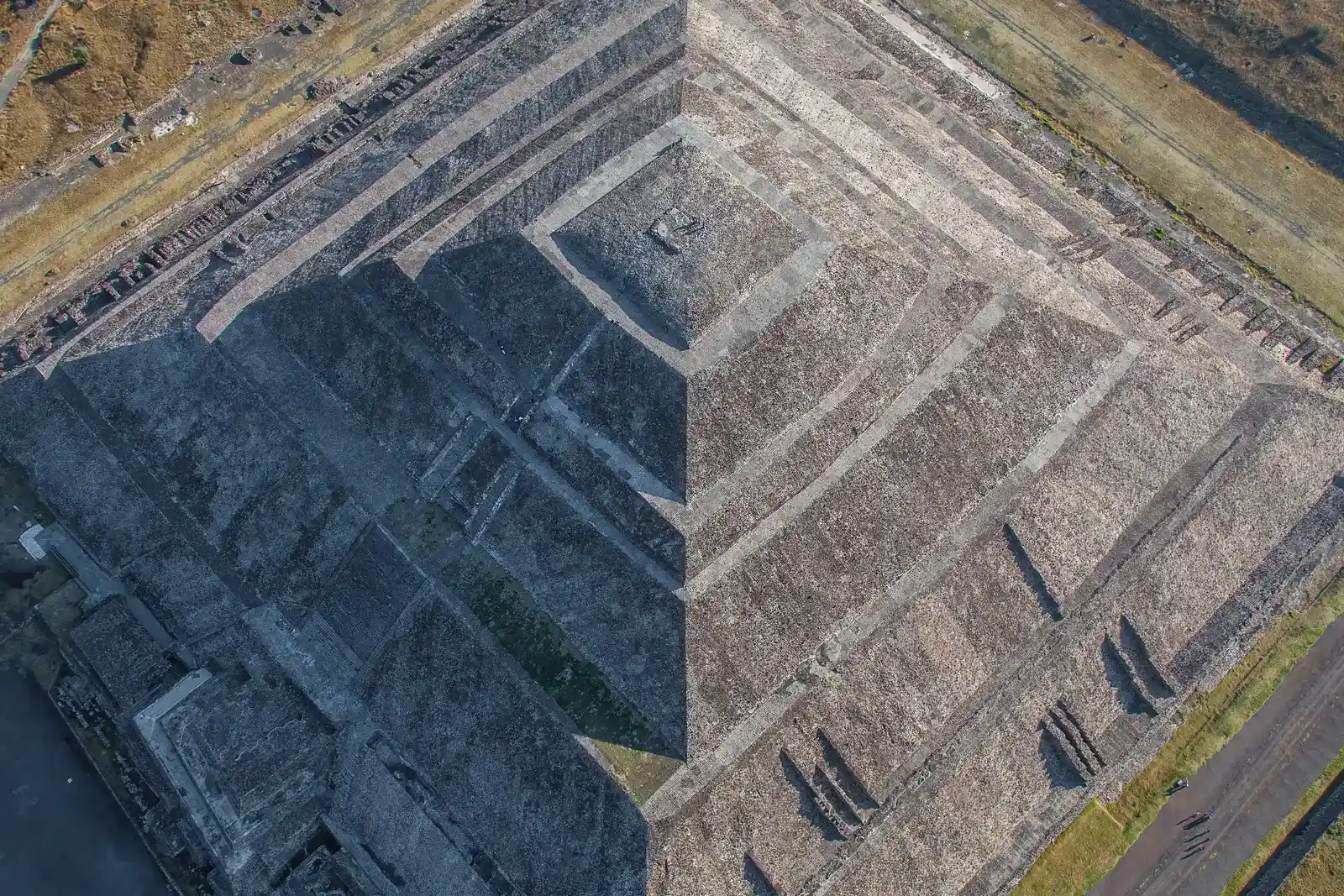
North of modern-day Mexico City lies Teotihuacan, an ancient metropolis whose scale and order would impress any urban planner. From the air, the city reveals a deliberate grid pattern and a central avenue oriented in a way that appears linked to both the landscape and the movements of the sun and stars. The Pyramids of the Sun and Moon anchor this layout, their massive stepped platforms echoing cosmic and political hierarchies. Despite decades of excavation, researchers still debate who exactly planned the city’s geometry and how rigidly it was enforced over generations. The precision of the grid, maintained across a sprawling settlement, suggests a centralized surveying system that leaves few obvious traces.
What unsettles modern scientists is the combination of engineering discipline and cultural complexity wrapped into Teotihuacan’s design. Builders manipulated rivers, leveled terrain, and standardized housing blocks in ways that feel oddly modern, as if someone had applied early zoning laws. Yet we do not even know the city’s original name or the language most residents spoke. Many ancient cities grow organically, with messy additions and improvisations; Teotihuacan looks more like an executed masterplan that later rulers were reluctant to disrupt. The unanswered question is how a society without iron tools or draft animals could maintain such large-scale infrastructural control for centuries.
Nazca Lines: Geoglyphs Only the Sky Can See
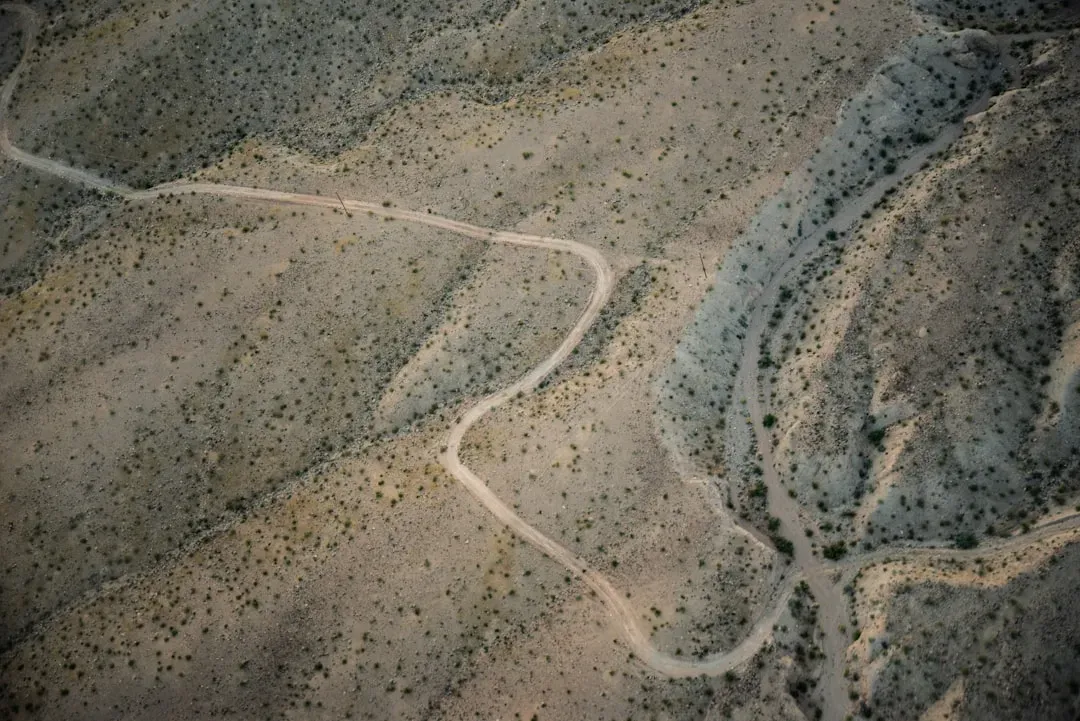
Scratched into the desert plateau of southern Peru, the Nazca Lines form enormous shapes – a spider, a hummingbird, long geometric bands – that only truly make sense from the air. The lines themselves are not technically difficult to create: workers simply scraped away the darker surface stones to reveal lighter soil beneath. What unsettles researchers is the combination of scale, coordination, and endurance required to produce hundreds of figures stretching across miles of desert. The builders had to maintain consistent widths and trajectories over long distances, often without any high vantage point that we can identify. That raises obvious questions about how they surveyed and checked their work without aerial views.
Recent studies have linked some line clusters to ancient pilgrimage routes, water sources, and ritual landscapes, but that still leaves engineering puzzles on the table. Creating giant straight lines over uneven terrain, for example, requires some method of long-distance alignment, whether through sighting poles, triangulation, or other surveying tricks. Many of the lines have remained visible for centuries thanks to the region’s stable climate, which suggests the builders understood, at least intuitively, the preservation benefits of this particular desert. While theories about aliens or lost technologies make headlines, the real wonder is that human minds working with basic tools could manipulate open space at such scales and keep the results coherent enough to dazzle satellite imagery today.
Göbekli Tepe: Monumental Architecture Before the City
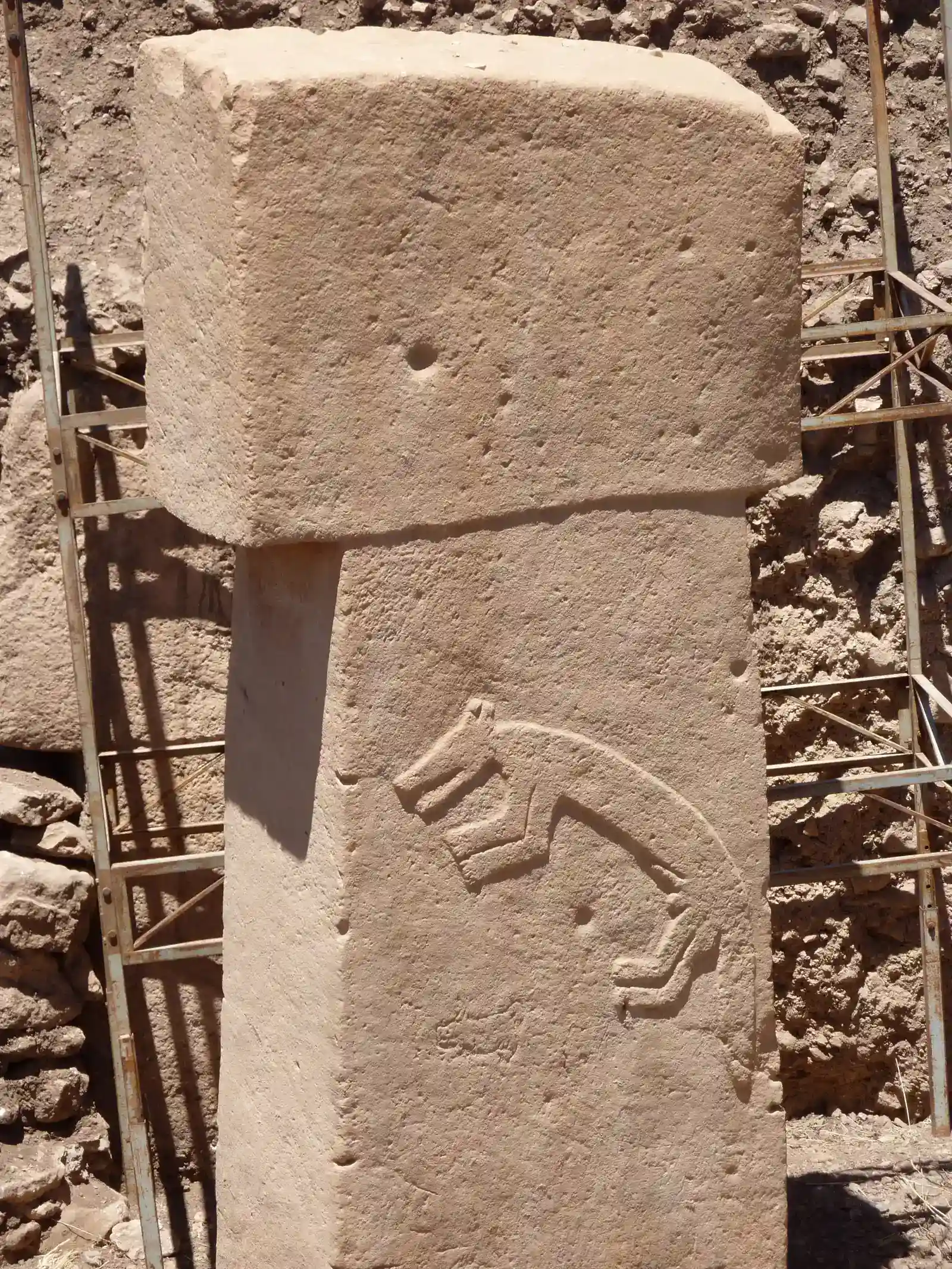
When Göbekli Tepe in southeastern Türkiye was first recognized as an ancient ritual site, it forced archaeologists to rewrite their timelines. The stone circles and carved pillars are older than agriculture in many regions, yet they show a level of planning and labor mobilization usually associated with settled farming communities. Massive T-shaped limestone pillars, some more than twice the height of a person, were quarried, moved, and set upright in carefully arranged enclosures. The carvings of animals and abstract symbols are deeply detailed, hinting at a rich symbolic world. The apparent contradiction is stark: how could hunter-gatherer groups, often assumed to be mobile and loosely organized, execute such heavy, coordinated construction projects?
Several teams now argue that Göbekli Tepe may represent a crucial tipping point where large ritual gatherings pushed people toward more permanent settlements. Even so, the site’s engineering still feels ahead of its time. Excavations have revealed prepared floors, fitted stonework, and intentional backfilling that shows long-term planning rather than ad hoc building. Without metal tools, draft animals, or wheeled vehicles, lifting and securing such pillars would have required clever use of levers, ramps, and human muscle. For modern researchers, Göbekli Tepe is a reminder that the relationship between technology, belief, and social complexity is not a simple straight line upward; sometimes the most advanced engineering appears in places where we least expect it.
Ba’albek’s Trilithon: The Megaliths That Defy the Crane
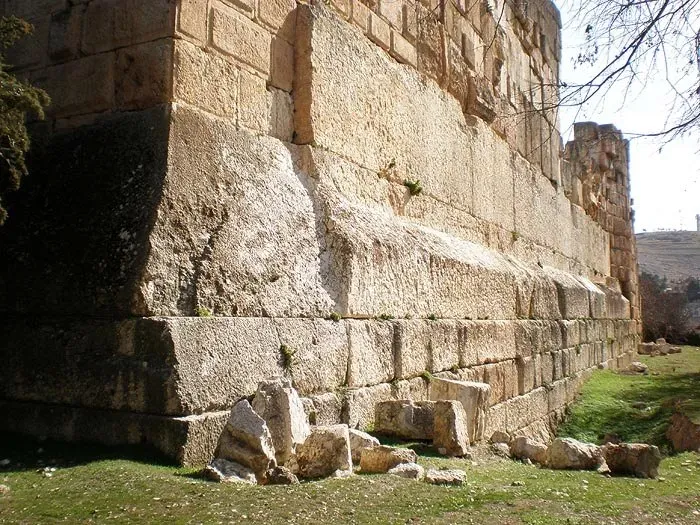
In the ancient city of Ba’albek in Lebanon, three enormous stone blocks known as the Trilithon sit at the foundation of a Roman-era temple platform, and they push the limits of what most engineers consider feasible without industrial machinery. Each block weighs as much as several fully loaded airliners, and yet they rest with astonishing precision alongside one another. Nearby quarries reveal even larger stones, including one unfinished block that was only recently measured in full by modern surveys. The practical question is stark: how do you move something that heavy across even a short distance without steel cables, powered winches, or advanced cranes? Proposed solutions range from complex sled and roller systems to carefully graded earthen ramps, but none have been conclusively demonstrated at this scale.
What complicates the picture is the blend of different building phases at Ba’albek. Roman builders clearly expanded and reworked earlier foundations, yet it is still debated which culture first set the largest stones and why they chose blocks of such extreme dimensions. Using slightly smaller modules would have eased almost every logistical step. Some researchers suggest that the oversized stones were a deliberate statement of power or divine favor, but that does not make the engineering any less daunting. For modern construction teams, the Trilithon functions less as a blueprint to follow and more as a dare from the past.
Antikythera Mechanism: The Bronze Machine That Should Not Exist
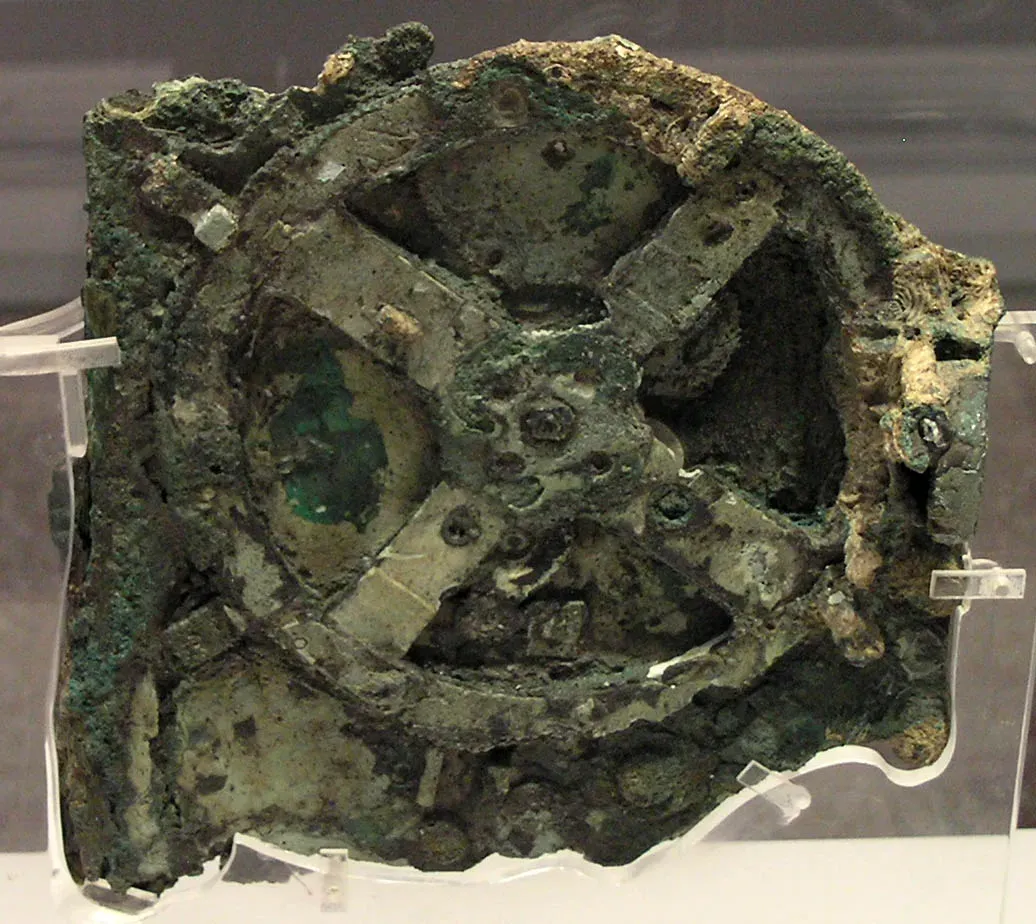
Recovered from a shipwreck off a Greek island, the Antikythera mechanism looks at first like a corroded clump of bronze. X-ray imaging has revealed that it is actually a complex assembly of gears and dials designed to model the cycles of the heavens. Scholars now broadly agree that it could predict eclipses and track the positions of celestial bodies according to Greek astronomical theories. What unsettles historians and engineers is how far it seems to leap ahead of other surviving technology from the ancient Mediterranean. The internal gearwork demands fine tolerances and technical knowledge usually associated with much later clockmaking traditions.
Despite years of study, there is still no consensus on how widely available such devices were or who exactly could have commissioned and built them. If it was a one-off masterpiece, then it implies a level of specialized craftsmanship that we have barely glimpsed in the archaeological record. If, on the other hand, it was part of a broader tradition of mechanical astronomy, then much of that tradition has vanished almost without a trace. Either way, the Antikythera mechanism forces scientists to confront gaps in the story of technological evolution. It suggests that some lines of innovation may surge forward, flourish briefly, and then disappear, waiting to be rediscovered by divers and imaging labs centuries later.
Why These Mysteries Matter to Modern Science
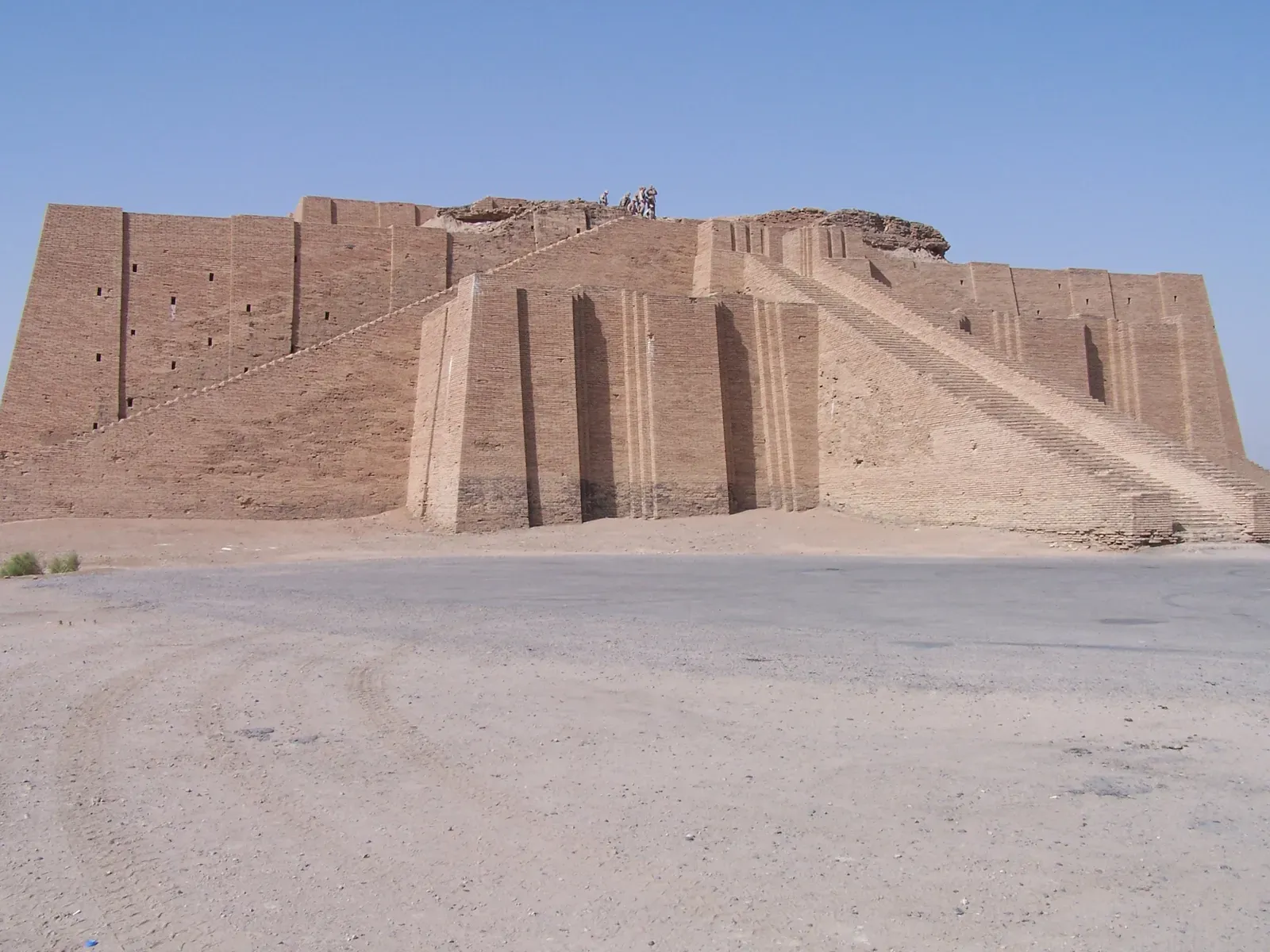
It might be tempting to treat these ancient feats as charming anomalies, but modern researchers increasingly see them as vital data points. They reveal that humans have been solving large-scale engineering and organizational challenges far longer, and often more creatively, than standard timelines admit. When structural engineers analyze pyramid masonry or megalithic foundations, they often find clever strategies for dealing with load distribution, thermal expansion, and material weaknesses. These case studies highlight how much can be achieved with limited toolkits when design is tightly tuned to local materials and conditions. In an era of climate pressure and resource limits, those lessons feel uncomfortably relevant.
There is also a psychological and cultural dimension that modern science cannot afford to ignore. Many of these sites show that shared stories, rituals, and beliefs can mobilize labor on a scale that rivaled or exceeded early states with formal bureaucracies. That challenges simple narratives about progress where technology alone drives complexity. Instead, it suggests that innovation and meaning-making are intertwined, and that sometimes belief systems act like the operating system for giant engineering projects. By studying where our models fall short in explaining these feats, scientists are forced to refine their assumptions about both human capacities and the pathways of technological change.
Looking Ahead: New Tools for Old Stones
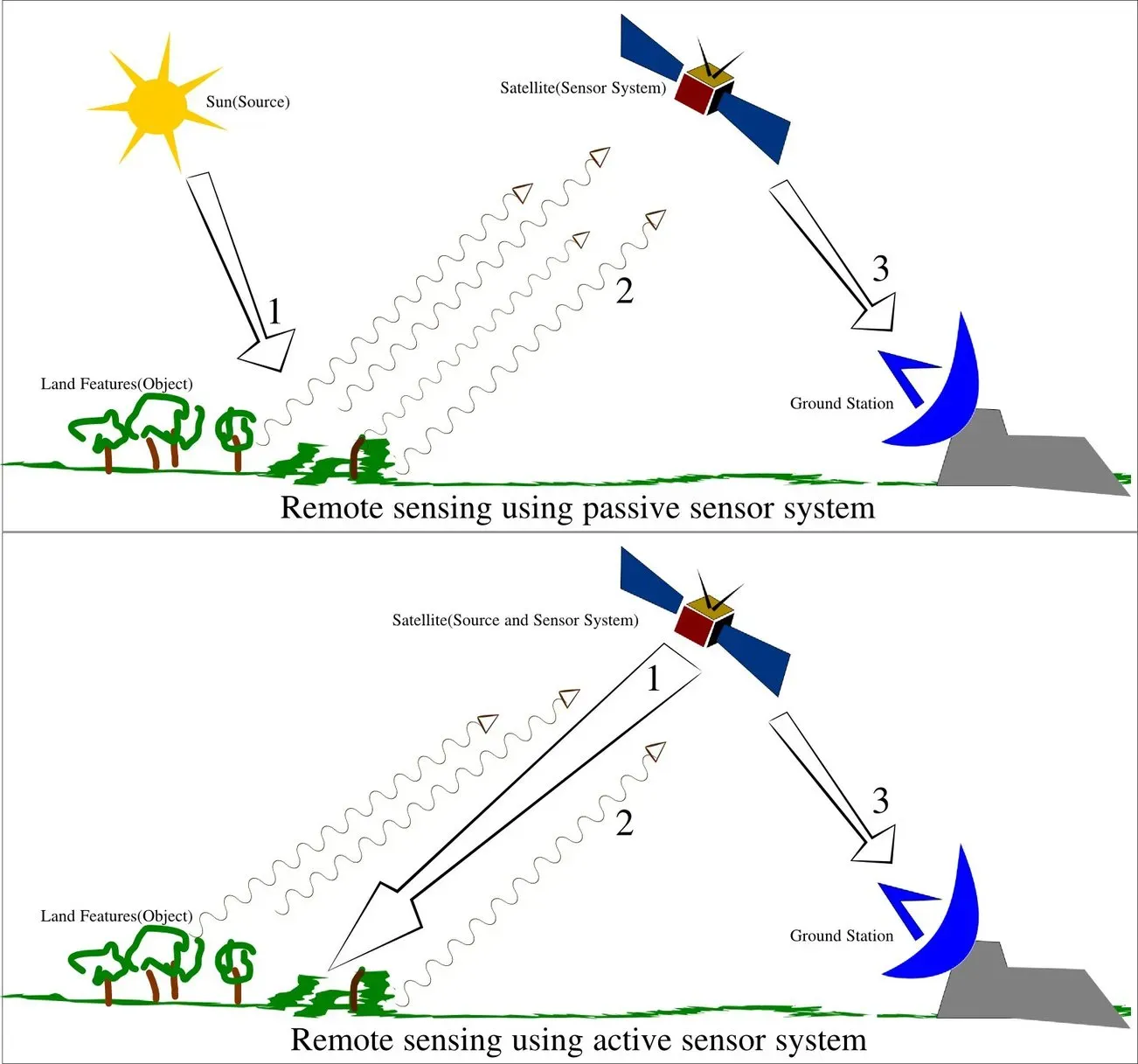
Over the next decade, some of the biggest advances in understanding these ancient works will come not from shovels but from sensors and algorithms. High-resolution LIDAR is already stripping away vegetation to reveal hidden alignments, building phases, and road networks around famous sites. Ground-penetrating radar and microgravimetry are mapping cavities, tunnels, and foundation structures without disturbing a single stone. At the same time, computational modeling allows engineers to test hypothetical ramp systems, hauling methods, and construction sequences to see which ones actually hold up under realistic loads and timelines. These technologies turn monuments into data-rich laboratories.
Artificial intelligence is beginning to play a role as well, spotting patterns in layout, orientation, and proportional relationships that human eyes might miss. By comparing hundreds of ancient sites at once, machine learning systems can flag recurring design choices that hint at shared knowledge or long-distance influence networks. Yet these tools also introduce new challenges, from interpreting complex datasets responsibly to ensuring that local communities have a voice in how their heritage is studied and presented. The global implications are significant: as we gain better insight into how past societies coped with environmental stress, resource limits, and social upheaval, we may uncover strategies adaptable to modern cities. The ruins we photograph on vacation could end up informing tomorrow’s resilient infrastructure.
How Curious Readers Can Get Involved
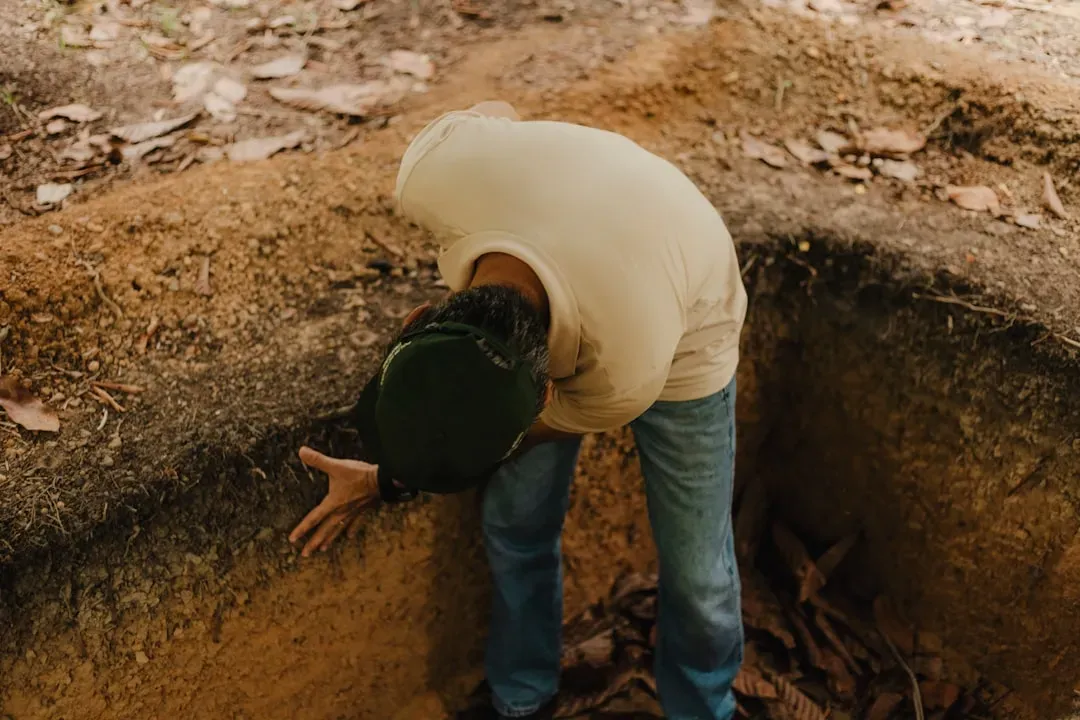
You do not need to be an archaeologist with a trowel to play a role in unraveling these ancient engineering mysteries. Many research teams now share open data, 3D models, and high-resolution imagery online, and they actively invite the public to explore and even help annotate them. Citizen science platforms sometimes host projects where volunteers can tag features in aerial photos, trace wall lines, or help classify artifacts by shape. Supporting reputable archaeological organizations or museums, even with small donations or memberships, directly fuels the imaging campaigns, excavations, and conservation work that move these debates forward. When you travel, choosing tours and guides who respect local regulations and heritage protection helps ensure that fragile sites survive for future research.
On a more personal level, staying curious and skeptical in equal measure is one of the most valuable contributions anyone can make. Sensationalistic explanations can be entertaining, but they often drown out the quieter, more complicated story of human ingenuity. Reading widely, following field reports, and listening to local voices keeps the conversation grounded while still leaving room for wonder. The next big insight about how a stone was moved, a city was aligned, or a machine was built might come from a fresh pair of eyes asking an unexpected question. Which of these mysteries makes you want to look twice at the past and imagine what else we have missed?
Suhail Ahmed is a passionate digital professional and nature enthusiast with over 8 years of experience in content strategy, SEO, web development, and digital operations. Alongside his freelance journey, Suhail actively contributes to nature and wildlife platforms like Discover Wildlife, where he channels his curiosity for the planet into engaging, educational storytelling.
With a strong background in managing digital ecosystems — from ecommerce stores and WordPress websites to social media and automation — Suhail merges technical precision with creative insight. His content reflects a rare balance: SEO-friendly yet deeply human, data-informed yet emotionally resonant.
Driven by a love for discovery and storytelling, Suhail believes in using digital platforms to amplify causes that matter — especially those protecting Earth’s biodiversity and inspiring sustainable living. Whether he’s managing online projects or crafting wildlife content, his goal remains the same: to inform, inspire, and leave a positive digital footprint.