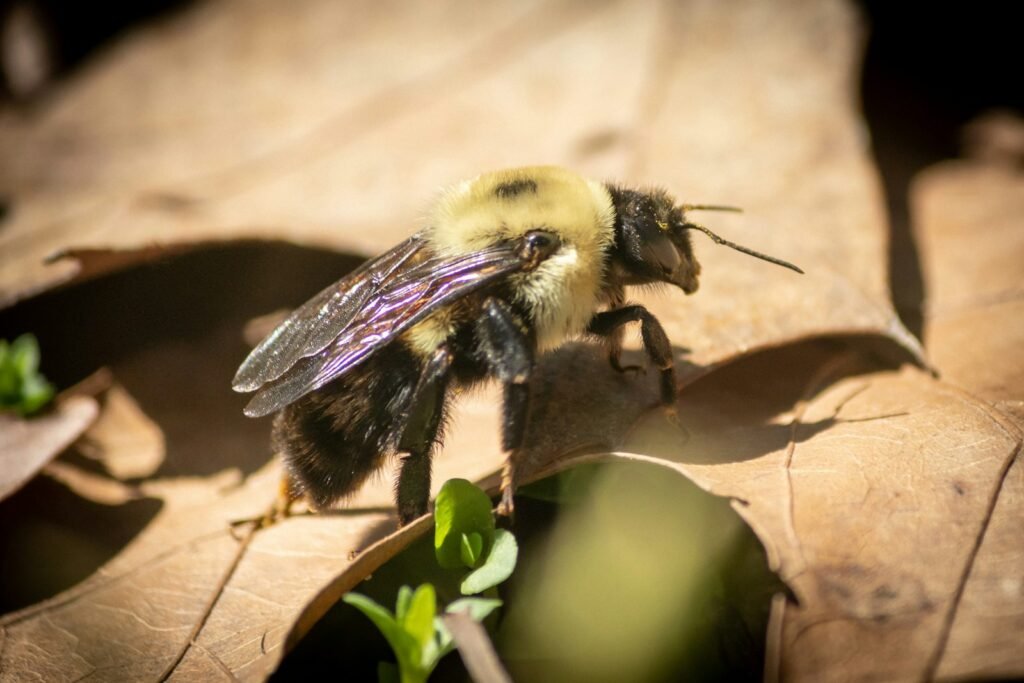

On a warm spring afternoon, you might hear it before you see it: a low, insistent buzz near a porch beam or deck rail, followed by the sharp surprise of a perfect round hole in the wood. For many homeowners, the instinctive conclusion is simple and slightly horrifying – carpenter bees must be eating their house. But the reality, as often happens in nature, is stranger and more intricate than the first impression. Carpenter bees are not tiny wooden termites with wings; they are engineers, nurses, and sometimes reluctant pests, driven by a diet and life cycle that rarely match our assumptions. Understanding what they truly consume opens a window not only into their world, but into a complex ecological network that quietly underpins our own.
The First Misconception: Why Those Perfect Holes Mislead Us
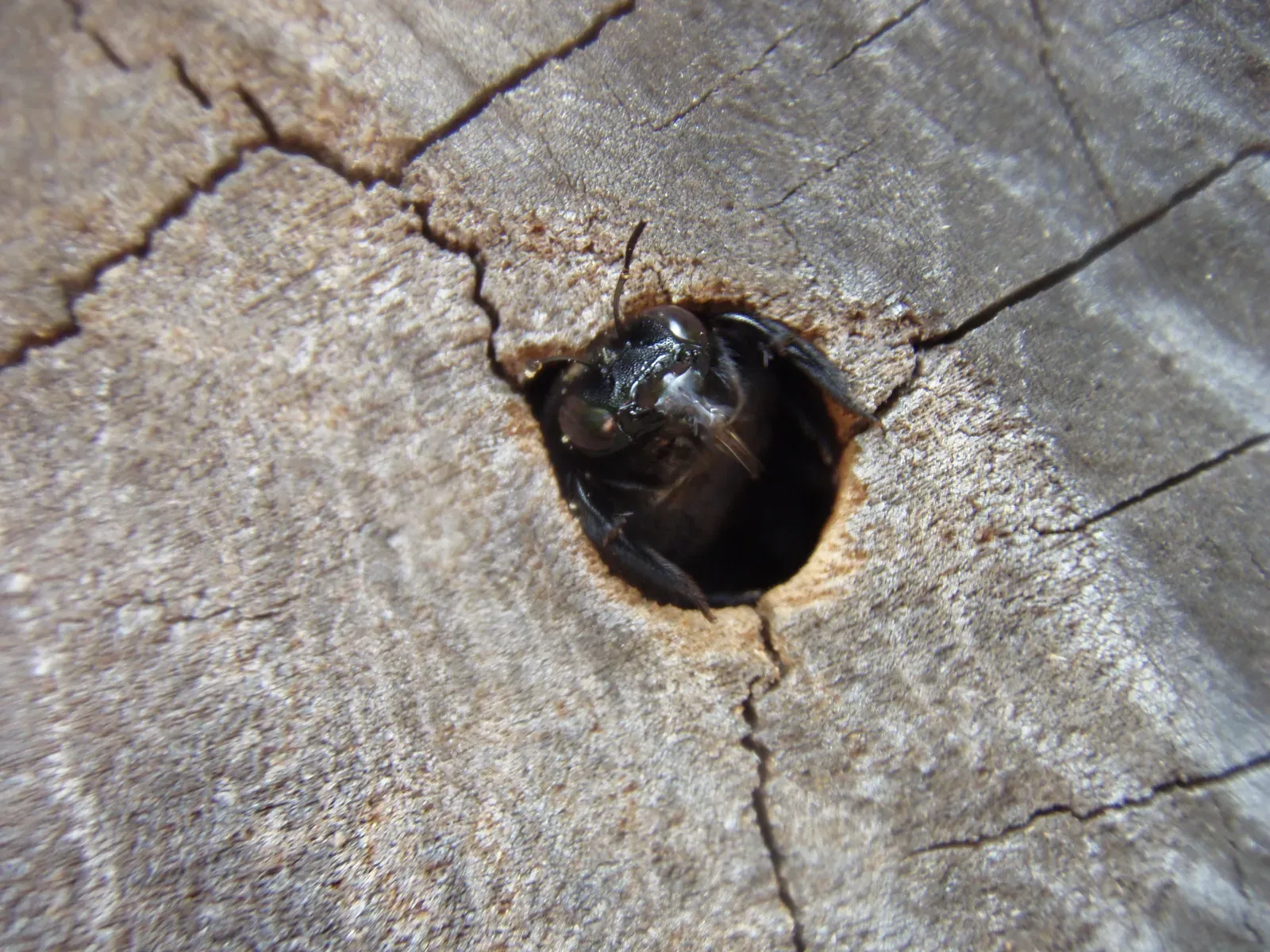
The most shocking thing about carpenter bees is the optical illusion they create: a flawless, pencil-sized tunnel entrance that looks like the mark of a creature chewing straight into your home for food. Watching the sawdust dribble down from a fresh hole, it is easy to imagine the bee devouring wood fibers in the way a termite or fungus might. In reality, carpenter bees are using their powerful mandibles more like drills than mouths, excavating galleries where they can lay eggs and rear larvae. The wood is not a meal; it is building material, carved out and discarded in a fine powder often called frass. When you see that sawdust, you are witnessing architecture, not feeding.
This misreading has real consequences, because people often lump carpenter bees together with genuinely wood-eating organisms and respond with the same level of alarm. Termites ingest cellulose and rely on symbiotic microbes in their digestive systems to break it down, effectively turning wood into fuel. Carpenter bees lack this machinery; their guts are adapted for a very different type of diet centered on flowers. Confusing these roles is like mistaking a person with a power drill for someone trying to eat the wall. The damage can still be serious, but the biology – and the best solutions – are fundamentally different.
The Hidden Clues in Pollen, Nectar, and Bee Physiology
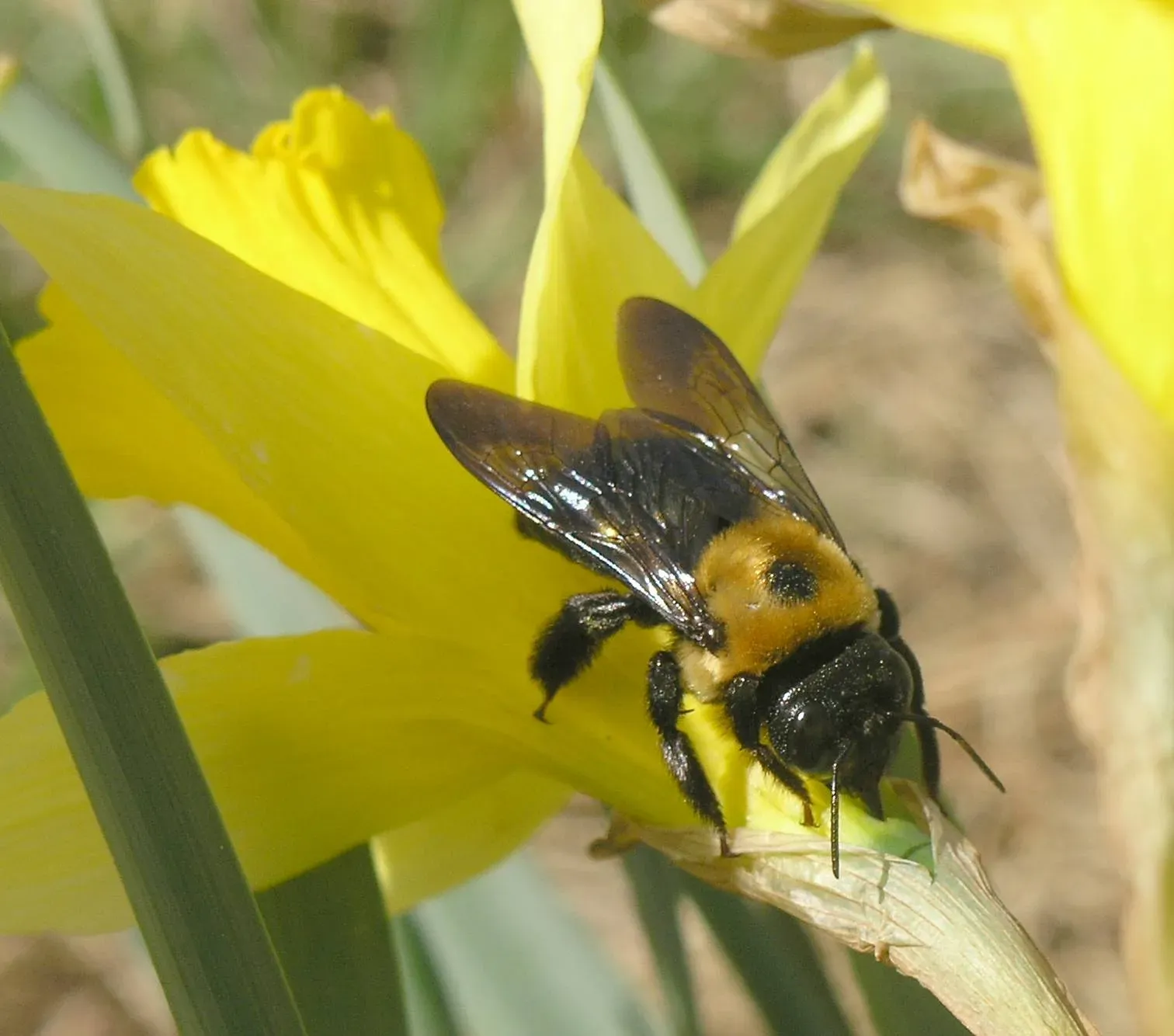
If carpenter bees are not eating wood, what exactly are they after? The answer lies in flowers, not lumber. Adult carpenter bees feed primarily on nectar, which provides sugar-rich energy, and on pollen, which delivers proteins, fats, and micronutrients they need to survive and reproduce. Their mouthparts and digestive systems are built around this floral diet, from the hair-covered bodies that collect pollen grains to the tongue-like structures that can reach into blossoms for nectar. The wooden tunnels are the nursery; the real pantry is a flowering shrub or patch of wild clover down the street.
The life cycle gives more clues. Inside each wooden gallery, a female carpenter bee provisions brood cells with dense, sticky balls of pollen and nectar paste, then lays a single egg on each food mass. The larva that hatches never touches the wood around it; instead, it feeds entirely on that stored pollen-nectar mix until it pupates and emerges as an adult. In other words, both baby and adult carpenter bees are powered by flowers, not by the timbers they live in. The wood’s role is structural, protective, and thermal – more like a carefully chosen apartment complex than an all-you-can-eat buffet.
From Ancient Woodworkers to Modern Backyard Visitors
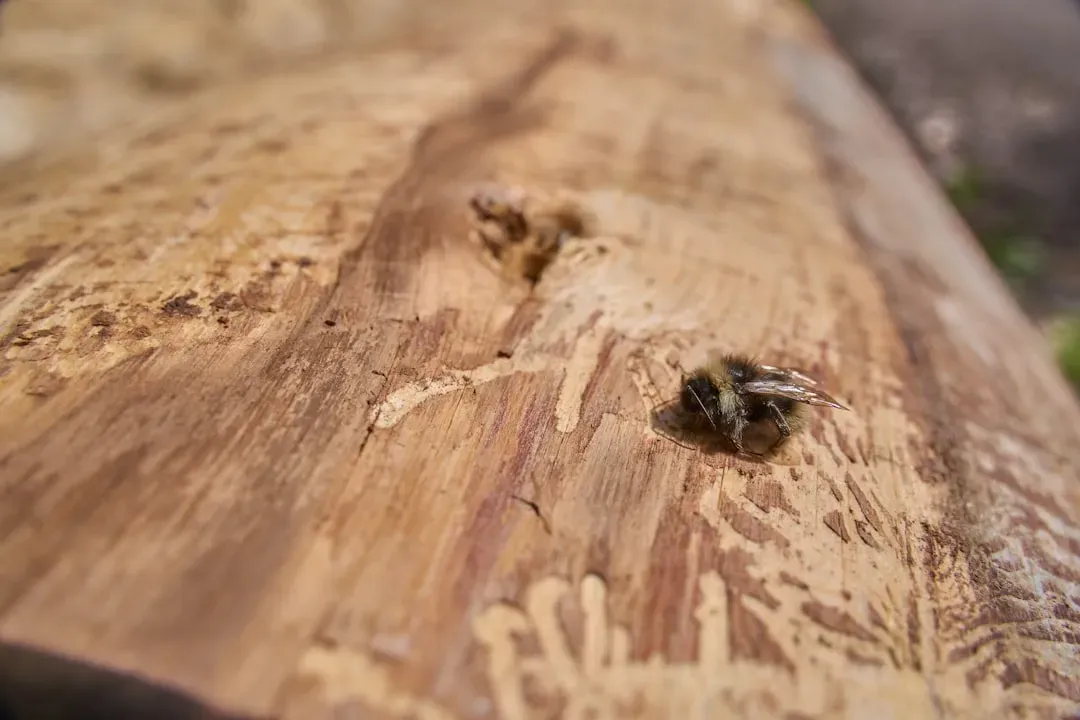
Carpenter bees did not evolve to target houses, fences, or pergolas. Long before humans started putting up barns and decks, these bees nested in fallen logs, standing dead trees, and large plant stems in forests and woodlands. Their name reflects a craft that predates carpentry as a human trade: carving into sound, relatively dry wood to shelter the next generation. As humans cleared forests and introduced vast amounts of milled lumber into the environment, carpenter bees simply expanded their options. To them, an exposed, unpainted railing is just another sun-warmed branch with the right density.
This history matters because it frames carpenter bees less as invaders and more as opportunists adapting to a rapidly changing landscape. In many regions, the loss of dead wood and natural snags has actually reduced the availability of their original nesting sites. Human structures inadvertently step into that ecological gap. Our frustration with the holes in our beams is, in a strange twist, part of a much deeper story about habitat loss, shifting ecosystems, and how wildlife navigates human-dominated spaces. When a carpenter bee hovers in front of a cedar fascia board, it is following instincts that are millions of years older than our roofing codes.
Wood, Termites, and Bees: What “Eating” Really Means
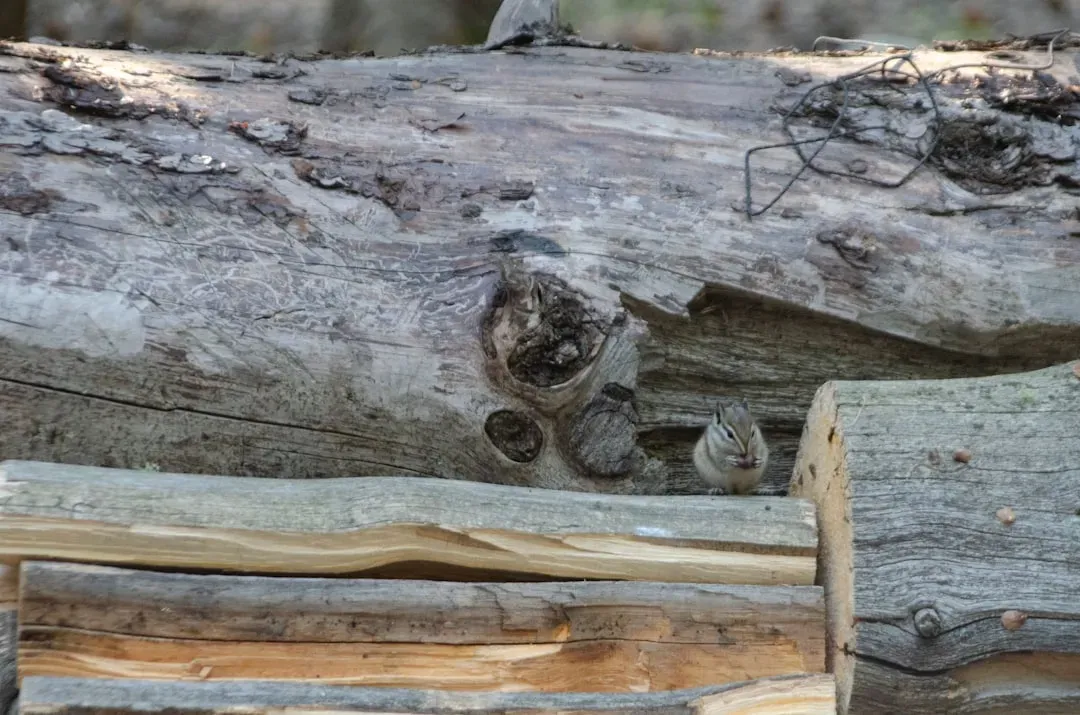
To understand why carpenter bees are misunderstood, it helps to compare them directly with true wood-eaters. Termites ingest wood and use gut microbes to break down cellulose, gaining energy from the same tough molecules that give wood its rigidity. Certain beetle larvae also digest wood, tunneling through trees while feeding. Carpenter bees, by contrast, do not swallow wood as a food source; their mandibles act more like chisels, shaving and ejecting it. If any wood dust enters their bodies, it is incidental, not a nutritional strategy.
That difference has practical implications. Because termites rely on wood for food, they can steadily hollow out structural members from the inside, often invisible until the damage is advanced. Carpenter bees tend to concentrate in surface galleries that, while certainly unwelcome, are localized and slower to multiply into catastrophic failures. This does not mean their drilling can be ignored – repeated nesting in the same board over multiple years can weaken it – but the underlying biology means their impact and control strategies should be thought of differently. Lumping every insect that contacts wood into the same threat category makes it harder to manage each species effectively and humanely.
Why It Matters: Pollinators, Perception, and the Balance of Fear
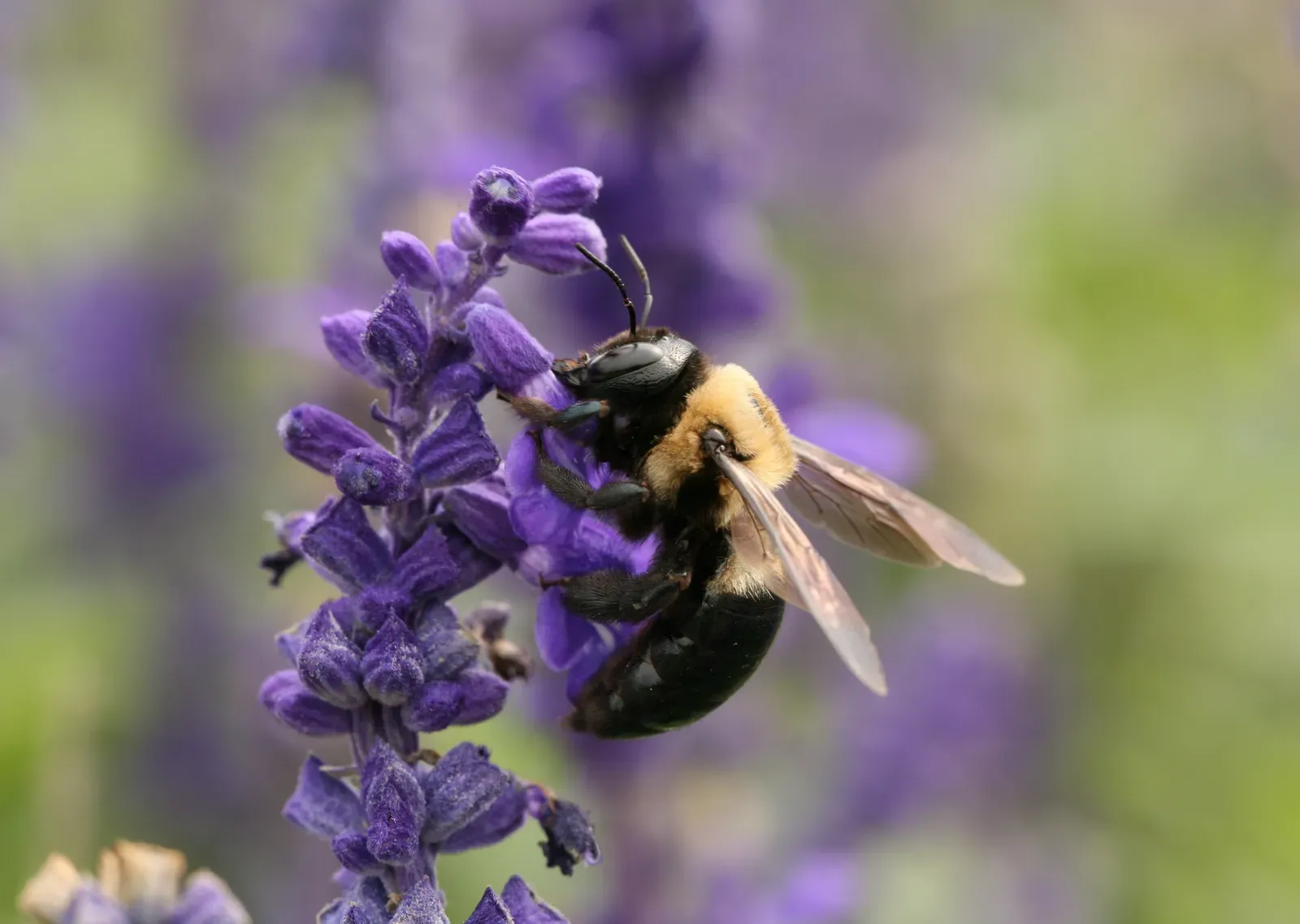
At first glance, the question of whether carpenter bees eat wood might seem like a narrow, homeowner-level concern. Yet beneath that question sits a bigger issue: how we decide which creatures are worth protecting in a world where pollinators are struggling. Carpenter bees, like many native bees, are important pollinators of garden plants, wildflowers, and certain crops. When people see them only as wood-destroying pests, they are more likely to respond with broad-spectrum insecticides or thoughtless extermination. That response can ripple out, affecting other beneficial insects and weakening already fragile pollinator networks.
This is where perception becomes a conservation tool. If you know a carpenter bee buzzing around your deck is fueling itself on nectar and moving pollen from flower to flower, you are more likely to consider less harmful options: sealing old holes, painting or treating vulnerable wood, and leaving nearby wild patches where they can nest more safely. The stakes go beyond a few boards; the health of pollinator communities affects food production, biodiversity, and even the resilience of ecosystems under climate stress. In a time when many wild bee species are declining, understanding the real habits of one oft-misjudged group is part of choosing whether we manage our fears or let them manage us.
The Bee–Human Standoff: Damage, Deterrence, and Coexistence
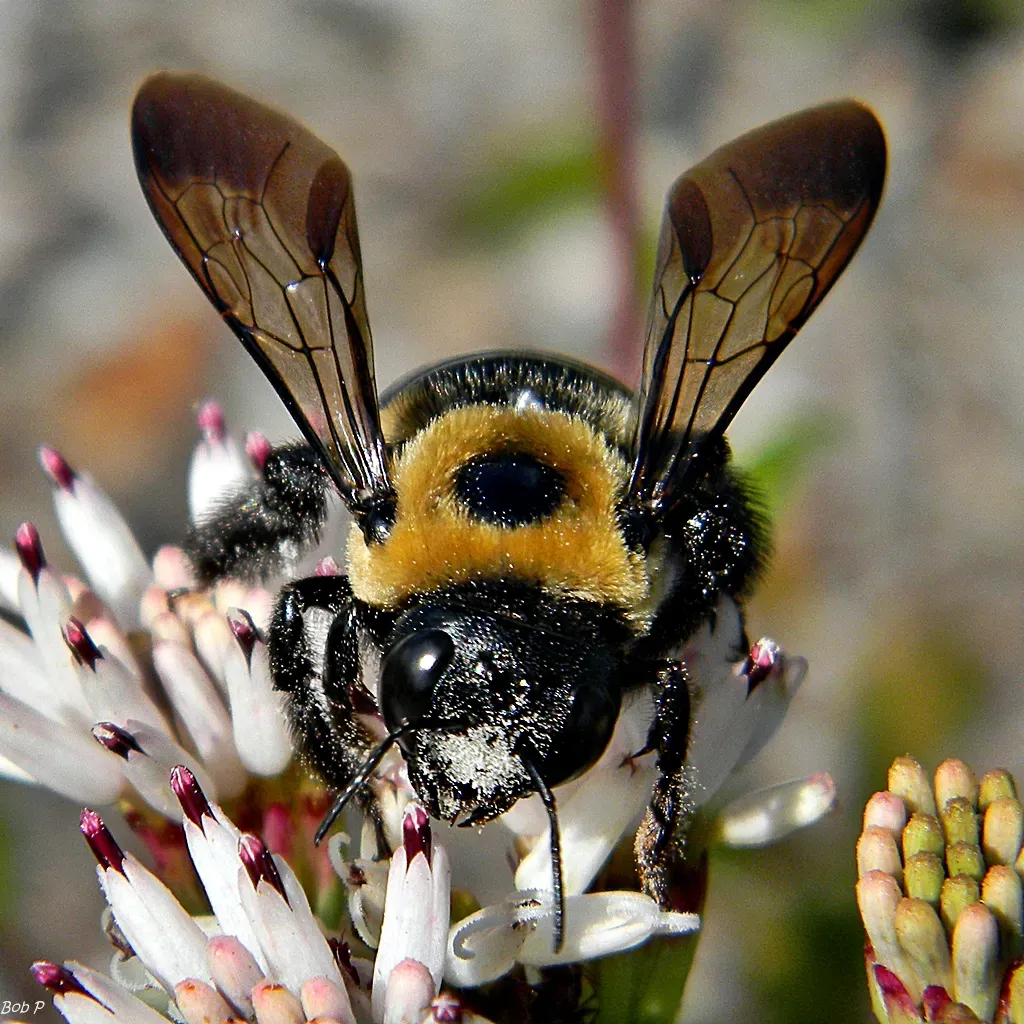
For anyone who has watched a carpenter bee hover aggressively near a porch or eave, the conflict feels very personal. Males, which cannot sting, perform territorial flights and will dart toward people who get close to their nesting sites, looking and sounding intimidating. Females, which can sting, are usually focused on excavating tunnels and provisioning brood cells rather than picking fights. None of this behavior is about eating your house; it is about defending and maintaining a nursery carved into it. Still, the combination of visible damage and loud buzzing makes it hard for many people to simply look the other way.
In practice, reducing carpenter bee conflicts often involves changing the environment rather than trying to change the bees. Painting or staining exposed wood, switching to harder or composite materials in the most vulnerable areas, and sealing existing nest holes at the right time can make your property much less attractive without resorting to heavy-handed chemical controls. Some people even put up sacrificial pieces of soft wood in less critical spots to draw bees away from structural beams, a kind of informal truce. When you recognize that their goal is to nest rather than feed on the wood, deterrence becomes an exercise in design and timing, not escalated warfare.
Global Perspectives: Different Woods, Different Behaviors
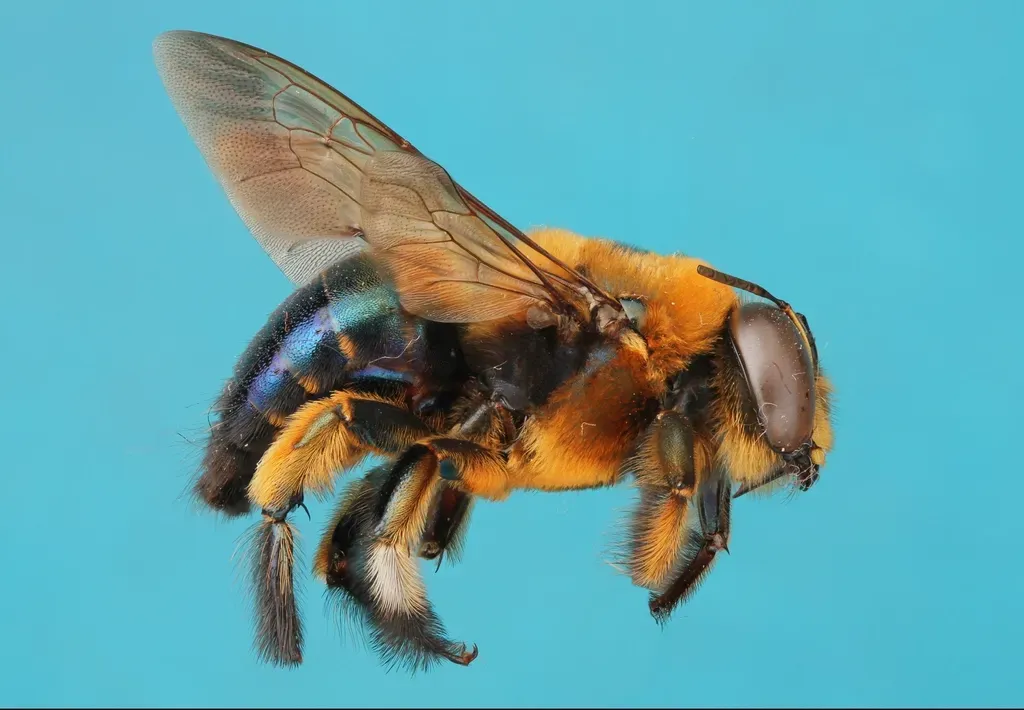
Carpenter bee behavior is not identical everywhere, and the details of what they excavate can shift with geography and available materials. In some regions, they prefer softwoods like pine, cedar, or redwood, which are easier to carve into neat galleries. In others, they may use bamboo, dead tree branches, or structural timbers depending on what humans have built and what nature provides. The species composition varies across continents, with different carpenter bee species specializing on different flowers and nesting substrates. Still, across this diversity, the same pattern holds: wood is the shelter, not the meal.
These regional differences mirror broader global trends in insect–human interactions. As construction styles and climate patterns change, some areas see carpenter bees more often embracing human-made habitats, while others still have abundant deadwood in forests to occupy. In places where pollinator-friendly gardening and rewilding efforts are growing, carpenter bees may benefit from expanded food sources, even as their nesting choices bring them closer to people. Understanding that their relationship with wood is architectural rather than dietary helps scientists and homeowners alike interpret their presence more accurately, regardless of the country or climate.
The Future Landscape: Climate Change, Urban Gardens, and Shifting Habitats
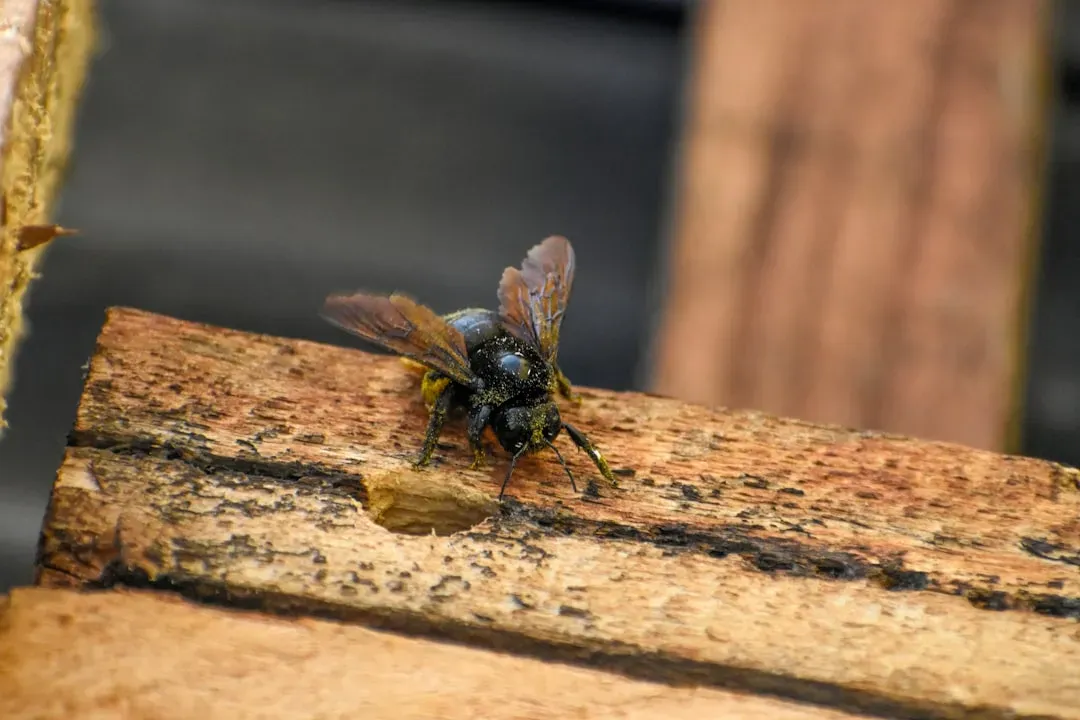
Looking ahead, carpenter bees are likely to be both winners and losers in the changing climate and urbanization story. Warmer temperatures and longer flowering seasons in some regions could extend their activity periods, offering more nectar and pollen but also exposing them to new predators, parasites, and weather extremes. Urban and suburban areas, with their patchwork of gardens, decks, and fences, can function as both feeding grounds and nesting sites. As more people plant pollinator-friendly flowers, they may inadvertently create ideal conditions for carpenter bees to thrive right alongside them. The tension between appreciation and annoyance could intensify.
At the same time, shifts in tree species, forest health, and deadwood availability will influence the balance between natural and human-made nesting sites. If dead branches and old logs continue to be removed for aesthetic or safety reasons, carpenter bees may have even fewer options away from houses and sheds. That could spur innovation in artificial nesting structures designed to draw them off critical infrastructure, much like birdhouses or bat boxes do for other species. How we choose to manage wood in our landscapes – what we cut, what we leave, and what we build – will shape where these bees tunnel in the decades ahead.
Call to Action: Small Choices That Make a Big Difference
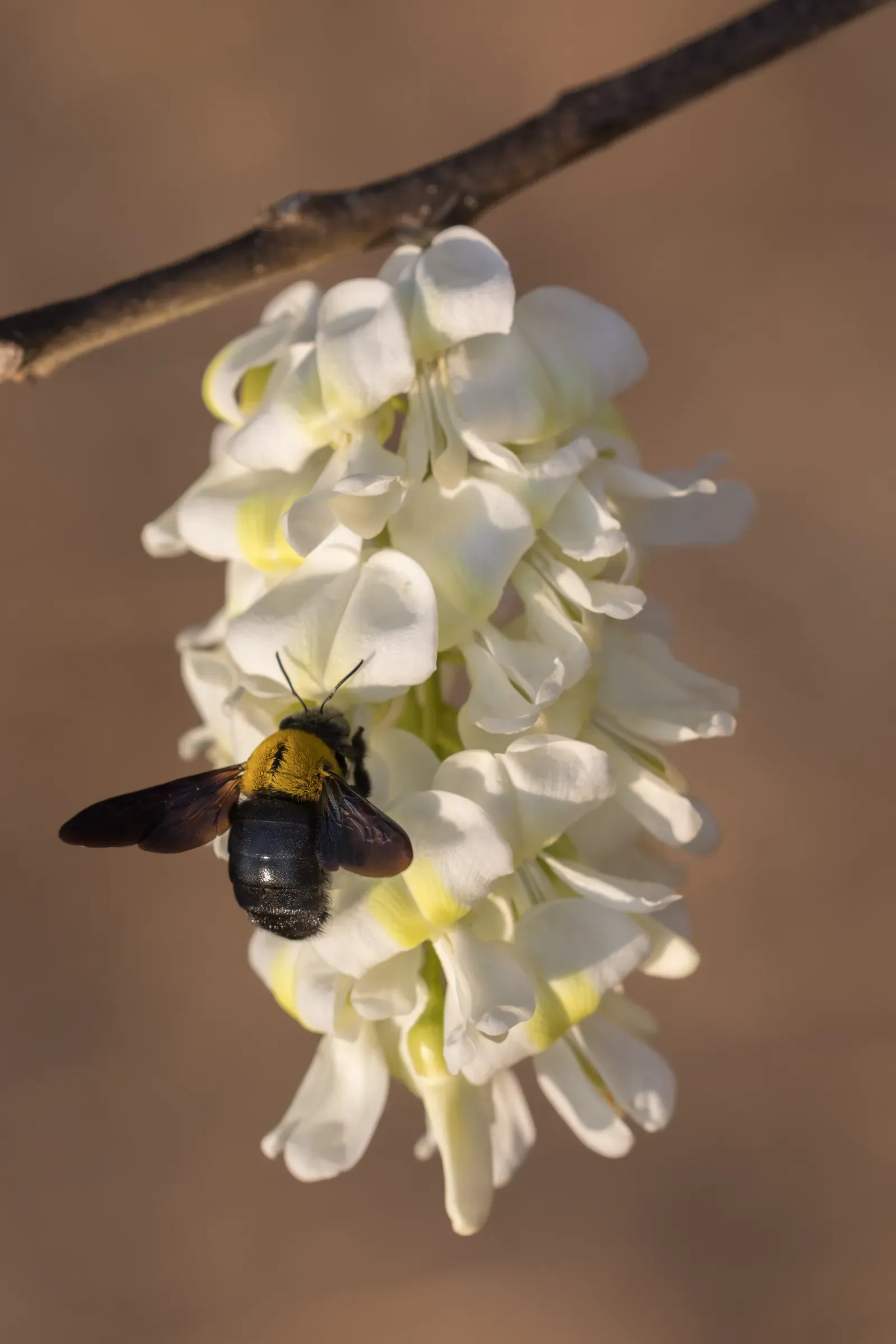
For most people, the discovery that carpenter bees do not eat wood but flowers is a shift in perspective more than anything else. That shift can guide practical, everyday decisions. If you live in an area where these bees are active, you can start by identifying and sealing old nest holes after the bees have emerged, then painting or finishing exposed wood to make it less inviting. You might also allow a few dead branches or logs to remain in less conspicuous parts of your yard, offering alternative nest sites that do not involve your porch beams. Pair that with a mix of flowering plants that bloom across the seasons, and you are supporting both food and shelter in a more balanced way.
Beyond your own property, you can support local pollinator initiatives, from community gardens to citizen science projects that track bee populations. Sharing accurate information – like the simple truth that carpenter bees are not eating your house – helps reduce unnecessary fear and overreactions. When neighbors talk less about “wood-eating bees” and more about how to design pollinator-friendly, resilient spaces, it nudges whole communities toward healthier ecosystems. In the end, the buzzing under your eaves is not a sign that your home is being devoured, but a reminder that wild lives are still weaving themselves into our built world. How we respond to that reminder is up to us.
Suhail Ahmed is a passionate digital professional and nature enthusiast with over 8 years of experience in content strategy, SEO, web development, and digital operations. Alongside his freelance journey, Suhail actively contributes to nature and wildlife platforms like Discover Wildlife, where he channels his curiosity for the planet into engaging, educational storytelling.
With a strong background in managing digital ecosystems — from ecommerce stores and WordPress websites to social media and automation — Suhail merges technical precision with creative insight. His content reflects a rare balance: SEO-friendly yet deeply human, data-informed yet emotionally resonant.
Driven by a love for discovery and storytelling, Suhail believes in using digital platforms to amplify causes that matter — especially those protecting Earth’s biodiversity and inspiring sustainable living. Whether he’s managing online projects or crafting wildlife content, his goal remains the same: to inform, inspire, and leave a positive digital footprint.