
If you were born under the sign of Leo, you’ve probably been told you’re “the star of the show” more times than you can count. Astrology paints Leos as bold, dramatic fire signs, but that ancient symbol of the lion also opens a curious window onto something bigger: why humans have always looked to the sky to understand themselves. Today, researchers are less interested in whether horoscopes can predict your day and more fascinated by what our obsession with zodiac signs reveals about personality, memory, and the stories we tell about nature. In a strange way, reading about Leo is like holding up a mirror that blends mythology, psychology, and evolutionary instincts. So what, exactly, does being a Leo say about you – and why does that story keep surviving in a scientific age?
The Solar Center: Why Leo Is Linked to Leadership
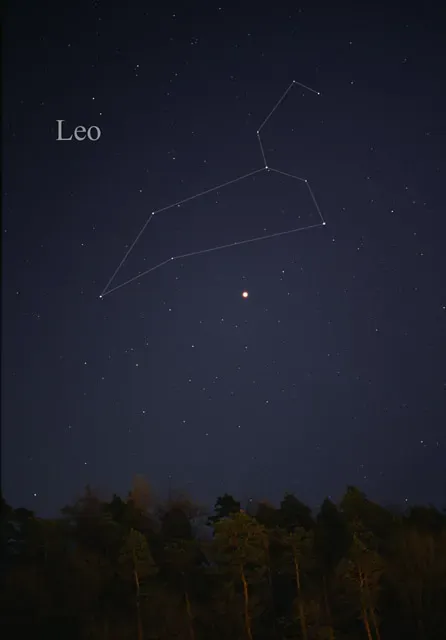
Leo is ruled by the Sun in traditional astrology, and that detail alone says a lot about the kind of identity this sign claims. The Sun sits at the physical center of our solar system, feeding life on Earth with energy; Leo’s reputation for leadership echoes that central role, at least symbolically. People who strongly identify as Leo often describe themselves as the “organizer” in their friend group, the one who calls everyone, sets the date, and makes sure the night actually happens. Psychologists would call this a bias toward extraversion and agency, traits that are well documented in personality research and are more common in people who enjoy taking charge.
It’s not that the stars are pushing you into management, but the story of Leo can legitimize and amplify those tendencies if you already have them. When you’re told from a young age that your sign is “born to lead,” you may start practicing leadership before others do, almost like a self-fulfilling training program. That quiet psychological effect is powerful: it nudges you to speak up, take responsibility, and sometimes, yes, hog the spotlight. If you’re a Leo who likes organizing people, some of that is written in your nervous system – not your horoscope – but the symbolism of the Sun gives that skill a dramatic, glowing frame.
The Lion’s Roar: Your Need to Be Seen and Heard

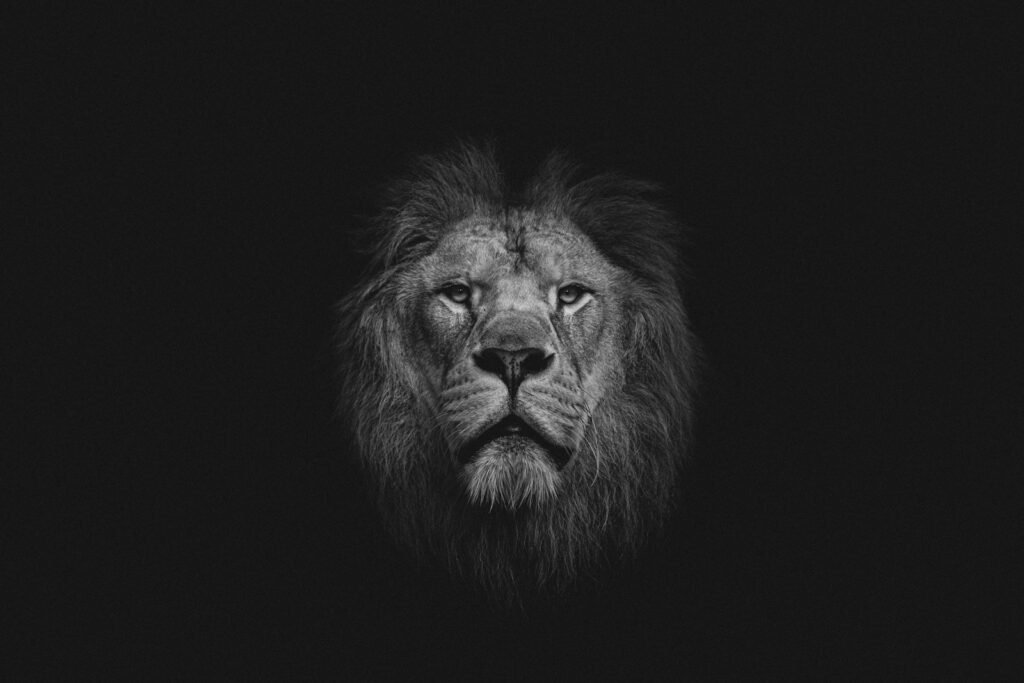
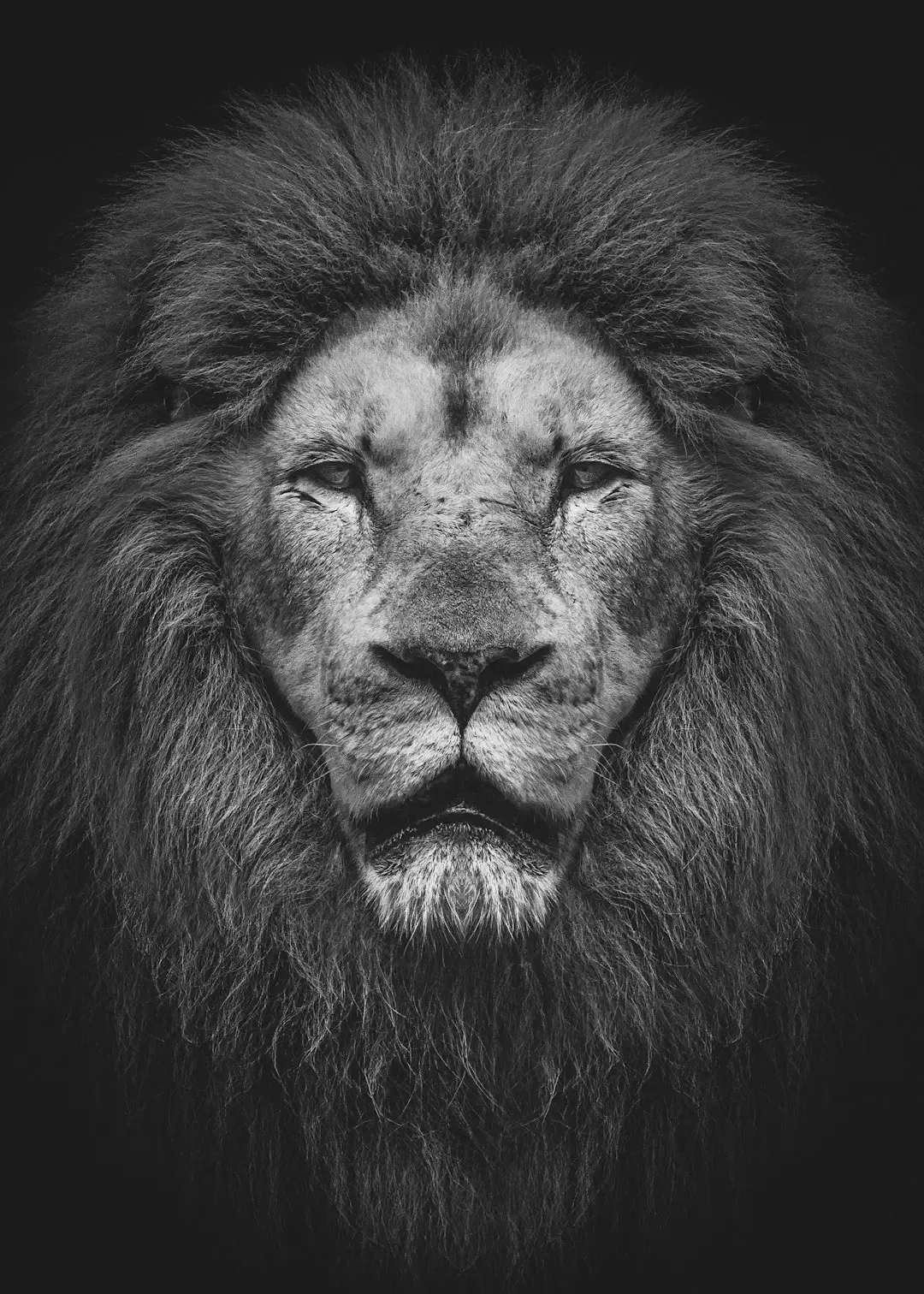
The lion symbol that defines Leo is not subtle, and neither is the stereotype that Leos crave attention. In practice, that “need to be seen” often looks less like vanity and more like a hunger for genuine recognition. Human brains are wired to respond to social status cues; getting positive feedback lights up reward circuits in ways that are surprisingly similar to receiving food or money. For many self-identified Leos, applause, compliments, or even a simple “you did great” feels essential rather than optional.
That doesn’t mean every Leo wants to be on a stage, but there’s usually a noticeable sensitivity to being ignored or sidelined. When a Leo feels invisible at work, in a relationship, or even in a group chat, frustration can build fast. The lion’s roar in this context is the pushback when your value goes unnoticed, and learning to channel it constructively can be one of the lifelong challenges of this sign. You might find yourself thriving in roles where contribution is visible – teaching, performing, presenting, leading projects – anywhere your efforts do not disappear into the background.
The Hidden Clues: Confidence, Ego, and the Stories You Tell Yourself

One of the most intriguing things about Leo energy is how it blurs the line between true confidence and the armor you wear to hide insecurity. On the surface, Leos are often described as radiant and self-assured, but when you look closer, you see a more complicated pattern. Many people who lean into their Leo identity privately worry that they’re not living up to the big, bold version of themselves others expect. That tension between inner doubt and outer shine creates a kind of psychological theater where the performance becomes part of how you survive.
From a scientific angle, this looks like classic impression management: humans constantly craft narratives about who they are and then try to act in ways that confirm those stories. For Leos, the narrative tends to emphasize bravery, generosity, and charisma, so you may find yourself pushing into those traits even on days you feel small. The hidden clue here is that your “ego” isn’t just arrogance; it’s also a fragile ecosystem of beliefs that needs care, truth, and occasional humility. Learning to distinguish between your actual strengths and the roles you feel pressured to play can be one of the most liberating Leo lessons.
From Ancient Skies to Modern Brains: Why Leo Feels So Dramatic

Long before modern neuroscience, sky-watchers watched the Sun blaze through the same patch of stars each year and built myths around that cycle. The period we now call Leo season lands in the Northern Hemisphere’s late summer, when heat is intense, storms can be sudden, and life feels a bit larger than usual. That seasonal drama fed into the idea of Leo as fiery, bold, and sometimes excessive. You can almost imagine ancient farmers looking up at that fierce sun and deciding that anyone born under it must carry some of that wild energy inside them.
Today, when researchers look at what shapes personality, they focus on genes, upbringing, culture, and environment – not constellations. Yet, the symbolism of Leo still resonates because it taps into universal patterns our brains are already wired to notice: dominance hierarchies, display behavior, and the emotional punch of storytelling. Your love of grand gestures or tendency to turn everyday life into a mini-movie might not come from the stars, but the Leo myth gives those habits a name. That naming, in turn, changes how you experience yourself, a feedback loop that makes the sign feel surprisingly real, even in a skeptical age.
Heart of Fire: Loyalty, Romance, and the Need for Grand Gestures

Ask people what they associate with Leo and you’ll often hear about romance on an almost cinematic scale. Many Leos are drawn to relationships that feel vivid and memorable rather than purely practical. That might mean planning elaborate dates, making big promises, or feeling crushed when love starts to look more like logistics than a sweeping story. Emotion researchers know that some people are simply more reward-sensitive in close relationships, meaning they feel the highs more intensely and chase them harder.
Loyalty is another core Leo theme, and it tends to show up as fierce protectiveness over “your people.” When you commit, you often commit fully, sometimes overlooking red flags because the bond itself feels sacred. That combination of intensity and devotion can produce some of the most supportive friendships and partnerships – but it can also lead to dramatic fallouts if trust is broken. Understanding this pattern doesn’t require believing that Venus or Mars are pulling invisible strings; it just means recognizing that your emotional circuitry is tuned for warmth turned all the way up, and acting with a bit more self-awareness around the thermostat.
Stage and Spotlight: Creativity, Play, and the Science of Fun

Another classic Leo trait is a strong streak of creativity, often tied to performance and play. Whether it’s acting, music, storytelling, fashion, or just being the unofficial host of every gathering, there’s usually some arena where you like to put on a show. Neuroscientists studying creativity talk about the brain’s default mode network, which lights up when we imagine, daydream, and rehearse possibilities. People who gravitate toward creative expression appear more comfortable spending time in that mental space and then bringing pieces of it into the real world.
Leos often treat everyday life like a stage – not necessarily to fake things, but to heighten them. A regular dinner becomes an event; a text thread becomes a running comedy script. That craving for fun and drama actually serves an evolutionary purpose: play is one of the primary ways social mammals build bonds, rehearse conflicts, and relieve stress. When a Leo insists on turning a dull moment into a mini celebration, they’re not just being “extra”; they’re nudging the group toward a form of social glue humans have relied on for millennia.
Why It Matters: What Leo Reveals About Human Nature

At first glance, treating Leo traits as meaningful can seem unscientific, especially when large statistical studies find no evidence that your star sign directly determines personality. But that is not the end of the story. What Leo reveals, more than anything, is how intensely humans rely on symbols to navigate identity. When you adopt “I’m a Leo” as part of your story, you’re doing what brains do best: clustering experiences into a pattern that feels coherent.
Compared with traditional personality tests, zodiac signs work more like intuitive myths than precise instruments, yet they still shine a light on real needs and fears. Leo language surfaces questions like: Do I feel seen? Am I using my talents? Am I allowed to be big and bold without being punished? Those questions matter in workplaces, relationships, and mental health. Even if the stars are not steering your life, the lion archetype can help you notice where you’re shrinking, overcompensating, or, occasionally, roaring at the wrong target.
Global Perspectives: The Lion Archetype Across Cultures
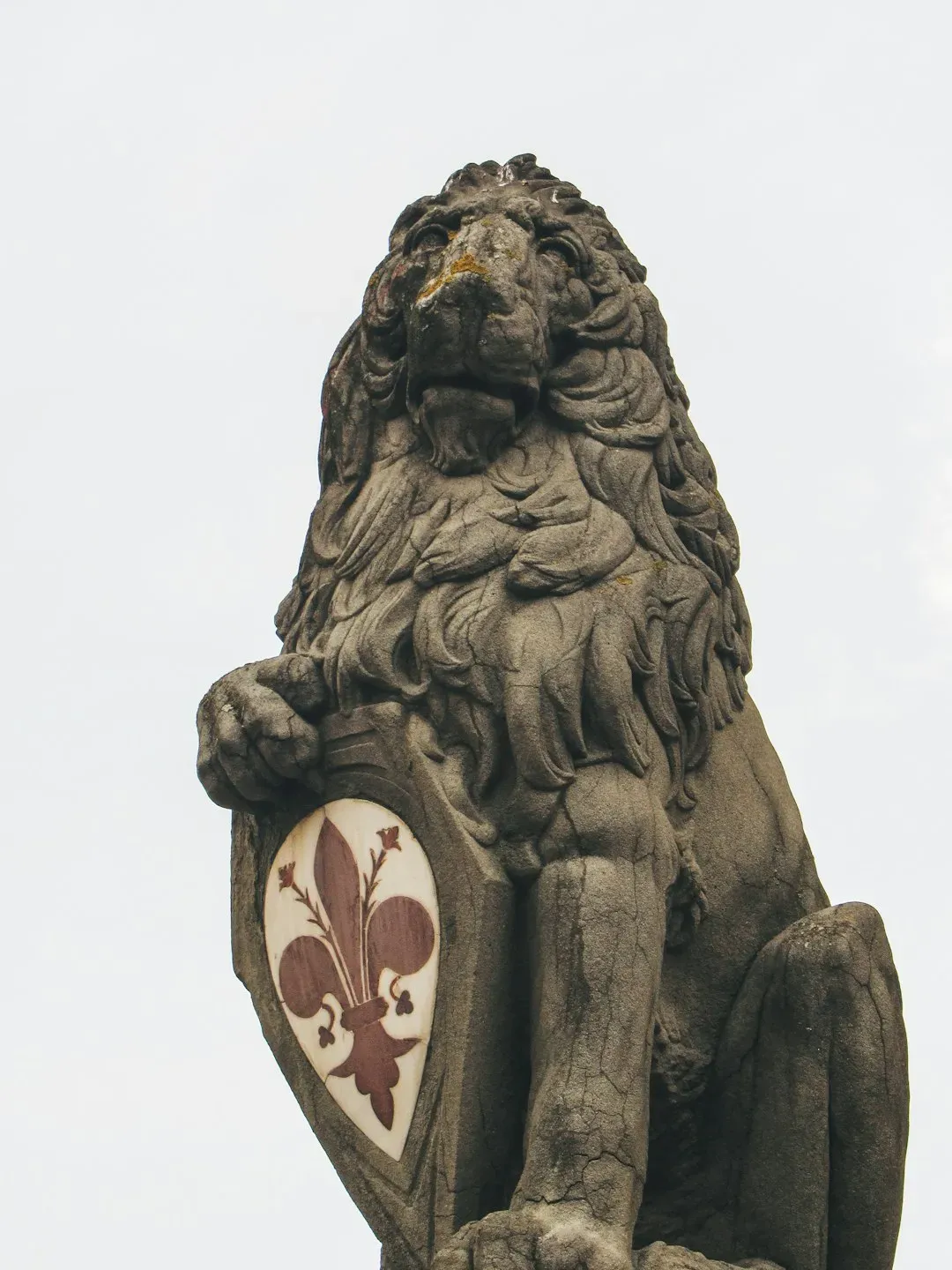
Leo is most famous from Western astrology, but the lion as a symbol of courage and authority appears in cultures around the world. In African, Middle Eastern, and Asian traditions, lions have long guarded temples, palaces, and stories as emblems of bravery and protection. This cross-cultural echo suggests that humans everywhere are struck by similar patterns in nature: a powerful predator, bold and sun-loving, becomes a shorthand for dominance, pride, and sometimes nobility. When you identify with Leo, you are stepping into that very old symbolic costume.
Modern psychology would call this an archetype – a shared mental blueprint that shows up in myths, movies, and even superhero franchises. Seeing yourself as the lion can nudge you toward bravery in moments where fear would otherwise win. But it can also tempt you into believing you must always be strong, never vulnerable. Recognizing that the lion archetype is bigger than astrology alone can help you use it as inspiration rather than a rigid script, drawing on its strength without erasing your softer, more uncertain sides.
Shadow Side of the Sun: Pride, Stubbornness, and Burnout

No sign gains a reputation for brightness without casting some shadows, and Leo is no exception. Pride, stubbornness, and a tendency to take criticism personally often appear on the less flattering side of Leo descriptions. From a behavioral perspective, that makes sense: if you place a lot of your self-worth on being admired and capable, any hint that you’ve fallen short can feel like an existential threat. The easiest response is sometimes defensiveness, even when feedback could actually help you grow.
There’s also the risk of emotional burnout when you’re constantly “on,” performing charisma for others and trying to hold everything together. Social fatigue is a real, measurable phenomenon; brains need downtime just as much as bodies do. When a Leo pushes relentlessly to stay at the center – of work projects, social scenes, family dramas – the nervous system can start to fray around the edges. Learning to step back, delegate, and let quieter moments exist without panic is one of the healthiest skills a Leo can cultivate. It turns out even the brightest stars need darkness to keep burning.
The Future Landscape: Leo Traits in a Changing, Hyperconnected World

As our lives move deeper into digital spaces, classic Leo traits are finding new arenas and new pressures. Social media rewards performance, visibility, and branding – the very qualities Leos are often told they possess in abundance. Being able to speak confidently on camera, host live streams, or rally people around a cause can be a real advantage in this environment. At the same time, tying your sense of worth to likes, views, or followers magnifies the emotional roller coaster described by this sign.
Looking ahead, skills associated with Leo – leadership, storytelling, emotional warmth – may be especially valuable in fields where humans still outperform algorithms: mentoring, community organizing, creative arts, and care work, to name a few. The challenge will be to balance the magnetic pull of constant visibility with a deeper, steadier sense of self that does not depend on public reaction. In a world where everyone has a potential “audience,” the Leo lesson might evolve from simply shining brightly to shining responsibly, using that spotlight to lift others rather than only illuminate yourself.
How to Work With Your Inner Leo: Practical Ways to Channel the Lion
If you recognize yourself in these Leo themes – whether or not your birth chart agrees – there are concrete ways to harness them. First, give your need for expression a healthy outlet: creative hobbies, public speaking workshops, leadership roles in volunteer groups, or any space where you can perform and contribute without everything riding on the outcome. Second, deliberately practice receiving criticism without collapsing or lashing out; this might mean pausing before you respond, asking clarifying questions, and remembering that your worth is not on trial every time someone gives feedback.
It also helps to schedule real rest, not just “scroll on your phone” rest, so your social battery can recharge away from constant performance. Surround yourself with a few people who value you even when you are not entertaining, who see the quieter, more vulnerable sides of you. Notice when your desire to lead turns into control and gently loosen your grip, trusting others to shine too. In doing so, you transform the Leo script from a rigid stereotype into a flexible toolkit, one that lets the lion in you be powerful, playful, and – crucially – human.
Suhail Ahmed is a passionate digital professional and nature enthusiast with over 8 years of experience in content strategy, SEO, web development, and digital operations. Alongside his freelance journey, Suhail actively contributes to nature and wildlife platforms like Discover Wildlife, where he channels his curiosity for the planet into engaging, educational storytelling.
With a strong background in managing digital ecosystems — from ecommerce stores and WordPress websites to social media and automation — Suhail merges technical precision with creative insight. His content reflects a rare balance: SEO-friendly yet deeply human, data-informed yet emotionally resonant.
Driven by a love for discovery and storytelling, Suhail believes in using digital platforms to amplify causes that matter — especially those protecting Earth’s biodiversity and inspiring sustainable living. Whether he’s managing online projects or crafting wildlife content, his goal remains the same: to inform, inspire, and leave a positive digital footprint.