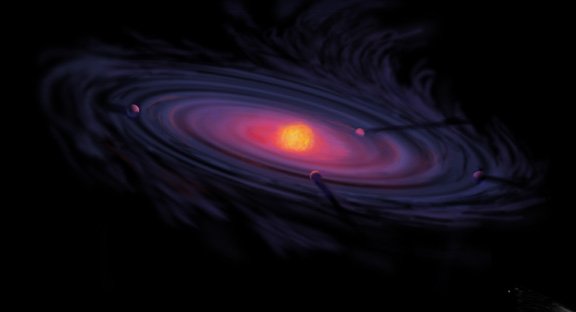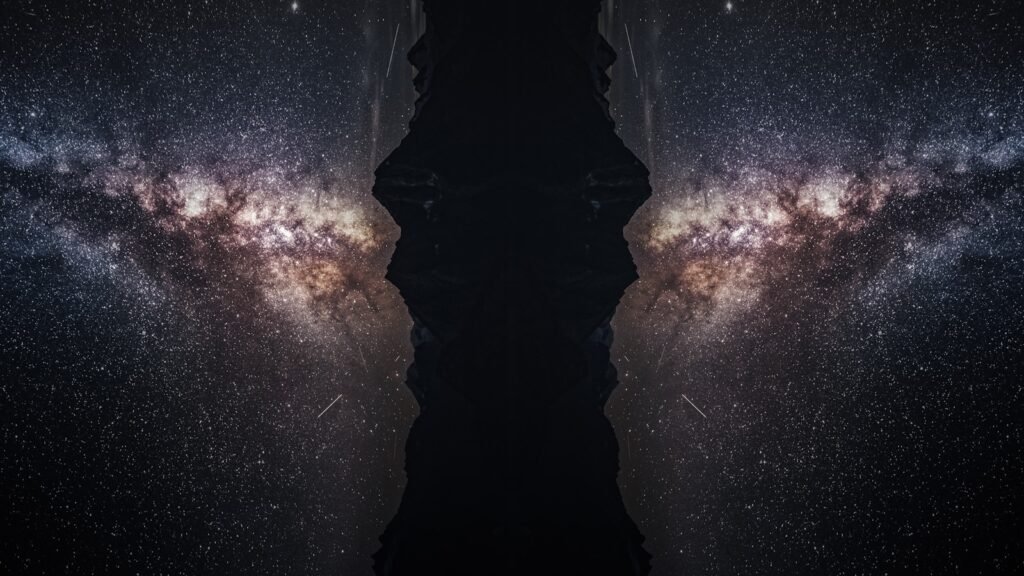
For more than a century, physics has told us a strangely incomplete story: equations that work beautifully on paper but leave us wondering why time flows one way, why matter won over antimatter, and why the universe looks so finely balanced. Now, a handful of recent studies are quietly proposing a radical possibility hiding in the math: our universe might have a twin. Not a fuzzy metaphor, but a real, physical “mirror” cosmos whose existence could explain some of the deepest puzzles in cosmology. The idea sounds like science fiction, yet it is emerging from serious efforts to reconcile quantum mechanics, general relativity, and precision measurements of the cosmos. If it holds up, we may have to rewrite what we mean by reality itself.
The Hidden Clues
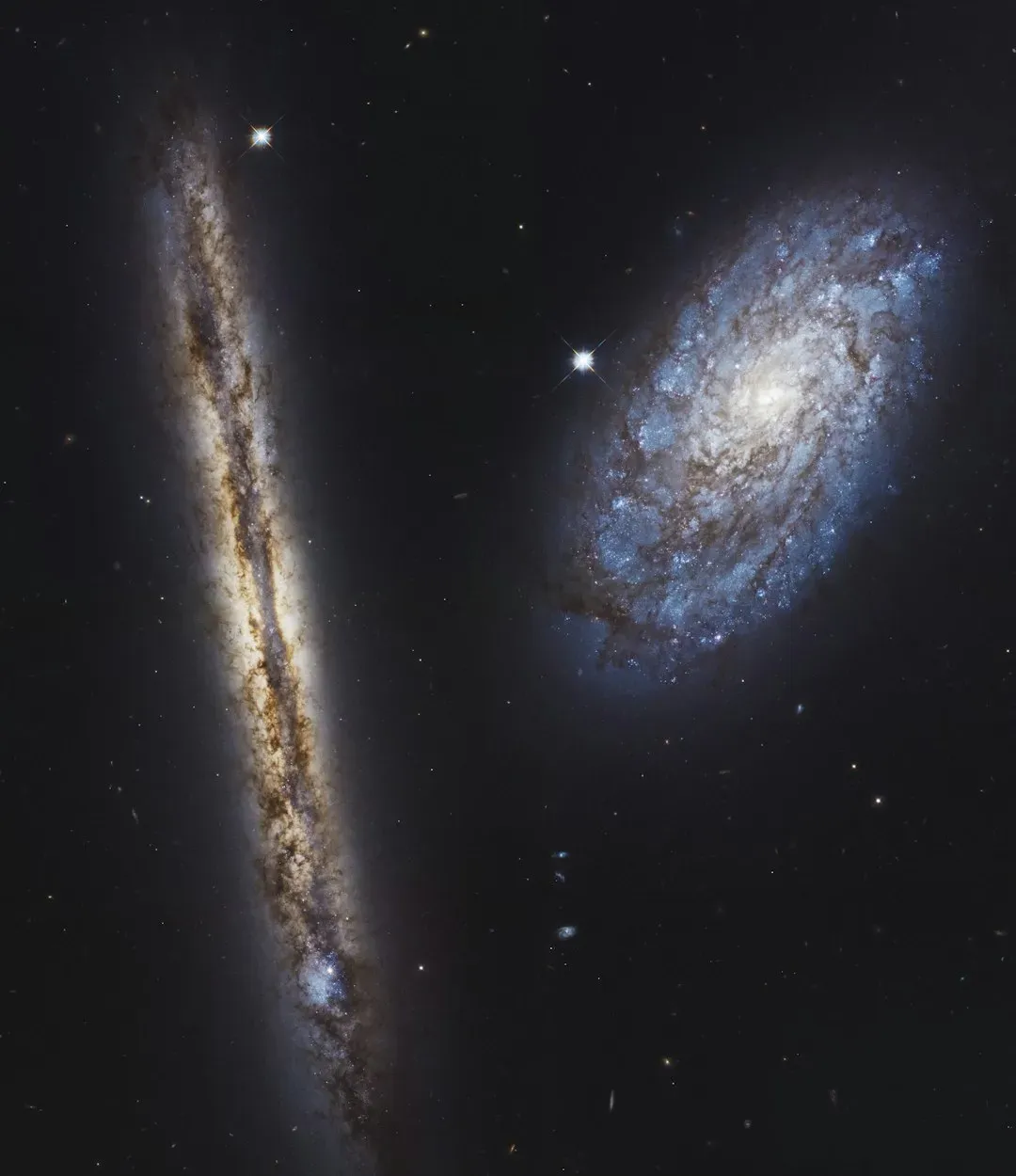
What would even make physicists suspect that our universe has a twin in the first place? The trail starts with a collection of stubborn anomalies: the way galaxies rotate as if controlled by invisible matter, the mismatch between how fast the universe appears to be expanding today versus early-universe predictions, and the strange smoothness of the cosmos on the largest scales. Individually, these puzzles have inspired ideas like dark matter, dark energy, and inflation, each powerful but also somewhat ad hoc. Taken together, though, they hint that we may be missing a deeper, more symmetrical picture.
In several recent models, the hidden pattern is time symmetry: if you run the equations of physics backward, they work just as well, yet in everyday life eggs break, stars burn out, and people age. Some theorists now suggest that the “missing half” of this symmetry could be a mirror universe that expands in the opposite direction in time, starting from the same Big Bang but evolving with reversed conditions. In this view, our arrow of time and the twin’s arrow point away from a shared origin, like two cosmic rivers flowing out from the same spring but in opposite directions. The oddities we see – like the dominance of matter over antimatter – may be side effects of only seeing one branch of a larger, balanced whole.
From Mathematical Curiosity to Testable Theory
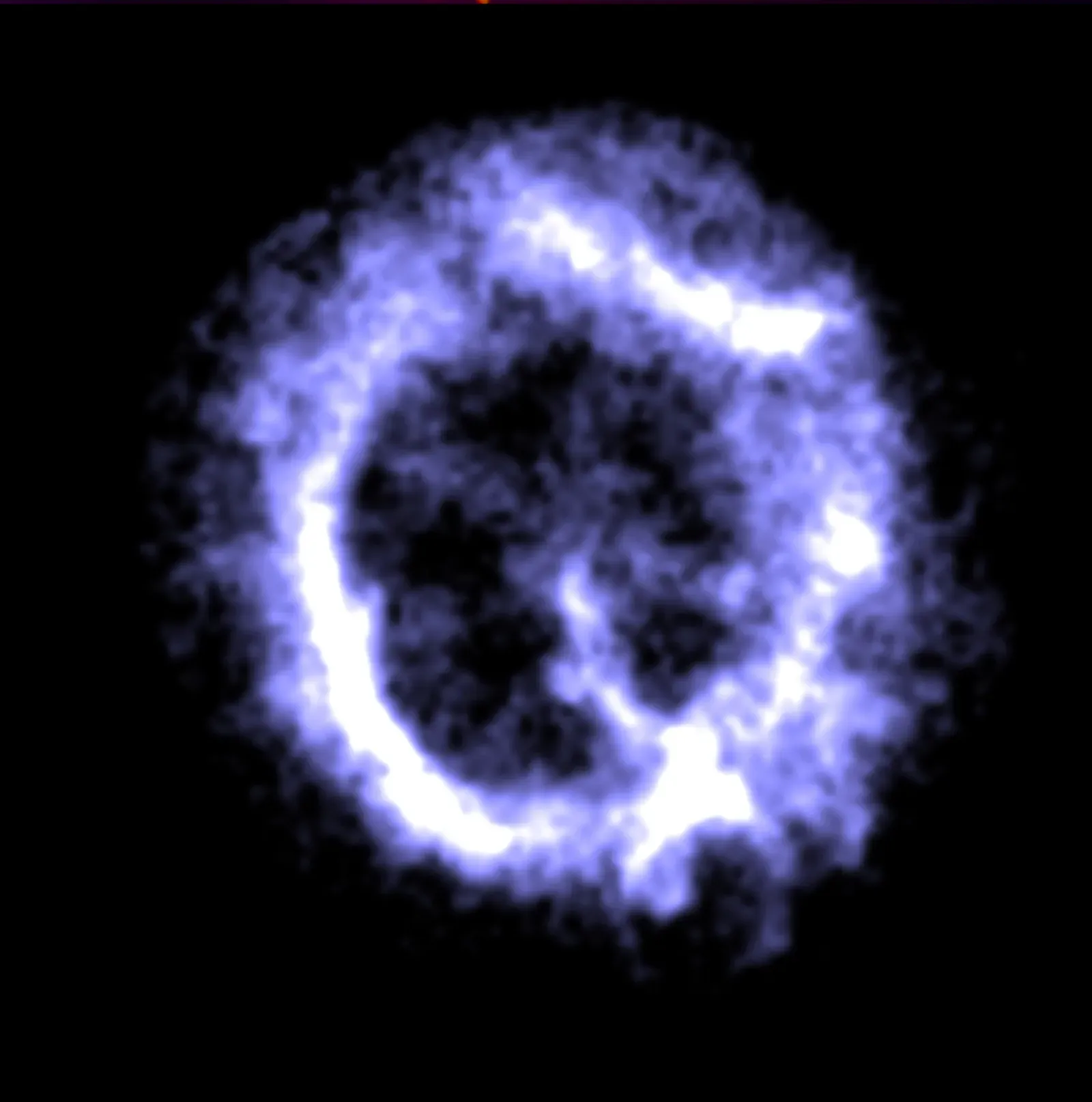
For years, mirror-universe concepts lived mostly on chalkboards, the kind of speculation that excites theorists but rarely reaches telescopes. That is starting to change as cosmologists realize that these ideas can make concrete predictions. For example, some twin-universe models imply very specific patterns in the cosmic microwave background, the faint afterglow of the Big Bang that we can now map with exquisite detail. Others suggest subtle shifts in how primordial gravitational waves should look, or how early-universe particles behaved before ordinary matter came to dominate.
What makes this shift important is that it turns a poetic notion into something falsifiable. If a mirror universe exists and is coupled to ours only through gravity or other very weak interactions, it could still leave fingerprints in the structure of galaxy clusters, the shape of the cosmic power spectrum, or the behavior of neutrinos. Researchers are now combing through data from space observatories, ground-based telescopes, and particle experiments, checking whether this bigger, two-sided universe does a better job explaining what we actually see. It is a slow, painstaking process, but for the first time, “our universe has a twin” is becoming a question of evidence, not just imagination.
How a Twin Universe Could Solve Old Cosmic Puzzles
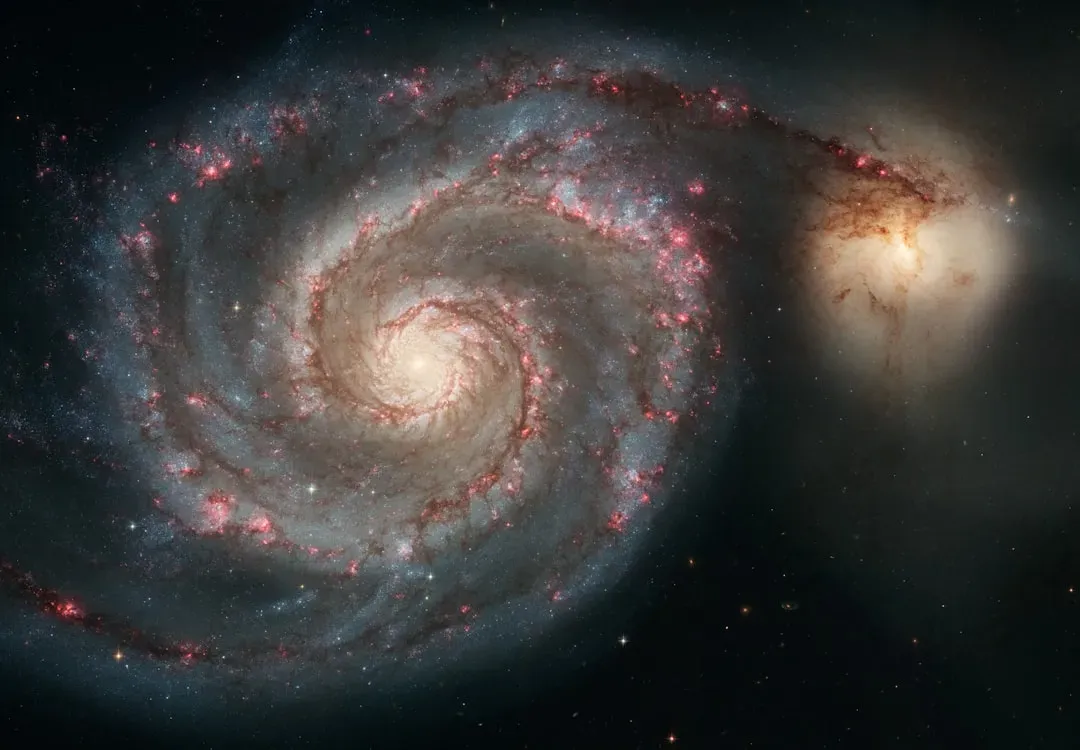
One of the most tantalizing aspects of a twin-universe model is how efficiently it can tackle long-standing mysteries that seem unrelated. Take the matter–antimatter problem: according to early-universe physics, matter and antimatter should have been created in almost perfect balance, annihilating each other and leaving behind only radiation. Yet our universe ended up with a surplus of matter, enough to build stars, galaxies, and us. In a twin framework, that apparent imbalance might simply reflect that “our” surplus is matched by an opposite surplus of antimatter in the partner universe, restoring symmetry at the larger, two-universe scale.
Dark matter is another candidate for a mirror-world explanation. Instead of being made of exotic particles invented only to patch equations, dark matter might be ordinary matter in the twin universe that interacts with us primarily through gravity. This could explain why dark matter is so hard to detect directly yet shapes the skeleton of our cosmic web. Some models even suggest that entire “mirror galaxies” could be swirling invisibly alongside our own, influencing motions but never lighting up in our telescopes. It is a profoundly strange idea, but it would tie together several seemingly separate mysteries with a single, elegant thread.
Why It Matters

It is tempting to treat twin-universe ideas as an entertaining mind game, but they cut right into questions that science, philosophy, and personal meaning have wrestled with for centuries. If our universe is only half of a larger cosmic system, then many of the numbers we have treated as fundamental – like the balance of forces or the initial conditions of the Big Bang – might not be arbitrary after all. Instead, they could be the result of a deeper principle of symmetry, in which reality always comes in balanced pairs. That move from “just-so” accidents to structured necessity has been one of the great themes in physics.
On a more human level, the idea that everything we know is only part of a wider, unseen cosmos can be quietly unsettling. It challenges the comforting picture of a single, self-contained universe that began, evolved, and will end on its own terms. At the same time, it can feel strangely reassuring, suggesting that the universe is less random, more coherent, than it appears from our narrow vantage point. When I first encountered these ideas, they made my everyday sense of reality wobble a bit, like discovering that the house you thought was freestanding is actually one half of a hidden duplex. It forces us to ask what we mean by “the universe” – and whether we have been using that word too casually.
The Hidden Clues in the Data We Already Have
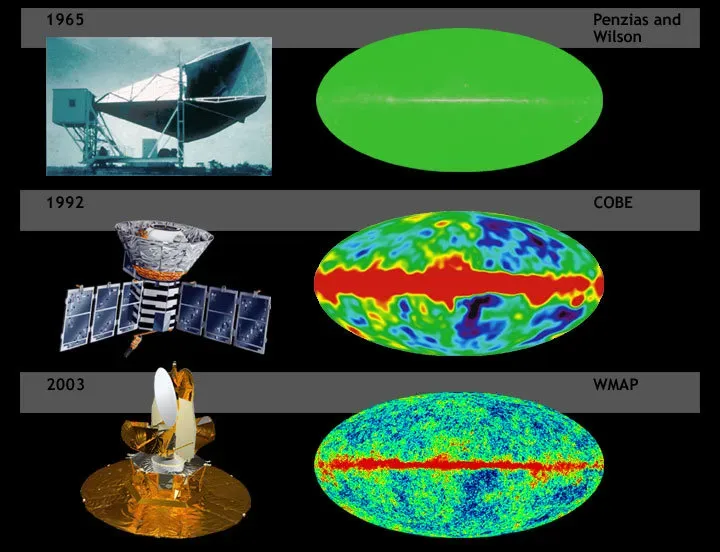
One surprising twist in this story is that the most important evidence for a twin universe might already be sitting in hard drives, waiting to be reinterpreted. High-precision measurements of the cosmic microwave background have exposed tiny tensions between different ways of inferring the universe’s age, expansion rate, and composition. The so-called Hubble tension – the mismatch between early-universe and late-universe measurements of cosmic expansion – is one of the starkest examples. Traditional explanations add new particles or tweak dark energy, but a mirror-universe framework can potentially reconcile these numbers by changing how we think about initial conditions and symmetry.
Other hints show up in the distribution of large-scale structures, such as galaxy clusters and voids stretching across hundreds of millions of light-years. In some models, the gravity of a twin universe subtly alters how matter clumps, leaving a slightly different pattern than in a purely single-universe scenario. Researchers are starting to test this against massive sky surveys, effectively asking whether the cosmic web looks more like a standalone construction or part of a larger scaffold. It is a bit like realizing that the cracks in a dried riverbed might reveal not just the river you see but another waterway that once flowed alongside it. Whether these patterns ultimately support or refute the twin idea, they push us toward more precise, more ambitious cosmological tests.
How This Challenges Our Place in the Cosmos
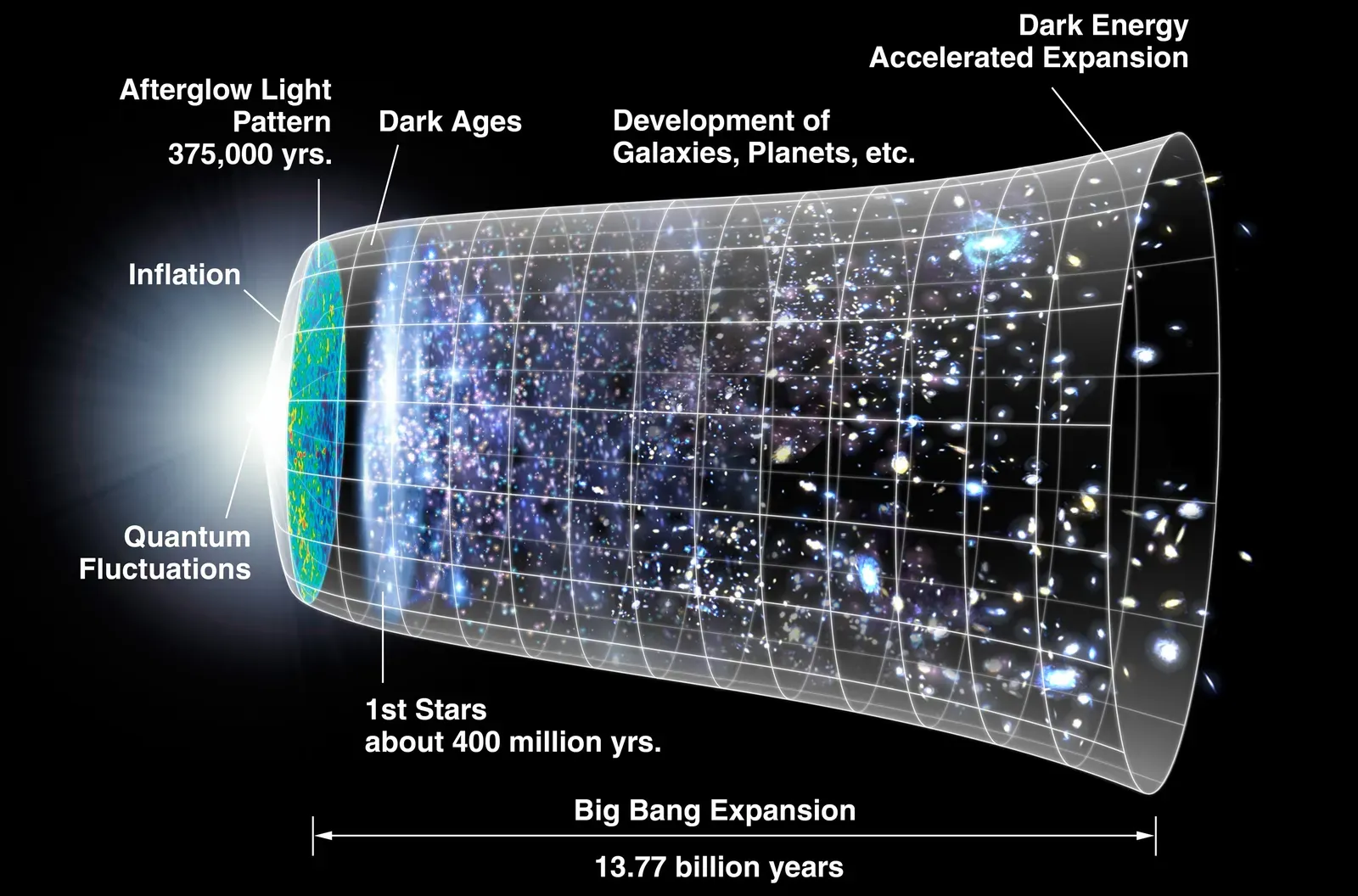
Humans have been repeatedly demoted by science: Earth is not the center of the solar system, the Sun is not special, our galaxy is one of many. A twin universe takes that humbling trend to a new level, suggesting that even our universe may not be unique. In such a picture, what we call “everything” is really more like one page in a wider cosmic book. That does not make our page less real or less meaningful, but it does shift the scale of the story we are part of.
This has subtle psychological and cultural implications. When I talk to people about this work, the reactions tend to split: some feel a thrill, others an almost vertigo-like discomfort. For some, the notion that physics might point beyond our observable universe reinforces a sense of wonder and openness. For others, it complicates cherished ideas about beginnings, ends, and cosmic purpose. Regardless of personal reaction, engaging with this possibility can sharpen our understanding of what counts as evidence, what we mean by explanation, and how far human curiosity is willing to go.
The Future Landscape: Experiments, Telescopes, and Tough Questions
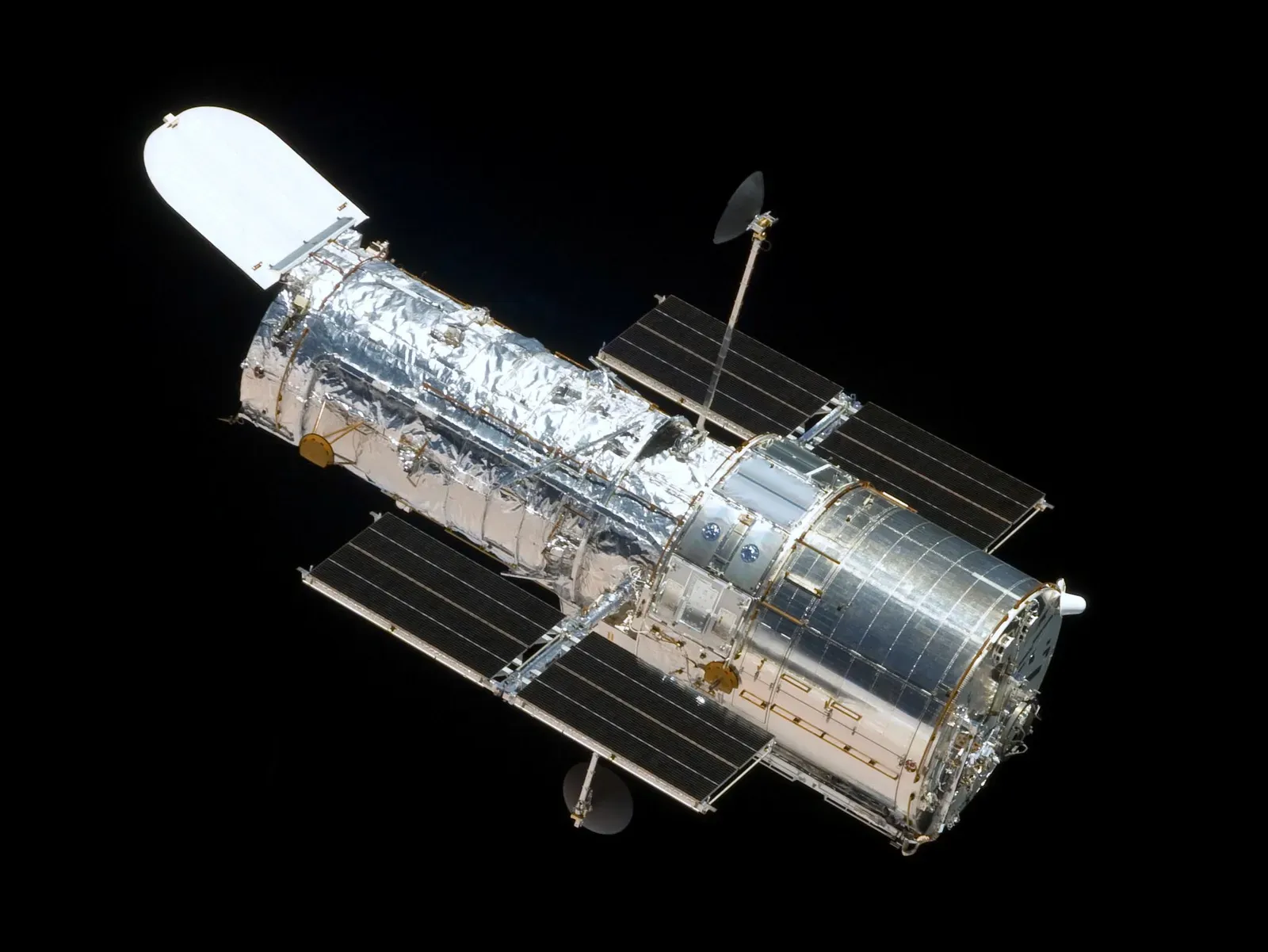
The next decade of cosmology will be unusually well-positioned to probe twin-universe ideas, even if researchers are cautious about the hype. New space telescopes and ground-based observatories are set to map the cosmic microwave background and large-scale structure with unprecedented sensitivity. At the same time, particle physics experiments and neutrino detectors will tighten the limits on hidden sectors that could correspond to a mirror world. As these projects come online, the space of viable twin-universe models will either shrink or sharpen, forcing the theory to stand on more solid, testable ground.
Several key frontiers are emerging as particularly important:
- Ultra-precise measurements of the Hubble constant to see whether existing tensions persist or fade.
- Next-generation surveys of galaxy clustering and weak lensing that could reveal tiny deviations from standard gravity.
- Searches for gravitational waves from the early universe that might carry the imprint of a paired cosmic birth.
None of these are guaranteed to confirm a twin universe, of course. But they ensure that the idea will be confronted by data, not left floating as an elegant speculation.
How You Can Stay Engaged With a Bigger Universe
Most of us will never tune a radio telescope or sift through cosmic microwave background maps, but that does not mean we are locked out of this unfolding story. One of the simplest and most powerful actions is to stay curious and to support institutions that keep fundamental research alive, from public universities to national observatories. When budgets for basic science come up in local or national debates, paying attention and speaking up can make a real difference. The questions driving twin-universe research – about time, symmetry, and reality – are not luxuries; they are part of how a society decides what kind of future it wants to imagine.
On a more personal level, engaging with this topic can be as straightforward as reading widely, attending public lectures, or following reputable science outlets that cover cosmology in depth rather than just in headlines. Many large surveys and space missions maintain public portals where you can explore images, animations, and explainers built from real data. You can also encourage science education locally, whether by volunteering, mentoring, or simply showing younger people that it is okay to wrestle with questions that have no easy answers yet. In a way, the idea of a twin universe is a reminder that reality is almost certainly bigger and stranger than our current picture. The least we can do is keep that picture evolving.