Every cell in your body carries a silent travel diary, written long before your name, your language, or your hometown ever existed. For most of human history, questions about where we came from were answered with myth, migration stories, and whatever clues archaeologists could scrape from the ground. Over the past few decades, a new line of evidence has stepped into the spotlight: the DNA curled up tightly inside our cells. By decoding patterns in our genes, scientists are retracing journeys that began tens of thousands of years ago, across ice sheets, deserts, and open ocean. The mystery is no longer just how our ancestors moved, but how those ancient footsteps still echo in our bodies today.
The Hidden Clues Written in Our Cells
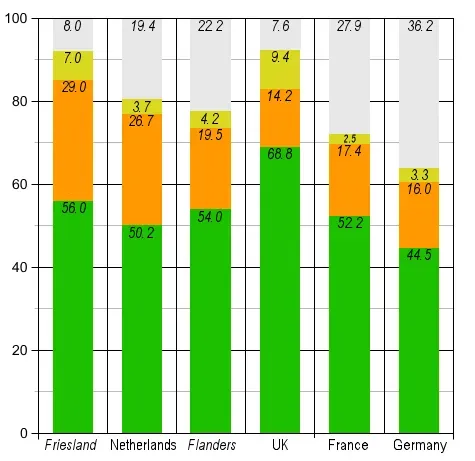
It’s easy to think of DNA as something purely personal, a code that decides your eye color or how your body processes caffeine. But on a larger scale, those same genetic letters form patterns that stretch across continents and millennia, like a faded but still legible map. When geneticists compare the DNA of thousands of people from different regions, they see recurring signatures: tiny variations that act like breadcrumbs left by ancient populations. Some of these variations show up more often in people with ancestry from certain parts of the world, hinting at shared deep roots. Others appear where different groups met, mixed, and moved on, leaving behind blended genetic fingerprints.
Inside this complexity, a few parts of the genome serve as especially powerful time capsules. Mitochondrial DNA, passed down primarily through the maternal line, and the Y chromosome, inherited through paternal lines, both change slowly across generations. These changes, called mutations, do not usually transform a person overnight, but they quietly accumulate over thousands of years and can be traced backward like growth rings in a tree trunk. When researchers line up these changes across many people, they can reconstruct family trees that do not stop at a few grandparents, but extend back to the earliest modern humans. Your own genome, if read carefully enough, carries fragments of these same branching stories.
From Ancient Bones to Genomic Time Machines
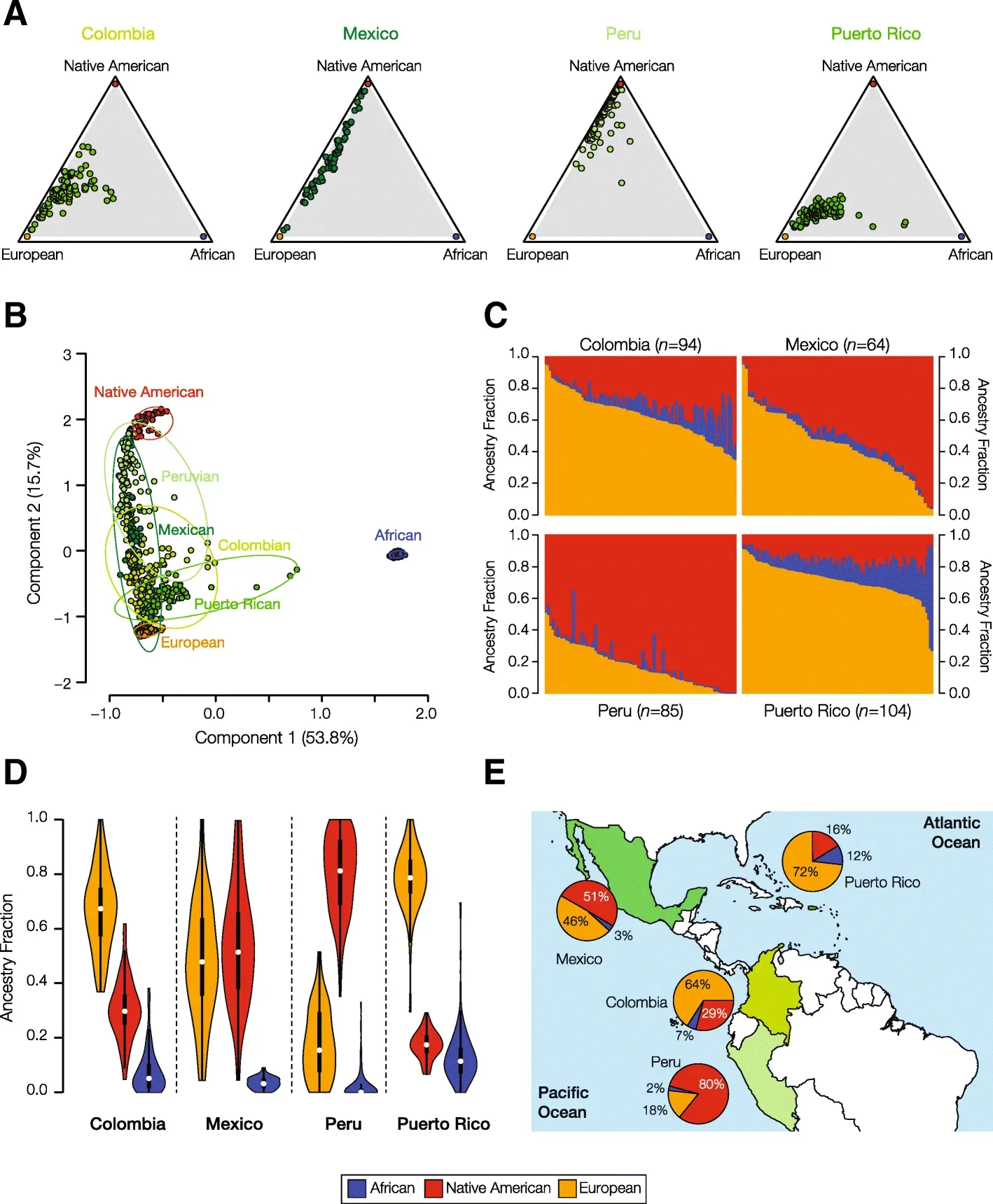
For most of the twentieth century, the main way to study ancient people was to dig up their remains and examine their bones, tools, and burial sites. Archaeologists could estimate how old a skeleton was, what kinds of tools it used, and even sometimes how a person died or what they ate. But bones cannot easily reveal who was related to whom, how much different groups mixed, or exactly where migrants came from. That is where ancient DNA has changed the game. In the late 1990s and early 2000s, scientists began extracting genetic material from fossilized bones and teeth, and each successful sample felt like cracking open a time capsule buried in ice or rock.
The methods have improved so quickly that what seemed nearly impossible twenty years ago is now almost routine in specialized labs. Researchers have sequenced genomes from Neanderthals and Denisovans, revealing that these once-mysterious relatives interbred with the ancestors of many living humans. They have pulled DNA from hunter-gatherers buried in Europe, early farmers in the Fertile Crescent, and ancient individuals from the Americas and Africa. Each newly sequenced genome becomes one more anchor point in a growing timeline, helping scientists connect archaeological layers with actual biological lineages. In effect, human history is no longer written only in stone and pottery shards; it is also read directly from the molecules preserved in ancient skeletons.
Tracing Humanity’s Great Journeys Across the Globe
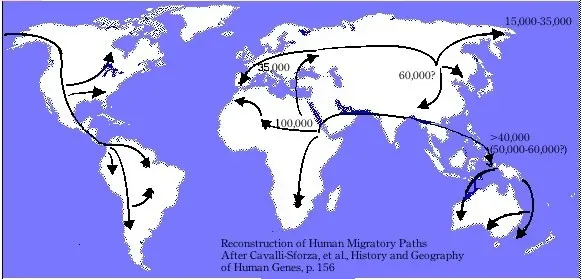
When you zoom out far enough, a surprisingly coherent picture starts to emerge from the tangle of genetic data. The vast majority of genetic evidence so far supports an origin of modern humans in Africa, followed by gradual expansions outward beginning tens of thousands of years ago. As small bands of people left the continent and spread into the Middle East, Europe, Asia, Oceania, and eventually the Americas, they carried with them only a portion of the genetic diversity present in Africa. This created subtle but detectable gradients in DNA variation, like the fading colors of a painting as you move further from the original palette. By comparing these patterns with archaeological finds and climate models, scientists can estimate when and how major migration waves occurred.
Some of the findings have upended older, simpler stories of one-way movements. Genetic studies show that migrations were often more like braided rivers than straight arrows on a map, with groups splitting, rejoining, and overlapping over time. For example, evidence from mitochondrial DNA and autosomal markers has revealed multiple waves of people moving into Europe and Asia, and later back-migrations into parts of Africa. Similarly, the peopling of the Americas appears to have involved complex routes, including ancient populations crossing the Bering land bridge and possibly moving along coastal corridors. Each of these reconstructions is not just a tale of anonymous groups but of the distant ancestors of real people alive today, whose genomes still carry traces of those long journeys.
Surprising Legacies: Ancient Encounters in Modern Bodies
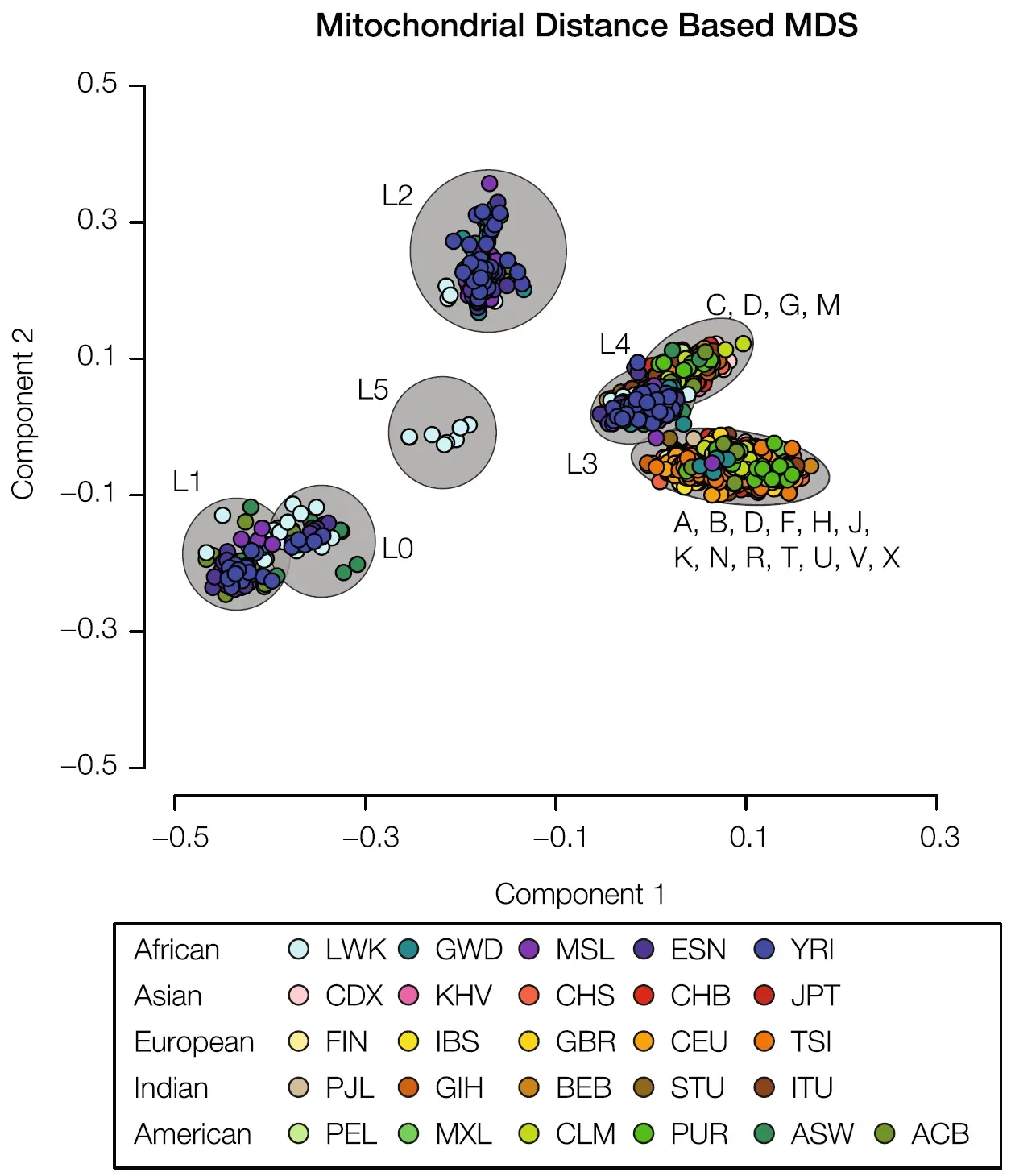
One of the most startling revelations from genetics is that many of us carry DNA from now-extinct human relatives. People with ancestry outside sub-Saharan Africa tend to have a small proportion of Neanderthal DNA scattered across their genomes. In parts of Asia and Oceania, individuals may also have inherited segments from Denisovans, another archaic human group known mainly from a few fossils and their genetic signature. These traces are not just historical curiosities; some are linked to traits that influence immunity, skin physiology, or how our bodies respond to altitude. The idea that you might be slightly better at fending off certain infections because of an encounter between your ancestors and Neanderthals is both scientifically grounded and emotionally striking.
Other genetic legacies connect to adaptations that arose as people settled into new environments. Variants associated with the ability to digest lactose in adulthood, for instance, became common in populations that practiced dairy farming and relied on milk as a key food source. Genes linked to resistance against malaria show up more often in regions where the disease has been historically widespread, although some of these variants also bring health risks when inherited in certain combinations. In high-altitude regions like the Tibetan Plateau or parts of the Andes, distinct genetic patterns appear that help residents cope with low oxygen levels. All of these examples show that ancient migrations were not just movements across a map, but ongoing negotiations between human biology and the landscapes our ancestors entered.
Why It Matters: Rethinking Identity, History, and Evidence
At first glance, mapping ancient migrations might sound like a specialized puzzle for historians and geneticists. But the implications reach into how we think about identity, belonging, and the stories we tell about ourselves. Traditional narratives often describe populations as fixed, bounded groups with clear beginnings and ends, tied to specific territories. Genetic evidence tells a different story, one where mixing, movement, and change are the norm rather than the exception. Instead of discrete boxes, humanity looks more like overlapping circles on an old, well-worn map.
This reshapes conversations about ethnicity and heritage in ways that can be both empowering and uncomfortable. Genetic ancestry tests, though imperfect and sometimes oversold, have already prompted many people to reexamine family myths and hidden histories. Compared to archaeology alone, which relies on what has survived in the ground, DNA offers a complementary line of evidence that can fill in some of the gaps and occasionally challenge long-held assumptions. It also reminds us that no single method holds all the answers; bones, tools, oral traditions, historical records, and genomes each provide different pieces of the same sprawling story. Taken together, they show that our shared past is more entangled and more interconnected than many of us learned in school.
From Shovels to Sequencers: How Tools of Discovery Have Evolved
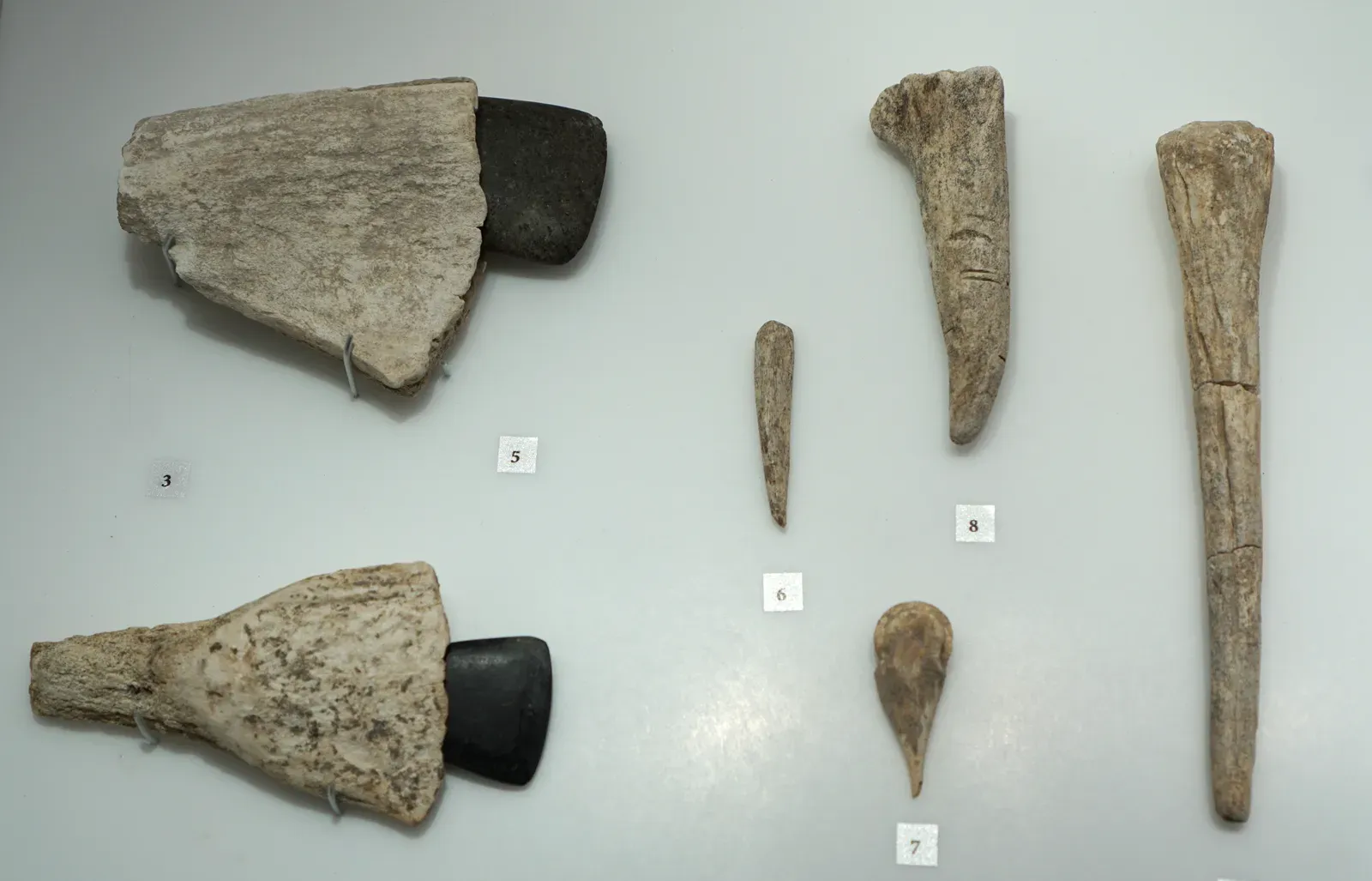
The shift from relying solely on artifacts to incorporating genetic data is one of the most significant methodological changes in the study of human origins. A century ago, the main tools of the trade were shovels, trowels, and careful observation at excavation sites. Today, archaeologists still dig, but they often collaborate closely with geneticists, bioinformaticians, and climate scientists. High-throughput DNA sequencers can process genetic fragments from ancient bones, soil, or even hardened dental plaque, turning them into digital data that can be compared across continents. Powerful computers then help sort through this information, identifying patterns that would be invisible to the naked eye.
Along the way, researchers have had to grapple with issues that earlier generations did not face. Ancient DNA is often highly degraded, contaminated, or present only in tiny quantities, which means techniques must be extremely sensitive and carefully controlled. There are also ethical questions about who gets to analyze human remains, how results are interpreted, and how descendant communities are involved in decision-making. Compared with purely artifact-based studies, genetics offers unprecedented resolution but also raises more pointed questions about consent and ownership. The evolution from shovels to sequencers is not just technological; it reflects a broader shift toward collaborative, interdisciplinary science that tries, however imperfectly, to respect both data and the people it ultimately represents.
The Future Landscape: Next-Generation Genomics and Global Stories
Looking ahead, the tools we use to read our ancient journeys are likely to become even more powerful and more widely available. Advances in sequencing technology are driving down costs and making it feasible to analyze larger and more diverse sets of genomes, including samples from regions that have been underrepresented in research so far. As these gaps begin to close, our picture of human history will inevitably change, because what we think of as global stories often reflect where scientists have chosen, or been able, to look. New methods are also emerging that can detect DNA in sediments or cave floors, capturing traces of people and animals that left no bones behind. This opens the door to reconstructing entire ecosystems, not just isolated individuals.
At the same time, the future of this field will depend on how we navigate questions of privacy, equity, and benefit sharing. Large genetic databases can be immensely valuable for research, but they also raise concerns about misuse, discrimination, or exclusion. There is a growing push for community-led projects where local researchers and descendant groups have a central voice in how samples are collected, studied, and interpreted. If handled thoughtfully, next-generation genomics could produce not only better science but also more inclusive narratives that reflect many perspectives. The stakes are high: what we learn about our past will shape how we understand ourselves in a rapidly changing world.
How You Fit In: Personal Choices in a Shared Human Story
For anyone reading this, the idea that your own DNA holds echoes of distant migrations can feel both thrilling and overwhelming. On a personal level, you might choose to explore your ancestry through genetic testing, but it is worth approaching such services with curiosity and caution. Results can highlight unexpected connections or raise sensitive questions about family history, and they are always based on comparisons with existing reference panels that are themselves incomplete. Beyond individual tests, though, there are collective ways to engage with this unfolding science. Simple actions like supporting museums, science journalism, or local lectures can help keep research grounded in public conversation rather than isolated in distant labs.
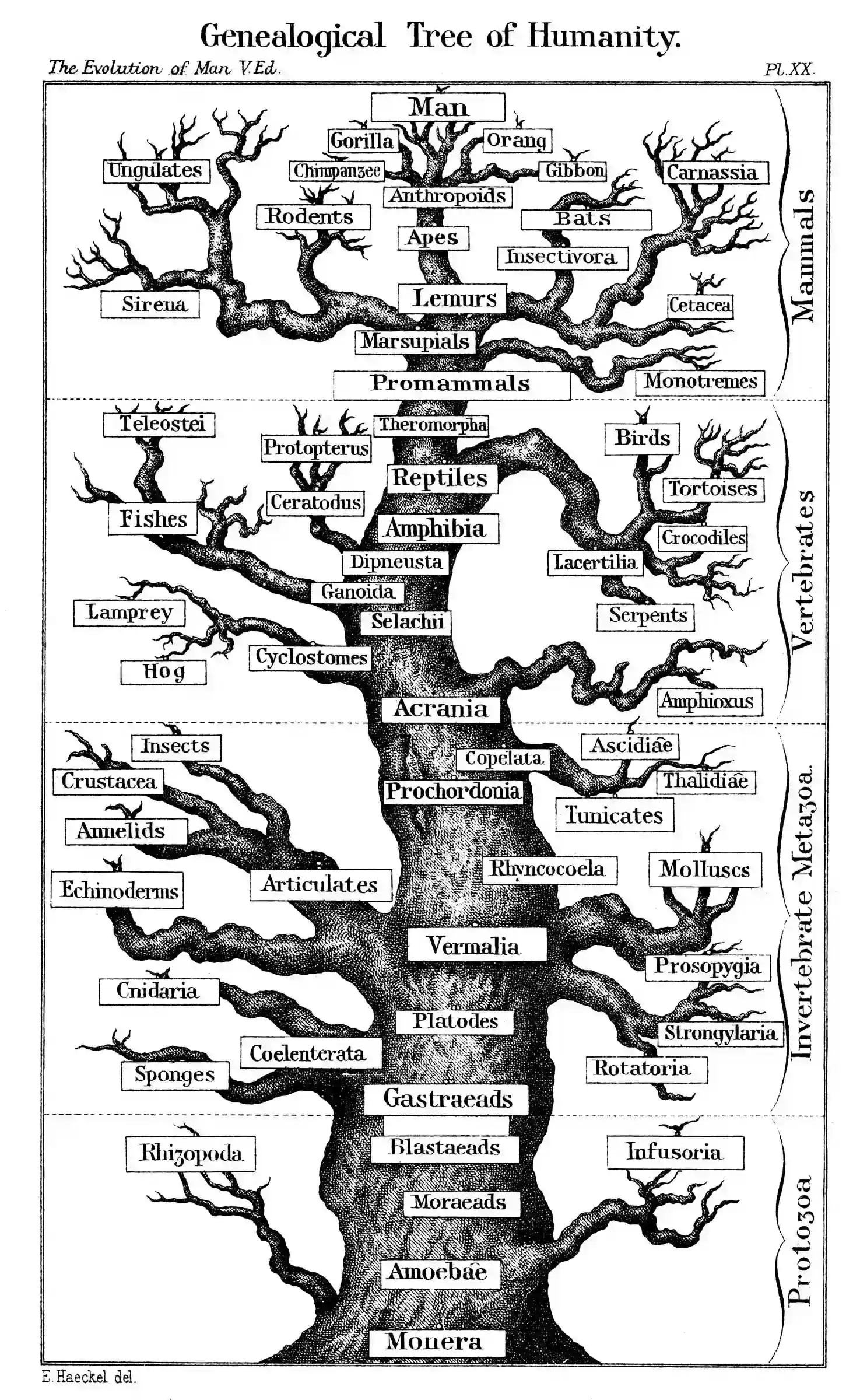
Engagement also means paying attention to how genetic findings are used in public debates. Being wary of simplistic claims that tie complex traits to ancestry lines, or that try to rank populations based on misread genetic data, is one important form of scientific literacy. You can support policies and projects that emphasize ethical standards, especially those that include collaboration with Indigenous and descendant communities whose histories are often at the center of this work. In classrooms, community centers, and online spaces, sharing nuanced stories about human migrations can counter ideas that treat any group as pure, static, or separate from the rest. In the end, recognizing that our DNA carries overlapping, intertwined histories is an invitation to see humanity as a single, sprawling family tree rather than a patchwork of isolated branches.