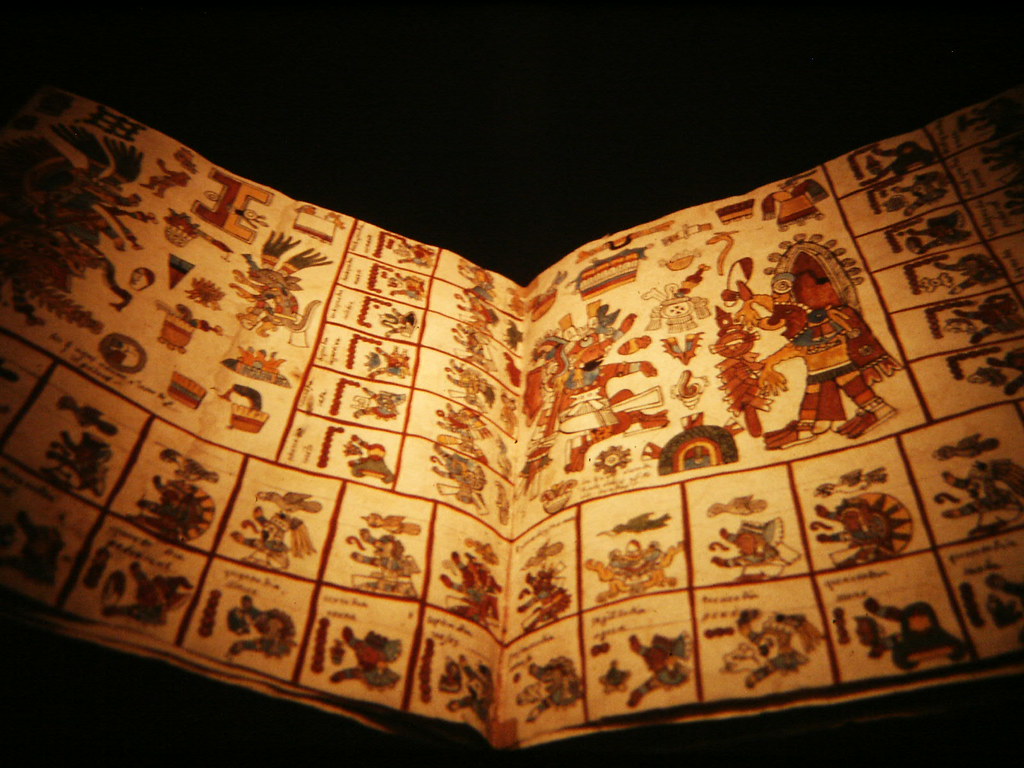
Across deserts, temples, burial caves, and mountain shrines, archaeologists keep stumbling on the same unsettling pattern: the deeper we dig into the ancient world, the less sure we are that we understand how it really worked. For every mystery that radiocarbon dates or DNA sequencing seems to solve, another appears in the form of bizarre objects, inexplicable healing traditions, or rituals that appear oddly precise, almost engineered. Modern science is very good at saying what probably did not happen, but far less confident when asked what exactly did. That gap between what we can measure and what people once believed is where things get fascinating. And in 2025, with satellites scanning buried cities and AI combing through ancient texts, some of the strangest puzzles refuse to budge.
The Sacred Soundscapes: Temples Built to Bend Reality
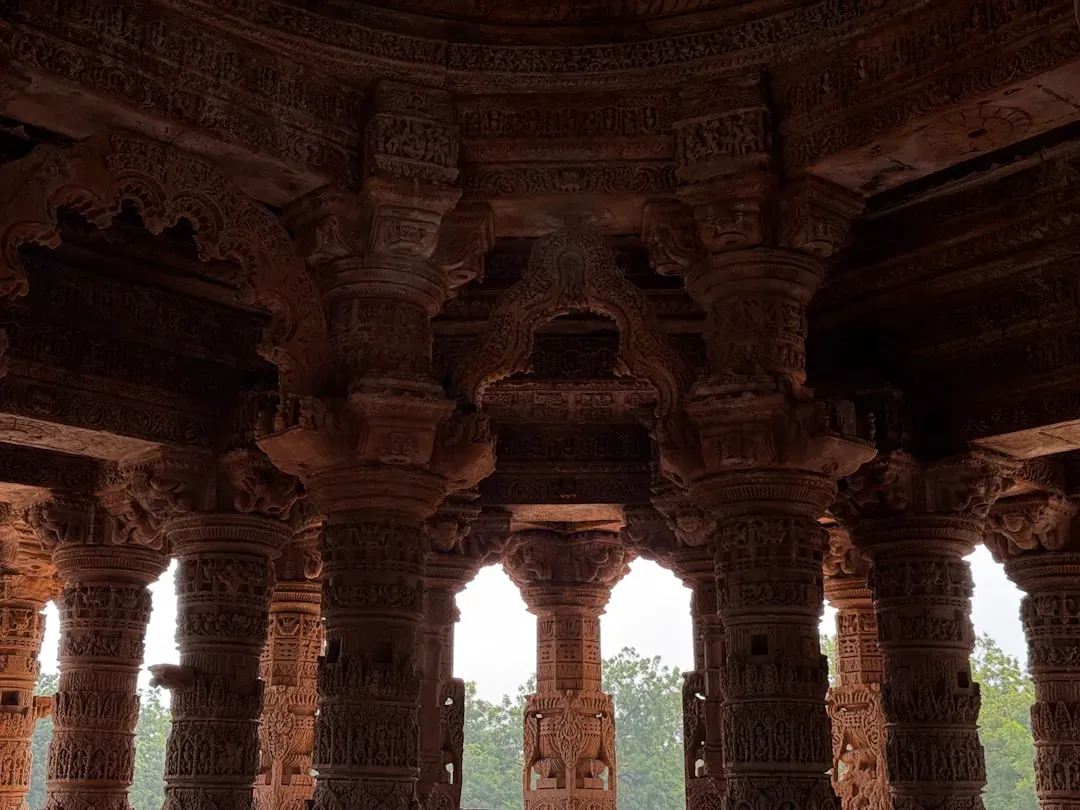
One of the most surprising patterns emerging from archaeological acoustics is just how many ancient ceremonial sites were tuned to sound, almost like instruments. In Neolithic chambers across Europe, in Mayan temples, and at sites like Chavín de Huántar in Peru, researchers have found rooms and corridors that amplify low-frequency vibrations in ways that can trigger chills, dizziness, or a sense of presence. When I first walked into a reconstructed resonant chamber as a reporter, the deep hum made my ribs vibrate and my sense of time slip; it was unnerving, even knowing it was just speakers and stone.
Scientists can model the acoustics, measure reverberation times, and show how chanting or horns would have transformed these spaces into immersive soundscapes. What they cannot answer with confidence is whether this was the result of deliberate engineering over generations or a lucky architectural accident that got woven into ritual stories later. The people who built these spaces left no technical manuals, just myth and iconography. Were they intuitively hacking the human nervous system, exploiting how sound affects the brain’s threat and awe circuits, long before neuroscience existed? For now, the resonance remains both a physical phenomenon and a psychological riddle wrapped in stone.
The Sleeping Oracles: Healing Dreams and Temple Medicine
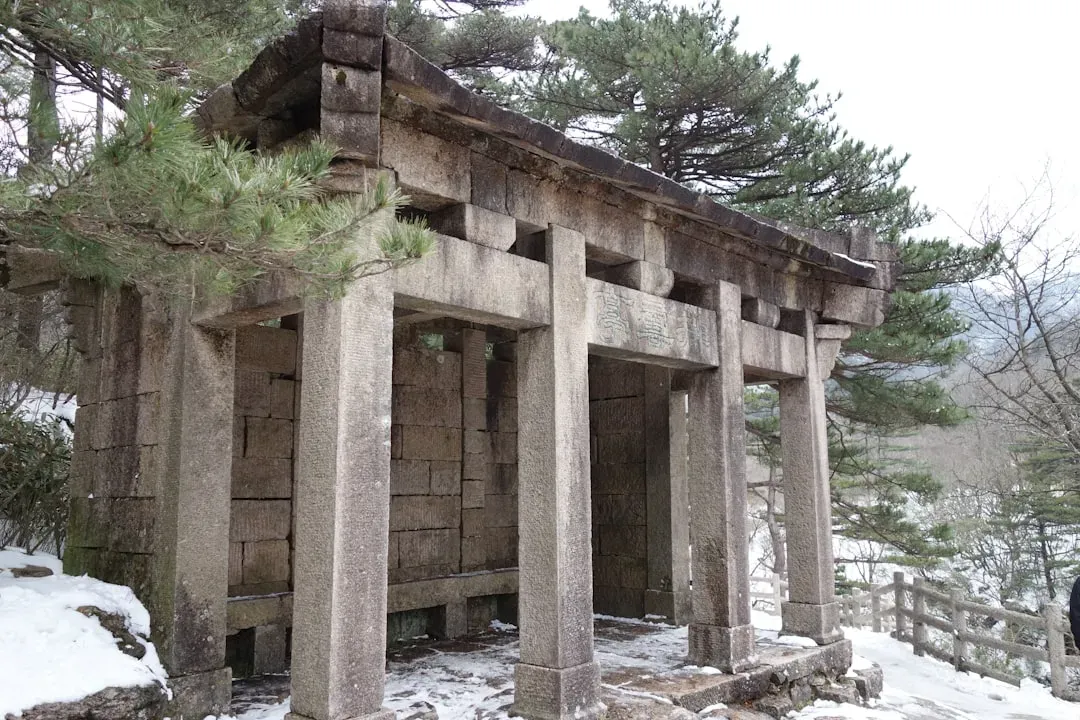
Ancient healing sanctuaries devoted to dream incubation, such as the temples of Asclepius in the Greek world, still haunt modern medical historians. Pilgrims traveled long distances, slept in special halls after ritual cleansing, and reported vivid, often life-changing dreams that they believed came from a healing deity. Some woke claiming to know the cure for their illness, others described symbolic visions that priests then interpreted into treatment plans. Curiously, archaeological digs at these sanctuaries have uncovered both votive offerings shaped like healed body parts and evidence of sophisticated medical procedures.
Contemporary science can map parts of this story onto things we recognize: expectation effects, placebo responses, and the powerful role of context in pain and symptom relief. Sleep and dreams are known to consolidate memory and rewire emotional responses, which could, in some cases, ease certain conditions or change behavior in healing ways. But that does not fully explain why some sanctuaries gained a reputation for astonishing recoveries, while others faded into obscurity despite offering similar rituals. Nor does it explain why the exact blend of belief, architecture, communal experience, and altered sleep in those halls led to outcomes that, even now, seem disproportionately strong in scattered case records. The science of dreaming is advancing, but the specific alchemy of temple sleep remains stubbornly out of reach.
The Burning Bones and Bright Lights: Fire Rituals That Defy Easy Answers
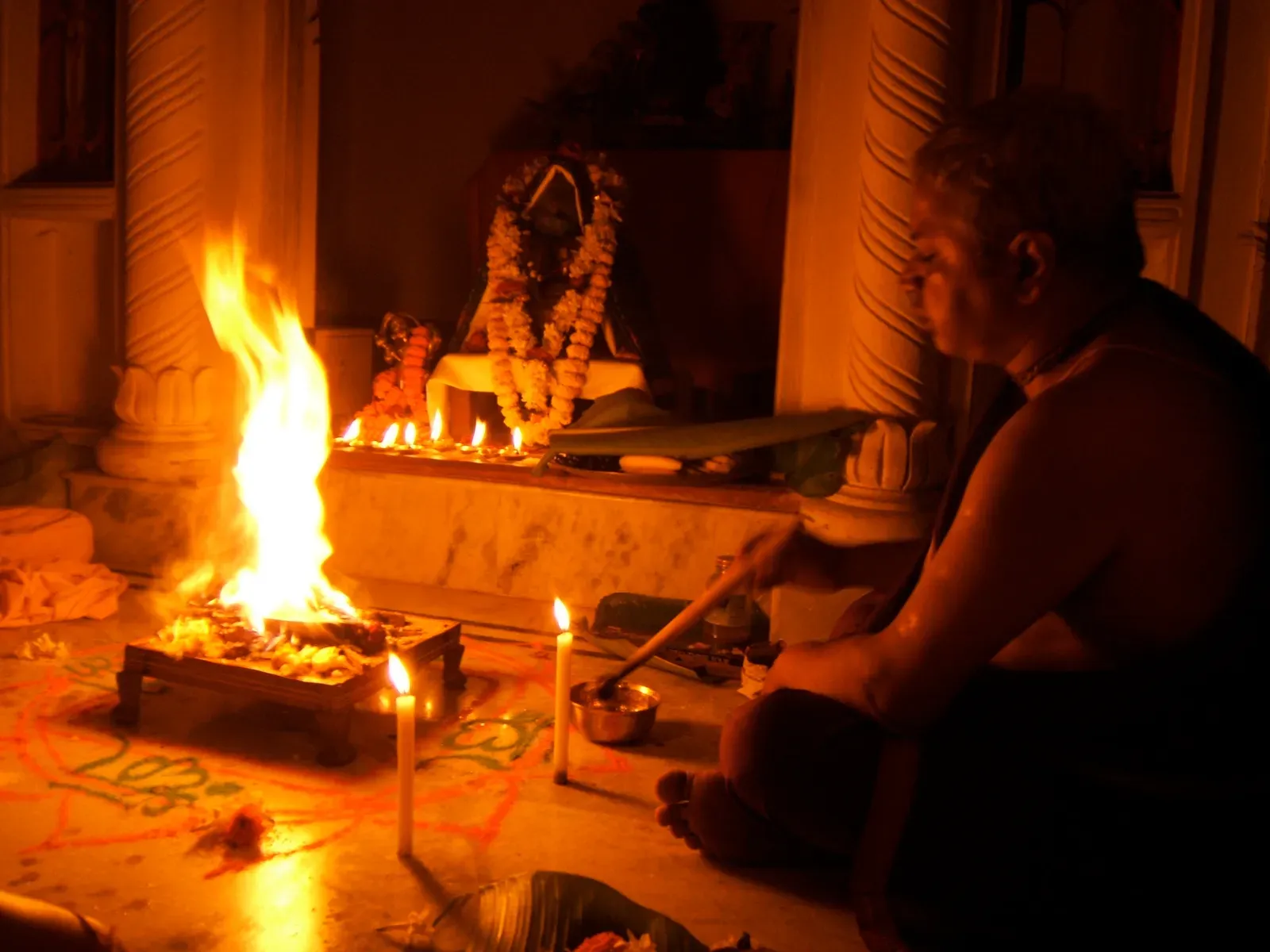
From Bronze Age Europe to the steppes of Central Asia and the highlands of the Andes, archaeologists keep finding remains of elaborate fire rituals that seem to go far beyond simple cremation or cooking. In some sanctuaries, piles of carefully selected animal bones show signs of repeated burning at temperatures that would have been difficult to achieve with simple hearths. In others, traces of resins, herbs, and psychoactive plants suggest that the flames doubled as both offering and mind-altering technology. Anyone who has sat by a bonfire knows how mesmerizing fire can be; now imagine that plus smoke mixtures designed to distort perception.
Modern lab techniques can reconstruct what was burned, how hot, and for how long, even down to the molecular signatures of certain plants. Researchers can show that some resins produce light-scattering smoke or flickering effects that might make participants see halos, glows, or shimmering figures. Yet two big questions linger. First, did ritual specialists intentionally design these experiences to induce specific visions, or did they simply interpret whatever people saw as divine? Second, why do similar fire patterns appear in cultures with no known contact, as if people independently discovered comparable “recipes” for bending perception through heat and smoke? Fire is chemistry we understand well, but the cultural and cognitive choreography around it still escapes clear explanation.
The Impossible Artifacts: Objects That Do Not Fit the Timeline
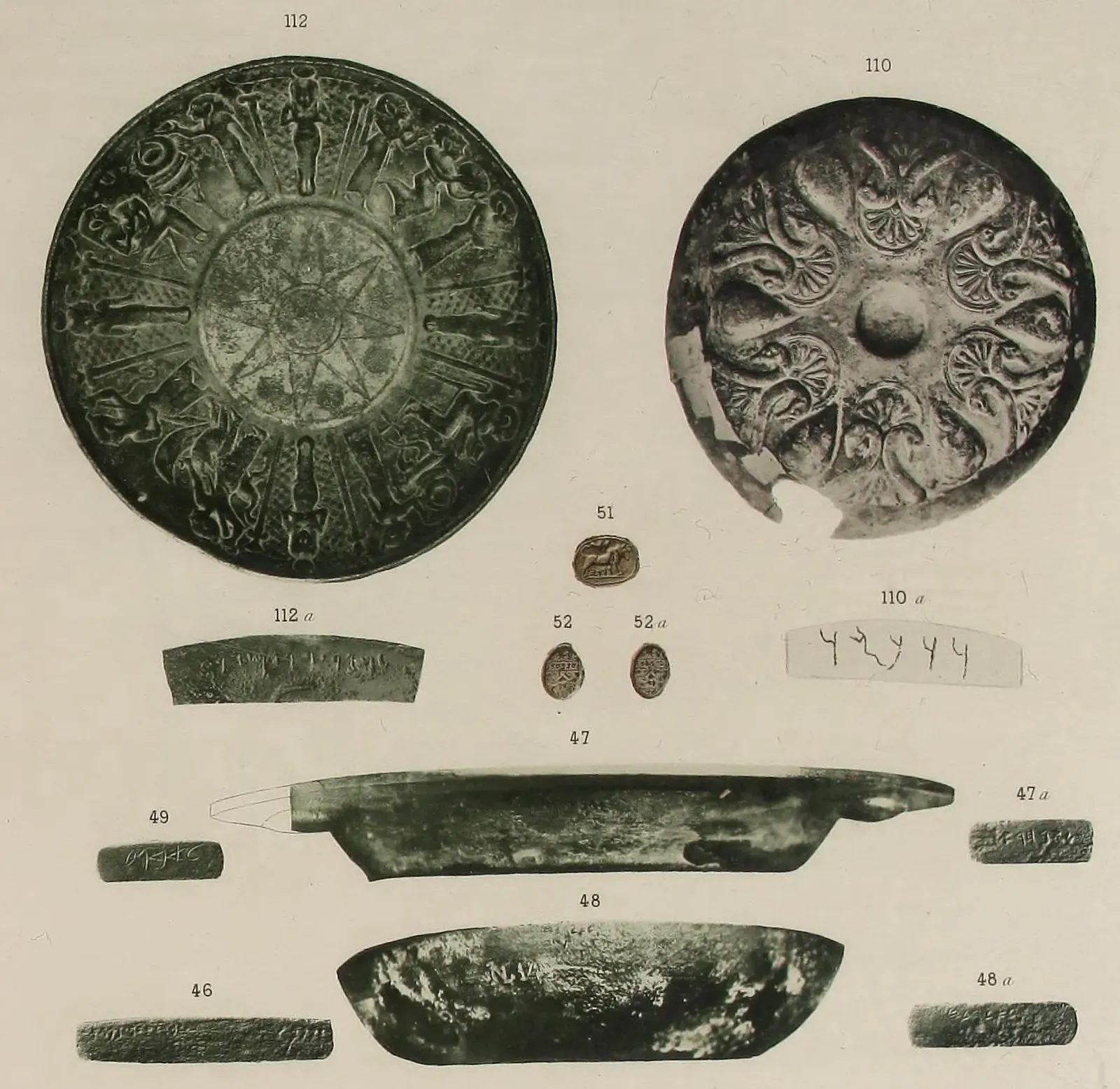
Unexplained objects are where archaeology and imagination often collide hardest. There are artifacts that clearly exist but refuse to sit comfortably in our linear narratives: precision-carved stone spheres in Costa Rica whose original function is still debated, intricate Antikythera-like gear fragments that hint at advanced mechanical thinking in the ancient Mediterranean, and elegantly drilled stone beads from prehistoric sites that would challenge a modern jeweler. These are not evidence of lost super-civilizations, but they do suggest that technological experimentation was messier and more creative than our neat textbook timelines imply.
Material scientists can examine tool marks, model stress patterns, and even replicate some of the techniques with enough patience and experimental archaeology. What they cannot fully pin down is why certain innovations appear in one place and vanish without spreading, or why some capabilities seem to leap ahead of their supposed era and then disappear. Sometimes the objects hint at mathematical knowledge, celestial tracking, or medical precision that feels well ahead of surrounding material culture. At other times, they simply exhibit a level of craftsmanship that would demand enormous time investment for unclear payoff. The result is a troubling thought for any scientist: maybe our current framework of “progress” is too simple to capture how ancient people actually tinkered with knowledge.
The Strange Success of Old Remedies: When Folk Cures Outrun the Data
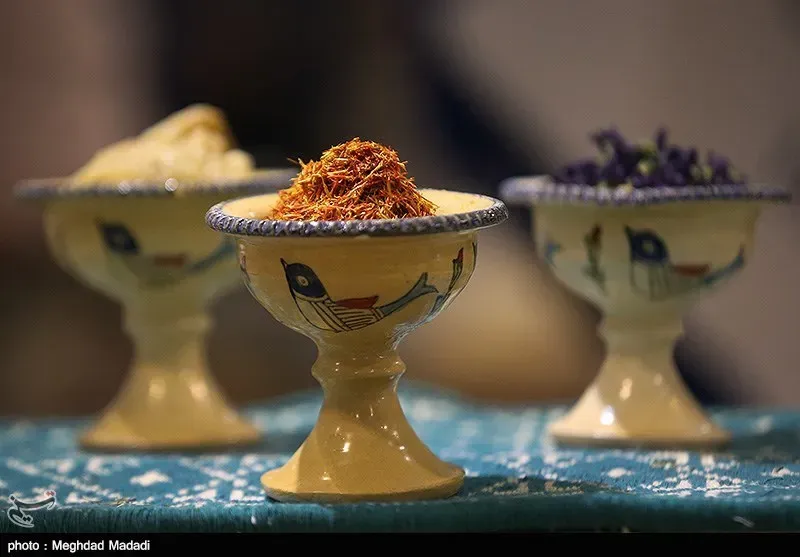
Walk into a modern pharmacology lab and you will see a quiet, ongoing admission: many of today’s drugs trace back to plants and mixtures first used in ritual or folk medicine. Willow bark poultices long preceded aspirin, and certain Amazonian brews anticipated complex pharmaceutical combinations that modern chemists only later decoded. What troubles researchers now are the remedies that appear to work in controlled conditions, but for reasons nobody can quite pin down. Some traditional poultices show real antimicrobial activity, yet the active component is hard to isolate. Others seem to influence inflammation, mood, or gut health, but the effect vanishes when ingredients are separated.
Recent studies of multi-herb formulas, for example in traditional Chinese or Ayurvedic medicine, have found that their impact may depend on a fragile interplay of dozens of compounds. A single plant might modulate how another is absorbed, or alter the gut microbiome in ways that cascade across multiple systems. From a purely reductionist standpoint, this is maddening: science is built to isolate variables, yet these mixtures only make sense as networks. Even more perplexing are remedies tied to specific rituals – chants, timings, or taboos – that, in some trials, seem to change outcomes, possibly through expectation, stress reduction, or group support. The line between chemistry, culture, and belief gets blurry, and modern models are not always subtle enough to track what is truly going on.
Why It Matters: The Limits of the Lab and the Shape of Human Knowledge
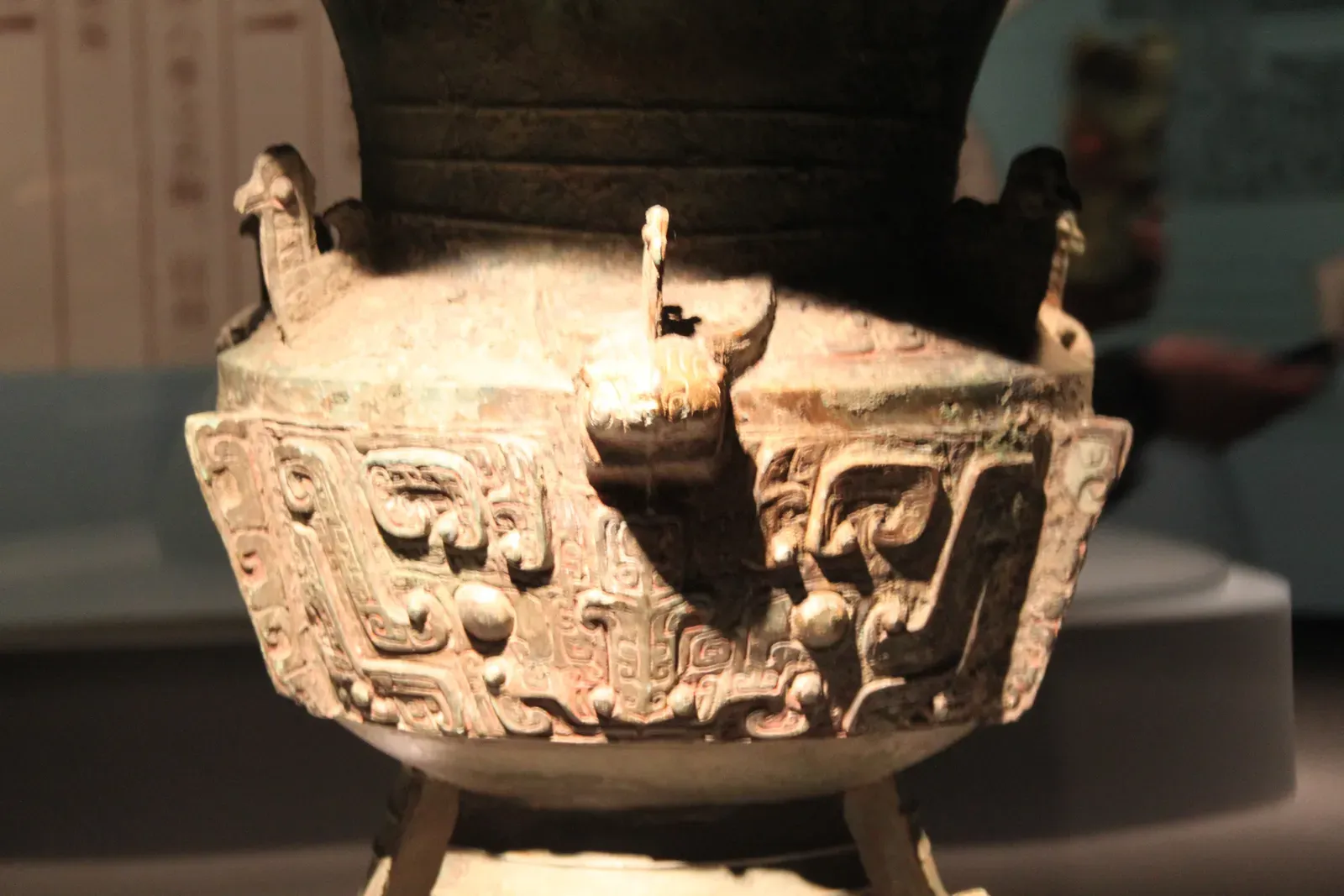
It is tempting to relegate all of this to the realm of charming curiosities, but that would miss the point. These rituals, objects, and beliefs are not just ancient oddities; they are data points from long-running human experiments in how to shape minds, bodies, and environments. When modern science bumps into something it cannot fully explain – like a strangely effective remedy or a temple that manipulates perception – it exposes the edges of our current methods. We know a great deal about molecules, neurons, and isotopes, but much less about complex, long-term interactions between belief, behavior, ecology, and technology.
Comparing lab-based approaches with these old-world systems highlights a stark contrast. Laboratory science excels at short, tightly controlled snapshots, while many ancient practices were more like centuries-long field experiments conducted in real communities. That does not make traditional knowledge automatically correct; plenty of old ideas are wrong or even dangerous. But it does mean that dismissing everything that does not fit a clean causal diagram is a quick route to missing valuable clues. These mysteries matter because they force scientists, historians, and clinicians to ask harder questions about what counts as evidence, whose knowledge is preserved, and how many promising ideas were lost simply because they did not fit the frameworks of their time – or ours.
From Ancient Tools to Emerging Technologies: A Future Built on Old Mysteries
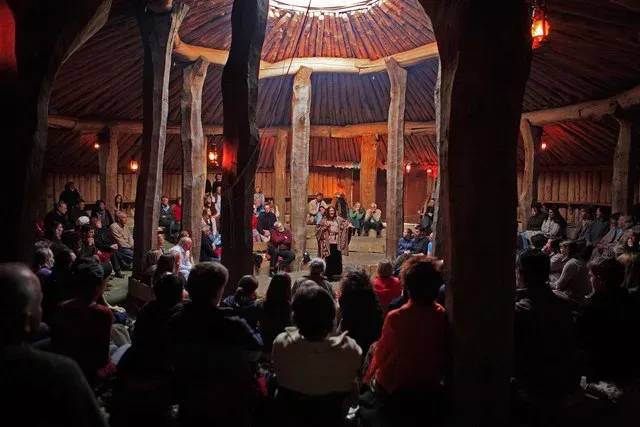
The same technologies reshaping modern science are now being aimed like spotlights at these ancient puzzles. High-resolution 3D scanning lets researchers reconstruct collapsed temples and simulate how sound, light, and crowds moved through them, revealing design patterns that were invisible in scattered ruins. Portable spectroscopy can analyze residues on artifacts in the field, helping scientists identify forgotten plant species or mineral mixtures in ritual objects. Machine learning systems are being trained on thousands of fragments of texts, inscriptions, and artifacts, searching for patterns that human scholars might miss.
Yet every new tool brings fresh complications. If an AI flags a recurrent combination of herbs in healing texts from different cultures, does that prove an underlying pharmacological truth, or just a cultural bias in what scribes chose to record? Satellite and lidar imaging are uncovering sprawling, previously unknown ritual landscapes hidden under forests and deserts, dramatically expanding the sample size of shrines, altars, and processional routes. But more data does not automatically equal more understanding; we still have to interpret why people gathered, what they felt, and how they explained it to themselves. The global implications are significant: as climate change, biodiversity loss, and mental health crises intensify, old practices that managed resources or emotions in durable ways might inspire new approaches – if we can decode them in time.
The Hidden Clues in Everyday Life: How Readers Can Engage With the Mystery
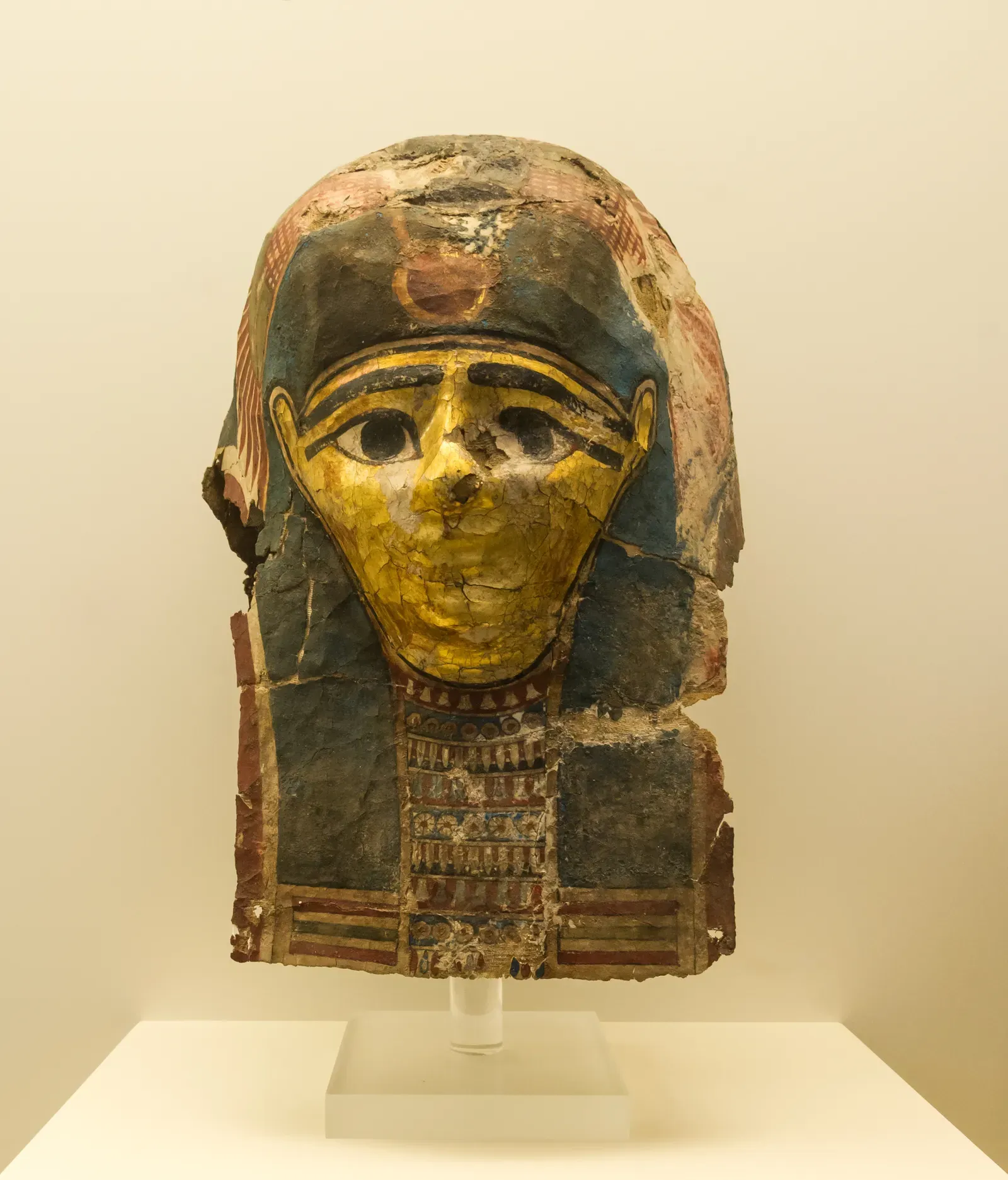
For most of us, these questions show up less in excavation trenches and more in small, personal choices about what we take seriously. Paying attention to where modern medicine already collaborates with traditional knowledge – such as plant-derived cancer drugs or mindfulness practices tested in clinical trials – can shift how we think about old rituals. Instead of seeing them as superstition versus science, it becomes easier to view them as early, messy prototypes in humanity’s ongoing R&D process. Visiting museums, archaeological sites, or even community herb gardens with this mindset turns glass cases and labeled stones into clues about experimental cultures, not just relics.
On a more practical level, readers can support projects that try to bridge these worlds rather than erase one in favor of the other. That might mean backing interdisciplinary research, Indigenous-led conservation of ritual landscapes, or open-access databases that preserve traditional medical knowledge before it disappears. It also means cultivating a kind of informed humility: asking how we know what we think we know, and where the blind spots might be. The next time you hear about an ancient cure, a bizarre relic, or a temple aligned with stars and sound, it might be worth pausing before reaching for the easy explanation. What if the strangest thing about the ancient world is not how little they knew, but how differently they experimented with what they had?