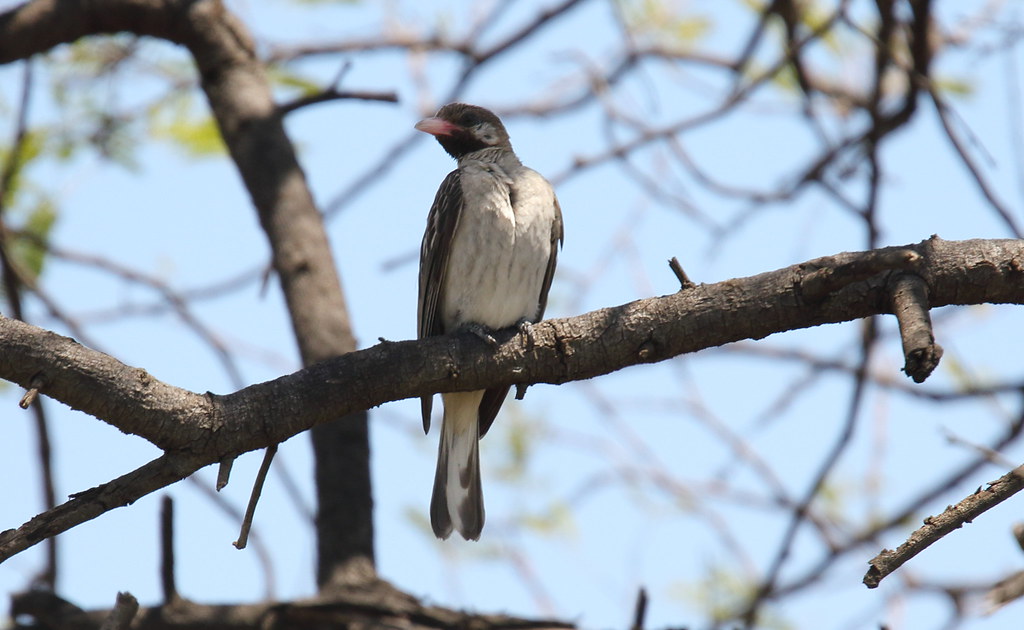
Walk through a forest, dive on a coral reef, or stare at a rocky cliff, and there is a good chance something is staring back at you that you simply cannot see. For scientists, that is both a thrilling and frustrating reality: nature has perfected optical illusions long before humans invented holograms or stealth technology. In recent years, biologists armed with high-speed cameras, hyperspectral sensors, and computer vision have begun to decode how animals pull off these disappearing acts. What they are finding is not just clever color matching, but dynamic, brain-driven strategies that bend light, hijack predator psychology, and even weaponize shadow. These are not just cute animal tricks; they are survival systems tuned by millions of years of evolution – and they are now inspiring everything from military design to next‑generation wearable tech.
The Leaf That Watches You: Pygmy Seahorses and Perfect Background Matching
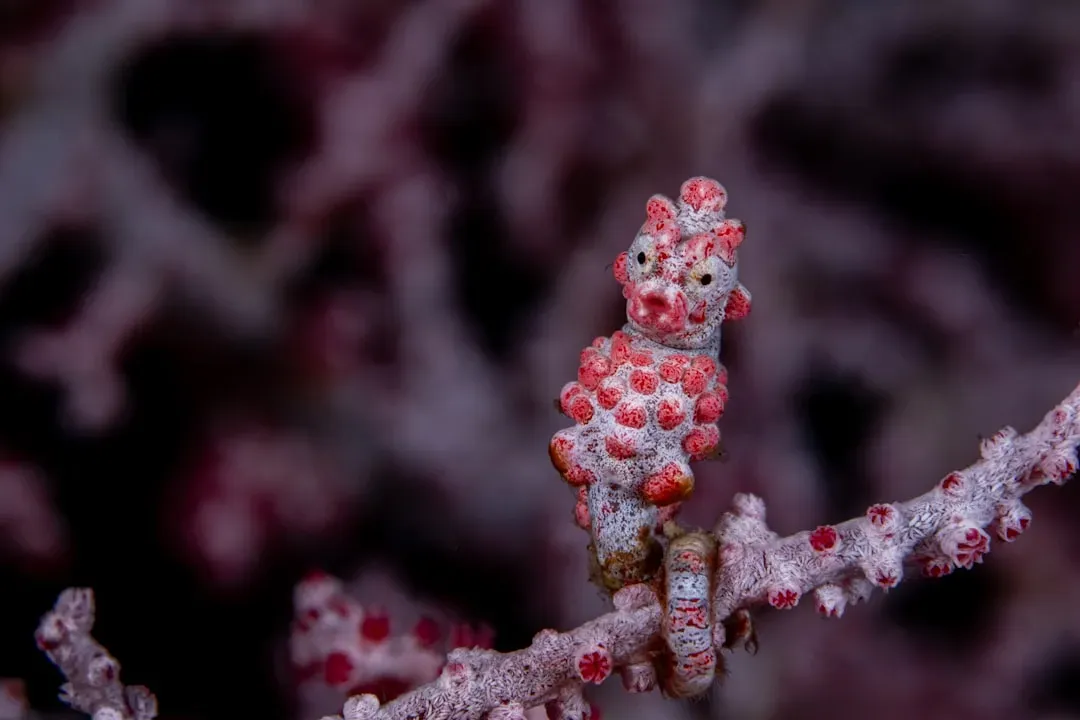
Imagine trying to hide on a patterned couch by painting your skin to match every swirl and stitch, right down to the tiny imperfections – this is more or less what pygmy seahorses do on coral reefs. Barely longer than a paperclip, these fish cling to gorgonian sea fans and grow bumps, or tubercles, that copy the coral’s exact size, shape, and color. To the untrained eye, a living seahorse on its home coral looks like a missing puzzle piece snapped perfectly into place. Dive photographers often spend entire air tanks focusing on one fan before realizing three or four seahorses were in their frame the whole time. Even predators that hunt by scanning for movement struggle, because the seahorses sway in sync with the coral branches like underwater leaves in a current.
Researchers have found that baby pygmy seahorses do not start out perfectly matched; they adjust their color and ornamentation after settling on a specific coral host. That suggests they are not just genetically pre‑painted, but developmentally flexible, fine‑tuning their camouflage to a local environment in real time. It is a sophisticated, slow-motion magic trick: pick a stage, become the stage, and then stay very, very still. For evolutionary biologists, these tiny fish are a case study in how extreme specialization can emerge when a predator’s gaze becomes the ultimate selective force. On a crowded reef pulsing with movement and color, the greatest defense is to become just another unremarkable detail in the background wallpaper of life.
The Shifting Skin Screens of Cephalopods
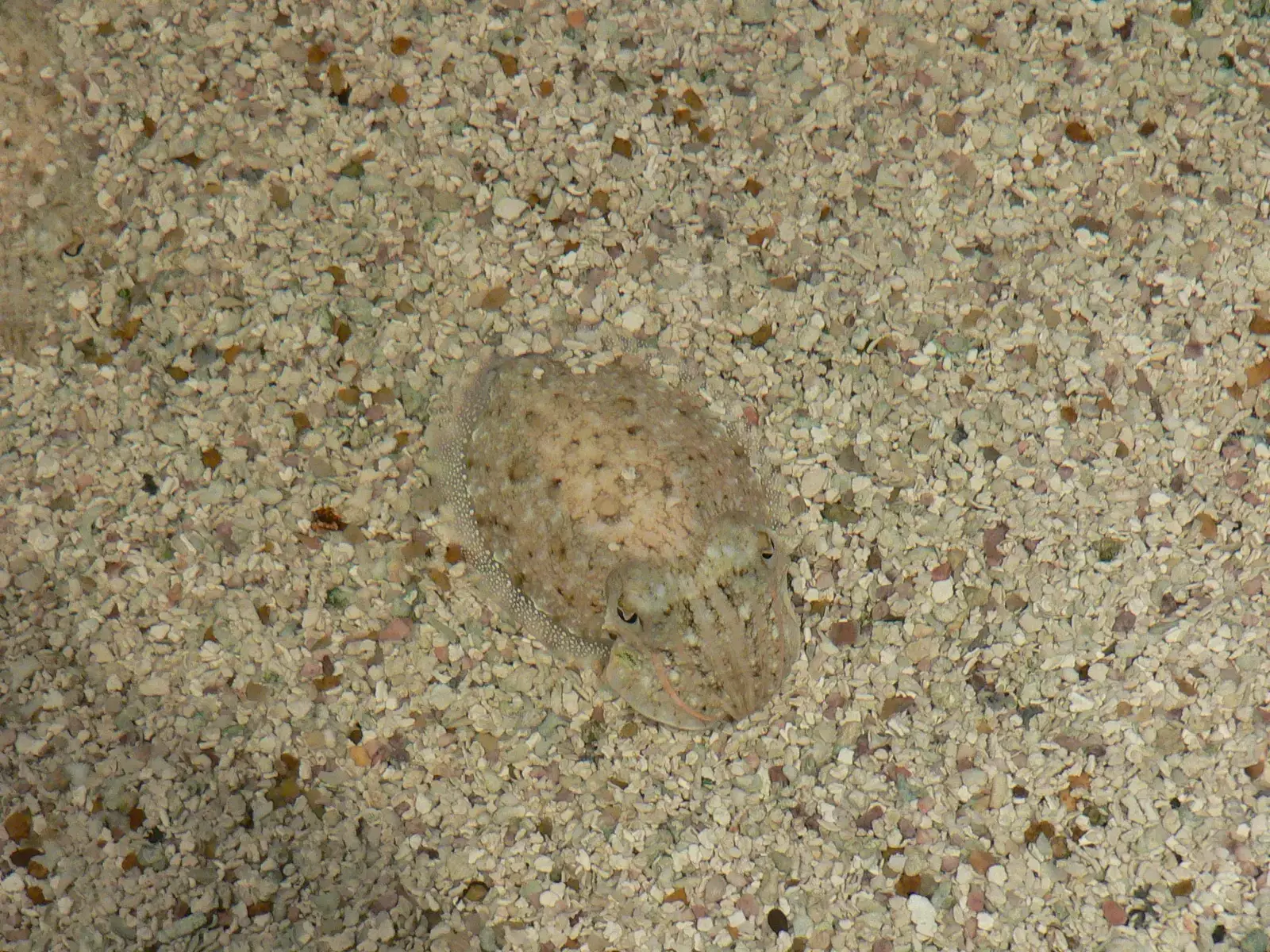
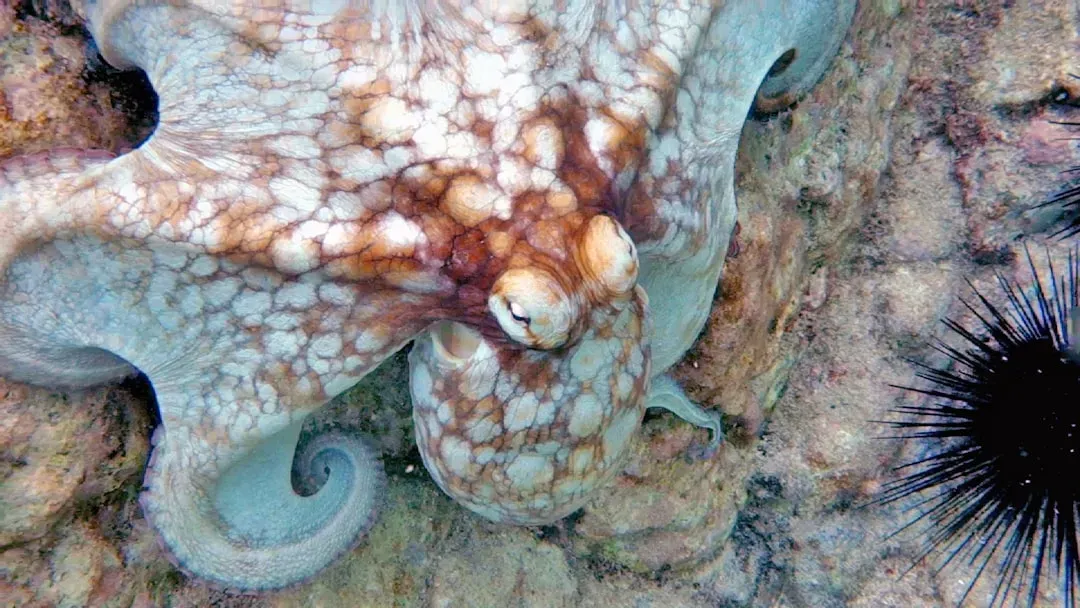
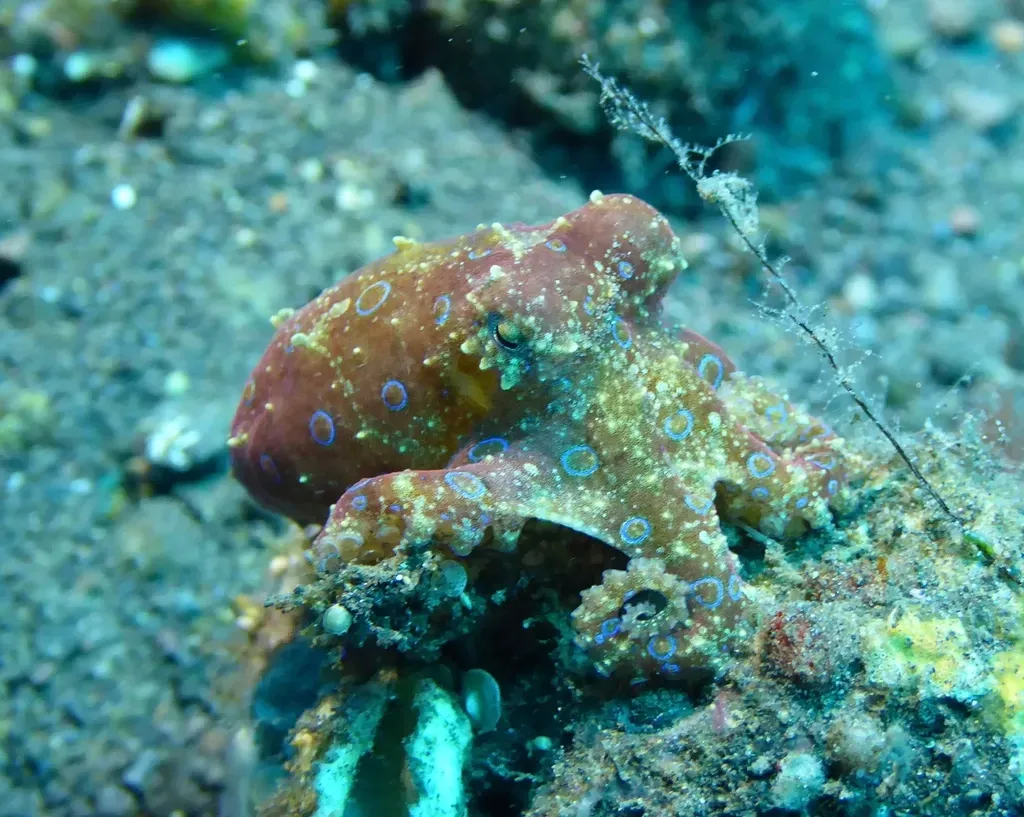
Cephalopods – the group that includes octopuses, cuttlefish, and squid – have turned their whole bodies into living high‑resolution screens. Their skin is packed with millions of pigment sacs called chromatophores that expand and contract like microscopic umbrellas, changing color in fractions of a second. Beneath those are iridophores and leucophores, structures that reflect and scatter light to create iridescent or matte effects, a kind of biological layering system that would make a graphics designer jealous. When a cuttlefish settles on a pebbled seafloor, it can conjure patchy blacks, browns, and beiges that line up eerily well with individual stones, even though it is technically colorblind. The animal is not seeing color the way we do; instead, it seems to read patterns, brightness, and texture and then translate that into a whole‑skin response.
In some experiments, scientists place cuttlefish on bizarre artificial backgrounds – checkerboards, stripes, even cartoonish shapes – and the animals still throw up plausible camouflage patterns. Their brains appear wired with a library of basic templates they can remix on the fly, less like a painter starting from scratch and more like a photo editor dropping filters and overlays. This rapid, programmable invisibility has captured the attention of engineers working on adaptive camouflage fabrics and vehicle coatings. The dream is to build materials that rearrange color and reflectivity as fluidly as a cuttlefish morphs from rock to sand to seaweed. For now, cephalopods remain the undisputed masters of real‑time camouflage, living billboards that can vanish at will and then reappear in a burst of color when it is time to communicate or threaten.
The Shadow Eaters: How Flatfish Rewrite the Rules of Light
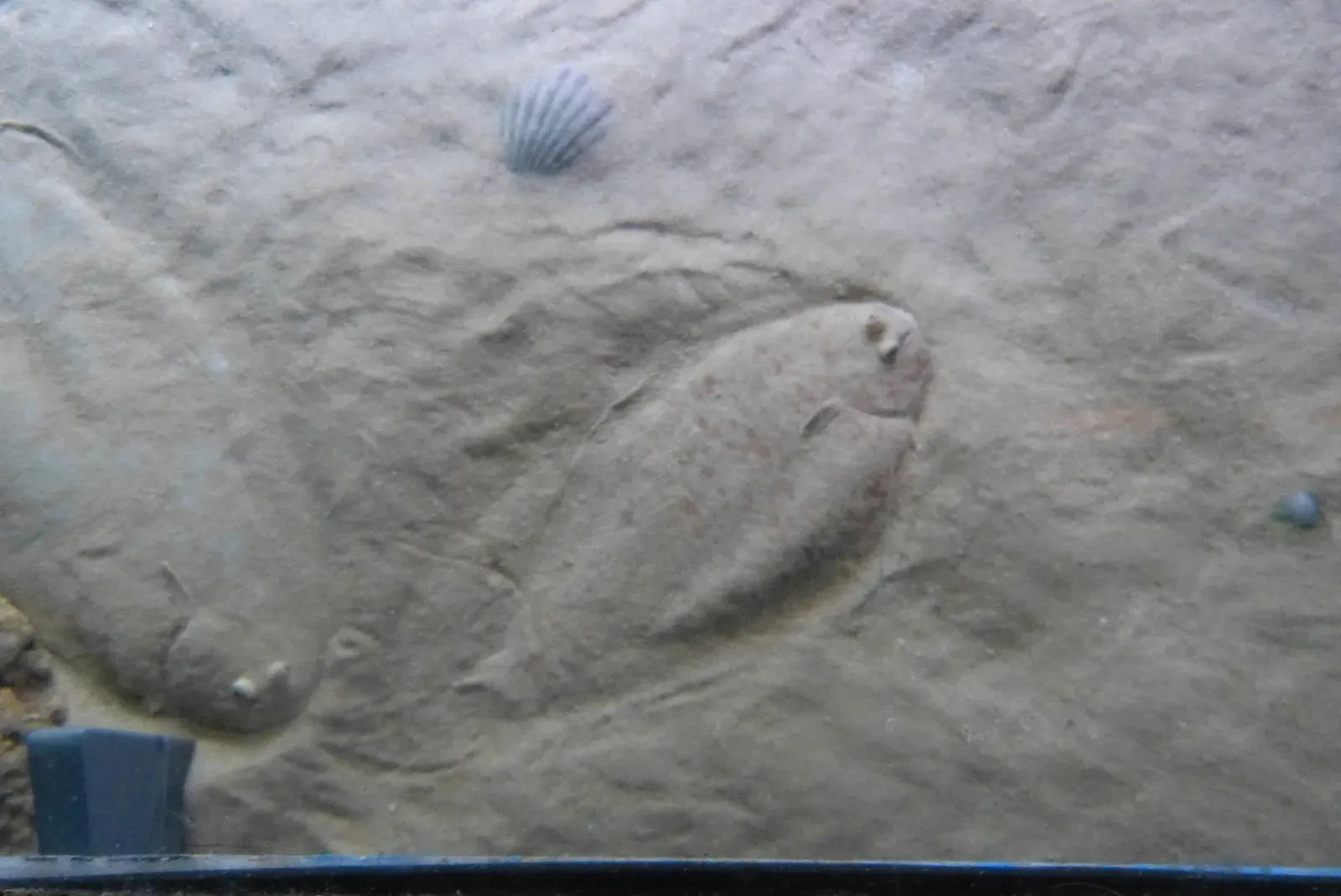
Flatfish like flounders and soles specialize in one of the hardest problems in camouflage: not just matching color, but erasing the telltale shadows that give a body away. If you lie on the sea floor, light from above should create a dark outline where your body blocks it, a dead giveaway to any passing predator. Yet divers often describe looking straight at a flatfish that only reveals itself when it darts up and leaves a perfect fish‑shaped hollow in the sand. These animals partly solve the shadow problem by literally burying themselves, flicking sand over their backs with subtle fin movements until only their eyes protrude. Their skin then adjusts to mimic the speckling and shading of the sand, so what little remains visible blends seamlessly with the sea floor.
What makes flatfish especially astonishing is how quickly they can tune their appearance to different bottoms – from pale sand to gravel to darker mud. Under controlled lab lights, they alter their intensity and pattern in just minutes, driven by hormones and neural signals linked to what their eyes perceive. It is as if they constantly run a feedback loop: see the world, measure how conspicuous they are, and nudge their pigmentation until they drop below a predator’s detection threshold. Military researchers looking at how to reduce the visual signature of vehicles and drones often study flatfish as living models of passive stealth. While humans struggle to build coatings that handle multiple lighting angles, these fish quietly solve the problem with skin, sand, and a lifetime of evolutionary tinkering.
The Living Lichen: Ghost Mantis and the Art of Disguise
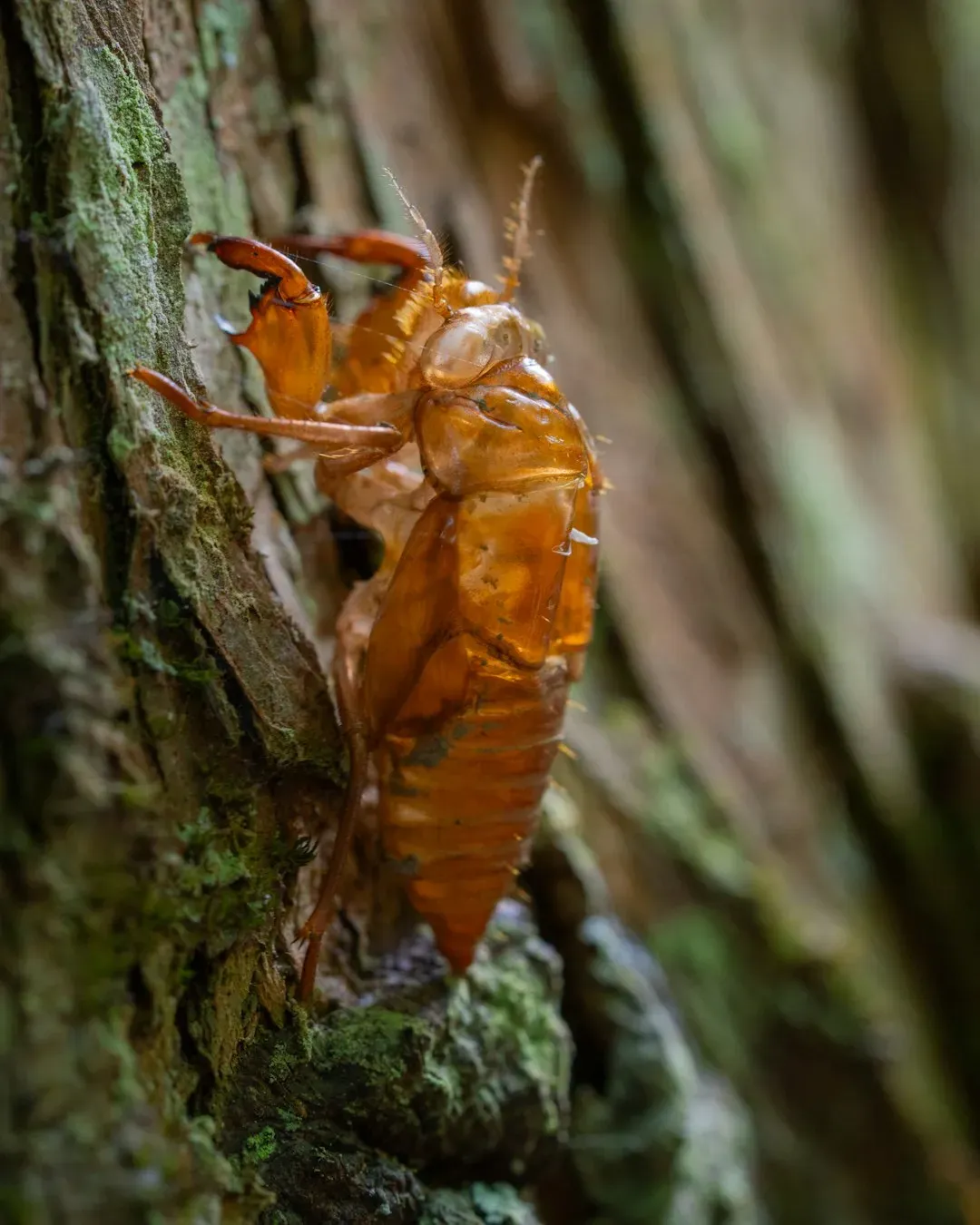
On dry branches in African woodlands, ghost mantises hang like shriveled leaves that somehow resisted decay, motionless except for a gentle sway in the breeze. Their bodies are twisted into jagged edges and curled tips, painted in mottled browns, greens, and grays that mimic dried foliage and lichen. Look closely and you see rough, flaking textures along their legs and abdomen that break up their outline into shaky fragments. To an insect passing by, there is simply no coherent “mantis” shape to detect – just more plant debris lost in a messy background. This is camouflage not just as color copying, but as a full‑body performance of being dead, unimportant matter.
These mantises hold their cover even while hunting, waiting for hours until an unsuspecting fly or beetle wanders into range. When they strike, the transformation from plant to predator is sudden and violent, and then they slip back into frozen stillness as if nothing happened. Entomologists studying them point to a crucial idea: camouflage can exploit the brain’s tendency to ignore clutter. By exaggerating irregular shapes and “ugly” textures, ghost mantises hide in plain sight, leaning into the visual noise of the forest floor. In a way, their strategy resembles some human urban camouflage in which sharp edges and disruptive patterns break the useful silhouette of a soldier or vehicle. Their genius is in weaponizing the messy, overlooked corners of the natural world.
The Frozen Stare: Owls That Vanish Into Trees
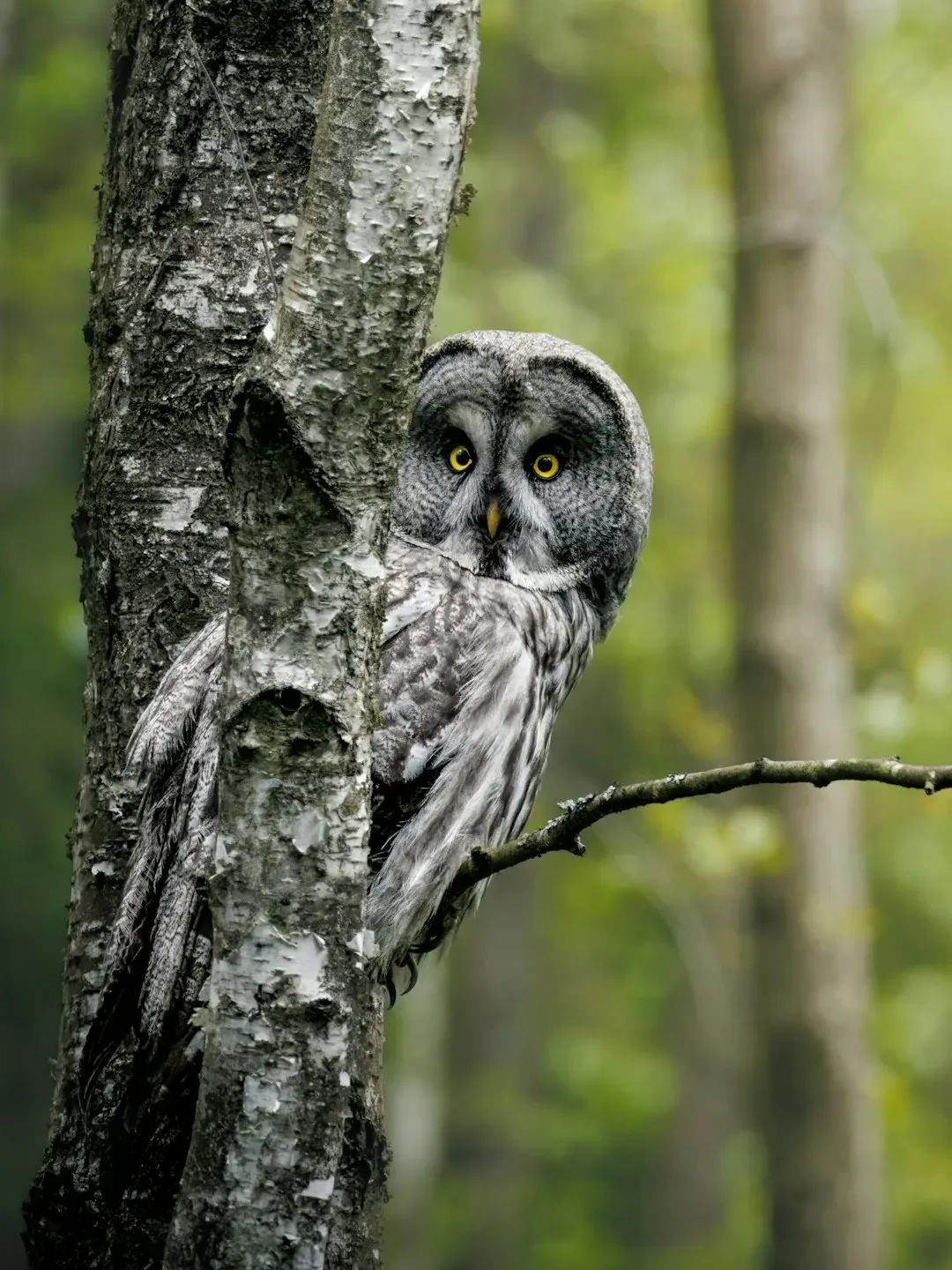
If you have ever walked through woodland and felt the uncanny sensation of being watched, only to spot an owl that seems to materialize from the bark, you have experienced one of nature’s most unsettling camouflage tricks. Species like the Eastern screech owl or the tawny owl align themselves vertically along tree trunks, compressing their feathers and stretching their bodies into slim, bark‑like columns. Their plumage carries streaks, flecks, and subtle color shifts that match lichen patches, cracks, and shadows in the bark. At a distance, the bird’s outline dissolves, and all that remains are those round, reflective eyes, which may close or half‑close if a threat approaches. The effect is eerie: an entire predator disappears except for a gaze.
Owls pair this visual disguise with a behavioral one: when alarmed, some will adopt a “slim pose,” pulling in feathers and swaying so they more closely resemble a swaying branch. Field biologists have documented cases where even experienced observers walked within arm’s length of a roosting owl without noticing it. For small mammals and songbirds, that failure of detection can be the difference between life and sudden, silent death. The owl’s tree‑trunk mimicry has intrigued vision scientists who study how animals and humans recognize shapes against busy backgrounds. By understanding how these patterns defeat our pattern‑recognition systems, researchers hope to fine‑tune computer vision algorithms that can better detect hidden structures in satellite imagery, medical scans, or low‑light environments.
The Transparent Tricksters: Glass Frogs and Vanishing Bodies
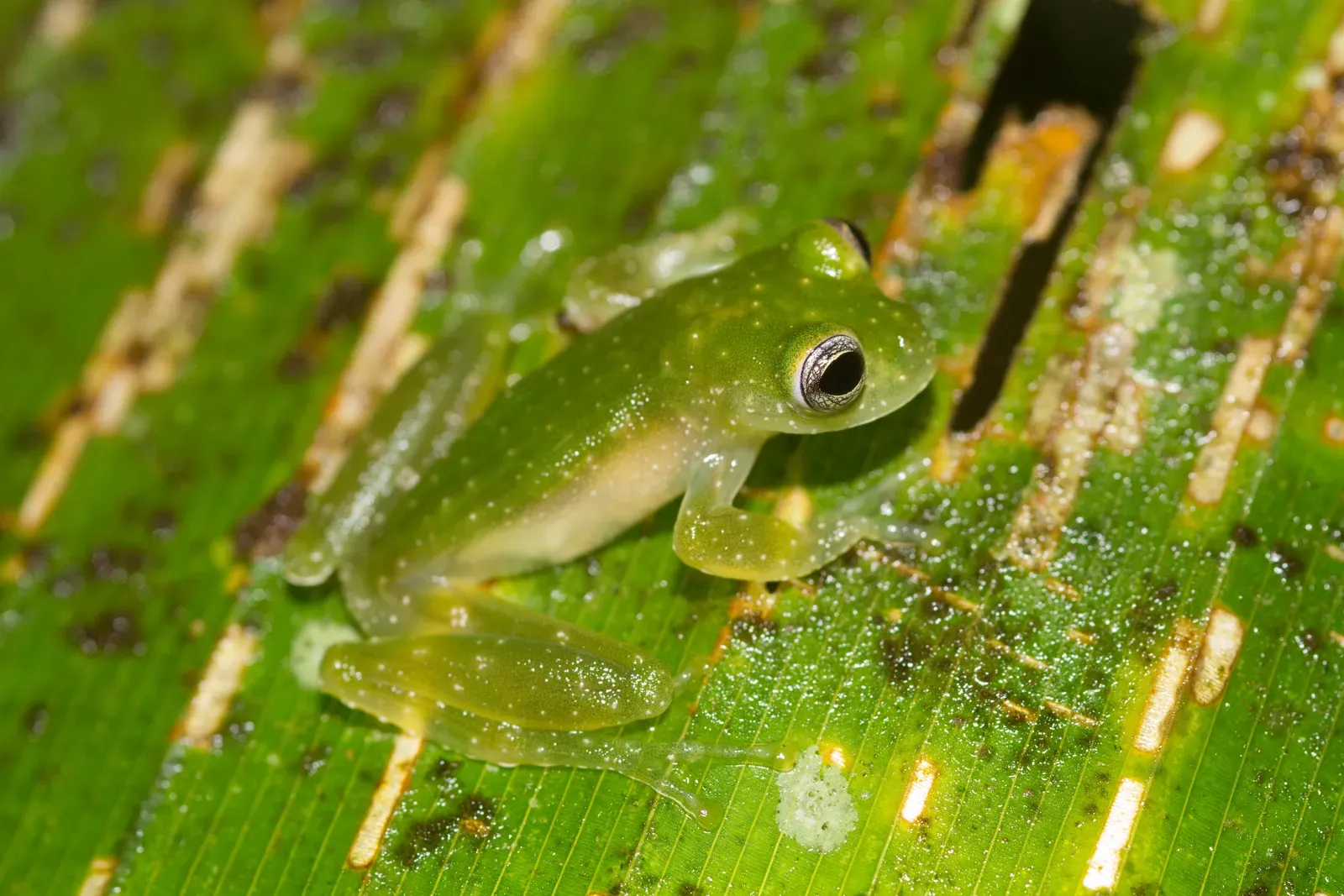
While many animals hide by blending into their surroundings, glass frogs of Central and South American rainforests take a radically different approach: they become see‑through. Their bellies are so transparent that you can literally see their beating hearts and coiled intestines when they rest on leaves. From below, a predator looking up at a frog against the sky or canopy does not see a solid object that blocks light; instead, much of the frog’s body lets light pass through, softening its edges. That transparency acts like a visual fade‑out, reducing the contrast that would normally betray a small animal sitting still on a leaf. The frog’s greenish back fills in the rest of the illusion, echoing leaf color just enough to complete the trick.
Recent research suggests that this partial transparency may reduce the apparent outline of the frog by a noticeable fraction, especially around its limbs, which are often the first parts predators notice. It is like blurring the edges of a photo until your subject merges more gently with the background. Biologists are fascinated by how glass frogs manage this feat at the cellular level, rearranging blood and pigments while apparently still getting enough protection from ultraviolet light and infections. Their unique strategy has caught the attention of materials scientists exploring semi‑transparent coatings and sensors that need to be unobtrusive yet functional. In a world where humans are constantly trying to hide devices in plain sight, these delicate amphibians offer a blueprint for becoming less visible without fully disappearing.
The Living Ant Trails: Spider Mimics That Hack Predator Psychology
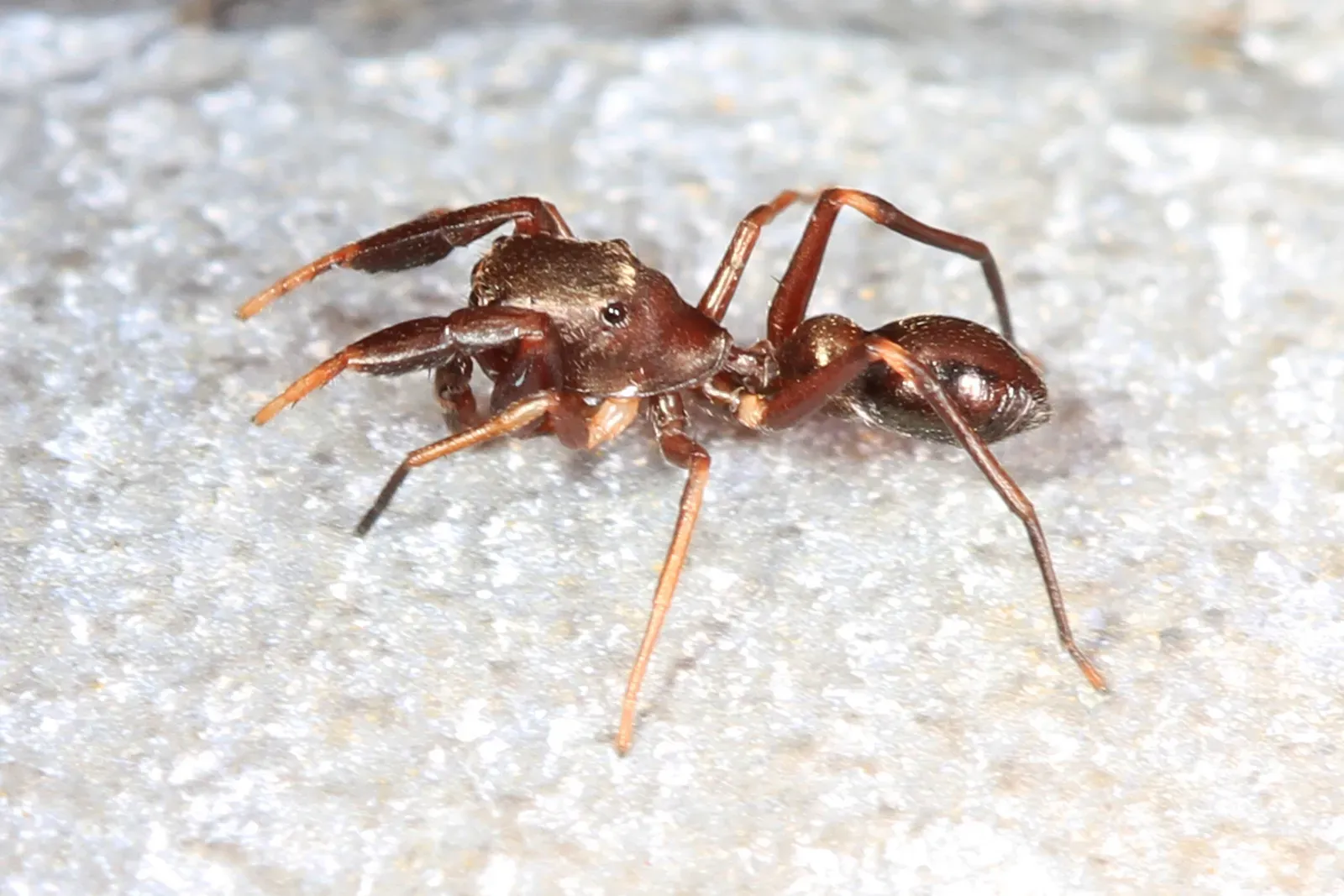
Some camouflage is about matching rocks or leaves; spider ant‑mimics take it a step further by imitating other animals that predators avoid. In tropical forests, certain jumping spiders evolve slim bodies, dark segmented patterns, and jerky walking styles that strongly resemble aggressive ants. They even hold their front legs aloft like antennae, selling the illusion to any predator glancing quickly their way. To a lizard or bird that has learned the hard way that ants can bite, sting, or swarm, this false identity is a powerful deterrent. The spider, which would otherwise be a snack, borrows the ant’s reputation and walks relatively unbothered through dangerous territory.
What makes this trick especially astonishing is how detailed the mimicry can be. Some species match not only color and body shape but also the rhythm of ant movements and, in a few cases, the social cues of ant trails. Behavioral ecologists use these spiders to study a concept known as “perceptual exploitation,” in which an animal taps into the expectations that another animal’s brain already has about certain shapes and motions. Rather than simply vanishing, the spiders redirect a predator’s recognition system down the wrong path, like a visual con artist. Their success hints at how powerful behavior can be as part of camouflage, and it challenges the simplistic idea that color alone defines whether something blends in or stands out.
Why These Camouflage Tricks Matter Far Beyond the Wild
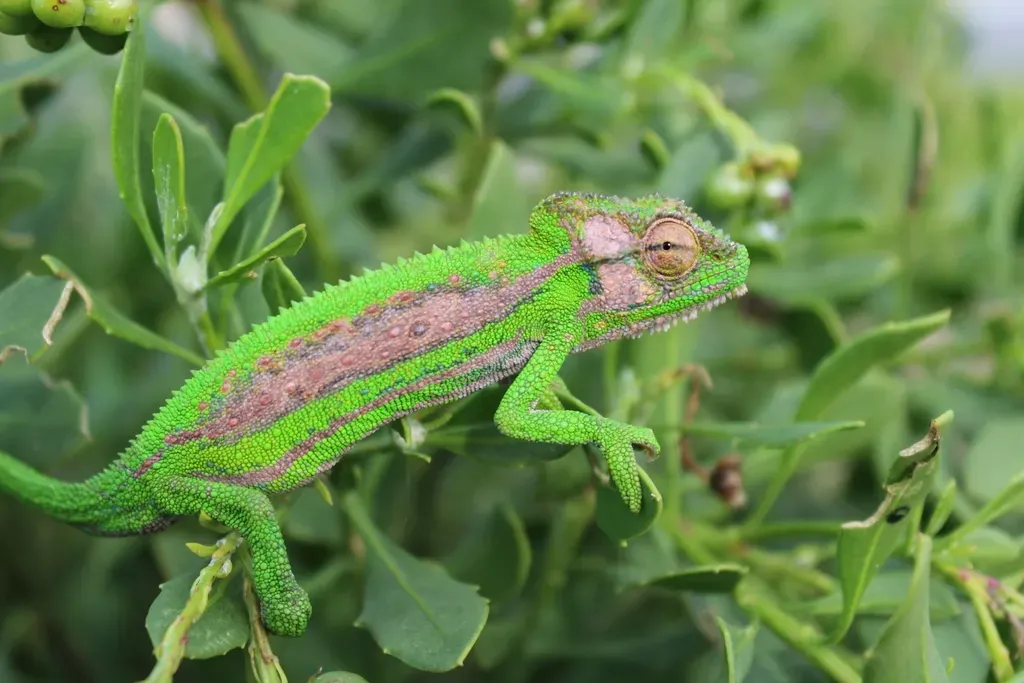
It might be tempting to treat these disappearing acts as charming curiosities, but they speak to deep principles that matter in human technology and safety. Many traditional camouflage efforts, from early military uniforms to basic hunting gear, focused largely on color matching – swapping bright hues for dull greens and browns. Nature shows us that this is only the beginning: texture, movement, transparency, and even social mimicry all play crucial roles. When glass frogs blur their outlines or flatfish erase their shadows, they are solving the same problems that engineers face when trying to hide drones from radar, robots from cameras, or instruments from wary wildlife. The difference is that evolution had millions of years to iterate; we are relative newcomers clumsily reverse‑engineering the code.
Understanding animal camouflage also reshapes how we think about conservation and human impact. For example, when forests are fragmented or coral reefs bleach and lose color complexity, the backgrounds animals evolved to match suddenly change. A perfectly tuned pygmy seahorse can become freshly conspicuous if its coral host dies and turns ghostly white. That means habitat loss is not just a question of space, but of visual context. By appreciating how delicately many species are tied to the look and feel of their environments, we gain yet another reason to protect whole ecosystems rather than isolated pieces.
The Future Landscape: From Bio‑Inspired Stealth to Smarter Sensors
Researchers are increasingly treating camouflaged animals as living testbeds for next‑generation stealth and sensing technologies. Engineers studying cephalopods and flatfish are experimenting with flexible displays and materials that change color or texture when electrically stimulated, aiming for clothing or vehicle skins that respond to surroundings in real time. Some defense projects borrow directly from cuttlefish skin architecture, layering pigments and reflective structures to manipulate light across multiple wavelengths. At the same time, computer scientists are using images of cryptic animals to train algorithms that can spot patterns humans miss, hoping to help rangers detect poachers, find hidden explosives, or identify rare species in camera‑trap photos. The arms race between hiding and finding is moving from jungle floors and coral reefs to labs and startups.
There are also ethical and ecological questions on the horizon. As we build better human camouflage, we risk making it easier to evade surveillance or carry out harm, the same way animals use camouflage to surprise prey. Conversely, more sensitive detection technologies could intrude deeper into wildlife habitats or human privacy. Scientists working in this space are increasingly calling for guidelines that consider how bio‑inspired stealth should be used, not just how well it can work. In a sense, watching how nature balances predator and prey – neither side ever achieving perfect advantage – may offer a model for how our own technologies should be constrained. The future of camouflage will not just be about who disappears best, but about where and why we allow invisibility at all.
How You Can Tune Your Eyes – and Help Protect the Invisible
One of the simplest ways to engage with this hidden world is to train yourself to actually look for it. On your next hike or snorkel trip, pause and scan slowly instead of just glancing; ask where a leaf looks “too perfect,” where a rock casts a slightly odd shadow, or where a patch of bark seems to have eyes. Field guides, citizen‑science apps, and online projects often encourage users to upload photos of cryptic animals, and those records can help researchers track populations and distribution. By learning to spot the almost‑invisible, you become part of a distributed sensor network that reaches far beyond any single lab. Personally, I still remember the first time a guide pointed out a “leaf” that suddenly walked away – it changed forever how I look at forests.
If you want to go a step further, there are practical ways to support the science and conservation of these masters of disguise. You can back organizations that protect coral reefs, tropical forests, and wetlands, since habitat quality is crucial to the backgrounds animals rely on. Many research groups and conservation charities now run crowdfunding campaigns or adopt‑a‑species programs that directly fund fieldwork on seahorses, frogs, insects, and other cryptic wildlife. Even simple choices – like reducing water pollution, supporting reef‑safe sunscreens, or advocating for protected areas – help maintain the visual complexity that camouflage depends on. In a world where so much is designed to grab your attention, there is something quietly radical about caring for the creatures that survive by never being seen.