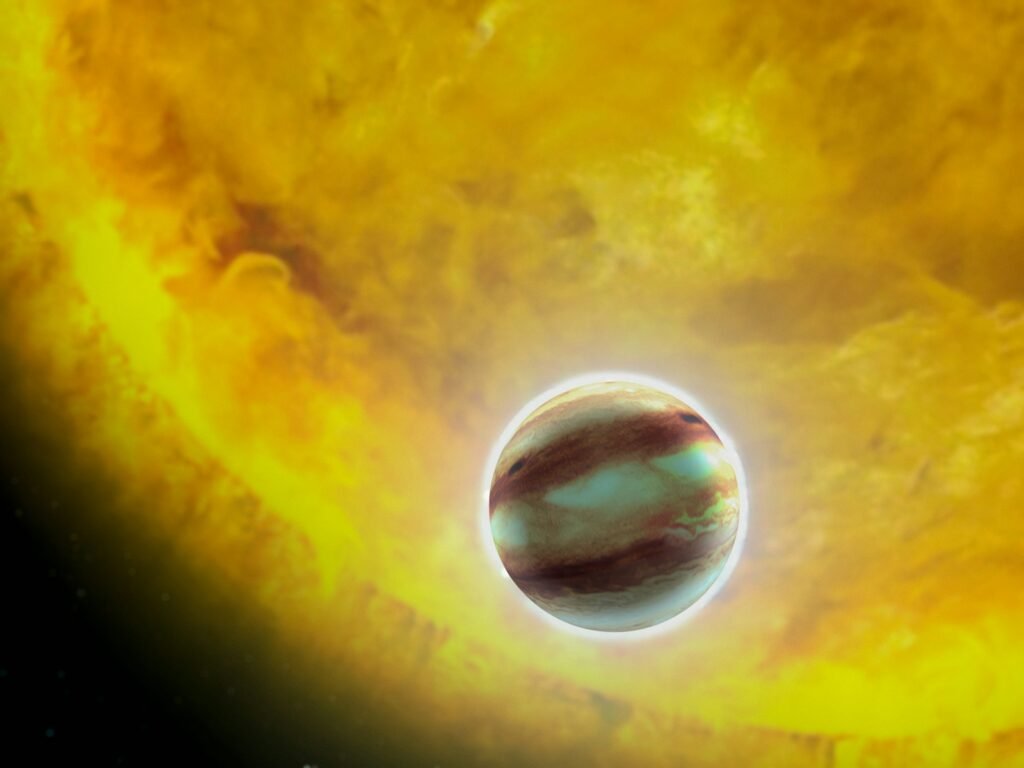

Somewhere in the sky tonight, there is a world where it rains molten glass sideways at thousands of miles an hour, another where iron turns to mist in blistering heat, and yet another that has no night at all. A few decades ago, these would have sounded like scenes from a feverish sci‑fi script; today, they sit in sober scientific catalogs with precise orbital periods and mass estimates. Astronomers have now confirmed thousands of exoplanets, and the strangest among them are forcing us to rewrite what we thought a “planet” could be. Instead of neat, orderly solar systems like our own, the cosmos appears to prefer chaos and excess. In that chaos, though, lies a new kind of cosmic map: one that is slowly teaching us where we came from, and what other kinds of worlds might await us.
The Hidden Clues in Alien Orbits
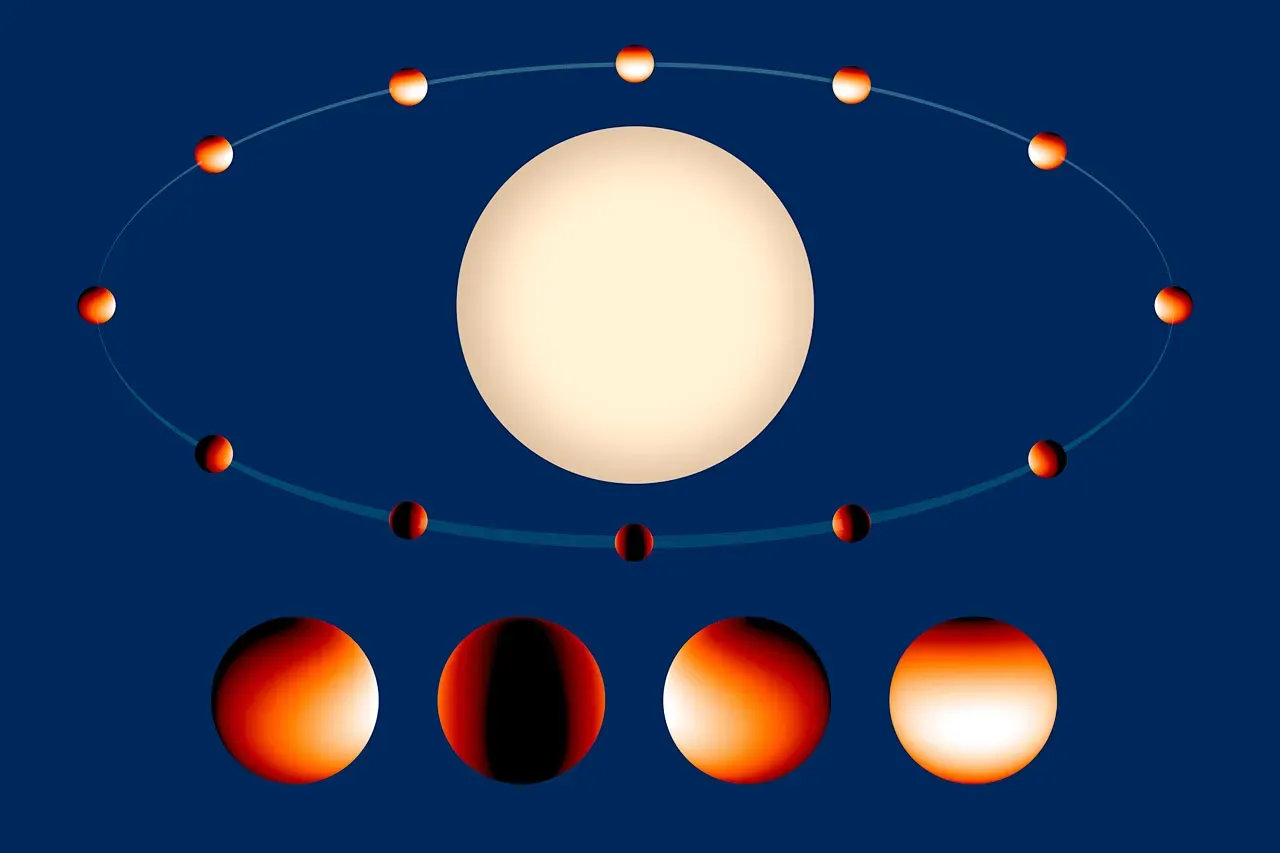
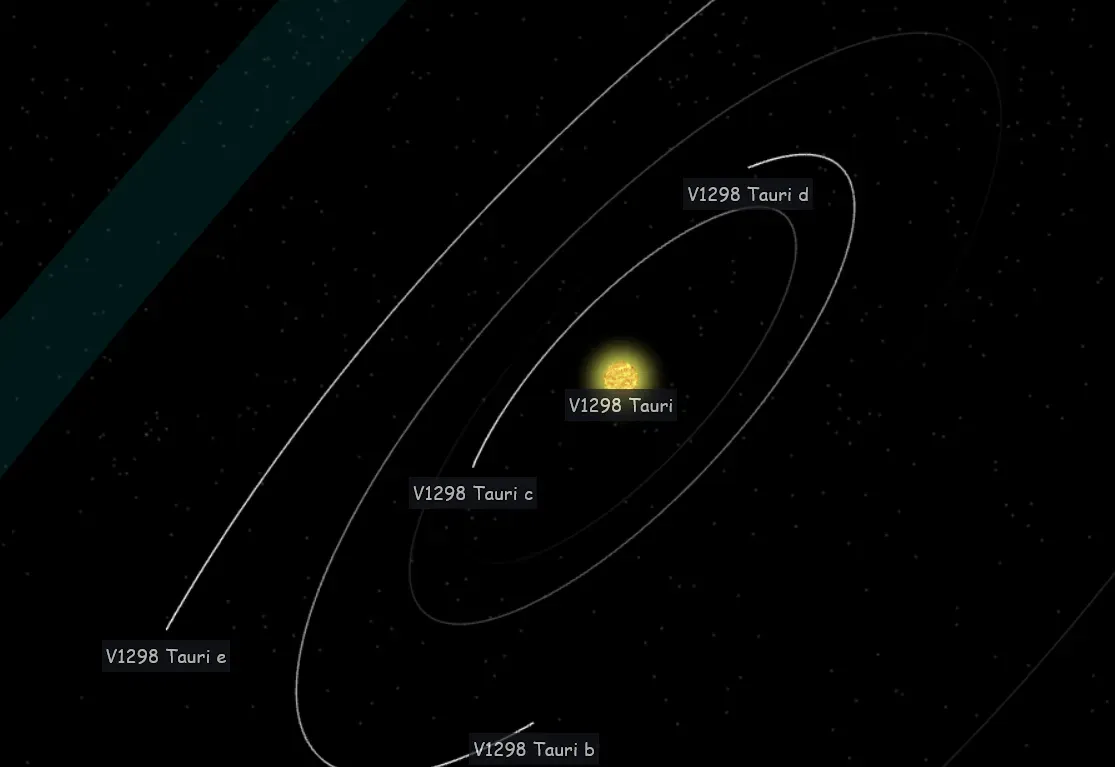
The first hint that the universe might be packed with extreme planets came not from a dramatic image, but from a wobble. In the mid‑1990s, astronomers noticed tiny, rhythmic shifts in starlight, the telltale sign of a massive planet tugging its star as it looped around in a dizzyingly tight orbit. These so‑called hot Jupiters, gas giants skimming just a few million miles from their stars, made no sense under the tidy models built from our own solar system. Jupiter, after all, is far from the Sun, serenely circling in a cold, distant orbit.
That contradiction was a clue, and like all good scientific clues, it refused to be ignored. Hot Jupiters suggested that planets could migrate inward dramatically after forming, plowing through disks of dust and gas like wrecking balls. That process would reshape entire planetary systems, ejecting some worlds into deep space and baking others into permanent hells. Extreme exoplanets, in other words, are not just curiosities; they are fingerprints left behind by violent histories. Each bizarre orbit we track is another incomplete confession of how that system evolved.
Worlds of Fire, Glass, and Metal
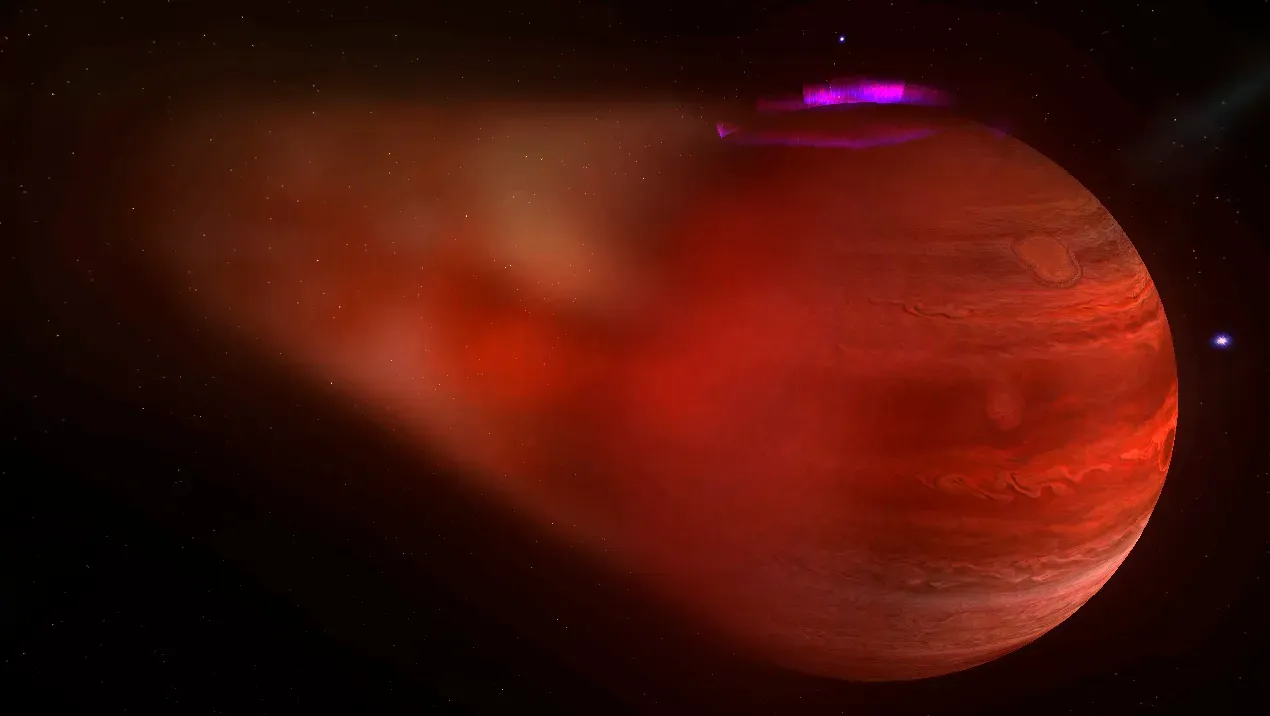
If the orbits are strange, the surfaces – or what passes for surfaces – are downright shocking. Take ultra‑hot Jupiters, gas giants so close to their stars that their dayside temperatures soar above those of small stars. On some of these worlds, molecules cannot stay intact; they are ripped apart into individual atoms or even ionized, turning entire atmospheres into sprawling chemical laboratories. Astronomers have detected vaporized metals like iron and titanium drifting in these fiery skies, evidence that even heavy elements are not safe from the heat.
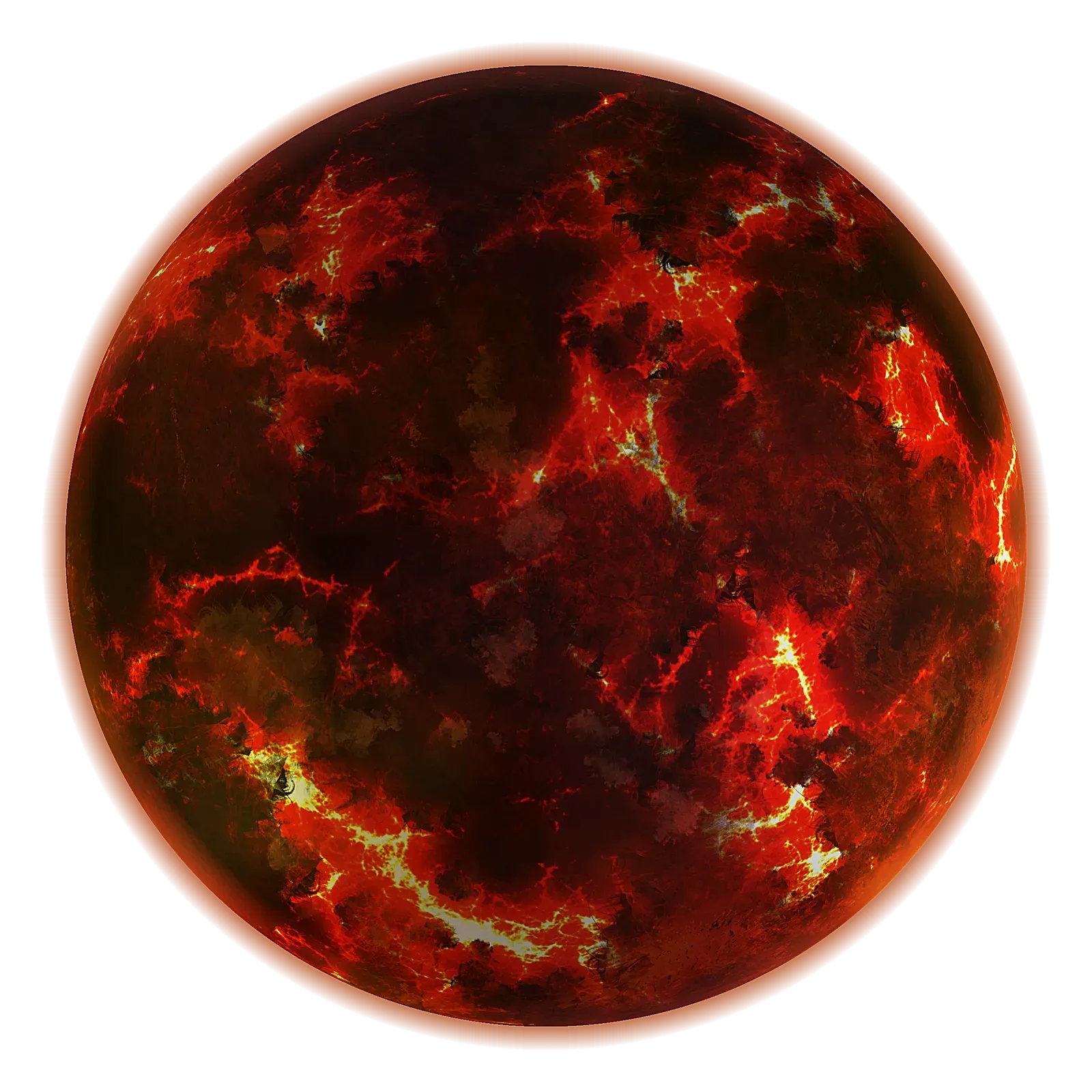
Then there are rocky planets that feel like a dare. Some hug their stars so tightly that their crusts may have melted into oceans of lava, with atmospheres thick with rock vapor instead of water vapor. On one famous “hot Jupiter,” models suggest that silicate particles could condense and fall, leading to sideways “glass rain” driven by hurricane‑force winds. It sounds theatrical, but it is calculated from the same physics that describe our weather and clouds back home. The same rules of chemistry, pushed to the limit, give us cloud decks of molten rock instead of water droplets.
Dark, Reflective, and Everything In Between
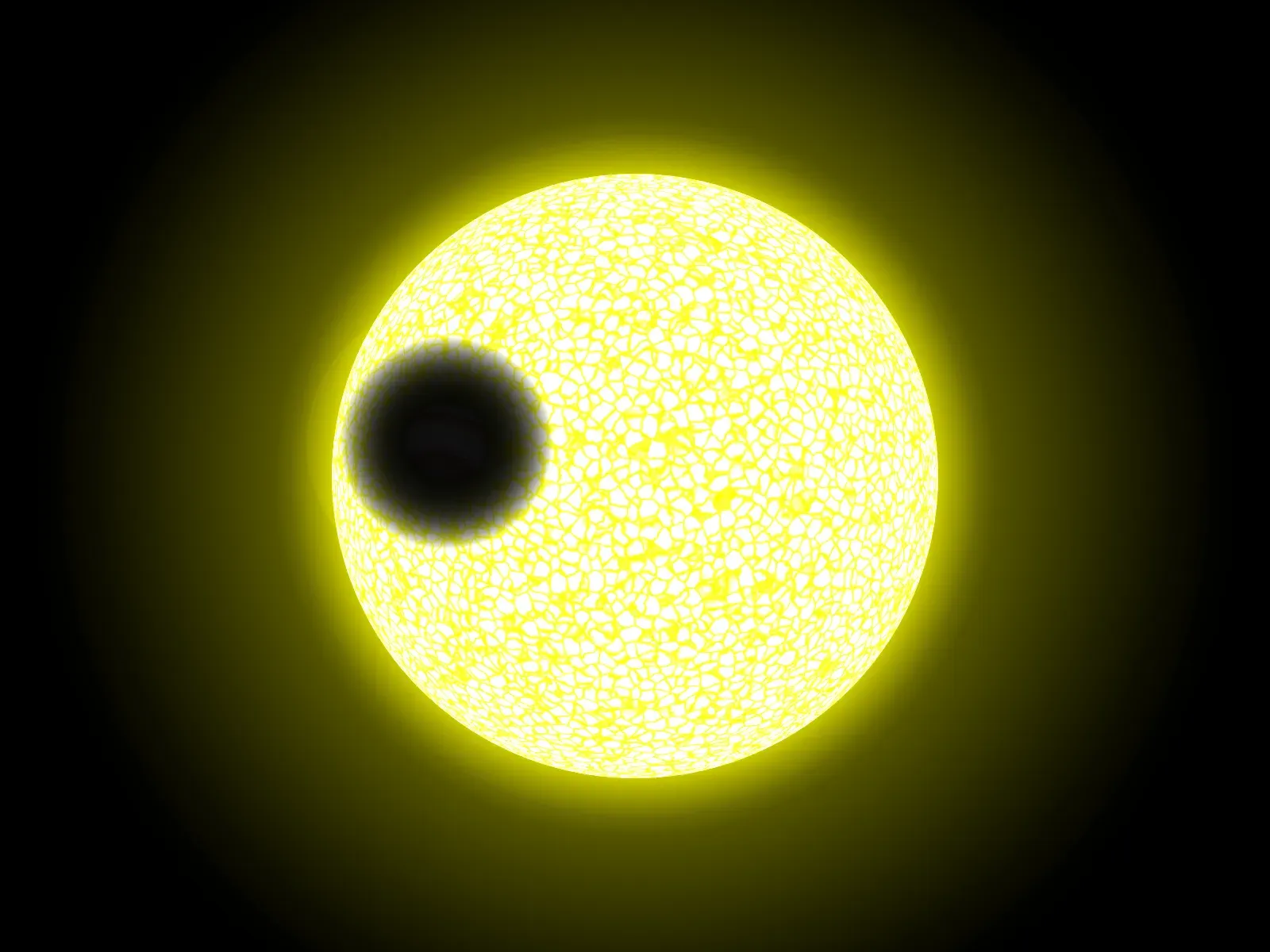
Not all extreme planets are defined by fire; some are defined by how they handle light. A few exoplanets are so dark they reflect less light than charcoal, absorbing nearly all the starlight that hits them. Their atmospheres may be laced with light‑eating particles like vaporized metals or exotic carbon compounds, turning them into cosmic heat traps. These worlds lurk as black silhouettes, betrayed only by the subtle dip in starlight when they cross their stars.
On the other end of the spectrum sit planets that glitter, at least in principle. Highly reflective clouds – possibly made of metallic vapors or silicate particles – can bounce back a large fraction of incoming starlight, making some worlds surprisingly bright. That diversity in albedo, the measure of reflectivity, is more than a visual curiosity. It is a window into what the atmosphere is made of, how it circulates heat, and even whether the planet might experience violent temperature swings between day and night. By mapping light and dark across these worlds, astronomers are building the first weather reports for planets we will never visit.
From the First Stars to Today’s Wildest Worlds
The universe did not begin with calm, Earth‑like planets neatly lined up in safe orbits. The first stars formed from pristine hydrogen and helium, lacking the heavier elements that now build rocky planets, oceans, and even our own bodies. As those massive first stars lived fast and died in titanic explosions, they forged heavier elements – carbon, oxygen, silicon, iron – and scattered them into space. Only after many such cycles could planetary systems like our own emerge, rich in the ingredients for complex chemistry.
Extreme exoplanets are products of that long cosmic story, but they also help us trace it. A planet rich in heavy elements near an old star tells us that earlier generations of stars had time to seed that region of space with metals. Conversely, sparse, lightweight worlds around chemically primitive stars hint at younger neighborhoods in the universe’s timeline. Some of the most blistering hot Jupiters orbit relatively young stars, offering a glimpse of how restless and unsettled planetary systems can be in their infancy. In a way, these wild worlds are late‑game echoes of the universe’s rough beginnings.
Why It Matters: Redefining What a Planet Can Be
At first glance, you could dismiss extreme exoplanets as astronomical oddities, beautiful but irrelevant to daily life on Earth. That view misses the point. The same physics that shape an iron‑vapor hurricane on a distant gas giant also govern the winds in Earth’s atmosphere; the same chemistry that builds rock vapor clouds elsewhere is at work in the magma beneath our feet. By pushing planetary science to the limits, these worlds stress‑test our theories, exposing any cracks in our understanding. If a model can handle a planet with a year shorter than a week and temperatures hot enough to vaporize steel, it is far more trustworthy when applied closer to home.
There is also a deeper philosophical angle that is easy to underestimate. For centuries, our own solar system defined what we thought of as normal, quietly reinforcing the idea that planets should sit in neat order, mild enough for potential life to emerge. The exoplanet census has shredded that assumption, showing that our arrangement might be more exception than rule. That realization forces us to be more humble and more creative when we search for habitable worlds. Instead of looking for another Earth stamped from a familiar mold, we are now scanning a cosmic gallery that includes lava worlds, rogue planets drifting in darkness, and super‑Earths with crushing atmospheres. Somewhere in that diversity may be climates we have not yet imagined but that still support life.
How We Study Invisible Worlds
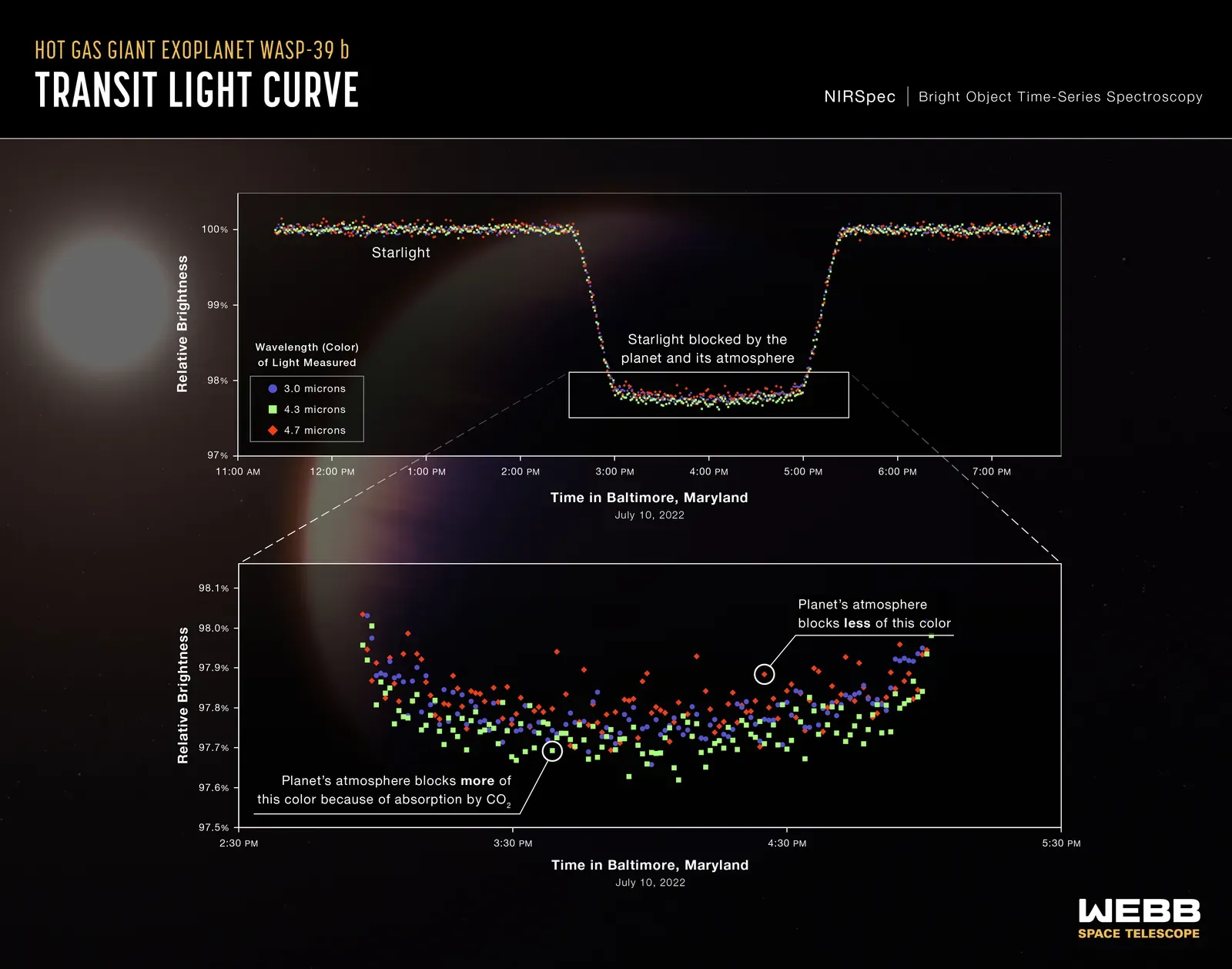
Despite the vivid language, no telescope is actually snapping high‑resolution portraits of glass storms or iron vapors. For most exoplanets, astronomers work more like forensic investigators than photographers. When a planet passes in front of its star, a tiny fraction of starlight filters through the planet’s atmosphere on its way to our telescopes. By spreading that light into a spectrum – essentially a detailed rainbow – scientists can look for the faint fingerprints of atoms and molecules. Features in those spectra reveal the presence of water vapor, sodium, carbon monoxide, and heavier species, even when the planet itself is just a point of darkness.
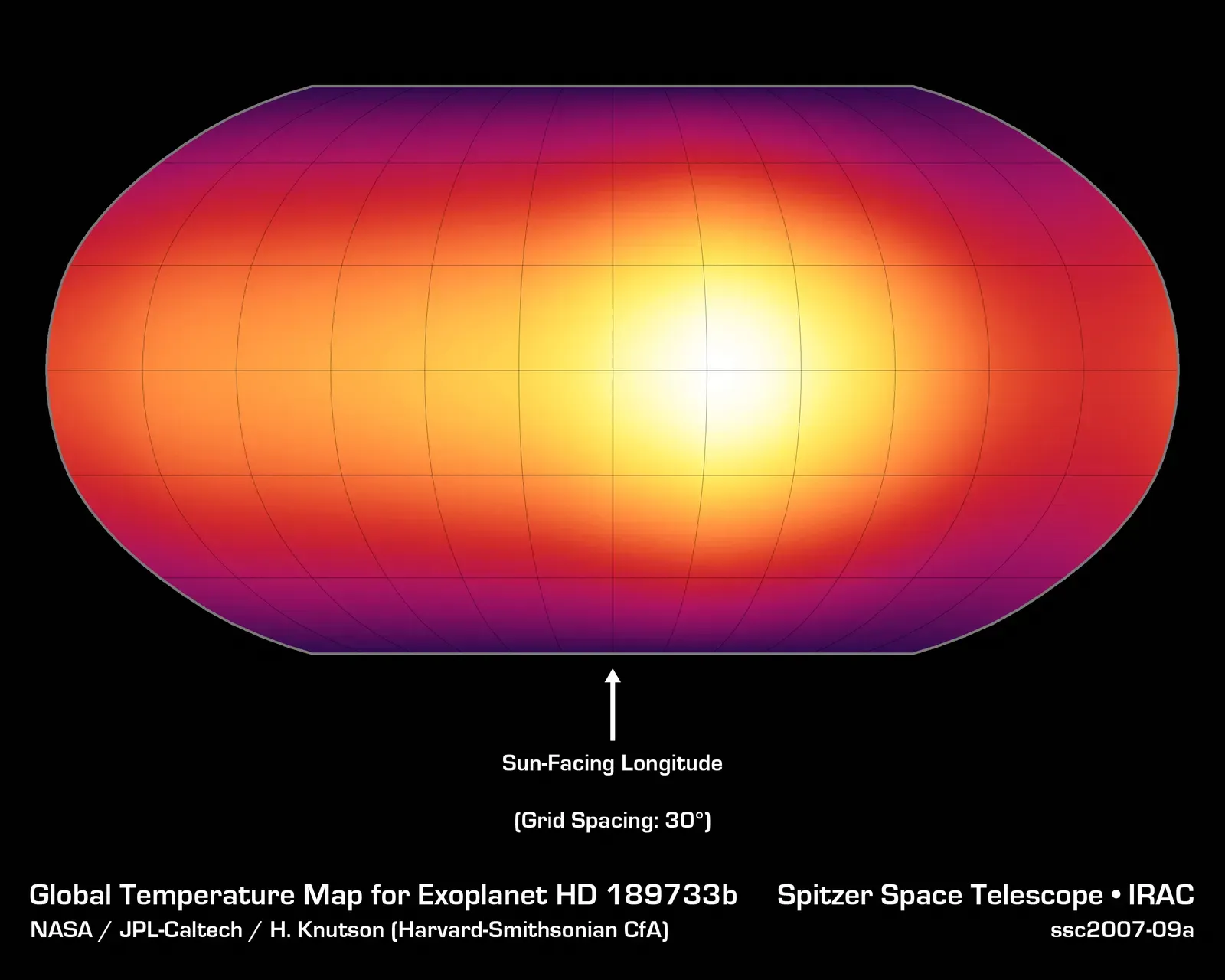
In other cases, researchers track the subtle pull a planet exerts on its star via the radial velocity method, watching for slight shifts in the star’s light as it rocks back and forth. Combined, these techniques allow them to estimate a planet’s mass, size, density, and sometimes even hints of weather patterns. Newer observatories are starting to map temperature differences between a planet’s day and night sides by measuring how its infrared glow changes over an orbit. It is painstaking and often frustrating work, more like decoding a message through static than reading a clear signal. But as instruments sharpen, the static is thinning, and the most extreme planets are often the loudest messengers because their signals are so dramatic.
The Future Landscape: Telescopes, Technologies, and New Extremes
Over the next decade, the landscape of exoplanet science is set to change as dramatically as the first hot Jupiter discoveries did in the 1990s. Space telescopes with sensitive infrared instruments are already giving us unprecedented views of exoplanet atmospheres, and planned missions aim to go further, targeting smaller, cooler planets that may still surprise us with their own brand of extremity. Ground‑based observatories equipped with advanced adaptive optics will be able to directly image some gas giants, separating their faint glow from the glare of their stars. Each technological leap opens a new corner of parameter space: colder giants, warmer super‑Earths, or planets in wider orbits where seasons may become as exotic as glass rain.
Alongside the excitement come serious challenges. Distinguishing a true chemical signal from noise is brutally hard at the limits of current detectors, and small errors in data processing can masquerade as dramatic discoveries. On top of that, the exoplanet community is racing to build standardized, open databases so that teams around the world can cross‑check one another’s results. As more nations invest in space telescopes and big survey projects, we are likely to see an explosion in both confirmed planets and surprising outliers. Somewhere in those outliers may be a world that forces yet another rewrite of what counts as habitable – or even what counts as a planet at all.
What You Can Do: Staying Curious About Other Worlds
Most of us will never point a research‑grade telescope at the sky, but that does not mean we are sidelined in this story. Public support and interest are a big part of why space agencies can justify building ambitious missions that hunt for planets around distant stars. If you want to be involved in a practical sense, you can follow mission updates, support organizations that promote astronomy education, or even take part in citizen science projects that help sift through data for exoplanet signals. Many of these programs are designed so that anyone with an internet connection can contribute to real discoveries.
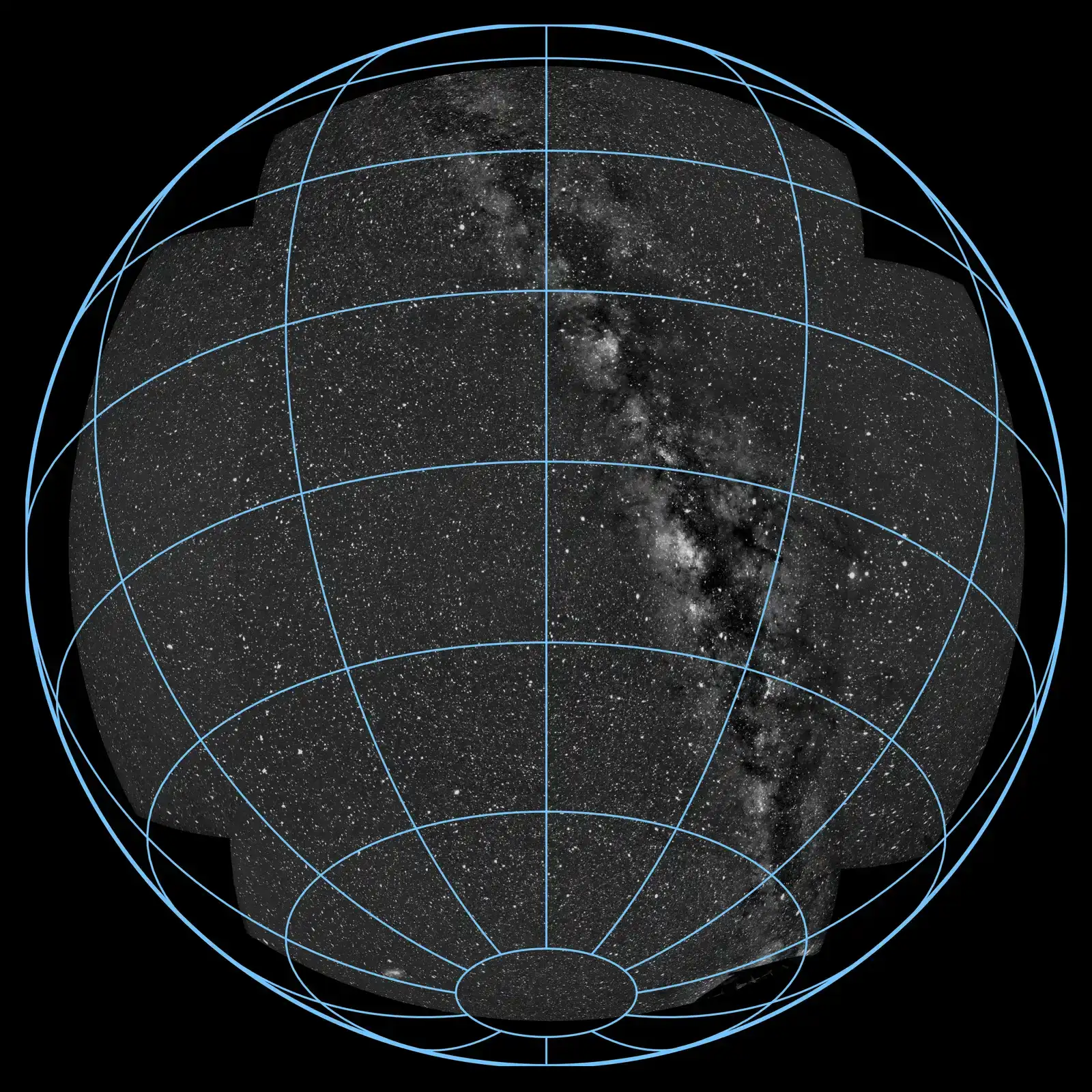
On a more personal level, simply choosing to stay curious has its own quiet power. The next time you look up at a clear night sky, it is worth remembering that the stars you see may host worlds far stranger than anything we have yet cataloged. Some may be scorched beyond recognition, others frozen and silent, and a few perhaps sitting in temperate zones with their own stories unfolding. Letting that possibility sink in has a way of shrinking everyday worries and expanding what we think is possible. In the end, extreme exoplanets are not just about distant, hostile worlds; they are invitations to widen our sense of home and to ask harder, better questions about our place in the universe.
Suhail Ahmed is a passionate digital professional and nature enthusiast with over 8 years of experience in content strategy, SEO, web development, and digital operations. Alongside his freelance journey, Suhail actively contributes to nature and wildlife platforms like Discover Wildlife, where he channels his curiosity for the planet into engaging, educational storytelling.
With a strong background in managing digital ecosystems — from ecommerce stores and WordPress websites to social media and automation — Suhail merges technical precision with creative insight. His content reflects a rare balance: SEO-friendly yet deeply human, data-informed yet emotionally resonant.
Driven by a love for discovery and storytelling, Suhail believes in using digital platforms to amplify causes that matter — especially those protecting Earth’s biodiversity and inspiring sustainable living. Whether he’s managing online projects or crafting wildlife content, his goal remains the same: to inform, inspire, and leave a positive digital footprint.