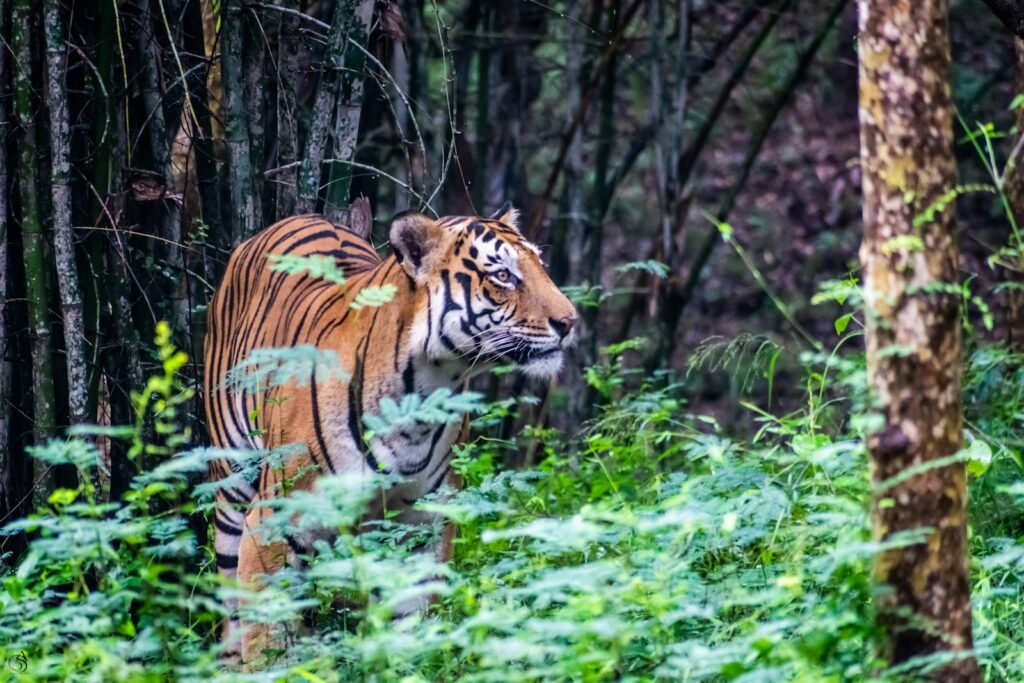

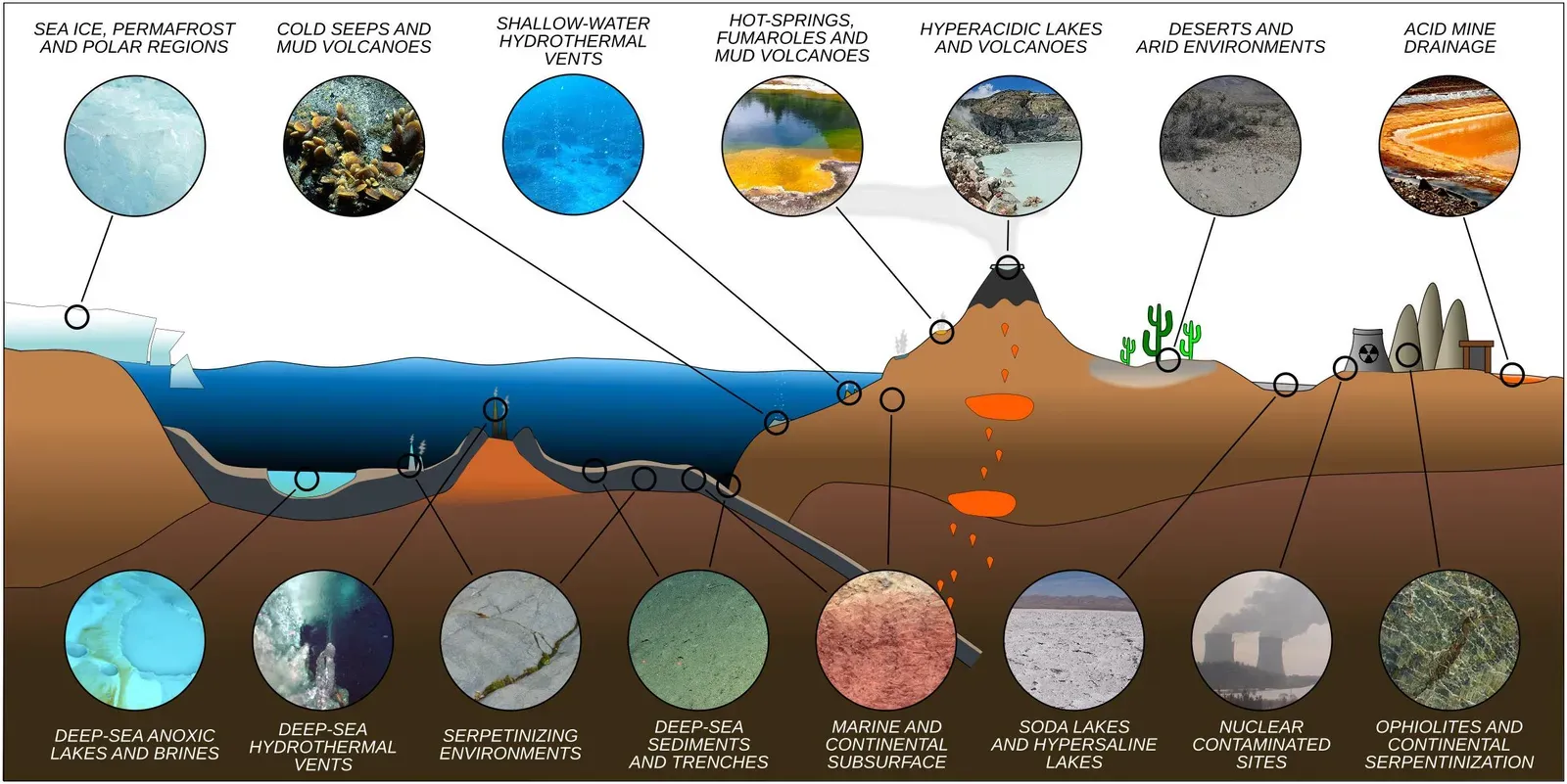
They live where our skin would crack, our lungs would fail, and our equipment would freeze, boil, or simply disintegrate. From toxic volcanic vents to the crushing blackness of the deep sea, some animals don’t just endure the extremes – they flourish in them. For decades, biologists assumed such places were almost lifeless, but each new expedition keeps finding tougher, stranger creatures rewriting that story. These extreme survivors are more than curiosities; they’re living experiments in evolution, holding clues to how life can adapt, recover, and maybe even exist beyond Earth. Following them into their harsh worlds reveals not only how fragile we are, but also how astonishingly inventive life can be.
Life at the Edge of Boiling: Creatures of Scalding Springs and Vents
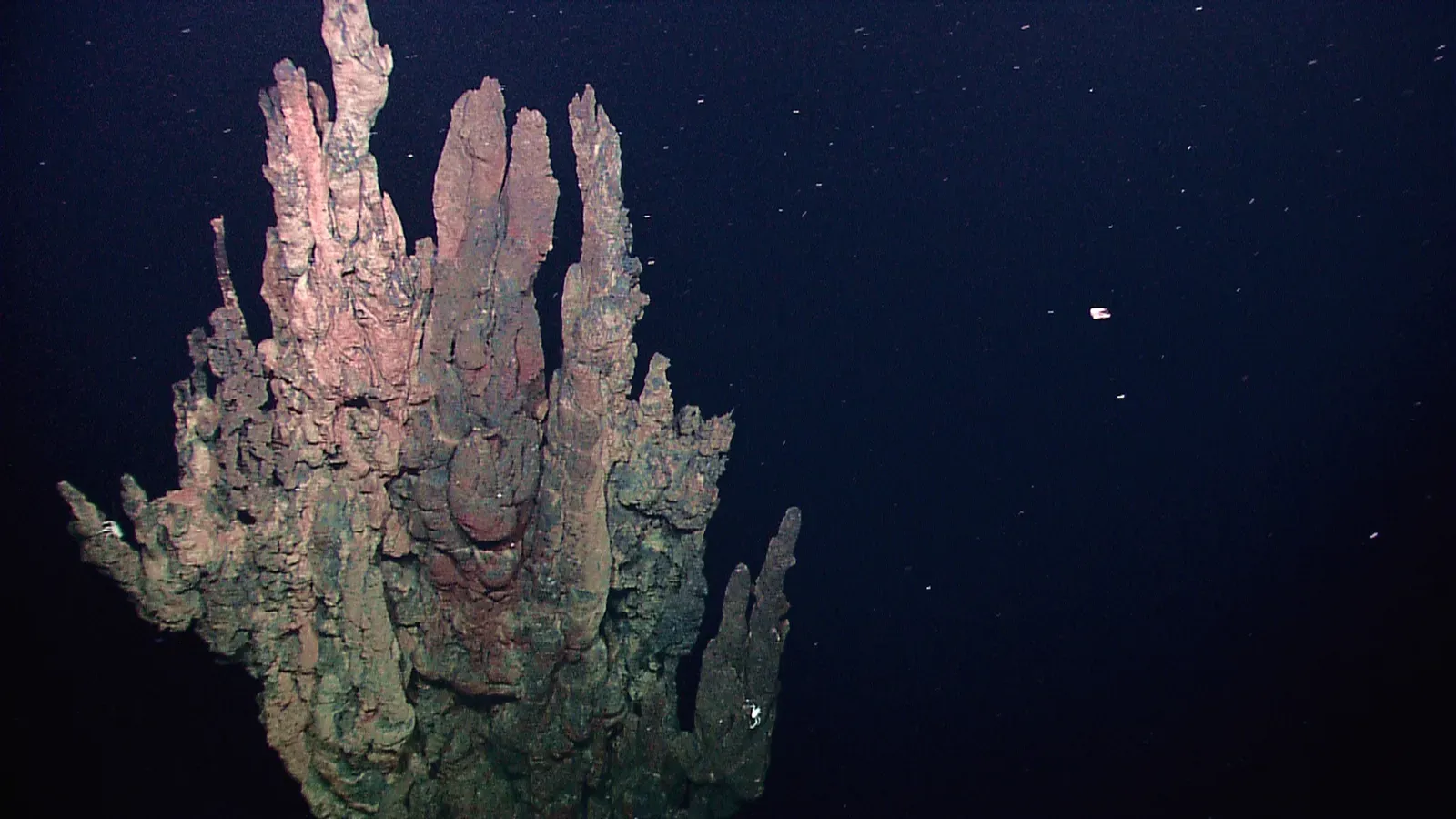
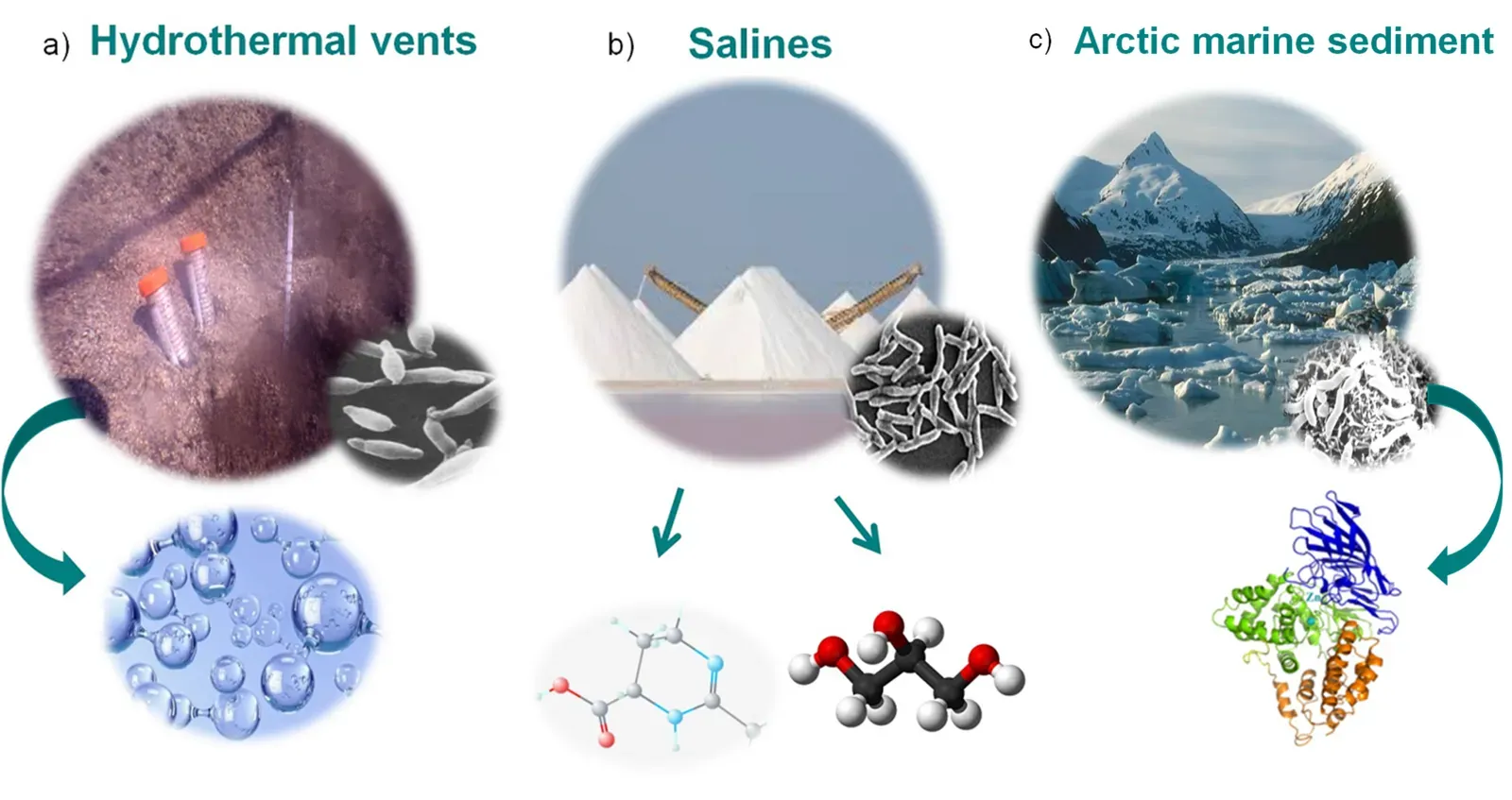
Imagine stepping into a hot spring so intense that it could peel skin in seconds, yet finding it bustling with microscopic life. In some volcanic pools and deep-sea hydrothermal vents, temperatures climb close to the boiling point of water, and still heat-loving microbes and tiny animals manage to thrive. These organisms rely on specialized proteins and cell membranes that do not unravel in extreme heat the way ours would. Their enzymes are tightly folded and sometimes reinforced with extra chemical bonds, turning what would fry most life into a workable environment. It is as if they were built from biochemical firebricks instead of fragile glass.
Many of these heat-tolerant species use chemistry instead of sunlight, feeding on dissolved minerals like hydrogen sulfide and iron in a process called chemosynthesis. Around black smoker vents, entire ecosystems of tube worms, crabs, and snails congregate, all ultimately powered by bacteria that turn toxic gases into food. The temperature can swing dramatically over a span no wider than a kitchen table, from near freezing seawater to almost boiling vent fluid, and yet communities organize themselves in narrow, invisible bands. Discoveries in these environments keep pushing the upper temperature limit at which life can function. That raises a quietly radical question: if life can do this on Earth, what might it manage on hot, alien worlds?
Frozen But Not Finished: Animals That Refuse to Die in the Cold
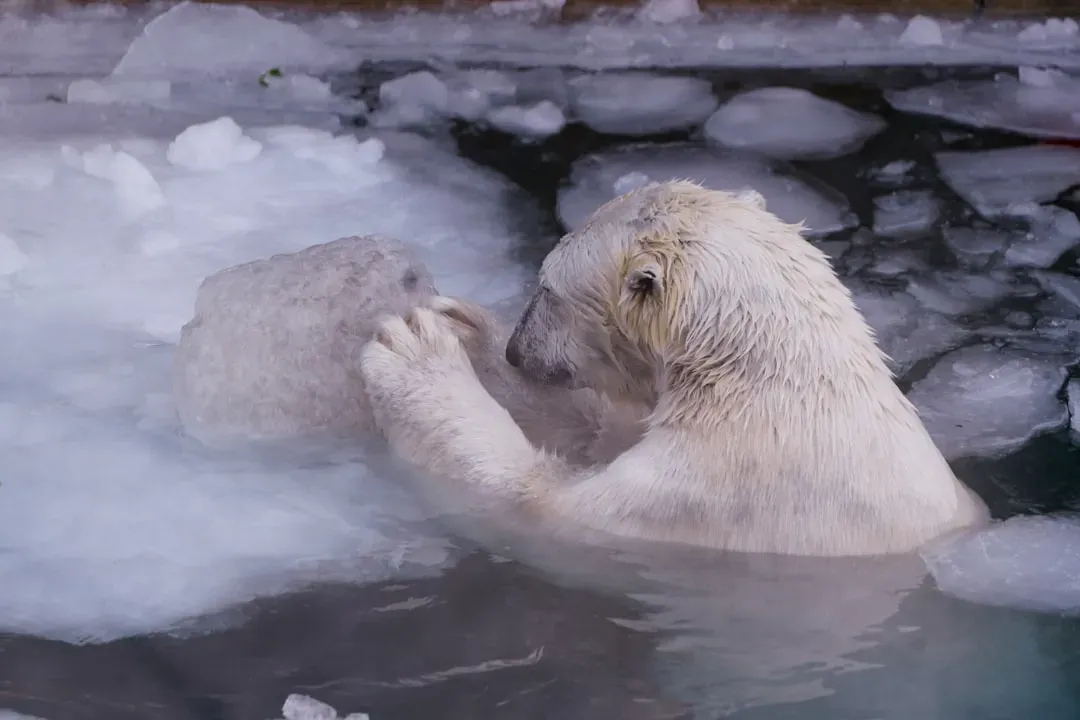
On the other end of the spectrum, some animals survive cold so intense it would shatter our cells like glass marbles on concrete. Tiny Antarctic midges, Arctic fish, and hibernating frogs endure months where body fluids should freeze solid. Instead, they deploy antifreeze molecules – special proteins and sugars – that slip between ice crystals and stop them growing. In effect, these substances turn their blood and tissues into biological slush that stays flexible far below the freezing point of pure water. It is the same principle that keeps winter road salt from turning into ice, just executed with far more elegance.
Certain wood frogs in North America can survive having a large portion of their bodies frozen during winter, with no heartbeat and no breathing for days or even weeks. Glucose floods their cells before freezing, acting like a natural cryoprotectant to prevent lethal ice damage. Antarctic fish produce antifreeze proteins in their blood that keep their body fluids liquid in seawater so cold it can supercool below the normal freezing point. These animals do not merely tolerate the cold; their entire yearly rhythm is tuned to it. Their strategies are inspiring researchers studying organ preservation, long-duration spaceflight, and even how to reduce frost damage in crops.
The Champions of Dryness: Life Without Water for Years
If you have ever forgotten a plant on a windowsill and watched it wither, the idea of surviving almost no water for years sounds impossible. Yet some microscopic animals and a few hardy insects and plants can nearly shut themselves off from the world when water disappears. Tardigrades, often nicknamed “water bears,” are famous for this trick: when their environment dries out, they curl into a tiny dried form called a tun. In this state, their metabolism slows to a faint whisper, and their bodies are shielded by special sugars and proteins that act like molecular bubble wrap. To a casual observer, they look completely dead.
What is astonishing is that some of these creatures can be revived after years without liquid water simply by rehydrating them. Their DNA, normally vulnerable to breaks and damage, is stabilized by protective molecules and then repaired when they wake up again. Desert brine shrimp eggs use similar tactics; they can wait through long droughts in dusty lakebeds before hatching after a rare rain. These biological pause buttons challenge our assumptions about what it means to be alive in real time. They also offer intriguing clues for making vaccines more stable, preserving food without refrigeration, and even pausing biological samples for long voyages beyond Earth.
The Pressure Zone: Deep-Sea Survivors Under Crushing Weight
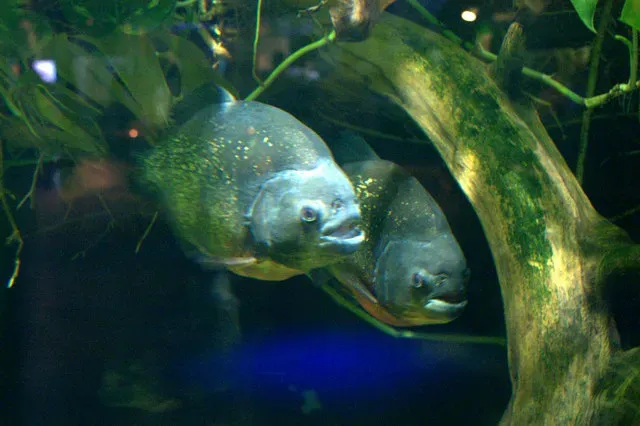
Far below the ocean’s surface, where sunlight never reaches and the pressure would crush a human sub in moments, strange animals drift, crawl, and hunt. At depths of several miles, each square inch of surface experiences the weight of a fully loaded truck, yet deep-sea fish, worms, and crustaceans move as casually as if they were in a calm lake. Their secret lies in their soft bodies, flexible skeletons, and specialized molecules that keep their cells from collapsing or their proteins from misfolding under pressure. Some deep-sea fish carry chemical stabilizers in their blood that act a bit like internal scaffolding, holding enzymes in working shape. It is a quiet engineering marvel done entirely with chemistry.
Many of these species also take advantage of the darkness, using bioluminescent organs to lure prey, find mates, or confuse predators. Their eyes are often enormous or, in some cases, completely absent, reflecting the trade-offs of living in pitch black water. Food is sparse, so scavenging, slow metabolism, and opportunistic feeding are the rule rather than the exception. Every time advanced submersibles or remotely operated vehicles reach greater depths, they tend to find new species adapted to even more intense pressures. These deep-dwelling survivors are not just oddities; they help regulate global nutrient cycles and store carbon in ways that scientists are only beginning to map.
Toxic Worlds: Animals That Turn Poisons into Everyday Life
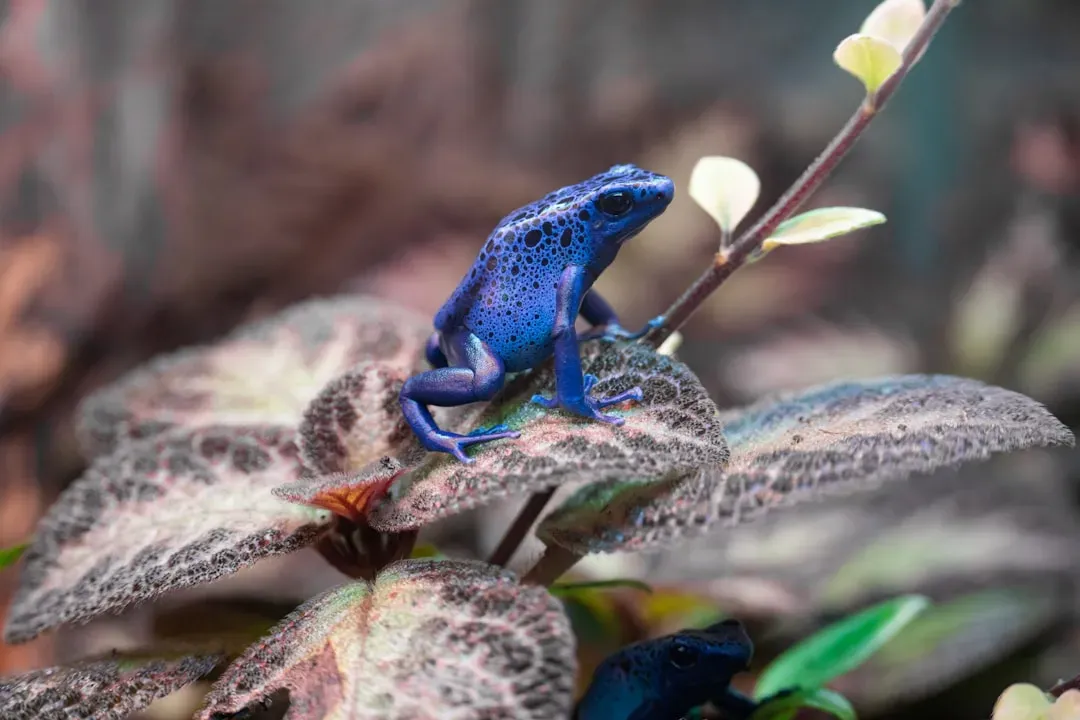
In places where the ground steams with sulfur, rivers run acidic, or metals coat rocks in unnerving colors, a surprising number of animals and microbes still carve out a living. Some insects lay their eggs in water so rich in heavy metals that most life would die within hours. Certain worms and mollusks live in sediments loaded with sulfide gas, a compound that can paralyze cellular respiration in many other creatures. Rather than fleeing these toxins, they form partnerships with bacteria that can detoxify and even feed on them. It is a bit like hiring a live-in chemical cleaner that also cooks your meals.
Other species build resistance directly into their own bodies, evolving modified proteins that poisons cannot easily bind. There are snakes and amphibians able to tolerate potent toxins that would kill larger animals many times their size, sometimes co-opting those chemicals for their own defense. These detox tricks often come at a cost, such as slower growth or reduced fertility, but they open up ecological niches with far fewer competitors. Scientists are increasingly studying these toxic habitats for enzymes that can help clean up industrial spills or break down pollutants. It is a striking example of how what seems purely hostile can become, with enough evolutionary tinkering, a viable neighborhood.
Why It Matters: Extreme Survivors and the Story of Life on Earth
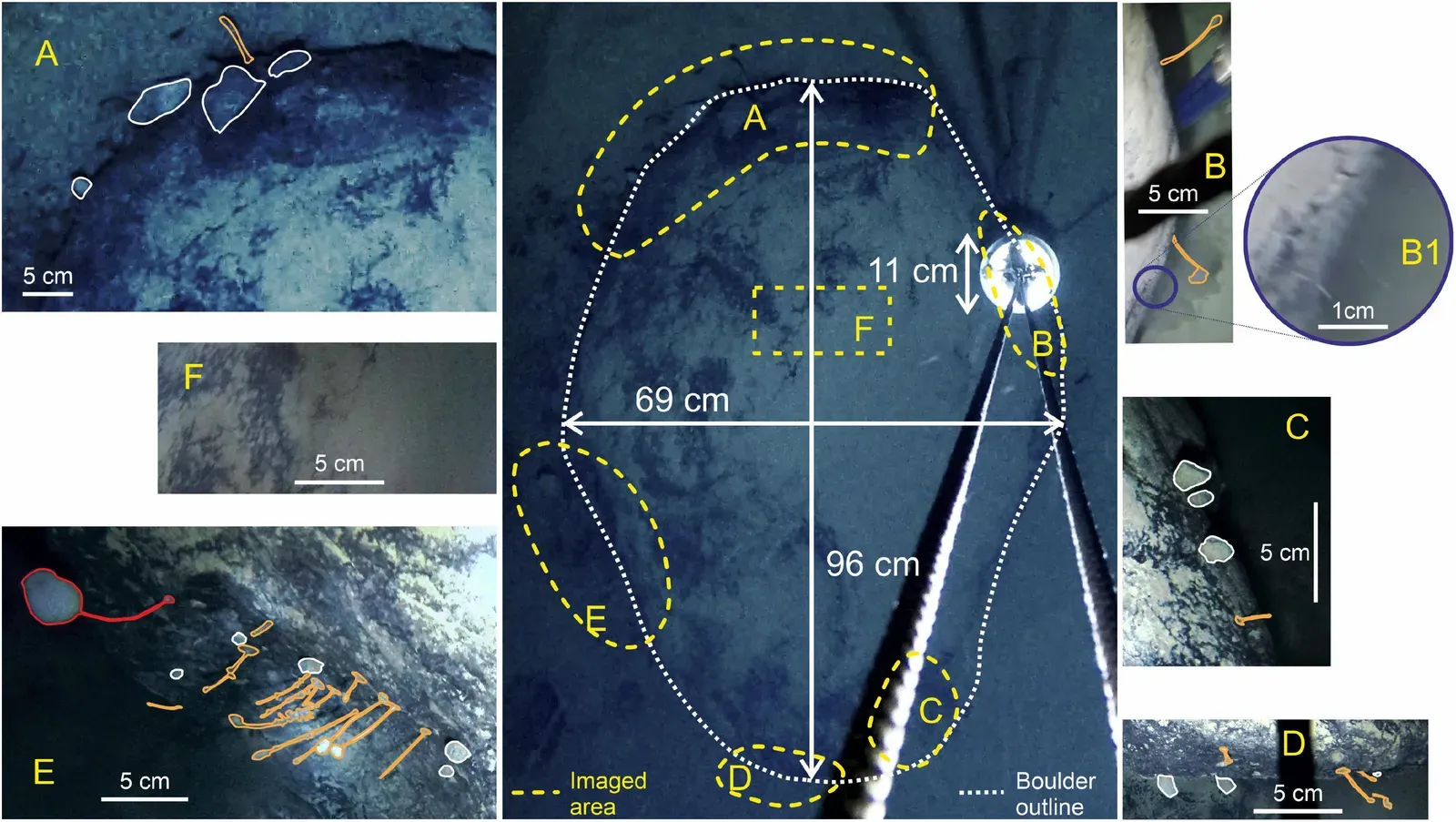
At first glance, these animals sound like trivia fodder – a list of biological party tricks from the far corners of the planet. But their existence forces a deep rethink of what conditions are truly “uninhabitable.” For much of modern biology’s history, textbooks emphasized a fairly narrow range of temperatures, pressures, and chemical environments as compatible with life. Extreme survivors shatter that comfort zone, showing that evolution has pushed living systems into almost every nook where energy and chemistry allow. Compared with more familiar species, they reveal just how flexible the rules of biology can be.
That has concrete implications beyond academic curiosity. Understanding how proteins stay stable in boiling vents or how cells survive being frozen could transform medicine, biotechnology, and agriculture. These organisms also expand the potential habitats astrobiologists consider when searching for life beyond Earth, from the icy moons of Jupiter to the subsurface of Mars. They remind us that Earth’s biosphere is not a thin, gentle skin but a deep, rugged network reaching from superheated crust to frozen desert. When we talk about resilience in the face of climate change, pollution, or habitat loss, these species offer more than metaphors – they provide real molecular blueprints for adaptation.
From Curiosity to Toolkit: Lessons for Medicine, Materials, and Spaceflight
The odd adaptations of extreme animals are rapidly becoming practical tools rather than just curiosities to marvel over. Antifreeze proteins from polar fish, for instance, are inspiring methods to keep ice crystals from damaging stored cells, tissues, and even certain foods. Molecules that protect tardigrade DNA are being explored as additives to stabilize vaccines and biologic drugs without the need for constant refrigeration. Heat-tolerant enzymes from vent-dwelling microbes are already used in industrial processes and laboratory tests that must run at high temperatures. Each adaptation is essentially a problem already solved by evolution, waiting to be borrowed.
These biological tricks also shape how engineers think about long-term space missions. If tiny animals can endure near vacuum, intense radiation, or long periods without water by dialing down their metabolism, perhaps future technologies can imitate that strategy for electronics or even human tissues. Pressure-resistant proteins from deep-sea creatures could inform better materials for submersibles and other high-pressure equipment. Studying detox strategies in animals living on polluted sediments may yield new approaches to cleaning contaminated soils and waterways. In this way, extreme survivors are becoming a quiet but powerful design library for solving human challenges.
The Future Landscape: New Technologies and New Frontiers for Extreme Life
As sequencing technologies, deep-sea vehicles, and remote sensors improve, the catalog of extreme survivors is growing almost every year. Scientists can now sample microbes from high-altitude clouds, drill deeper into Antarctic ice, and explore previously unreachable trenches and volcanic fields. Each new expedition tends to uncover yet another organism operating at what used to be considered absolute limits. Alongside these discoveries, synthetic biology is beginning to mix and match extreme traits, stitching heat resistance or desiccation tolerance into more familiar organisms. That raises both exhilarating possibilities and ethical questions about how far we should go in engineering resilience.
Looking ahead, researchers are especially interested in how combined extremes shape life, such as high radiation plus deep cold on distant moons or intense dryness plus toxicity in future climate-stressed regions on Earth. Laboratory simulations are starting to test which adaptations can stack and where biology finally reaches a breaking point. The answers will inform not only our search for extraterrestrial life but also our preparation for a rapidly changing planet. However, many extreme habitats remain fragile, and disturbance from mining, deep-sea extraction, or unregulated tourism could erase unique species before we fully understand them. Protecting these hidden worlds may turn out to be an essential investment in our own scientific and technological future.
What We Can Do: Protecting and Learning from Earth’s Toughest Creatures
For most of us, the idea of visiting a deep-sea vent or polar desert is firmly out of reach, but there are still meaningful ways to support the study and protection of these extreme survivors. Paying attention to policies on deep-sea mining, polar research, and protected areas helps ensure that fragile habitats are not sacrificed for short-term gain. Supporting reputable conservation organizations and public science institutions gives researchers the resources to explore, document, and safeguard these ecosystems. Even something as simple as visiting trusted science museums, attending public lectures, or reading up-to-date reporting keeps social pressure on decision-makers to value this hidden biodiversity. The more we know, the harder it becomes to ignore what might be lost.
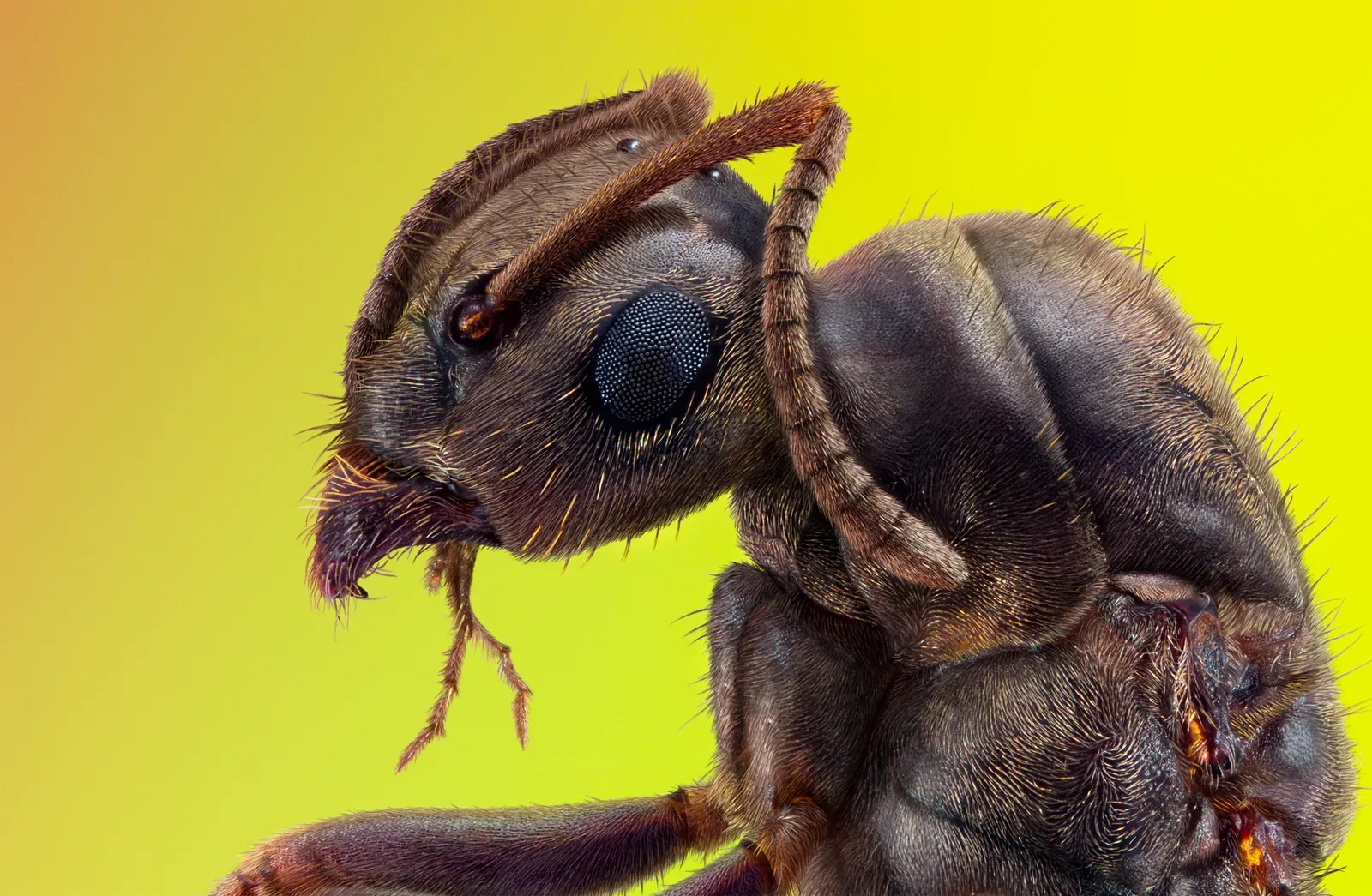
On a personal level, staying curious about the natural world – whether that is a backyard ant trail or a documentary on deep oceans – builds the cultural appetite for exploration that drives funding and political will. Teachers and parents can use stories of extreme survivors to spark interest in biology, climate science, and space exploration in younger generations. Scientists, for their part, are increasingly sharing data and images openly so the public can follow new discoveries almost in real time. Engaging with these resources, asking better questions, and advocating for evidence-based environmental policy are small but real contributions. After all, if life can persist in boiling vents and frozen deserts, the least we can do is make sure it continues to have places to surprise us.
Suhail Ahmed is a passionate digital professional and nature enthusiast with over 8 years of experience in content strategy, SEO, web development, and digital operations. Alongside his freelance journey, Suhail actively contributes to nature and wildlife platforms like Discover Wildlife, where he channels his curiosity for the planet into engaging, educational storytelling.
With a strong background in managing digital ecosystems — from ecommerce stores and WordPress websites to social media and automation — Suhail merges technical precision with creative insight. His content reflects a rare balance: SEO-friendly yet deeply human, data-informed yet emotionally resonant.
Driven by a love for discovery and storytelling, Suhail believes in using digital platforms to amplify causes that matter — especially those protecting Earth’s biodiversity and inspiring sustainable living. Whether he’s managing online projects or crafting wildlife content, his goal remains the same: to inform, inspire, and leave a positive digital footprint.