Imagine crossing an entire ocean in the dark without a compass, a map, or a smartphone – and still landing within a few miles of your birthplace. For many animals, that kind of navigation is not a daring experiment but a yearly routine. From tiny sea turtles vanishing into moonlit surf to birds flying nonstop over open water, these journeys once seemed almost magical, even to scientists. Today, researchers are finally beginning to decode the hidden guidance systems built into animal bodies and brains. What they’re finding is changing how we think about maps, memory, and even the way our own navigation tools might work in the future.
The Hidden Clues: Invisible Maps in the Sky, Sea, and Earth
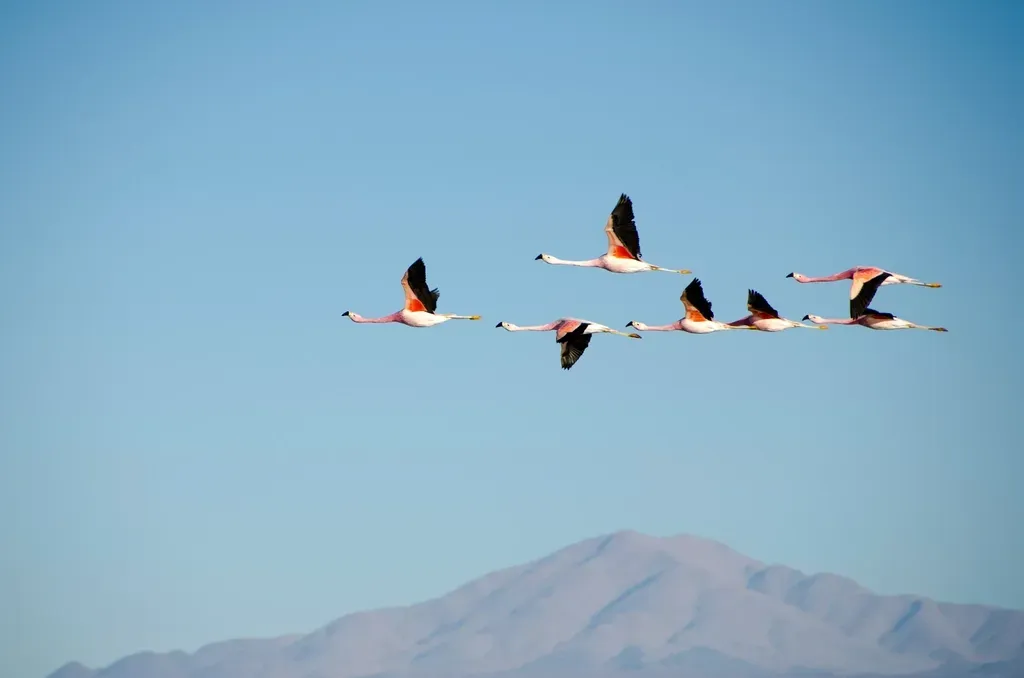
One of the most startling discoveries in animal navigation is that many species can read cues that are completely invisible to us. Migratory birds, for example, appear to sense the Earth’s magnetic field, letting them follow invisible lines like highways in the sky. Experiments with European robins and other songbirds have shown that when magnetic fields are artificially altered, the birds actually change direction, as if their internal compass has been twisted. Sea turtles, launched into the waves as palm-sized hatchlings, seem to do something similar in the ocean, using both magnetic information and currents to chart their way. To us, the world looks like land, sea, and sky; to them, it is overlaid with layers of silent signals.
Light is another hidden clue animals exploit with remarkable precision. Many migrating birds use the positions of the sun and stars, recalibrating their internal clocks to account for shifting skies over the seasons. Even insects like dung beetles have been shown to use the glow of the Milky Way to keep a straight line while rolling their cargo away from competition. When researchers block access to the stars or alter artificial lights, these tiny navigators veer off course. Suddenly, we see how fragile these ancient sky-based maps can be in a world brightened by human cities.
Smell as a Superpower: The Invisible Scent Trails Home
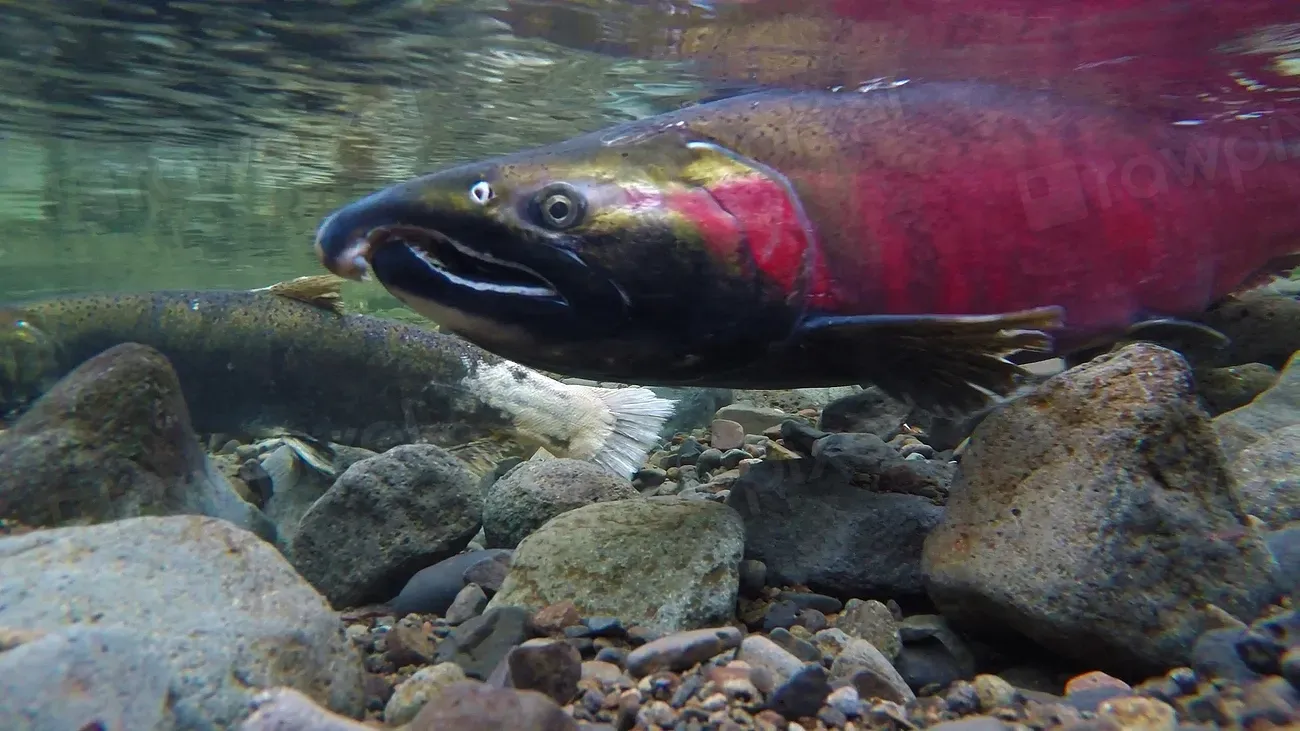
If you have ever followed the smell of fresh bread back to a bakery, you have a tiny taste of what some animals do on an epic scale. Salmon, for instance, are legendary for their ability to return from the open ocean to the very streams where they hatched. Studies suggest they imprint on the unique chemical “scent” of their home waters as juveniles, building a memory that lingers through years at sea. When the time comes to spawn, they follow broad navigational cues like the Earth’s magnetic field to find their home region, then switch to an incredibly precise olfactory map to swim upstream. It is as if they first use a globe, then a street-level smell-based GPS.
Birds and mammals also lean heavily on smell in ways we are only beginning to understand. Homing pigeons, famous for finding their lofts from far away, appear to use an “odor landscape” combined with wind patterns to learn which smells come from which directions. Some seabirds can locate food sources from dozens of miles away by detecting trace odors from plankton-rich waters. While humans tend to treat smell as a background sense, many animals have effectively turned it into a three-dimensional map of their world, etched in scent instead of ink.
Memory, Landmarks, and Tiny Brains with Big Maps
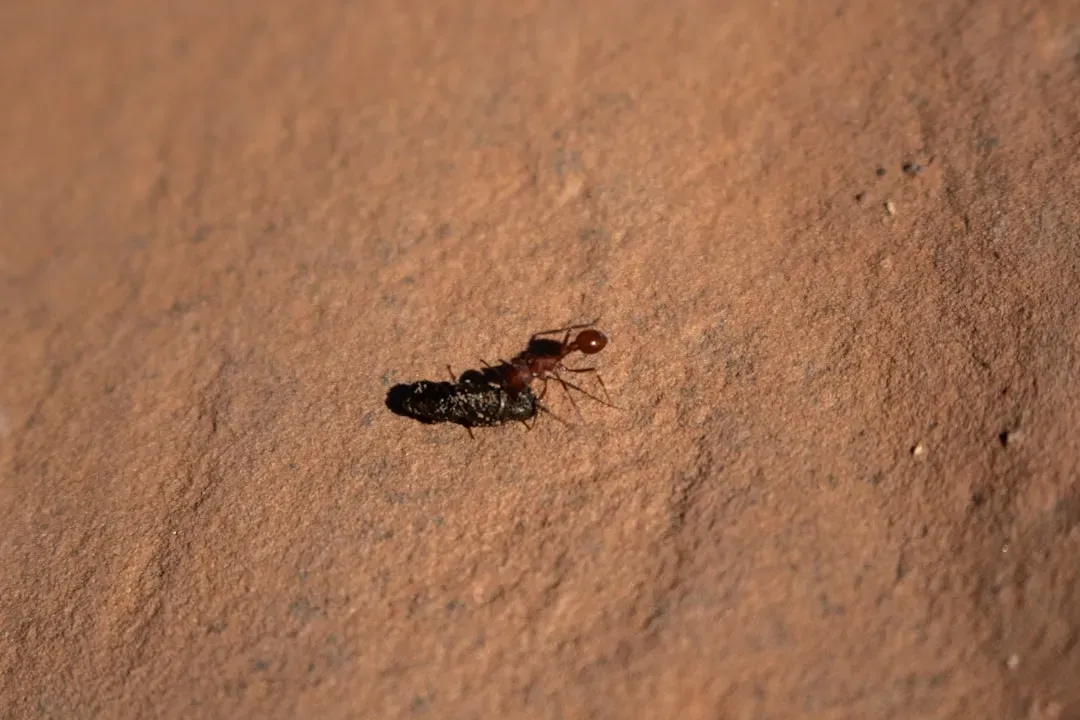
Not every animal relies on magnetism or smell; many are simply phenomenal at remembering landmarks. Desert ants, for example, live in environments that look flat and featureless to us, yet they can walk straight back to their nest after complex foraging trips. Researchers have shown that these ants combine step-counting, sun position, and a memory of visual scenes along the way. When scientists alter the landscape by adding or removing objects, the ants visibly hesitate or search, hinting at the mental maps they carry.
Mammals, too, show a sophisticated mix of memory and spatial awareness. Elephants can remember water holes and migration routes across large territories and long stretches of time, guiding their family groups through droughts that last for years. Even small mammals like squirrels stash food in scattered caches and somehow relocate many of them later, relying on spatial memory and subtle environmental cues. The surprising part is that these abilities emerge from brains that, in some cases, are only a fraction of the size of ours. It suggests that efficient navigation does not demand a massive brain, but highly tuned circuits shaped by evolutionary pressure to find food, mates, and safety.
From Ancient Mysteries to Modern Experiments
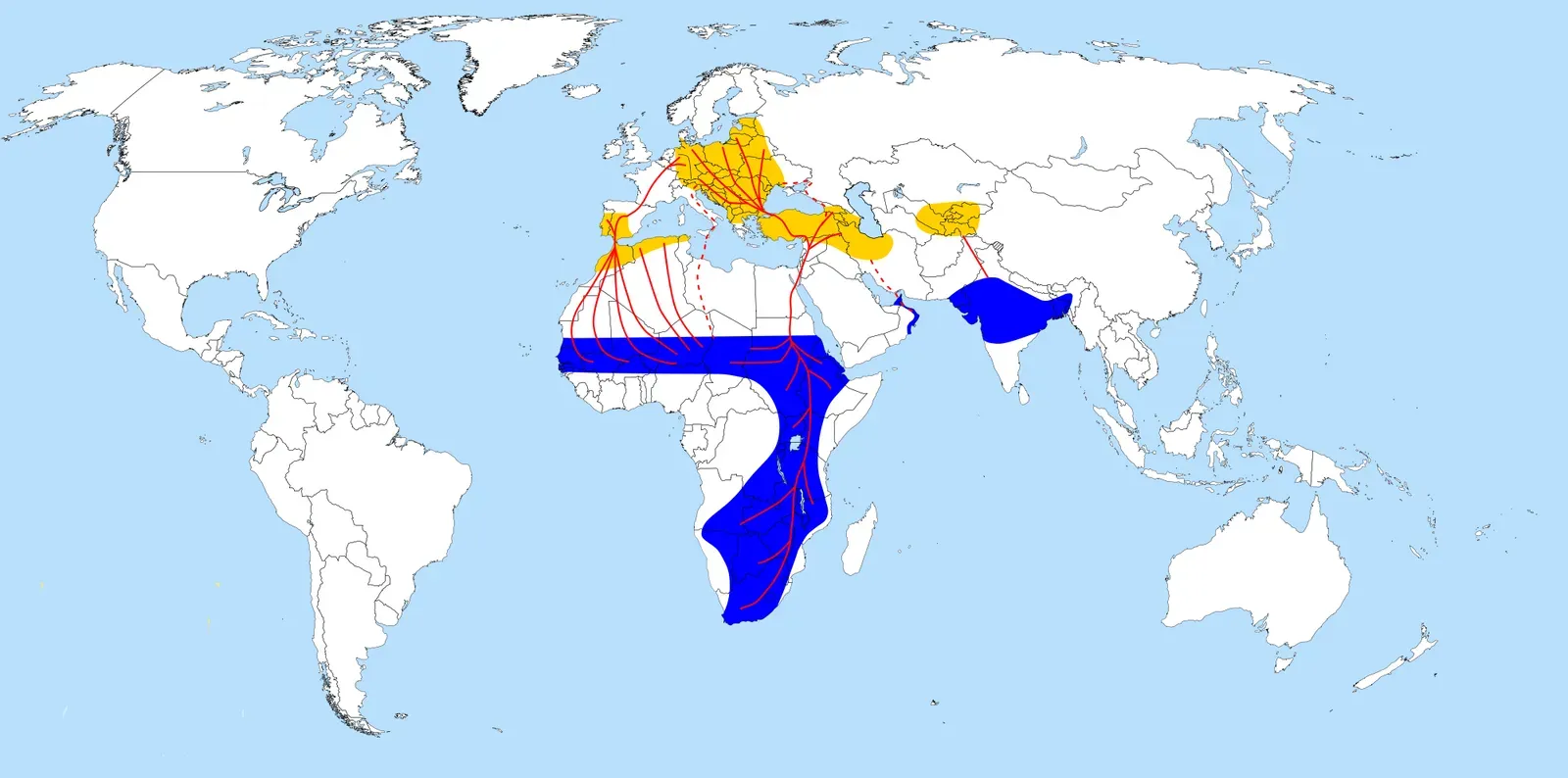
Humans have marveled at animal navigation for centuries, long before anyone talked about magnetic fields or GPS satellites. Early explorers noticed that birds appeared on ships far from land and sometimes followed consistent seasonal routes, hinting at patterns no one could quite explain. Fisher communities watched salmon return year after year to the same rivers, framing the journey as a kind of natural miracle. For a long time, ideas about how these feats were achieved ranged from the mystical to the mechanical, with little solid evidence to tip the balance. It took modern tracking tools to turn hunches into hard data.
Over the past few decades, lightweight tags, satellite transmitters, and miniature data loggers have transformed the field. Scientists can now follow the entire trip of an Arctic tern as it travels from the Arctic to the Antarctic and back, covering more distance annually than any other known bird. They can reconstruct the steep diving patterns of migrating eels or the high-altitude cruising of bar-tailed godwits that fly thousands of miles without stopping. These technologies have confirmed that navigation is not a simple, single-sense trick but a layered strategy. Animals appear to combine multiple cues – magnetic, visual, olfactory, and even social information from group members – into a flexible system that rivals our best tools in reliability.
Why It Matters: Lessons for Science, Technology, and Ourselves
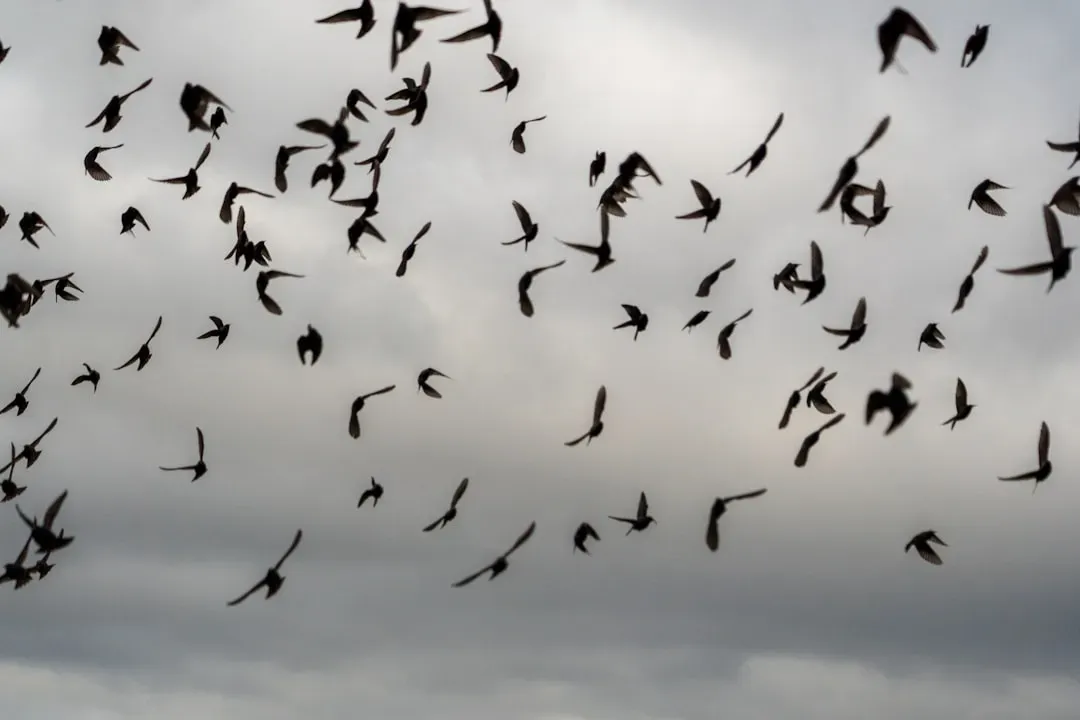
Understanding how animals navigate is not just an exercise in satisfying curiosity; it has very real implications for human life. When birds collide with buildings or get disoriented by artificial lights, we are watching navigational systems clash with modern infrastructure. The same is true when marine animals alter their traditional routes in response to underwater noise, shipping lanes, or changing ocean conditions. These disruptions can affect entire ecosystems, altering where predators and prey meet, how nutrients move, and which species thrive or decline. Our technology has become a new, unplanned signal in a world already rich with natural cues.
There is also a deeper, more philosophical lesson here about how brains solve complex problems. Many animals achieve reliable navigation with sensory tools and neural circuits that are simple compared with our own digital systems. Engineers and computer scientists are increasingly interested in “bio-inspired” navigation, seeking algorithms that mimic how birds or ants find their way. These strategies might prove more efficient or robust in conditions where GPS signals are weak, jammed, or unavailable. In a way, animals are living prototypes, field-tested over millions of years, offering blueprints we are only now learning to read.
When the World Goes Noisy: Human Impacts on Animal Navigation
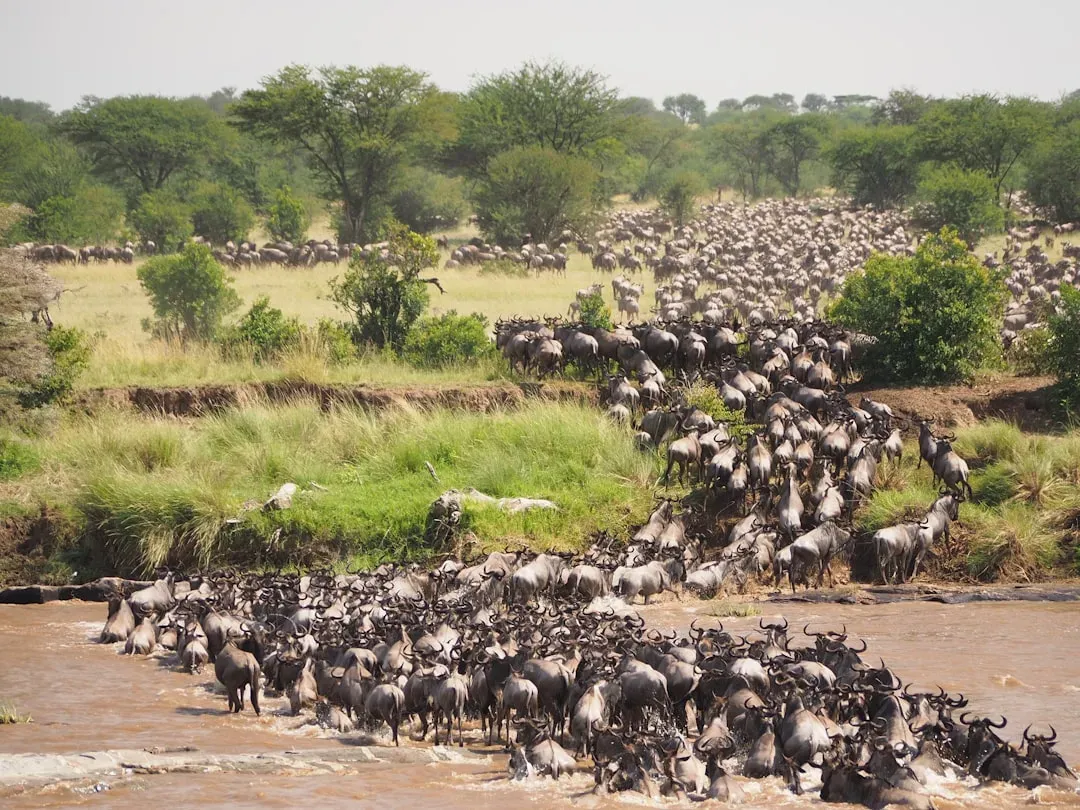
The modern world is filled with signals that animals did not evolve to handle, and those signals can scramble their internal maps. Urban light pollution, for example, can lure migrating birds off course or cause them to circle brightly lit buildings until they are exhausted. Many conservation groups now track nights when mass collisions occur, especially during peak migration seasons. At sea, loud human activity – such as shipping, sonar, and industrial noise – can interfere with the echo-based navigation of whales and dolphins. These animals depend on sound in the same way we depend on sight, so noise pollution is not a mild annoyance but a serious navigational hazard.
Even the Earth’s magnetic field, once thought to be a stable guide, is being affected indirectly by human activities and shifting environmental conditions. Some studies suggest that certain types of electromagnetic pollution near cities or infrastructure can disorient magnetically sensitive animals. Climate change adds another layer of complexity by shifting currents, wind patterns, and the availability of key stopover sites for migrants. When routes that worked for generations suddenly lead to poor feeding grounds or dangerous conditions, animals are forced to adapt quickly or suffer population declines. Navigational brilliance does not guarantee survival if the landscape itself is being rapidly rewritten.
The Future Landscape: Bio-Inspired Navigation and New Technologies

As scientists learn more about the subtle ways animals navigate, engineers are already thinking about how to turn these tricks into tools. One emerging idea is to design navigation systems for drones or autonomous vehicles that do not rely entirely on GPS. Instead, they might combine environmental cues like light patterns, magnetic readings, and local landmarks, echoing what birds and insects do. Such systems could be especially valuable in disaster zones, dense cities, or remote regions where satellite signals are unreliable. In those situations, a machine that “thinks” more like a migratory bird might outperform one that only trusts orbiting hardware.
There is also growing interest in using animal trackers as early-warning systems or environmental monitors. When tagged animals change their routes or timing, they may be signaling shifts in ocean temperatures, wind patterns, or habitat health before humans detect them in other ways. This makes migration data a kind of living climate report, updated every season. Of course, there are ethical questions about how heavily we should instrument wild animals and how much we can infer from their movements without oversimplifying. Still, the prospect of a world where animal navigation helps guide both conservation and technology is no longer science fiction; it is steadily becoming a research reality.
How You Can Help: Small Actions for Big Journeys
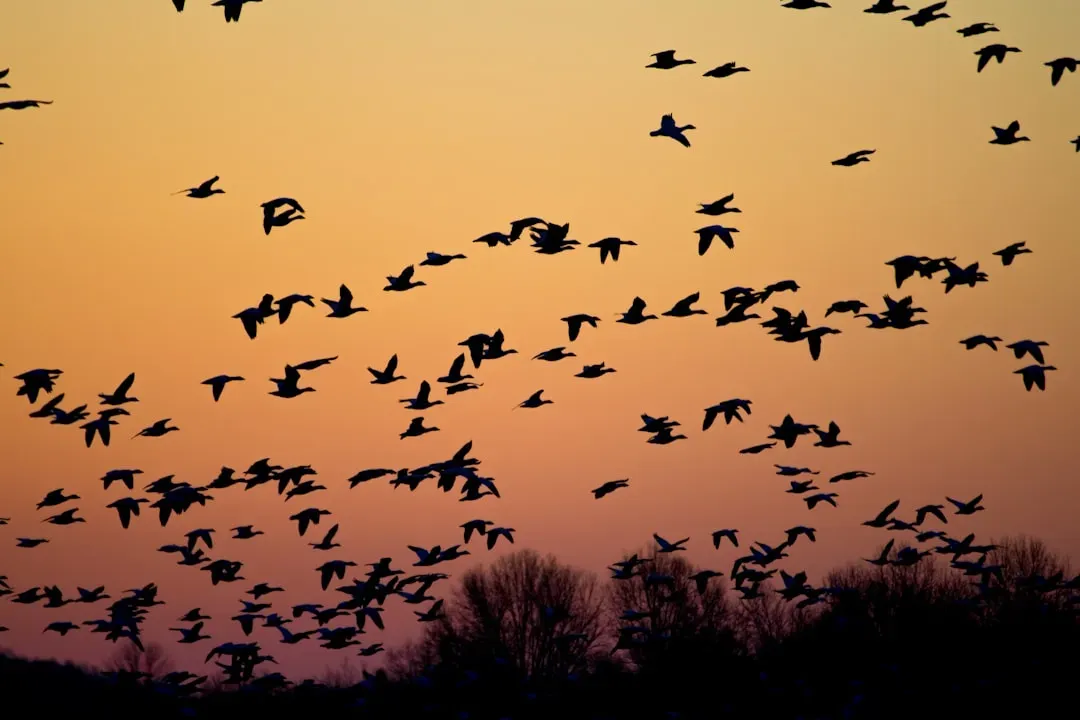
For all their sophistication, the navigational systems of animals can be surprisingly vulnerable to our everyday choices. One simple way individuals can help is by reducing unnecessary outdoor lighting, especially during peak migration seasons in spring and fall. Many cities now promote “lights-out” campaigns, asking residents and businesses to dim or shield lights on key nights so birds can pass safely overhead. At home, even switching to motion-activated lights or drawing curtains can make a real difference. What feels like a minor change to us can remove a confusing beacon from a sky that migrants are trying to read.
Supporting conservation groups that protect key habitats, migration corridors, and dark-sky initiatives is another powerful step. These organizations work on practical measures such as designing bird-safe buildings, regulating noise in sensitive marine areas, and preserving critical stopover sites. You can also follow migration trackers from reputable research projects, which turn anonymous flight paths into vivid, unforgettable stories. Sharing those stories with friends or on social media helps build a culture that values and protects these astonishing journeys. The next time you see a flock of birds cutting across the evening sky, it is worth pausing to remember: they are reading a world of hidden signals, and whether they arrive safely may depend, in part, on what we choose to do.