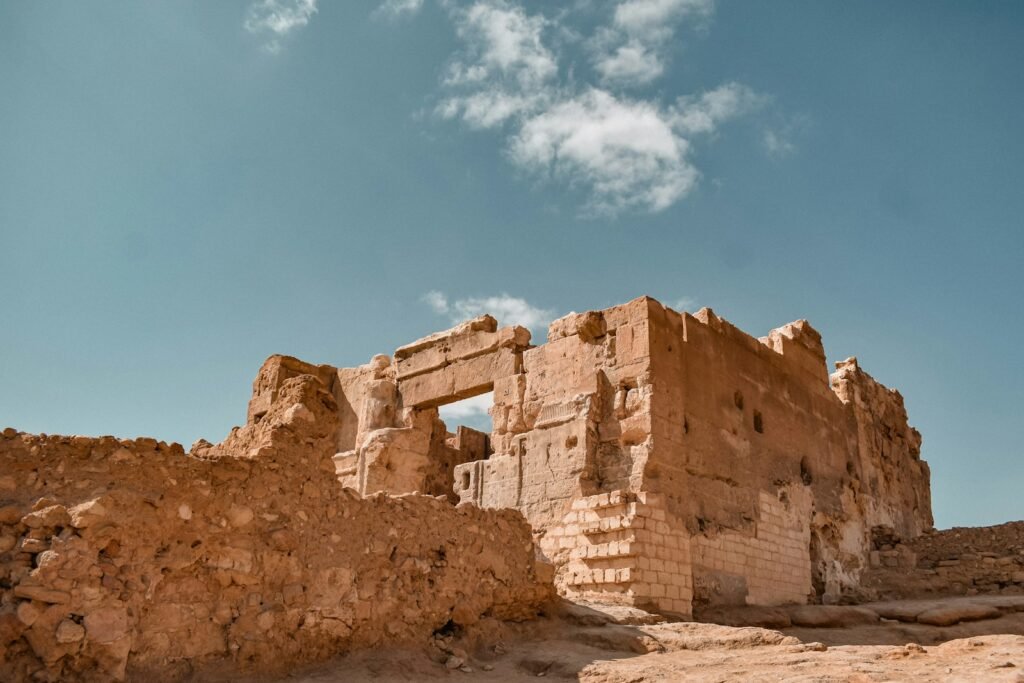

Long before GPS, laser levels, or computer modeling, ancient builders were carving stone, aligning monuments to the stars, and moving blocks heavier than modern tanks with a precision that still unsettles engineers today. Archaeologists in the twenty‑first century are using satellite imaging, ground‑penetrating radar, and chemical analysis to revisit these achievements – and in many cases, the data only deepens the mystery. How did societies with no steel or engines achieve tolerances sometimes measured in fractions of a millimeter? Why do so many sites around the world seem obsessed with cardinal directions and celestial events? As new tools peel back layers of dust, vegetation, and myth, the story emerging is not one of lost aliens, but of very human ingenuity pushed to its extremes – and of secrets we are only just learning how to read.
The Great Pyramid of Giza: Millimeter Accuracy on a Monumental Scale
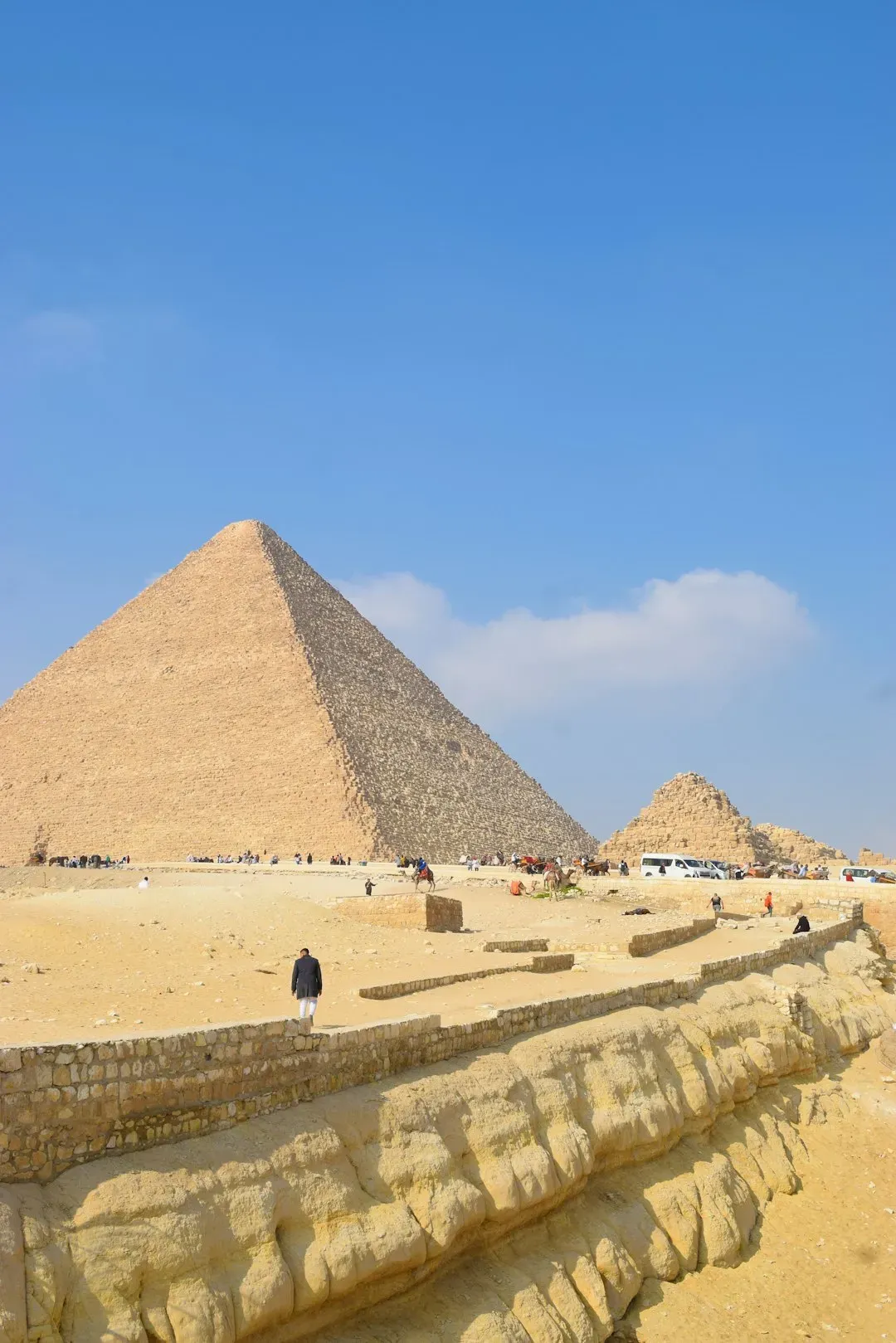
Standing on the Giza Plateau, the Great Pyramid does not feel like an ancient ruin so much as an argument carved in stone about what human beings can do when they decide not to compromise. Built more than four thousand years ago, its base is oriented astonishingly close to true north, with tiny deviations that modern surveyors struggle to beat even with high‑end equipment. The average difference in length between its sides is often described as being on the order of centimeters across more than two hundred meters, which, if you picture it, is like drawing a near‑perfect square the size of a city block by eye and rope. Archaeologists now think the builders used the shadow of the sun and a kind of primitive but clever surveying system with sighting rods, cords, and water‑filled channels as leveling tools. To me, that mix of simple materials and sophisticated thinking feels a lot more impressive than any sci‑fi explanation.
Recent thermal imaging and microgravimetry have revealed hidden voids and unknown chambers inside the pyramid, suggesting that the structure is even more complex than the visible stone layers imply. At the same time, quarry markings and workers’ graffiti in nearby tombs are hard evidence that this was built by rotating crews of laborers, not enslaved masses whipped into submission. That reality – organized teams, modular work phases, logistical planning over decades – connects their world to ours in a way that the smooth mystery of the outer casing never could. The precision is not just geometric; it is organizational, a kind of social engineering inscribed in limestone.
Machu Picchu: Interlocking Stone and Living Mountain
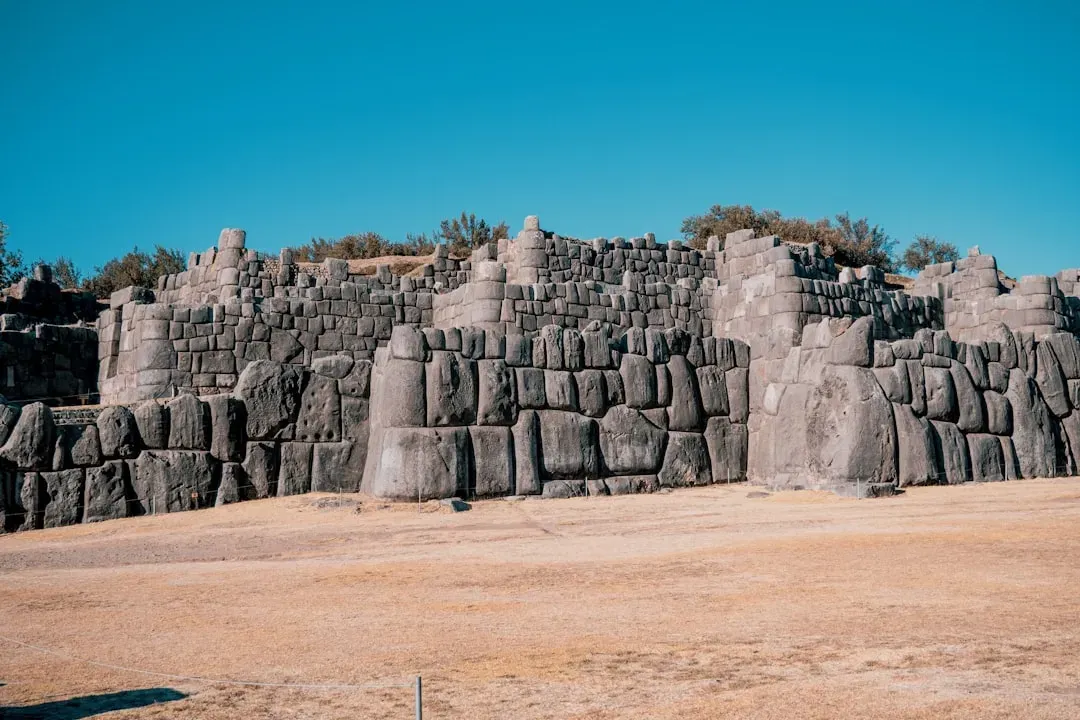
Walk through Machu Picchu and you quickly realize that the Inca were not just building on a mountain – they were building with it. The stones of its best walls fit together so tightly that, in many places, you cannot slip the edge of a knife between them, even after centuries of earthquakes and rain. Unlike the pyramids’ stacked blocks, these are irregular polyhedral stones painstakingly shaped until they mesh like a three‑dimensional jigsaw puzzle, distributing stress incredibly efficiently. What looks like organic, almost playful architecture from a distance turns out to be highly engineered resilience up close, a kind of stone origami in which no mortar was needed because the geometry did all the work.
Archaeologists and geologists studying Machu Picchu’s foundations have shown that the site sits on a complex network of terraces, drains, and subsurface channels that manage heavy Andean rainfall. Far from being a precarious eyrie, it is a tuned hydrological system designed to prevent catastrophic landslides and control erosion. Modern civil engineers examining these solutions have pointed out that some of the drainage principles rival contemporary best practices for building on steep, unstable slopes. The Inca did not force nature to submit; they listened to the mountain’s faults and water flows and then folded their city into that anatomy with surgical precision. It’s hard not to see that as a rebuke to how often we still build first and ask questions later.
Göbekli Tepe: Megaliths Before Cities
On a windswept hill in southeastern Turkey, Göbekli Tepe quietly rewrites everything many of us learned about the origins of civilization. These stone circles, some with T‑shaped pillars carved in high relief with animals and abstract symbols, date back roughly eleven thousand years – long before pottery, writing, or what we usually call “organized agriculture.” For decades, archaeologists assumed you needed permanent villages and farming before you could marshal the labor and social complexity for megalithic monuments. Göbekli Tepe flips that script: here, it seems, monumental ritual spaces may have come first, with settled life emerging in their orbit. The precision lies not in straight lines, but in the careful planning of circles, aligned pillars, and shared motifs over centuries.
Excavations and sediment analyses suggest the people who built these structures understood stoneworking and quarrying at a surprisingly advanced level for their time. Tool marks show systematic chiseling techniques, and the placement of pillars hints at an intuitive grasp of load‑bearing and balance in the round. There are tantalizing suggestions of astronomical associations, though researchers are cautious about over‑interpreting alignments when so much remains buried. Still, the site reveals a psychological precision: a repeated effort to bring people together, to create a sense of grand, shared space long before cities or kings existed. The idea that architecture itself could help forge social bonds feels startlingly modern, yet it is literally etched into these earliest stones.
Teotihuacan: A City Aligned to the Cosmos
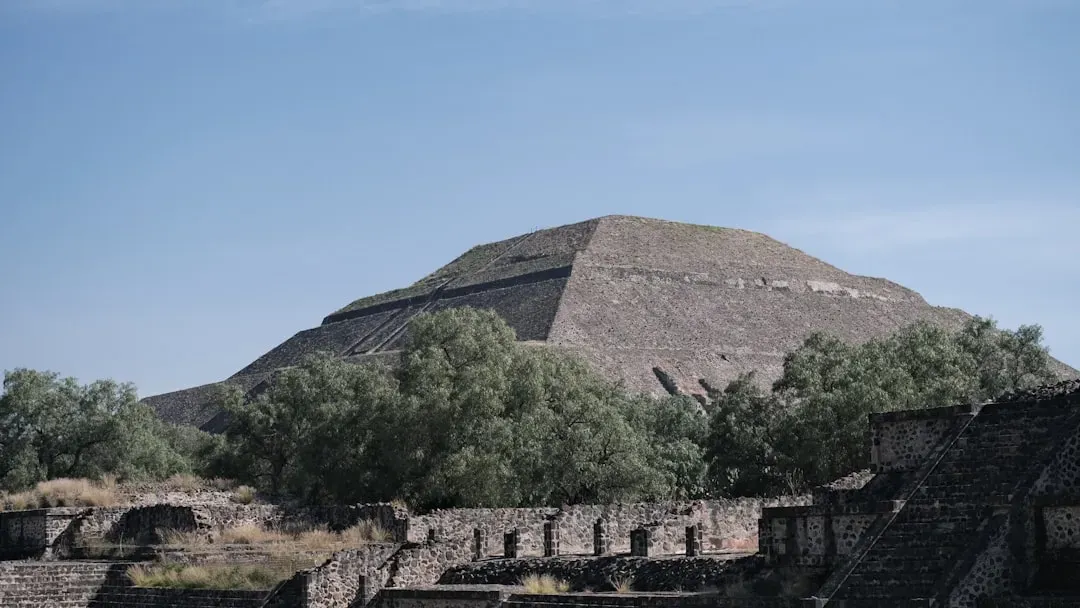
North of today’s Mexico City, the ruins of Teotihuacan spread out like a fossilized circuit board, their avenues and pyramids locked to an invisible grid. The main thoroughfare, the so‑called Avenue of the Dead, runs several kilometers along a carefully chosen axis that is offset from true north by about fifteen degrees. That skew is not a mistake; studies of the horizon and sky suggest it may relate to the rising and setting points of certain stars or the sun on key ritual dates. Major structures like the Pyramid of the Sun and Pyramid of the Moon are positioned so that, at specific times of year, shadows and light play across their steps in orchestrated patterns. This is precision on the scale of an entire urban plan, not just a single monument.
Modern remote sensing and soil analysis have revealed that Teotihuacan’s builders even manipulated the local landscape and subsurface to serve both symbolic and practical goals. Canals, redirected streams, and engineered platforms turned a broad valley into a controlled ritual and residential environment, with neighborhoods laid out in standardized apartment compounds. Archaeologists have also found evidence of sophisticated craft workshops, where obsidian was shaped into blades with razor‑sharp, consistent edges using pressure flaking that demands fine motor control and practice. It is hard not to see echoes of modern zoning laws, industrial districts, and mass‑produced goods in this ancient metropolis. The city becomes less an enigma and more a mirror – distorted by time, but recognizably reflecting our own urge to fold the cosmos into our streets.
Nabta Playa and Newgrange: Ancient Calendars in Stone and Earth
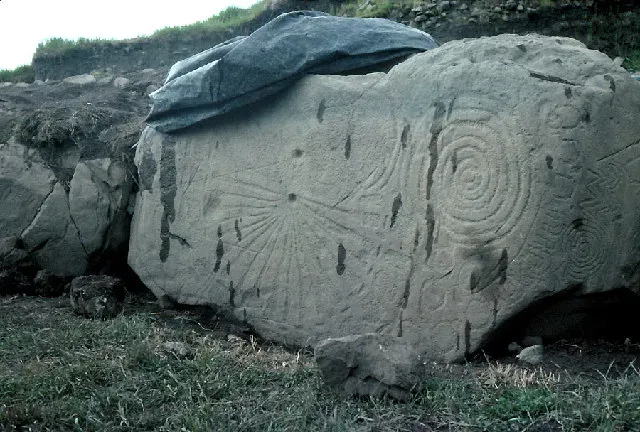
In the desert of southern Egypt, a circle of modest stones at Nabta Playa tells a story as dramatic as any pyramid. Long before the pharaohs, pastoral communities erected standing stones there that appear to mark solstices and perhaps track the seasonal return of rains crucial to survival. Thousands of kilometers away in Ireland, the mound of Newgrange does something equally startling: on the winter solstice, a carefully aligned roof box allows a narrow beam of sunlight to pierce the chamber and slowly crawl across its interior stones. Both sites are, in different ways, giant clocks, built not just to honor celestial cycles but to pin human ritual and livelihood to the movements of a distant star.
Archaeoastronomers studying these places use modeling software, horizon surveys, and simulations of the ancient sky to test how precise the alignments really are. The results suggest that the builders achieved a surprisingly high level of accuracy in tracking the sun’s path over years or even generations, refining their constructions as they went. At Newgrange, for instance, the slight rise and tilt of the passage are tuned so that only a very narrow set of days produce the full interior illumination effect. You can think of these monuments as early data‑logging devices, encoding environmental patterns into stone architectures that outlasted the cultures that made them. They remind us that, long before satellites and climate models, people were already turning their landscapes into instruments for measuring a changing world.
Nazca Lines and Sacsayhuamán: Precision at Earth and Sky Scale
The Nazca Lines, sprawling across the arid plains of southern Peru, are the kind of thing that only really makes sense from the air, which is ironic given that they were made by people who never flew. By removing dark, oxidized pebbles to reveal lighter soil below, the Nazca drew vast geometric paths and animal figures whose lines are unnervingly straight over hundreds of meters. Surveying shows that some trapezoids and rays hold their course with scarcely any deviation, despite undulating terrain and lack of modern instruments. The trick seems to have been patient use of pegs, ropes, and sighting points, combined with an acute feel for the land underfoot, a very human solution masquerading as something otherworldly when you see it from a plane window.
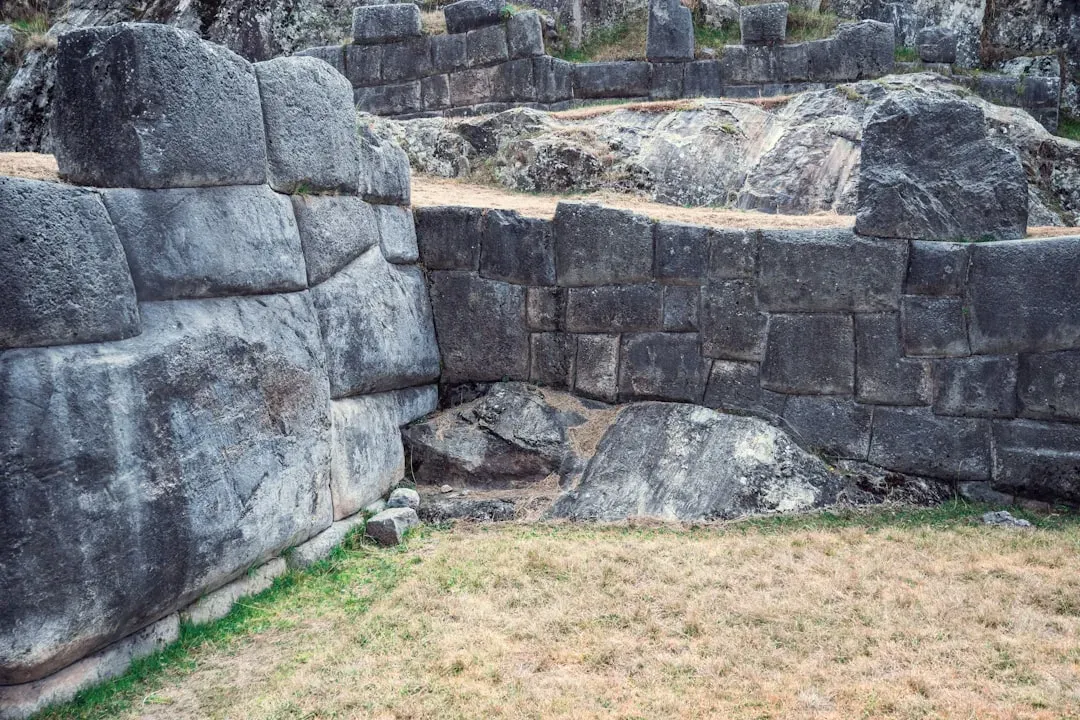
High in the Andes near Cusco, Sacsayhuamán delivers a different flavor of perfection: massive zigzag walls of stone blocks, some weighing dozens of tons, cut and keyed together in intricate patterns. Here again, the tight joints – curved, angled, and multi‑faceted – deliberately prevent sliding and collapse during earthquakes, a fact modern seismologists have highlighted when looking for lessons in resilience. Laser scanning of the walls reveals minute drafting lines and intentional surface irregularities that suggest a planned, iterative fitting process rather than random trial and error. Taken together, Nazca and Sacsayhuamán show that ancient precision could happen both at the human body scale and the landscape scale, with different techniques but a shared intensity of attention. That dual mastery is something modern infrastructure still struggles to achieve consistently.
The Hidden Clues: What Modern Science Is Finally Seeing
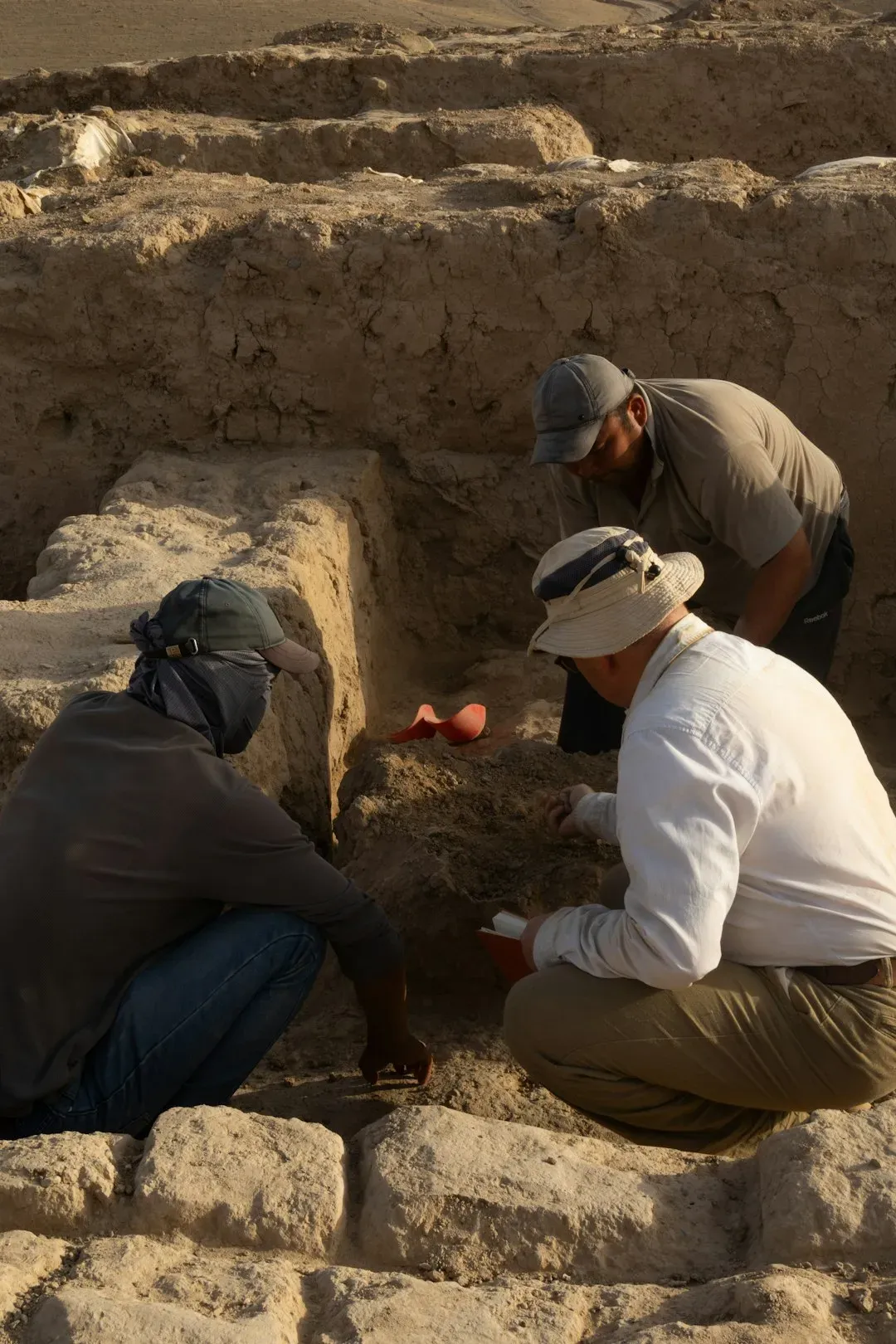
For most of the twentieth century, many of these feats were either romanticized as the work of “mysterious ancients” or dismissed as lucky approximations. What has changed in the last few decades is not the stones themselves but the tools we bring to them. High‑resolution LiDAR, for example, can strip away jungle canopy and modern clutter, revealing buried road networks, terraces, and alignments that show how individual monuments plugged into wider engineered landscapes. Ground‑penetrating radar and muon tomography peek inside solid structures like pyramids or burial mounds, mapping voids and density changes without a single spade of excavation. Suddenly, archaeologists can test old assumptions about straightness, orientation, and layout with hard numbers rather than eyeballing.
Even the way we look at tool marks and surfaces has changed, with 3D microscopy and wear‑pattern analysis turning chisel grooves or polish into evidence for specific techniques and sequences of work. Chemical studies of plaster, mortar, and pigments reveal recipes and quality control that speak to standardized knowledge shared across generations. Where earlier narratives sometimes leaned on vague talk of genius or mystery, these methods are uncovering the specific, repeatable practices that made precision possible. The hidden clues show a constant interplay between experimentation and tradition, more like a lab culture than a mystical guild. In that sense, the modern science of ancient engineering is less about demystifying and more about shifting the wonder toward the people and their problem‑solving brains.
Why It Matters: Rethinking Progress, Technology, and Human Ingenuity
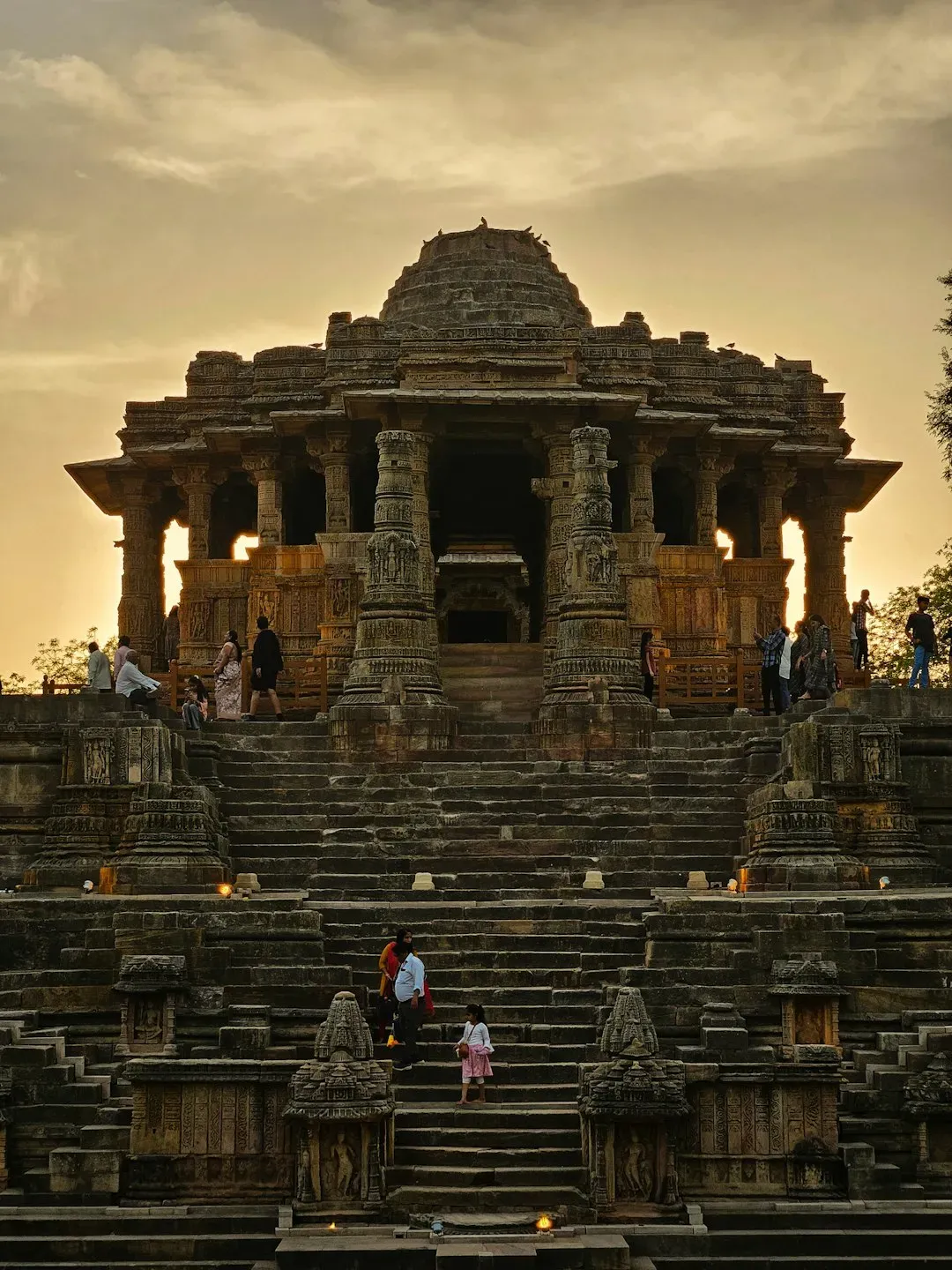
It is tempting to treat these sites as mere curiosities, impressive but ultimately irrelevant to a world of satellites and skyscrapers. That attitude misses something deeper. When we see that Neolithic builders could track solar cycles closely enough to time planting seasons, or that Andean masons engineered walls to ride out earthquakes better than some modern structures, it chips away at a lazy story about linear progress. The idea that newer is always smarter quietly collapses under the weight of these stones. Instead, you get a more tangled picture where knowledge is gained, forgotten, reinvented, and sometimes sidelined for political or economic reasons.
There is also a cultural and ethical dimension. Many of the techniques behind this precision are still embedded in Indigenous building traditions, from dry‑stone walls to vernacular orienting practices, yet they are often undervalued or bulldozed in the rush toward concrete and glass. Recognizing the sophistication of ancient engineering can help shift that balance, encouraging planners and architects to treat traditional methods as sources of insight, not obstacles. On a personal level, these structures challenge us to reconsider what counts as “advanced” technology. Is it only about electronics and algorithms, or can a rope, a plumb bob, and a deep understanding of the sky qualify too?
From Ancient Tools to Modern Science: Learning Practical Lessons
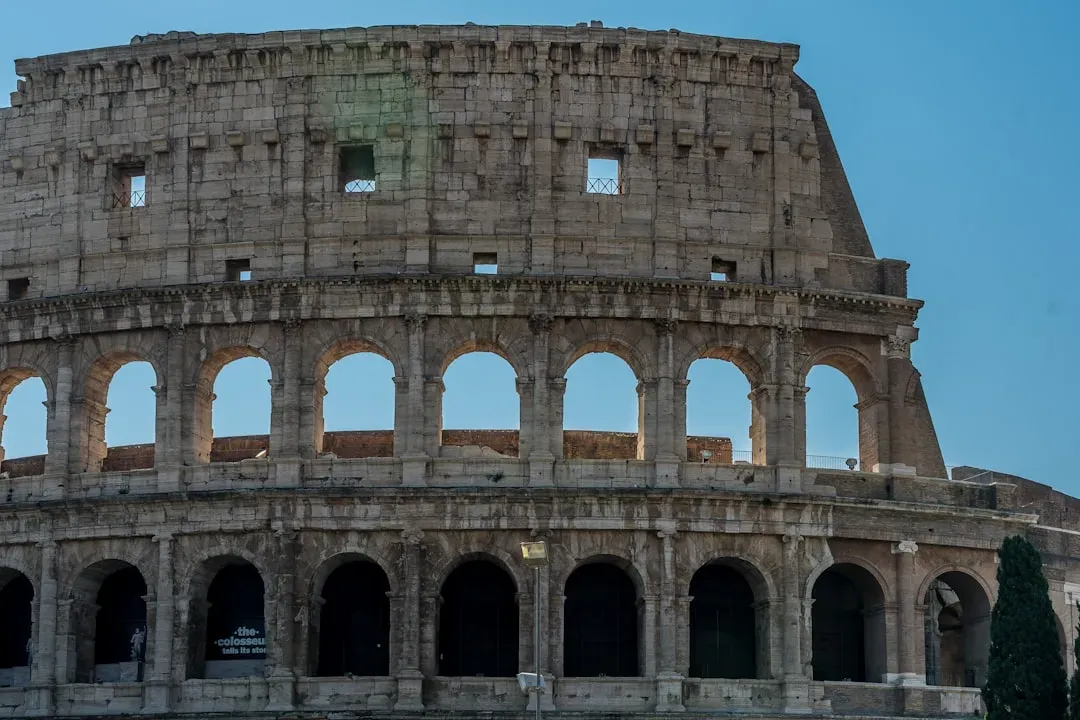
Engineers today are not just admiring these sites; in some cases, they are borrowing from them. Studies of Inca and other dry‑stone walls have informed modern seismic retrofitting approaches that use interlocking blocks and flexible joints instead of rigid, brittle connections. Passive solar design principles seen in ancient desert dwellings and temple orientations echo in contemporary green architecture that aligns buildings for optimal seasonal heating and cooling. When archaeologists map old flood terraces or canal systems, hydrologists see low‑tech strategies for living with water rather than constantly fighting it behind ever‑higher concrete barriers.
These lessons come with nuance. Ancient techniques were tuned to local materials, climates, and social structures; you cannot just copy and paste a Machu Picchu terrace onto a coastal city and expect magic. But by studying how precision was achieved – through iterative adjustment, long‑term observation, and communal labor – planners can rethink how they approach today’s challenges. Instead of single, monolithic solutions, there is room for modular, adaptable infrastructures that can settle, flex, and evolve. In this way, the dialogue between ancient tools and modern science becomes a two‑way street: our instruments clarify their work, while their work broadens our imagination about what engineering can be.
The Future Landscape: New Technologies, New Mysteries
Looking ahead, the investigation of ancient precision is likely to get even stranger and more exciting. Advances in machine learning are already being used to spot subtle patterns in site layouts or alignments that human eyes might miss, raising new hypotheses about planning principles or celestial references. Portable spectrometers and DNA sequencing kits are letting field teams analyze materials, residues, and even ancient microbiomes on site, tightening the links between construction techniques, environment, and health. As imaging gets sharper and cheaper, more “empty” landscapes will probably light up with previously invisible traces of engineered terraces, earthworks, and roads.
At the same time, climate change and development pose serious threats, from rising seas that eat away at coastal ruins to urban sprawl that paves over unexcavated heritage. That tension – between better tools to find and understand, and mounting pressures that erase – is likely to define the next few decades of research. International collaborations and local community involvement will be crucial, not just for accessing and preserving sites, but for interpreting them in ways that respect descendant knowledge. One likely outcome is that our catalog of “hidden wonders” will grow, but so will our awareness of what has already been lost. The more precisely we can read the ancient record, the louder its silences become.
How You Can Engage: Curiosity, Conservation, and Support
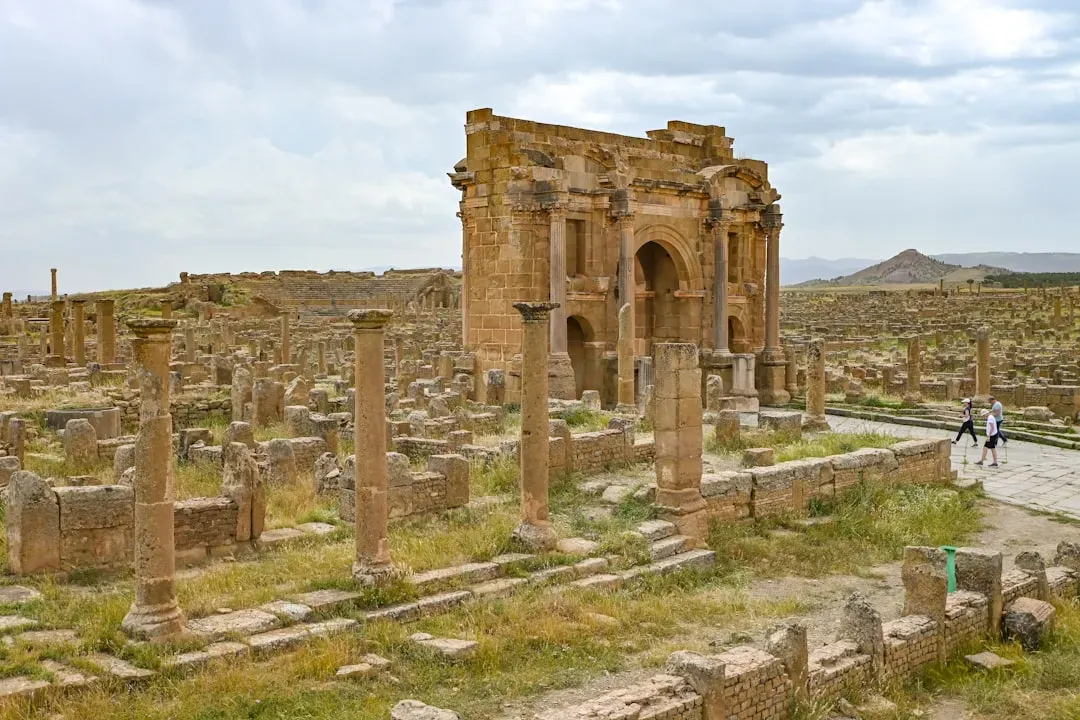
Most of us will never lead an excavation or run a LiDAR survey, but there are surprisingly concrete ways to connect with this world of ancient precision. Visiting sites – physically or through detailed virtual tours – helps support local economies and institutions that maintain and study them, especially when you choose operators who work with resident communities. Paying attention to how museums and media talk about these places, and favoring explanations grounded in human skill rather than sensational myths, also pushes public narratives in a healthier direction. On a very practical level, donations to archaeological research organizations or heritage preservation groups help fund the meticulous fieldwork and analysis that turn ruins into stories.
Curiosity itself is a powerful tool. Reading about lesser‑known sites, attending public lectures, or even just asking better questions when an ancient monument appears in the news keeps pressure on institutions to prioritize evidence over spectacle. If you work in design, engineering, or planning, looking deliberately to historical examples for inspiration is another form of engagement, one that can ripple into how tomorrow’s buildings and cities are shaped. These structures were built to outlast their makers, but they are not guaranteed to outlast our neglect. Whether we treat them as static backdrops or as active partners in thinking about human potential is, in a very real sense, up to us.
Suhail Ahmed is a passionate digital professional and nature enthusiast with over 8 years of experience in content strategy, SEO, web development, and digital operations. Alongside his freelance journey, Suhail actively contributes to nature and wildlife platforms like Discover Wildlife, where he channels his curiosity for the planet into engaging, educational storytelling.
With a strong background in managing digital ecosystems — from ecommerce stores and WordPress websites to social media and automation — Suhail merges technical precision with creative insight. His content reflects a rare balance: SEO-friendly yet deeply human, data-informed yet emotionally resonant.
Driven by a love for discovery and storytelling, Suhail believes in using digital platforms to amplify causes that matter — especially those protecting Earth’s biodiversity and inspiring sustainable living. Whether he’s managing online projects or crafting wildlife content, his goal remains the same: to inform, inspire, and leave a positive digital footprint.