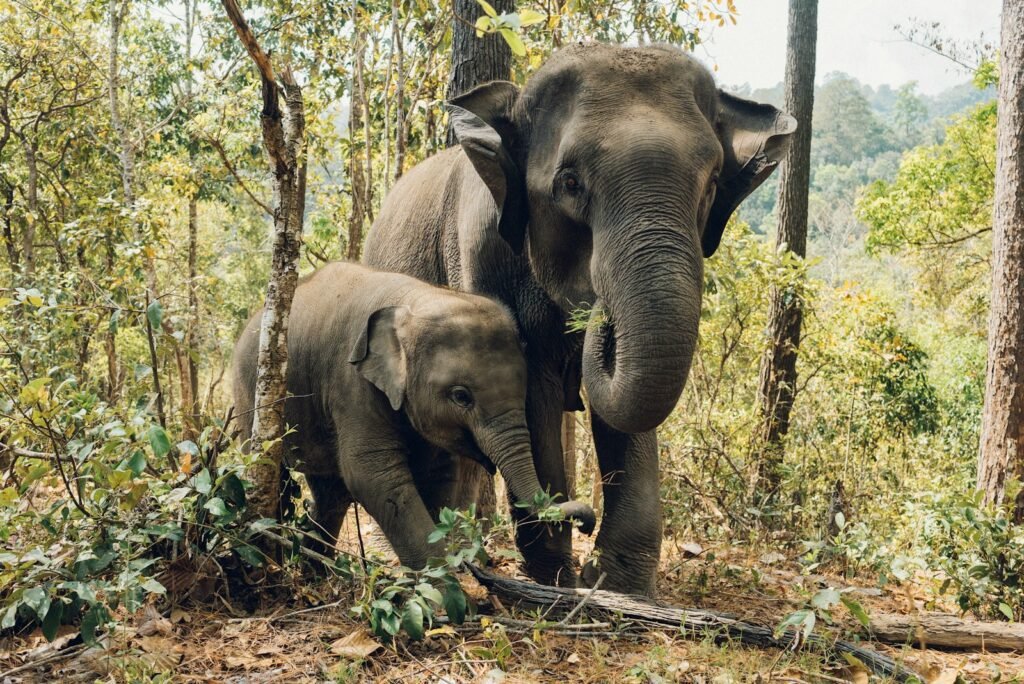

Every time scientists think they’ve got animal behavior neatly categorized, some creature appears to rip up the rulebook. From birds that navigate as if they can read invisible maps in the Earth itself, to octopuses that seem to improvise like jazz musicians, the natural world is full of mysteries that still resist tidy explanations. These aren’t obscure quirks buried in old field notes either; they’re often robustly documented, repeatedly observed, and still deeply puzzling. As research tools get better, the mysteries only get weirder, not simpler, leaving biologists torn between exhilaration and frustration. The result is a growing realization that animal minds and senses may be stranger – and far more sophisticated – than we ever imagined.
The Hidden Compass: Birds That Navigate With Invisible Maps
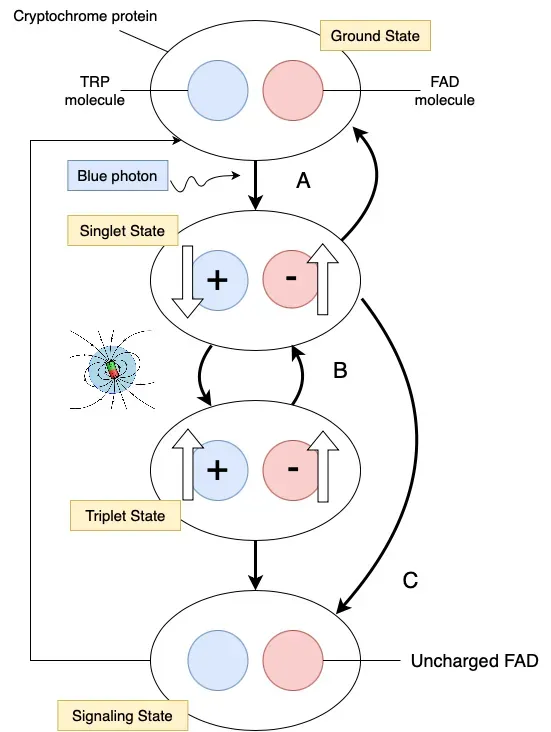
Imagine flying thousands of miles over open ocean at night, with no GPS, no landmarks, and somehow still landing on the same patch of forest year after year. Migratory birds do exactly this, and the evidence suggests many species literally “feel” the Earth’s magnetic field to guide them. Experiments in controlled labs have shown that changing magnetic fields can alter the direction birds try to fly, which strongly hints at a built-in compass. Yet the exact biological hardware behind that compass remains hotly debated, with competing hypotheses pointing to microscopic crystals in the beak or quantum reactions in the eye. For something so fundamental to survival, it’s striking that scientists still cannot say precisely how a robin knows north from south.
What makes this behavior truly mind-bending is how robust it is under chaotic real-world conditions. Storms, city lights, and shifting winds can all interfere, but many birds still manage remarkably accurate routes over thousands of miles. Some young birds migrate successfully on their very first journey without older guides, suggesting at least part of the “map” is innate. Others seem to adjust their routes after being displaced by weather systems, as if checking against multiple internal reference points. In human terms, it’s like being born with a half-remembered atlas stitched into your nervous system, and we are only beginning to decipher its pages.
The Octopus Problem: Puzzle-Solving Minds With No Central Plan
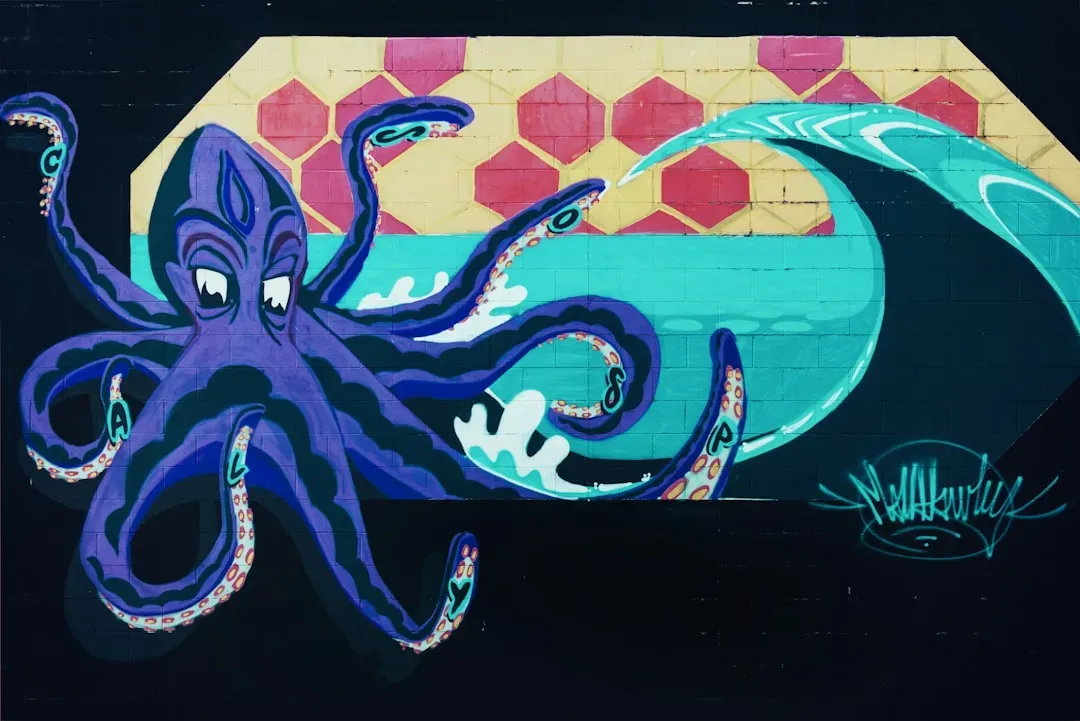
Octopuses are often described as aliens on Earth, and their behavior makes that metaphor feel less like a joke and more like a warning that our assumptions about intelligence are too narrow. They can open jars, escape aquariums, and navigate mazes, all while having a nervous system in which most neurons are distributed through their arms rather than concentrated in a brain like ours. Each arm can perform semi-independent actions, yet the animal as a whole still completes coordinated, goal-directed tasks. This decentralized intelligence raises difficult questions about what it even means to “think” when your body itself is part of your decision-making apparatus. Watching an octopus manipulate an unfamiliar object feels uncannily like watching an experiment in alternative cognition.
Scientists have tried to probe this by setting octopuses complex challenges, such as retrieving food from layered containers or adapting to changing environments in tanks. They typically improve with practice, suggesting learning and memory, but the internal strategies they use are still largely opaque. There’s also evidence of individual personalities, with some animals consistently bolder, shy, or curious, which complicates efforts to generalize. Unlike many mammals, octopuses are short-lived and do not seem to learn from parents, meaning these skills must emerge over a single lifetime. That combination – a highly flexible mind, a strange neural layout, and minimal social learning – doesn’t fit cleanly into current models of how sophisticated problem-solving usually evolves.
Mobbing the Enemy: Why Prey Species Risk Their Lives to Harass Predators
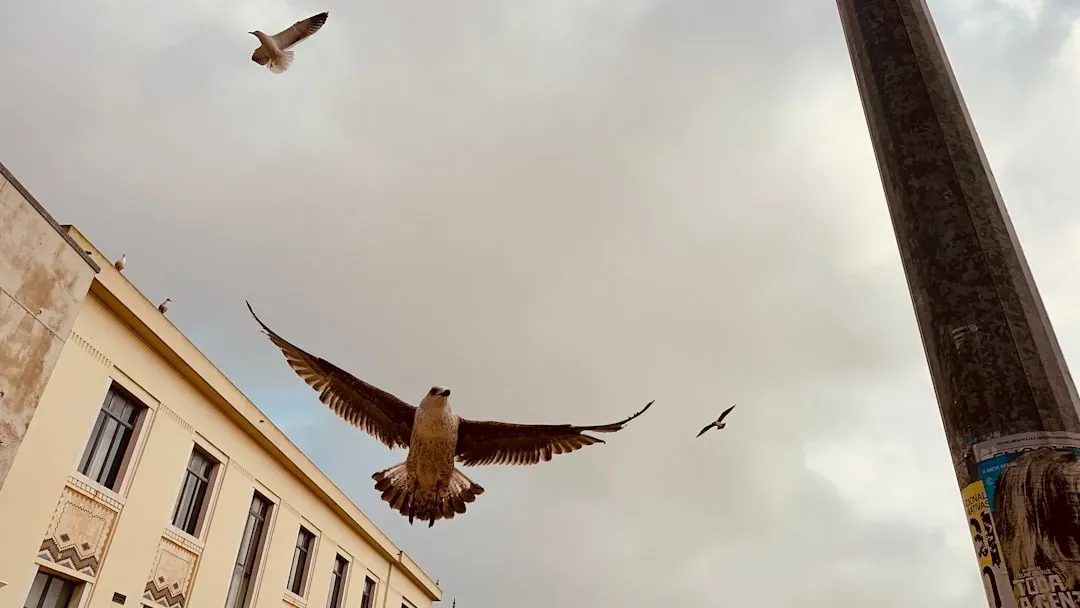
In many ecosystems, small birds or mammals will band together to harass an owl, hawk, or fox, diving and calling loudly while the predator simply endures the abuse. On the face of it, this “mobbing” behavior makes little sense, because it brings vulnerable animals dangerously close to someone that could eat them. One explanation is that it teaches younger individuals to recognize threats, while also signaling to the predator that it has been spotted and may as well move on. Yet the intensity and coordination of mobbing often seem disproportionate, with some individuals continuing long after the immediate danger appears to have passed. Why take those extra risks if the message has already been delivered?
Researchers have proposed several overlapping motives, from confusing the predator’s senses to building social cohesion through shared risk. Field studies show that certain calls can recruit additional individuals from neighboring groups, turning a local defense into a community-wide response. At the same time, mobbing can attract other predators who might also target the hunter, creating a kind of dangerous cascade that could backfire on everyone involved. What’s striking is how instinctive and widely distributed the behavior is, occurring in species that haven’t shared a common ancestor for a very long time. The fact that such a seemingly reckless strategy keeps reappearing suggests there are hidden benefits we still do not fully understand.
Shimmering Swarms: Synchronized Movements With No Obvious Leader
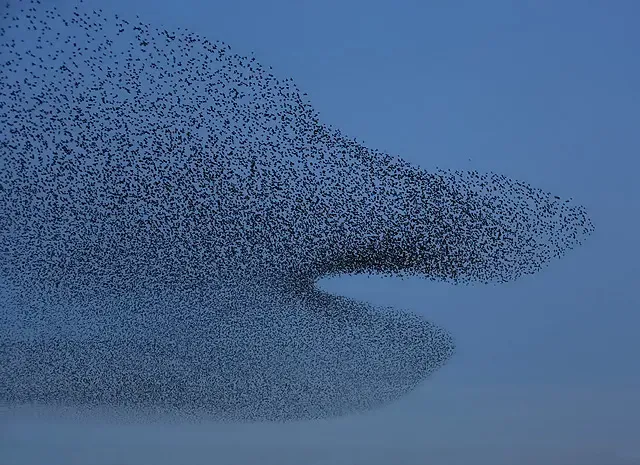
When a flock of starlings forms a shifting, rippling cloud at dusk, it can look as if the birds are part of a single organism, changing direction in unison. Similar patterns emerge in schools of fish and swarms of insects, where thousands of individuals appear to coordinate instantly, without visible signals or any one leader. Computer models can reproduce some of this by having each individual follow simple rules, like “stay close but not too close” and “match your neighbors’ direction.” Those models are powerful, yet they do not fully capture the nuance and speed of real-life swarms reacting to predators or environmental changes. How information cascades so quickly through such huge groups remains a major focus in the physics of collective behavior.
High-speed cameras and tracking algorithms are now being used to map individual movements inside swarms, revealing surprisingly complex local interactions. Some animals attend to only a handful of neighbors, while others seem to modulate their behavior depending on position within the group. There are hints that swarm structure can change in subtle ways depending on the type of threat, suggesting more flexibility than a few rigid rules would allow. For humans, who often organize around explicit leaders and plans, this kind of emergent order feels deeply counterintuitive. Yet it may offer clues to building more resilient systems in robotics, traffic management, and even crowd safety, if we can crack the underlying principles.
Time Travelers: How Animals Sense Quakes, Storms, and Subtle Future Threats

Stories of animals acting strangely before earthquakes, tsunamis, or major storms have circulated for centuries, often dismissed as folklore. More recent work has documented some consistent patterns, such as unusual movements in farm animals before seismic events or changes in certain fish behaviors ahead of storms. One idea is that animals detect tiny vibrations, shifts in air pressure, or electromagnetic changes that humans barely register, giving them a small but real head start on danger. However, separating genuine predictive cues from coincidence is notoriously difficult, and many apparent “signals” vanish when subjected to rigorous statistical analysis. The tantalizing possibility is that at least some species have evolved early-warning systems that we’ve barely begun to characterize.
Researchers have tried attaching GPS and other sensors to livestock, birds, and wild animals to see whether movement patterns shift predictably before natural disasters. In a few cases, clusters of abnormal activity have coincided with later events, but the data sets are small and noisy. If there is a real signal, it may differ from species to species, or depend on complex interactions between environment and sensory biology. That makes it hard to build simple rules like “if cows move more than usual, an earthquake is coming,” even if something along those lines is sometimes true. The idea that animals might act as living sensors for geological or climatic instability remains compelling, but it is a hypothesis still very much in search of solid proof.
The Hidden Clues: Animal Cultures That Rewrite the Rules of Instinct
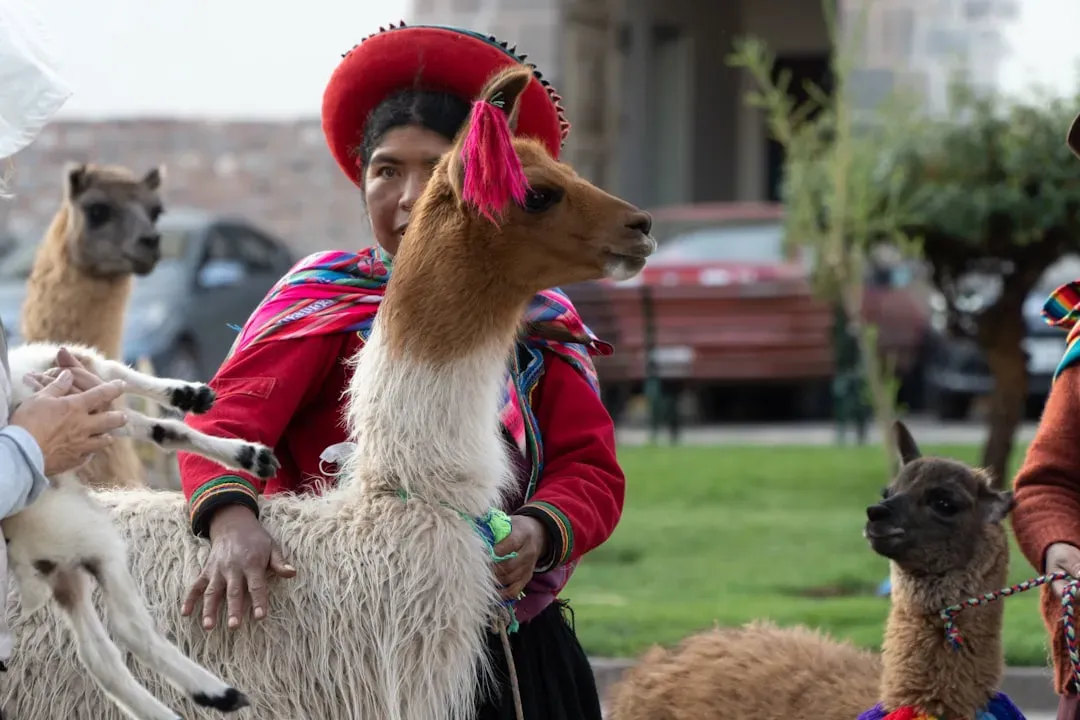
For a long time, many scientists assumed that most animal behavior was driven primarily by hardwired instincts, with only limited room for culture or tradition. That picture has been quietly falling apart as researchers accumulate evidence that animals can pass down local customs, tool-use tricks, and even “dialects” across generations. Chimpanzee groups use different techniques to crack nuts or fish for termites, while neighboring whales sing slightly different songs that spread like regional hits. Some of these behaviors are not strictly necessary for survival, which makes them feel more like cultural choices than evolutionary mandates. The puzzle is how such fragile, socially transmitted patterns can persist and diversify without written records or formal teaching.
Careful long-term studies have revealed that young animals often copy older, more experienced individuals, watching closely even when no food reward is immediately obvious. Once a particular method or style takes hold, it can become a kind of local tradition that resists change, even when alternative strategies might be equally effective. In some primates and birds, innovators – those who try something new – are relatively rare, but when they appear, their ideas can ripple through a group, reshaping what is considered “normal.” It challenges the old line between human culture and animal instinct, replacing it with a gradient that is messier but more realistic. Our own cultural evolution may be less unique than we once believed, which is both humbling and oddly comforting.
Why It Matters: Rethinking Minds, Senses, and Our Place in Nature
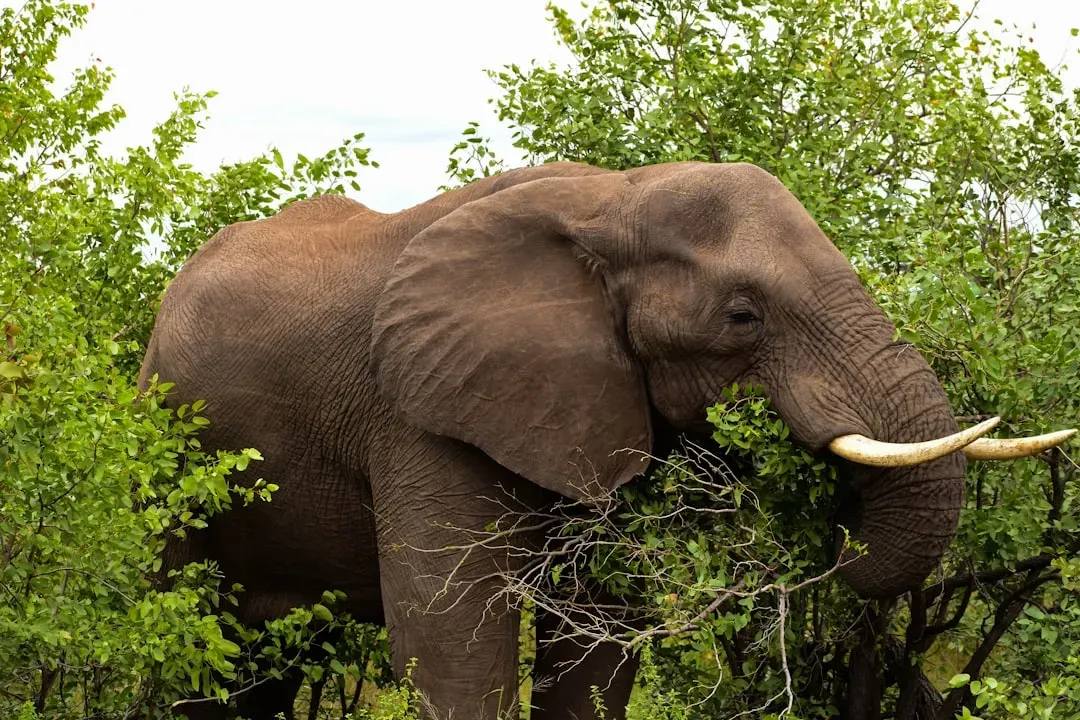
These baffling behaviors are not just entertaining oddities; they strike at the heart of how we define intelligence, perception, and even reality. If birds can sense magnetic fields, octopuses can think with their arms, and whales maintain traditions, then our human-centric models of cognition are obviously incomplete. Much of classical biology tried to explain animals as packages of reflexes and fixed programs, but the evidence now points to flexible, context-dependent decision-making in many species. That forces uncomfortable questions about where to draw lines between simple and complex minds, or between “mere instinct” and something closer to thought. It also exposes the limits of studying animals only in labs, far from the environments that shaped their abilities.
Comparisons with past eras of science are revealing here. Centuries ago, people assumed planets moved in perfect circles because that was philosophically satisfying, and they clung to that idea despite mounting contradictions. Today, neat categories like “instinct versus learning” or “individual versus swarm” play a similar role, tidying up a world that resists being tidy. As more field data arrive from sensors, drones, and long-term observation projects, those simple boxes keep breaking. The real impact is on how we think about moral and practical responsibilities toward other species, whose lives may be far richer and more self-directed than we guessed. Accepting that complexity is not just a scientific adjustment; it is a shift in how we see ourselves in relation to the living world.
The Future Landscape: New Tech, Deeper Mysteries, and Global Stakes
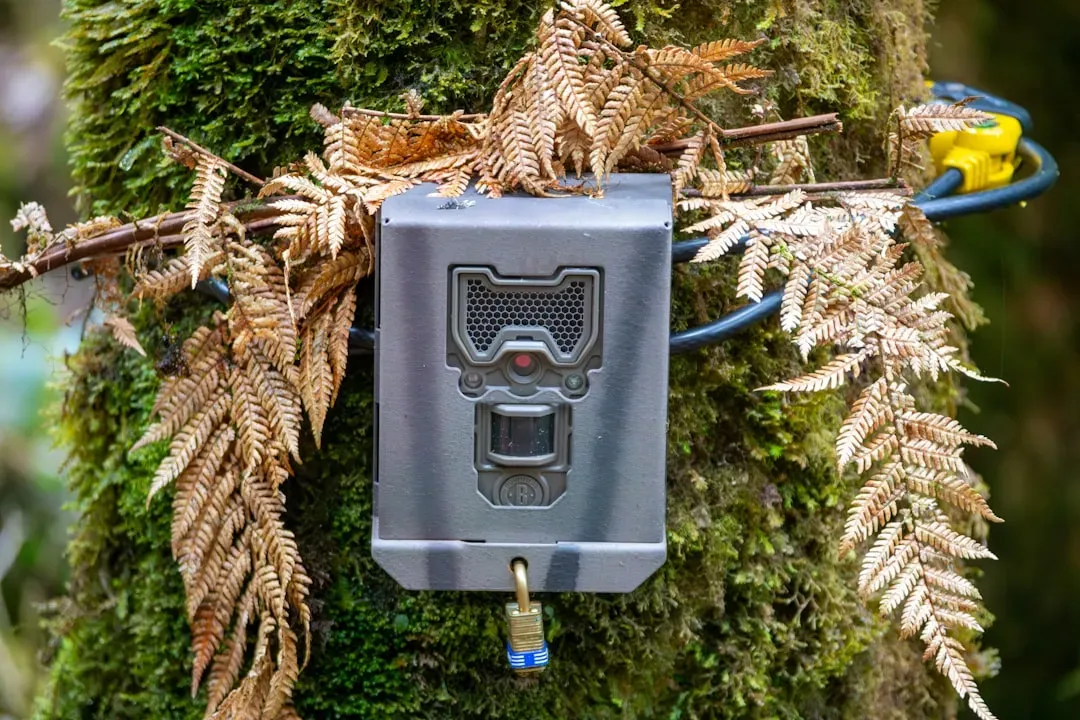
Peering into these animal mysteries is increasingly a high-tech enterprise, drawing on tools that would have been science fiction a generation ago. Tiny bio-loggers strapped to birds and sharks can record position, depth, temperature, and even acceleration for months at a time, then beam those data back via satellite. Camera traps, acoustic recorders, and environmental DNA sampling allow researchers to track behaviors and movements across vast, hard-to-reach landscapes. At the same time, machine learning systems are sifting through mountains of data, looking for subtle patterns in calls, flight paths, or swarm dynamics that human analysts might miss. The hope is that these methods will reveal the hidden rules governing behaviors that currently seem inexplicable.
Yet more data do not guarantee clean answers. Complex systems often produce patterns that are inherently difficult to predict, even when the underlying rules are known, and animal societies are about as complex as systems get. There are also ethical questions about how much we should interfere, especially when attaching devices or altering environments to provoke reactions. The global stakes are high, because as climate change and habitat loss reshape ecosystems, animals will likely lean heavily on the very behaviors we barely understand – navigation, collective defense, cultural flexibility – to survive. If we want to forecast which species might adapt and which are most at risk, deciphering these mind-bending strategies becomes more than a curiosity; it becomes a form of ecological triage.
From Wonder to Action: How Curious Readers Can Actually Help
It’s easy to treat stories about uncanny animal abilities as pure entertainment, the wildlife version of a magic show you watch and then forget. But the same species that dazzle us with impossible migrations or eerie foresight are often the ones most threatened by human activity. You do not need a lab coat to make a difference; small, consistent actions add up. Supporting habitat protection efforts, whether through local land trusts, global conservation groups, or responsible travel choices, directly safeguards the settings where these behaviors evolved. Even choosing seafood, meat, and consumer goods from sources that prioritize ecosystem health can reduce pressure on fragile species and migrations.
Curiosity itself is a powerful tool. Participating in citizen science projects that log bird migrations, pollinator visits, or marine sightings gives researchers the broad, long-term data sets they need to spot unusual patterns. Visiting science museums, reading field reports, or following reputable wildlife research organizations keeps public attention on these mysteries, which in turn helps sustain funding. Sharing accurate, nuanced stories about animals – not just simplified myths – can shift how friends and family think about the nonhuman world. The more people see animals as complex, adaptive beings rather than background scenery, the harder it becomes to ignore their fate. The next time you see a flock wheel overhead or a swarm shimmer in the evening light, the most important step might simply be to stop, notice, and let the questions sink in.
Suhail Ahmed is a passionate digital professional and nature enthusiast with over 8 years of experience in content strategy, SEO, web development, and digital operations. Alongside his freelance journey, Suhail actively contributes to nature and wildlife platforms like Discover Wildlife, where he channels his curiosity for the planet into engaging, educational storytelling.
With a strong background in managing digital ecosystems — from ecommerce stores and WordPress websites to social media and automation — Suhail merges technical precision with creative insight. His content reflects a rare balance: SEO-friendly yet deeply human, data-informed yet emotionally resonant.
Driven by a love for discovery and storytelling, Suhail believes in using digital platforms to amplify causes that matter — especially those protecting Earth’s biodiversity and inspiring sustainable living. Whether he’s managing online projects or crafting wildlife content, his goal remains the same: to inform, inspire, and leave a positive digital footprint.