Several miles beneath the sunlit waves, in a place where bones should crack and metal should crumple, life is quietly rewriting the rules of biology. Over the last decade, deep-diving robots and pressure-proof landers have slipped into the black pits of the Mariana, Kermadec, Japan, and Izu–Ogasawara trenches, returning with images and specimens that look more like science fiction than marine biology. These are worlds of crushing pressure, toxic chemistry, and absolute darkness – yet they’re crowded with translucent snails, gelatinous “ghost” fish, and crustaceans that shimmer with metallic blues. The mystery is no longer whether life can exist in the deepest trenches, but how it thrives there, and what it is doing to the fabric of Earth’s systems. The deeper scientists look, the clearer it becomes that these bizarre organisms may hold answers to questions we did not even know how to ask.
The Last Great Frontier on Earth
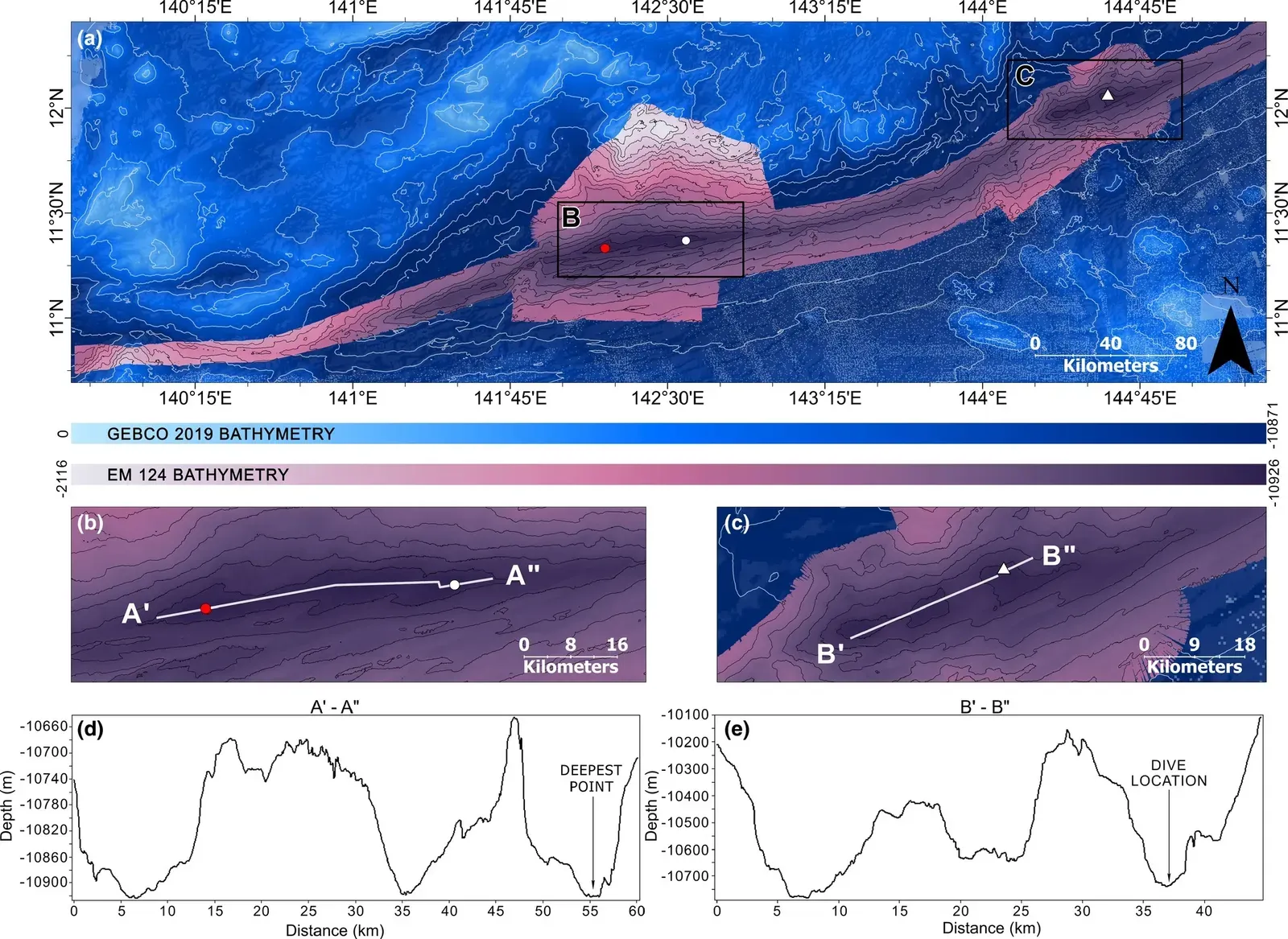
Imagine standing at the edge of a canyon so deep that Mount Everest could disappear inside it with room to spare – that’s the kind of scale we’re talking about with the ocean’s deepest trenches. The Challenger Deep in the Mariana Trench plunges to nearly seven miles, a realm where pressures are more than a thousand times higher than at the surface. At those depths, a human body would be crushed instantly, and many metals bend like soft plastic, yet bacterial mats and scavenging animals patrol the seafloor as if it were perfectly ordinary. The sheer contrast between how hostile the environment appears and how busy it actually is gives these trenches an almost unsettling, otherworldly feel.
For most of human history, these places existed only in numbers on nautical charts, more myth than reality. Early sonar maps hinted at deep pits, but no one really knew what lay inside them beyond vague talk of “abyssal plains” and “bottomless trenches.” The first tentative descents in the mid‑twentieth century proved that life could exist there, but the grainy footage and limited sampling barely scratched the surface. Only in the last fifteen or so years, with advances in cameras, sensors, and autonomous vehicles, have we begun to see the trenches as actual landscapes – rippled with sediments, scarred with landslides, and crawling with creatures adapted to endless night.
The Hidden Clues in Alien-Looking Bodies
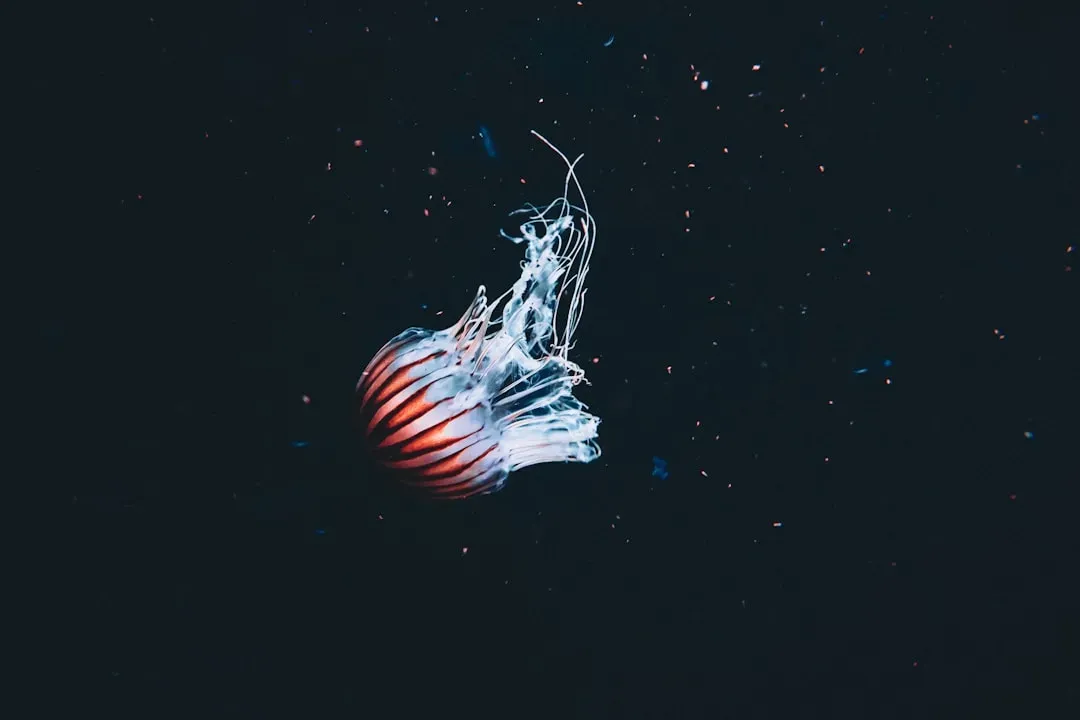
The animals of the trenches look strange at first glance, but their bizarre shapes and colors are like biological crime-scene clues, each pointing to a survival strategy. Take the ghostly snailfish filmed and collected from depths beyond 26,000 feet in the Mariana and Izu–Ogasawara trenches: their bodies are soft, almost gelatin-like, with skulls and bones so reduced that they look half-finished. In a shallow reef, such fragility would be a liability; in the deep trenches, it is a perfect solution to crushing pressure, allowing tissues to flex instead of snap. Their skin lacks heavy scales, their muscles are pale and ribbonlike, and their organs are packed with special molecules that help stabilize proteins under enormous stress.
Those molecules – often small organic compounds acting like biochemical shock absorbers – are one of the trenches’ most important secrets. Instead of building rigid armor, many trench animals lean into softness, reinforcing their cells with compounds that keep membranes flexible and enzymes functional where they should fall apart. Amphipods, the shrimp-like scavengers that roam trench floors in huge numbers, show similar tricks: flexible exoskeletons, unusual lipids in their cell membranes, and pigments that may protect against the constant drizzle of natural radiation from decaying elements in the sediment. To a biochemist, these adaptations are like a library of survival blueprints for extreme stress. To a casual observer, they just look like aliens that somehow wandered into the wrong planet.
From Early Bathyscaphes to Robot Swarms
The story of trench exploration is really a story of technology catching up with human curiosity. In 1960, the bathyscaphe Trieste made the first crewed dive to the Challenger Deep, and the grainy notes from that mission still read like something from a polar expedition: limited visibility, few instruments, a fleeting glimpse of a flat, muddy seabed. That single snapshot stood largely alone for decades, partly because every descent to such depths was a huge engineering gamble. The cost of building a vessel that could survive pressures like those inside a small nuclear explosion kept most research teams away.
That started to change when robotic landers and remotely operated vehicles became cheaper and more reliable. Instead of risking lives, scientists could drop pressure-proof “elevators” packed with cameras, lights, and baited traps, letting them free-fall into trenches and then float back up after a programmed time. More recently, reusable submersibles and privately funded expeditions have turned what was once a once-in-a-generation mission into something closer to routine. Each new deployment adds to a growing catalog of deep-trench inhabitants: translucent sea cucumbers that glide like ghosts, fields of burrows hinting at hidden worms, and dense swarms of amphipods stripping carcasses in minutes. Watching this shift from “we think something might be down there” to “we have video of it feeding, breeding, and hunting” has been one of the most dramatic changes in deep-sea science.
Life Under Crushing Pressure
At the heart of this story is a simple question: how does anything stay alive when every square inch of its body is being squeezed by a literal ton of water? The answer lies in a deep re-engineering of basic biology. Cell membranes in trench organisms are loaded with special fats that stay fluid instead of turning rigid, allowing cells to function under pressures that would freeze typical membranes into useless glass. Enzymes – the tiny molecular machines that drive metabolism – carry subtle tweaks in their structure, making them more flexible so they do not jam under pressure.
Then there’s the chemistry of their environment. The trenches are cold, with very little oxygen and almost no sunlight-driven food production, so most energy arrives as a slow rain of decaying organic matter from above, or from chemical reactions within the sediments. Bacteria in the mud break down everything from whale bones to microplastics, while larger scavengers sweep up the scraps. This has created communities that are not just tough but opportunistic, tuned to make a living from threads of energy that would seem almost laughably small by surface standards. In a strange twist, the trenches might be some of the best training grounds on Earth for understanding how life could survive on icy moons or in the subsurface oceans of distant worlds.
Why These Trenches Matter Far Beyond Curiosity
It is tempting to see the trenches as remote curiosities, the biological equivalent of weird trivia. In reality, what happens down there touches climate, geology, and even future medicine. Every year, a vast mass of carbon-rich particles sinks from the surface into the deep ocean, and the trenches act as final resting places where some of that carbon can be buried for thousands or even millions of years. The organisms that chew, process, and bury this material are quiet players in Earth’s long-term climate stability, helping lock away carbon that might otherwise return to the atmosphere.
From a technological and medical perspective, trench life offers a rare collection of biochemical tricks. The same pressure-resistant molecules that keep snailfish enzymes stable could help preserve drugs or industrial enzymes that currently fail under heat, pressure, or chemical stress. Enzymes from deep microbes already show promise in high-pressure industrial processes and in lab techniques that need extreme stability. More broadly, the trenches remind science that our catalog of Earth’s life is still deeply incomplete. When you find entire ecosystems in places we once called uninhabitable, it forces you to rethink what “normal” biology looks like – and where else in the universe it might arise.
Dark Surprises: Pollution and Human Footprints in the Abyss
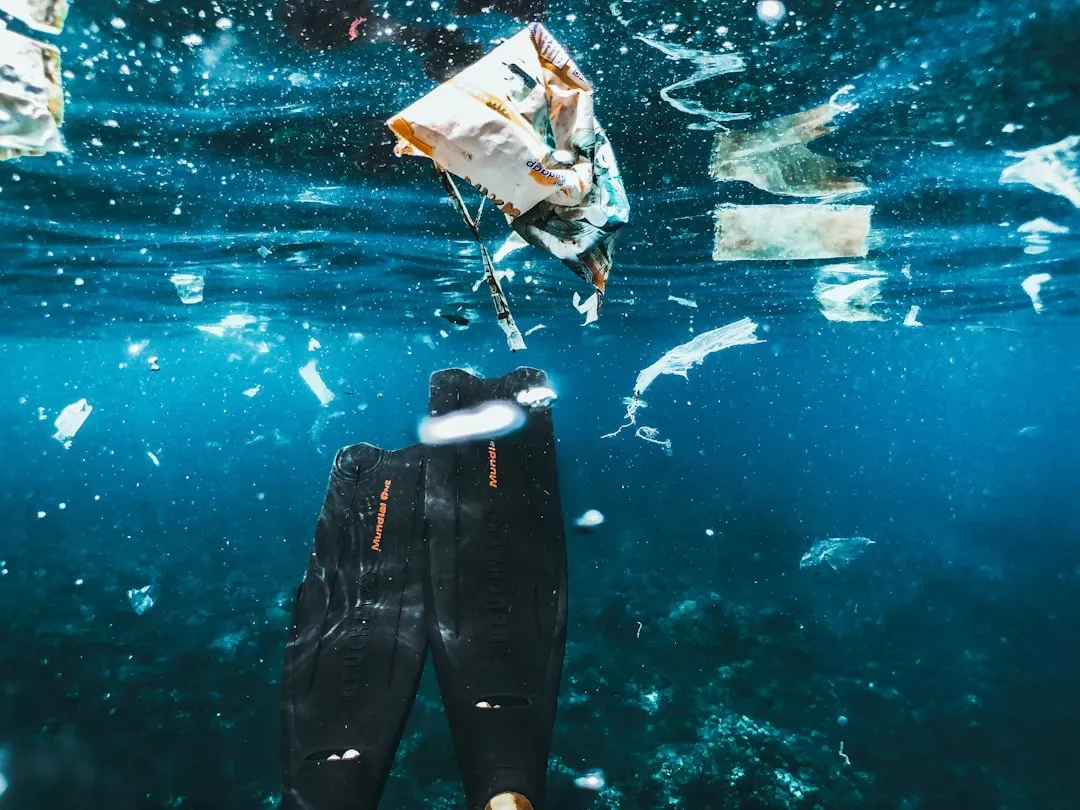
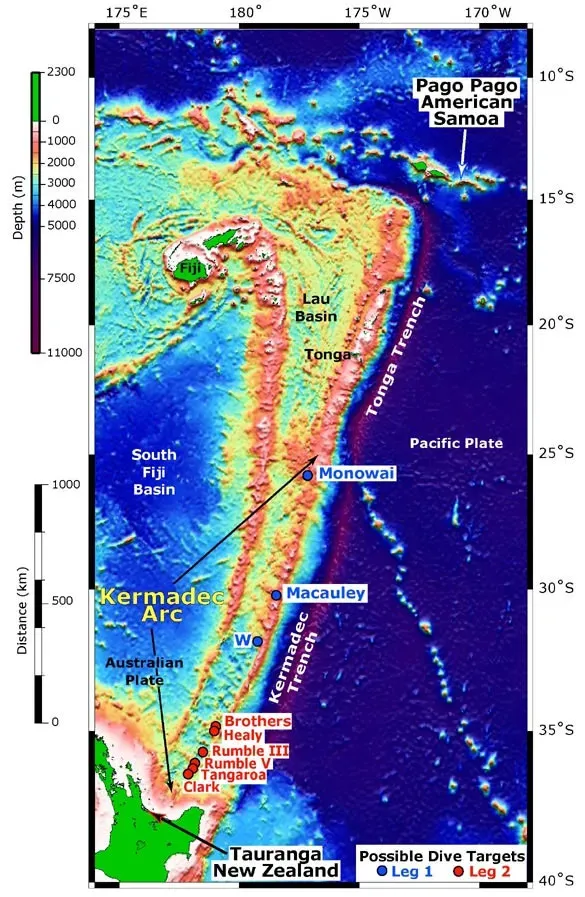
One of the most sobering discoveries of trench exploration is that our impact reaches even the deepest, darkest corners. When researchers analyzed amphipods from the Mariana and Kermadec trenches, they found that many carried measurable loads of industrial pollutants, including chemicals originally released into the environment in the mid‑twentieth century. Microplastics have also turned up in trench sediments and inside the guts of bottom-dwelling animals, showing that plastic debris can be ground down, carried by currents, and funneled into these deep traps. It is a stark reminder that there is effectively no “away” when we throw something out.
At the same time, the trenches are emerging as potential targets for deep-sea mining, because some slopes and adjacent areas hold rich deposits of metals and rare elements. That has raised hard questions about how much disturbance these slow-growing ecosystems can handle. Many trench animals have long lifespans and low reproduction rates, which makes them particularly vulnerable to sudden habitat disruption. The idea of sending heavy machinery into an environment that has been stable for geological time scales is forcing scientists, regulators, and companies into a conversation that feels uncomfortably rushed. These are places where we only just learned the names of some residents, and we are already debating whether it is acceptable to scrape their homes apart.
Rewriting Our Map of Life on Earth
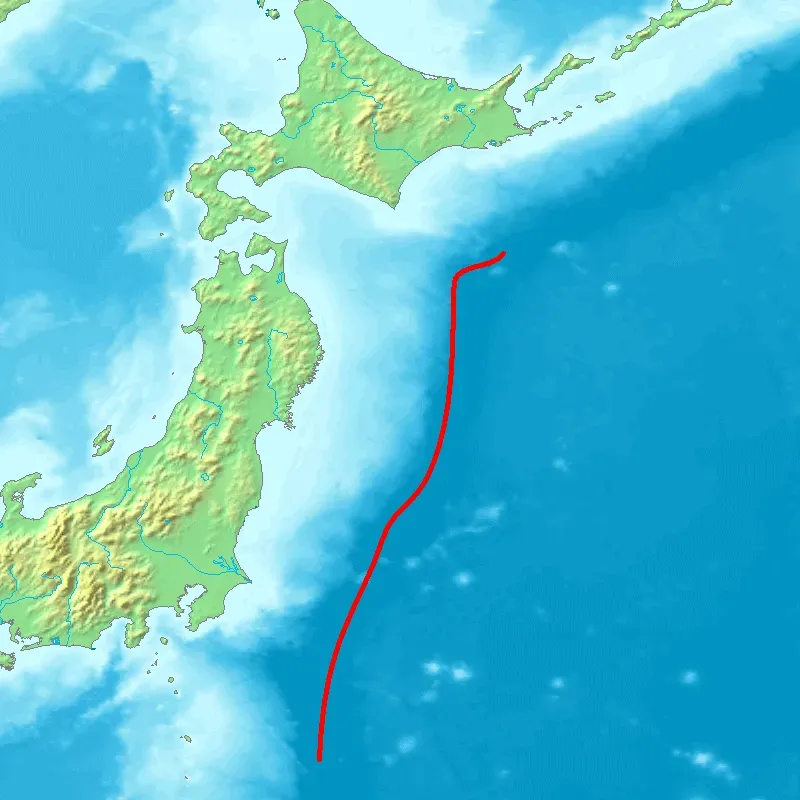
From a big-picture biology standpoint, the trenches are like a revision note scribbled in the margins of the textbook. Traditional marine ecology drew neat lines: sunlit surface waters full of fast-growing plankton and fish, dim midwaters with slow drifters, and relatively sparse deep plains at the bottom. Trench discoveries have complicated that story, revealing pockets of surprising abundance, localized food falls that support bursts of activity, and complex chemical gradients that act like invisible fences and highways. Some trench species appear to have evolved in isolation for millions of years, turning these regions into natural laboratories of evolution.
Genetic studies are showing that certain trench organisms are distinct enough from their nearest neighbors elsewhere in the ocean that they might represent new branches on the tree of life. This level of novelty matters because it expands the range of what we know biology can do: the types of proteins it can build, the ways it can handle stress, and even the forms bodies can take when freed from the constraints of buoyancy and light. I still remember the first time I watched raw footage of a hadal snailfish hovering calmly in front of the camera; it felt less like seeing a weird fish and more like catching biology in the act of improvising entirely new rules. Once you see that, it is difficult to think of Earth as mostly explored.
The Future Landscape of Deep Exploration
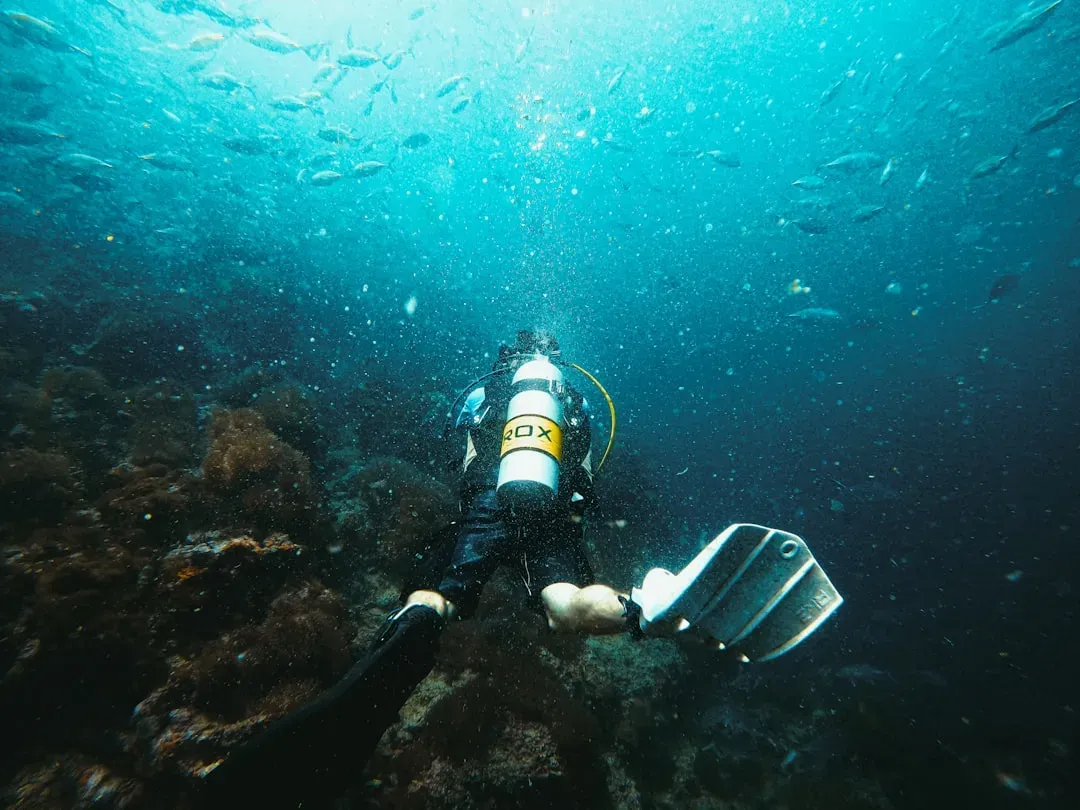
The next decade of trench exploration is likely to be defined by autonomy and scale. Instead of sending a single, expensive robot down for a one-off mission, teams are developing fleets of smaller, semi-autonomous vehicles that can map, sample, and monitor trenches for months at a time. Advances in battery technology, artificial intelligence, and low-light imaging are turning what used to be a quick snapshot into long-term documentaries of deep life. Add to that improved satellite systems and undersea communication links, and we are inching closer to an era where data from hadal depths streams to shore in near real time.
But with that new capability come new challenges. International rules for what can and cannot be done in deep waters are still patchy, and trenches often lie in areas beyond any single nation’s jurisdiction. Funding for pure exploration competes with more immediately profitable ventures, such as resource extraction. And there is a basic question that keeps resurfacing in conversations among scientists: how much observation is too much? Even shining bright lights or dropping repeated landers into a sensitive community can change behavior. Balancing the urge to know with the responsibility to protect will likely be the defining ethical puzzle of deep-trench science in the coming years.
How You Can Stay Connected to the Deepest Places
It might feel like the trenches are impossibly distant, but the choices made at the surface shape their fate. One of the simplest ways to engage is by paying attention to how much plastic and disposable material you use, and supporting policies that reduce waste at the source. Reducing the volume of trash that enters rivers and coastal waters lowers the amount that ultimately ends up ground into microplastics and funneled into the deep. Watching how you vote and which initiatives you support – from marine protected areas to stricter regulations on pollutants – can have a surprisingly direct link to the health of these hidden ecosystems.
You can also follow and support organizations that specialize in deep-ocean research and conservation, whether through donations, citizen science programs, or simply by amplifying their findings. Many expeditions now livestream parts of their dives, turning the trenches into shared spaces that anyone with a screen can visit. For me, the most powerful shift happens the moment someone realizes that the deepest point on Earth is not just a number in a textbook but a living landscape with residents we are only just beginning to meet. Once the trenches feel like part of our shared neighborhood rather than some abstract abyss, the question quietly shifts from “Why should I care?” to “How can I help make sure we do not break this before we even understand it?”