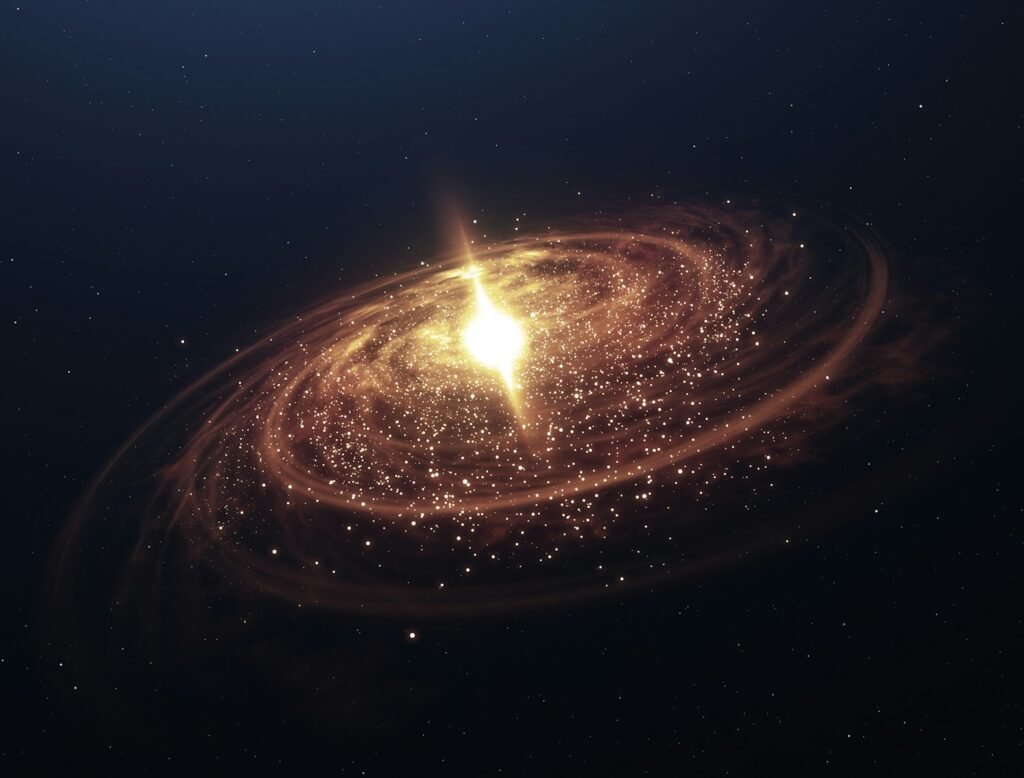

Not so long ago, astronomers expected the universe to behave like a ball thrown into the air: expand rapidly at first, then slow down under the pull of gravity. Instead, in one of the most unsettling discoveries of modern science, they found the opposite. The cosmic expansion is speeding up, as if some invisible hand were pressing harder on the accelerator of space itself. This single finding shattered old models, raised new questions about the ultimate fate of everything, and forced physicists to admit that most of the universe is made of something they still cannot explain. At the center of this mystery sits a phrase that sounds almost too simple for what it represents: dark energy.
The Hidden Clues in Ancient Starlight
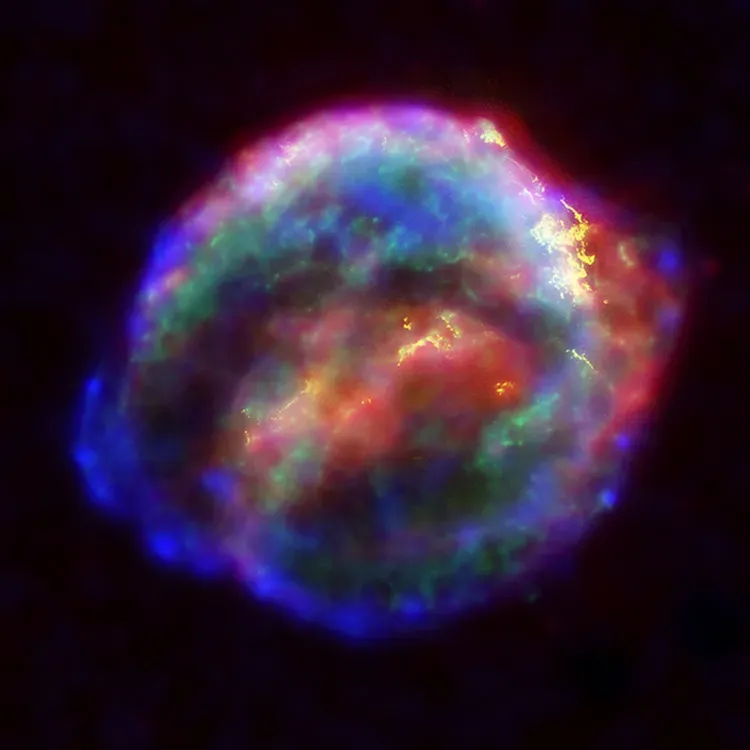
Imagine trying to understand the life story of the universe from a handful of faded photographs. That is essentially what astronomers did in the late 1990s when two teams studied distant Type Ia supernovae, stellar explosions that act as remarkably consistent cosmic mile markers. By comparing how bright those supernovae appeared with how much their light was stretched, they could infer how fast the universe was expanding when the light left them. To their surprise, the explosions were dimmer than expected, implying the supernovae were farther away than any standard model would predict.
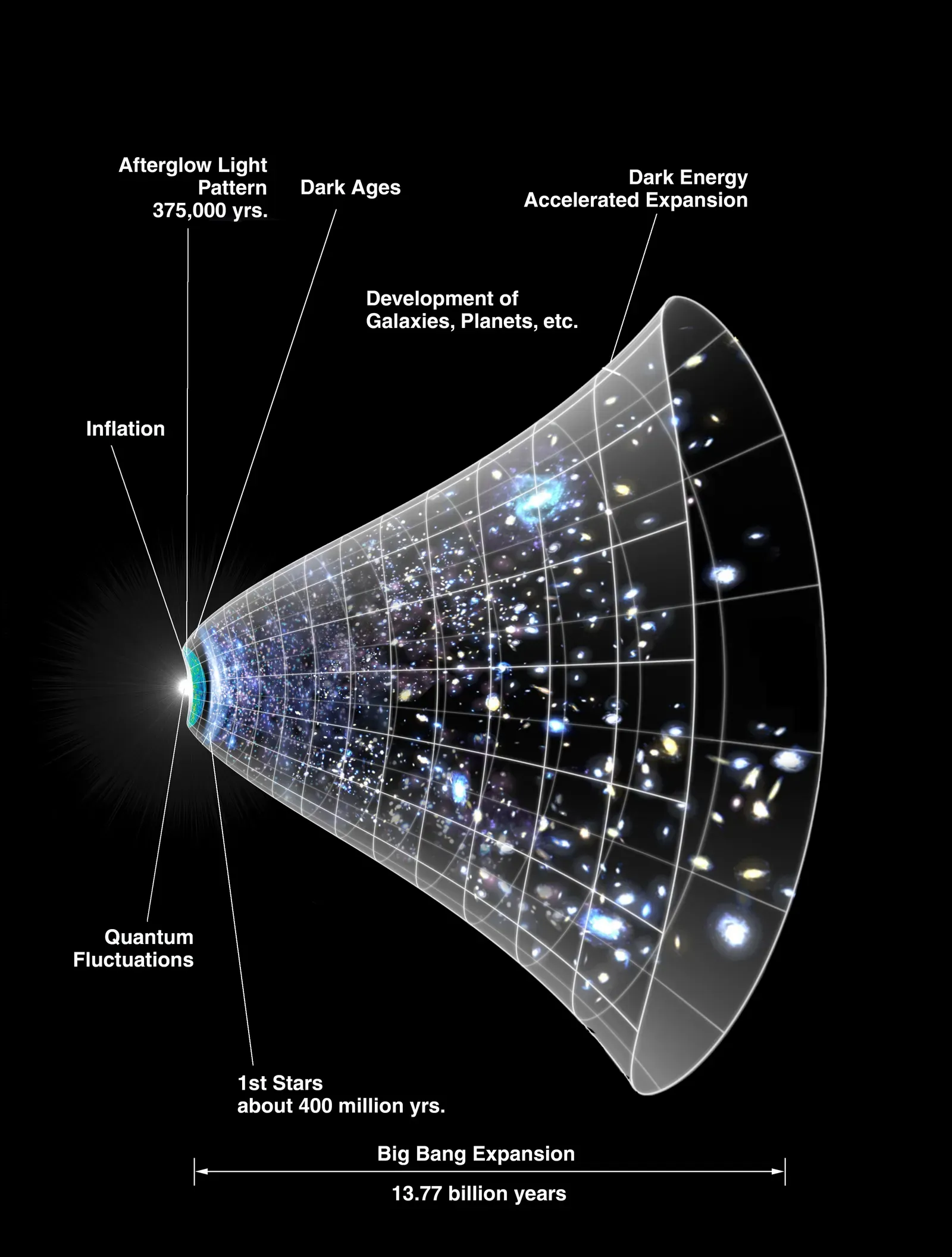
Those faint signals were the first clear clues that cosmic expansion had not been slowing down, but speeding up over billions of years. Additional evidence soon arrived from the cosmic microwave background, the afterglow of the Big Bang, which carries an exquisitely detailed imprint of the universe when it was less than four hundred thousand years old. Measurements from space missions and ground-based observatories converged on a striking picture: ordinary matter and dark matter account for only a minority of the total cosmic energy budget, while dark energy dominates. The hidden clues had always been there in ancient starlight; it just took the right tools and questions to reveal what they were trying to say.
From Einstein’s Equations to Dark Energy’s Enigma
The idea that empty space might have its own energy is not entirely new; it lurks inside Einstein’s equations of general relativity in the form of the cosmological constant. When Einstein first added that term, he did it to force the universe to be static, something we now know it is not, and he later reportedly regretted it. Yet the accelerating universe has turned this once-dismissed mathematical tweak into a leading explanation: space itself may be filled with a constant energy that pushes everything apart. In that picture, every cubic meter of vacuum carries the same tiny amount of energy, but taken over the entire universe, it dominates the cosmic dynamics.
Other ideas challenge this calm, unchanging background picture of dark energy. Some theorists propose that dark energy might be a dynamic field, evolving slowly over time, much like a weather pattern that changes on scales far beyond human experience. Others suspect that our understanding of gravity may break down on the largest cosmic scales, so that the apparent acceleration is really a sign that Einstein’s theory needs revision. In each case, the equations are exquisitely tuned to match current observations, yet they diverge dramatically when extrapolated billions of years into the future. The enigma of dark energy is not just about fitting the data; it is about deciding which vision of physical reality we are willing to accept.
Reading the Universe’s Timeline: Past, Present, and Possible Ends
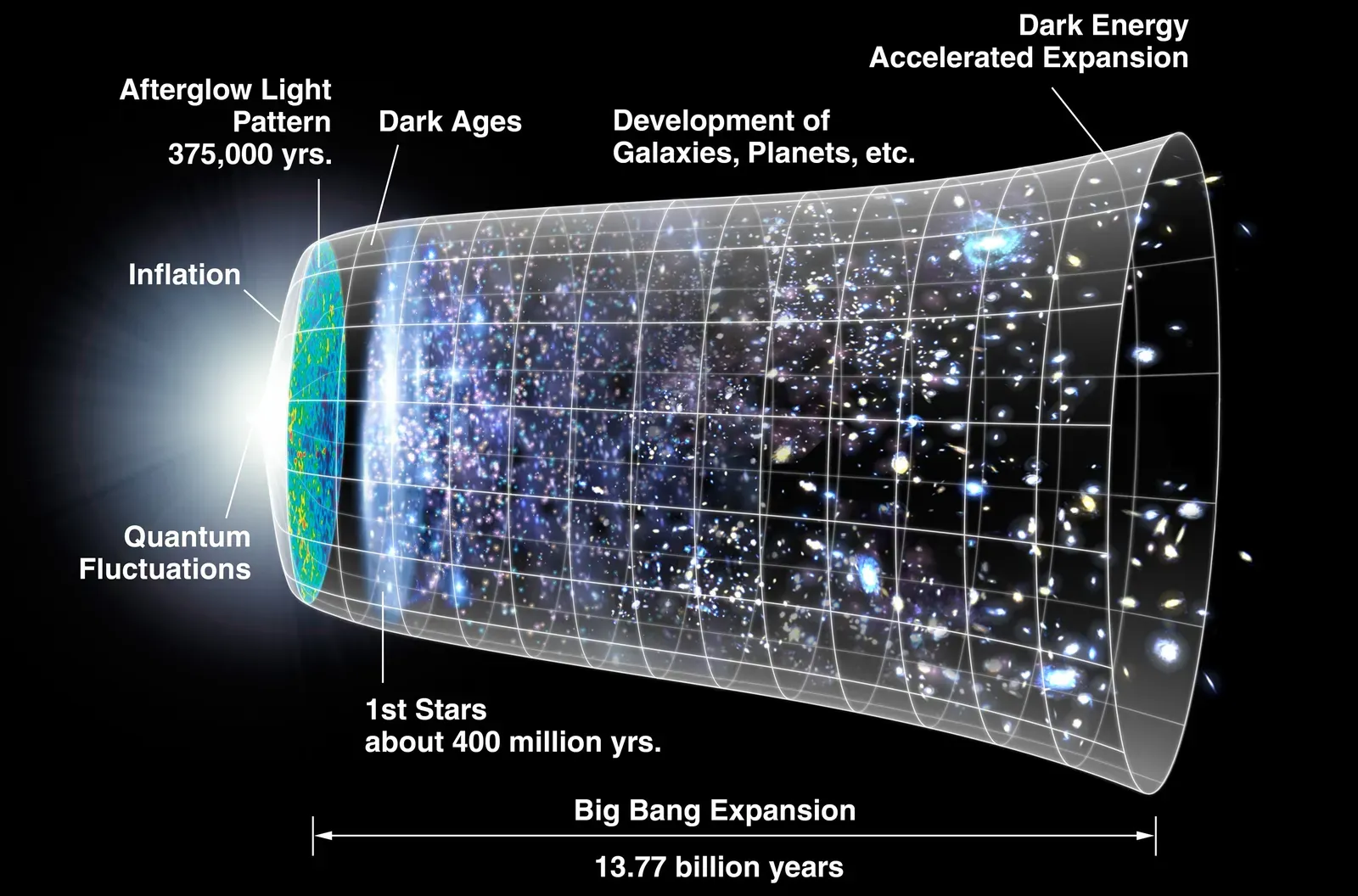
The accelerating expansion acts like a cosmic clock, sketching a rough outline of the universe’s biography from its hot, dense beginning to its distant future. In the early universe, matter and radiation were dense enough that their gravity dominated, slowing the expansion while galaxies and large-scale structures took shape. As the universe expanded and matter thinned out, dark energy’s influence grew, eventually overpowering gravity on the largest scales and setting off the current era of acceleration. Today, roughly about two thirds of the total energy content of the universe appears to be tied up in this repulsive component.
How that story ends depends on the true nature of dark energy. If it is a simple cosmological constant, the universe will keep expanding faster and faster, but galaxies, stars, and planetary systems that remain gravitationally bound will not be torn apart. Over unimaginably long timescales, star formation will dwindle, galaxies will fade, and the night sky will grow emptier as more galaxies slip beyond our observable horizon. More exotic scenarios, in which dark energy grows stronger with time, point to a so-called Big Rip, where even atoms would someday be pulled apart by runaway expansion. Current measurements favor the quieter, slow-fade future, but the uncertainties are large enough to keep the more dramatic possibilities on the table.
Why It Matters: Our Cosmic Context and Fragile Perspective
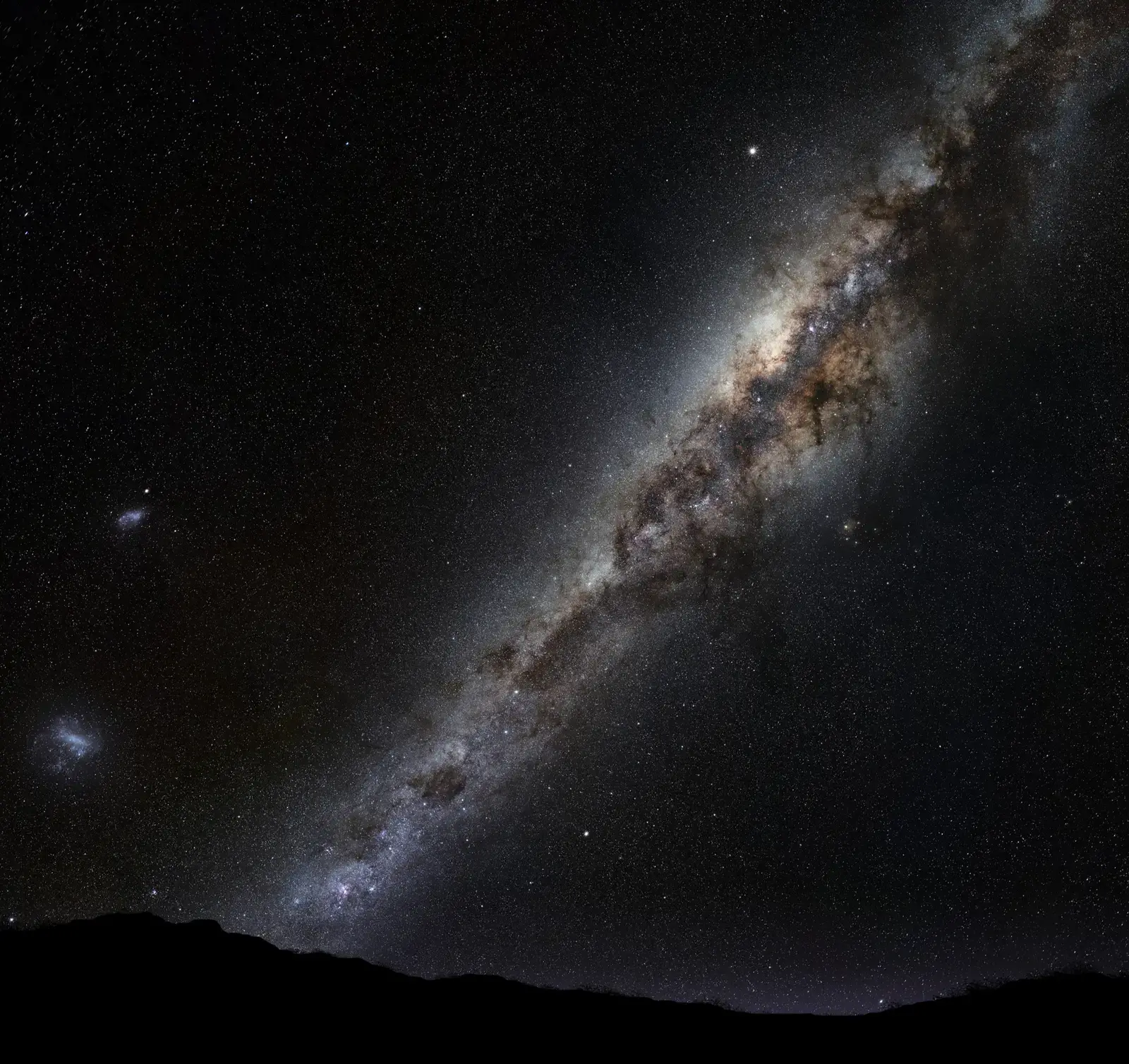
At first glance, an accelerating universe might feel like a distant curiosity, far removed from the concerns of daily life on Earth. Yet this discovery forces us to confront a sobering truth: the part of the universe we can see and touch is only a small fraction of what actually exists. Cosmology has always been a story about perspective, and dark energy stretches that story to a humbling extreme. It tells us that our familiar atoms, stars, and galaxies ride on a vast, unseen sea whose properties dictate the long-term fate of everything.
There is also a deeper philosophical weight to the acceleration of the universe. It challenges the old expectation that given enough time, clever beings could in principle map out and explore the cosmos. Instead, as space expands ever more rapidly, distant galaxies will slip beyond communication forever, carving the universe into isolated islands of matter. Future civilizations, even if they master technology far beyond our current imagination, will be fundamentally constrained by the cosmic event horizon set by dark energy. The accelerating universe does not threaten our survival in any immediate sense, but it quietly redraws the limits of what can ever be known, reached, or shared.
How We Measure a Moving Cosmos
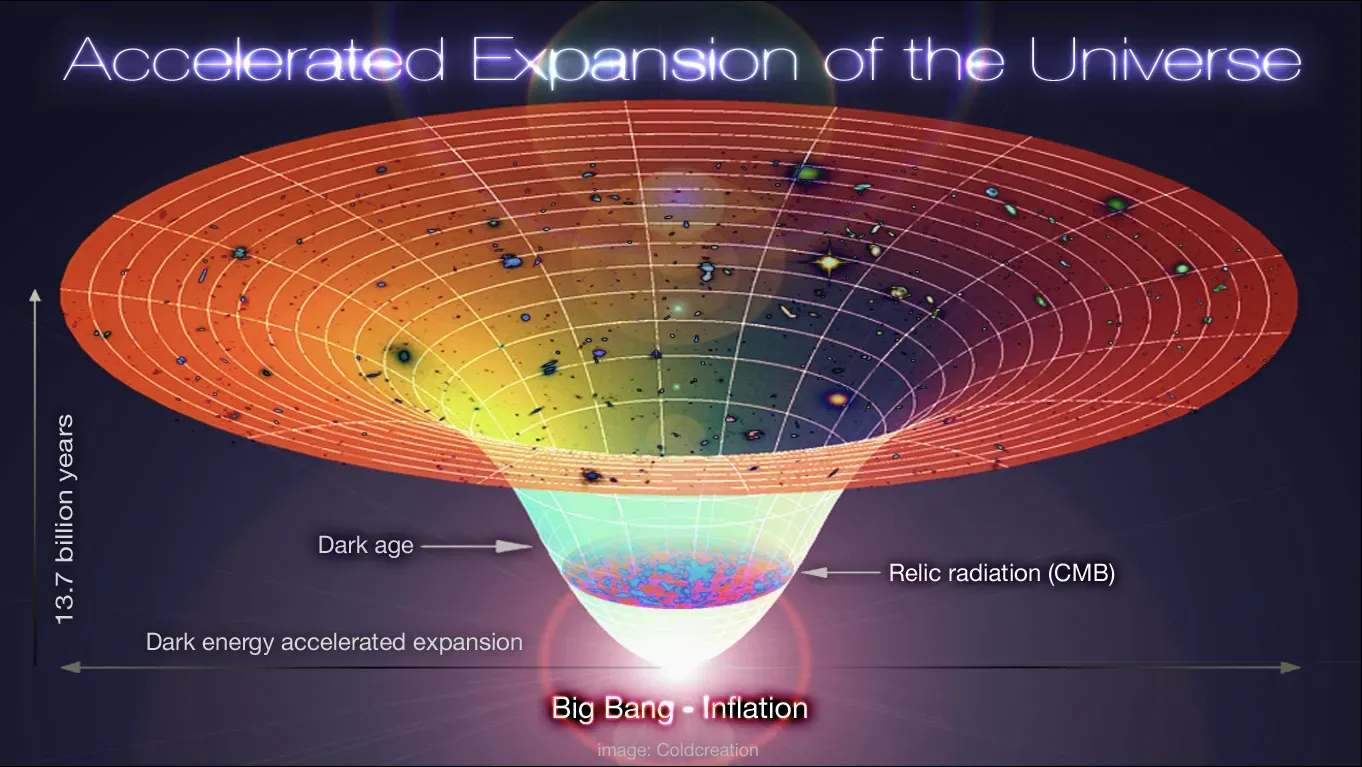
To claim that the universe is accelerating, astronomers must perform one of the most delicate feats in science: measuring how fast space itself stretches over billions of light-years. They do this by combining several independent probes that cross-check one another. Type Ia supernovae still serve as key distance markers, but now they are joined by baryon acoustic oscillations, subtle ripples in the distribution of galaxies that act like a cosmic yardstick. The cosmic microwave background provides a snapshot of the early universe’s conditions, anchoring the models that connect past and present.
Modern surveys map millions of galaxies and quasars, tracking how structures grow over time under the competing influences of gravity and dark energy. Gravitational lensing, where massive objects warp and magnify the light behind them, adds another window, revealing how matter is distributed even when it is too dim to see directly. Together, these methods allow scientists to chart the expansion history of the universe with increasing precision, much like reconstructing the speed of a runner from a series of carefully timed photographs. The fact that these different techniques, using distinct physical principles, all point to acceleration is what makes the case so compelling.
Living in an Island Universe: Human Meaning in a Fading Cosmos
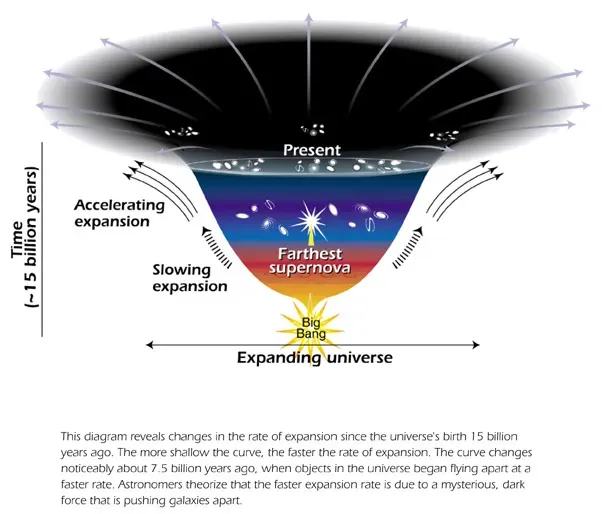
One of the most haunting consequences of accelerated expansion is that it gradually isolates us from the wider universe. Over immense stretches of time, galaxies not gravitationally bound to our local group will recede faster than light can bridge the gap, not because they move through space that quickly, but because space itself is stretching. For future observers living tens of billions of years from now, the universe may appear far smaller and emptier than it does today. They might see only a single, merged galaxy, with no obvious trace of the vast cosmic web we currently observe.
That prospect lends an unexpected urgency to cosmology in our present era. We are living at a time when the universe is still transparent about its origins, its composition, and its large-scale structure. The cosmic microwave background is still visible, distant galaxies still shine, and the patterns of structure are still readable across space. In that sense, our generation and the few that follow inhabit a privileged window in cosmic history, uniquely able to ask and answer questions that may be forever inaccessible in the deep future. The accelerating universe may be indifferent to our presence, but it inadvertently grants us a fleeting moment of extraordinary clarity.
The Future Landscape: Telescopes, Data, and Deeper Mysteries
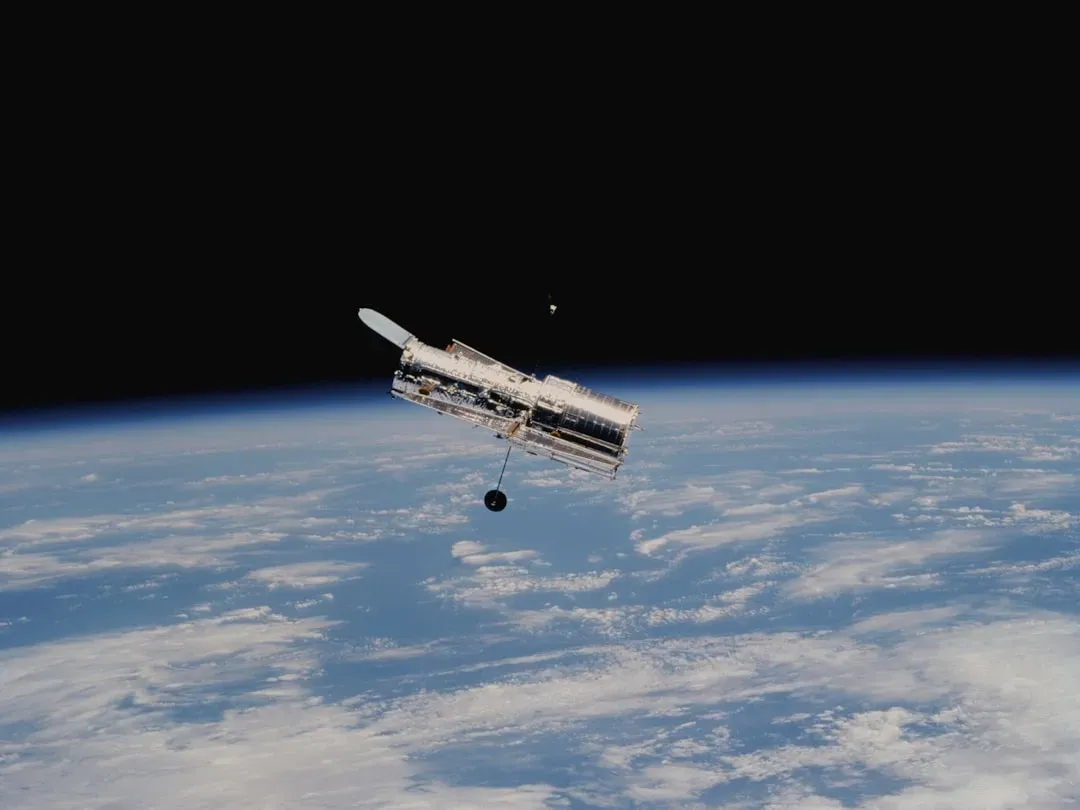
Over the coming decades, a new fleet of telescopes and surveys aims to pin down the properties of dark energy with far greater precision. Large surveys of galaxies and supernovae, along with space-based missions dedicated to weak gravitational lensing, are designed to measure how the expansion rate and the growth of structure change over time. By comparing these two trends, scientists can test whether dark energy behaves like a constant energy of empty space or something more exotic. Some upcoming instruments will scan huge swaths of sky night after night, turning the entire universe into a living laboratory.
Even with better data, dark energy may remain more of a symptom than an explanation, pointing toward new physics rather than wrapping it up neatly. The interplay between cosmology and particle physics is likely to grow stronger as theorists look for hints in high-energy experiments, quantum gravity ideas, or unexpected cracks in general relativity. There is also a realistic possibility that future observations will deepen the mystery by revealing subtle tensions between different ways of measuring the cosmic expansion rate. Instead of closing the book on dark energy, we may find that we have only reached the end of the first chapter.
What We Can Do: Staying Curious in a Expanding Universe
Most of us will never calibrate a supernova or design a space telescope, but there are still meaningful ways to engage with the story of the accelerating universe. One simple step is to follow and support public science programs, from planetarium shows and museum exhibits to online lectures and open data projects that invite curious minds to explore real observations. Another is to advocate for sustained funding of basic research, recognizing that breakthroughs in cosmology often spill over into technology, computation, and even medical imaging. Staying informed about new findings, rather than letting them blur into background noise, keeps the wonder of these discoveries alive.
On a more personal level, reflecting on our place in an accelerating universe can reshape how we think about time, legacy, and what genuinely matters. The knowledge that everything we know is part of a brief, luminous episode in an ever-faster expanding cosmos can be unsettling, but it can also be grounding. It reminds us that curiosity is not a luxury; it is one of the few ways we have to push back against the darkness and indifference of empty space. Supporting science education, sharing reliable information, and simply taking the time to step outside and look up are small acts that connect us to a much larger story.
Suhail Ahmed is a passionate digital professional and nature enthusiast with over 8 years of experience in content strategy, SEO, web development, and digital operations. Alongside his freelance journey, Suhail actively contributes to nature and wildlife platforms like Discover Wildlife, where he channels his curiosity for the planet into engaging, educational storytelling.
With a strong background in managing digital ecosystems — from ecommerce stores and WordPress websites to social media and automation — Suhail merges technical precision with creative insight. His content reflects a rare balance: SEO-friendly yet deeply human, data-informed yet emotionally resonant.
Driven by a love for discovery and storytelling, Suhail believes in using digital platforms to amplify causes that matter — especially those protecting Earth’s biodiversity and inspiring sustainable living. Whether he’s managing online projects or crafting wildlife content, his goal remains the same: to inform, inspire, and leave a positive digital footprint.