
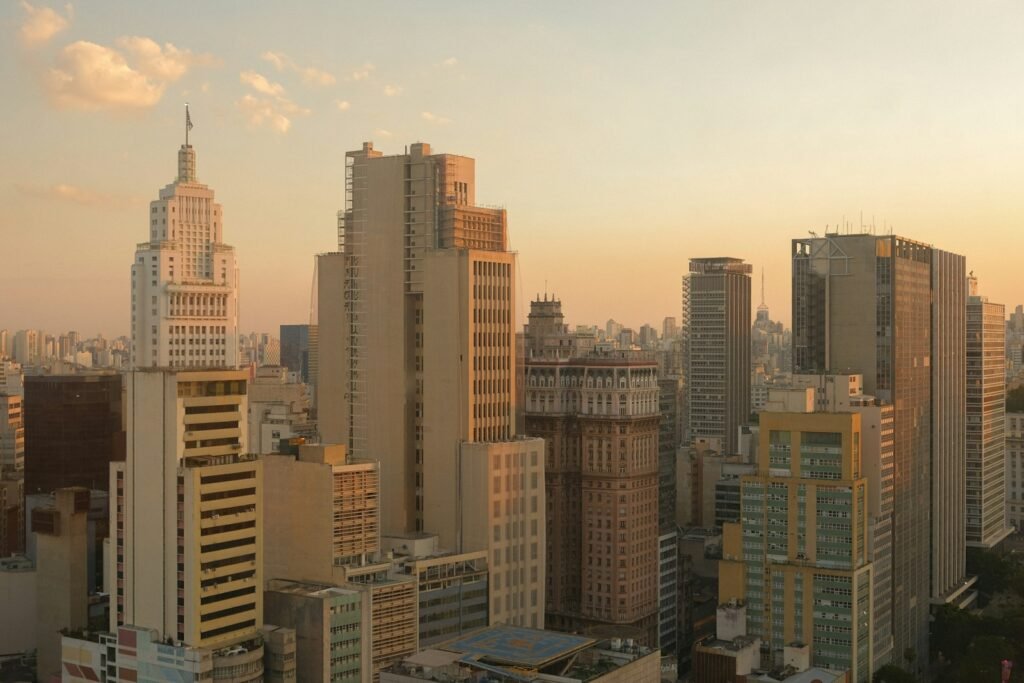

Stand on any city street, scroll through satellite images of Earth, or walk into a museum of ancient history, and one pattern becomes impossible to ignore: humans keep making things. From chipped stone blades to skyscrapers lit by quantum-designed LEDs, our species has been reshaping its surroundings for tens of thousands of years, often faster than we can understand the consequences. Scientists are now starting to treat this creative drive itself as a serious subject of study, connecting archaeology, neuroscience, evolutionary biology, and even environmental science. What they are finding suggests that our urge to design, tinker, and build is not a modern quirk or a cultural hobby – it is a deep, biological feature of being human. That insight is changing how we see the past and how we imagine the next century of innovation.
The Hidden Clues in Stone, Clay, and Bone
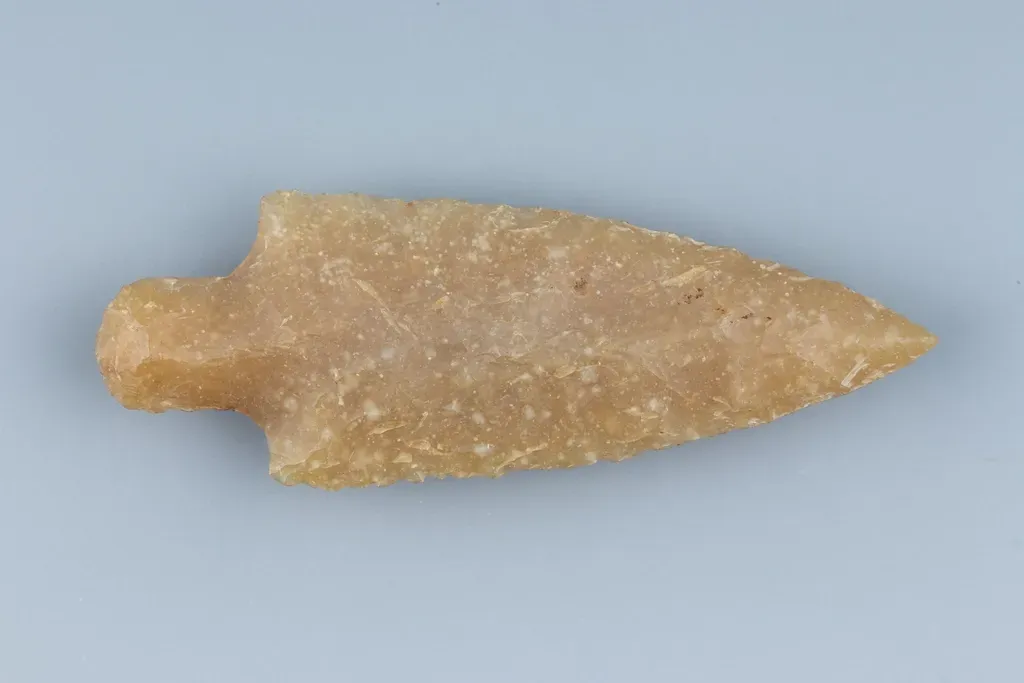
One of the most striking revelations of modern archaeology is how early our creative restlessness appears in the record. Long before writing, cities, or agriculture, small groups of hunter‑gatherers were already experimenting with tools, pigments, and ornaments, leaving behind a trail of clues in caves and ancient campsites. When researchers compare stone tools from different regions and time periods, they see not just survival strategies but distinct design traditions – almost like early product lines evolving across generations. That slow shift from one tool style to another reveals trial and error, imitation, and innovation, patterns that look eerily similar to how technologies spread today. It suggests that humans were not just reacting to their environment; they were actively imagining better ways to cut, hunt, carry, and signal status.
Even tiny details, like how a blade edge is sharpened or how a bead is drilled, tell a story about shared knowledge and creative problem‑solving. When similar designs show up thousands of miles apart, scientists know that either ideas traveled with people or different groups independently stumbled onto comparable solutions, both of which underline a persistent drive to refine. The physical objects themselves – obsidian shards, carved bone needles, clay figurines – act like fossilized thoughts, snapshots of brains trying something new in a harsh and uncertain world. Each fragment hints that the instinct to build and create was not an occasional spark but a steady fire burning in early human communities.
From Ancient Tools to Modern Science

If you line up human inventions from the first stone flakes to reusable rockets, the timeline does not look smooth; it looks like a series of accelerations. Agriculture, the wheel, writing systems, metallurgy, the printing press, electricity, digital computers – each major leap unlocked new ways to invent even faster. Historians and cognitive scientists argue that this pattern reflects not just better materials but a feedback loop between our brains and our built environments. As societies became more complex, they demanded more specialized tools and systems, which in turn required new knowledge, education, and collaboration, pushing us deeper into technological creativity.
In many ways, modern science is just the most formal expression of this ancient urge to tinker and test. Laboratory experiments, peer review, and massive research collaborations might look far removed from a lone artisan shaping a bronze blade, yet the underlying process is similar: observe a problem, imagine a solution, experiment, fail, adjust, and try again. The big difference now is scale. Where early builders mostly transformed local landscapes, today’s scientists and engineers can alter global systems, from the atmosphere’s chemistry to the flow of information around the planet. That continuity – from hand axes to particle accelerators – reminds us that progress is not just about gadgets; it is about a deep, persistent human habit of pushing the boundaries of what can be made.
Inside the Creative Brain

Neuroscientists studying creativity often focus on art or music, but the same brain networks light up when people solve engineering puzzles or imagine new tools. Brain imaging studies show that when we design or plan, regions involved in memory, spatial reasoning, and social understanding all work together, as if creativity is a team sport inside the skull. The so‑called “default mode network,” usually active when we daydream, blends with executive control areas that handle focus and decision‑making, allowing us to drift into new ideas and then refine them into workable plans. That mix of vagueness and precision mirrors how an inventor might sketch wild concepts and later sit down to calculate the details.
What is especially telling is how rewarding this process can feel. Experiments in psychology show that people often experience a burst of pleasure when a solution suddenly clicks, a small jolt of satisfaction that makes the struggle feel worthwhile. That emotional reward may be one reason why building and creating became so deeply embedded in our species. It does not just help us survive; it feels good. When a child spends hours assembling a fort out of blankets or coding a simple game, they are tapping into the same ancient circuits that once drove someone to carve a sharper spear point or figure out how to fire clay at a hotter temperature.
Civilizations Written in Brick, Steel, and Code
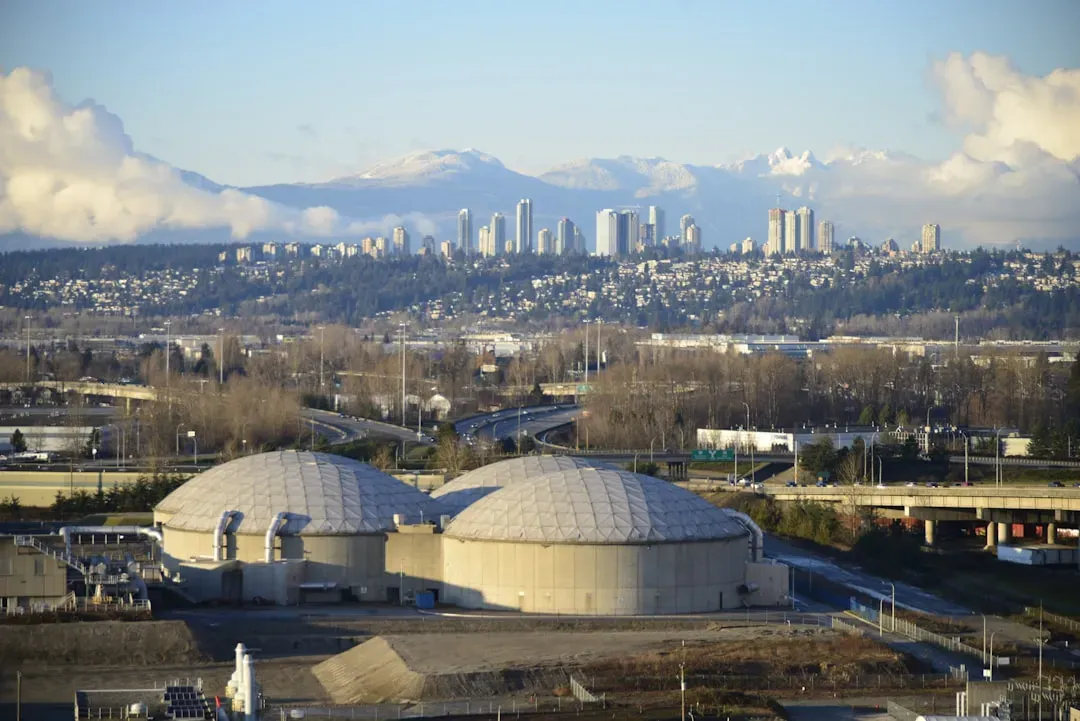
Zoom out from the individual brain, and the instinct to build becomes the defining footprint of entire civilizations. Each major culture leaves behind its own signature structures and systems: stepped pyramids, irrigation networks, cathedrals, railroads, power grids, and now vast digital infrastructures that span continents. Urban historians point out that cities themselves can be read like giant, layered blueprints of human priorities – defense walls giving way to trade routes, horse paths replaced by highways, marketplaces morphing into data centers and logistics hubs. Our collective creations record not just what we knew, but what we valued enough to pour materials, labor, and imagination into.
At the same time, modern building goes far beyond physical structures. Social institutions such as public health systems, scientific academies, and global climate agreements are, in their own way, inventions we built together. Coding a software platform or designing a vaccination campaign requires many of the same skills as constructing a bridge: coordinating teams, anticipating failures, and balancing constraints. When scientists talk about the Anthropocene – the idea that humans have become a planetary force – they are really talking about the combined weight of everything we have built and are still building, from megacities to microscopic nanomaterials.
Why It Matters: The Double‑Edged Nature of Human Ingenuity

Recognizing that the drive to build is instinctive forces us to face a hard truth: innovation is not automatically good. The same creative energy that produces clean water systems and life‑saving drugs also produces weapons, pollution, and fragile global supply chains. Historically, new technologies have often spread faster than our understanding of their long‑term consequences, leaving societies scrambling to catch up. Fossil fuel engines powered unprecedented growth and mobility, but they also set in motion climate changes that will shape life on Earth for centuries. Plastics revolutionized manufacturing, medicine, and food safety, while at the same time filling oceans and food chains with persistent waste.
This double‑edged pattern is not an argument against building; it is a reminder that the instinct alone does not guarantee wisdom. When we treat innovation as a race with no finish line, we risk ignoring who benefits, who is left out, and what hidden costs are being stored up for the future. Yet, there is a hopeful side to this as well. The same restless creativity that caused many of our current crises is now being redirected toward solutions: renewable energy systems, climate‑resilient infrastructure, and more circular economies that try to design waste out from the start. Understanding how deeply our urge to create runs might be the first step toward guiding it more deliberately.
Global Perspectives on Building the World
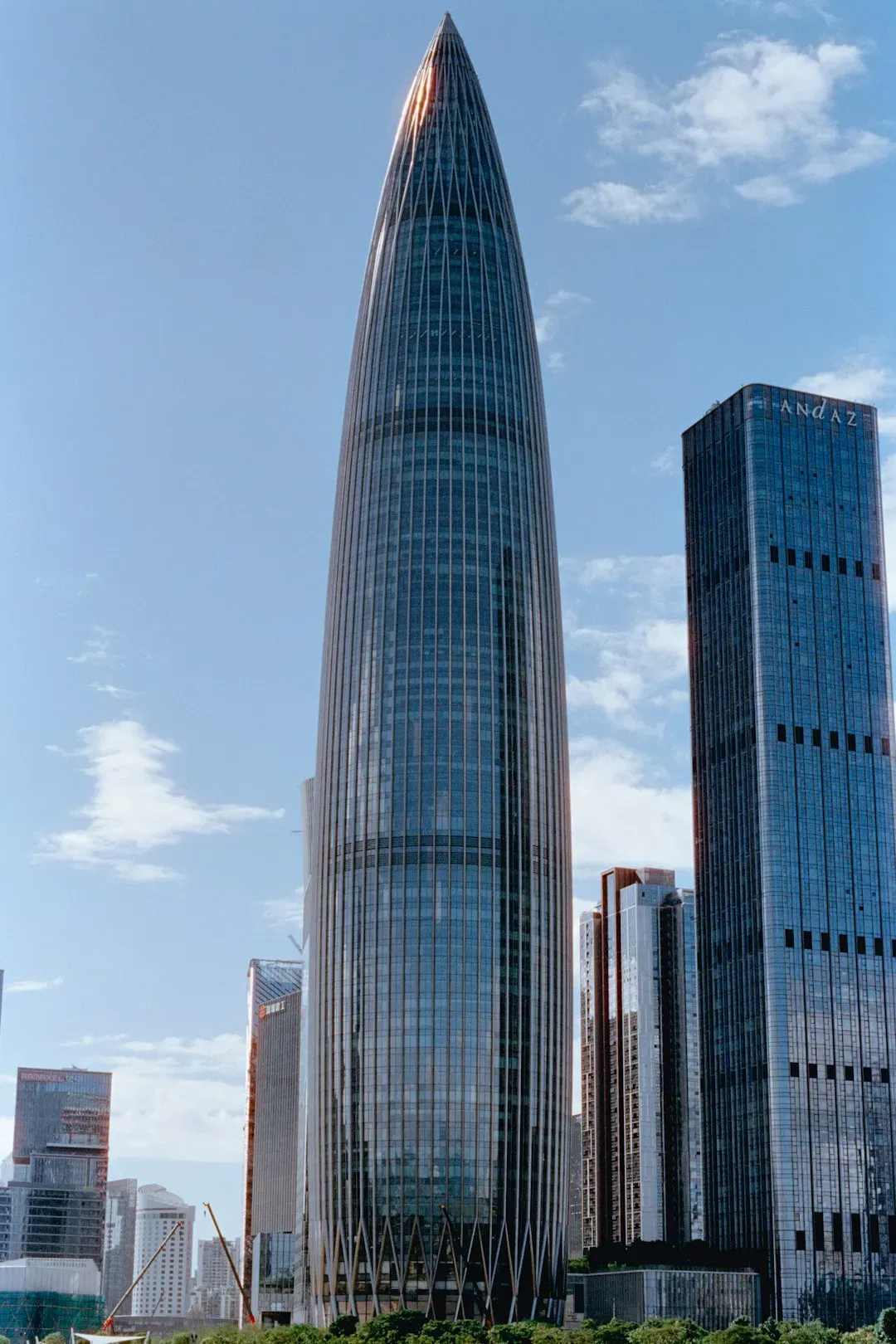
One of the most revealing shifts in recent decades has been the broadening of whose creativity gets recognized in the historical record. For a long time, narratives of innovation centered on a handful of regions and elite inventors, while overlooking the engineers of ancient West African cities, Indigenous agricultural systems in the Americas, or sophisticated water management in South and Southeast Asia. As archaeological techniques improve and archives become more globally connected, a richer picture is emerging of many parallel traditions of building and problem‑solving. Terraced hillsides, adobe architecture adapted to heat, intricate textile technologies, and community‑run commons all show how diverse cultures tuned their ingenuity to local environments.
Today, that diversity continues in design labs, community workshops, and informal settlements worldwide. Engineers in one country are adapting low‑cost solar designs first tested in another, while grassroots groups in coastal regions are experimenting with nature‑based defenses that blend traditional knowledge with modern materials. These global exchanges hint at a powerful idea: our instinct to create is shared, but the forms it takes are incredibly varied, and that variety may be one of our greatest strengths. Instead of a single, linear story of progress, we are living through a complex, interconnected web of experiments in how to build livable futures.
The Future Landscape: Building on a Planet With Limits
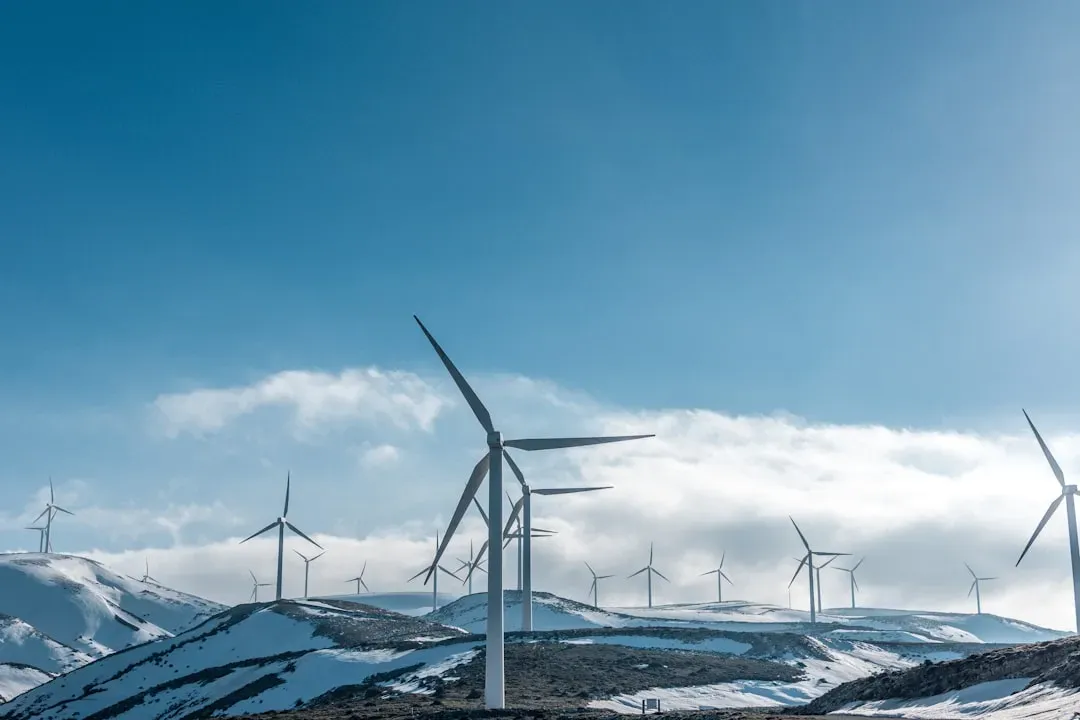
Looking ahead, the human urge to make and remake the world is colliding with hard planetary boundaries. Climate change, biodiversity loss, and resource constraints are forcing a rethinking of what progress looks like. Instead of asking only what we can build, more scientists and engineers are asking what we should build, and how. Emerging technologies such as advanced batteries, low‑carbon cement, lab‑grown materials, and artificial intelligence‑assisted design tools promise to squeeze more function out of fewer resources. That shift from quantity to quality – doing more with less – may define the next chapter of human creativity.
At the same time, powerful tools come with new risks. Large‑scale geoengineering proposals, for example, would let us intentionally alter Earth’s climate systems, raising profound questions about unintended consequences and global governance. Genetic engineering and biofabrication open possibilities for living materials and new medicines, but they also demand careful oversight and ethical debate. In a sense, we are now building at a new level of abstraction: not just roads and machines, but entire technological ecosystems that can either stabilize or destabilize the planet. Navigating this future will require not only the inventive spark that has always driven us but also a maturity that history suggests we have struggled to maintain.
How We Can Shape What We Build Next
For most people, the scale of human invention can feel distant, like something that happens in research labs, corporate boardrooms, or government agencies. But the instinct to build and create does not belong only to experts, and neither does the responsibility for where it leads. Everyday choices – what products we buy, what projects we support in our communities, how we vote on infrastructure and education – collectively nudge the direction of innovation. Supporting science education, public libraries, and makerspaces helps give more people the tools to participate, not just consume. Paying attention to the full life cycle of the things we use, from raw materials to end‑of‑life disposal, can push companies and policymakers toward more sustainable designs.
There are simple, concrete ways to get involved: backing citizen‑science projects, visiting local museums that highlight engineering and design, or joining community efforts to retrofit homes and neighborhoods for energy efficiency. Even talking with children about how things are made, and encouraging their experiments, keeps that ancient creative spark alive in a more thoughtful way. The human instinct to build is not going away; it is one of the most reliable constants in our history. The open question is how we choose to steer it from here.
Suhail Ahmed is a passionate digital professional and nature enthusiast with over 8 years of experience in content strategy, SEO, web development, and digital operations. Alongside his freelance journey, Suhail actively contributes to nature and wildlife platforms like Discover Wildlife, where he channels his curiosity for the planet into engaging, educational storytelling.
With a strong background in managing digital ecosystems — from ecommerce stores and WordPress websites to social media and automation — Suhail merges technical precision with creative insight. His content reflects a rare balance: SEO-friendly yet deeply human, data-informed yet emotionally resonant.
Driven by a love for discovery and storytelling, Suhail believes in using digital platforms to amplify causes that matter — especially those protecting Earth’s biodiversity and inspiring sustainable living. Whether he’s managing online projects or crafting wildlife content, his goal remains the same: to inform, inspire, and leave a positive digital footprint.


