History class tended to march in a straight line: Mesopotamia, Egypt, Greece, Rome, repeat. But beneath that tidy storyline lies a far stranger reality – one where ancient engineers carved with sub-millimeter precision, desert empires tracked distant stars, and Bronze Age traders built networks that look suspiciously like the early internet of their world. In the last few decades, scientists armed with satellites, DNA sequencing, and lidar have been quietly rewriting that story. What we thought were “primitive” societies often turn out to be astonishingly sophisticated once we get better tools to look at them. The result is a past that feels less like a dusty timeline and more like a detective thriller where half the clues were hidden in plain sight.
The Amazon’s Lost Cities: Rainforest Ruins Hiding in Plain Sight
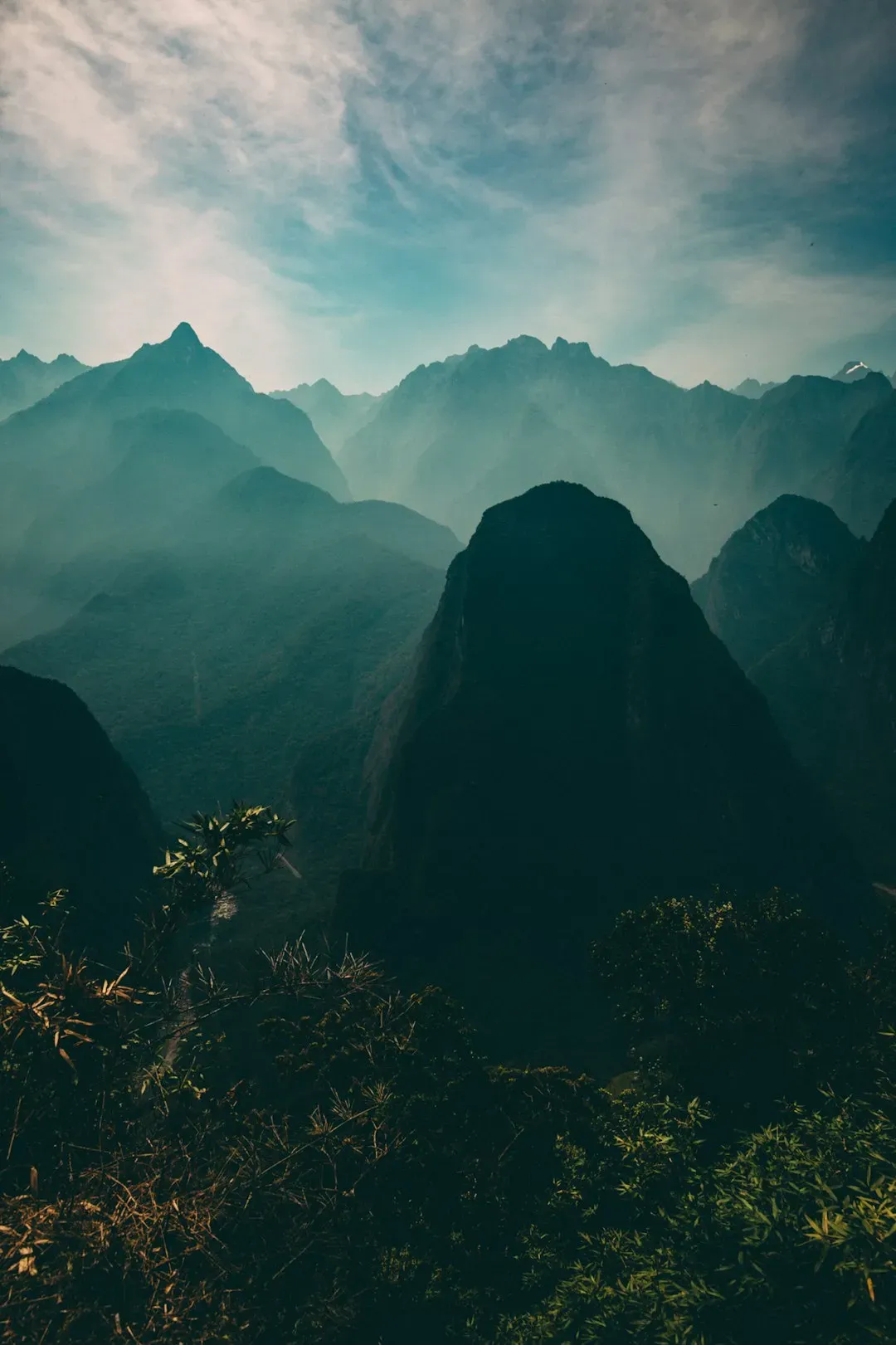
For most of the twentieth century, textbooks insisted the Amazon rainforest was too poor in nutrients to support large, complex societies. That story started to crumble when archaeologists and geographers began flying laser-scanning equipment – lidar – over the canopy, revealing geometric earthworks, gridded road systems, and the clear outlines of entire urban landscapes. In 2022 and 2023, research teams reported evidence of dense settlements in parts of the southwestern and central Amazon, with interconnected towns, ceremonial platforms, and causeways stretching for miles. These were not small forest villages; they were planned communities with plazas, terraces, and sophisticated water management. The rainforest many people imagine as untouched “virgin” wilderness turns out, in some regions, to be a cultural landscape shaped by centuries of human activity.
One of the most surprising findings is that ancient Amazonians engineered the soil itself, creating what researchers call dark earth – man-made, incredibly fertile ground packed with charcoal, organic waste, and nutrients. These engineered soils can be many times richer than the surrounding earth and remain productive for centuries, hinting at long-term agricultural planning that rivals modern sustainability talk. When you connect the dots between the soil, the earthworks, and the settlement patterns, a new picture appears: the Amazon as a mosaic of forest cities, gardens, and managed ecosystems, not a human-free Eden. It forces us to ask how much of what we call nature is actually abandoned infrastructure from civilizations we barely knew existed.
The Indus Valley’s Silent Script and Surprisingly Modern Cities
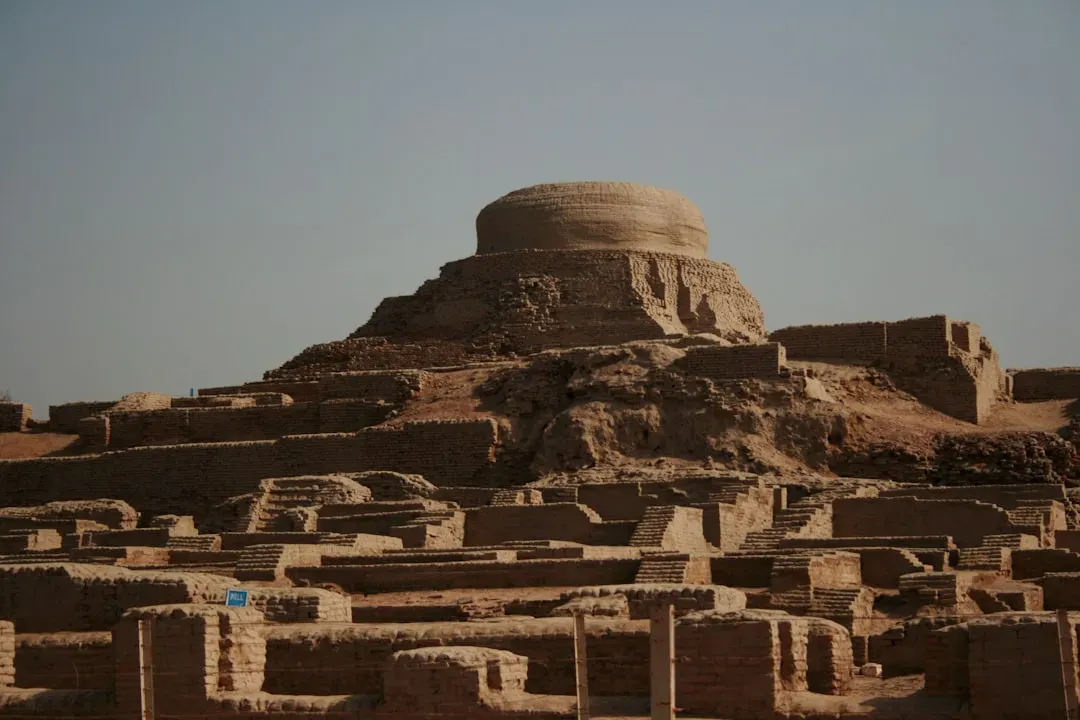
If you learned about the Indus Valley Civilization at all, it was probably a quick mention: “early cities in what is now Pakistan and northwest India.” What rarely makes it into school lessons is just how advanced those cities were, and how mysterious they remain. Urban centers like Mohenjo-daro and Harappa had straight, wide streets laid out on grids, multi-story brick houses, and complex drainage systems that look startlingly modern. Some homes had what we would recognize today as private bathrooms connected to covered sewers, while large public baths suggest ritual or communal hygiene practices. Unlike many other early civilizations, there is little evidence of giant palaces or ostentatious royal tombs, hinting at a social order that may have been less focused on single rulers.
Then there is the script – hundreds of seals and short inscriptions written in symbols that no one has definitively deciphered. Despite decades of work and the use of computers to analyze symbol patterns, researchers still debate whether it records a full language or a more limited system like marks of ownership. That means one of the world’s earliest urban cultures is effectively speaking to us in a code we cannot yet crack. Trade links show they were connected by sea and land to Mesopotamia and beyond, moving goods like beads, metals, and possibly cotton textiles. The combination of high-level city planning, far-reaching trade, and an undeciphered writing system makes the Indus world feel like a major chapter of human history that is still stubbornly redacted.
Ancient Climate Tech: Desert Civilizations That Engineered Coolth
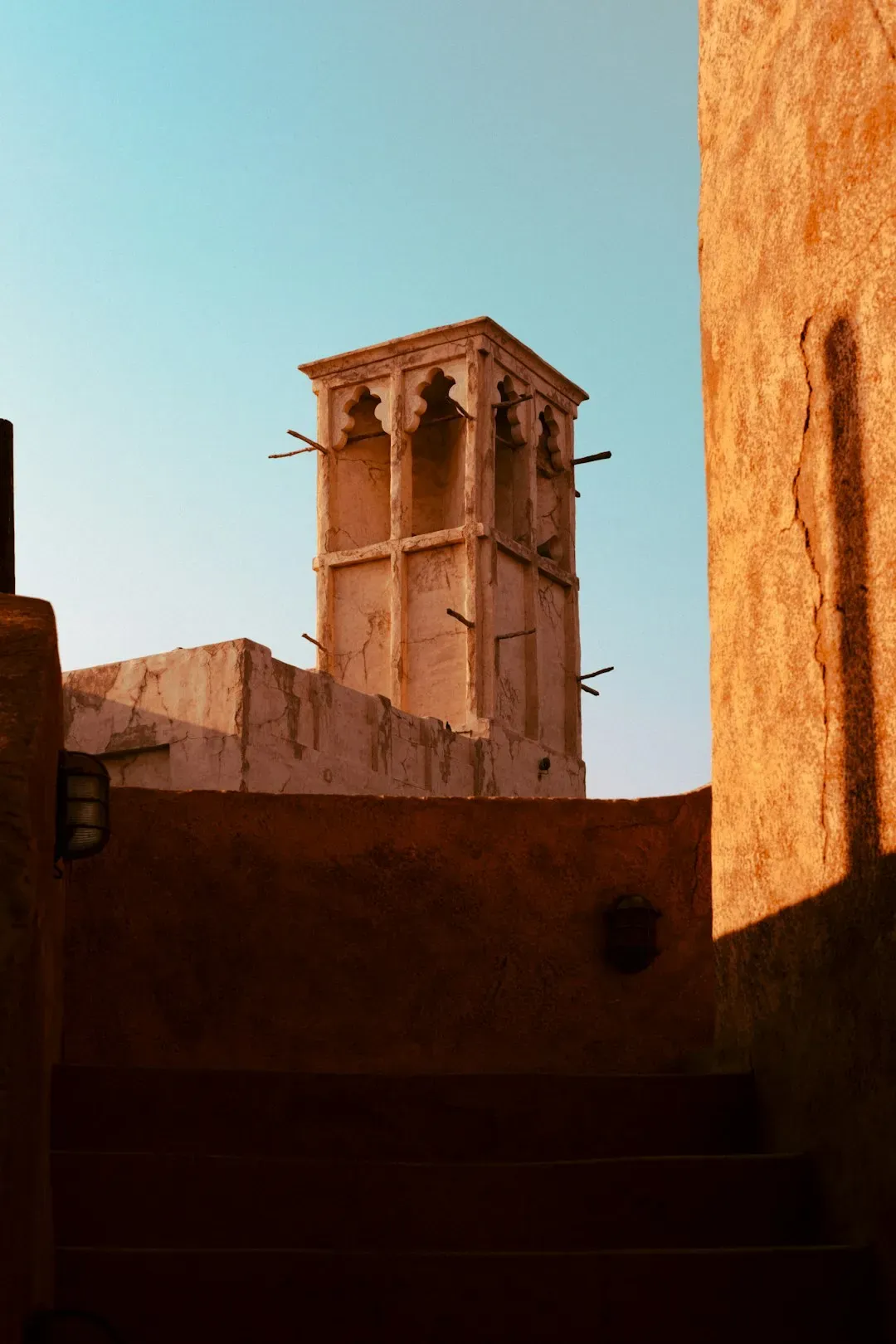
Air conditioning feels like the ultimate modern convenience, but long before compressors and refrigerants, ancient engineers were battling heat with astonishing ingenuity. In Persia, across what is now Iran, builders developed windcatchers – tall towers that trap even faint breezes and direct them down into homes and underground spaces, cooling the air through circulation and evaporation. Combined with thick adobe walls and clever orientation to the sun, these systems could make indoor temperatures far more tolerable in blistering desert summers. In some cities, the towers were tied into subterranean water channels called qanats, adding a cooling effect that would impress any modern HVAC engineer.
Similar problem-solving shows up elsewhere: stepwells in India functioned as both community water sources and cool refuges, with descending terraces that dropped you into cooler microclimates as you went deeper. The Nabataeans, the civilization behind Petra in modern Jordan, carved rock-cut structures that harnessed shade, airflow, and water storage to create comfortable oases in brutal environments. These approaches are not just clever hacks; they represent a deep, empirical understanding of thermodynamics, even if no one called it that. Looking back at these systems today, architects and engineers are increasingly treating them as early blueprints for low-energy cooling in a warming world, rather than quaint historical curiosities.
Bronze Age Globalization: A Trade Network That Collapsed Like a System Crash
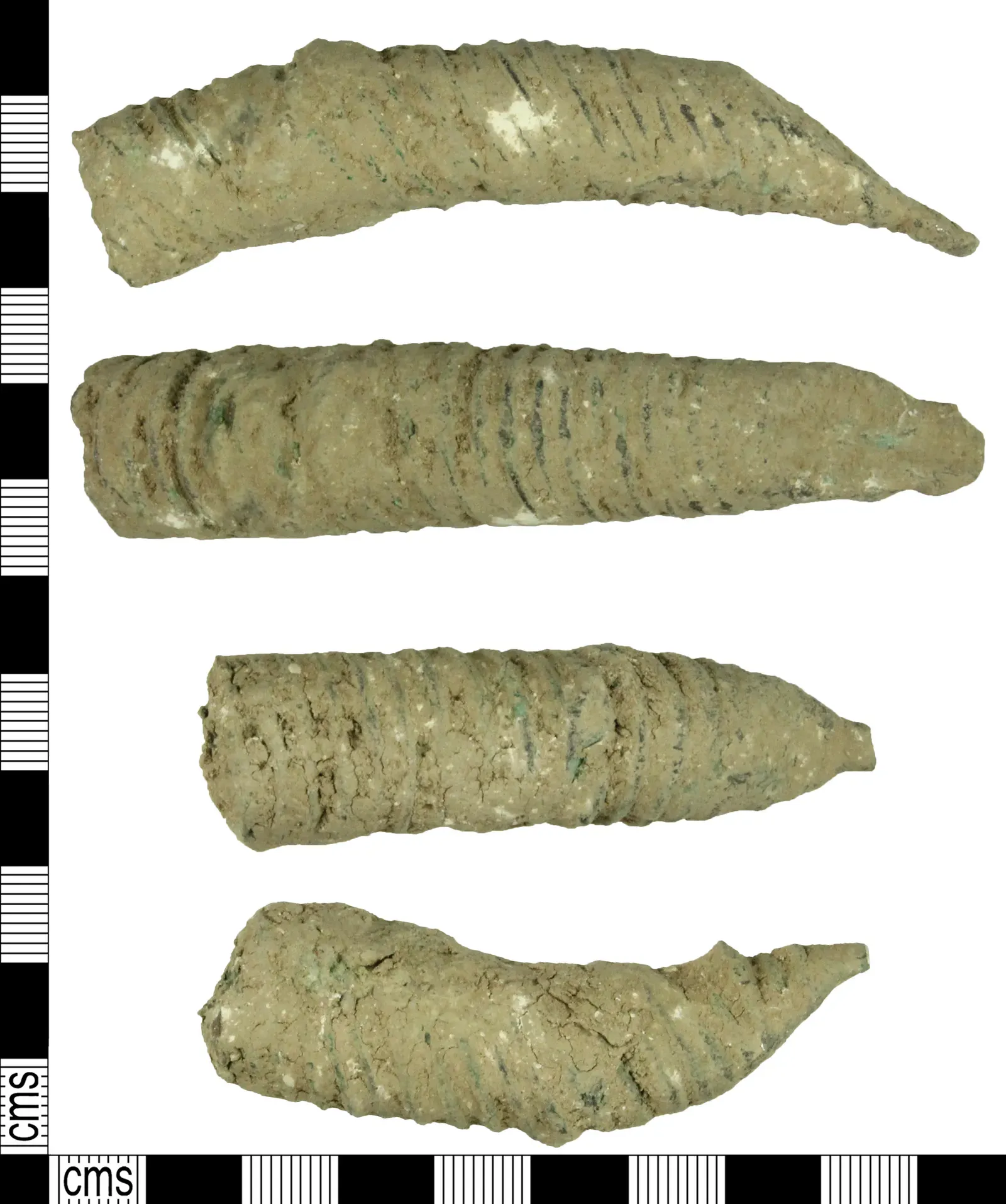
School history often treats civilizations as separate bubbles: Egypt over here, the Minoans over there, the Hittites off to the side. In reality, evidence from shipwrecks, clay tablets, and chemical analyses of metals paints a picture of an interconnected Late Bronze Age world across the eastern Mediterranean and Near East. Copper from Cyprus, tin from as far as Central Asia or beyond, and finished bronze weapons and luxury goods crisscrossed the region. Elite letters between rulers, written on clay and baked by accident in palace fires, discuss marriages, gold exchanges, and pleas for grain during famines. It looks uncannily like an early version of globalization, with economic, political, and even personal ties spanning thousands of miles.
Then, around the twelfth century BCE, much of that network fell apart over a relatively short period. Many major cities were destroyed or abandoned, written records dry up, and some states disappeared entirely. Scholars argue over the exact mix of causes – climate shifts, earthquakes, internal rebellions, new military technologies, or invading groups – but the key insight is systemic: once the network was stressed in several places at once, the whole thing cascaded into collapse. For modern readers, it is hard not to see echoes of fragile supply chains and tightly coupled global systems today. The Bronze Age world reminds us that complexity can be both a strength and a vulnerability, and that when multiple failures stack up, even apparently stable civilizations can slide into decades of chaos.
Prehistoric Surgery and Neuroscience: Skulls That Should Not Have Survived
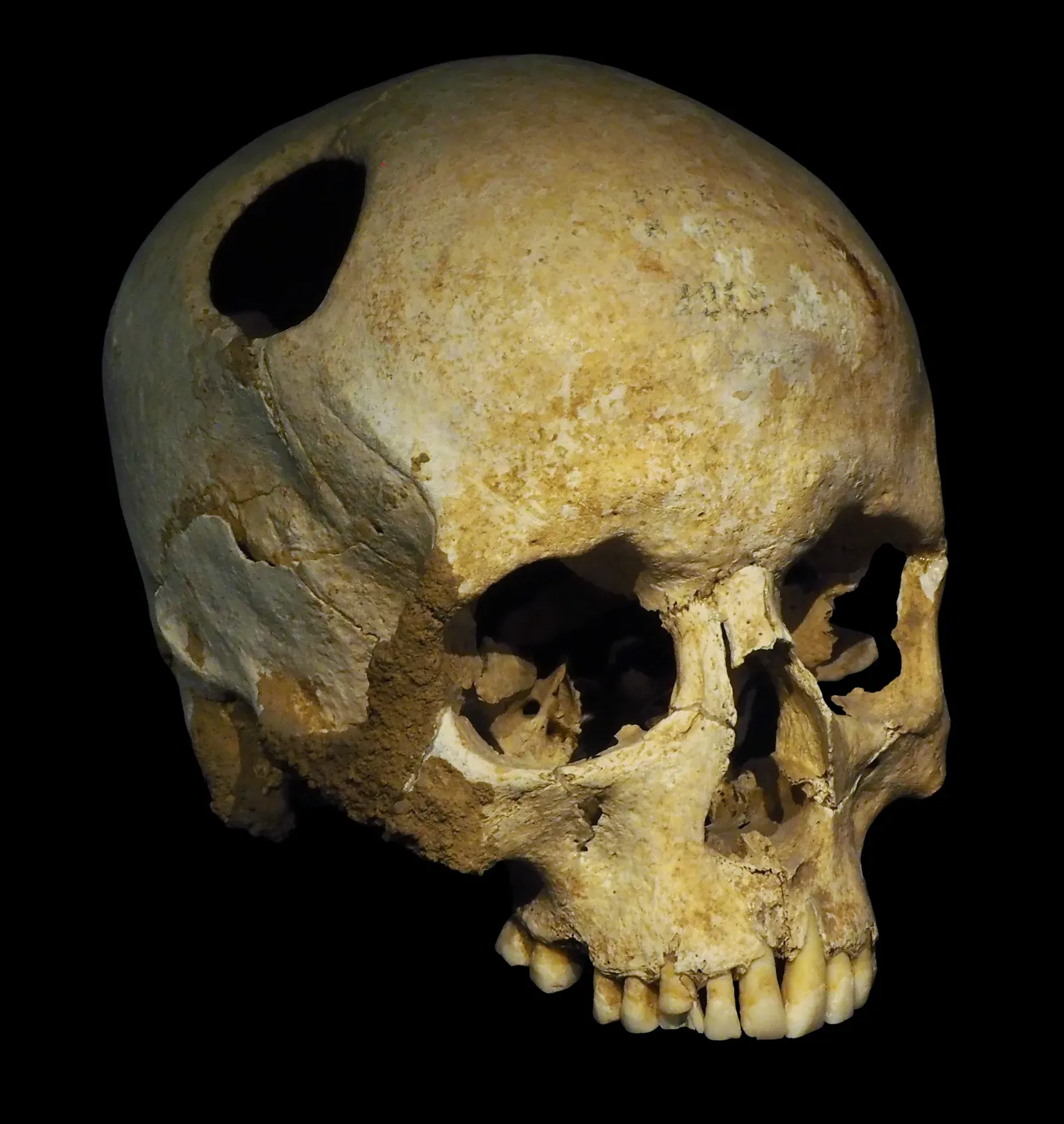
If someone told you that humans were drilling holes into skulls thousands of years before written history and that many patients survived, it would sound like fiction. Yet archaeologists have unearthed skulls from Europe, the Americas, and Africa showing clear evidence of trepanation – carefully cut or scraped openings in the cranium. In many cases, bone growth around the edges indicates the person lived for months or years after the procedure. The motives ranged from relieving pressure after head injuries to treating seizures or intense headaches, and perhaps also spiritual beliefs about allowing spirits to leave or enter. Whatever the reasoning, the technical skill is undeniable: avoiding major blood vessels and not killing the patient by accident required careful empirical learning over generations.
Other skeletal remains suggest advanced medical knowledge that rarely makes it into schoolbooks. Archaeologists in Egypt, for instance, have identified mummified individuals with what appear to be healed surgical interventions and prosthetics, like a well-fitted wooden toe designed to help walking. Some Andean cultures practiced sophisticated cranial shaping on infants, changing skull forms in consistent ways that required awareness of growth and development. While these practices might look strange through modern eyes, they show that ancient peoples were running real-world experiments on anatomy, pain, and healing. It forces us to rethink lazy assumptions that serious medical practice only began in classical Greece or in early modern Europe.
Why These Hidden Histories Matter More Than You Think
It can be tempting to treat these discoveries as fun trivia, the historical equivalent of a party trick. But the deeper you go, the more they chip away at a persistent myth: that progress is a straight, Western-centered line from “primitive” to “advanced.” When you see urban planning in the Indus Valley, terraformed soils in the Amazon, and desert cooling systems in Persia, you realize that many societies were solving complex problems with astonishing creativity long before modern industry. That does not mean they were utopias or that we should romanticize the past, but it does mean our usual rankings of which civilizations “count” are heavily biased. Recognizing that is not just about being fair to the dead; it shapes how we listen to living cultures today.
There is also a scientific reason this matters. Each rediscovered practice – whether it is climate-smart agriculture, low-energy architecture, or resilient trade structures – adds to a library of real-world experiments run over centuries. Modern researchers looking for sustainable ways to feed cities, manage water, or design buildings in extreme climates can mine that library for ideas tested at scale. On a more personal level, learning that people in the so-called margins of history were capable of such nuance and ingenuity pushes us to question what else we are missing right now. If entire forest cities and medical traditions can vanish from the standard narrative, what other blind spots are we carrying into our understanding of the present?
Ancient Tech, Modern Science: How New Tools Are Rewriting the Past
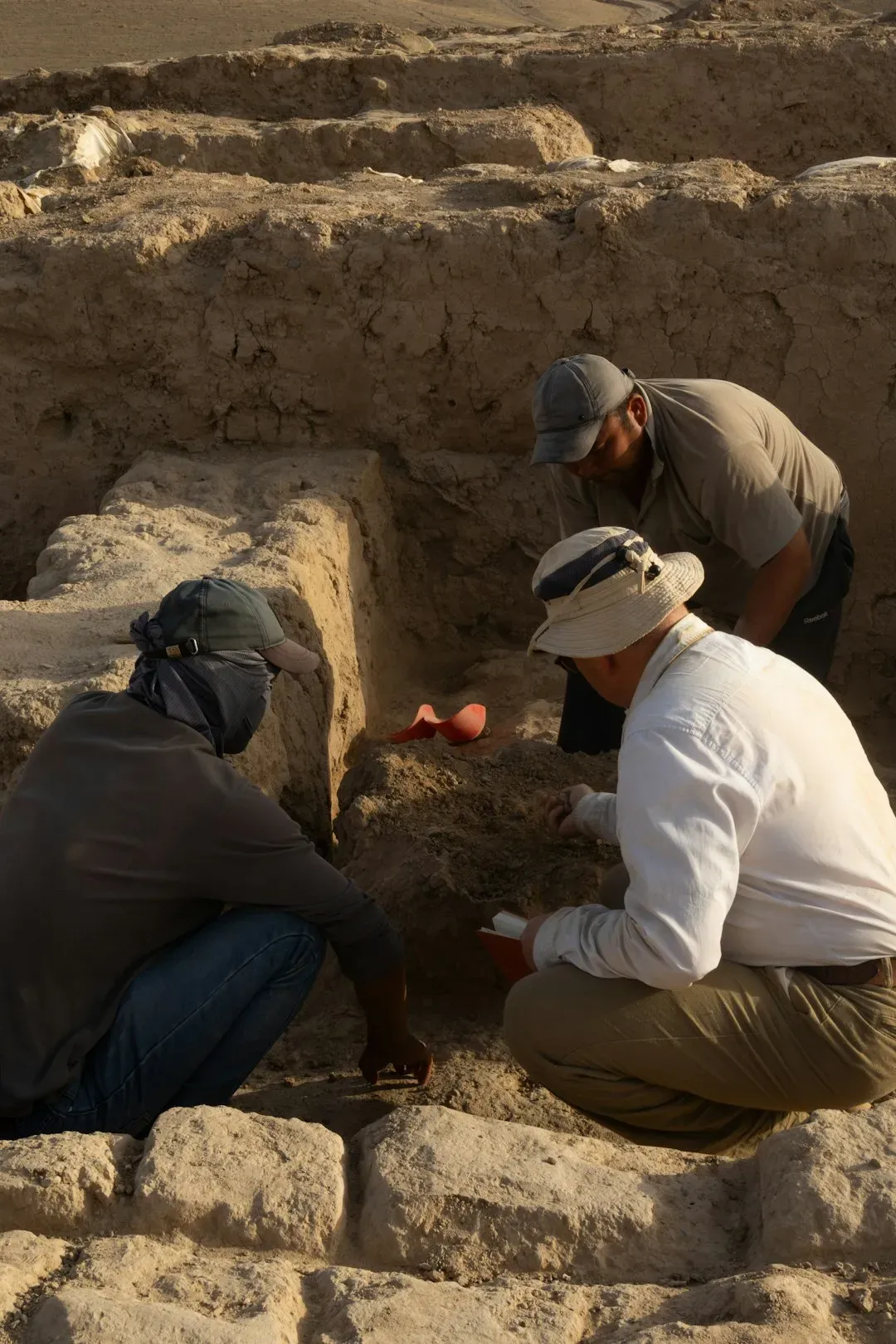
None of these stories would be possible without a quiet revolution in the tools scientists use to study the past. Lidar can strip away forests and modern buildings in digital space, revealing the ghostly outlines of buried cities that would take decades to map on foot. Ground-penetrating radar and magnetometry let archaeologists detect walls, ditches, and even individual structures without a single shovel of dirt being moved. Meanwhile, radiocarbon dating has grown more precise, and techniques like dendrochronology – dating based on tree-ring patterns – allow researchers to pin events like fires, droughts, and building phases to specific years. In effect, we are turning fuzzy timelines into high-resolution chronicles.
Then there is biomolecular science. Ancient DNA and isotopic analysis are transforming bones, teeth, and even residue on pottery into rich data about diet, migrations, and disease. A single tooth can now reveal where someone grew up, what they ate, and which pathogens they carried. Proteins preserved in dental calculus – the hardened plaque on ancient teeth – are exposing forgotten foods and bacterial communities. This fusion of archaeology with genetics, climate science, and geochemistry turns each site into a multidisciplinary lab. It also means that many sites excavated decades ago are being re-analyzed, as museum collections become sources of new data, not just display objects gathering dust.
The Future Landscape: What We Still Might Find Beneath Our Feet
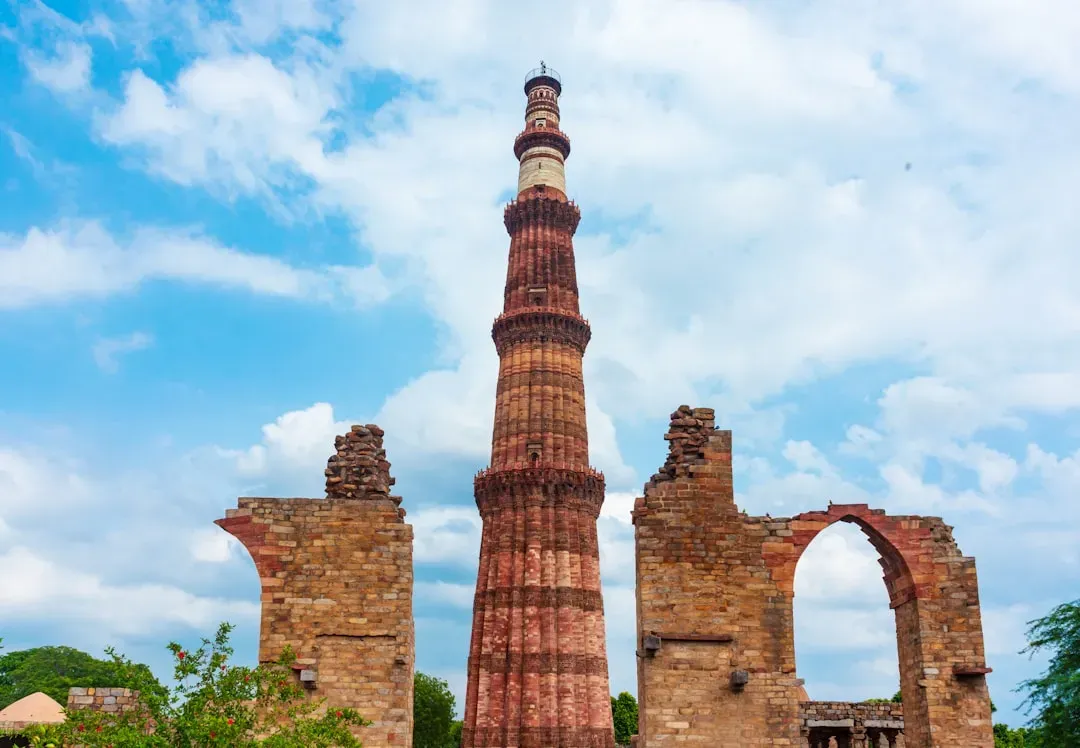
For all the headline-making discoveries, most of the archaeological record remains untouched or even unknown. Vast areas of the planet – deep ocean floors, dense forests, remote deserts – hold traces of past human activity that our current surveys only hint at. As satellites improve and more regions are scanned with high-resolution remote sensing, we can expect more “lost” cities and networks to emerge. Climate change, ironically, is also exposing sites by melting ice and thawing permafrost, revealing artifacts that have been sealed away for millennia. At the same time, rising seas and extreme weather threaten to erase coastal sites before they can be properly studied, adding urgency to the work.
Future tools could push things further, from AI-assisted pattern recognition that flags likely sites in satellite imagery to non-invasive chemical sensors that screen for buried materials. There is even growing interest in citizen science, where local communities and volunteers help record sites with smartphone apps before construction or erosion destroys them. Yet every new discovery comes with ethical questions: Who owns this past, who tells its story, and who benefits from the knowledge and tourism it brings? As technology gives us sharper eyes, the challenge will be balancing curiosity and respect, making sure that rewriting the past does not mean repeating old patterns of extraction and exploitation in a new guise.
How You Can Be Part of This New Age of Discovery
It is easy to think of archaeology and ancient history as something that happens far away, controlled by specialists with exclusive access. In reality, ordinary people shape what gets preserved, funded, and remembered. One of the simplest steps is staying curious and critical about the history you were taught – when a story sounds too clean or linear, ask what might be missing or who was left out. Supporting museums, especially smaller regional ones, can help keep research and local heritage programs alive. Many institutions now host public lectures, online talks, and open days where you can hear directly from scientists about the latest finds.
You can also engage more actively. Some archaeological projects and mapping efforts welcome volunteers, whether on the ground or through digital platforms that ask users to help scan satellite images for ancient structures. Paying attention to how development projects near you handle heritage – such as requiring surveys before construction – can make a real difference to what is saved. And perhaps most importantly, listening to and amplifying Indigenous and local voices when it comes to ancient sites helps ensure that rediscovery does not mean erasure of living cultures. The past is not a closed book; it is more like a palimpsest being read and rewritten with every new question we ask.